The story
A sanctuary the village has protected since the 1980s, and jacks in numbers that make the argument better than any sign on the beach.
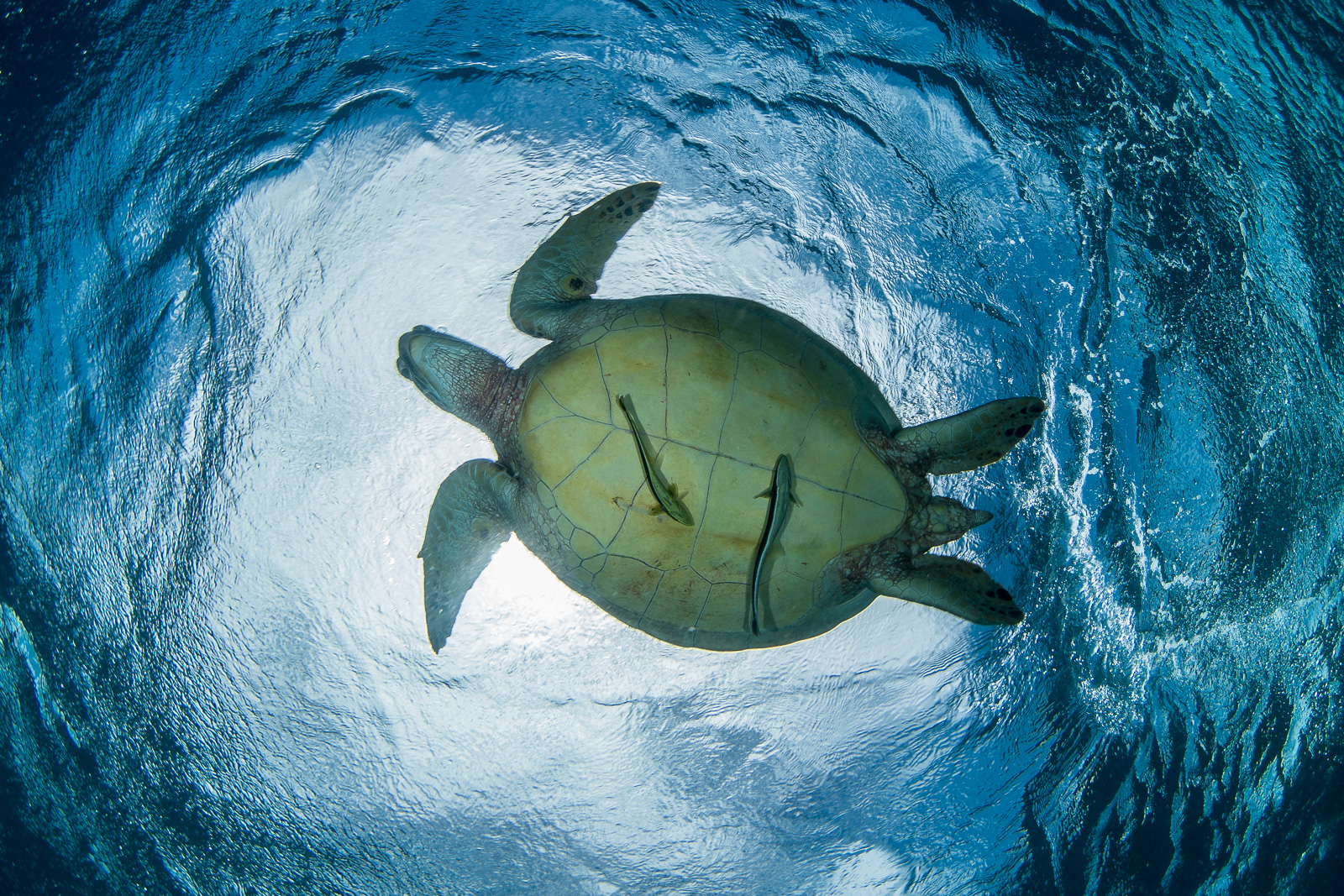
A village of a few hundred people decided in the 1980s to stop fishing part of their own reef. Everything you swim over here is the result of that argument.
Scored below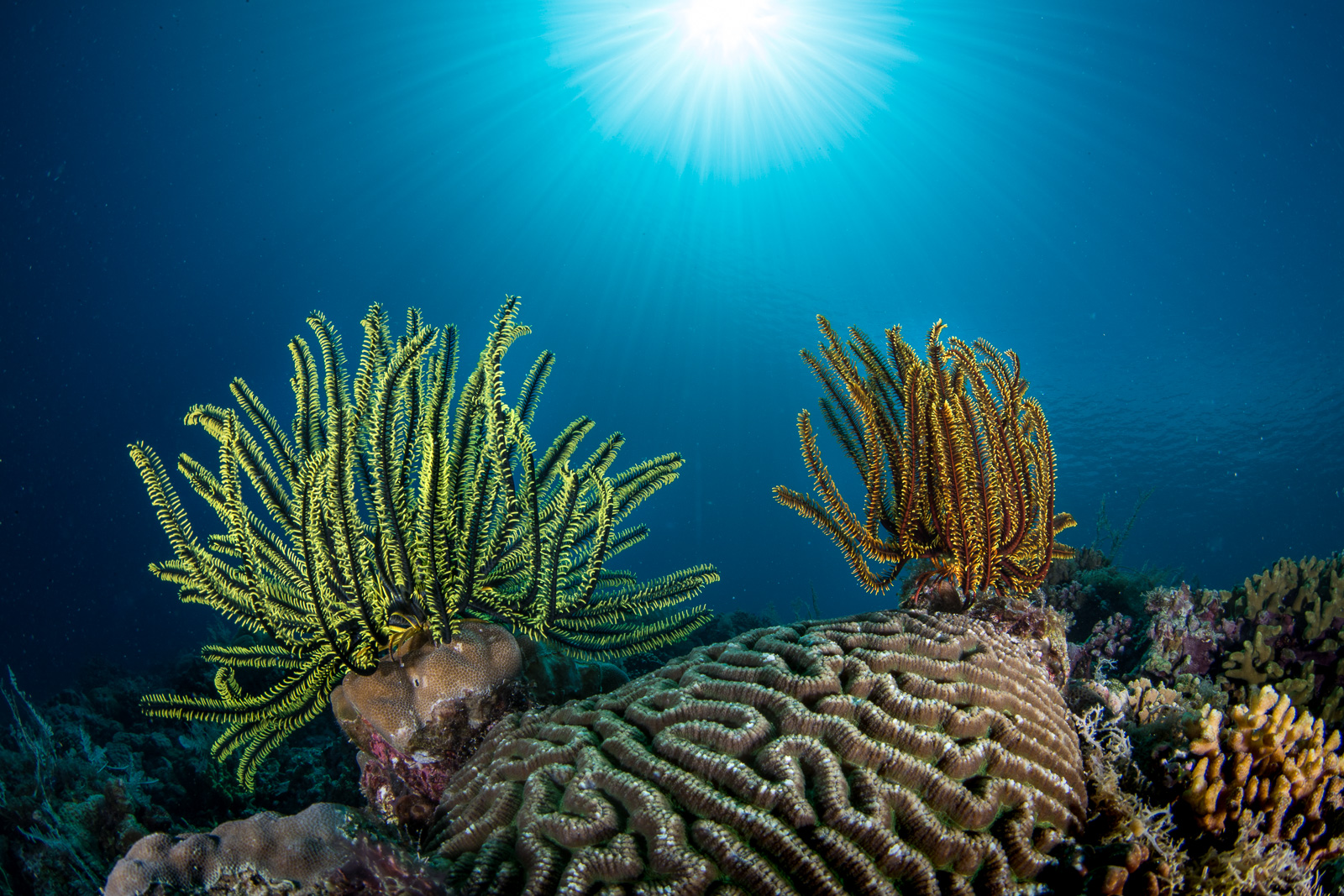
The sanctuary was established in the mid-1980s after years of persuasion, at a time when nobody was doing this at village scale. The islanders enforced it themselves. Fish stocks recovered, the catch outside the no-take zone improved, and the model has since been copied across Southeast Asia.
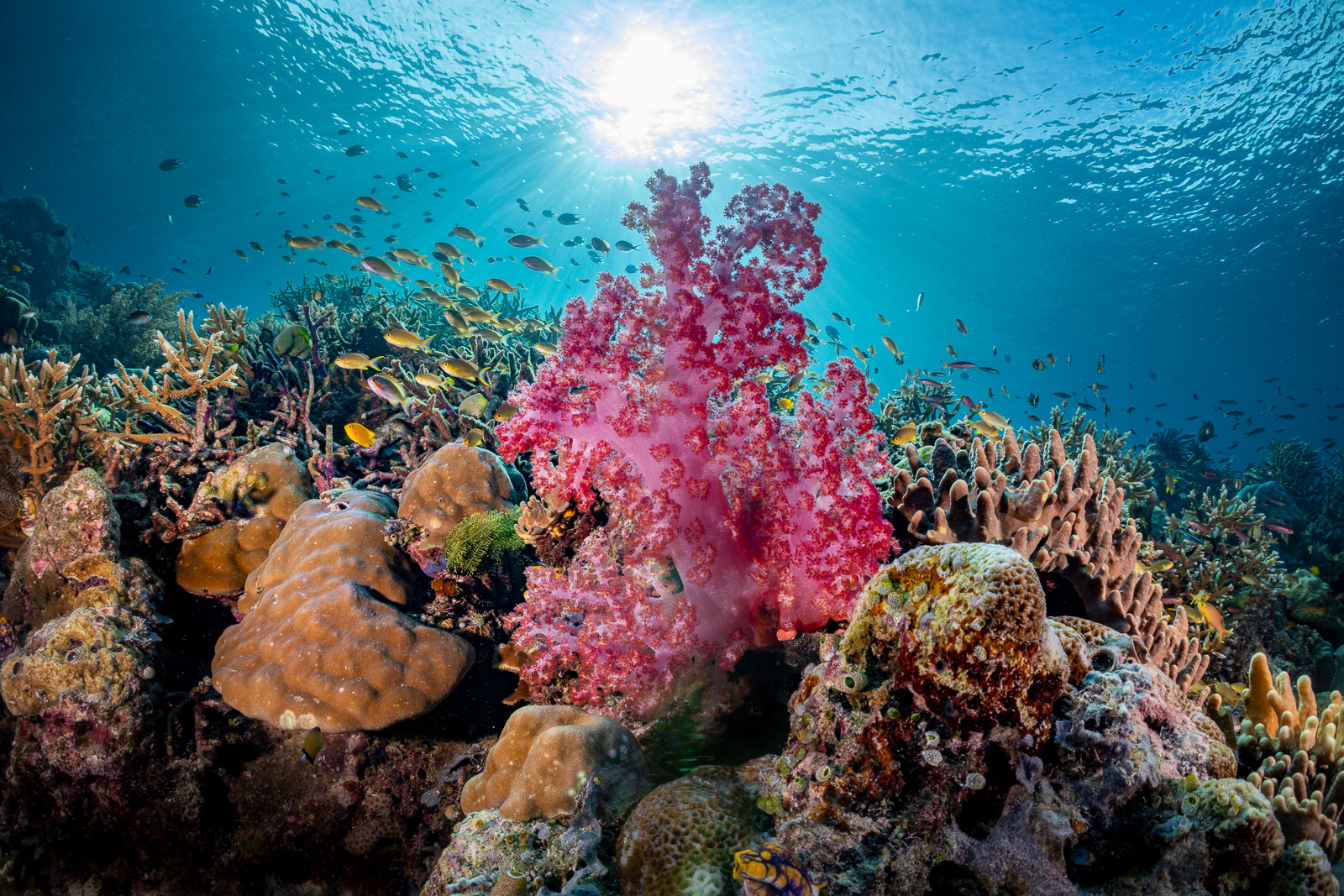
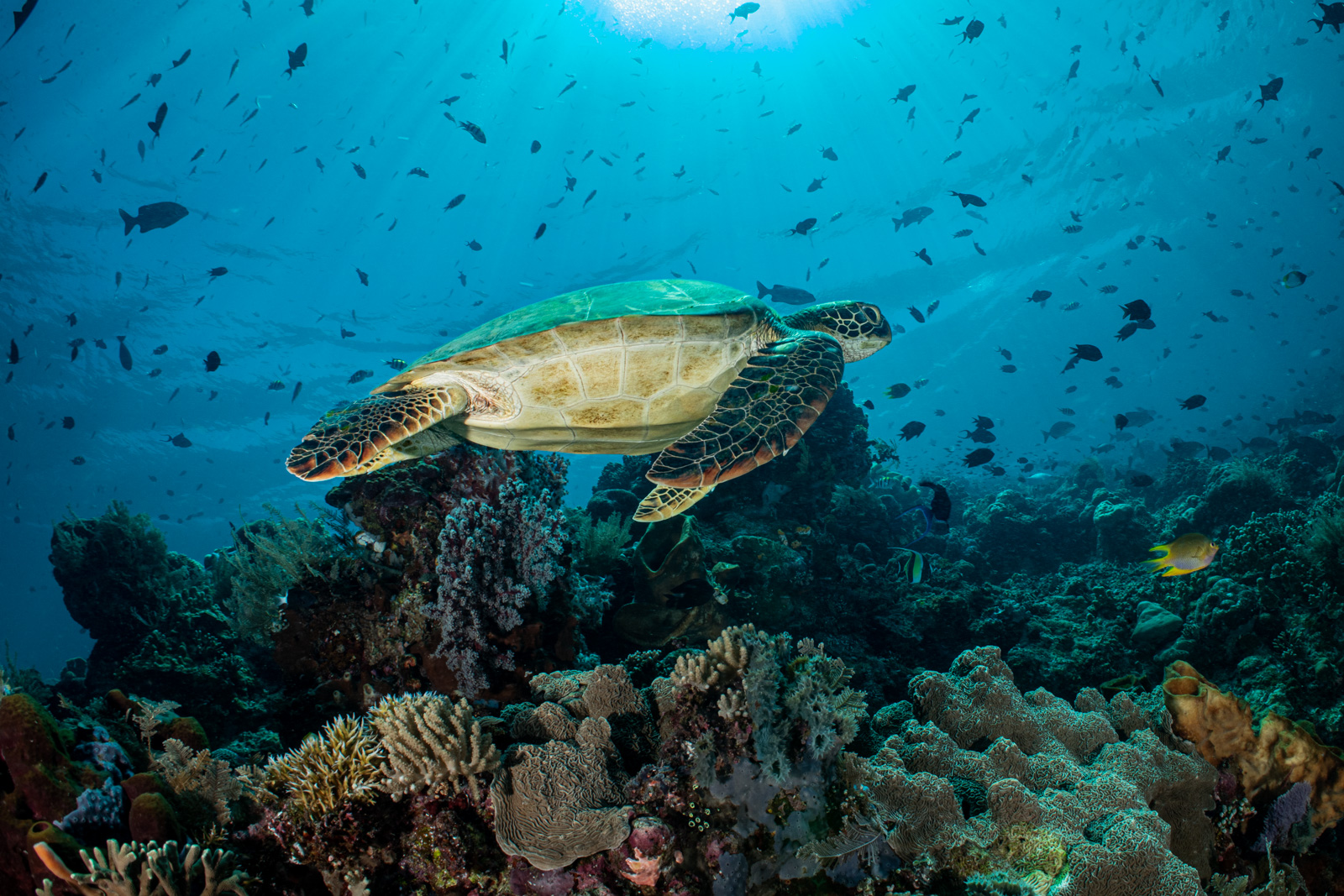
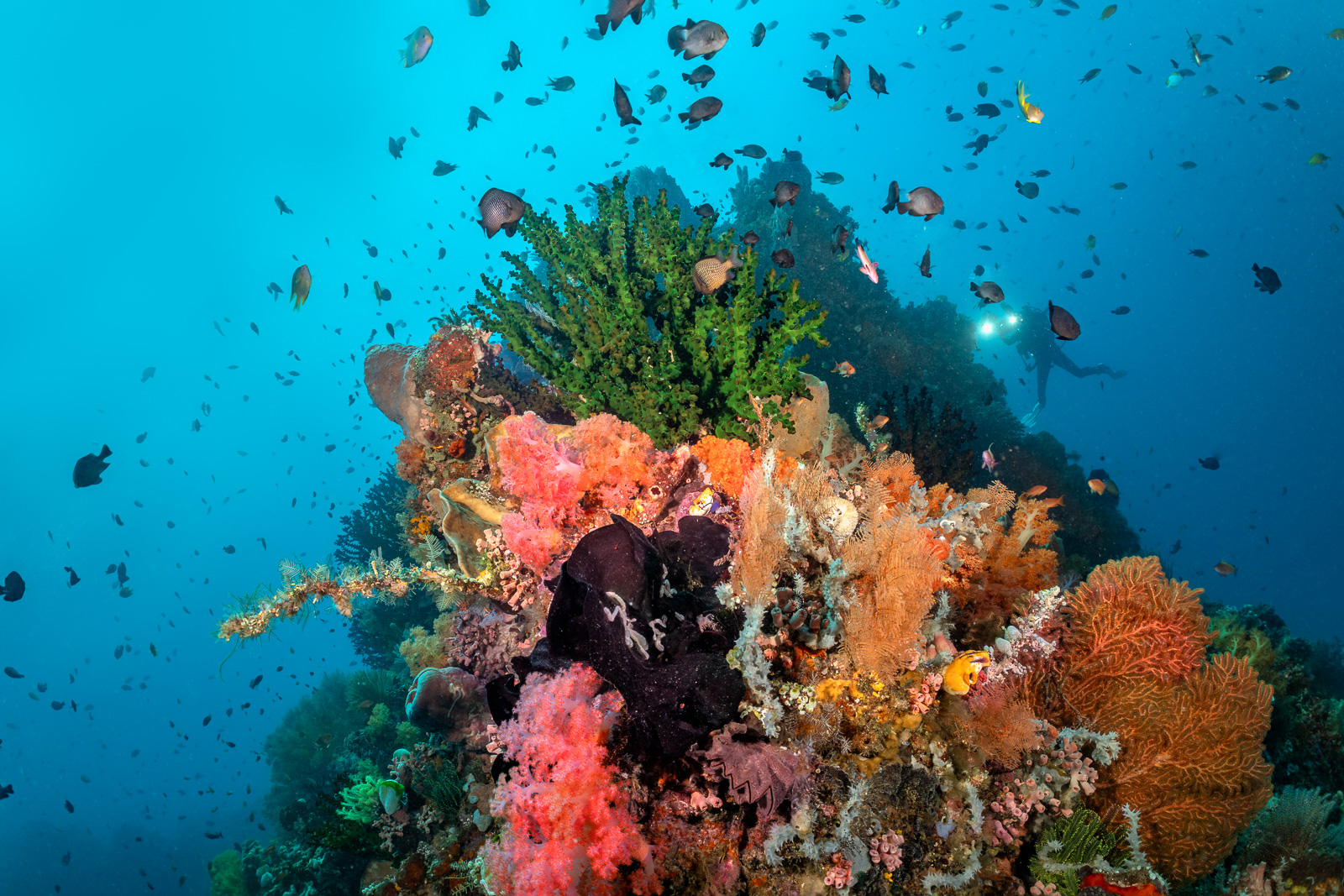
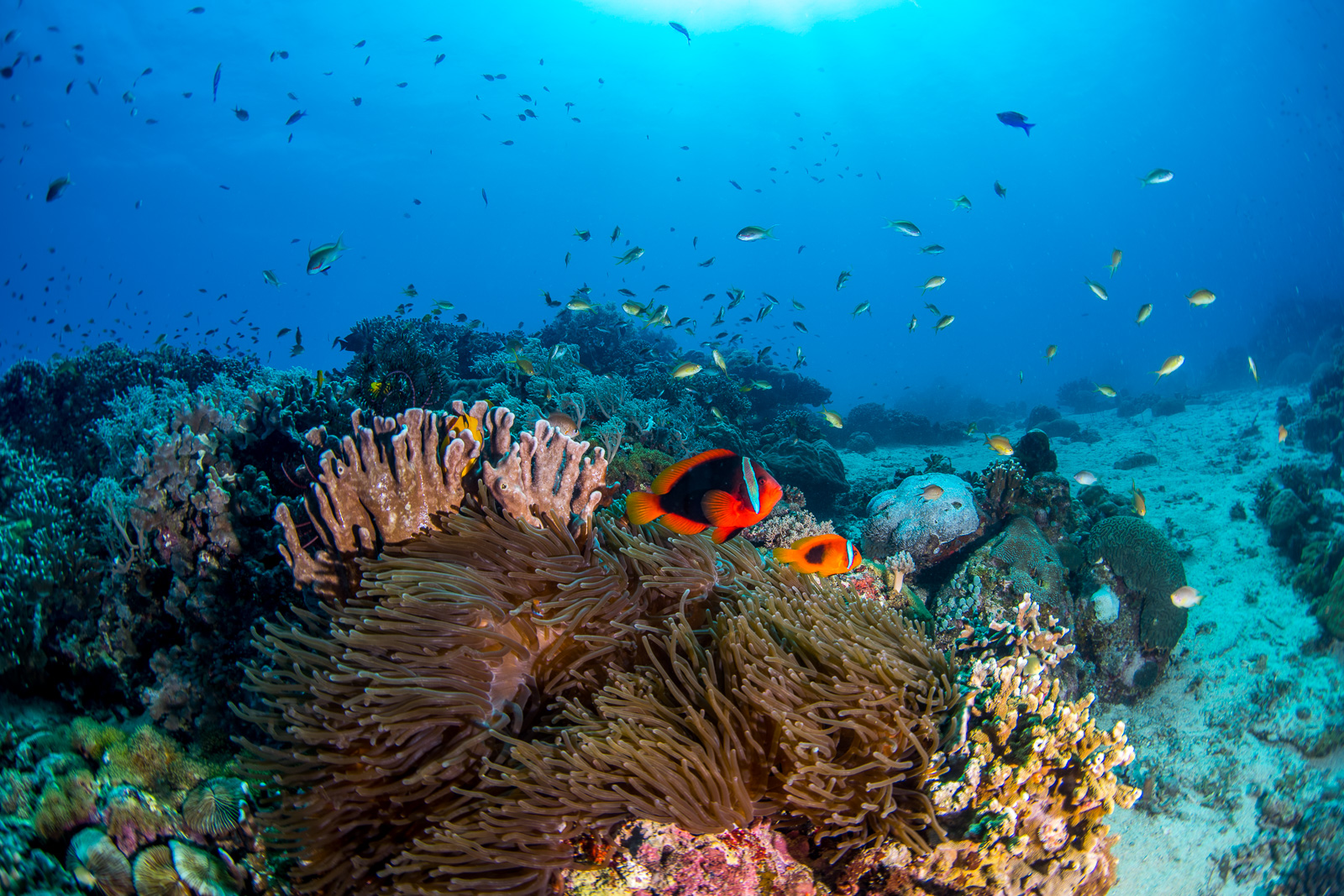
What that means in the water is hard coral in condition, turtles that are entirely used to divers, and fish in numbers that make the point without a lecture. It is a small reef and you can dive it in a day, which is exactly why it is such a clear demonstration.
It is also the wide-angle antidote to a week of muck at Dauin. Blue water, structure, a drift along the wall, and something to point a dome port at.
Conditions can be genuinely strong on the exposed side, and the sanctuary itself is shallow and gentle. Which one you get depends on the tide and the guide's call.
Apo Island is one of the earliest community-managed marine sanctuaries in the world, set up by the islanders with a marine lab rather than a government, and it worked so completely that it is now taught as the model. Forty minutes from Dauin, and the difference underwater is immediate.
Scored on the same rubric as every other place here, and published whether or not the number flatters. Seven of the seventeen came in under seventy; the lowest is forty-five.
The dot is Apo Island; the pale band is where the other sixteen places on this site fall on that axis. How the scoring works
Two different answers depending on the boat. The sanctuary side is shallow, calm and suitable for anyone certified. The exposed side can run hard, and that call belongs to the guide on the day rather than to you.
November to May is when Apo Island is at its best. Tap any month for what the water is actually doing.
Visibility, sea state, what is in the water and how much of it you can count on. The season turns at November and again after May.
Almost everyone dives Apo as a day trip from Dauin, about ninety minutes each way.
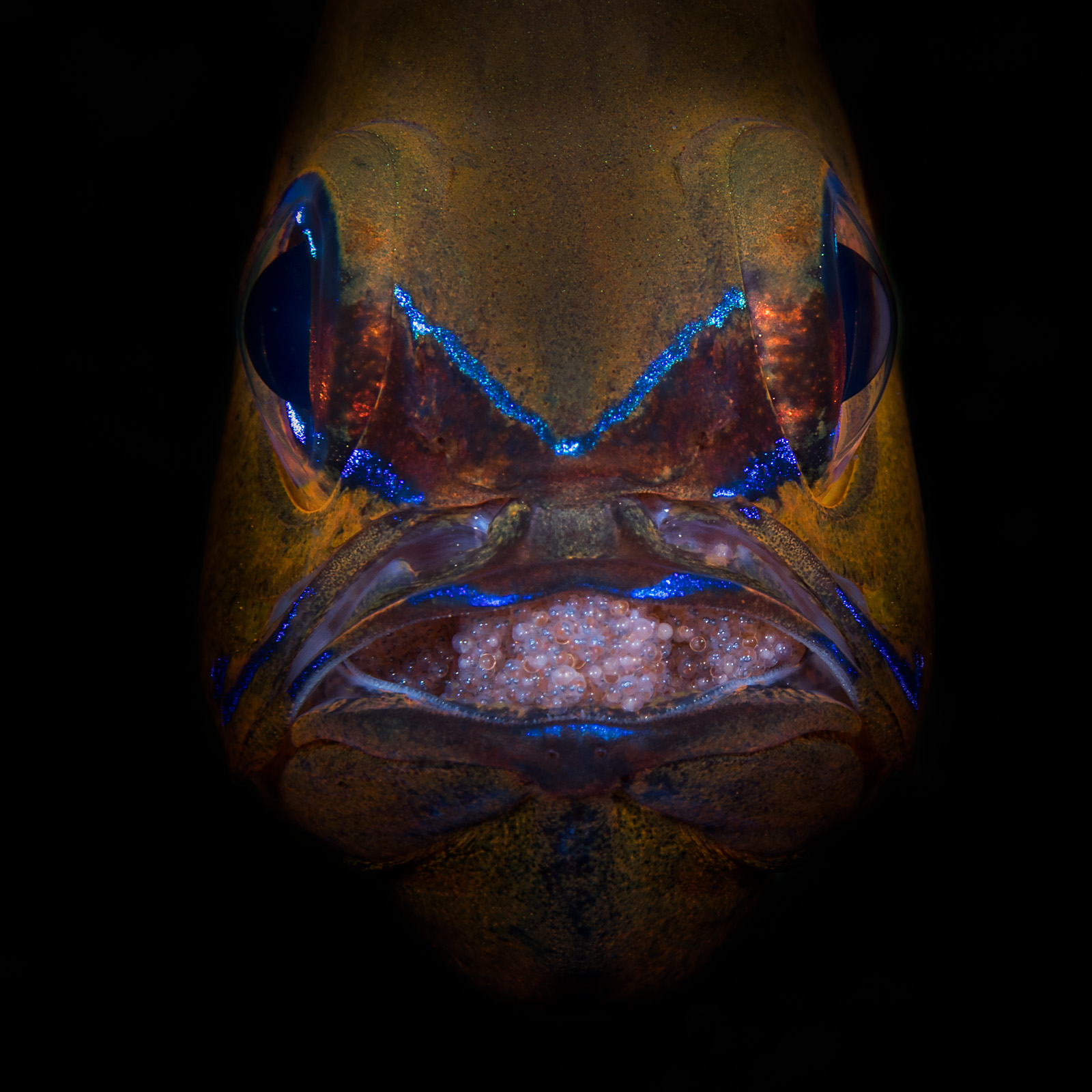
Four of the five photographs from Apo Island, the prints among them marked.
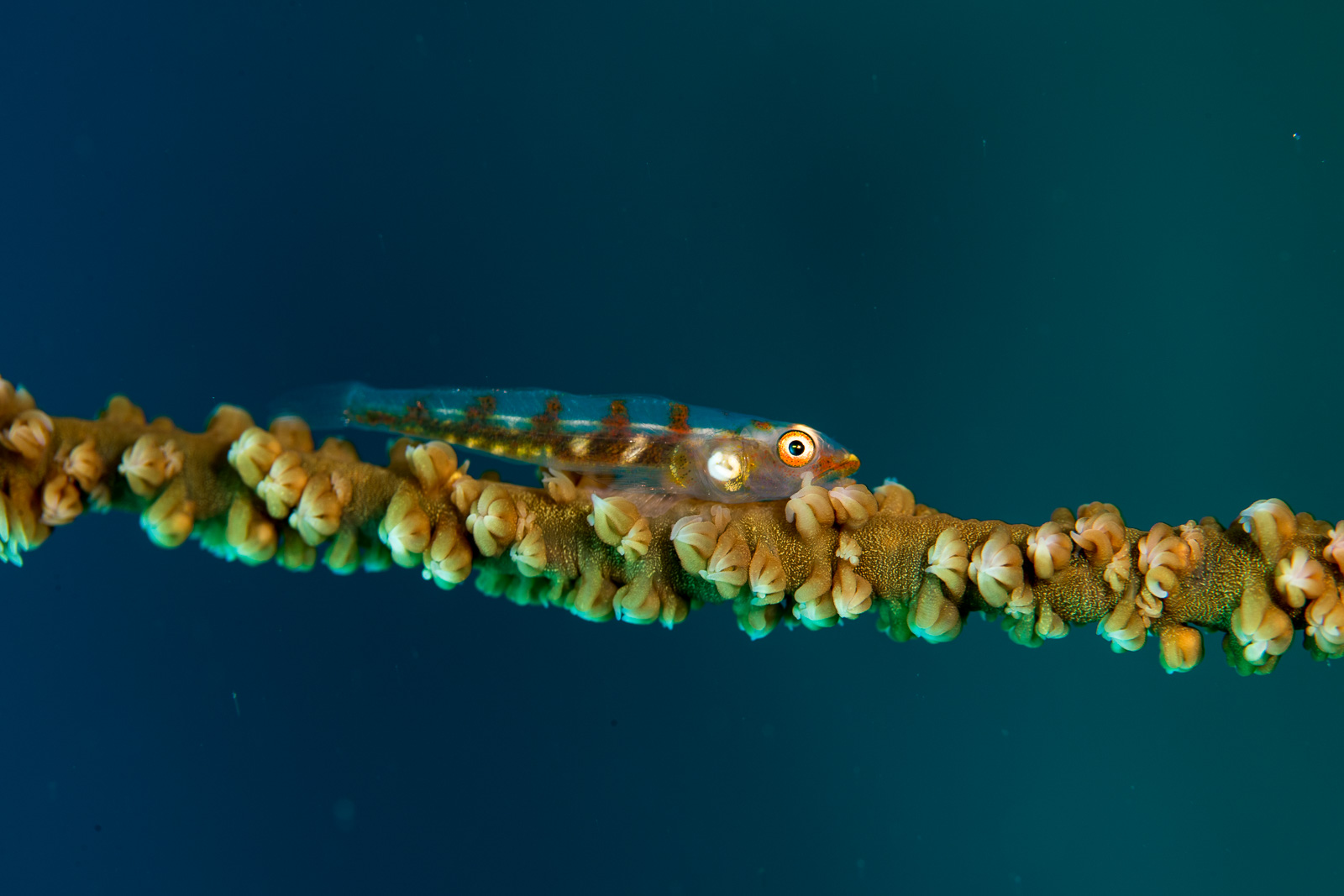
Any frame on this page can be licensed for editorial use. Licensing terms.
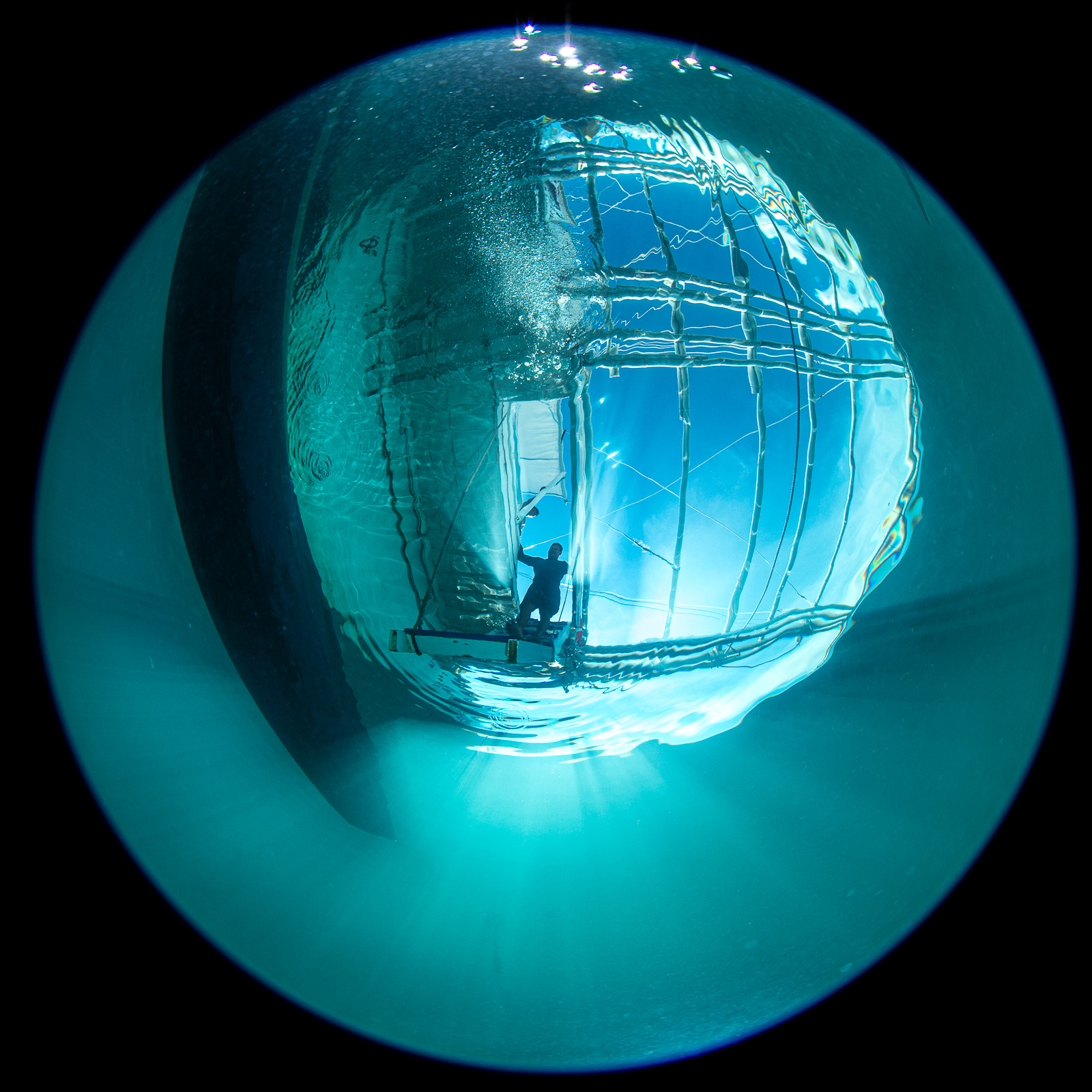
From the lens recorded in each frame. The settings are what was used here, not a recommendation. Lighting on the print frames: Dual Sea & Sea YSD2.
Wide-angle on the coral gardens, particularly the shallow hard coral on the sheltered side where the light is best.
Turtles are common and habituated enough to work with rather than chase.
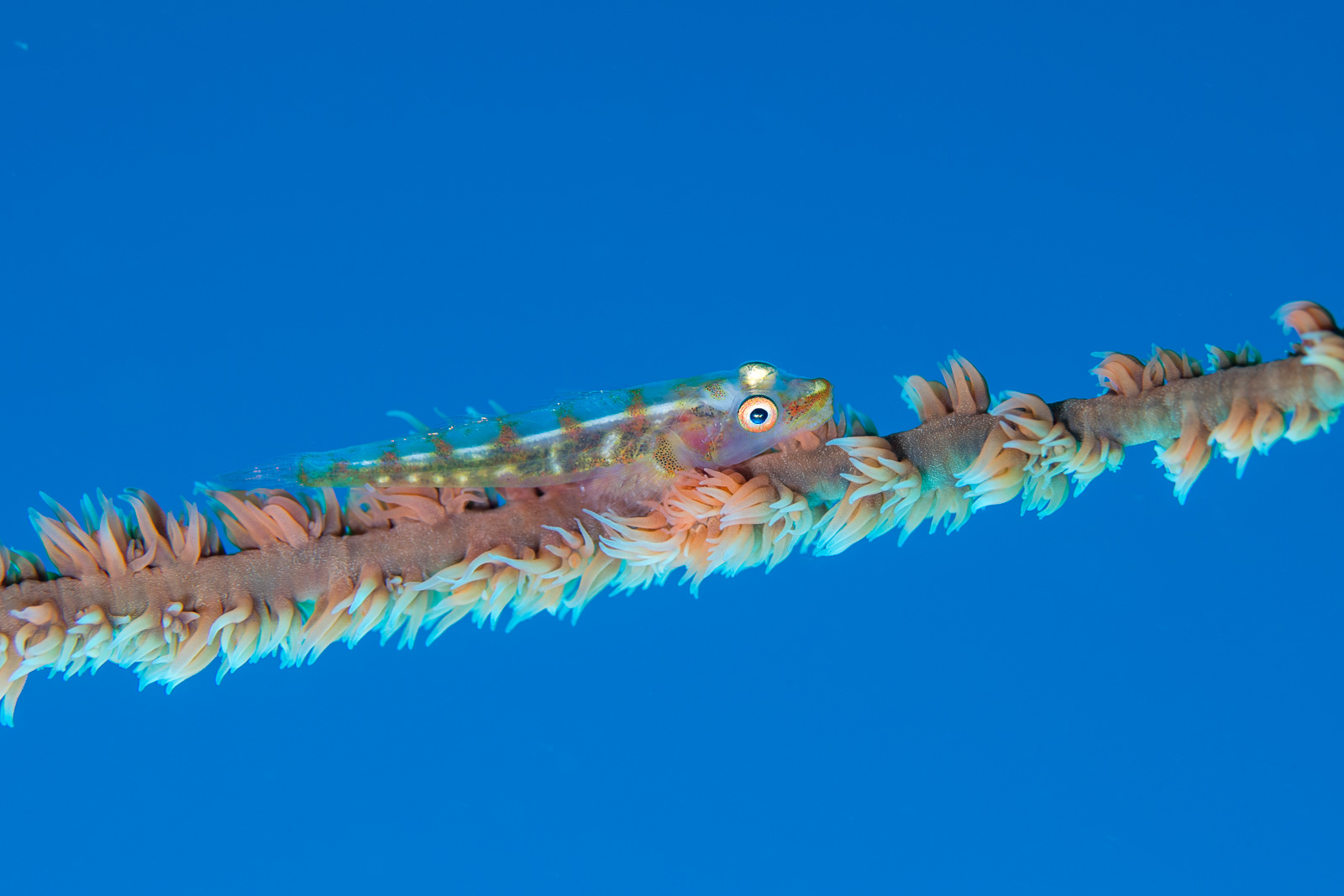
Macro is present but Dauin does it better. Split your week accordingly.
Every frame here was made in Apo Island. One is a limited edition of twenty, signed and numbered. Prices in US dollars. Printed on Canson Platine and shipped from British Columbia.
Six I dived more than once and would plan a day trip around, named as the resort names them.
The exposed corner
Ripping water, schooling pelagics and big boulder structure. This is the site that earns Apo its Advanced qualifier, and whether you dive it is the guide's call on the day rather than yours.
Gentle coral architecture
Sloping reef with clean structure and easy water. The wide-angle dive to do after a week of black sand at Dauin.
Boulders and colour
Sweeping fields of massive boulders with soft and hard coral colonies growing over them, and reliable fish life working between.
Named after the jacks
Mamsa is the local word for trevally, and the site is named for what turns up. Schooling jacks over structure, when the current is running.
Shallow and forgiving
Colour-saturated, easy, and ideal for a long second profile: the dive where you bleed off air slowly with a camera rather than watching a computer.
The protected core, and the whole point
The no-take zone the islanders established in the mid-1980s and enforce themselves. The fish stock here against the water outside it is the clearest argument for community management you will see underwater.
There is one place to stay here, so the reef score and the operator score arrive together. It is still worth separating them. The five trip axes below belong to the operation alone, and the final rating is the baseline score of the reef plus that operator's score.
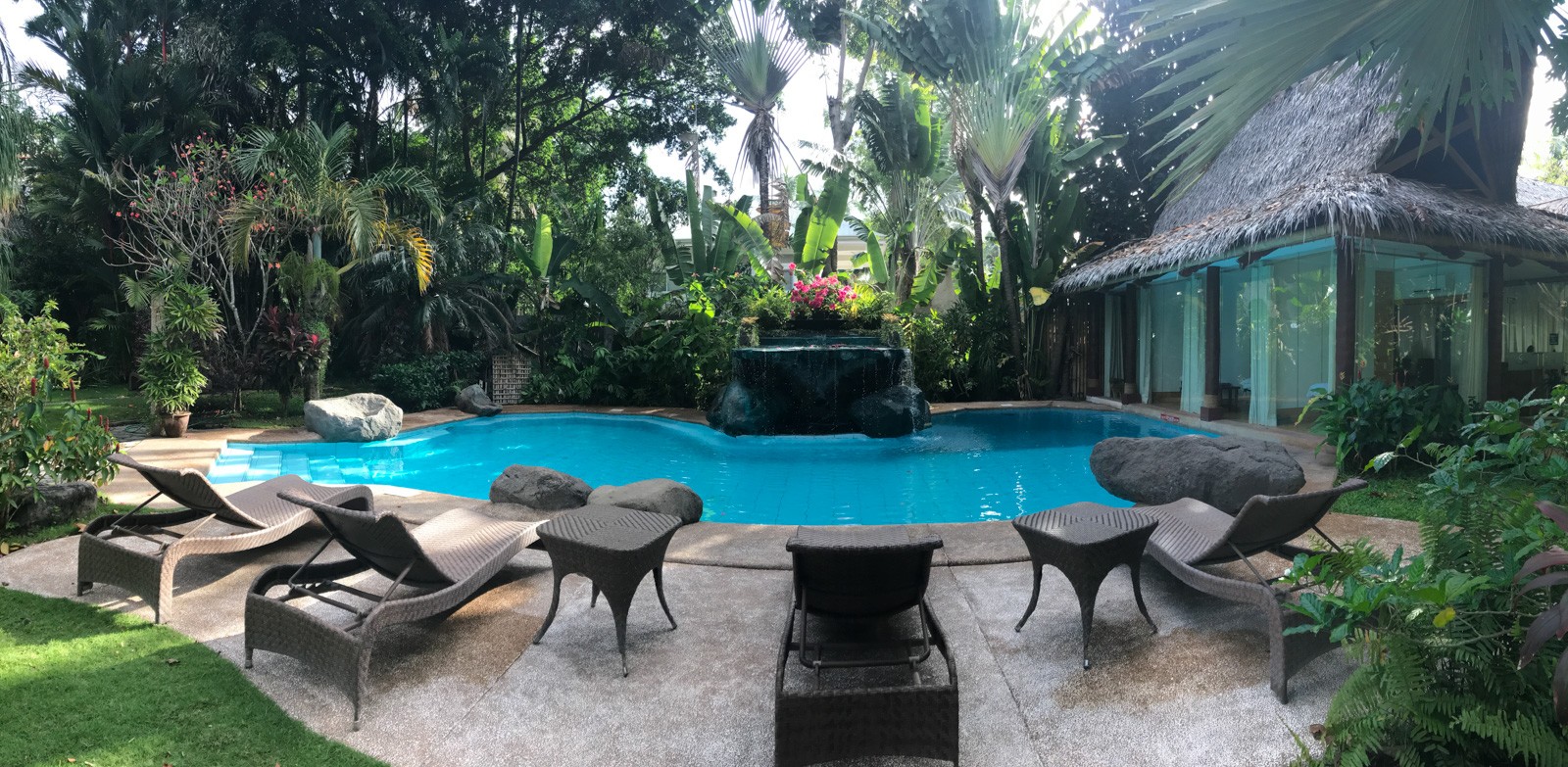
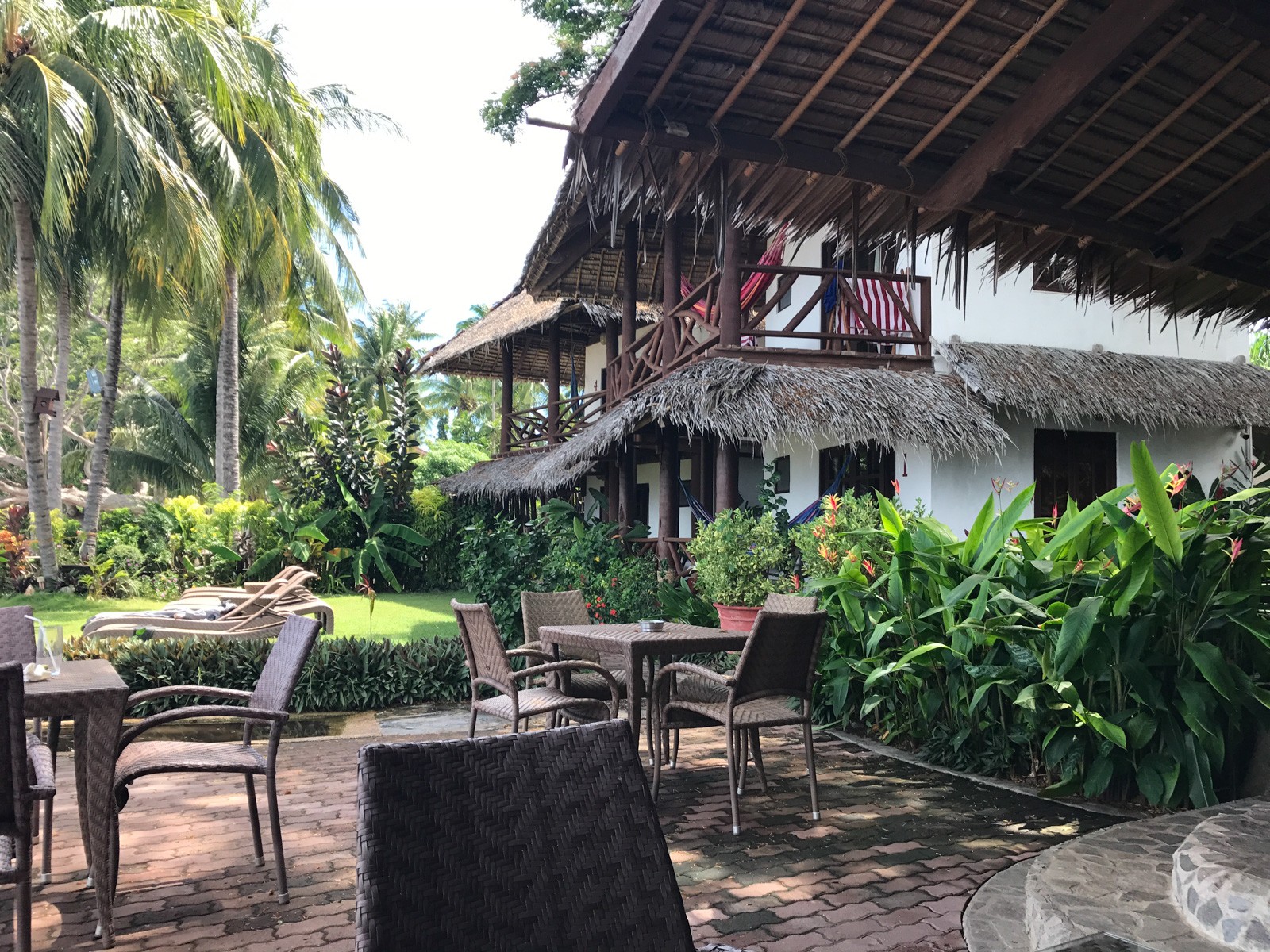
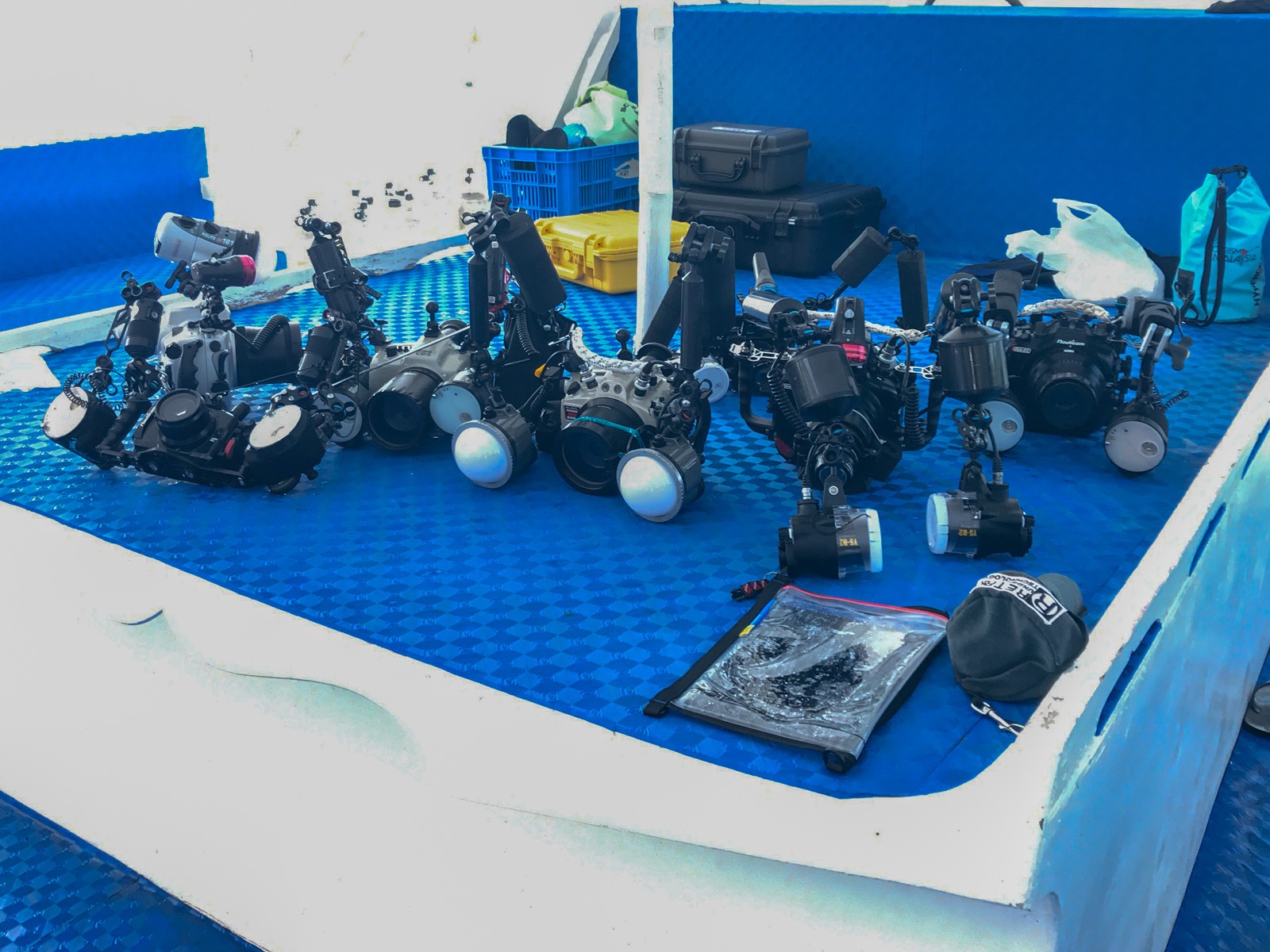
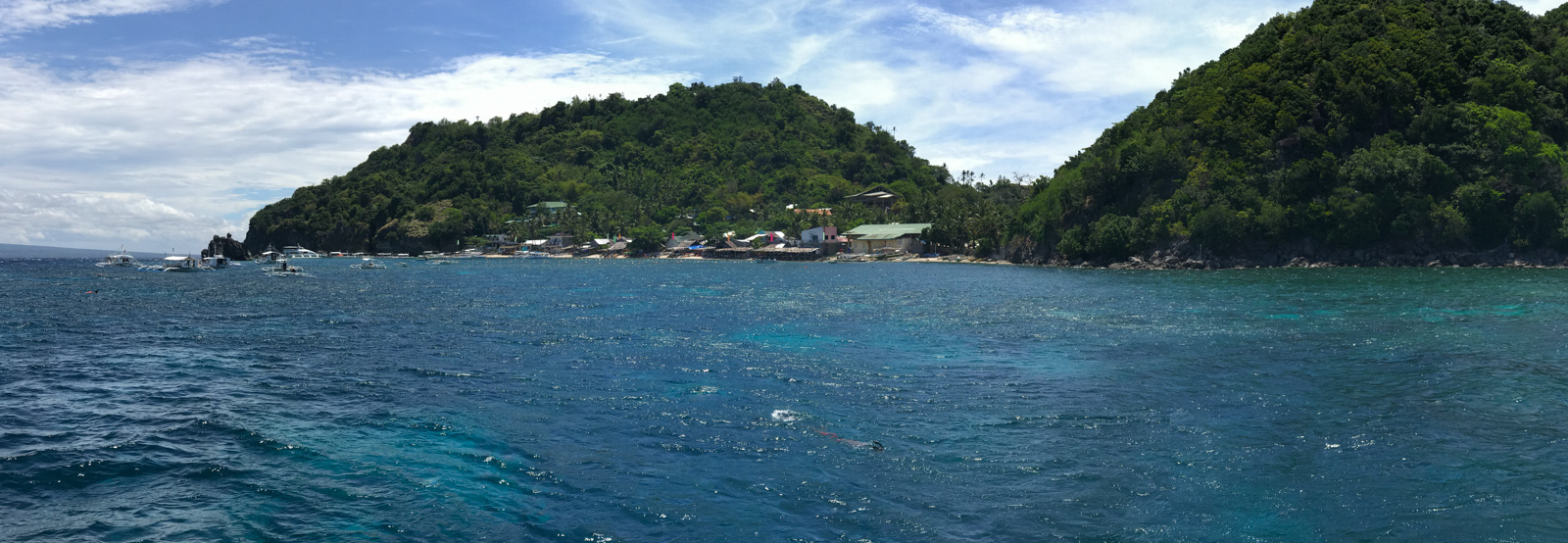
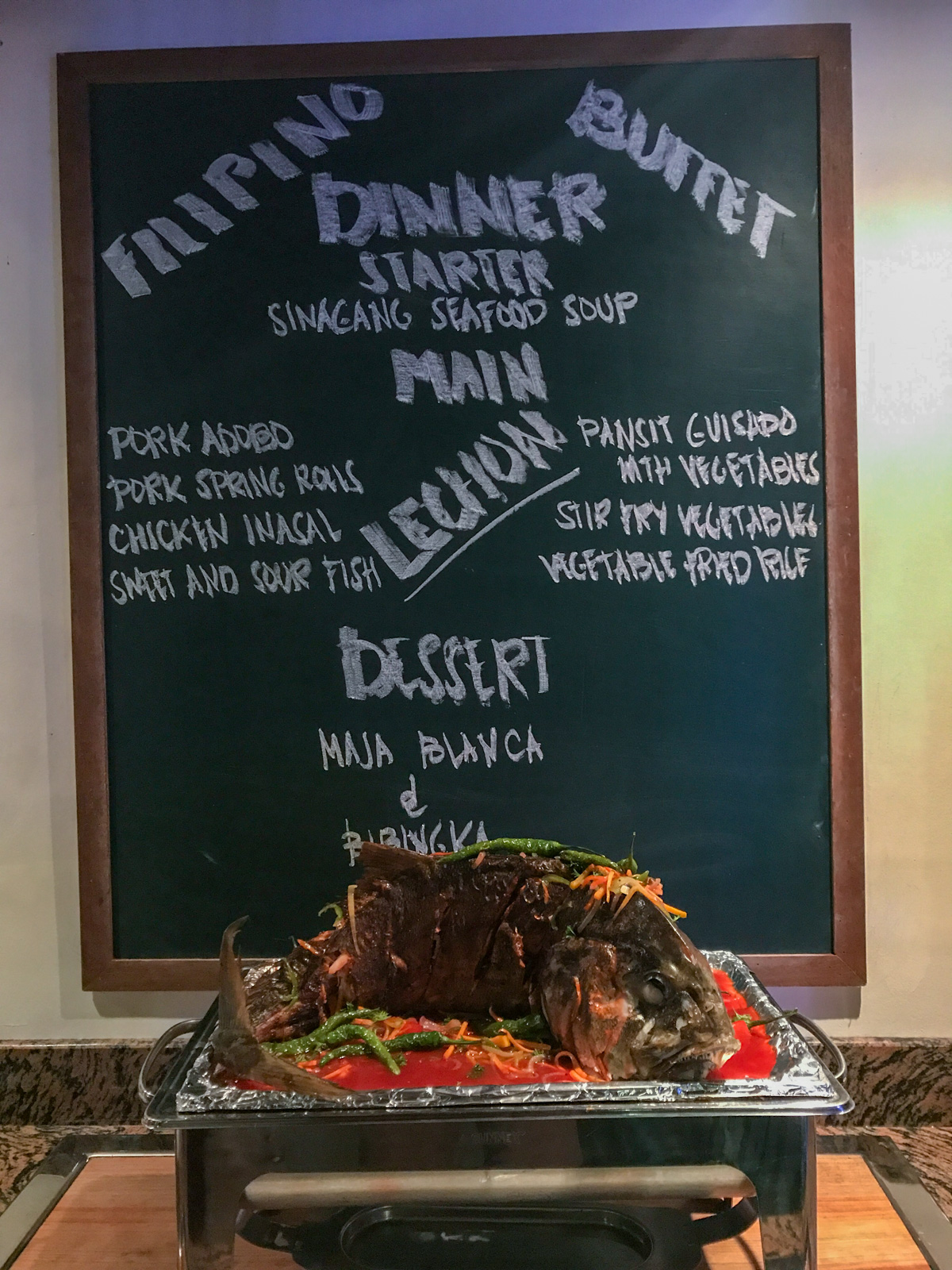
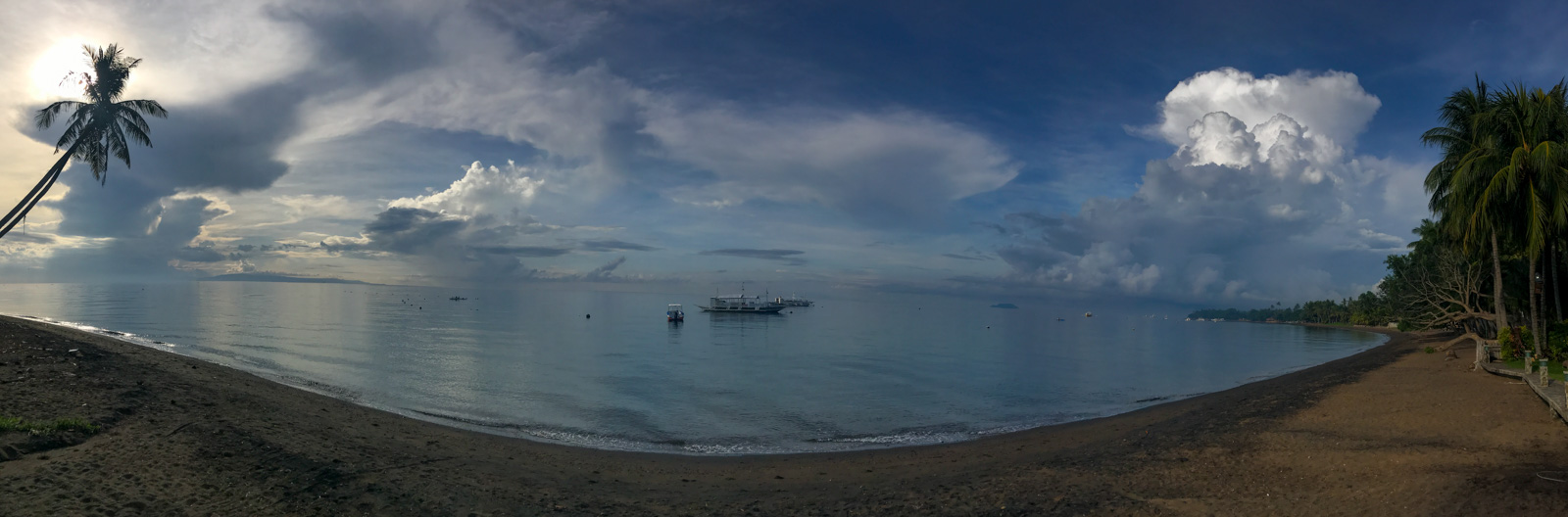
You do not stay on Apo Island. You come across from Dauin for the day, and Atlantis runs the trip as a matter of routine. Take it early in your stay rather than late. Seeing what a protected reef looks like first makes the muck week that follows read as a deliberate choice rather than a compromise.
Three things nobody tells you. The kitchen leans Filipino, and the menu doesn't chase Western substitutes — arrive ready to eat what's actually cooked here, not order around it. The resort runs narrow and long, stretching back from the water, so only a handful of rooms sit close to the shore or hold a real view — ask which one you're booking before you book it. The beach itself is rocky, not sand you would walk barefoot on — bring reef shoes if you want to be in and out of the water outside the dive schedule.
Asked in the order they actually matter, answered with specifics.
There is very limited accommodation. Almost everyone visits as a day trip from Dauin, forty minutes away by boat, and Atlantis run it as a matter of routine.
Early. Seeing what a protected reef looks like first makes the muck week that follows read as a deliberate choice rather than a compromise.
Two answers. The sanctuary side is shallow, calm and suitable for anyone certified. The exposed side can run hard, and that call belongs to the guide on the day.
There is a marine sanctuary entry fee paid on the island, and it goes directly into the community management that made the reef what it is. It is the most obviously well-spent fee on this site.
Almost certainly. They are numerous and entirely used to divers.
The right-hand column is the useful one. Apo Island asks something specific of you, and going for the wrong reason is an expensive way to find that out.
There is no trip here yet. Where they go next is decided by who puts their hand up, so this counts as a vote for Apo Island — and it also gets you each new guide as it is finished. Four or five emails a year.
Four emails a year, unsubscribe in one click, and the address goes nowhere else.