Craft
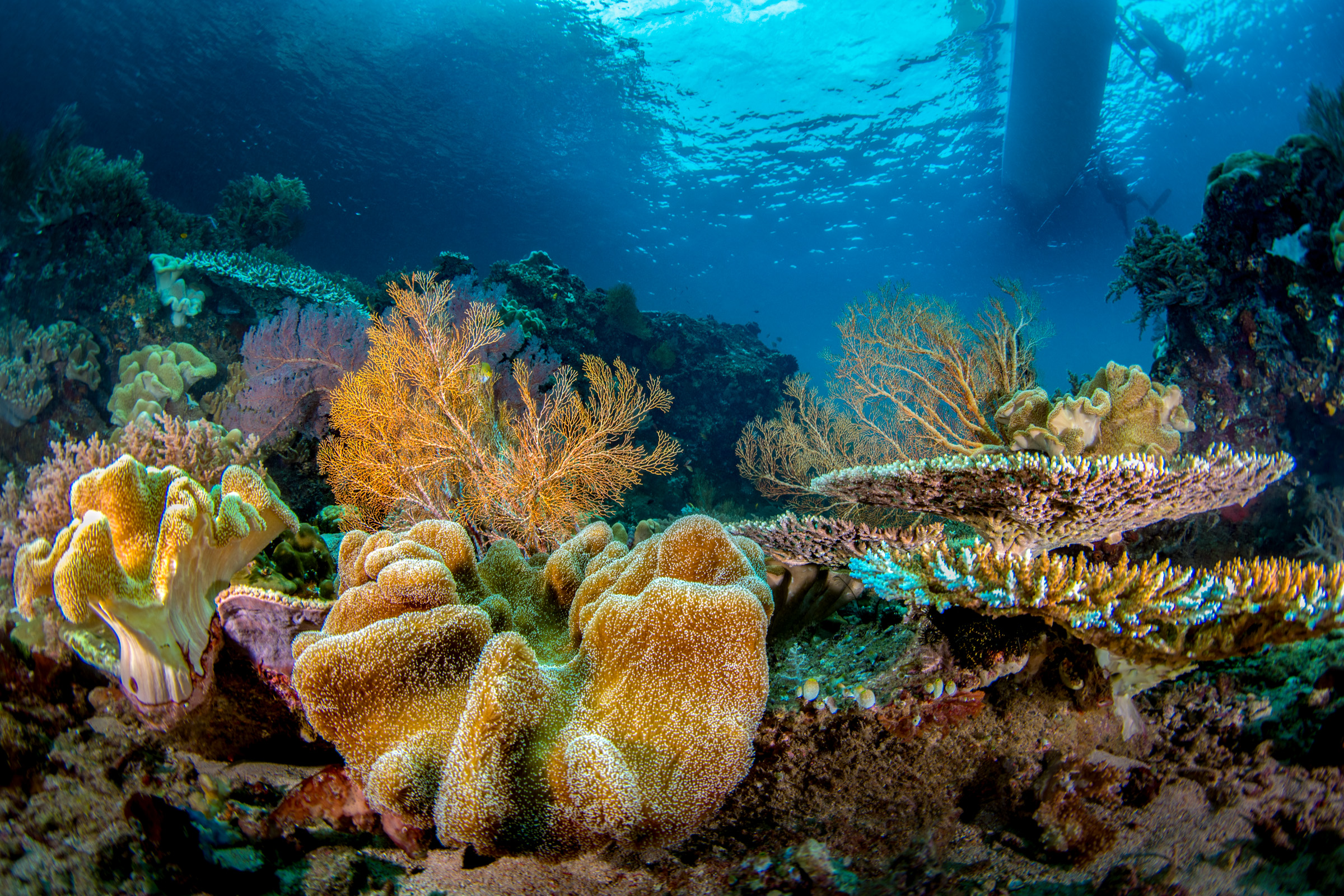
Build stronger underwater images. Practical technique from thirty years of getting it wrong first.
4 articles · 4 being writtenthe articles · belowBecause the trips are the product
The business here is small-group trips and prints, and a photographer who has read the strobe piece is a better person to have on a boat. That's worth writing down properly.
If something here is wrong or out of date, tell me. It is a thirty-year-old opinion in places and the gear has moved.
Real technique, free to read — nothing to buy at the end of it.
Send me your topic and I will respond or create an article about it.
The articles
Real technique, free to read — nothing to buy at the end of it.
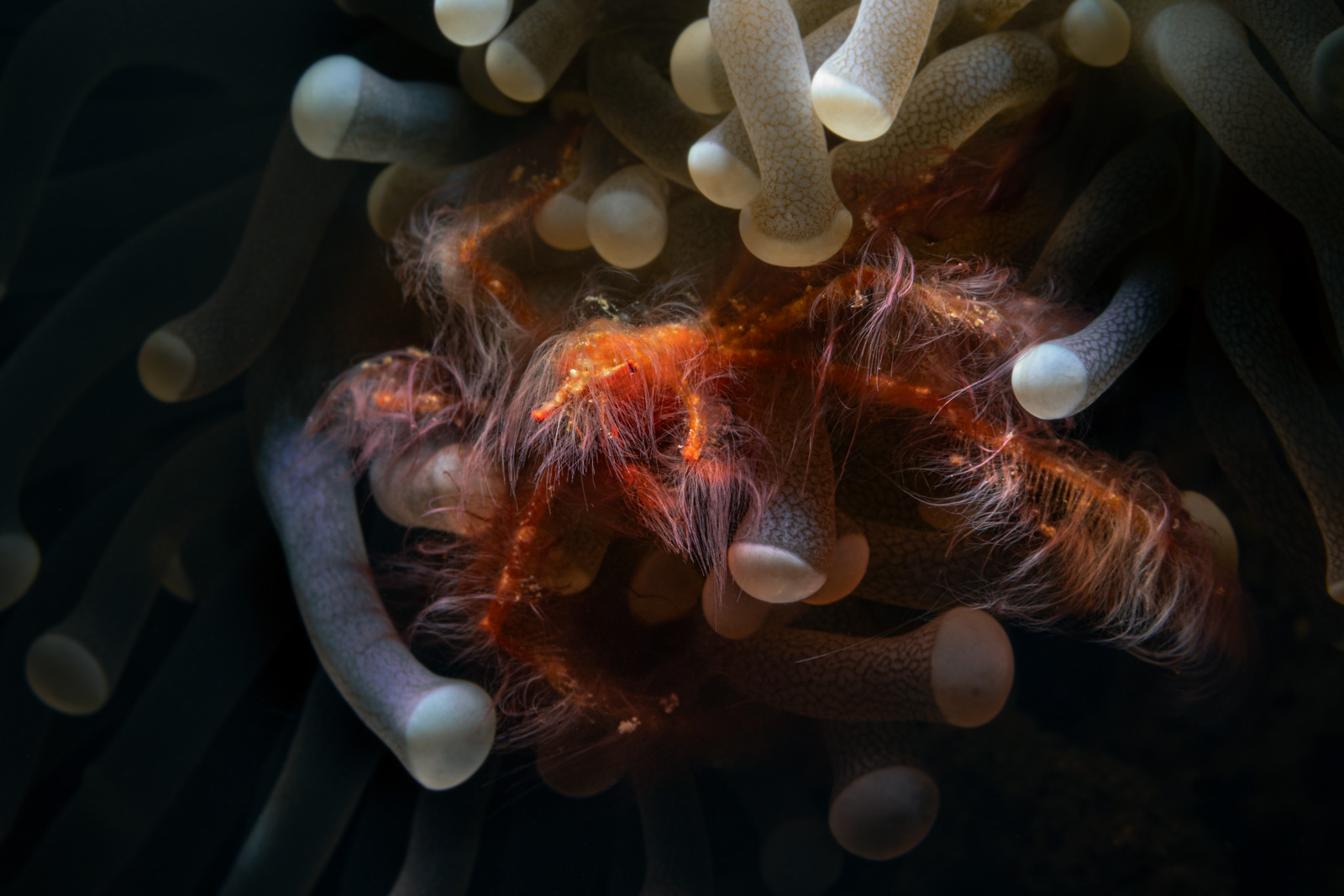
Strobe position for texture, not for clean water
Both strobes forward of the port renders hair and filament that safe lighting flattens. What it costs in backscatter, and when a snoot does it better.
Read the article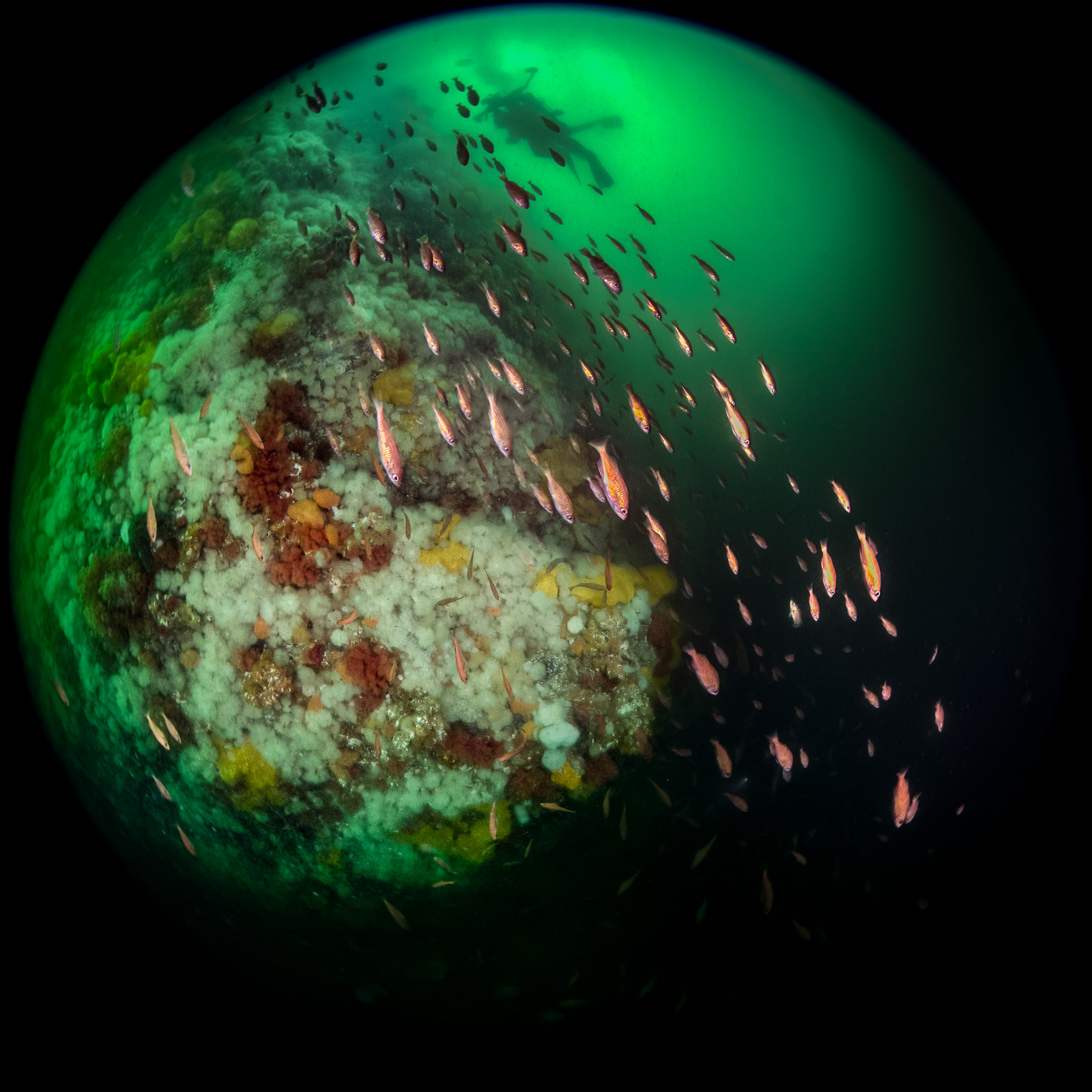
Every camera I have taken underwater
Nine systems, from a Nikonos on the boats in 1997 to an R5 Mark II. What each one taught me about weight, batteries, buoyancy and the order you buy in.
Read the article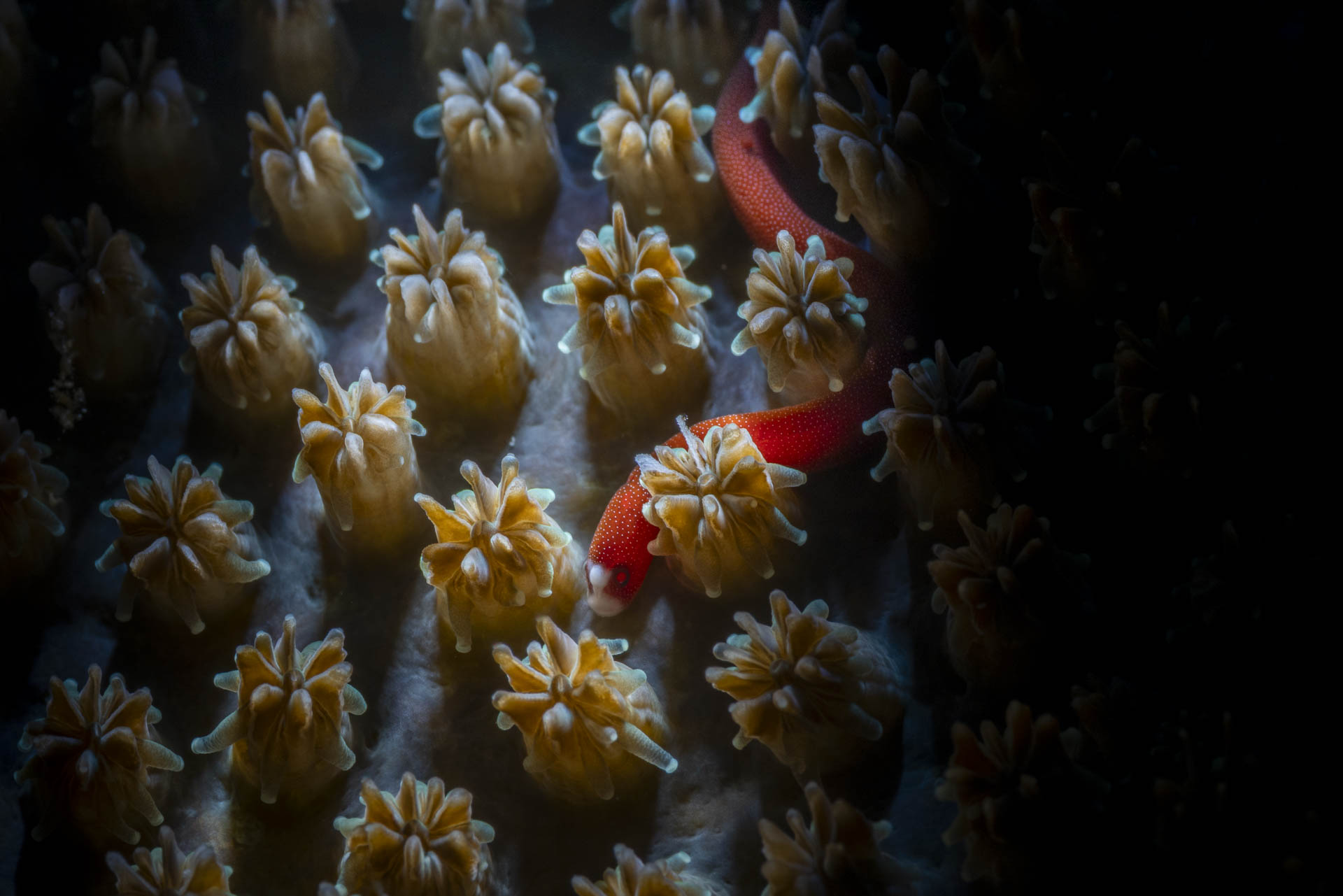
What is in the bag now
The R5 Mark II rig by job: wide, fisheye, macro and light. Why the WACP went, why the SMC-3, and what travels in the cabin.
Read the article
What resolution costs you underwater
Fifty megapixels in Lembeh. Diffraction arrived at f/11 instead of f/25, and every high-resolution body since has made the same trade.
Read the articleBeing written
Less about formula, more about presence, distance and control. Start by deciding what the frame is actually about.
Buoyancy, finning and patience. The difference between a photographer a guide wants back and one they do not.
The hardest edit is your own. How to judge a frame when you still remember the dive.
Gloves, buoyancy, condensation, and the things that stop working below ten degrees.
New destinations, scored, four times a year
Each new guide as it is finished, the month-by-month planner when it updates, and first refusal on a signed edition before it goes on the site.