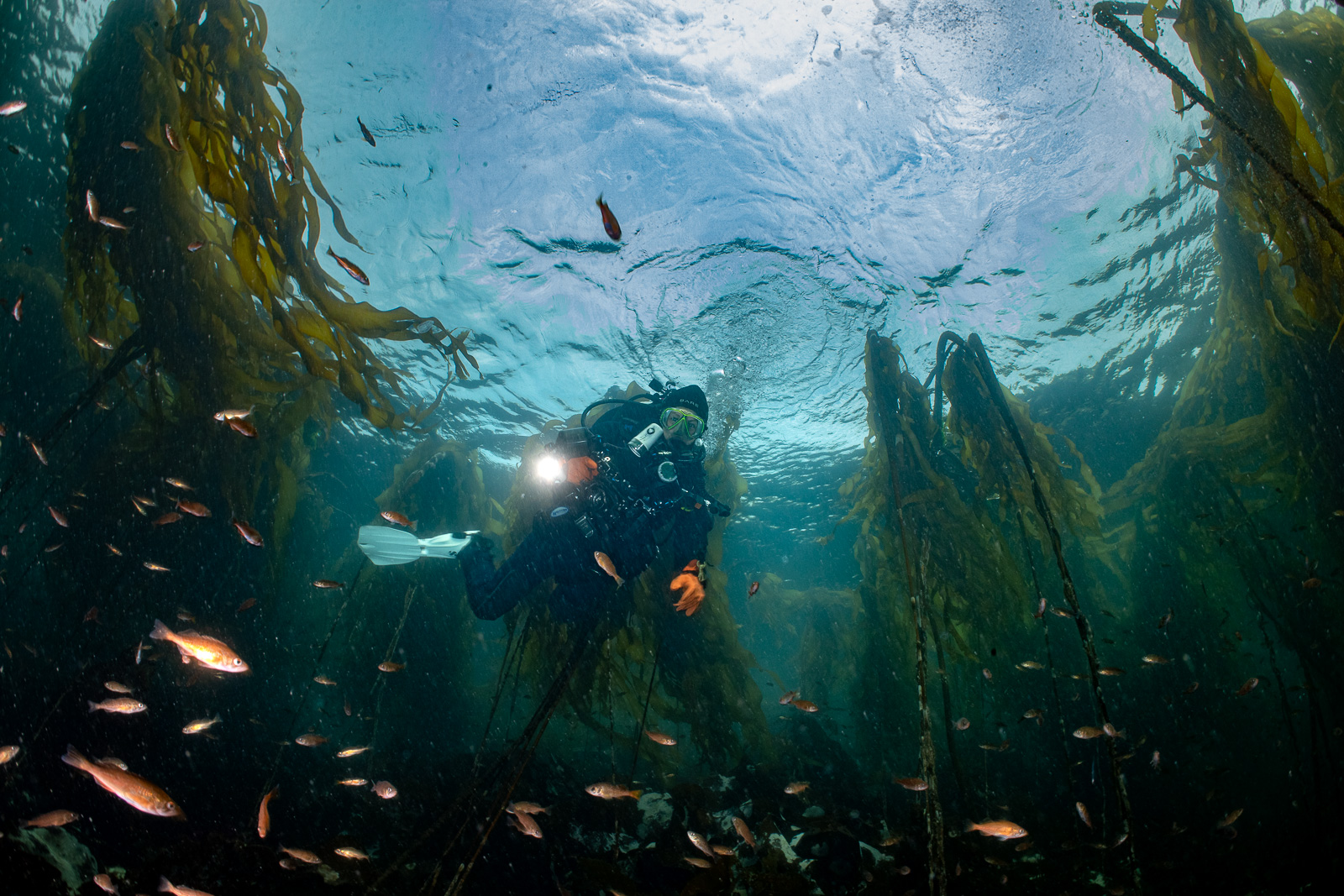
Central Atolls, Maldives
Guides  /  Maldives
Destination guide

Central Atolls

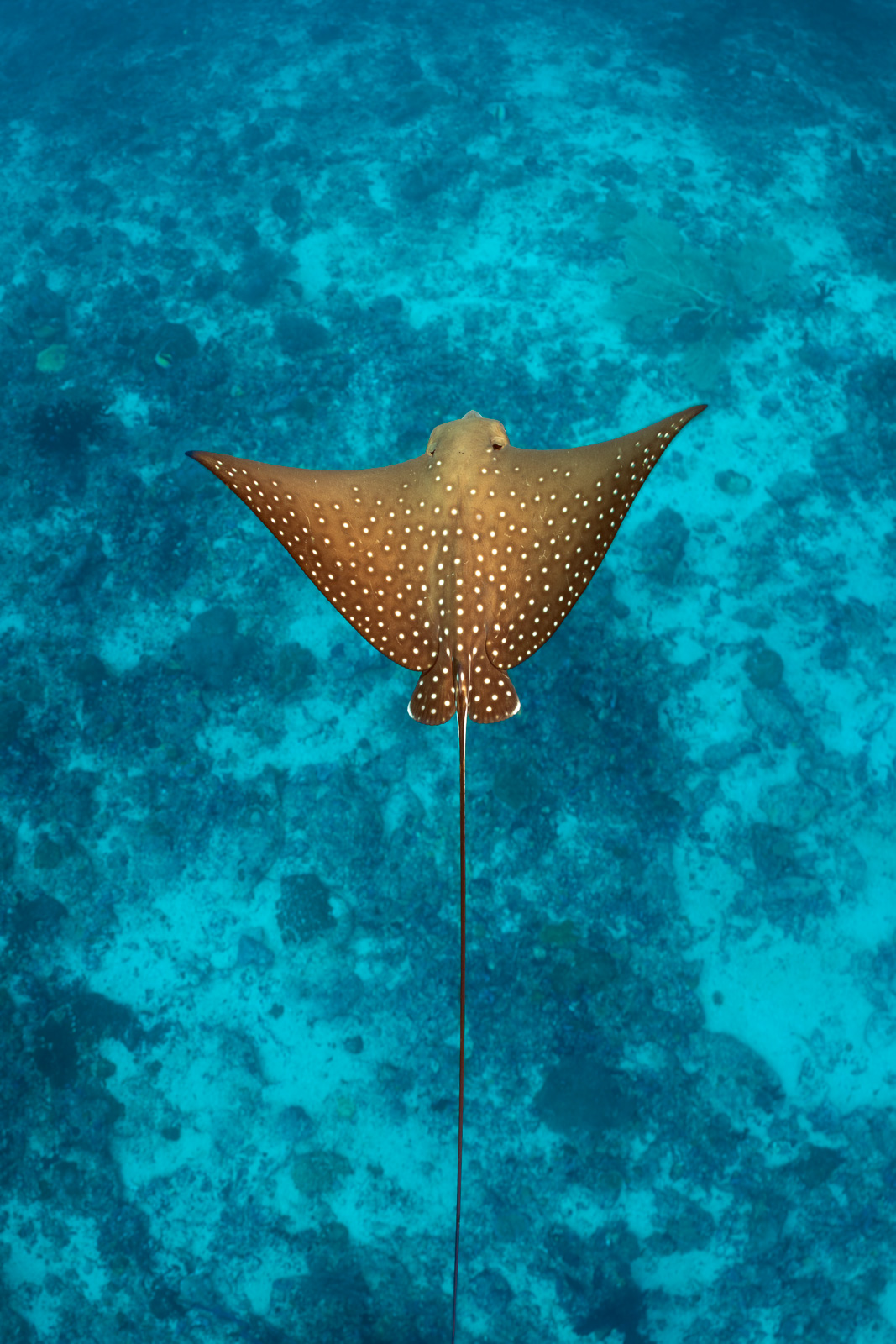
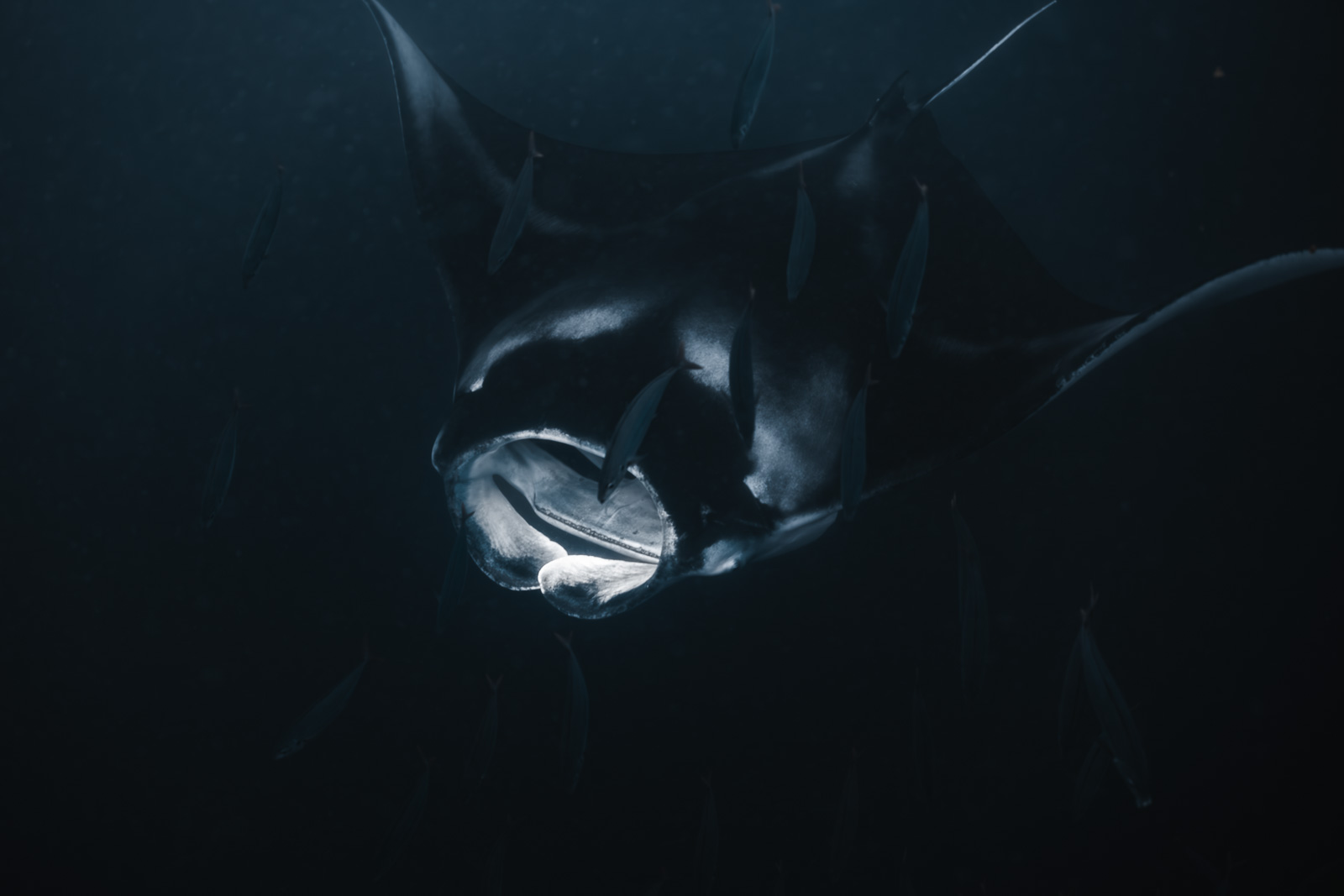
Fourteen mantas queueing at one cleaning station. Thirty eagle rays crossing in a single pass. I have dived a long time, and only the Galápagos has put more in front of me.

Last visited 2025MaldivesResort · day boats Level DemandingNine days aboard, all in $$$Scores reviewed August 2026
ScoreWhat it takesWhy this placePicturesBest time to diveSignature divesOperatorsBefore you goWho it suitsGetting there
01The score

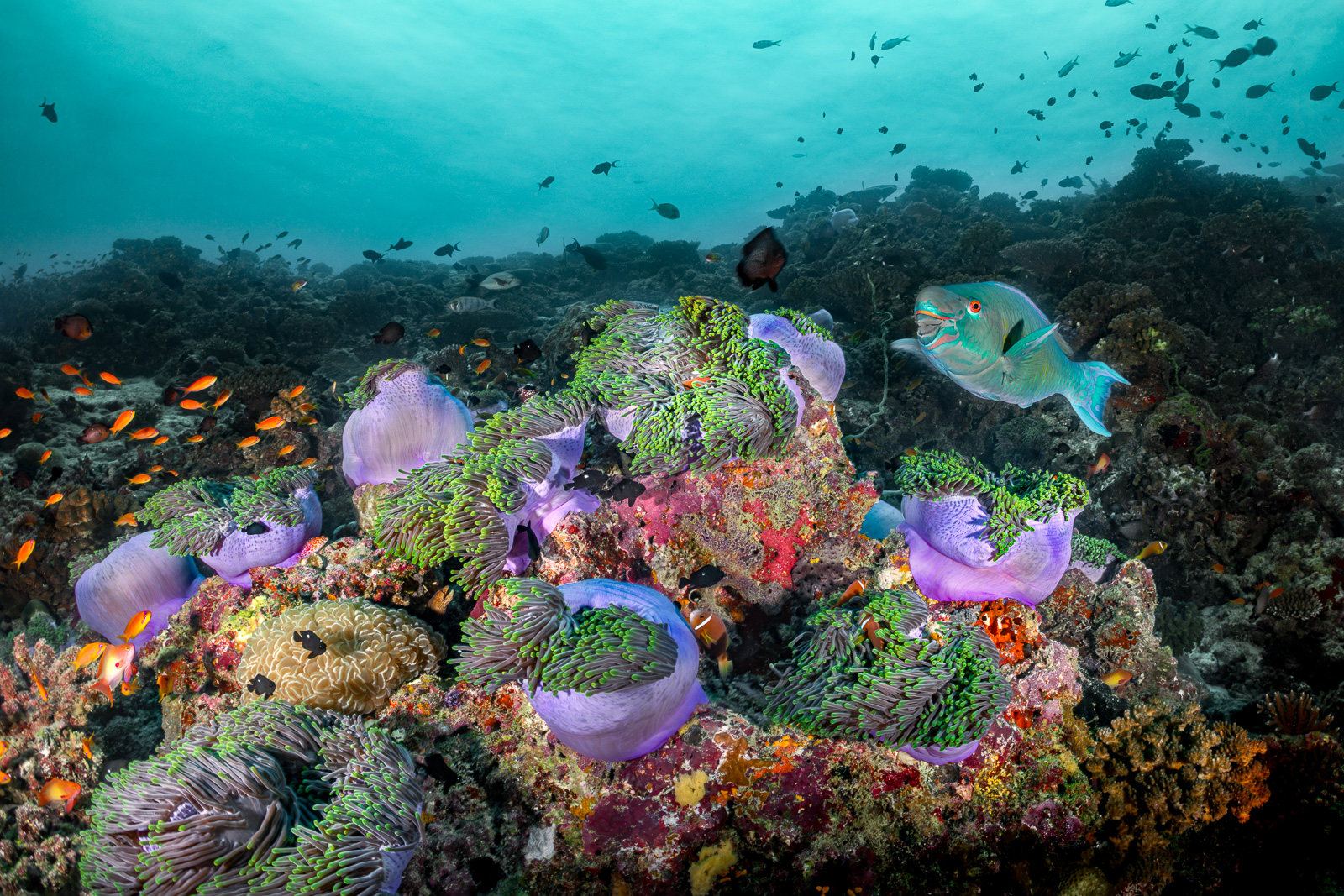
The Maldives has spent twenty years being described as a place that damaged its reefs, and the criticism is not wrong. It has also, on the sites I dived, more sheer action in the water than almost anywhere on this site. Both things are true, and the second one is what nobody writes down.

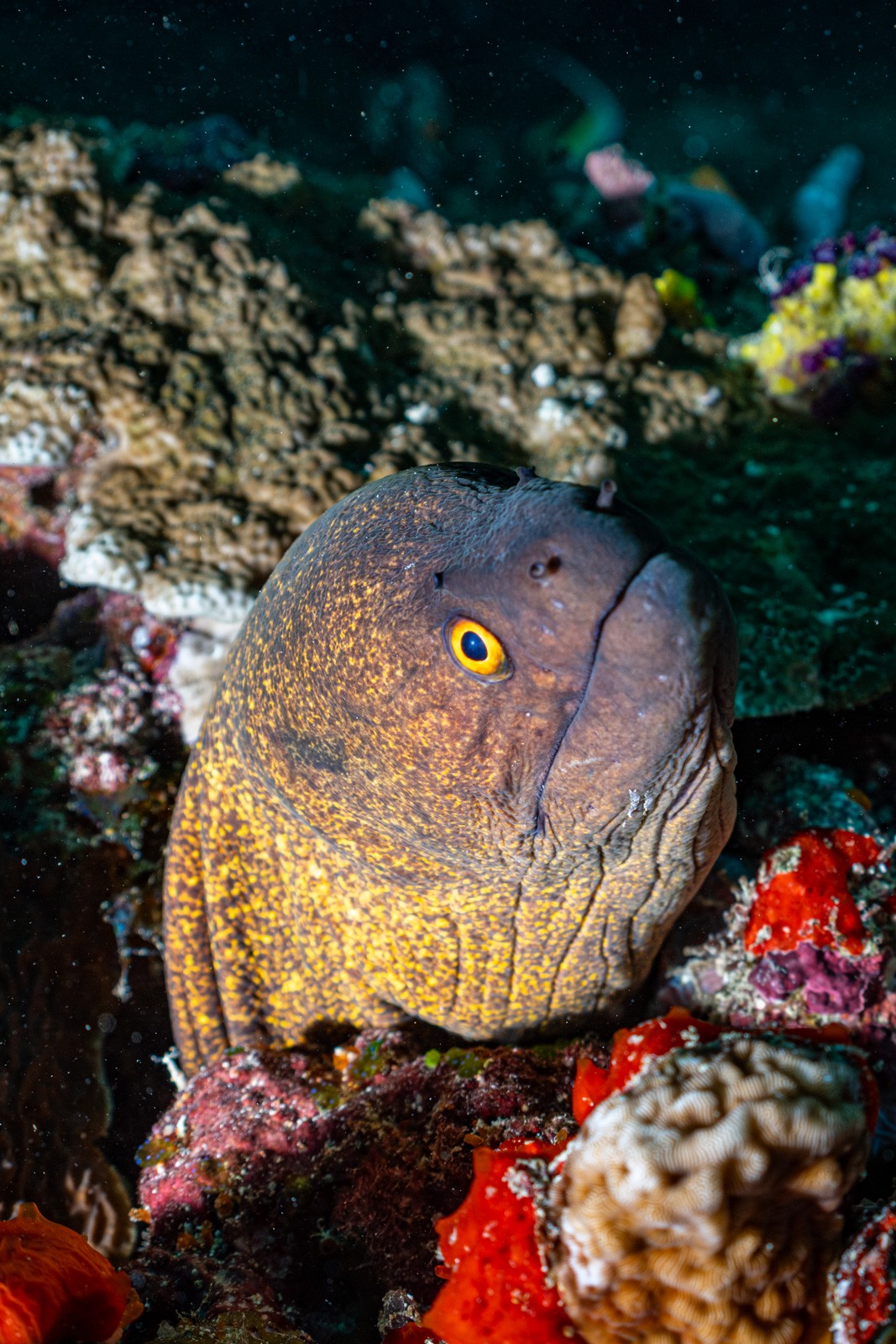
Underwater · the place
The story
Hook in at the mouth of a channel on a falling tide and the whole atoll breathes out past you. You are not swimming and you are not working. You are parked in the current with the best seat in the Indian Ocean, and everything that lives out there comes to you.
02What it takes

Am I good enough for this?

Fitness in current is the entry requirement. The channel dives that make this trip involve a negative entry, a fast descent to the corner and a reef hook, and the Indian Ocean does not ease you into it. If you have not dived in current before, this is a hard place to learn.

01
Open Water
02
Intermediate
03
Advanced
04
Demanding
05
Expedition
Water
27–30 °C
3 mm
Visibility
15–30 m
Current dependent
Best months
Dec – Apr
Season shifts by atoll
Format
Liveaboard
Multiple atolls in a week
Getting there
Malé (MLE)
Boat from the harbour
Current
Strong
The whole point
03Why this place

Channels, current, and a reef hook

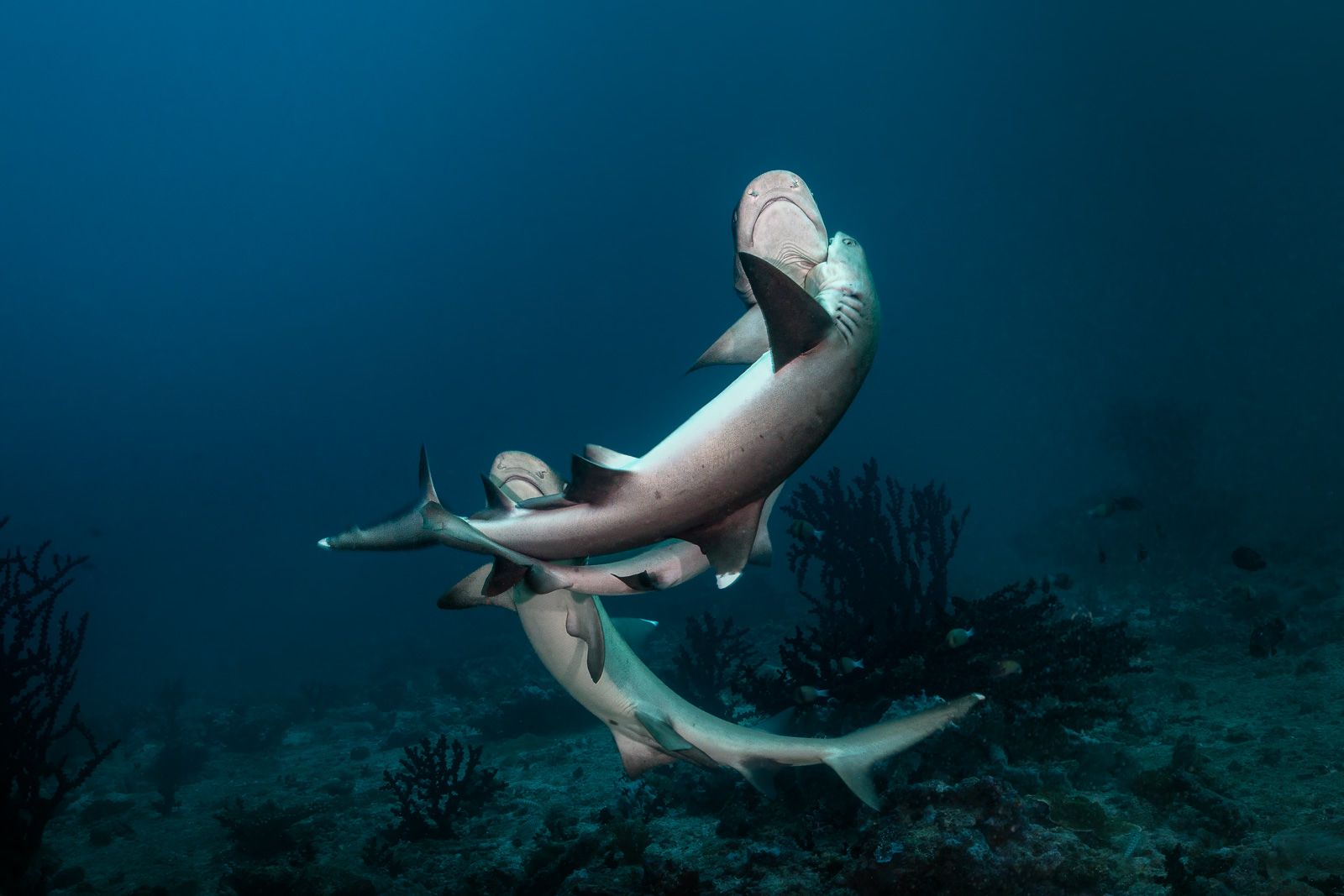
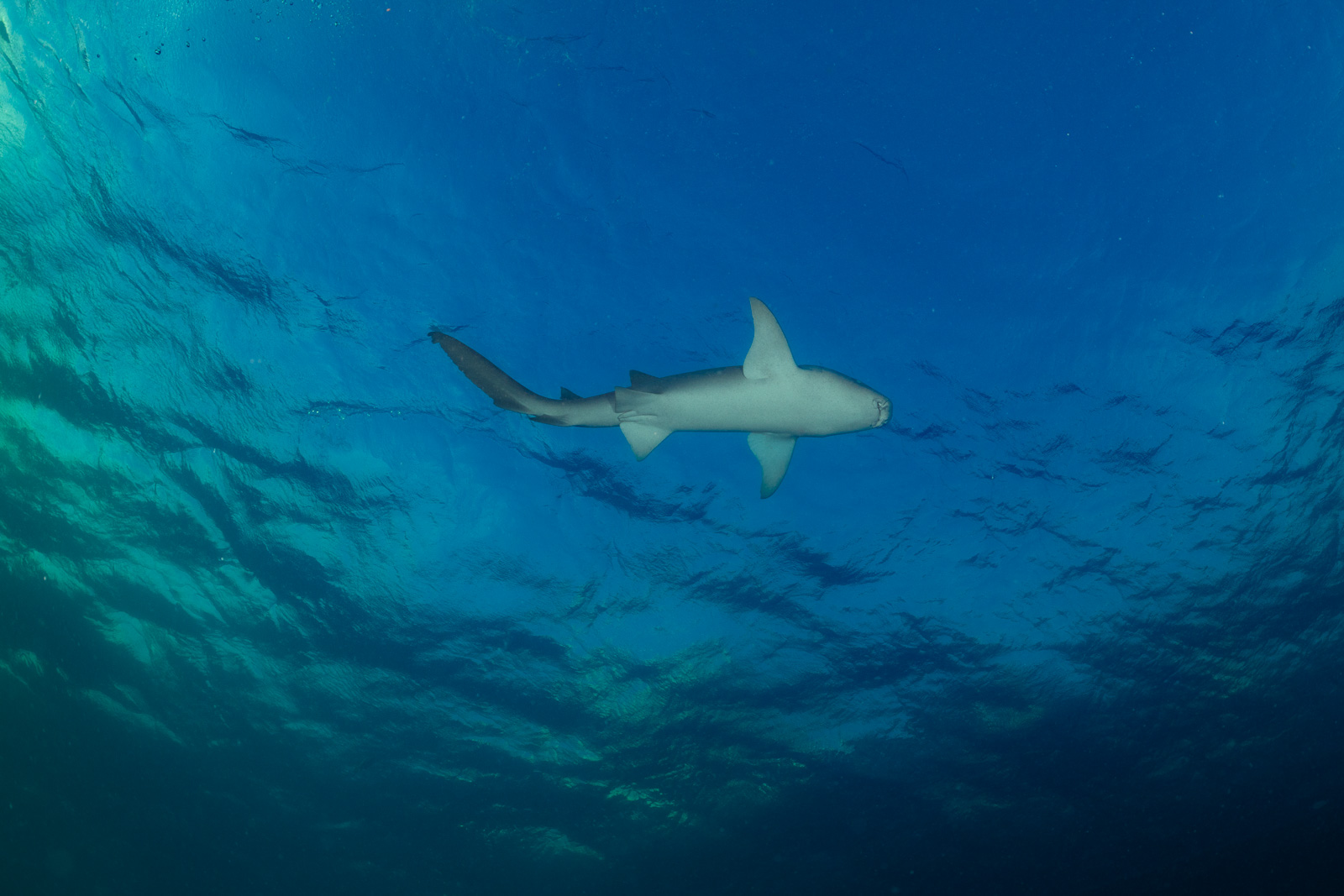
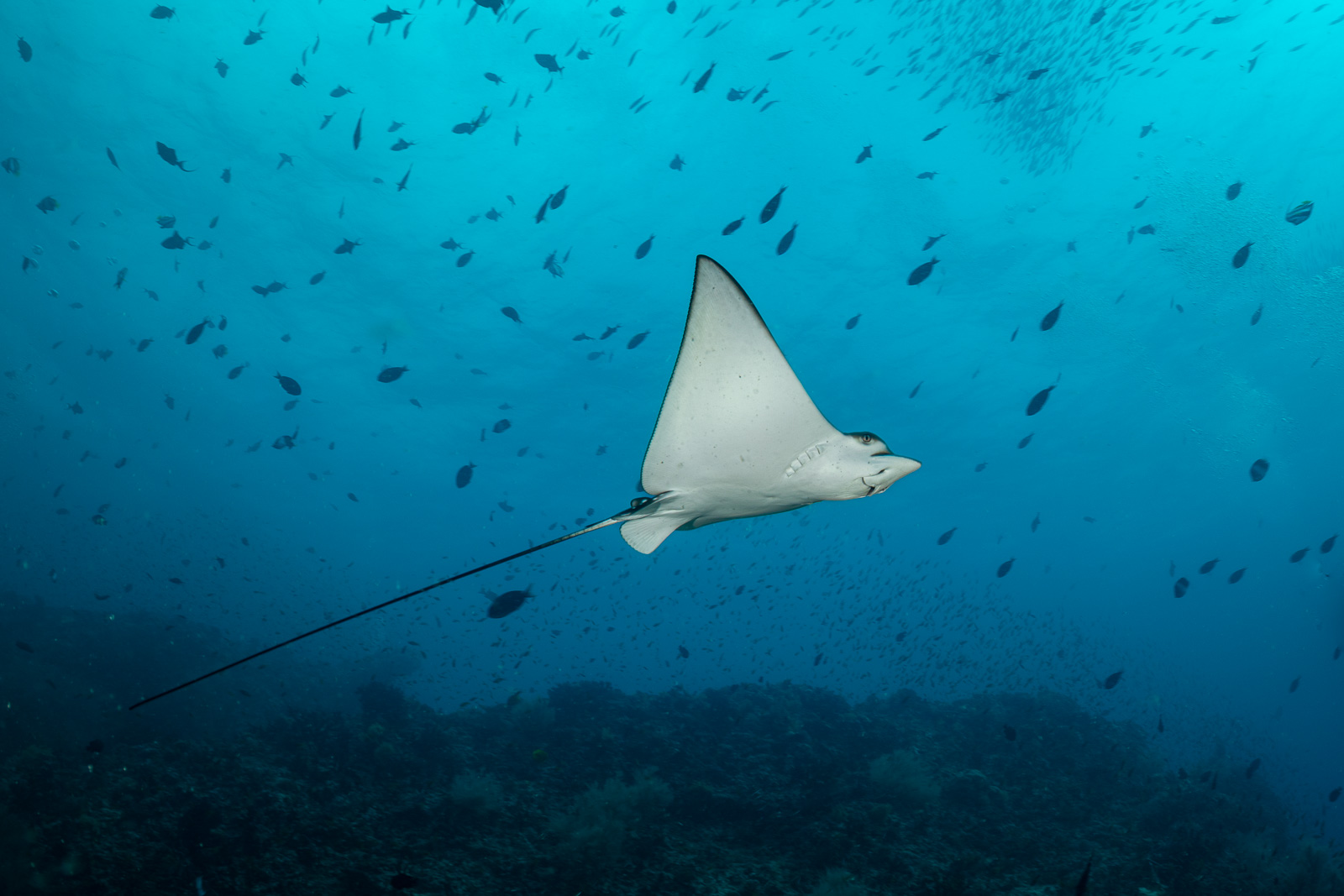
The diving that matters here happens where water is forced through a gap. You drop into a channel on an incoming or outgoing tide, get down to the corner, hook on and stop swimming. Then you wait. Grey reef sharks patrol the edge as a matter of routine. Eagle rays come through in formation — I counted thirty on one pass. Whitetips work the sand.

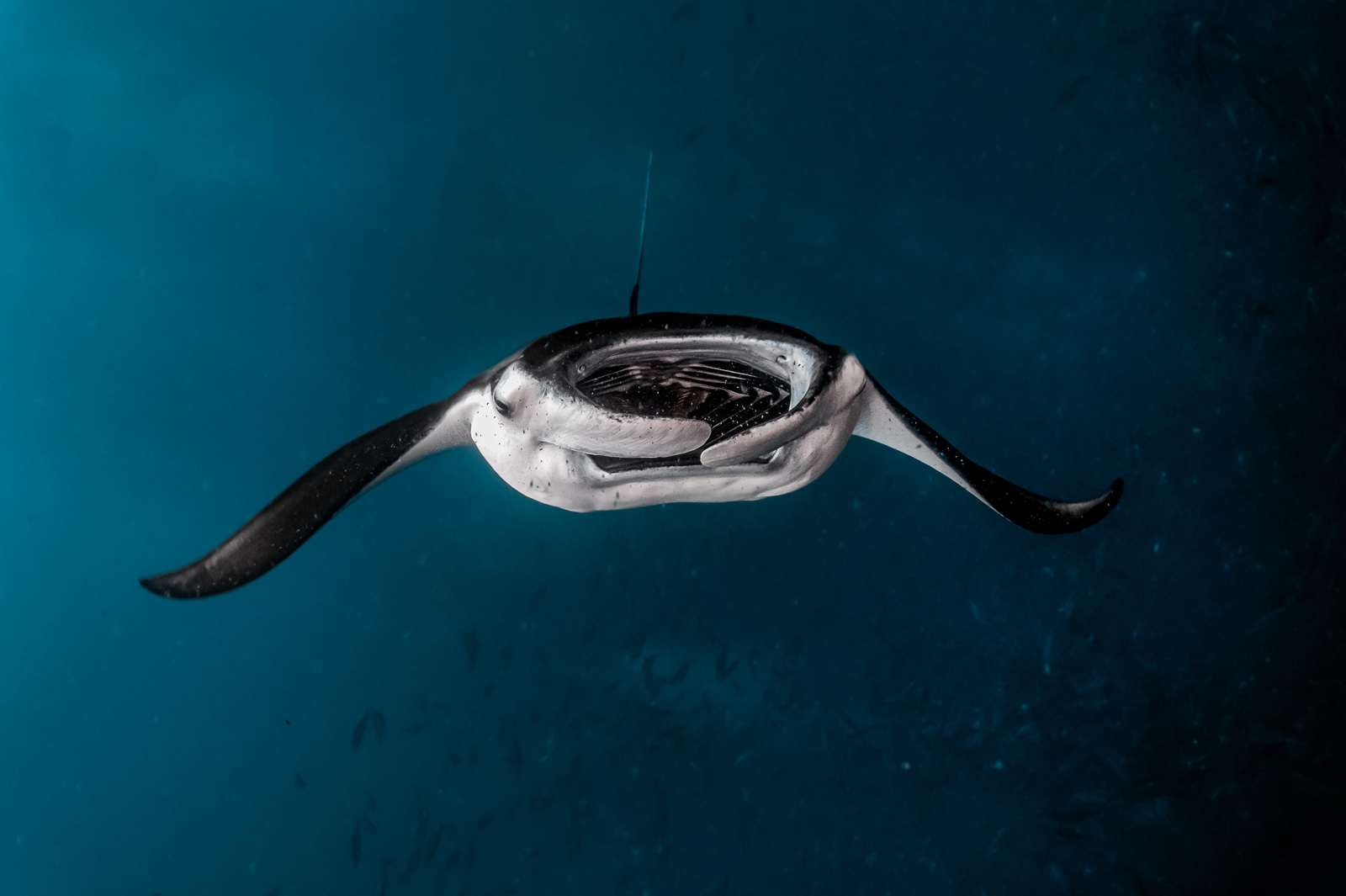
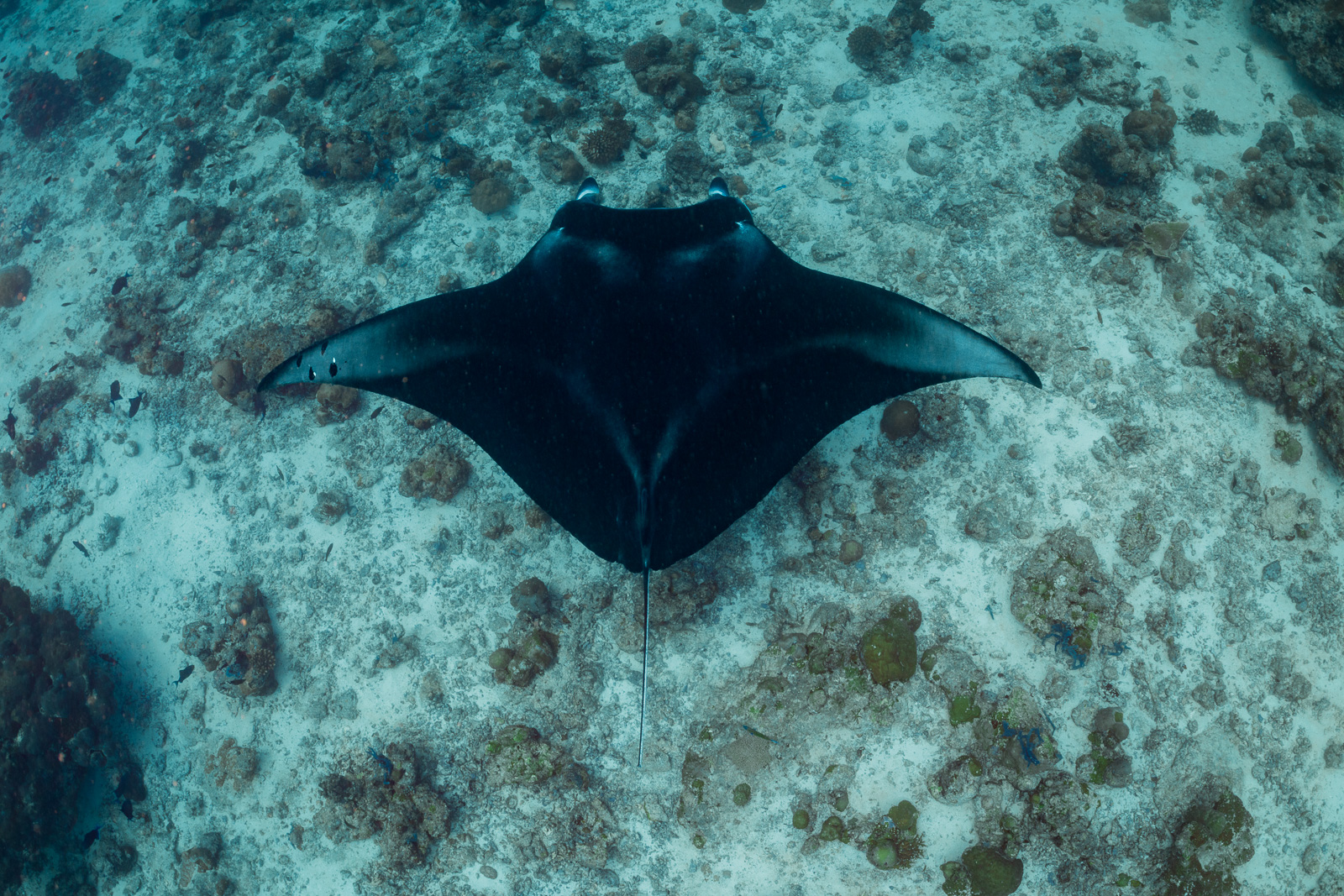
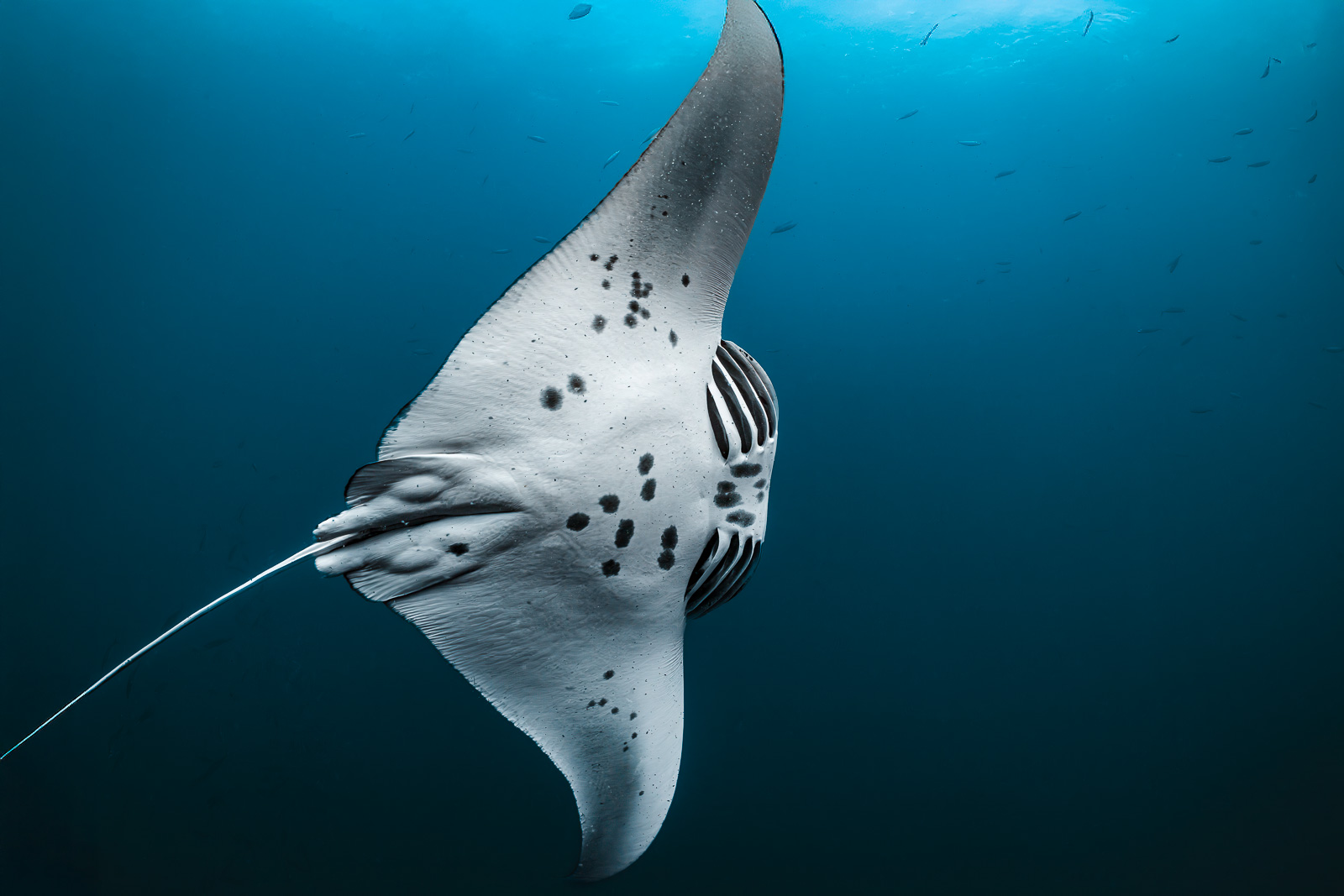
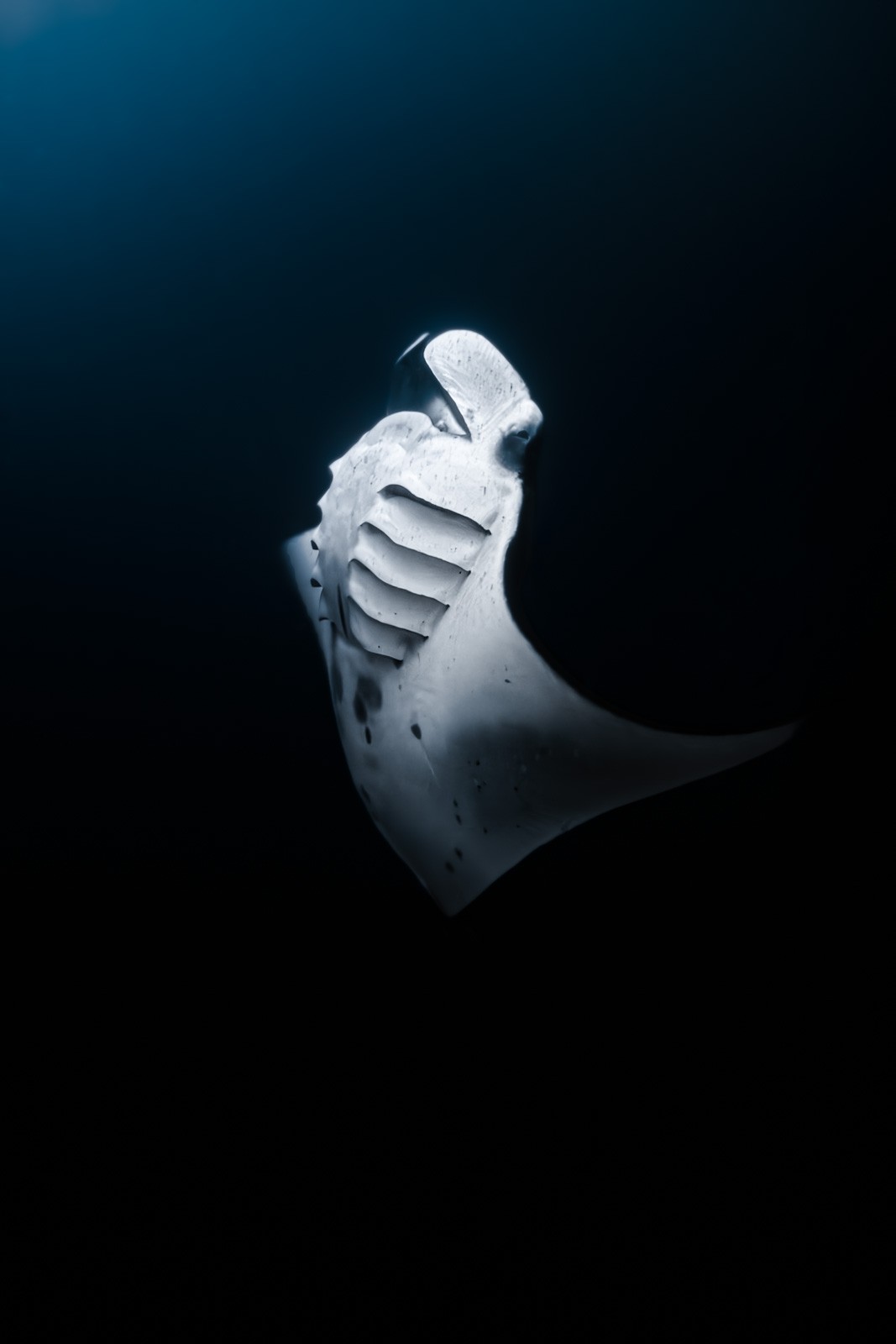
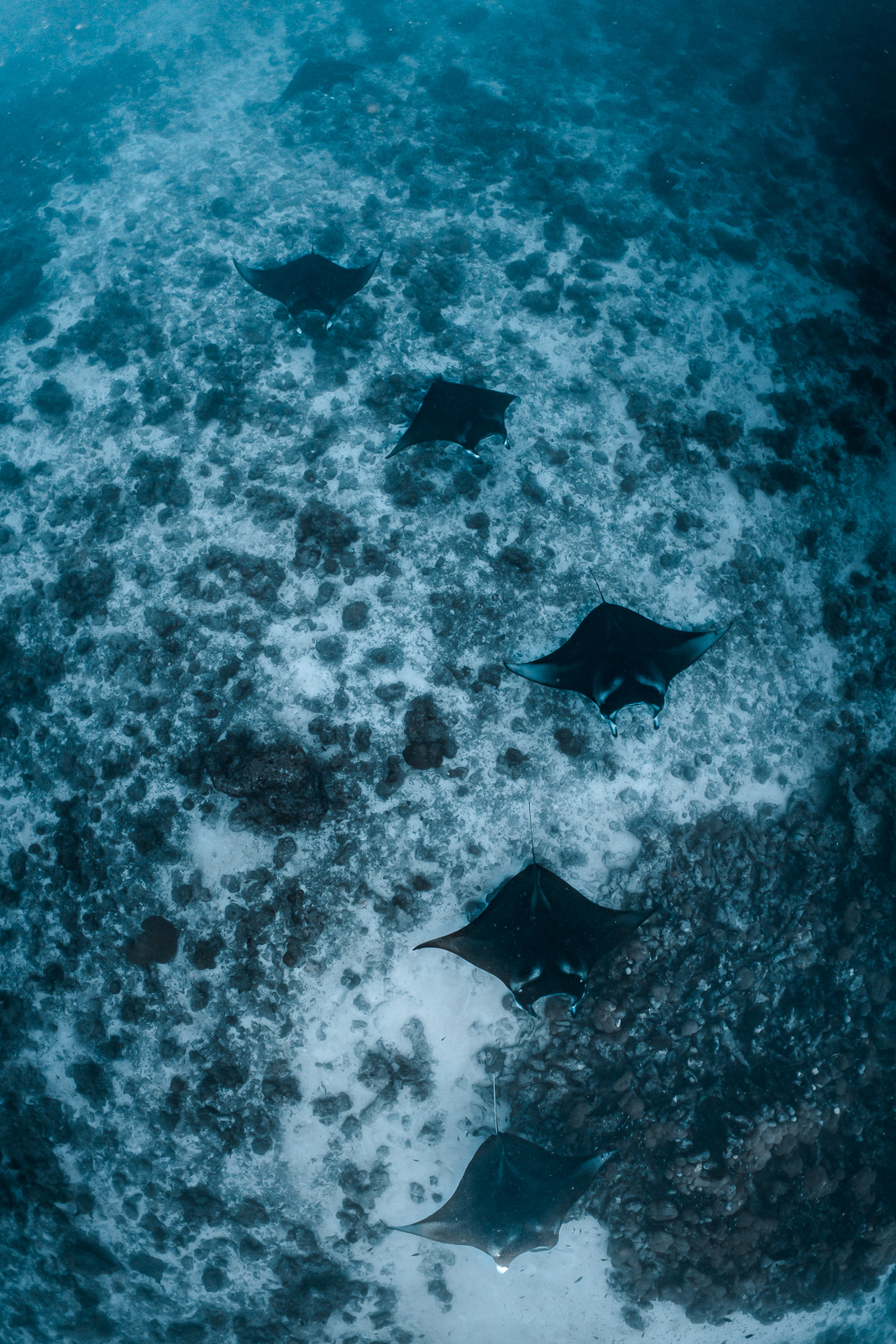
The manta cleaning stations are the other reason. Fourteen animals over one station, queuing, turning, coming back. That is not a Maldives brochure number, it is what was there on the day, and it is the kind of encounter that reorganises what you thought a dive trip could be.

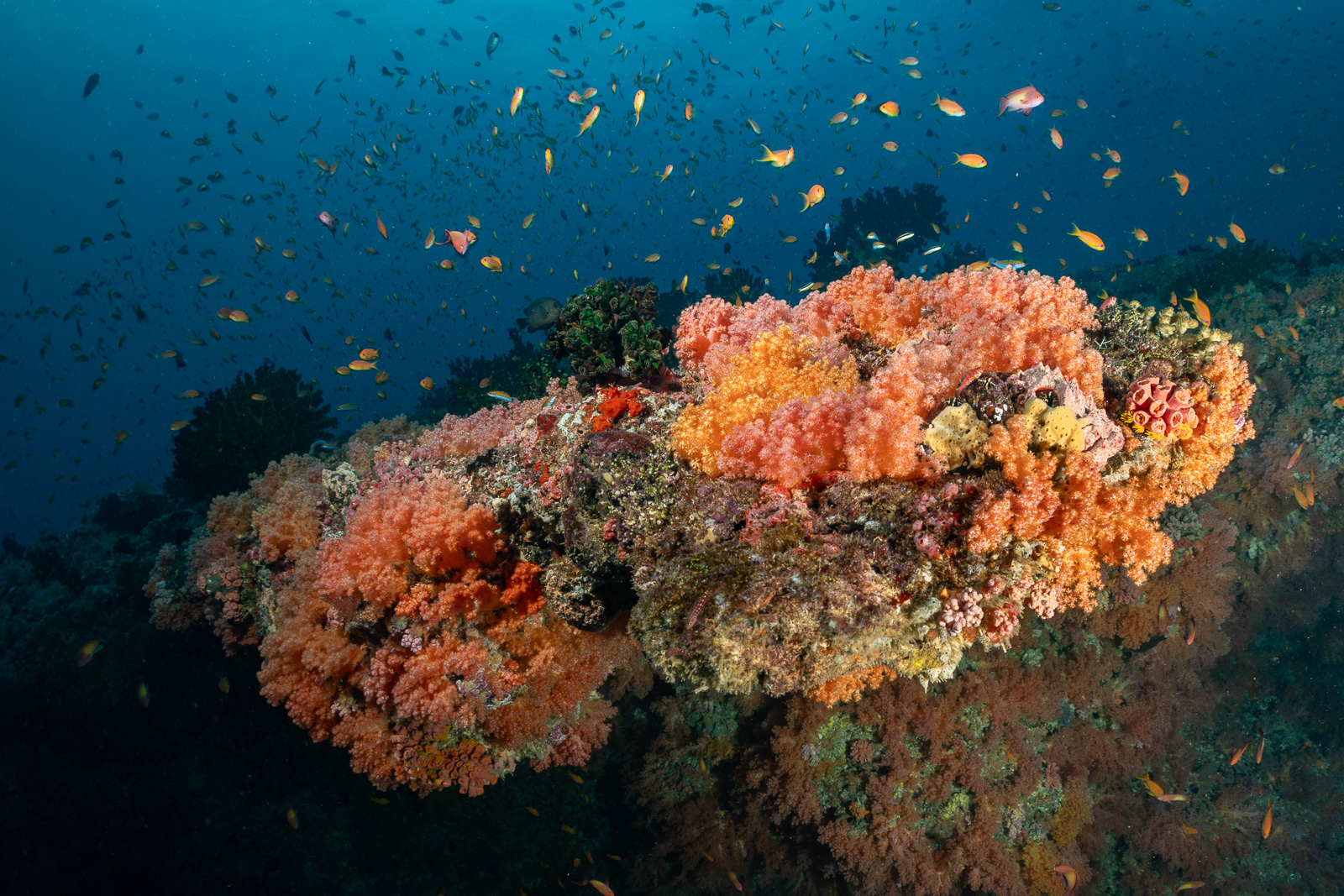
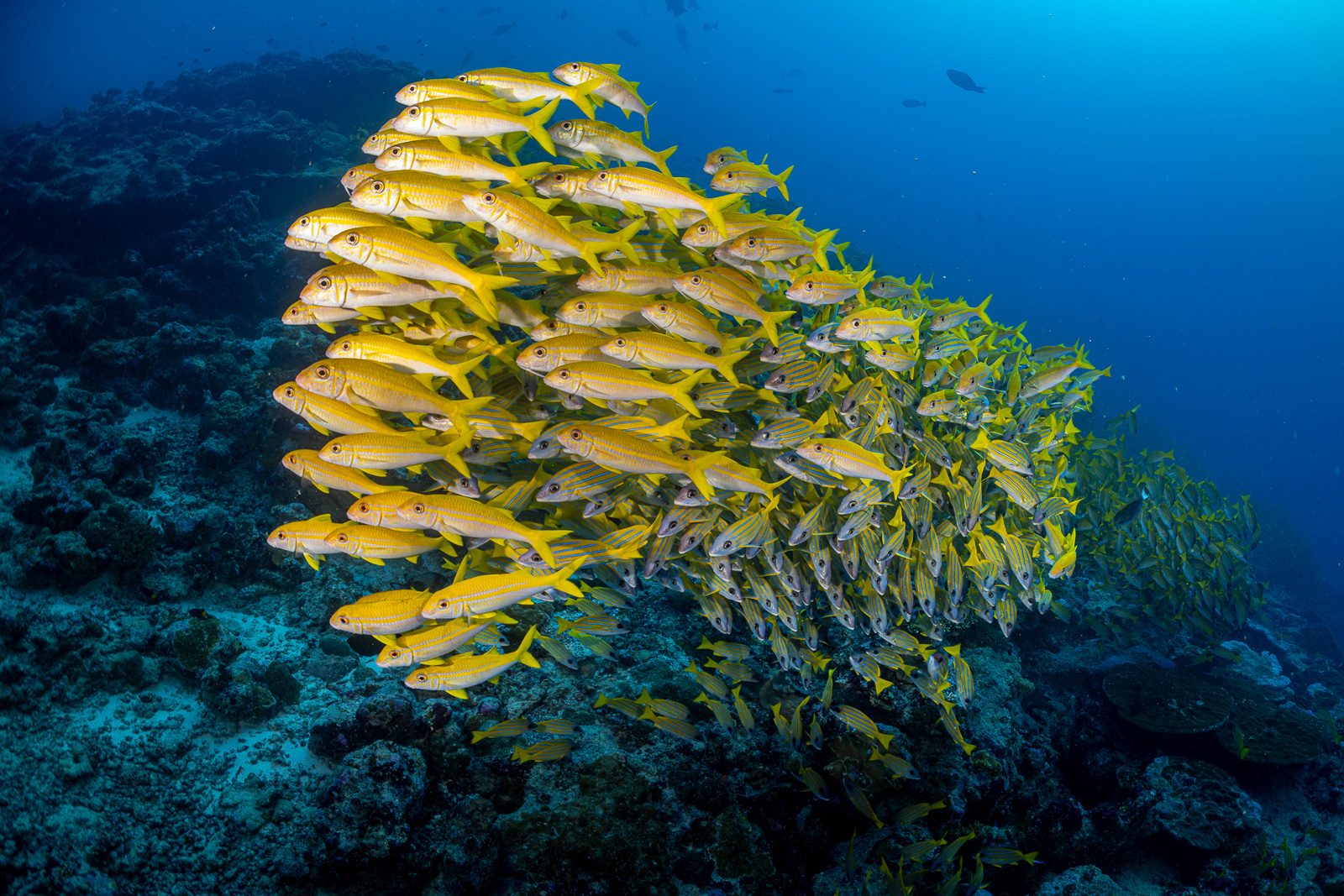
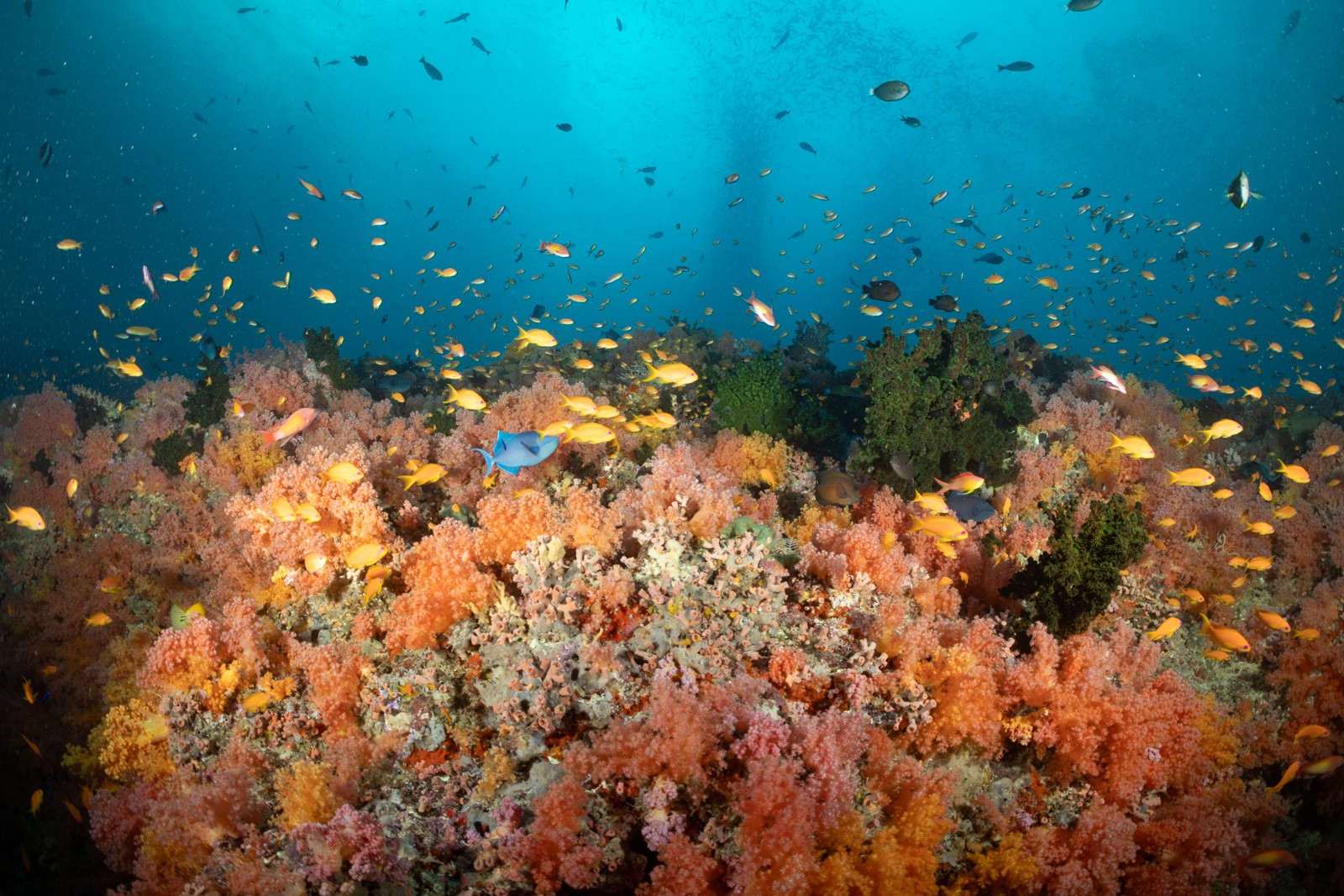
There are genuinely stunning reefs here. Not everywhere, and the reputation for damage is earned, but the assumption that the whole country is bleached rubble does not survive contact with the better sites in the central atolls.

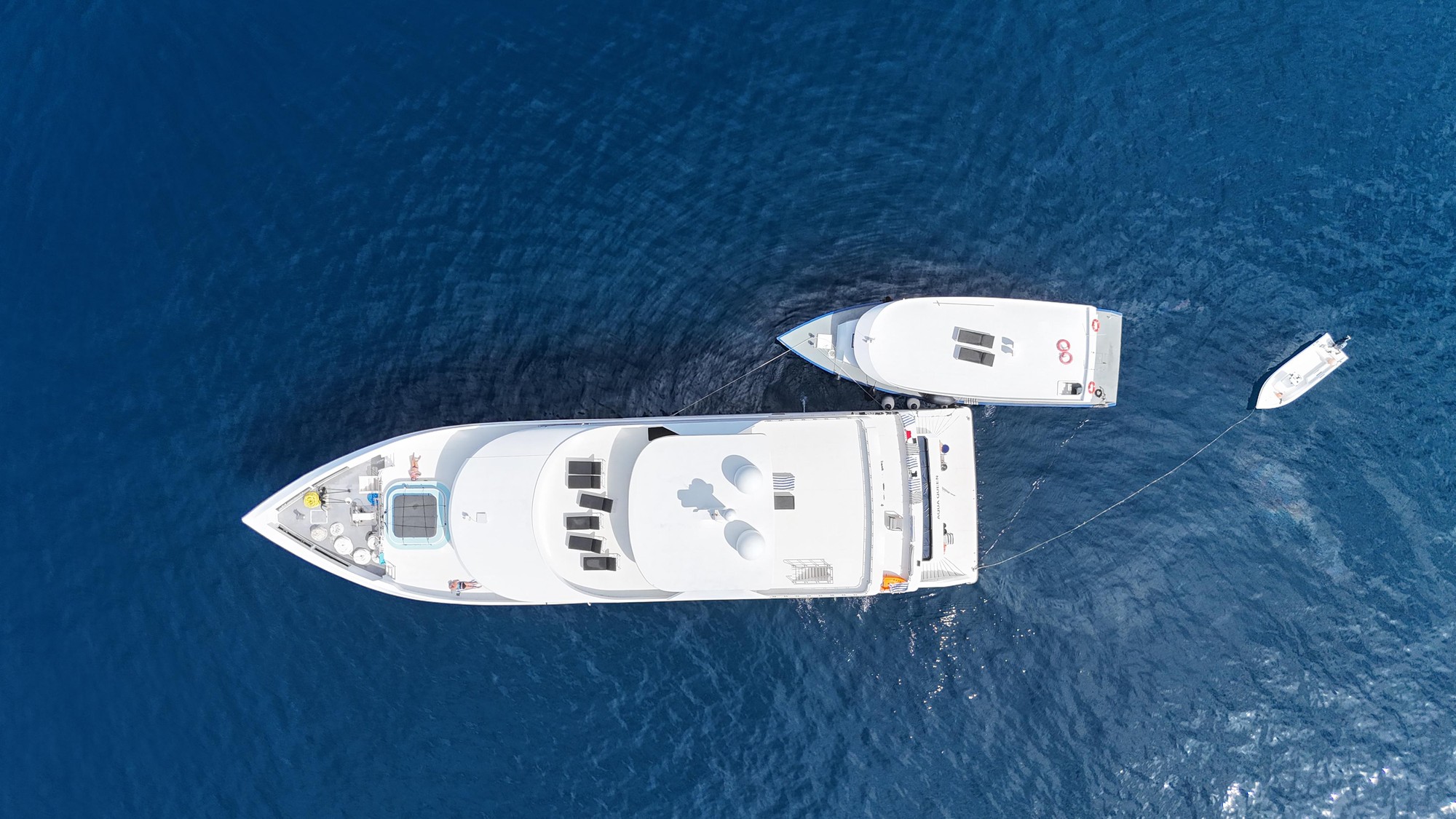
This is a liveaboard destination because the good channels are spread out. The boat moves at night and you dive a different atoll each day.
The wide-angle benchmark

Wide is scored at the top of the scale here and it earns it. Manta cleaning stations, grey reef sharks holding in current, and eagle rays over sand.

The discipline is different from a reef trip. You get one pass, in current, and you either had the settings right or you did not.

Macro exists but you will rarely reach for it. Pack accordingly.

04The pictures

What the Nine days aboard actually looked like

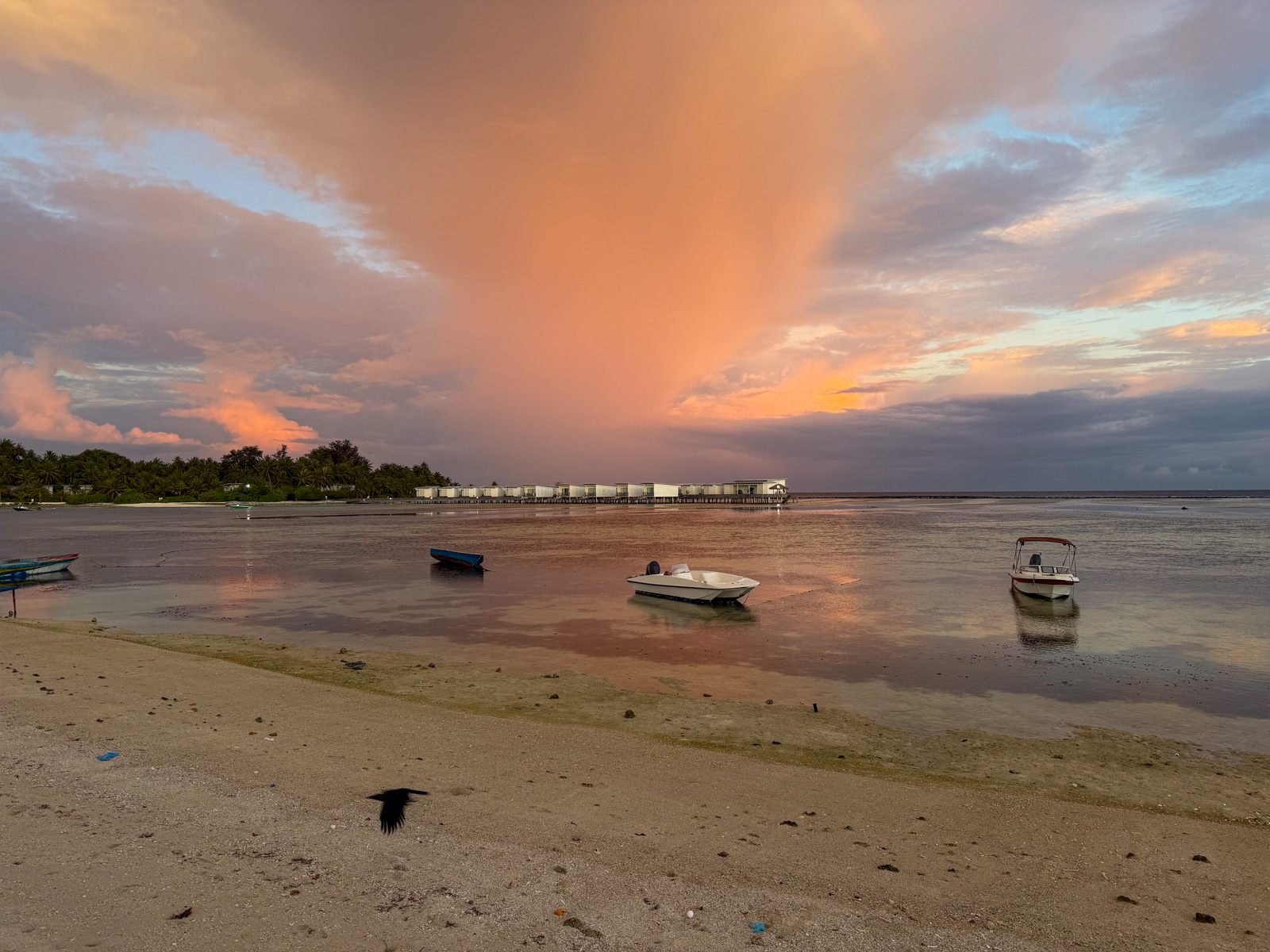
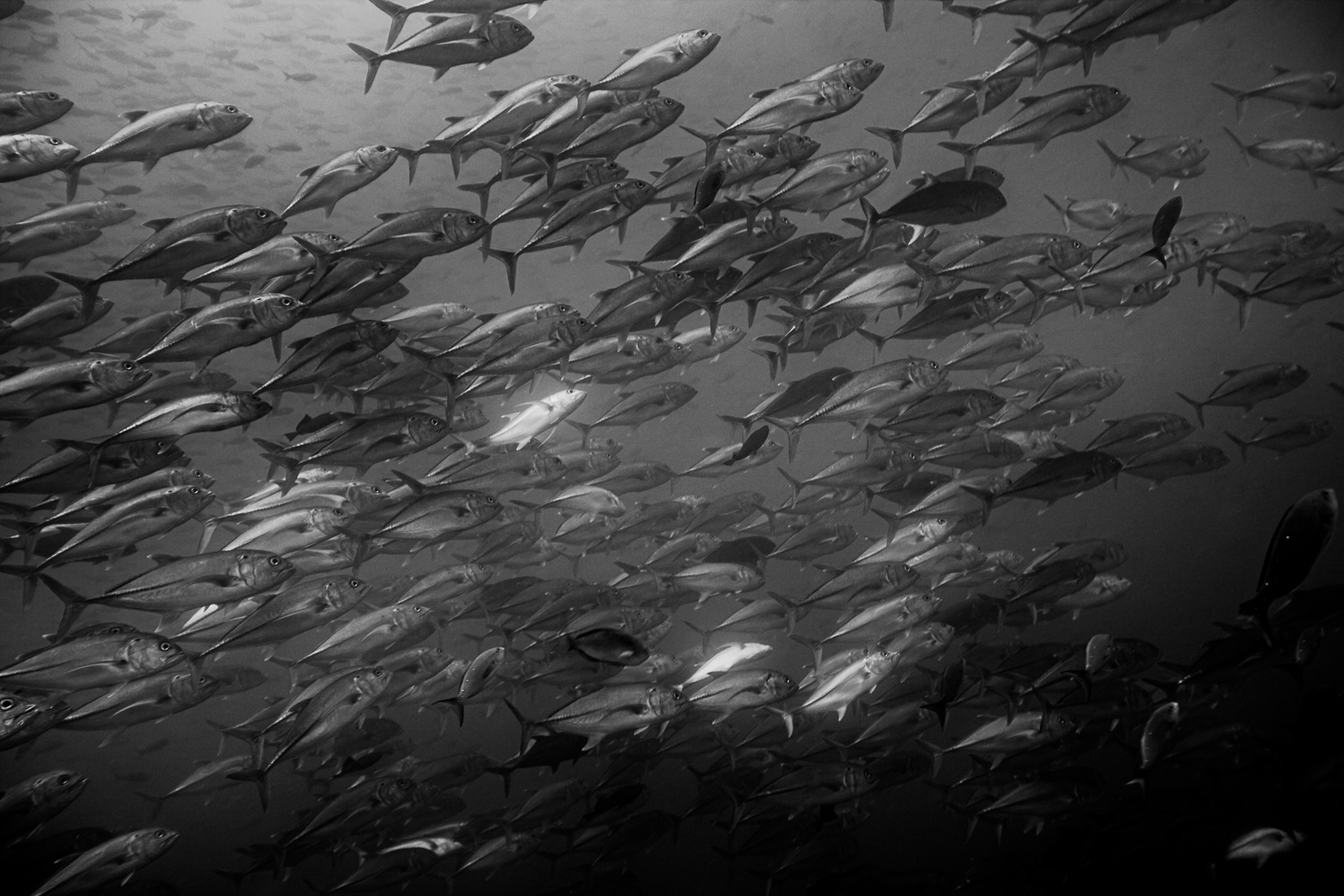
Every frame here was made at Central Atolls in 2025, in the conditions that turned up rather than the ones I hoped for. Click any of them to open it full size.

Central AtollsCentral AtollsCentral AtollsCentral AtollsCentral AtollsCentral AtollsCentral AtollsCentral AtollsCentral AtollsCentral AtollsCentral AtollsCentral Atolls

Any frame on this page can be licensed for editorial use. Licensing terms.

05Best time to dive

December to March and June to October is what you are aiming for

June to October is when Central Atolls is at its best. Tap any month for what the water is actually doing.

High seasonShoulderClosed

Visibility, sea state, what is in the water and how much of it you can count on. The season turns at June and again after March.

06Signature dives

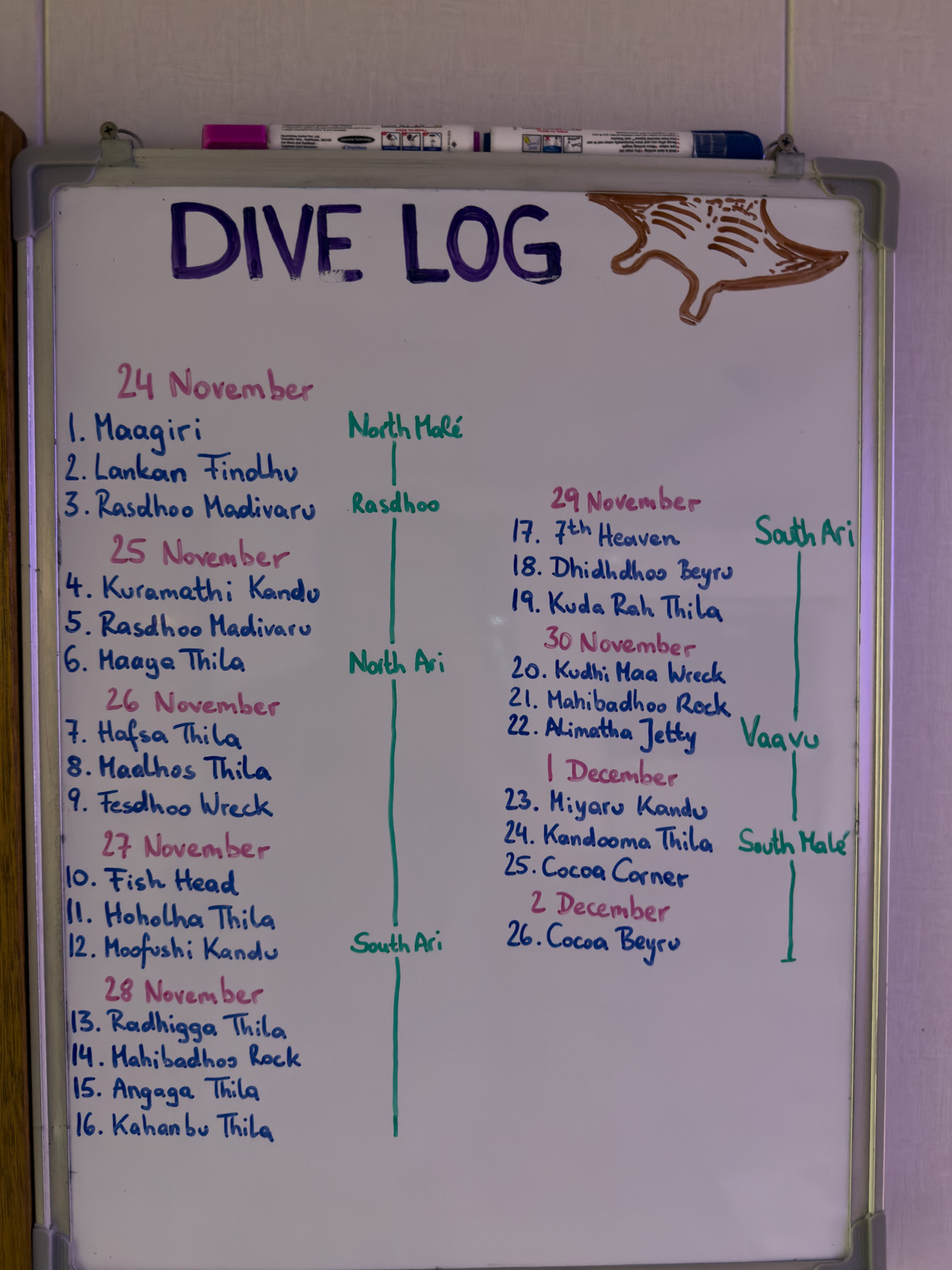
Six of the twenty-six, and what each one gave up

Six I dived more than once and would plan a week around, named as the resort names them.

01

Moofushi Kandu

Fourteen mantas on one station

North Ari, and the dive the whole trip is measured against. Fourteen animals queueing at a cleaning station, turning, coming back. Get low, stay still and stop swimming at them — the ones that leave are the ones somebody chased.

02

Kandooma Thila

Thirty eagle rays in a single pass

South Malé, on the second-to-last day. Hook onto the corner and wait. They came through in formation, thirty of them, and were gone in under a minute. Everything about this site rewards being in position early rather than reacting.

03

Rasdhoo Madivaru

The famous one, told honestly

Madivaru means hammerhead point, and hammerheads are why people book Rasdhoo at all — a pre-dawn descent into blue water hoping a school materialises. I dived it twice and saw none. What I did see was grey reef sharks in real numbers. Go for the greys and treat the hammerheads as a bonus that may not arrive.

04

Fish Head

Greys, and forty years of protection

North Ari, protected since the 1980s and it shows. Grey reef sharks patrol the pinnacle as routine rather than as an event. One of the few places in the country where you can see what a Maldivian reef looks like when nobody has fished it.

05

Maaya Thila

The night dive everyone talks about

North Ari after dark, and the reason is whitetips hunting in torchlight. They use your beam to corner fish, which is uncomfortable and fascinating in roughly equal measure. Keep the light steady and do not follow them.

06

Miyaru Kandu

The channel that is named after what is in it

Vaavu. Miyaru means shark. Negative entry, straight down to the corner, hook on and let the incoming tide bring it past you. This is the dive that explains why a reef hook is on the kit list rather than the wish list.

07Operators

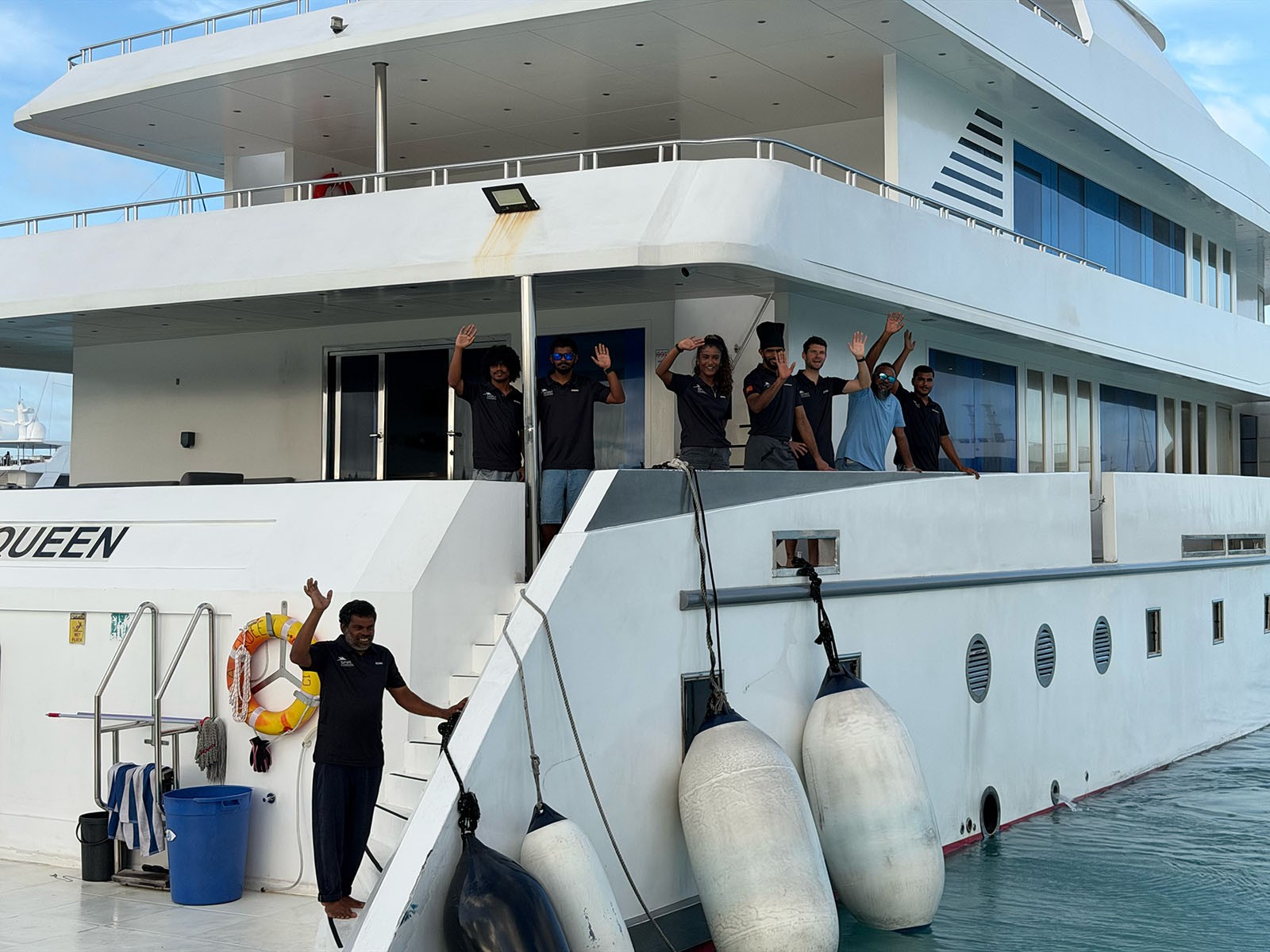
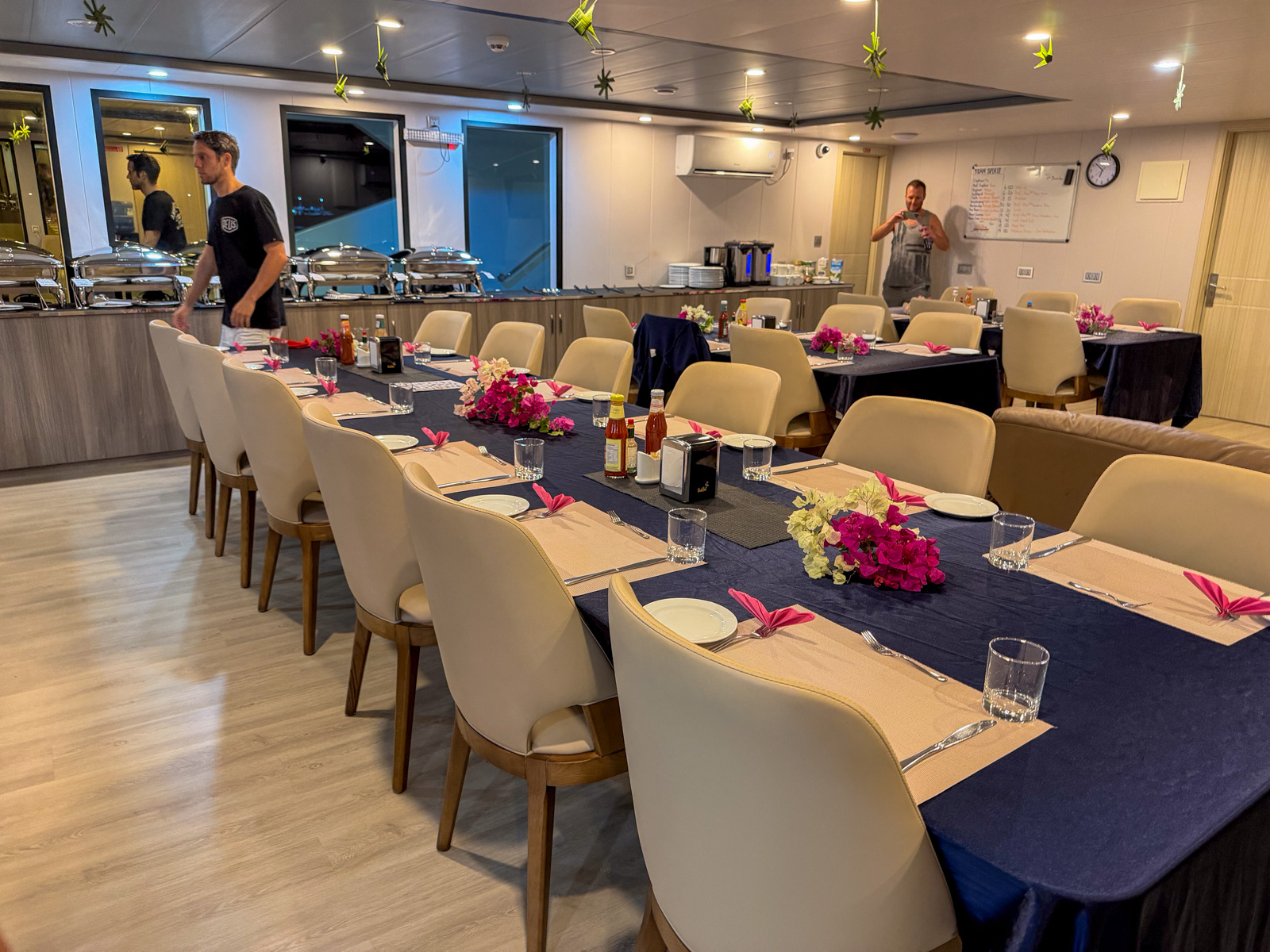
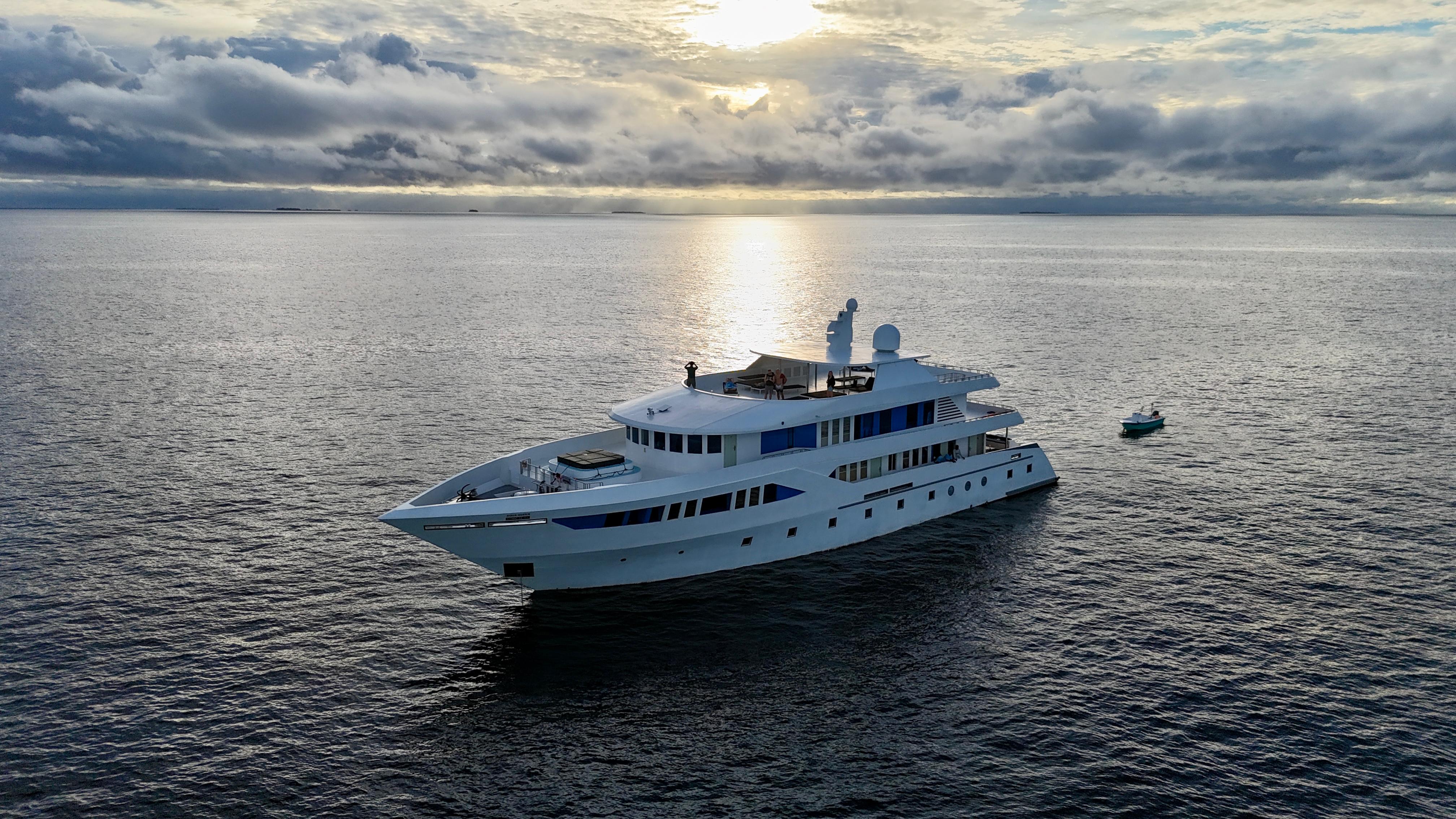
The boat, and one thing nobody warns you about

One operator scored here. The reef and the operation are genuinely separate on this page — read the two blocks independently, because they do not agree with each other.

08Before you go

The questions that decide whether the trip works

Asked in the order they actually matter, answered with specifics.

01

What is the guiding actually like?

Not what resort diving trains you to expect, and this surprised me more than anything else. Groups of seven or eight, split by experience, with guides there for your safety rather than your photography. If you are used to a photo guide who knows the biology and will spend ten minutes helping you get one frame, expect to be on your own.

02

Is there a legal limit on depth or dive time?

Yes, and it catches people out. Under Maldivian law the maximum depth for recreational diving is 30 metres, dives are generally capped at 60 minutes, and decompression stops are not permitted.

That is not a house rule you can negotiate with a guide who likes you. It is national regulation, it applies to every operator in the country, and it shapes how the channel dives are planned — you go deep early, work up the corner, and surface inside the hour.

03

Do I need a reef hook?

Yes. The channel dives that make this trip involve dropping in, descending fast to the corner and hooking on. Bring your own rather than relying on the boat.

04

Liveaboard or resort?

Liveaboard, if the diving is the point. The good channels are spread across atolls and the boat moves at night, which a resort cannot do.

05

How should I think about the price?

I booked last minute at fifty percent off and it was remarkable. At full price I would not go again. At around twenty-five percent off I could be persuaded, and that is the honest shape of it.

06

When should I go?

The northeast monsoon from December to April brings clearer water and the classic manta and shark action. May to November is greener and can be excellent for whale sharks in the south.

09Who it suits

And who should cheerfully book elsewhere

The right-hand column is the useful one. Misool is expensive enough that going for the wrong reason is an expensive way to find out.

Book it if

  • You want big animals in numbers. Sharks, eagle rays and mantas at a density that is hard to overstate.
  • You can hold position in current. A reef hook and a calm head are the entry requirement, not an advanced course.
  • You shoot wide. Wide is the benchmark axis here and it is the only lens worth having.
  • You want distance covered. The boat moves at night, so a week reaches atolls a resort never would.

Book elsewhere if

  • You are new to current. The Indian Ocean does not ease you in, and a lot of people find that out on day one.
  • You want a photo guide. Read the operator block above before you book — the guiding model on a large liveaboard is not what resort diving trains you to expect.
  • Macro is your trip. Bring wide. There is macro and it is beside the point.
  • You want to be on land. The good diving is spread across atolls, so the boat is the trip.
10Getting there

Flights, transfers and what to sort first

A boat is the right way to dive this. Resorts are tied to their house reef and the good channels move with the season.

Getting there
Malé (MLE), then the boat from the harbour. Simple compared with most of Indonesia.
Liveaboard, not resort
A resort ties you to a house reef. The good channels move with the season and the boat follows them.
Reef hook
Not optional. Nor is an SMB and a light.
Nitrox
Close to essential given the profiles and the repetition.
Cabin choice
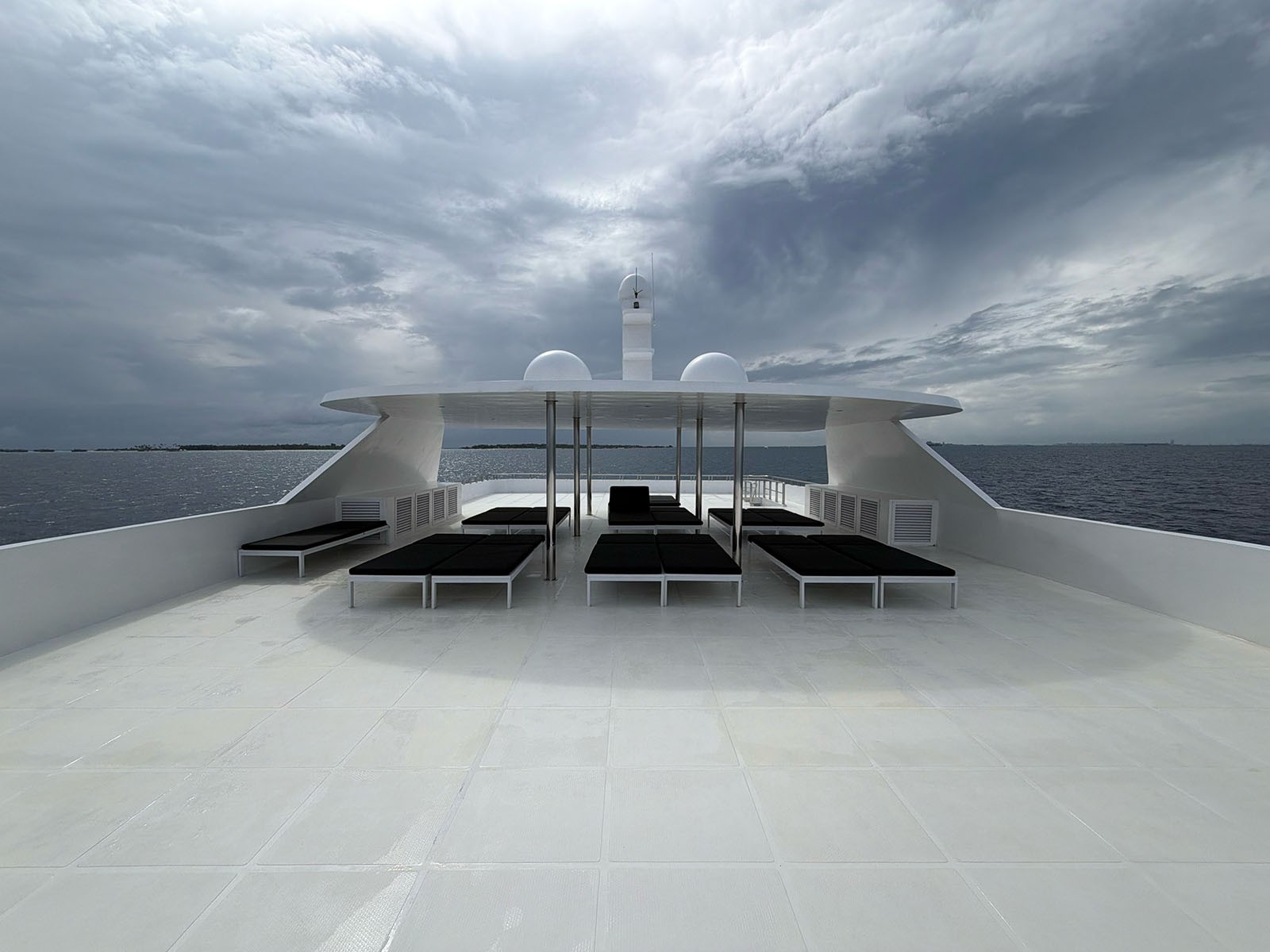
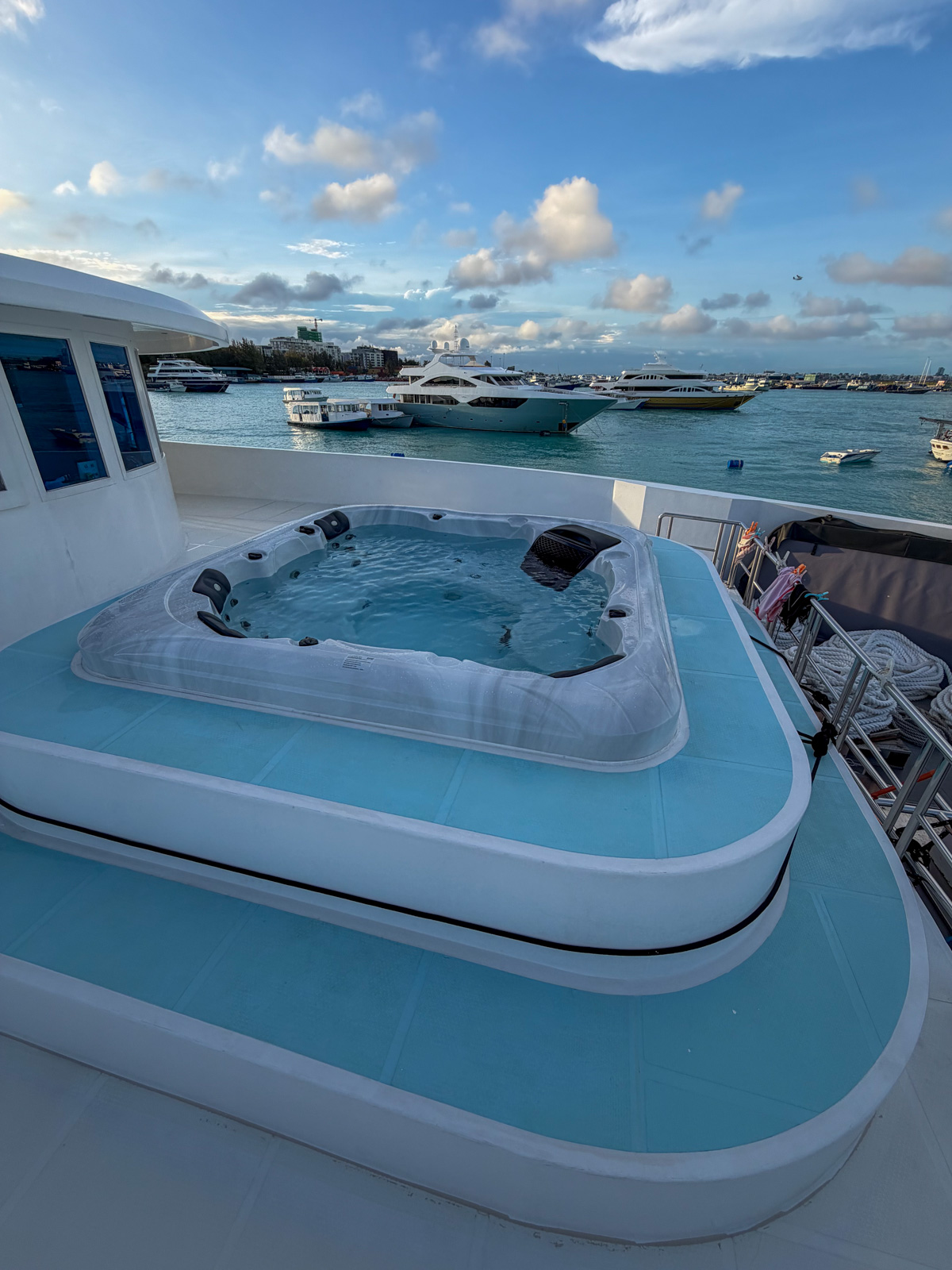
Lower deck is cheaper and rolls less. Upper deck is quieter and warmer. Pick deliberately.