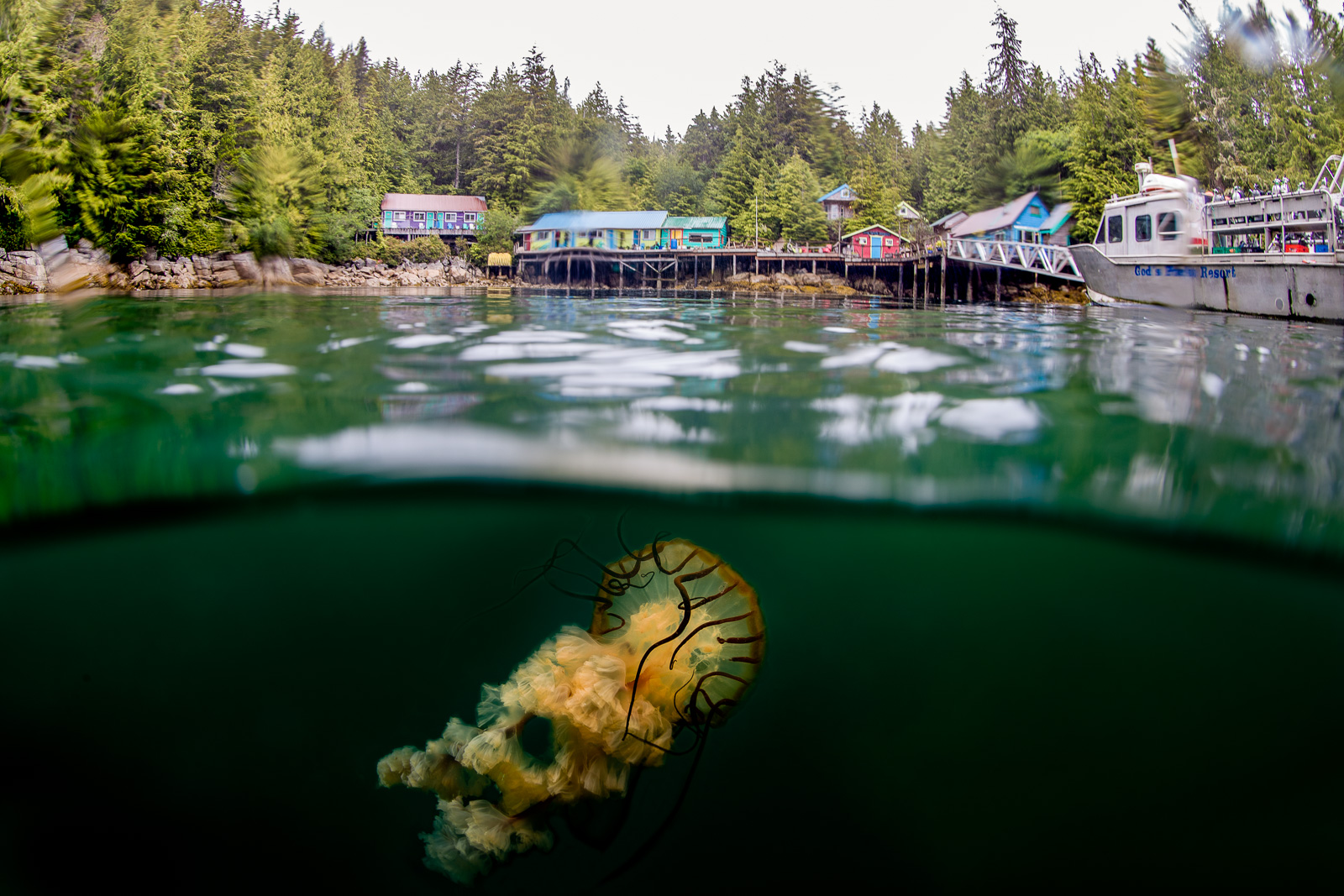
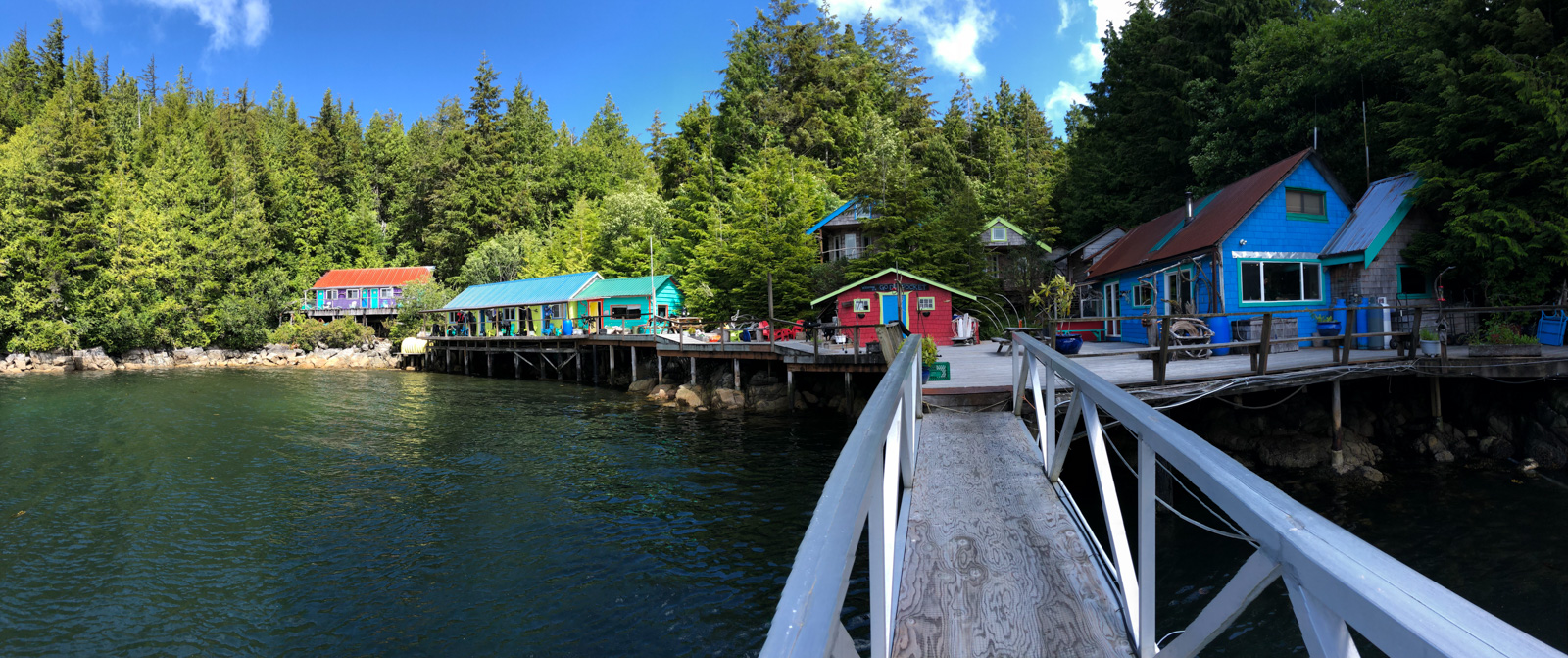
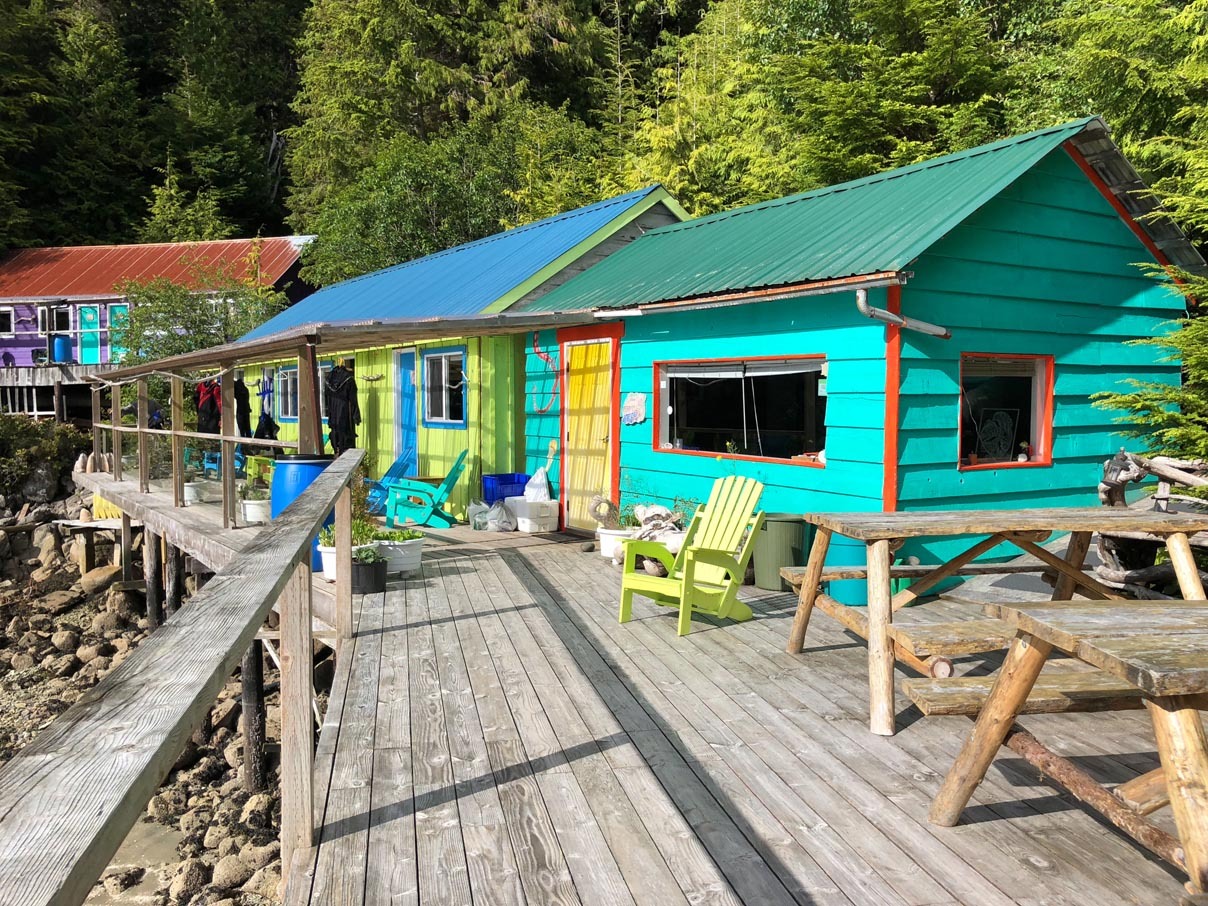
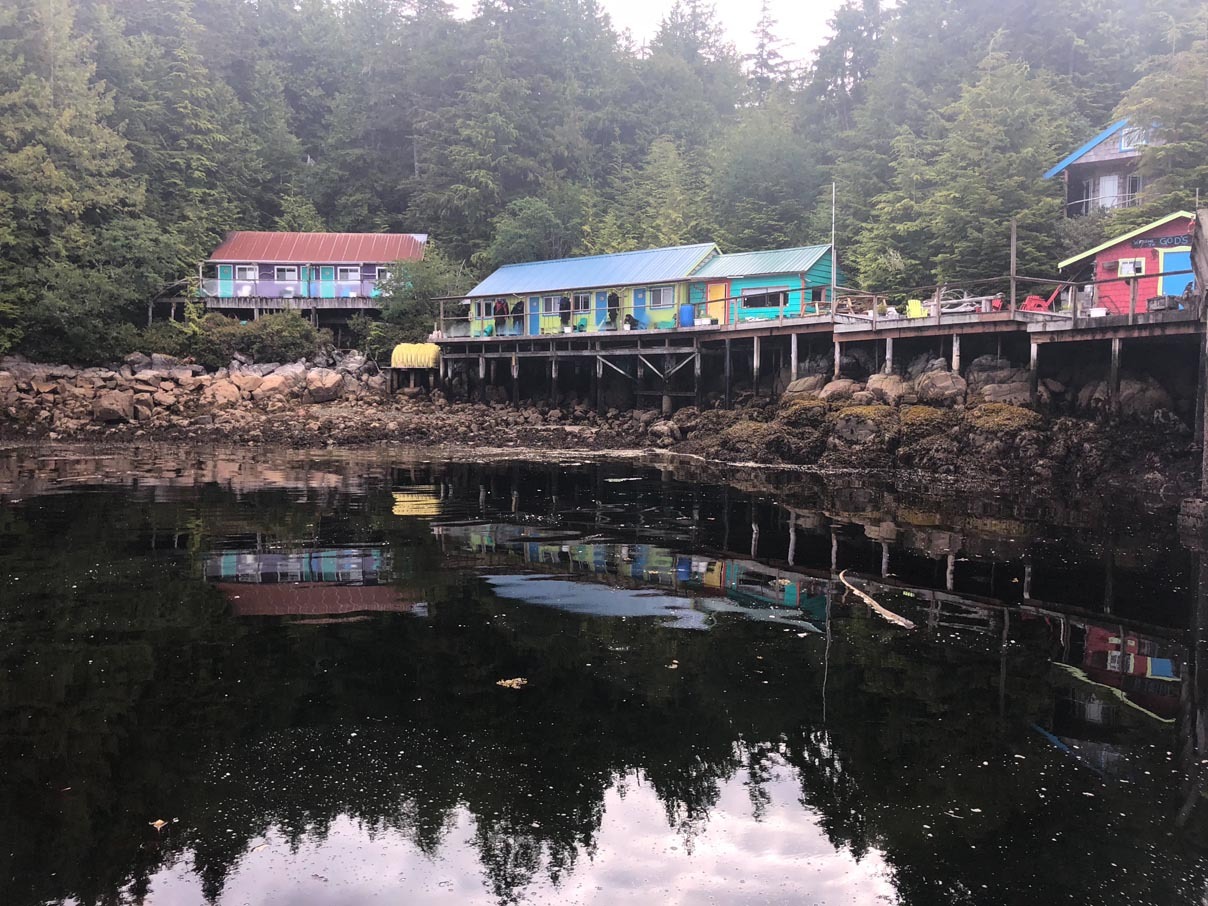
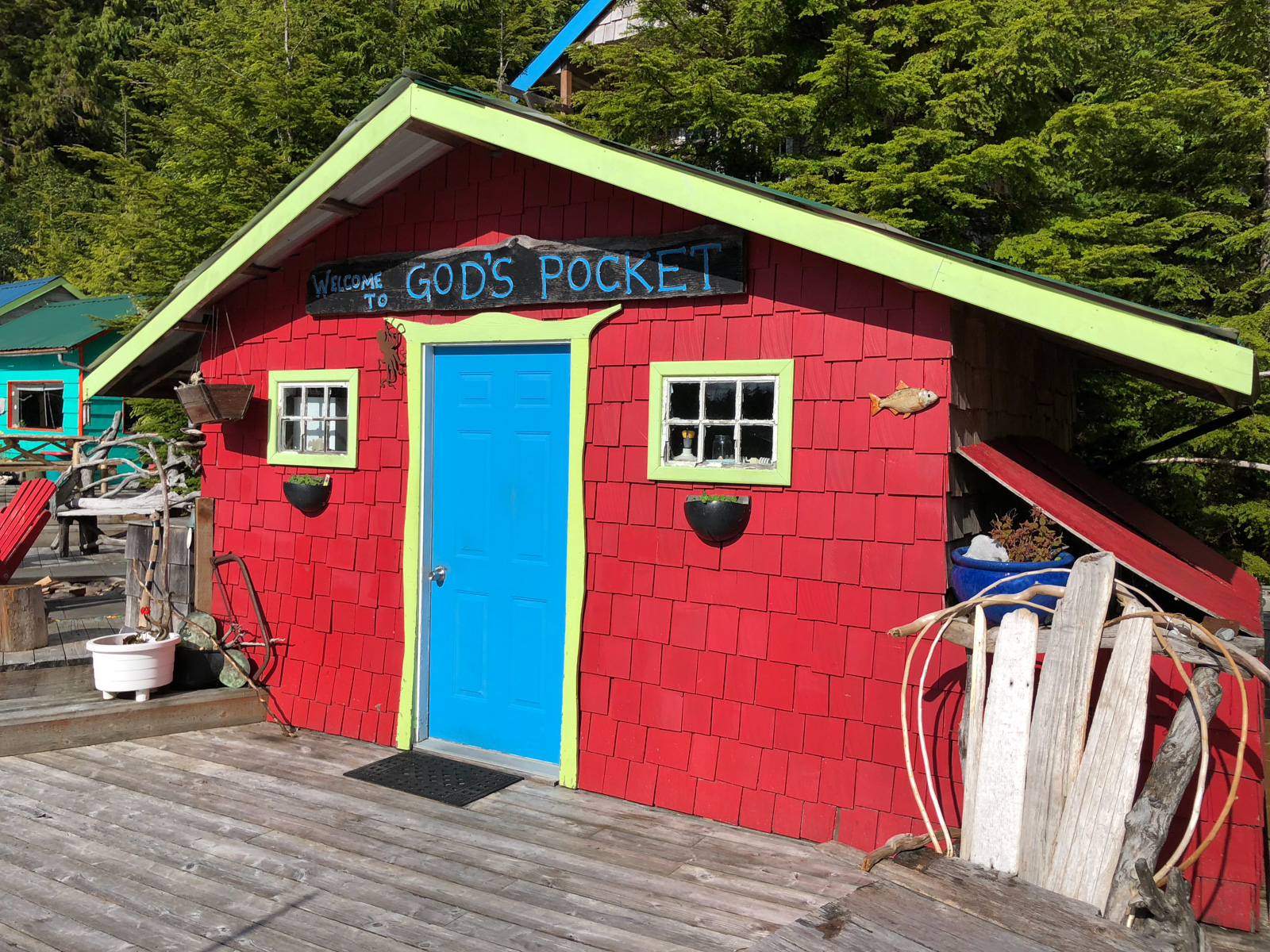
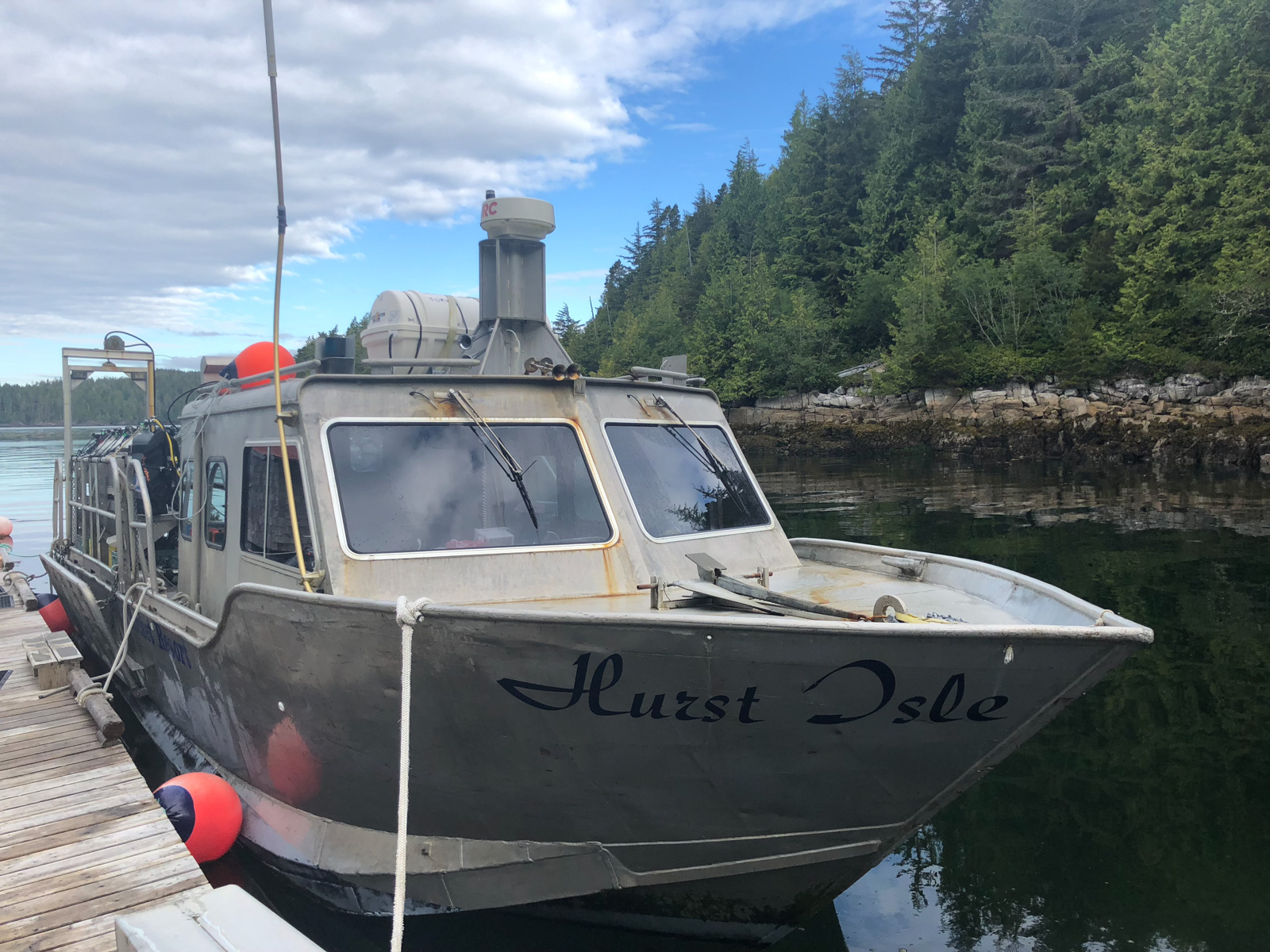
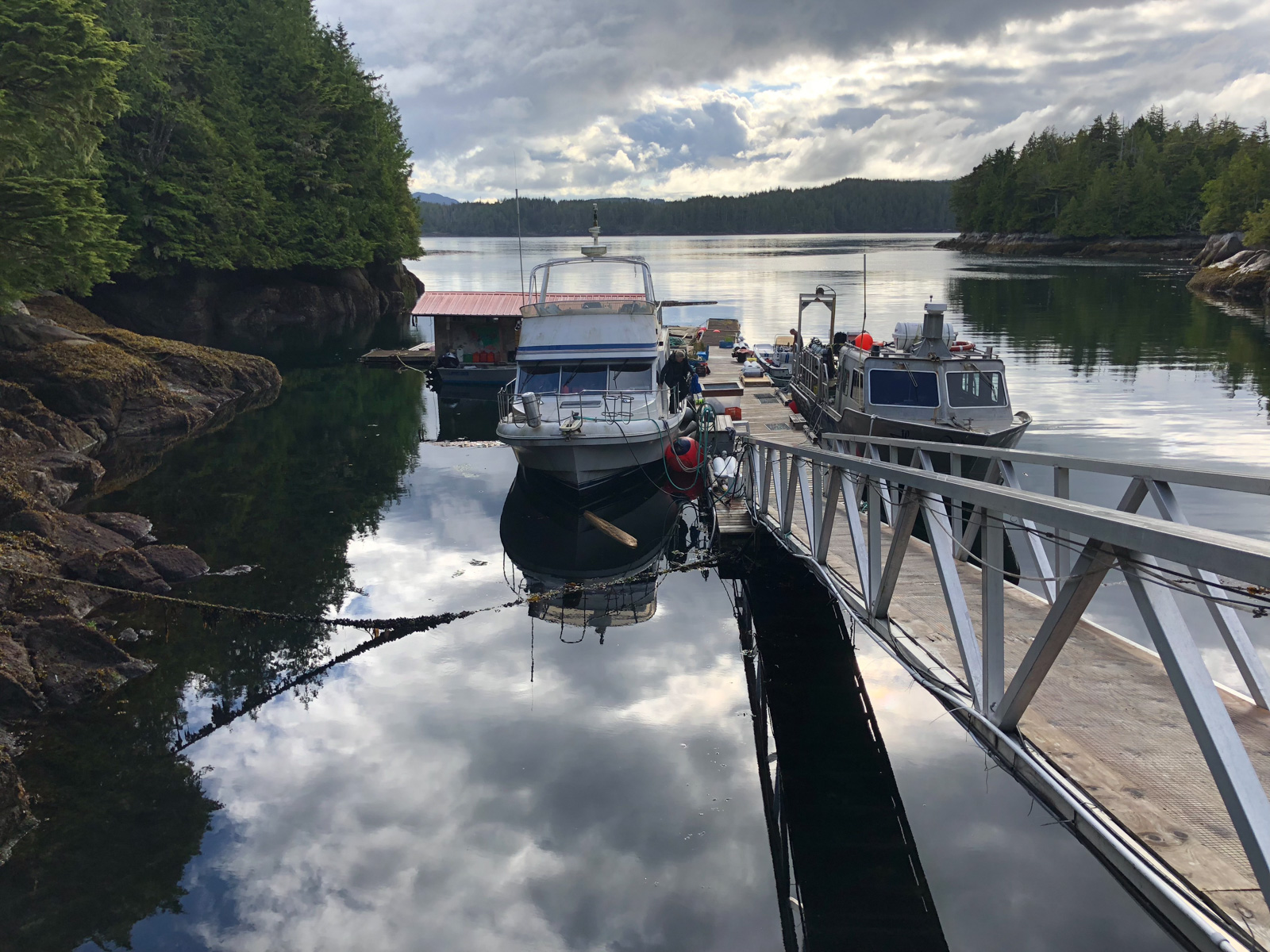
Ninety minutes out of Port Hardy, past rafts of sea otters floating with their paws linked, the odd humpback, eagles dropping to take fish off the surface. Then the boat slows and you realise there is no compressor on the island.
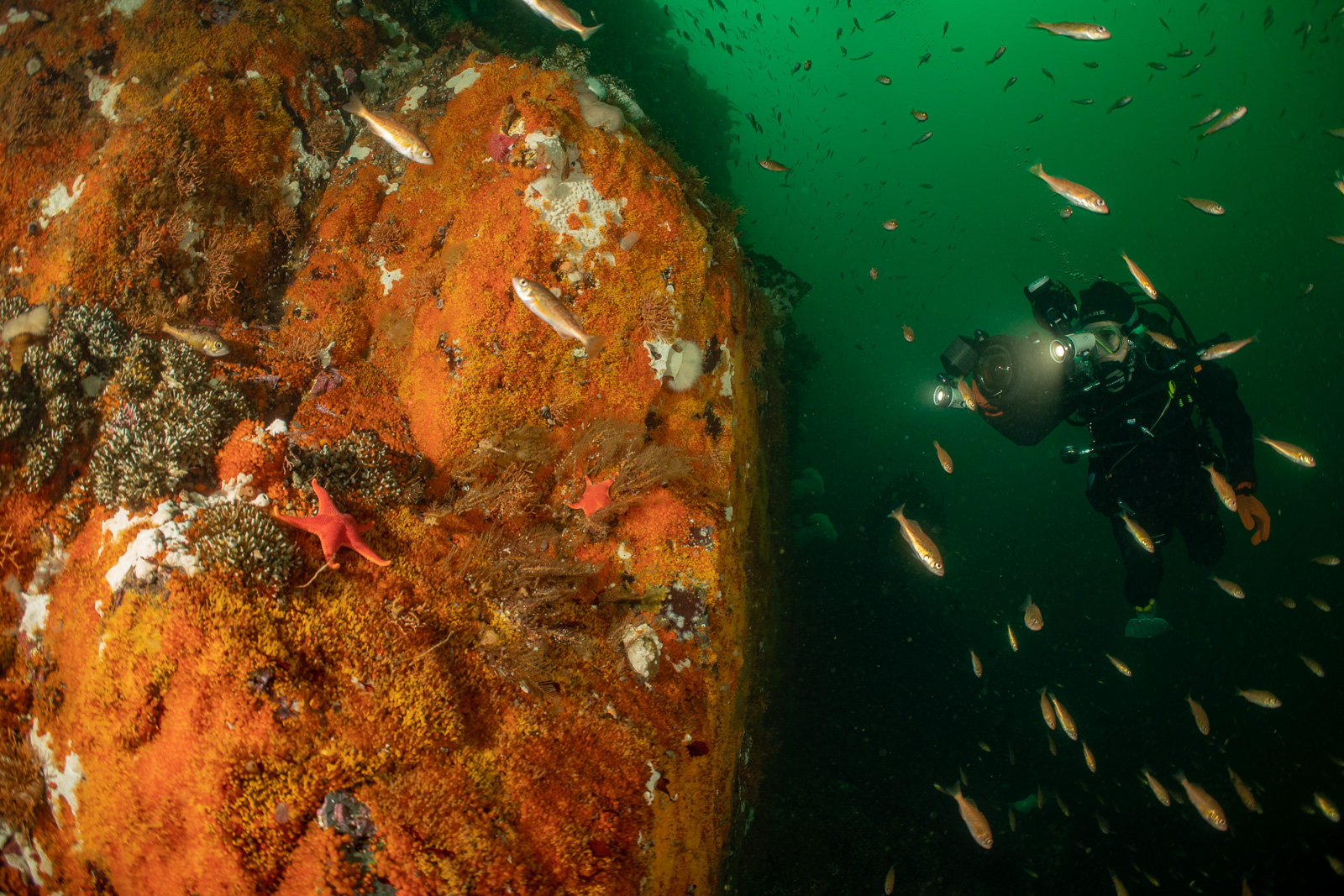
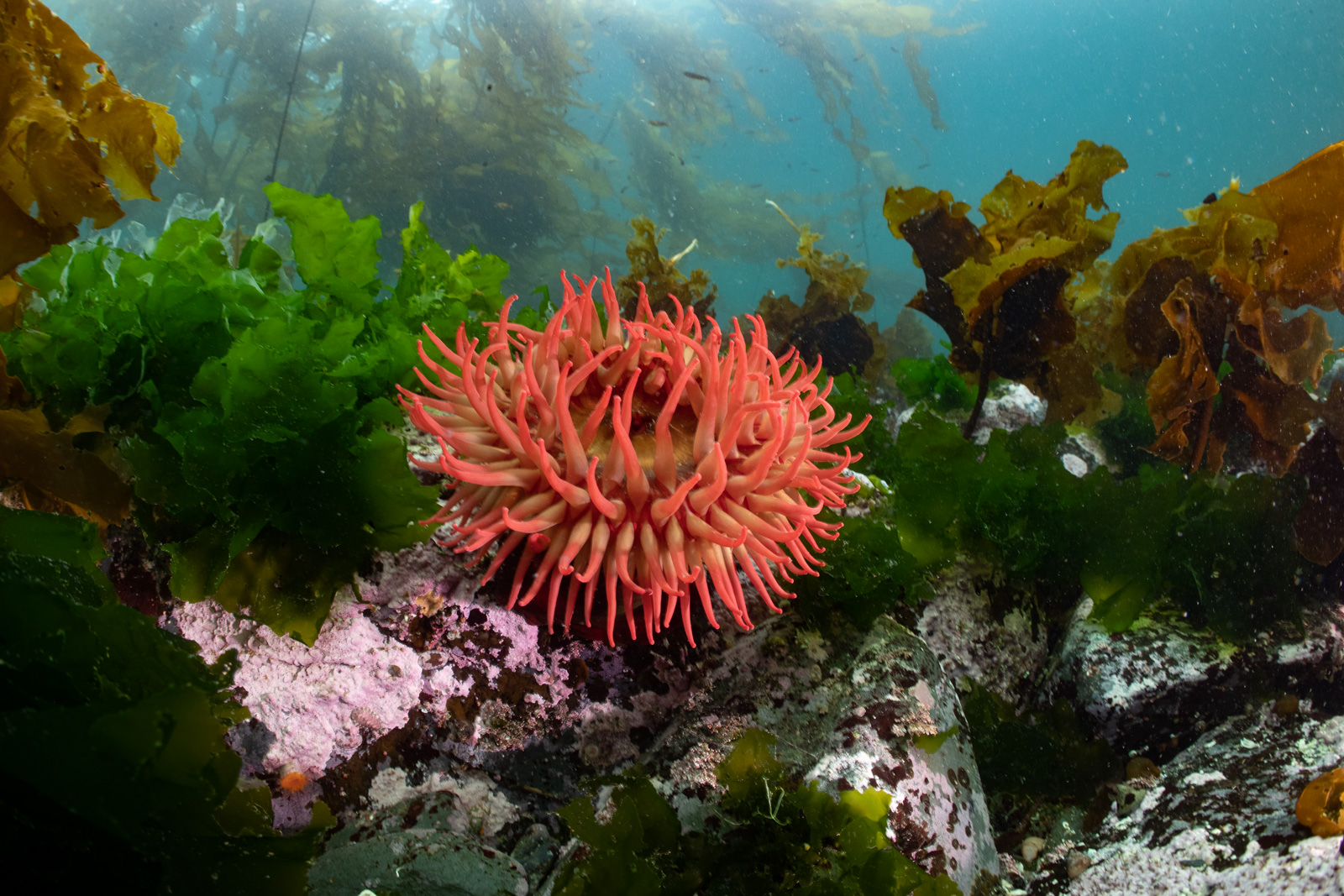
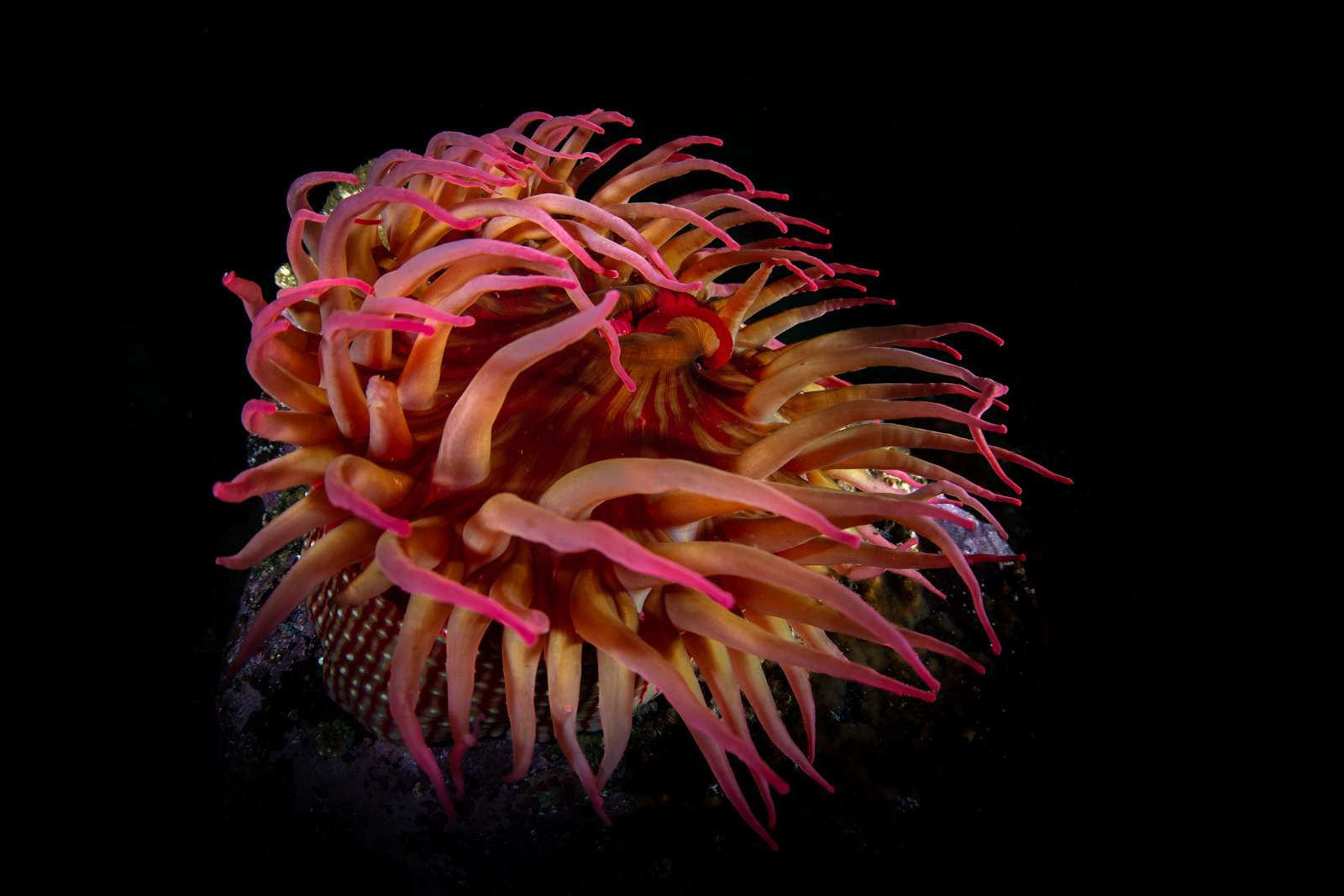
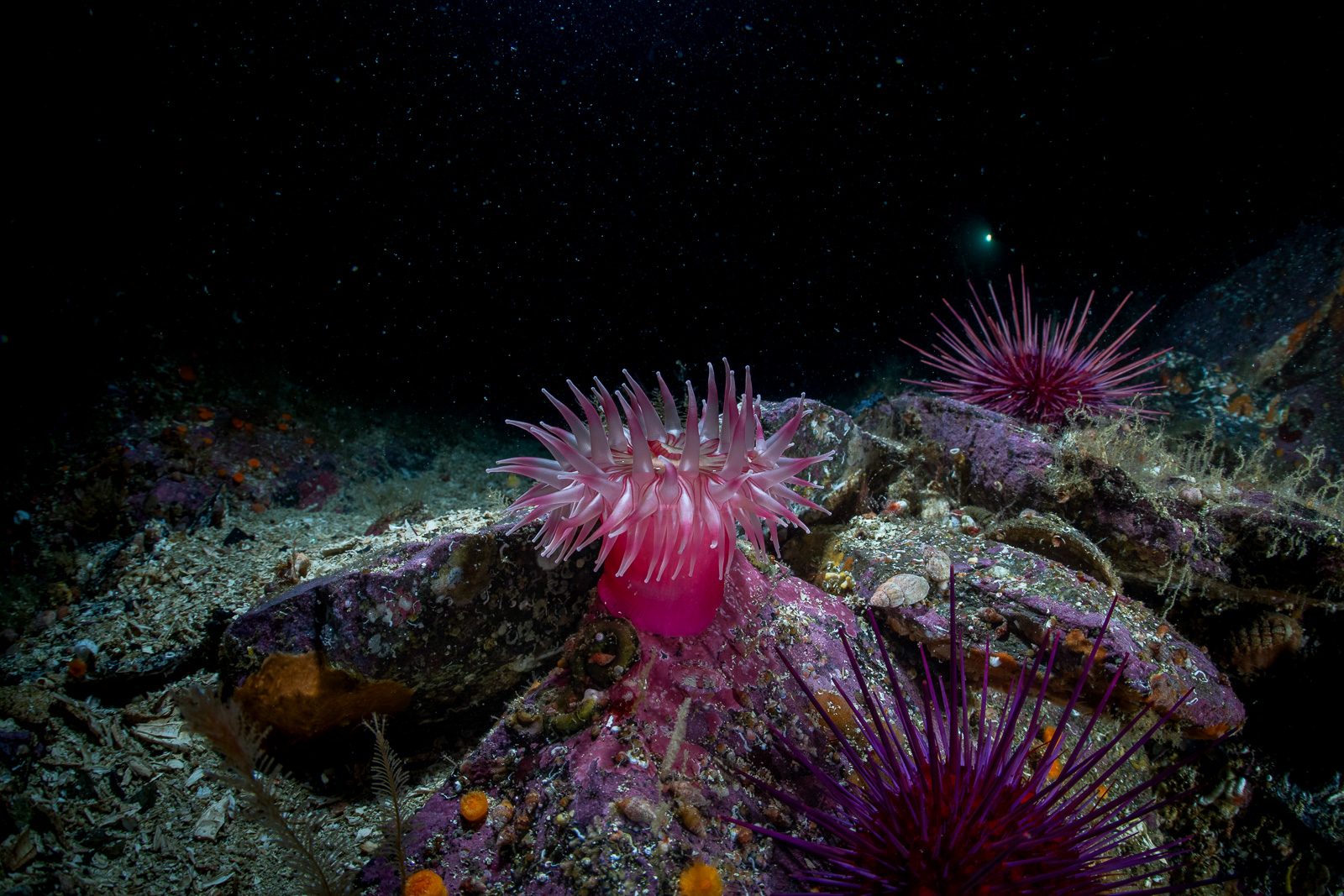
God's Pocket runs off the boat. Tanks are filled in Port Hardy, the day is assembled on the water, and you glide out across emerald sea to get anywhere at all. The current that makes this demanding is the same current that grows anemones the size of cabbages and covers a wall so completely you cannot find the rock underneath.
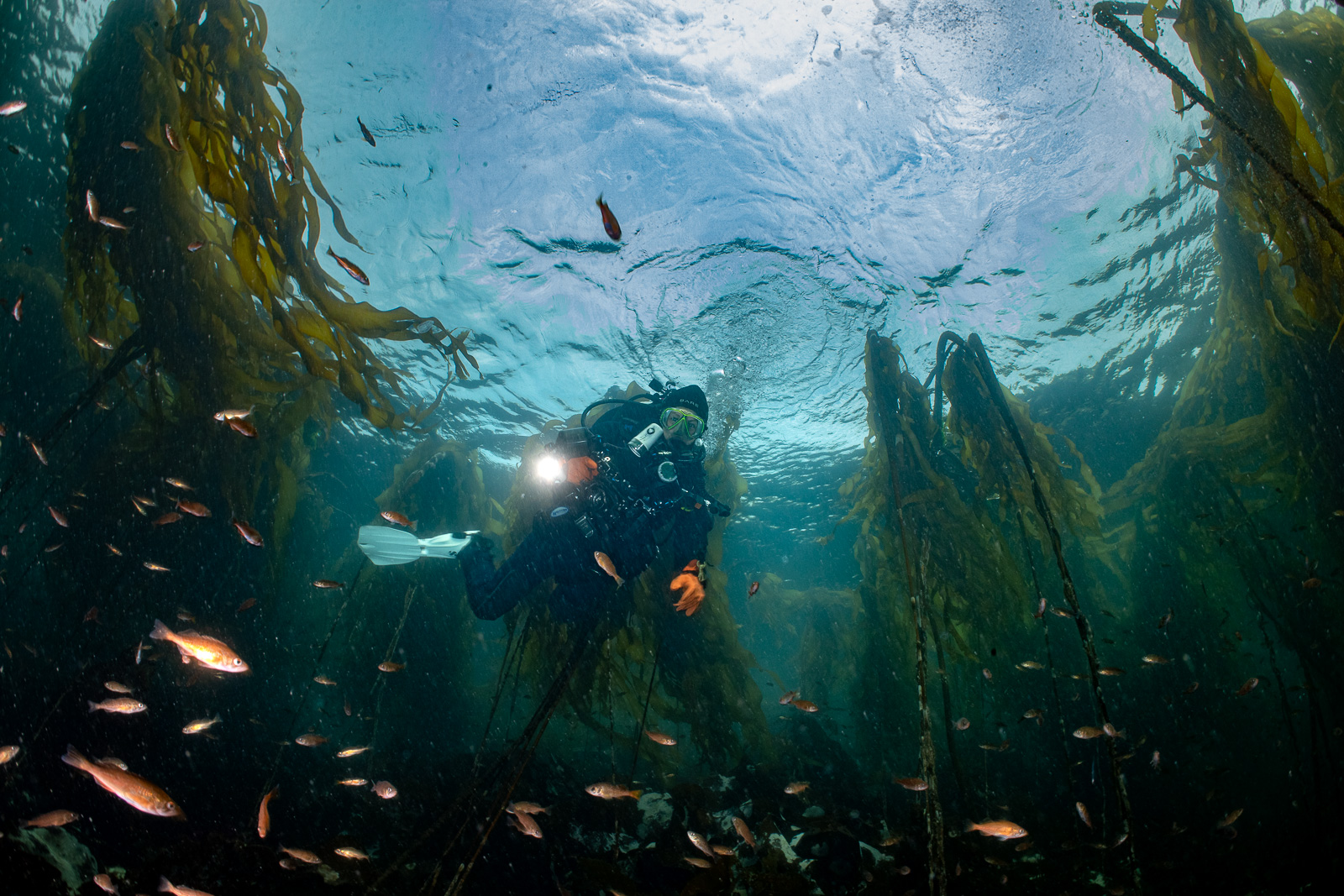
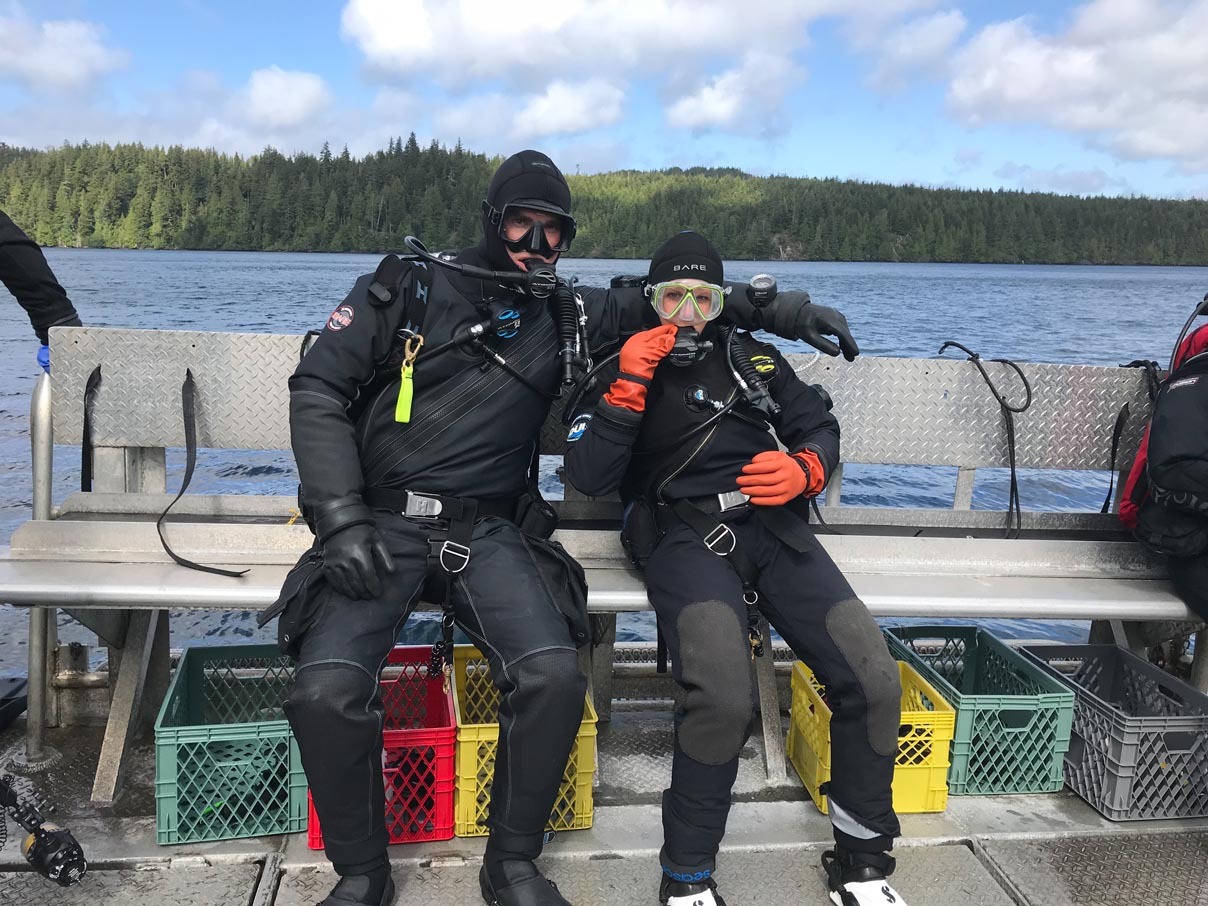
This one genuinely asks something of you. Cold water, a drysuit you are already comfortable in, current that decides the schedule, and visibility that varies with the plankton. It is not difficult for the sake of it — the same conditions are why the wall looks like that.
Diving here is entirely tide-dependent. You get three dives a day and their times belong to the water, not to breakfast. Do not be surprised to find yourself on the boat at 5:45 with tea and a biscuit, easing out for a 6:45 dawn dive because that is when the slack falls. Getting in as the tide turns from slack to ebb or flow is the entire game.
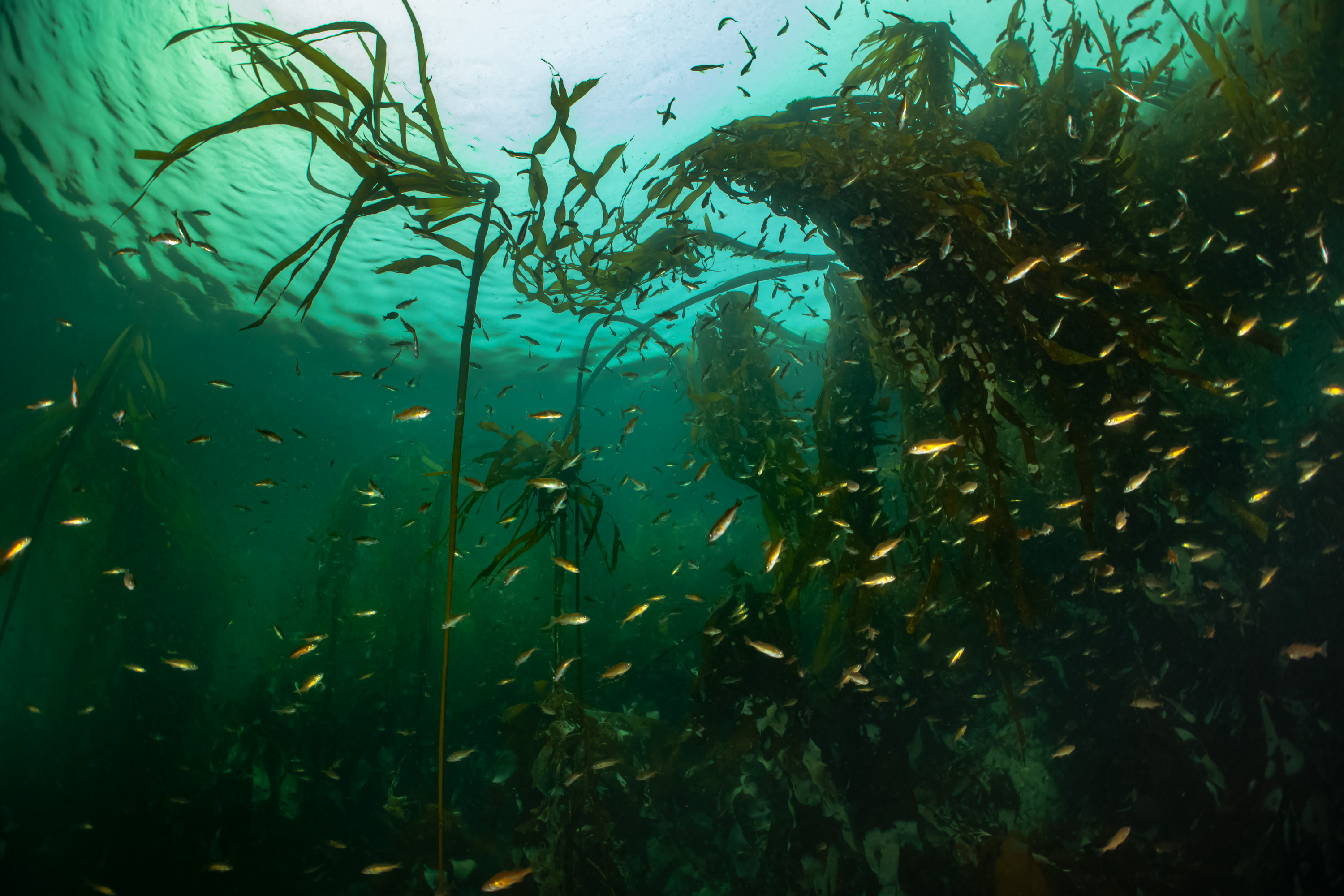
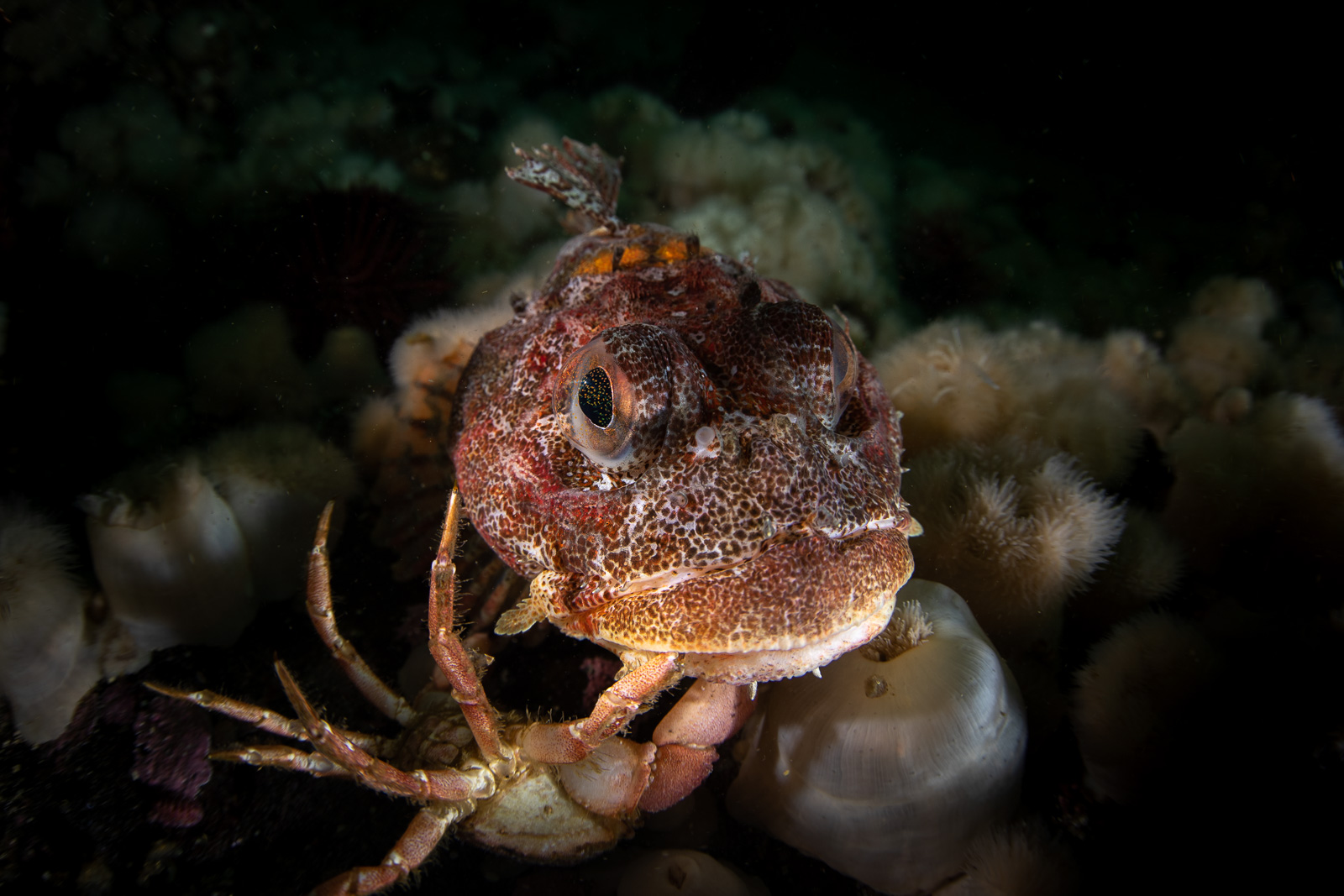
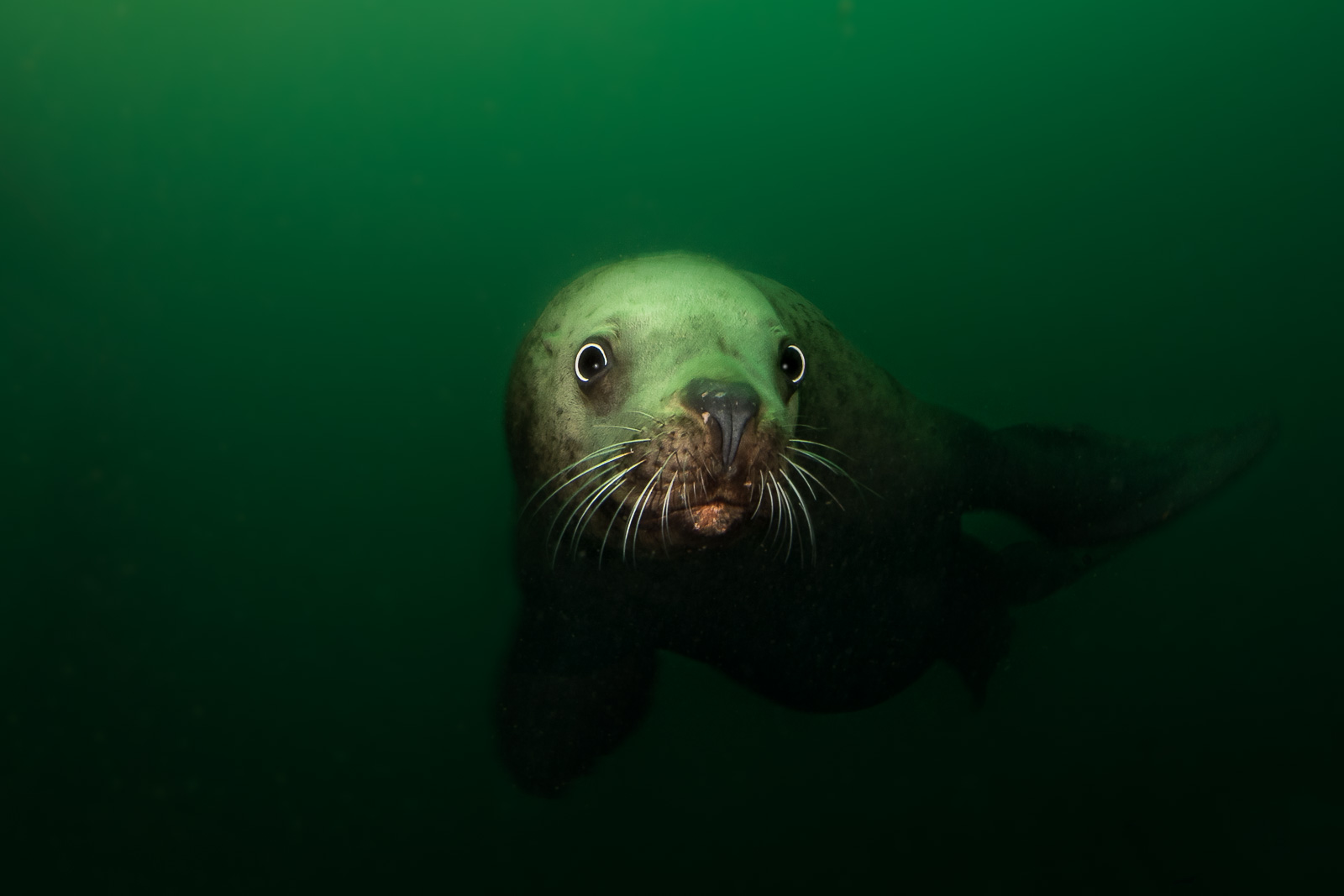
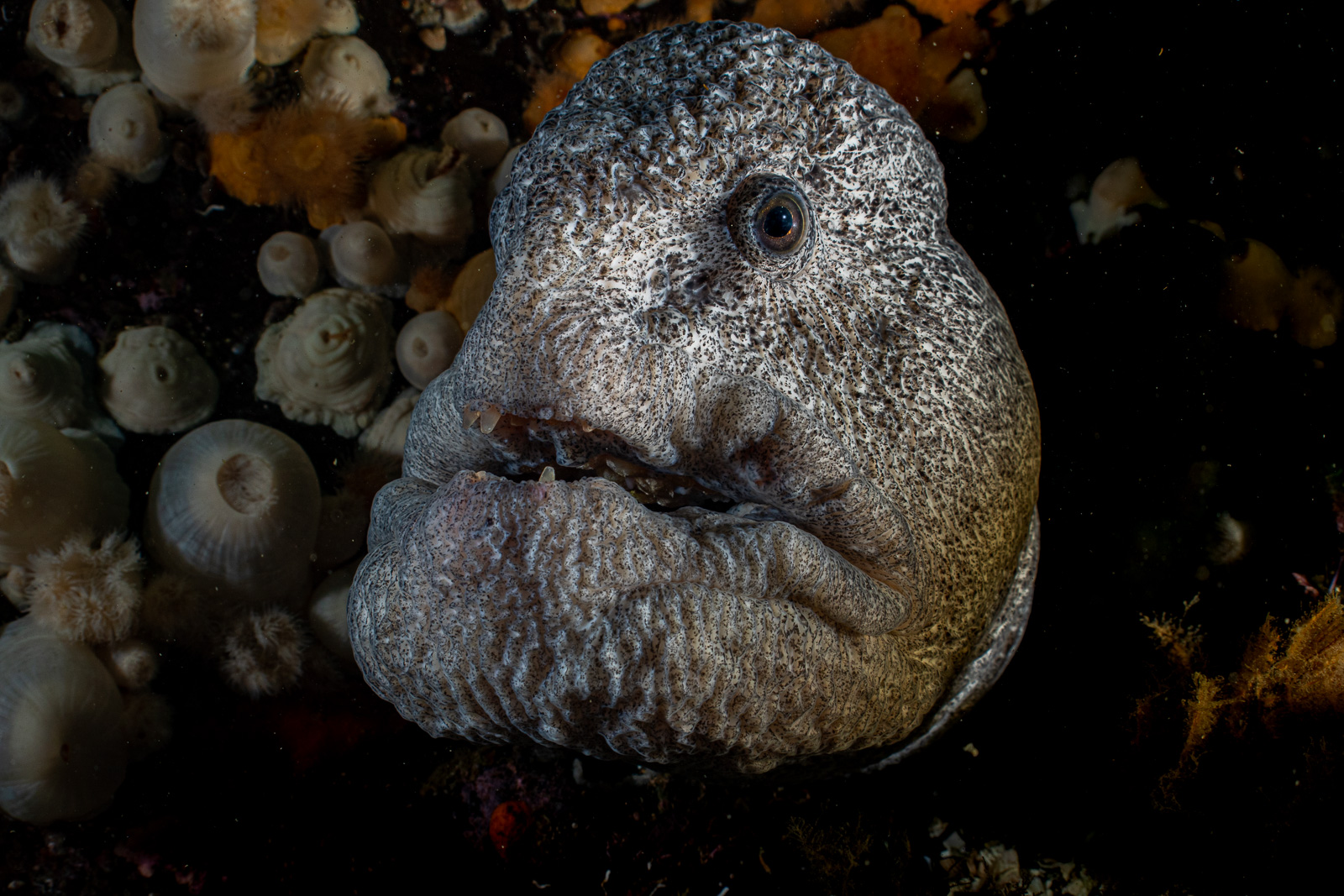
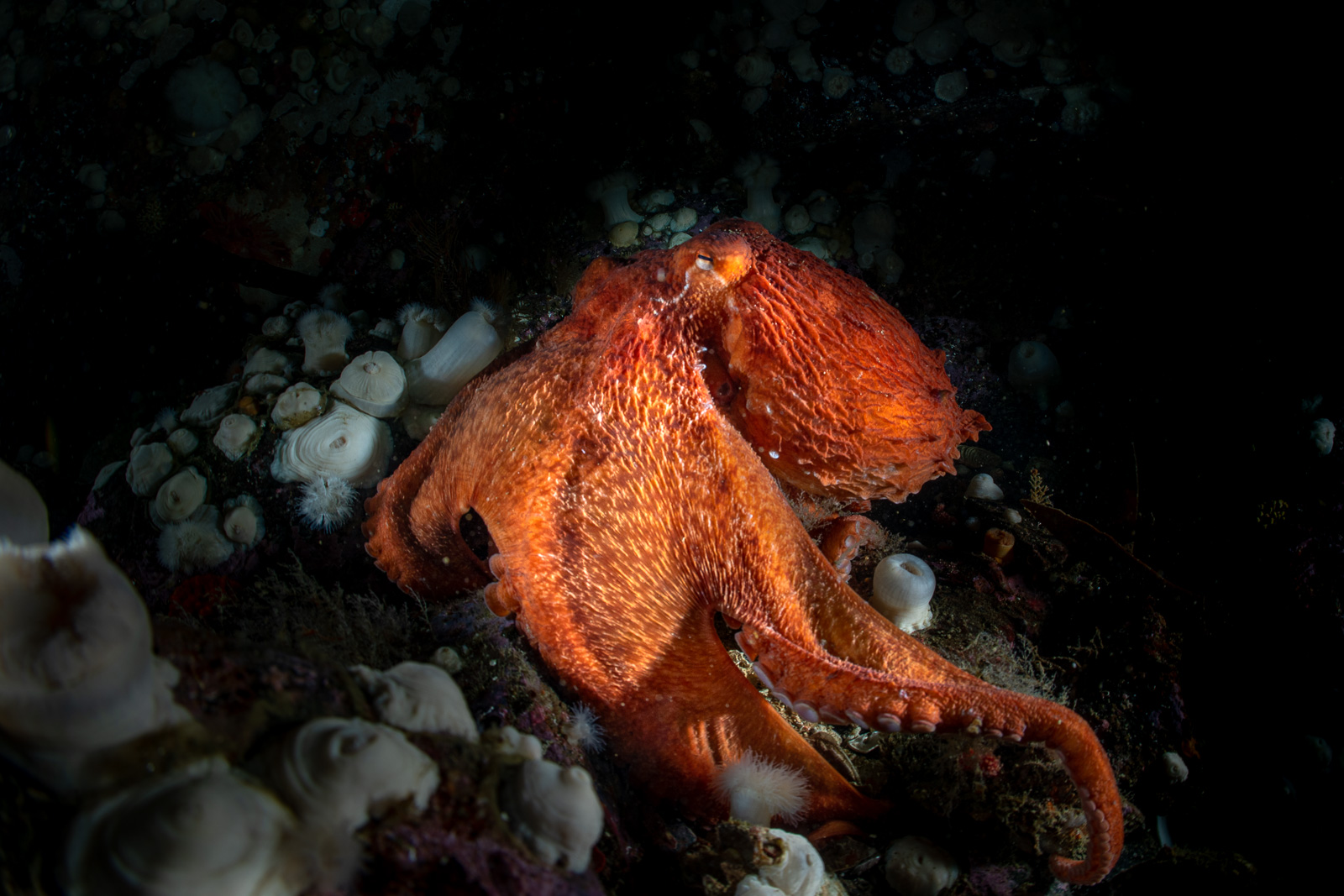
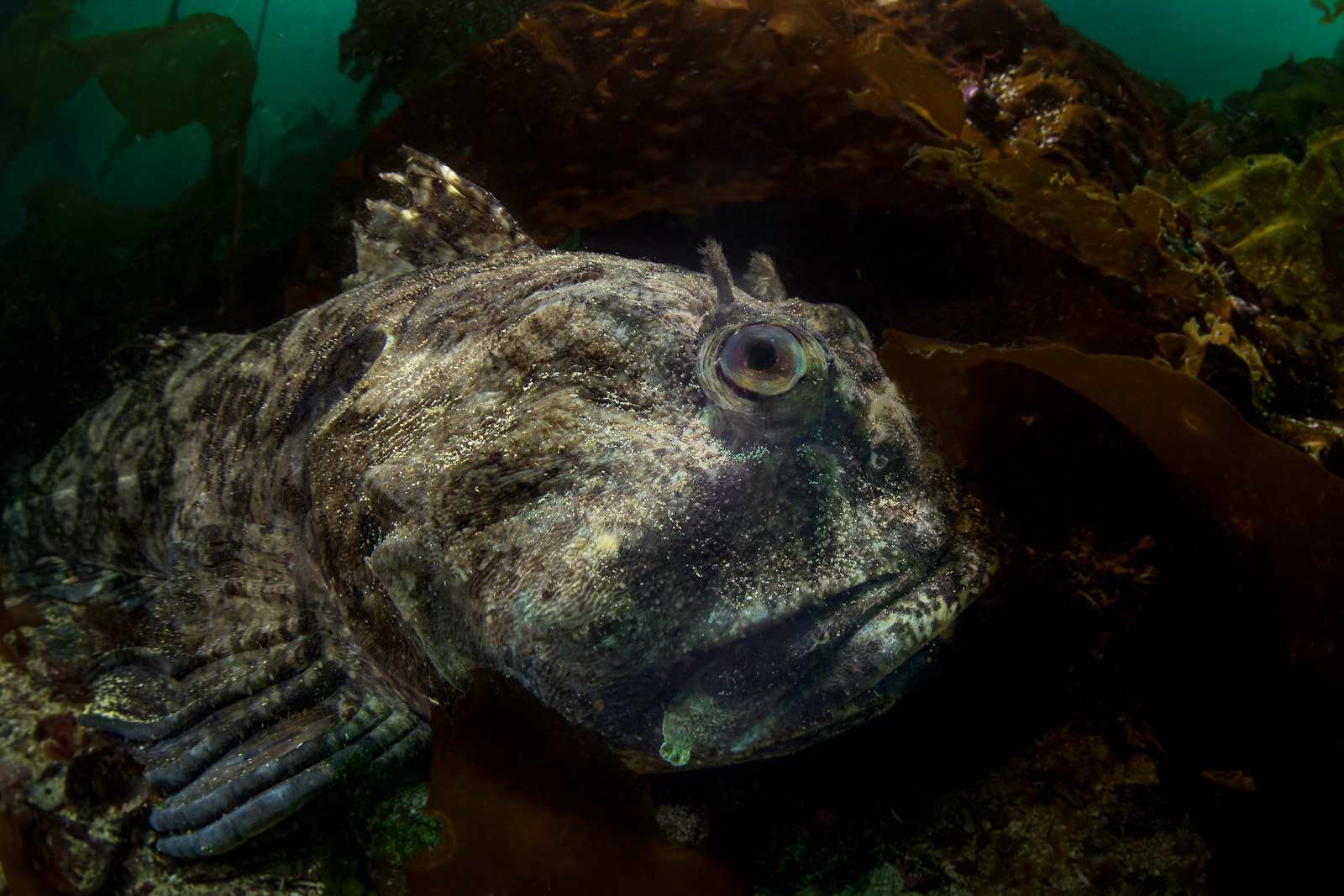
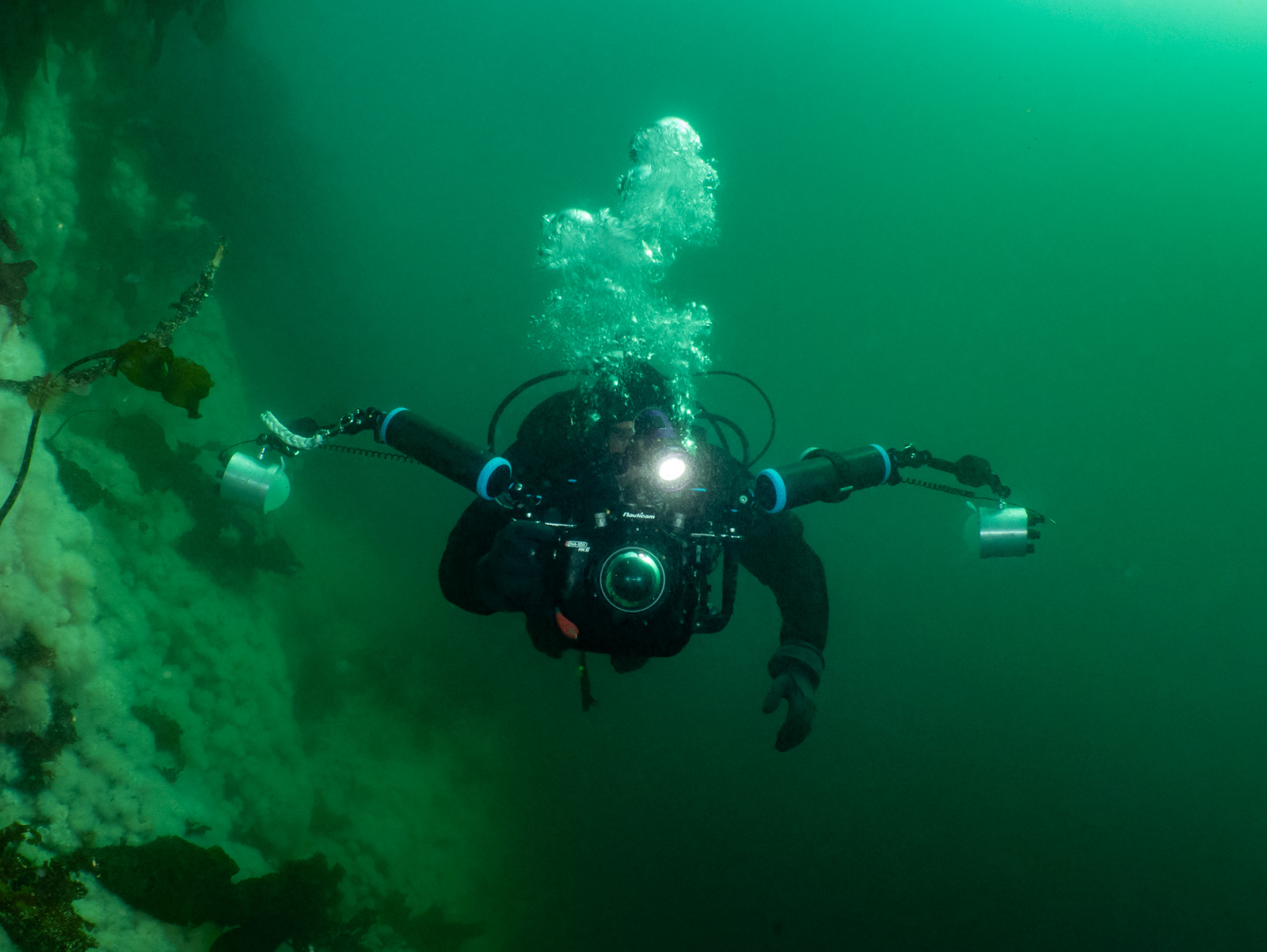
Follow that and the reward is a wall you will not photograph properly on the first attempt. Wolf eels live in pairs in the same dens for decades and look straight down the lens without moving. Giant Pacific octopus spread across the rock in a red you do not get anywhere warm. Steller sea lions come to inspect you, curious first and cautious never, and the whole encounter happens in water so green it reads as a colour on the back of the camera rather than as murk.
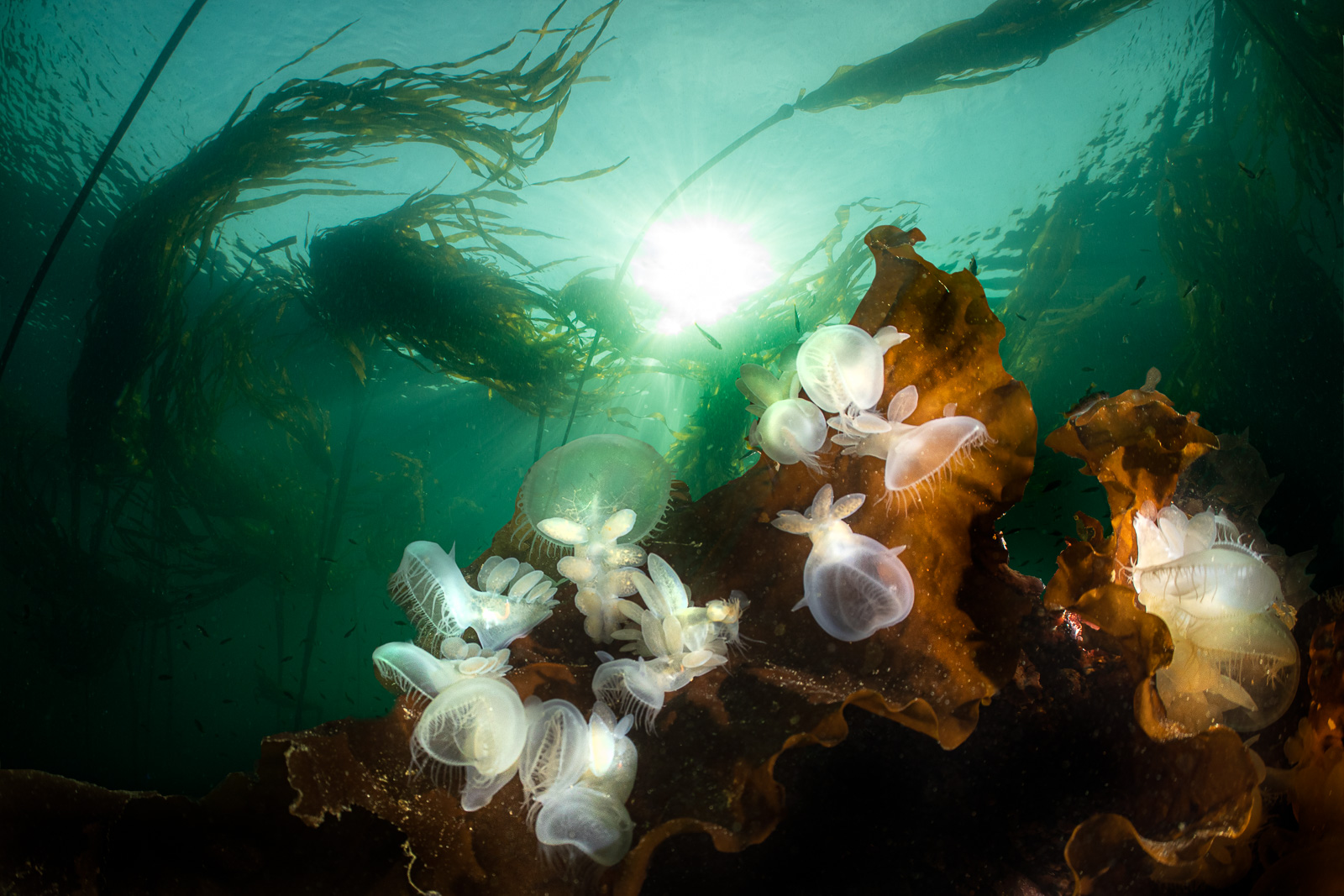
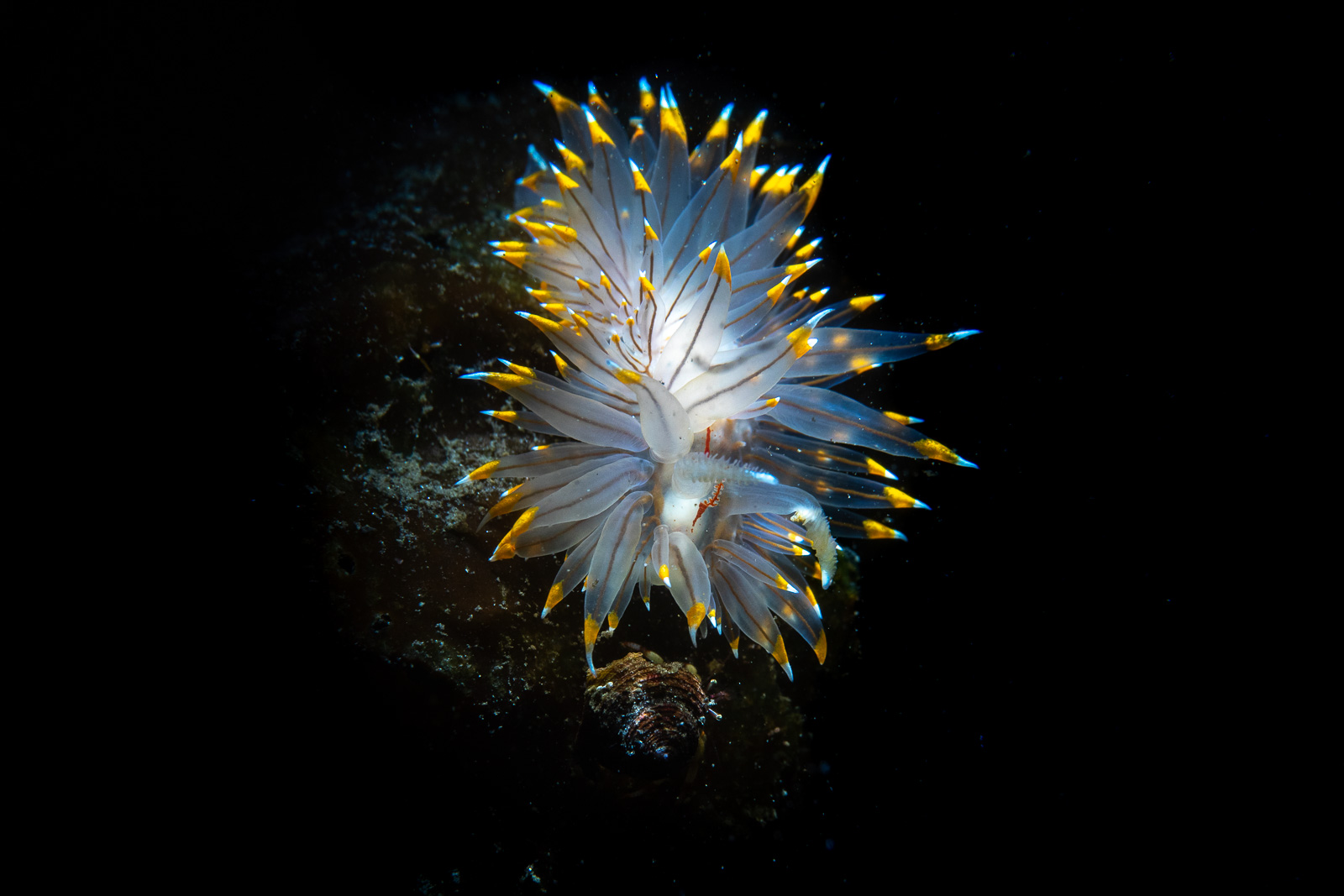
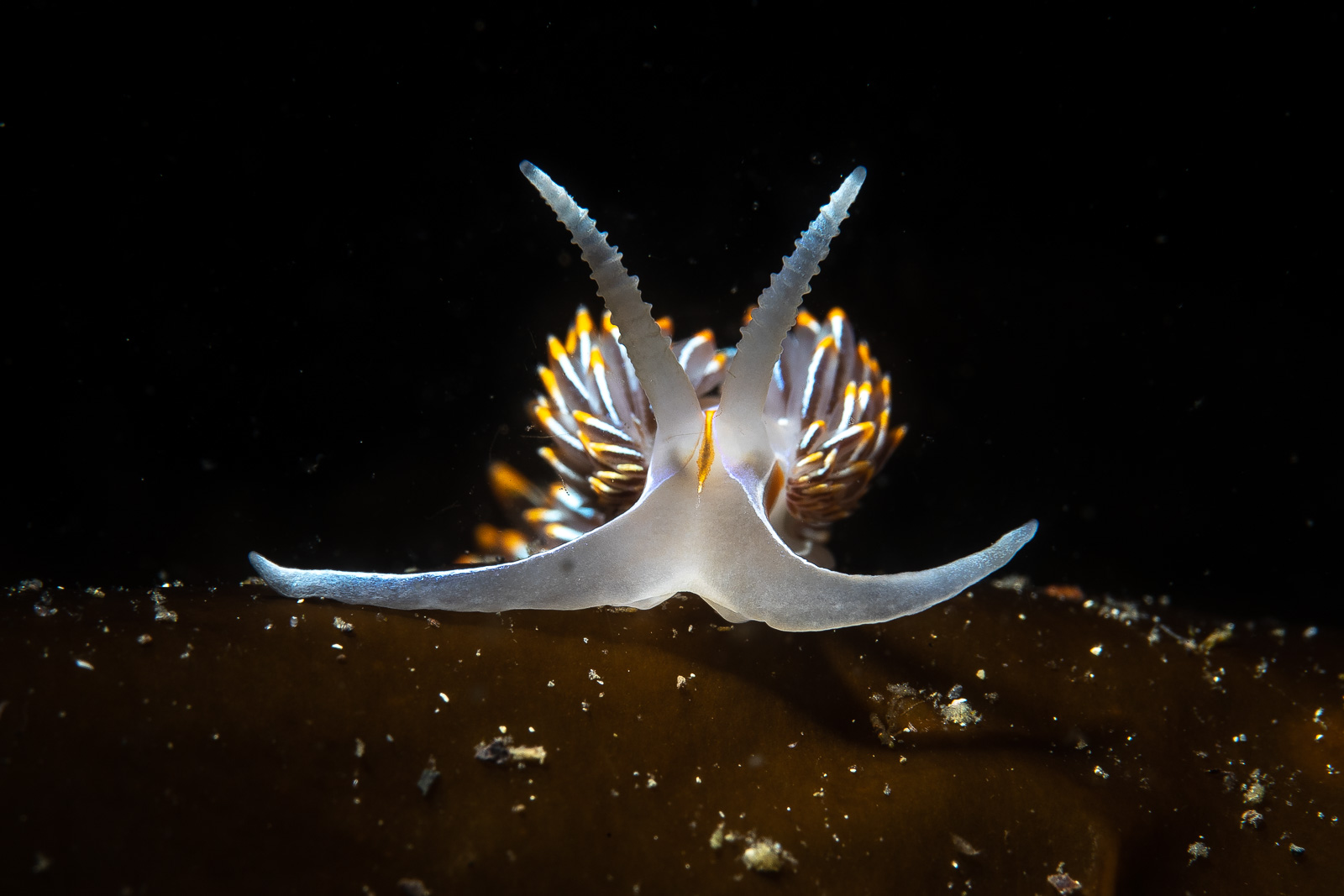
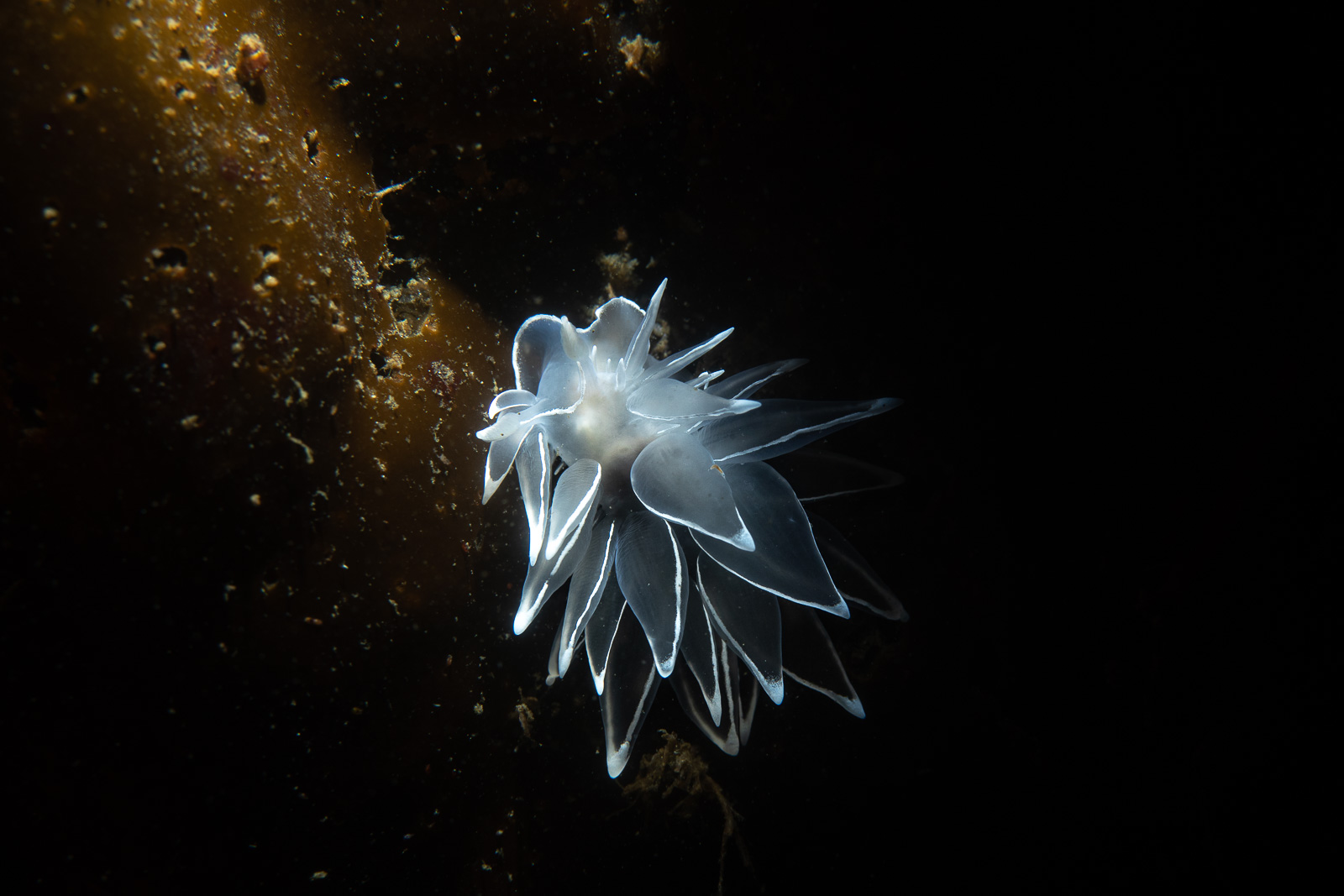
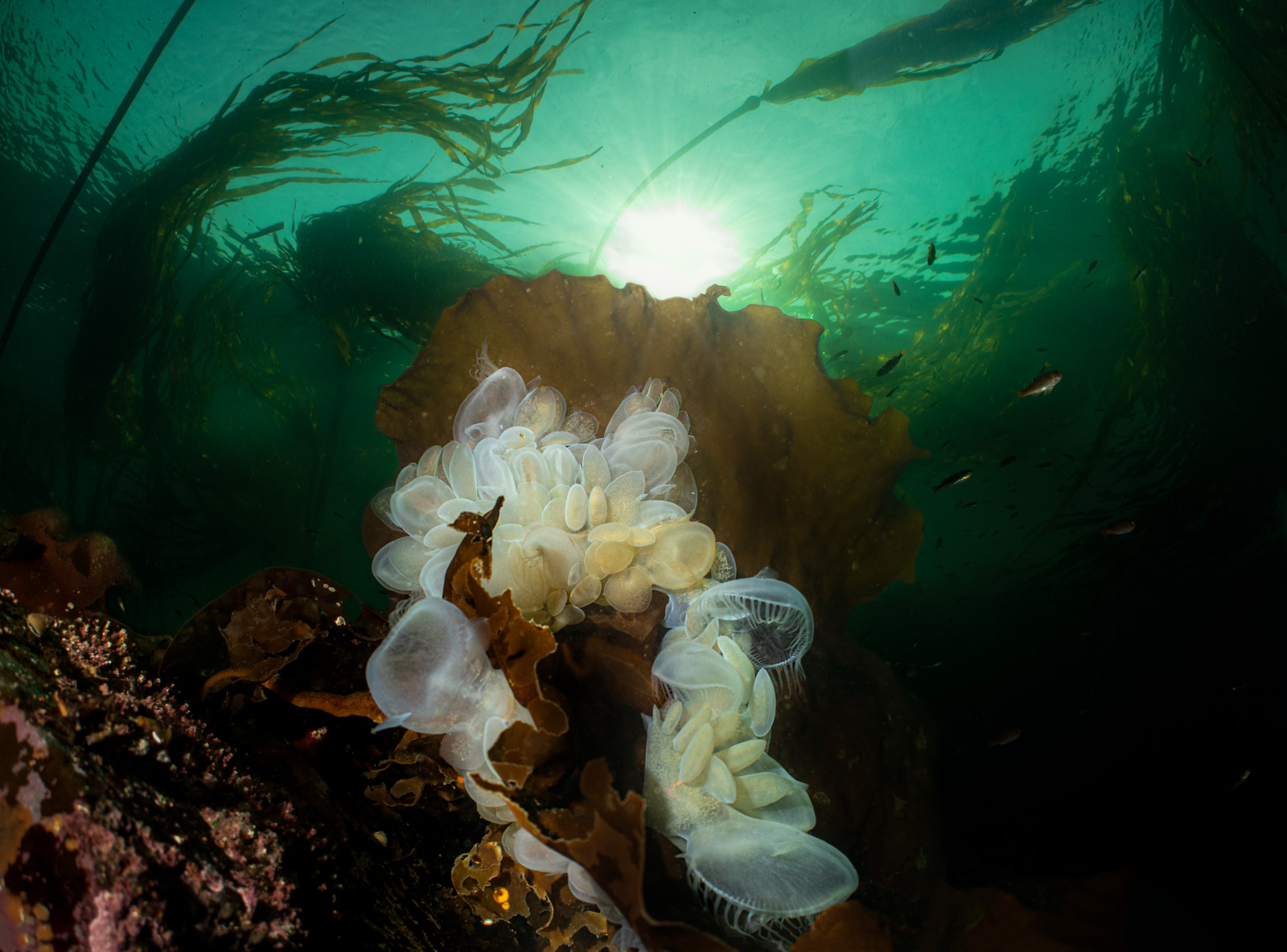
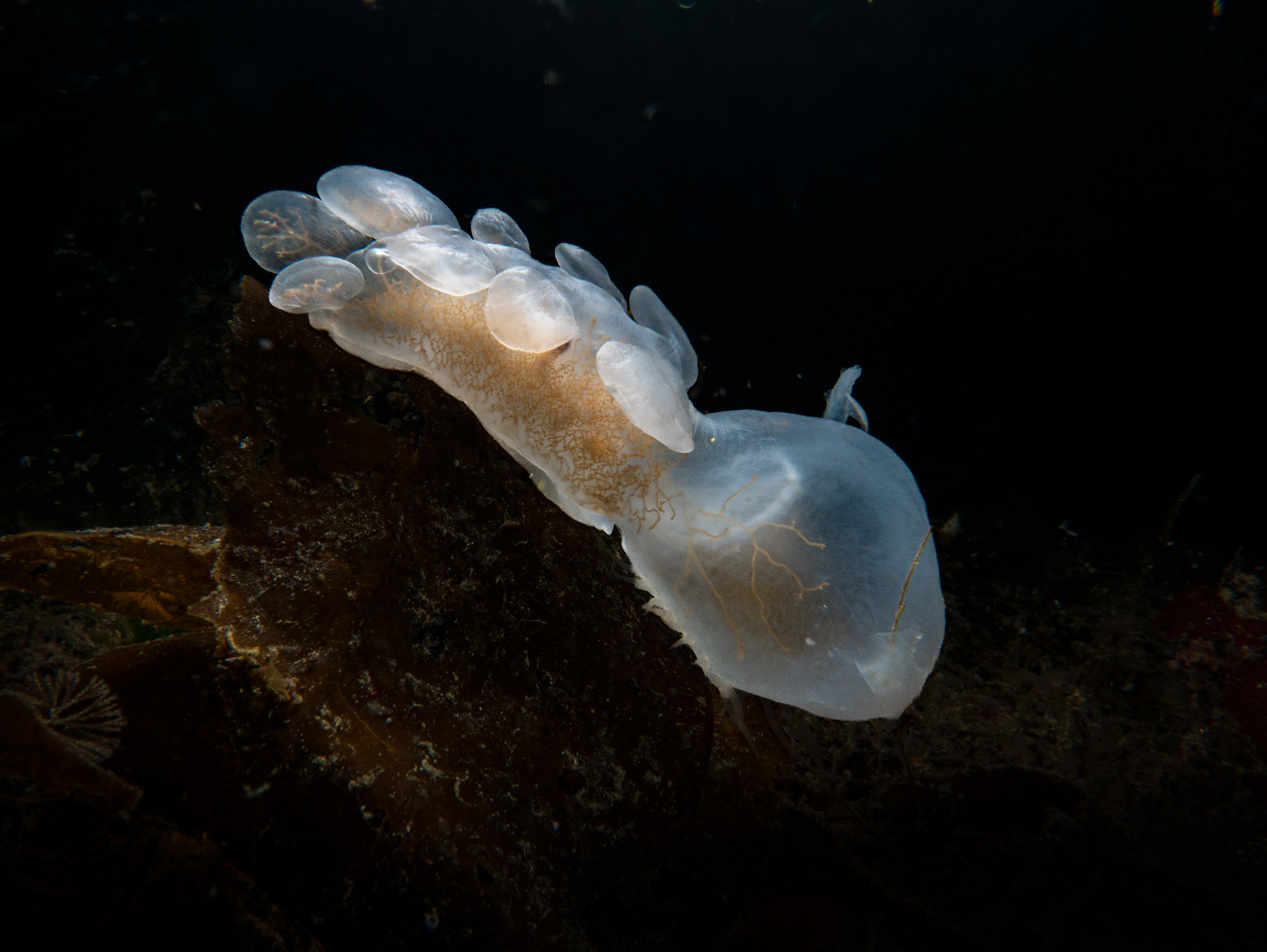
God's Pocket is famous for its hooded nudibranchs, and they are worth the trip on their own — translucent, massed on kelp blades with their oral hoods open, feeding on whatever the current is carrying that week. This is the north end of Vancouver Island, so it runs cooler than the south, and the nutrients that make the water green are the same nutrients that make it crowded.
The house bay is yours as often as you want it, which is the part nobody mentions. Three boat dives on the tide, and then as much shore time as you have gas and daylight for.
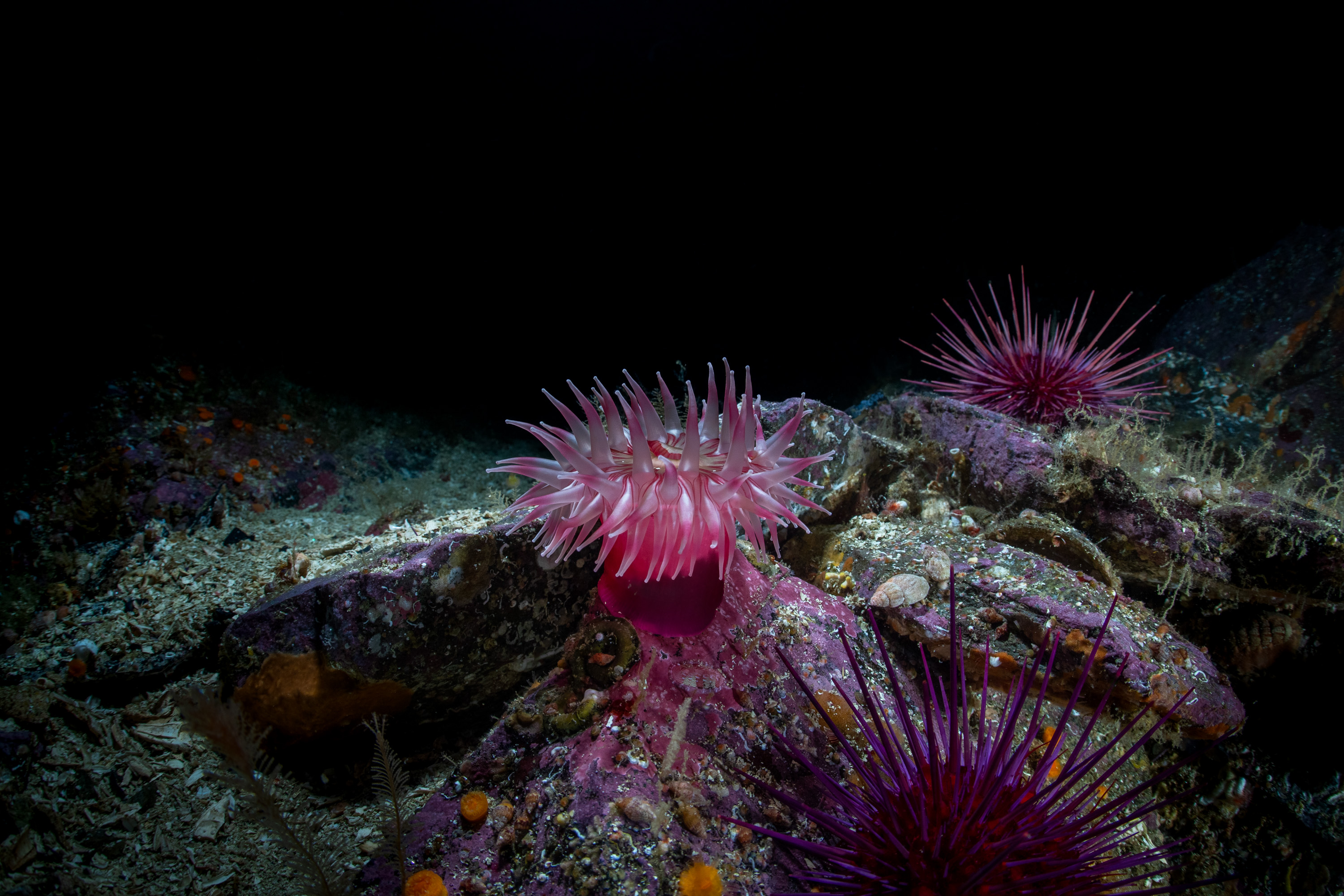
This is a destination for photographers who want images with texture, structure and biological density. It is one of the rare places where cold water feels visually loaded rather than merely interesting.
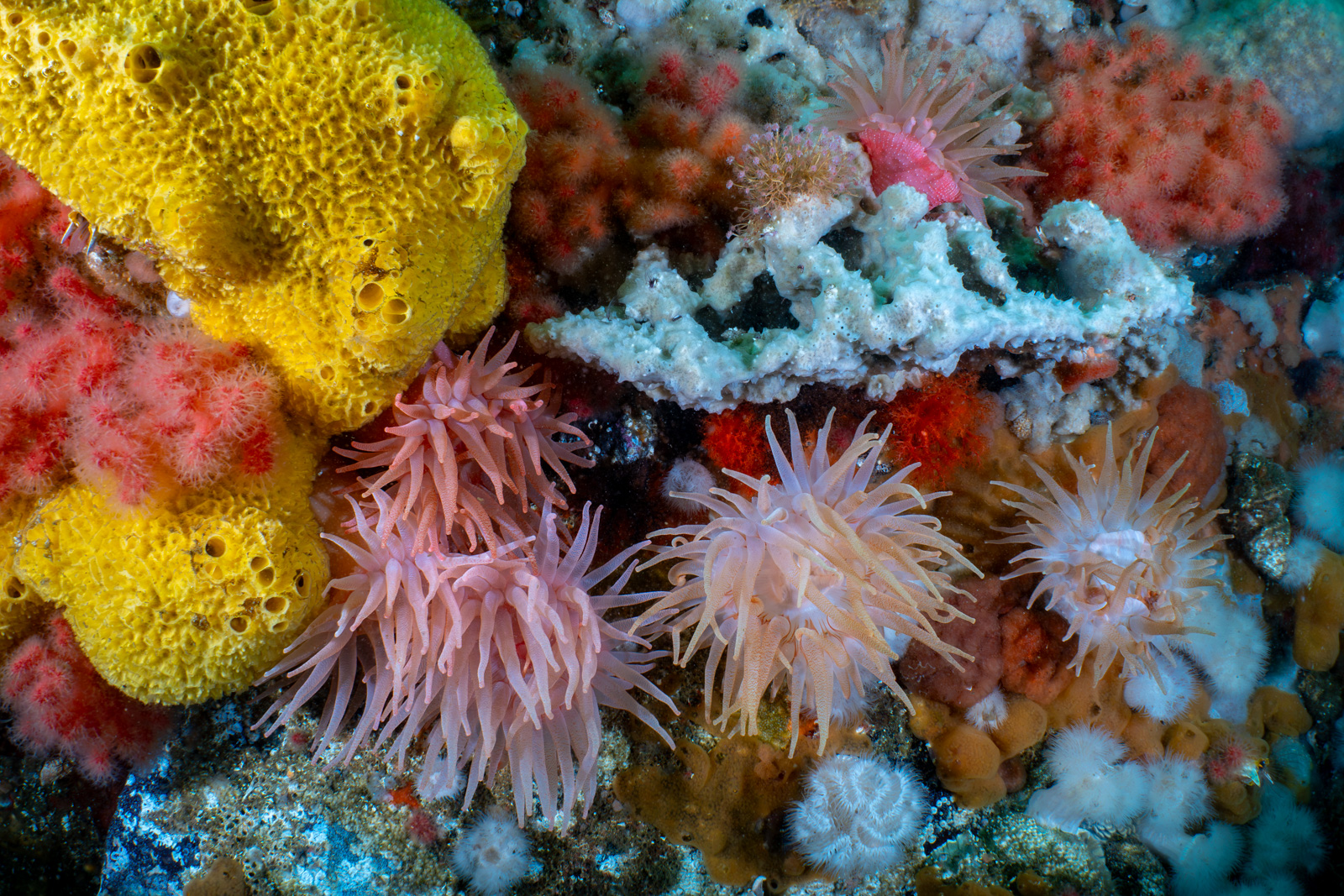
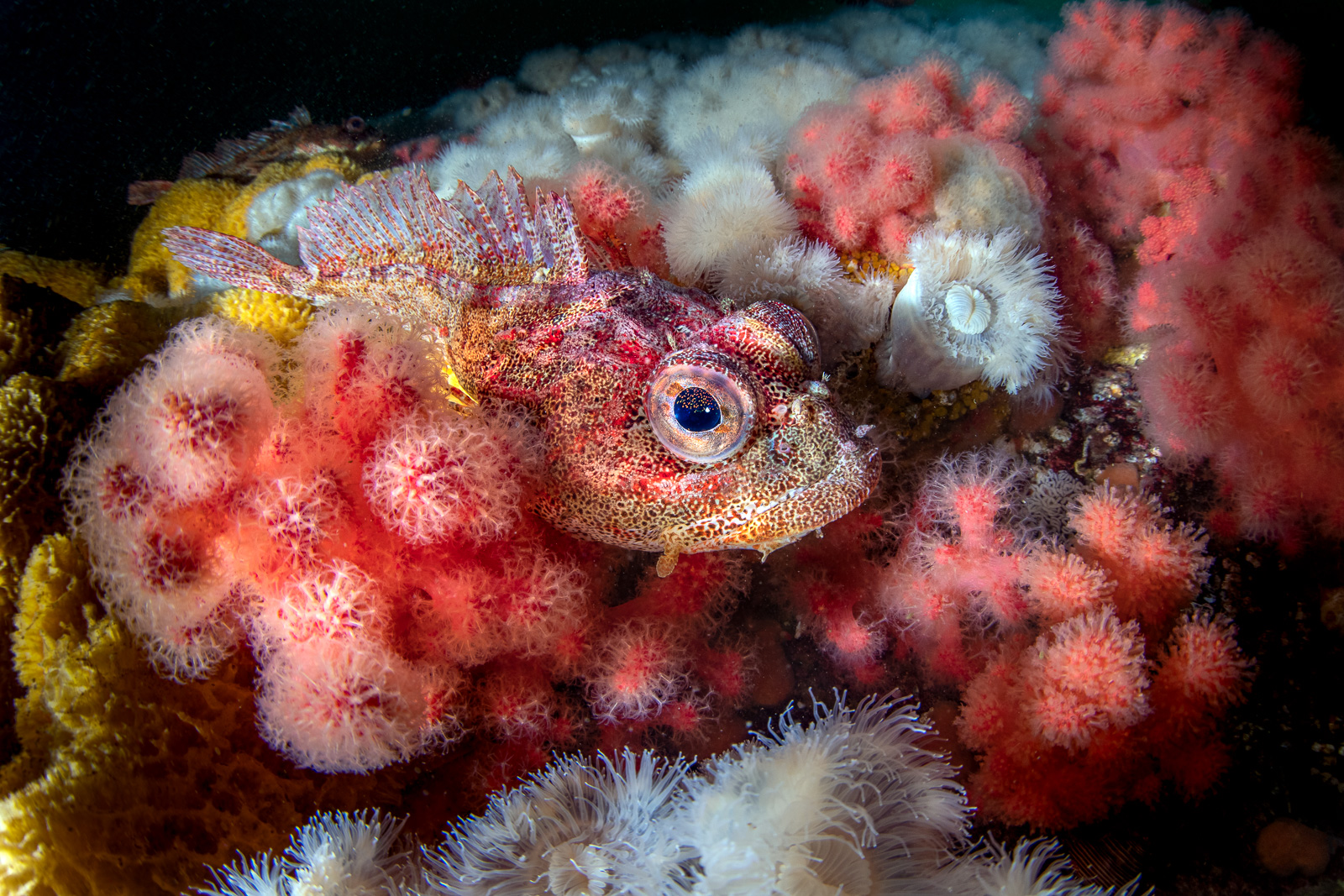
Wide-angle is the natural strength. Giant white plumose anemones, sulphur sponges, schooling fish and reef structure built for dramatic composition.
Macro is there too, but this is not a critter-first destination. The frame is usually crowded with life.
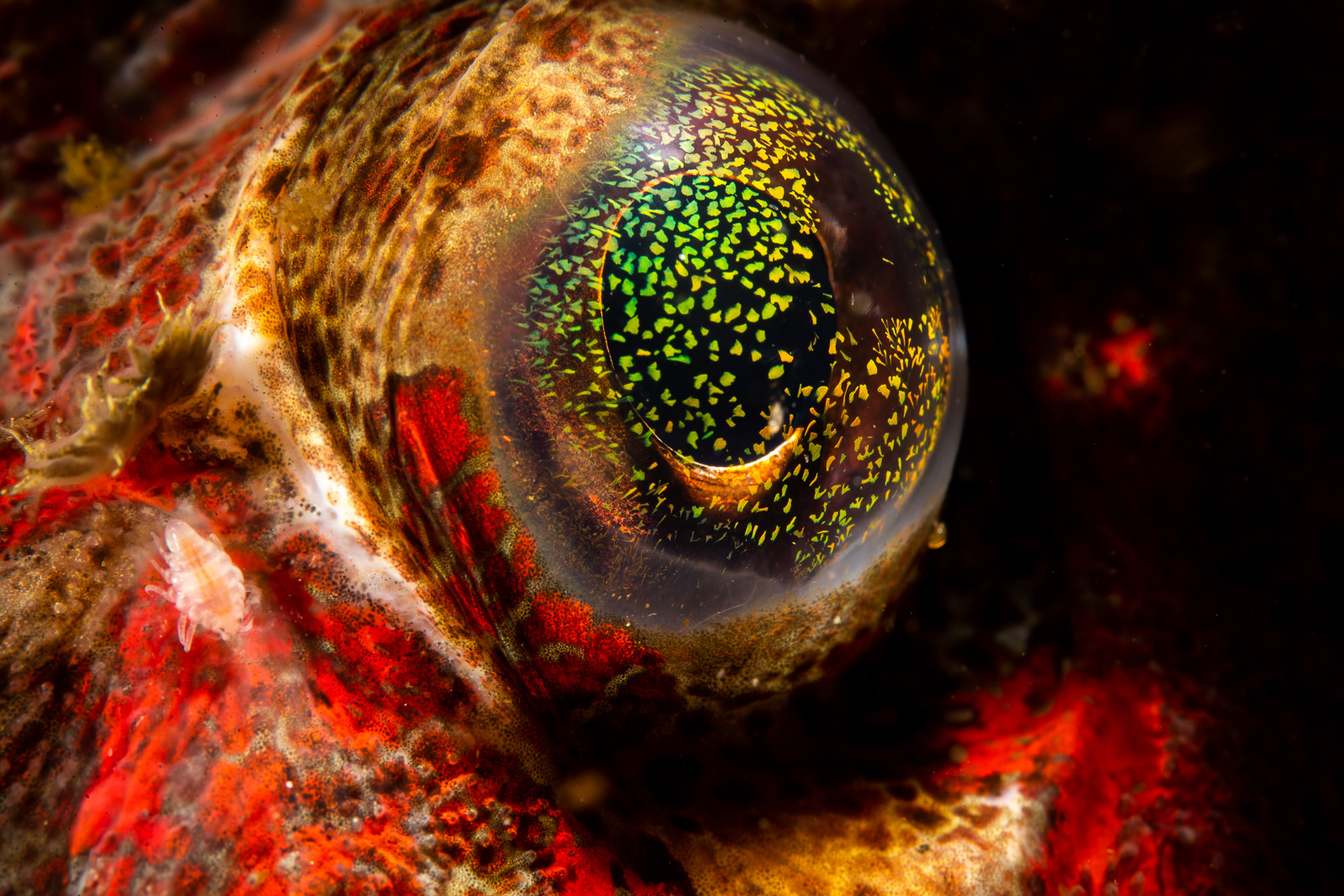
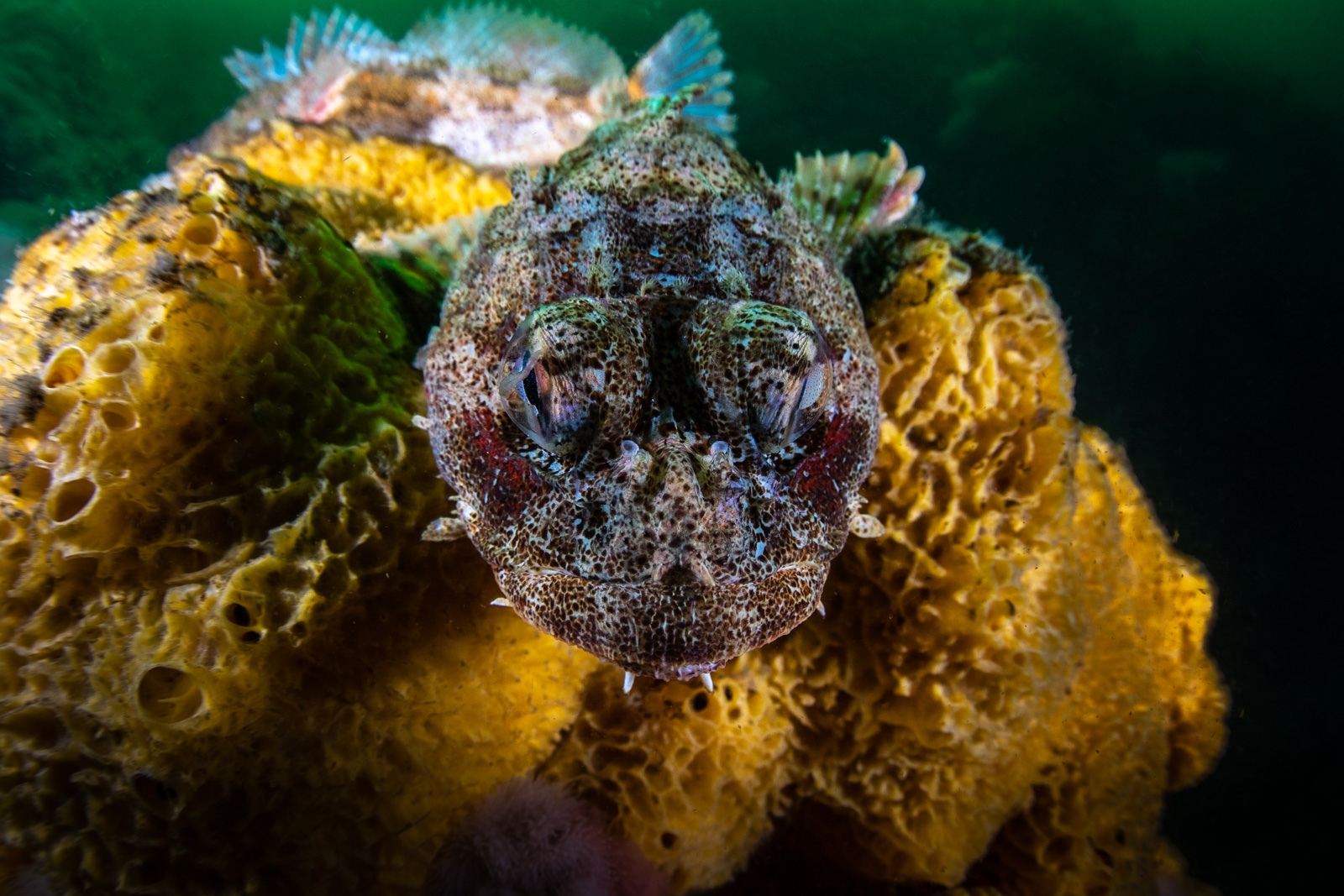
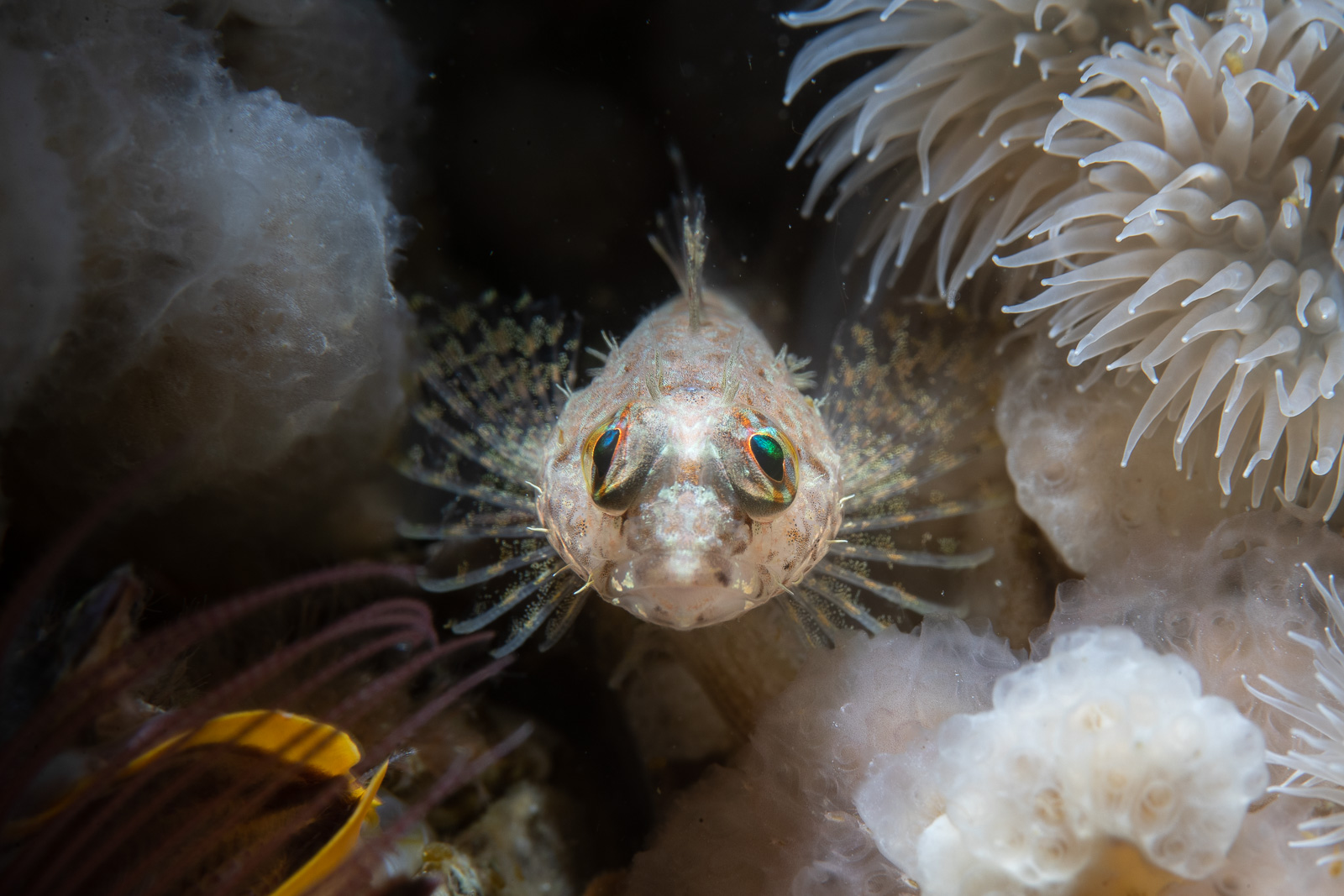
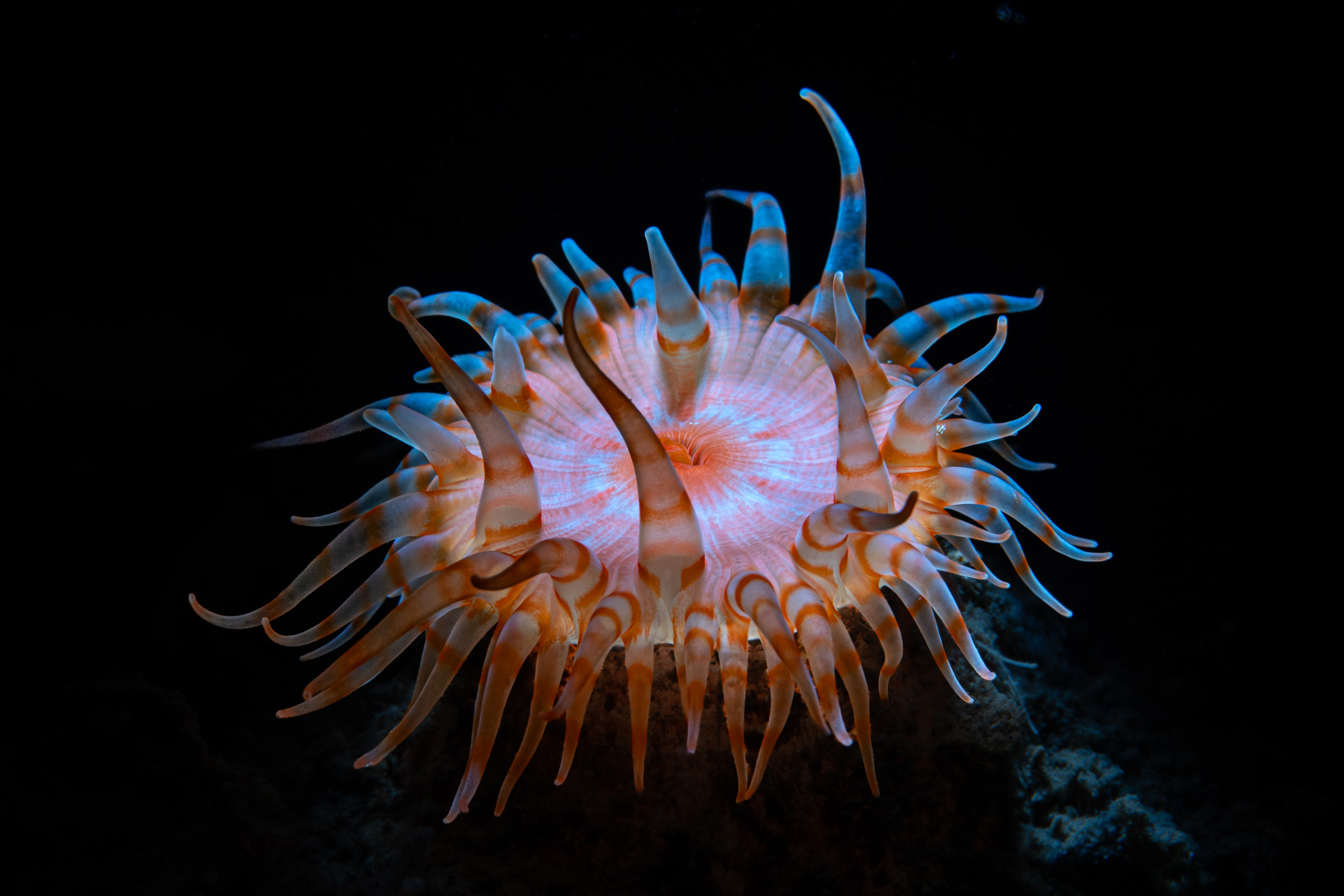
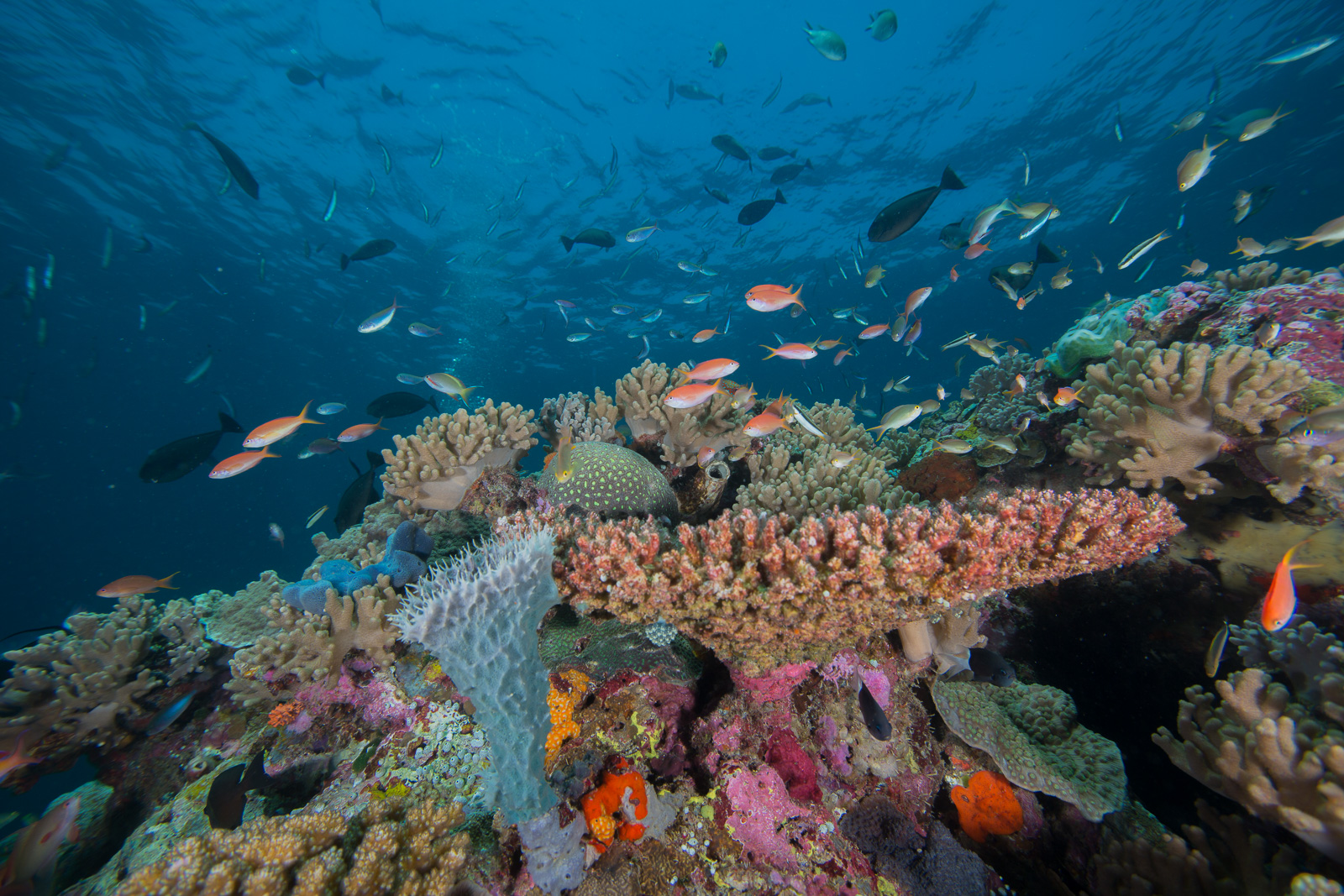
Every frame here was made at Browning Pass in 2020, in the conditions that turned up rather than the ones I hoped for. Click any of them to open it full size.
Any frame on this page can be licensed for editorial use. Licensing terms.
September to November is when Browning Pass is at its best, and nothing operates January to February. Tap any month for what the water is actually doing.
Visibility, sea state, what is in the water and how much of it you can count on. The season turns at March and again after April.
Six I dived more than once and would plan a week around, named as the resort names them.
The one people fly for
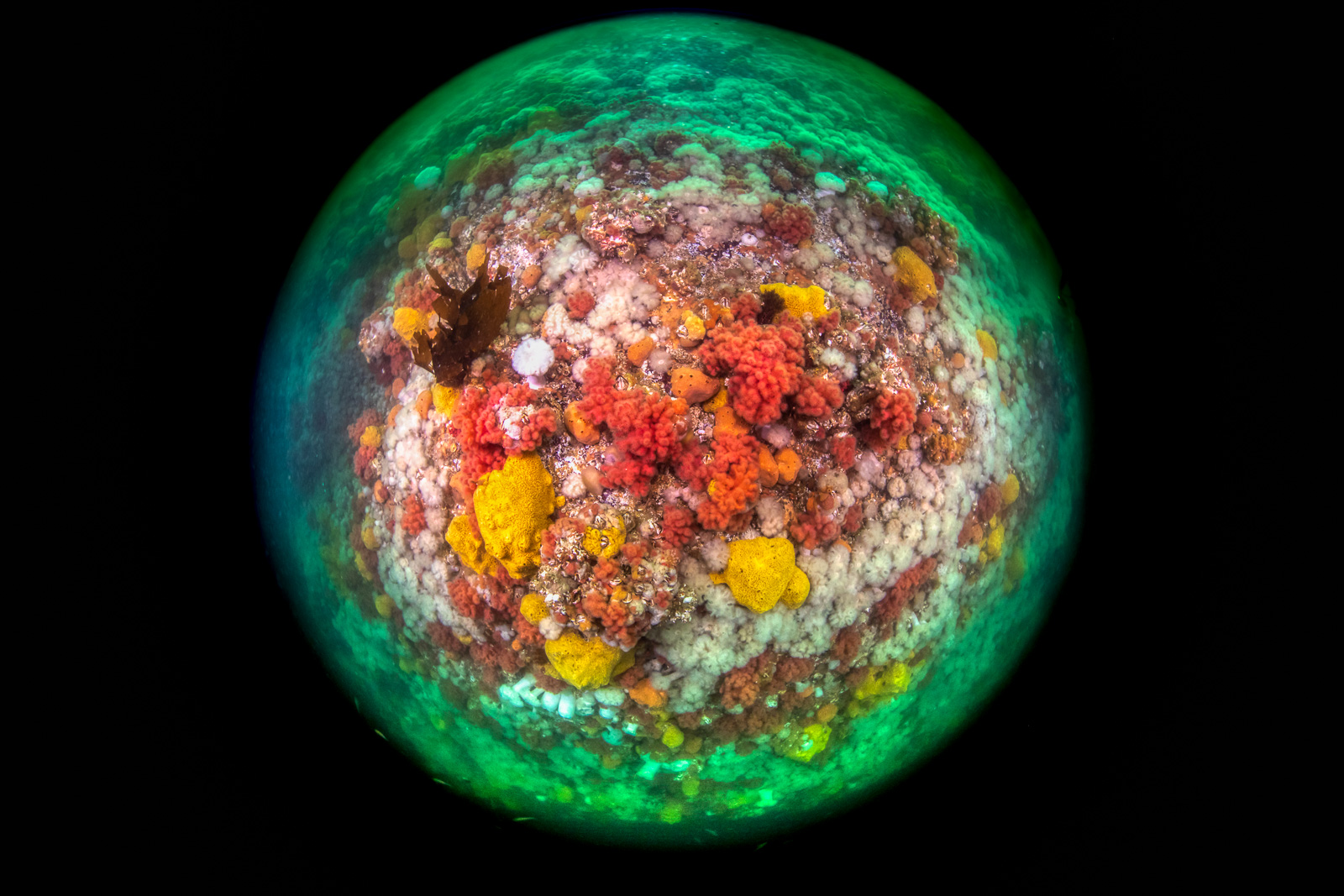
Vertical wall under an unbroken blanket of invertebrate life — white plumose anemones over yellow sulphur sponge, orange soft coral filling every gap. You will not find bare rock to put a hand on.
Current-fed pinnacle
Rich growth, real structure, and a site that only works on the right water. When the captain says today is not the day, today is not the day.
Rarely on, one you do not forget when it is
Some of the fastest tidal water on the coast, and it requires precision from the crew as much as composure from you. Home of the gooseneck barnacles that only grow where the water moves that hard.
Classic north island richness
Visual layering — anemones, sponges, rockfish and kelp in the same frame. A good site to learn the emerald water on before the wall.
Biodiversity at full strength
Where ordinary subjects look better than they should, because the background is doing so much work. Wolf eels and octopus both reliable.
Conditions decide
A current pass that needs everything to line up. When it does, it is the best twenty minutes of the week.
There is one place to stay here, so the reef score and the operator score arrive together. It is still worth separating them. The five trip axes below belong to the operation alone, and the final rating is the baseline score of the reef plus that operator's score.
Asked in the order they actually matter, answered with specifics.
Fly or drive to Port Hardy at the north end of Vancouver Island, then ninety minutes by boat out to Hurst Island. The crossing is part of the trip — rafts of sea otters, the occasional humpback, eagles taking fish off the surface.
No. Tanks are filled in Port Hardy and the whole operation runs off the boat. It works, and it explains a lot about how the days are organised.
Three boat dives, timed to slack water rather than to breakfast. You may well be afloat at 5:45 with tea and a biscuit for a 6:45 dawn dive. The house bay is unlimited on top of that.
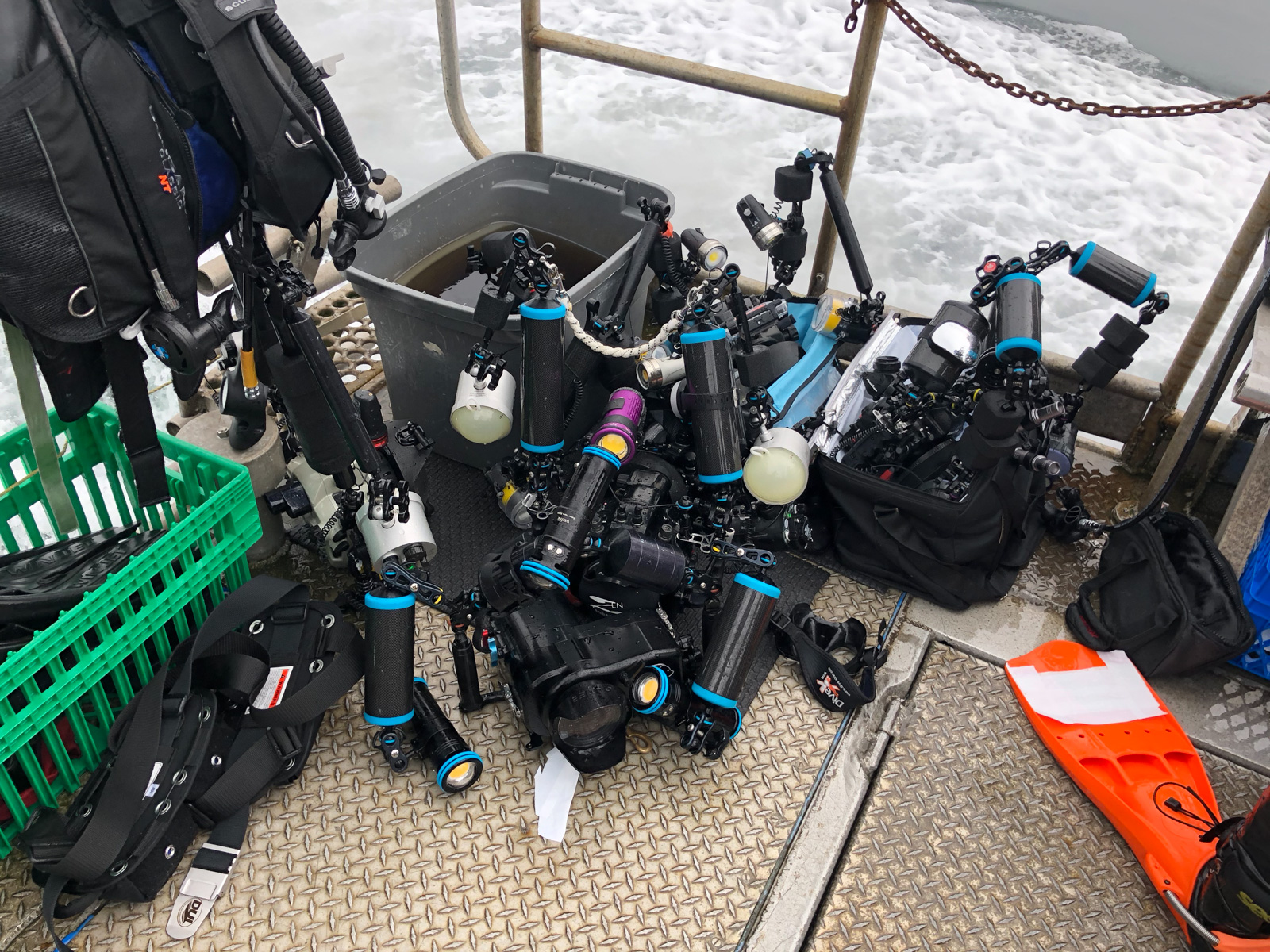
A drysuit you are already comfortable in, good gloves you can operate a camera with, and redundant warmth. This is not the place to try new exposure kit for the first time.
God's Pocket is the only lodge in the area. Day boats visit from Port Hardy, but nobody else is stationed out on the islands.
The right-hand column is the useful one. Misool is expensive enough that going for the wrong reason is an expensive way to find out.
Most trips begin with travel to Port Hardy, then a boat transfer out to Hurst Island. The remoteness is part of the value.