Salish Sea, Howe Sound · British Columbia
Destinations · British Columbia · Howe Sound & the Sunshine Coast

Salish Sea

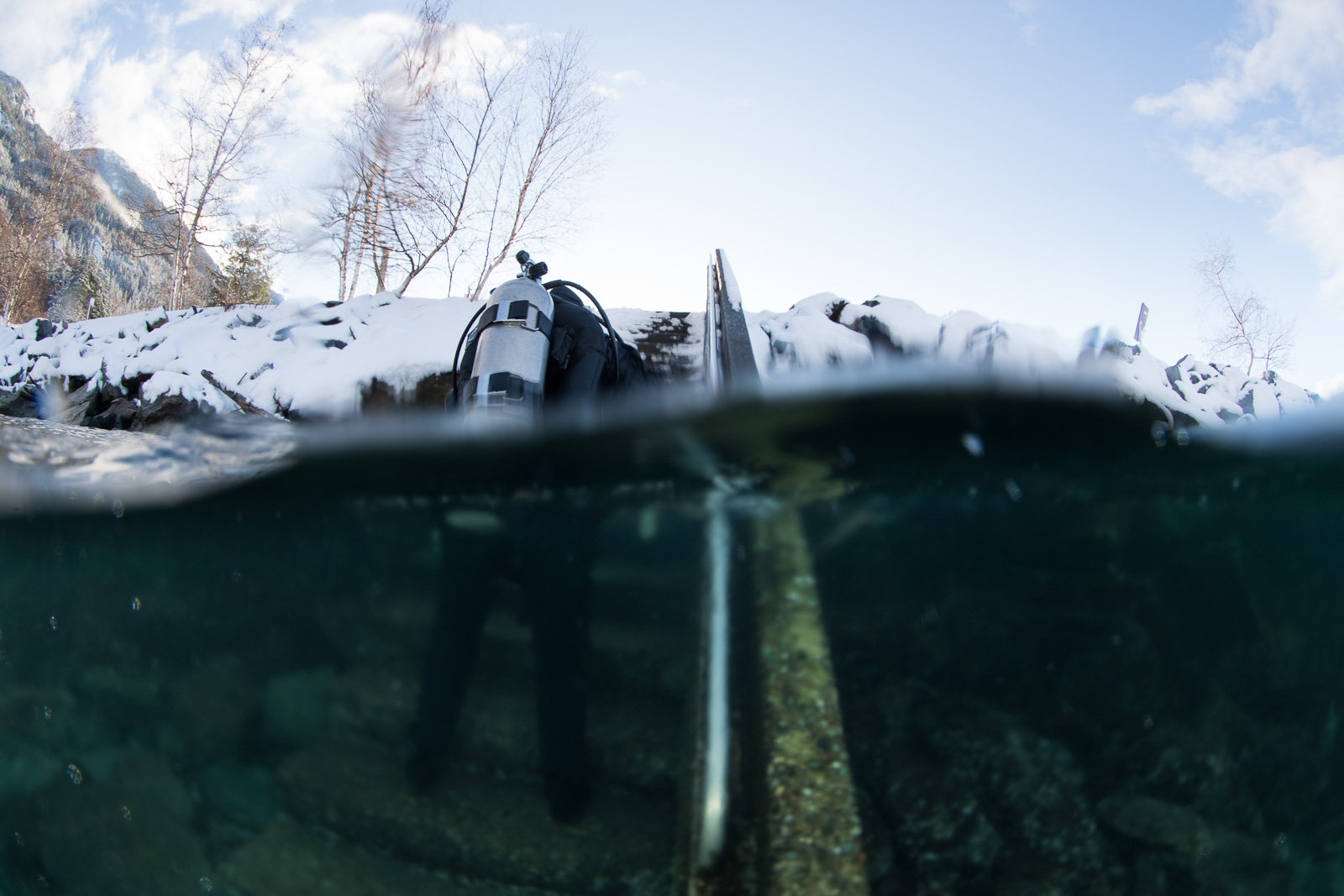
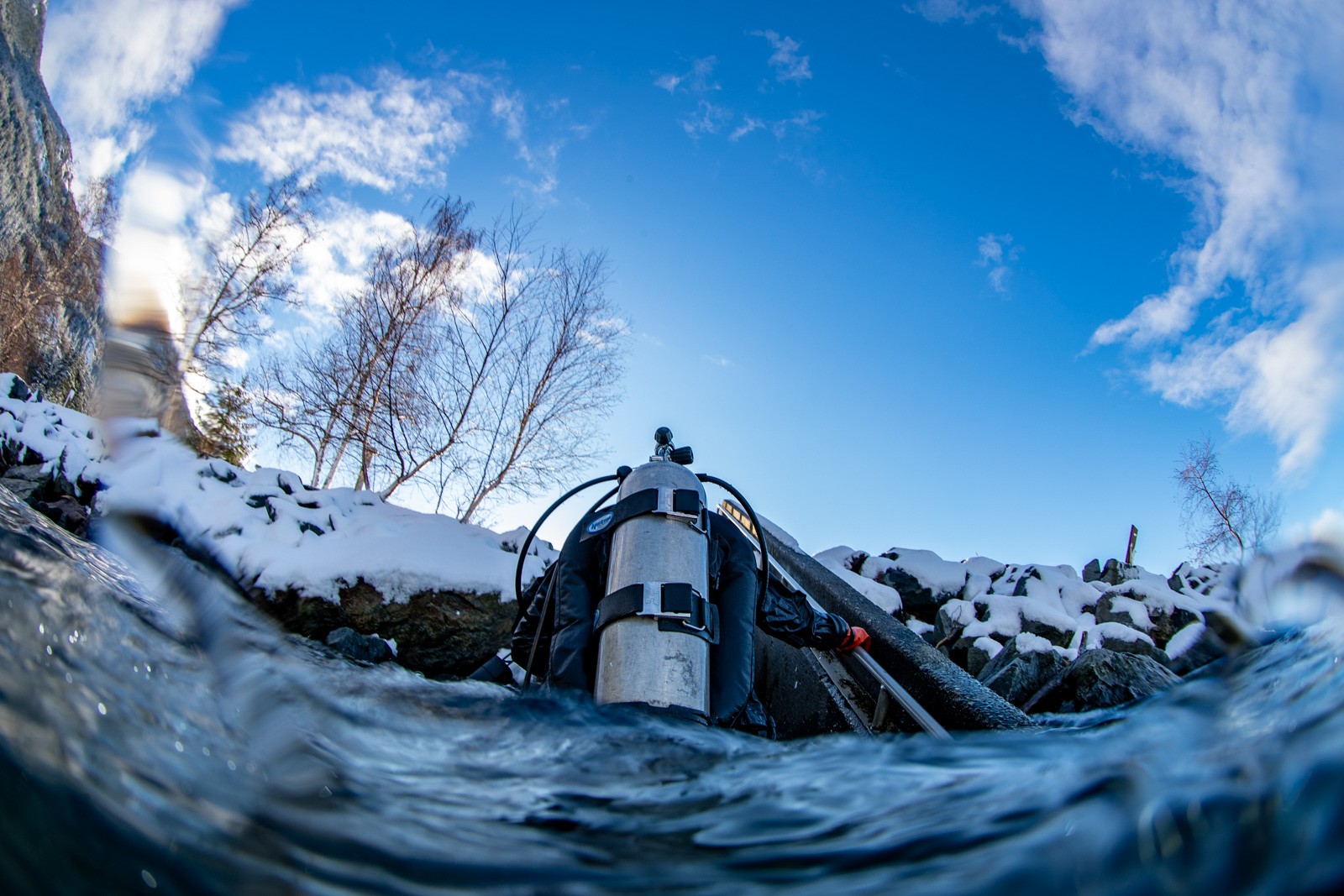
Thirty centimetres of snow on the bank, minus five in the air, and the clearest water this coast produces all year. The good season here is the one everybody else takes off.

Scored belowPairs with Browning Pass
ContentsSalish Sea · British Columbia
01Why Salish Sea
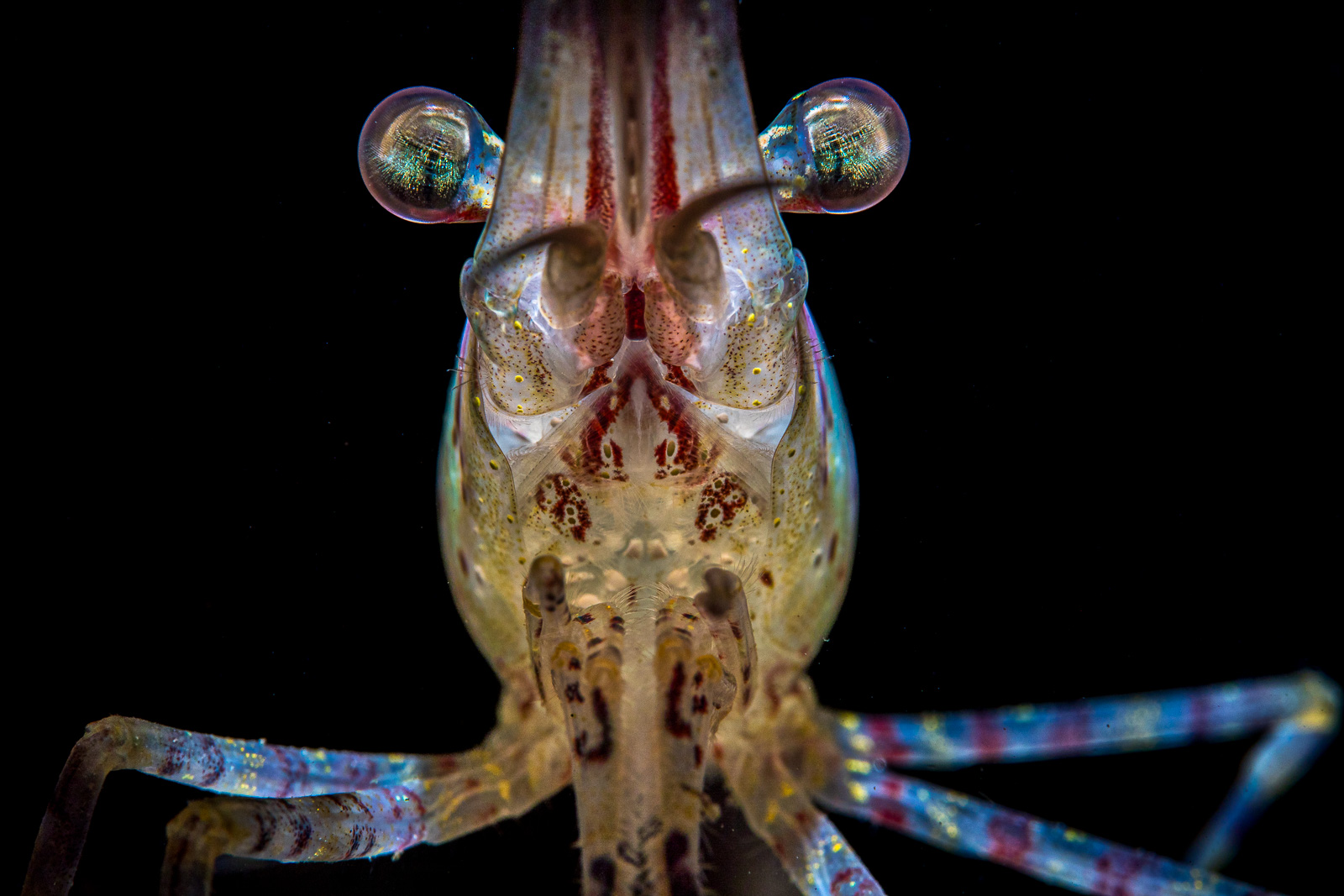
A spot prawn head-on against black water, both stalked eyes and the translucent carapace sharp, Howe Sound & the Sunshine Coast

The season runs backwards, and that is the whole opportunity

Every tropical destination on this site gets better as the water warms. This one gets better as it freezes. Rain and river runoff stop, the spring plankton bloom has not started, and the green closes down to something you can see across: up to about fourteen metres in midwinter, against five in July. I did not plan the photographs on this page around that rule; I only noticed it afterwards, reading the capture dates off the files.

It is also the only diving on this site you can reach without a boat, a charter or a booking. You drive up the Sea to Sky, park at Porteau Cove, kit up on the tailgate and walk in. There is no schedule to keep and nobody to wait for, so you dive the tide you want rather than the tide somebody sold you, and you dive it in January if January is when the water is good. Twenty-five years ago I was doing it off a charter out of Sechelt Inlet instead; the boats moved and the shoreline did not.

What surprises divers who learned in the tropics is the density. A coral reef spreads its life out; cold water stacks it. The boulders at Tuwanek carry nudibranchs, shrimp, sculpin and orange cup coral within a metre of each other, and a single rock face will hold four subjects you would each have hunted for on a reef. A sixty-minute dive here finishes with more frames than a ninety-minute one somewhere warm.

The trade is honest and it is worth saying plainly. There is very little here in the way of big animals: a harbour seal that follows you, the occasional wolf eel, nothing that schools. You come for what fits in the frame at a hand's width, and for water that in the right month renders a colour the tropics cannot.

02Scored
Scored · the place on six axes, the operator on its own
67
Place
C+
Overall
Last visited 202011th of 17 dive destinationsScores reviewed August 2026

Howe Sound and the Sunshine Coast are scored as a place and nothing else. These are shore dives you drive to and walk into, so there is no operator to score today. The number is out of sixty rather than a hundred and twenty, and the trip axes show an em dash. What that number says is that the small subjects are exceptional, the wide-angle window is narrow, and the big animals are not here.

Scored on the same rubric as every other place here, and published whether or not the number flatters. Seven of the seventeen came in under seventy; the lowest is forty-five.

Underwater · the place
Macro
8
Wide
6
Terrain
7
Diversity
8
Fish biomass
3
Health
8
Total
40/60 · 67%

The dot is Salish Sea; the pale band is where the other sixteen places on this site fall on that axis. How the scoring works

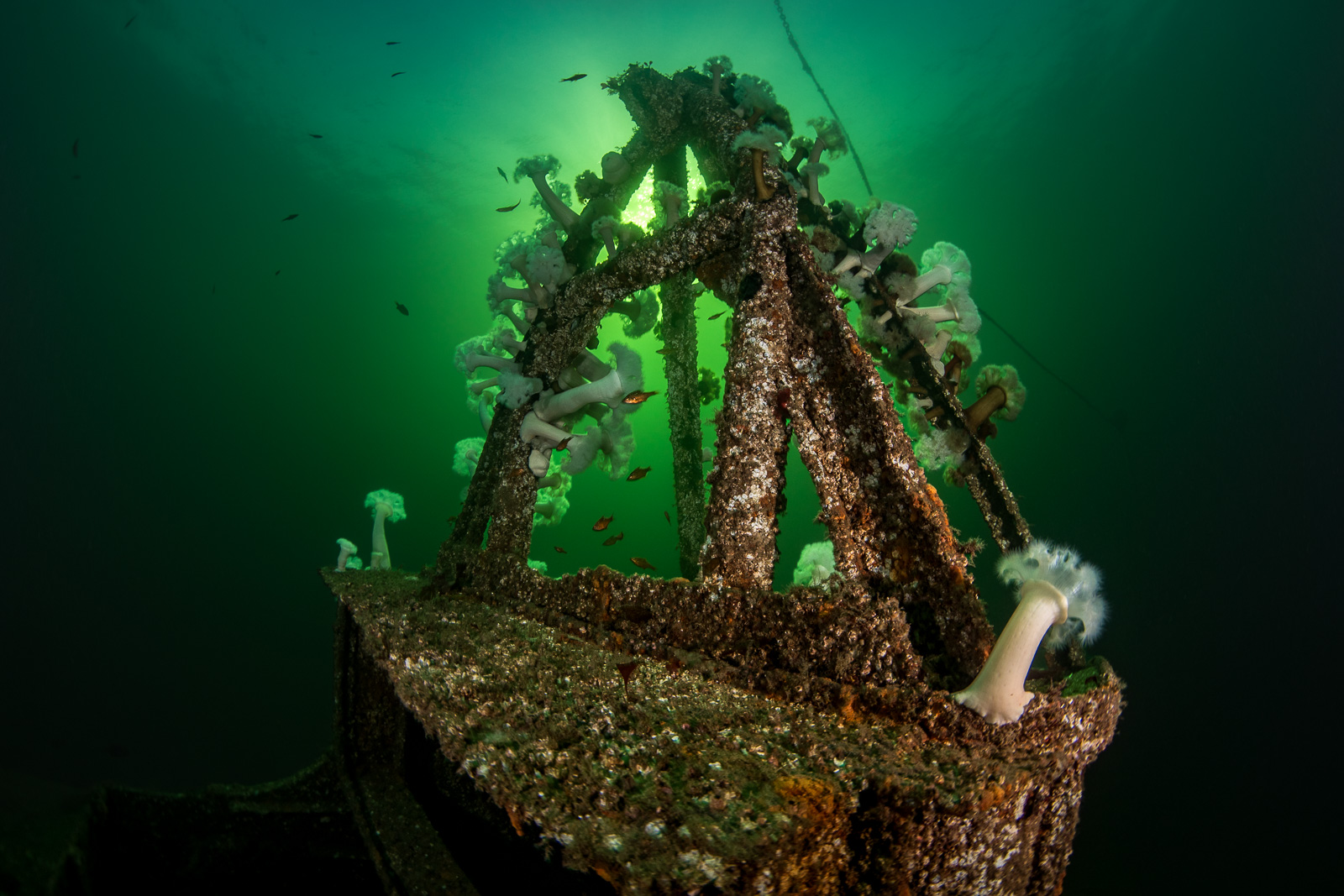
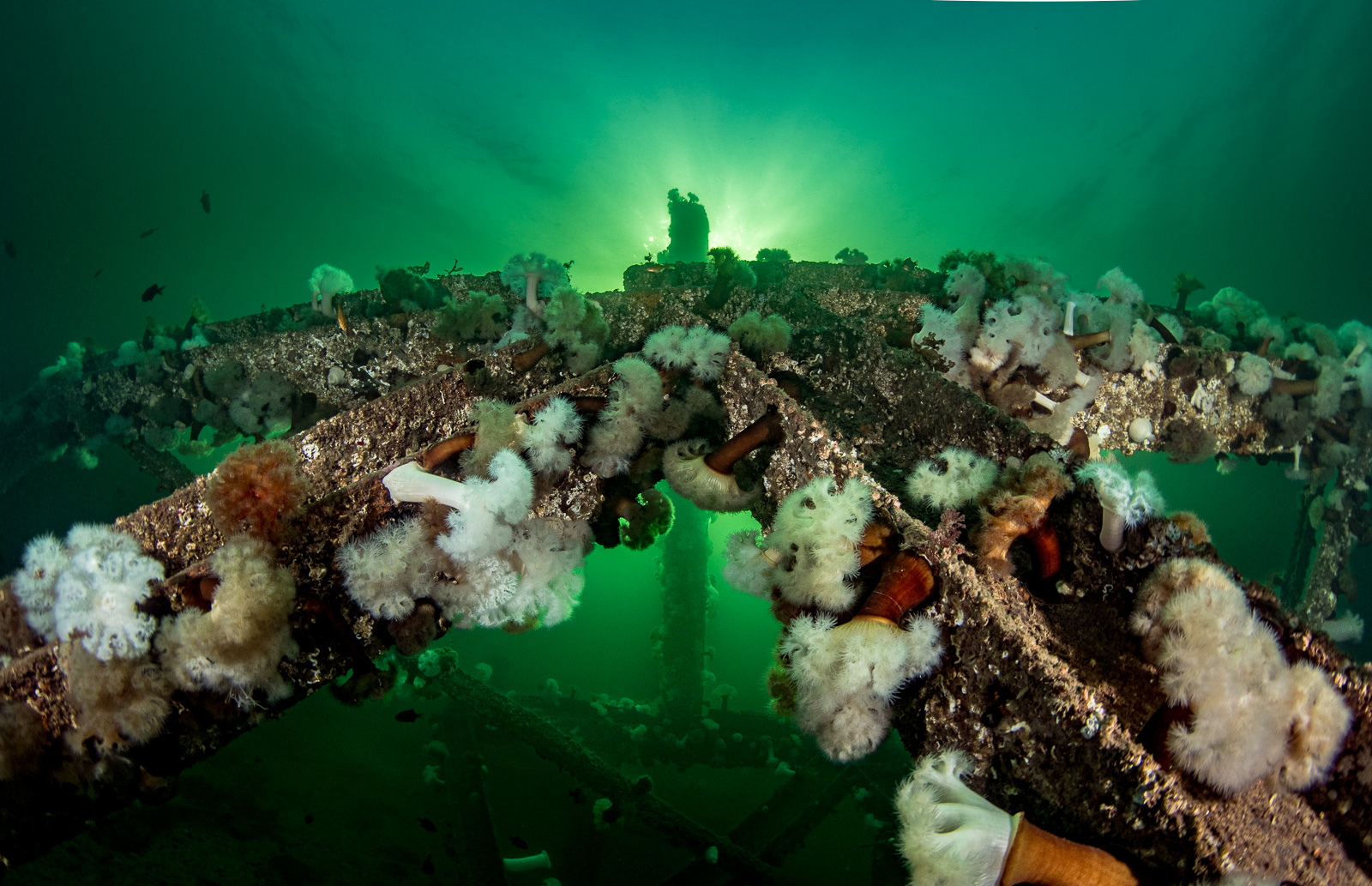
A wreck in green water, Howe Sound
03The story
The story

For seventy years the Britannia mine ran acid drainage into this water: zinc, copper, cadmium, straight off the mountain and into the Sound. By the time it closed in 1974 it was one of the largest sources of metal pollution on the North American west coast, and stretches of shoreline held almost nothing. Remediation started in 2002. Pacific herring came back to spawn in the late 2010s, in numbers nobody had recorded for sixty years, and in 2019 the glass sponge reefs on the bottom of these inlets became protected marine refuges.

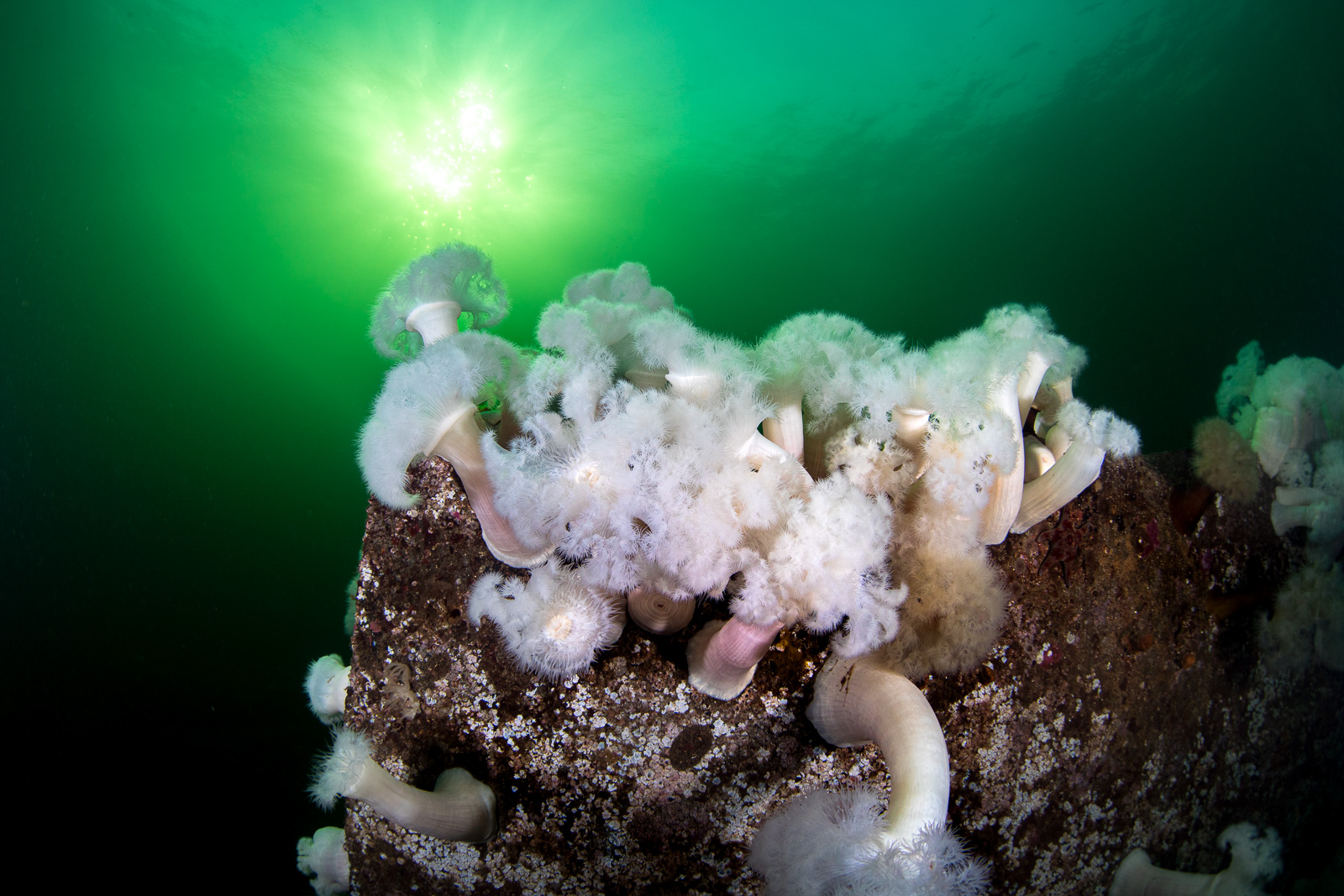
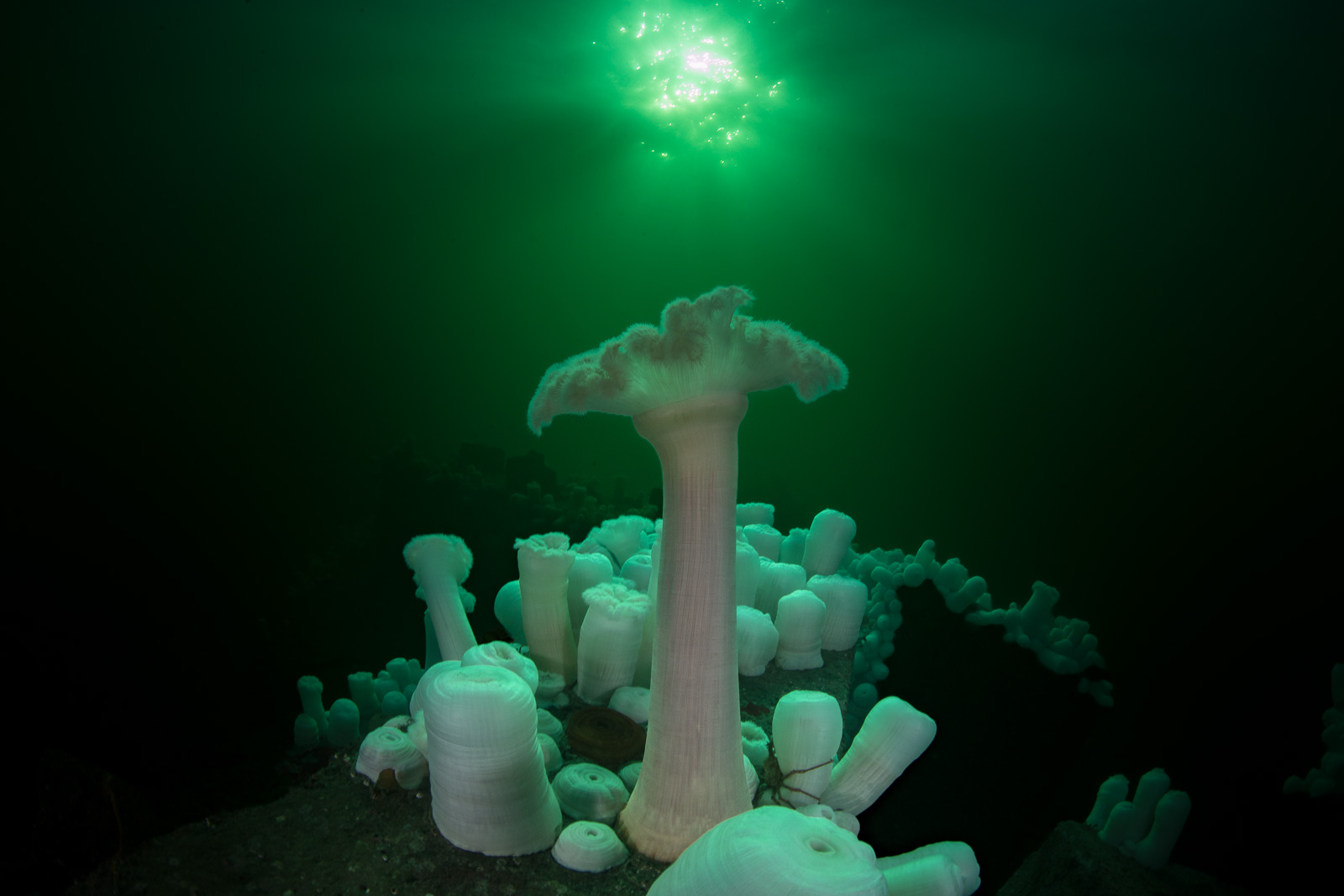
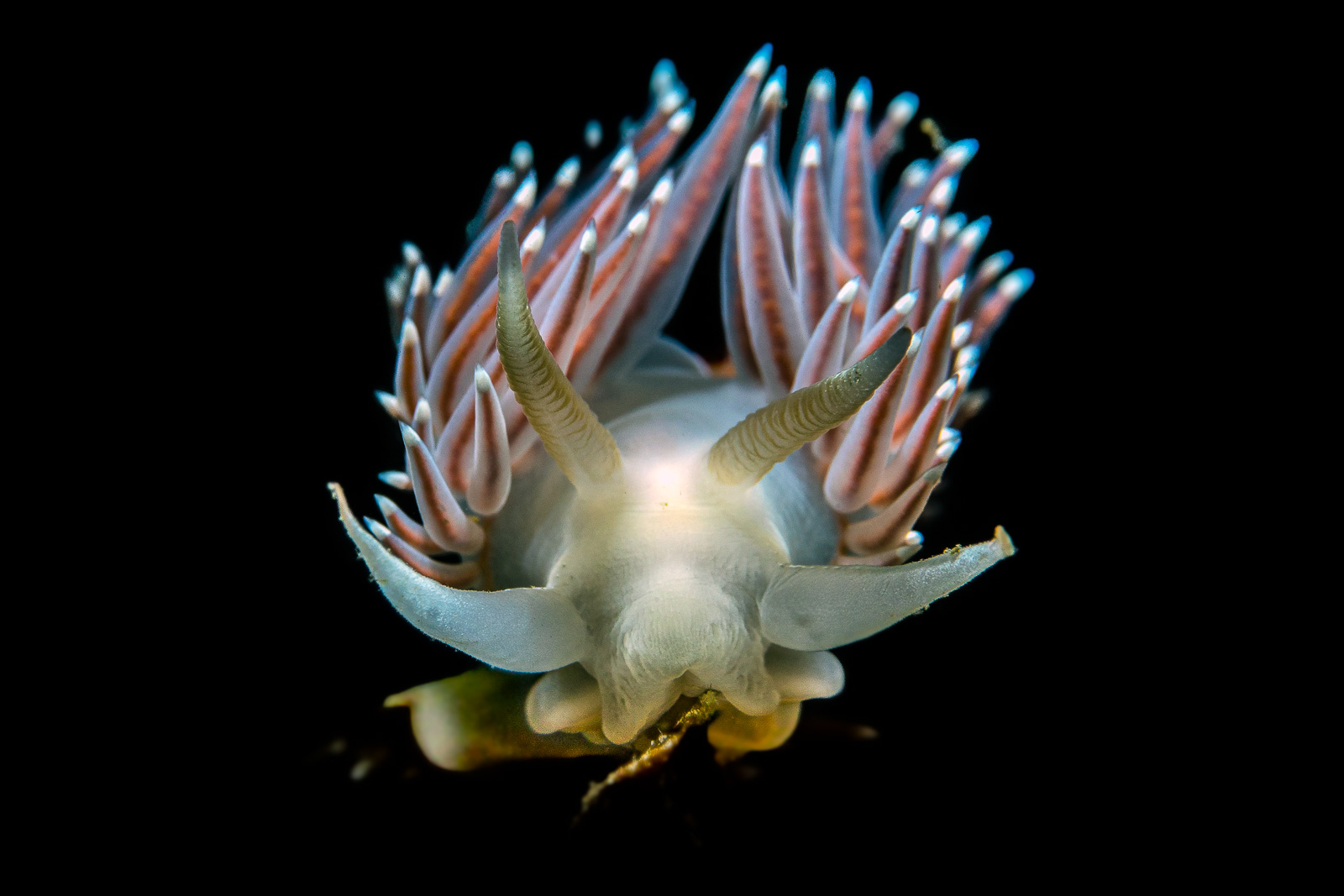
You can see the return without being told about it. Plumose anemones stand a foot high on the Porteau wrecks. Nudibranchs work the shallow boulders at Tuwanek in numbers that make a sixty-minute dive feel short. Even the shrimp hold their ground long enough to be lit properly.

The recovery is real and it is not complete. The sunflower star, twenty arms, a metre across, the predator that held the urchins down, was wiped out along this whole coast by wasting disease from 2013 and has not come back. Researchers named the bacterium responsible in 2025 and the first lab-reared stars went into Salish Sea water the following summer. You can dive this place on any day of any month, from a car park, and watch which way it is going.
04What it asks of you

Am I good enough for this?

Cold is the whole difficulty here and it is not a small one. The water sits between eight and twelve degrees every month of the year, so this is drysuit diving with a hood and dry gloves, and you want to be comfortable in that kit before you arrive rather than learning it on a beach in December. Nothing about the sites themselves is demanding: the entries are walk-ins, the depths are modest and the sheltered sites have very little current. What catches people out is the surface interval. In winter you get out into air colder than the water, and the second dive is decided by whether your hands still work.

LevelOpen WaterIntermediateAdvancedDemandingExpeditionIntermediate–Demanding
CurrentnonemildmoderatestrongMild on the shore sites; Tzoonie Narrows and the inlet tides run hardShore sites are sheltered. Sechelt Inlet runs on the tide.
Visibility51530 m5–14 mBest in winter. The spring bloom takes it down from April.
Water6°12°18°24°30 °C8–12 °CDrysuit, hood and dry gloves. Cold by any standard, all year.
Format
Shore
No boat, no charter, no booking. You park and walk in.
Getting there
Vancouver
An hour up the Sea to Sky, or a ferry to the Sunshine Coast.
Season
Year round
Nothing closes. What changes is what you can see.
Over-under at a snowy shore, tank at the waterline, Howe Sound
05When

October to March, and December is not a joke

October to March is when Salish Sea is at its best. Tap any month for what the water is actually doing.

Visibility, sea state, what is in the water and how much of it you can count on. The season turns at October and again after March.

06The money

Flights, transfers and what to sort first

Everything here is reachable from Vancouver in under two hours, and none of it needs a booking. The planning is about kit and weather rather than logistics.

Getting there
Porteau Cove and Kelvin Grove are on the Sea to Sky highway north of Vancouver. Tuwanek and Coopers Green are on the Sunshine Coast, via the Horseshoe Bay ferry.
Air and kit
Fills and rentals come from the Vancouver and Sechelt shops. Bring your own drysuit if you have one; a rental you have not worn is a bad first dive here.
Weather
Wind decides Howe Sound. Fifteen knots from the west or north and Porteau is off. Check before you drive rather than after.
Best months
October to March for visibility. April to September for the animals, with the macro lens on.
The sponge reefs
The glass sponge reefs in this inlet are protected marine refuges and they are fragile enough that contact kills them. They are not a dive site. Leave them alone.
07What you see
The evidence

Every one of these was shot in the cold half of the year

Twelve of the thirty-eight photographs from Salish Sea, the prints among them marked.

A wreck, Howe Sound
A wreck25 December 2016
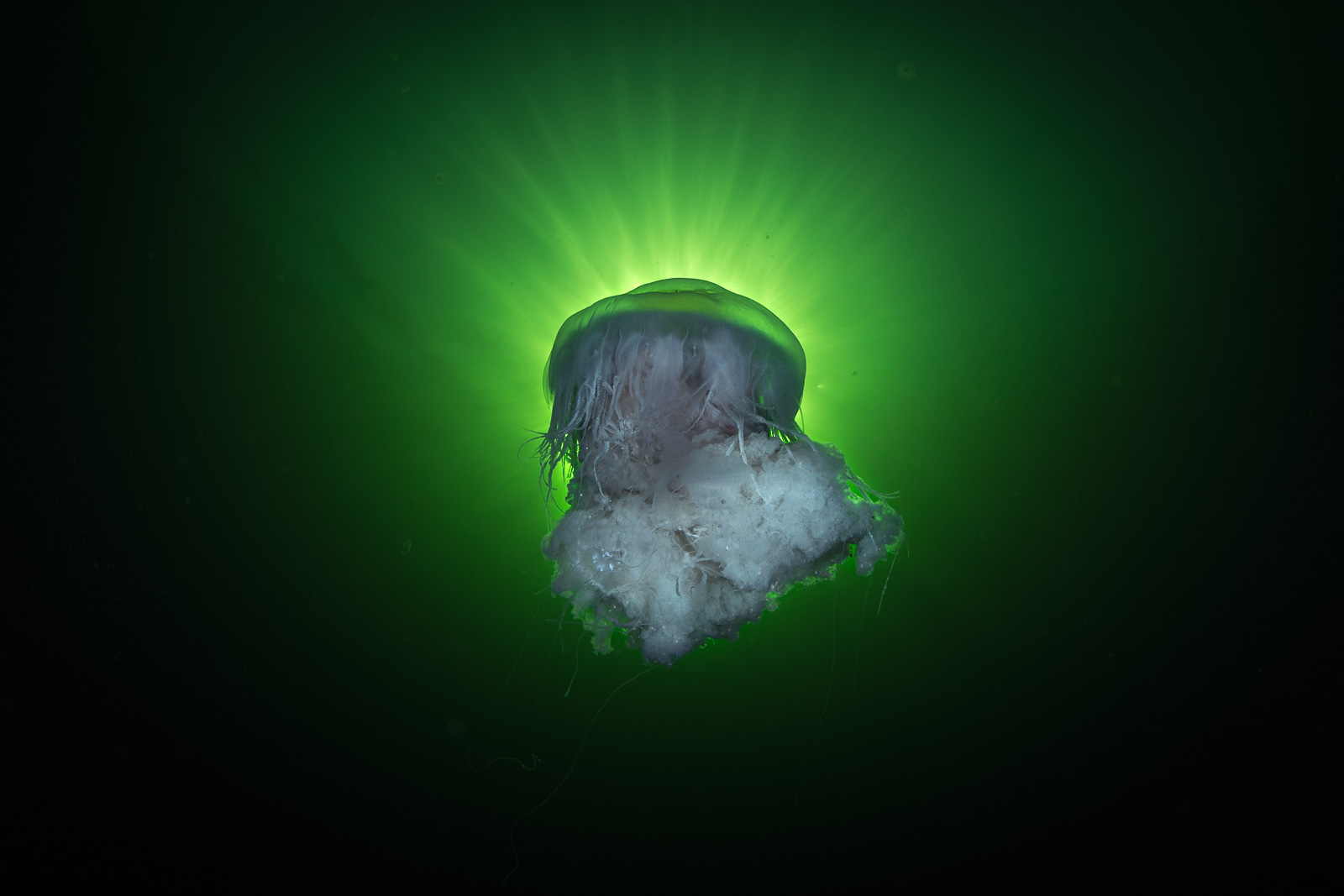
A lion's mane jellyfish in green water, in a halo of light, Howe Sound
A lion's mane jellyfish in green water, in a halo of light24 December 2017Open edition · $150 USD
A spot prawn head-on against black water, both stalked eyes and the translucent carapace sharp, Howe Sound & the Sunshine Coast
A spot prawn head-on against black water, both stalked eyes and the translucent carapace sharp9 October 2017Signed edition of 20 · $300 USD
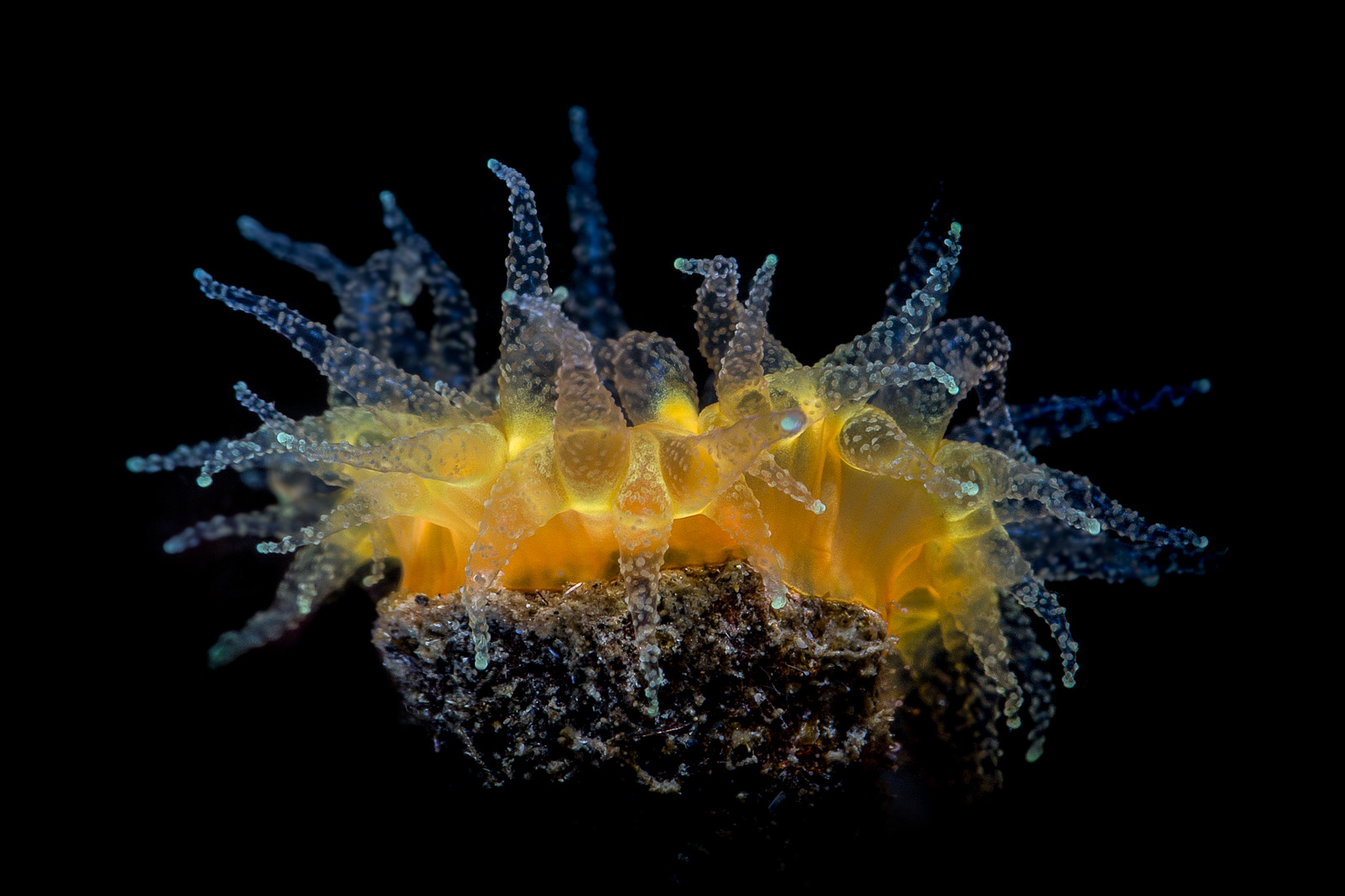
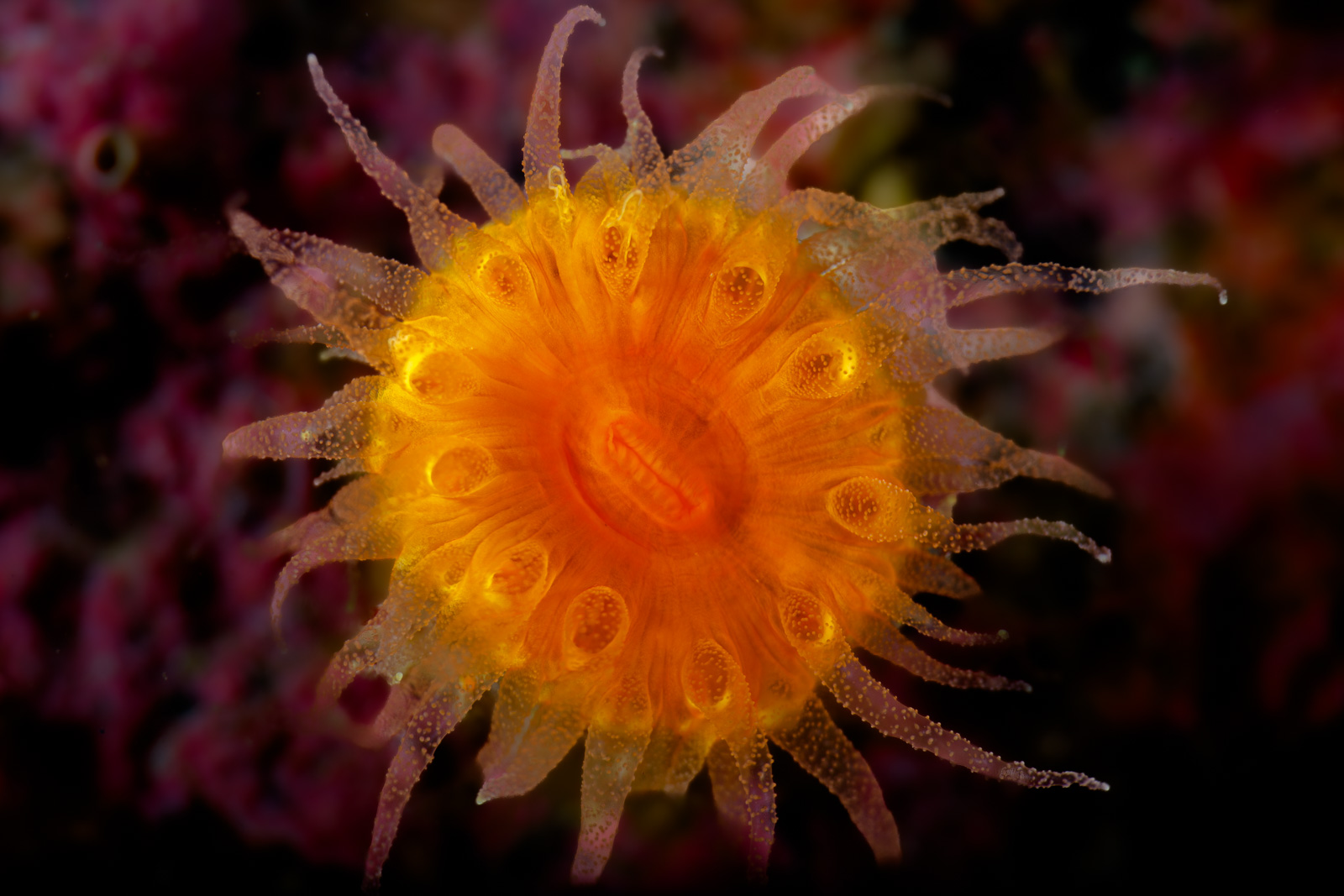
A colony of orange cup coral seen side-on, lit through the polyps so they glow from within, Howe Sound
A colony of orange cup coral seen side-on, lit through the polyps so they glow from within30 March 2014Signed edition of 20 · $300 USD
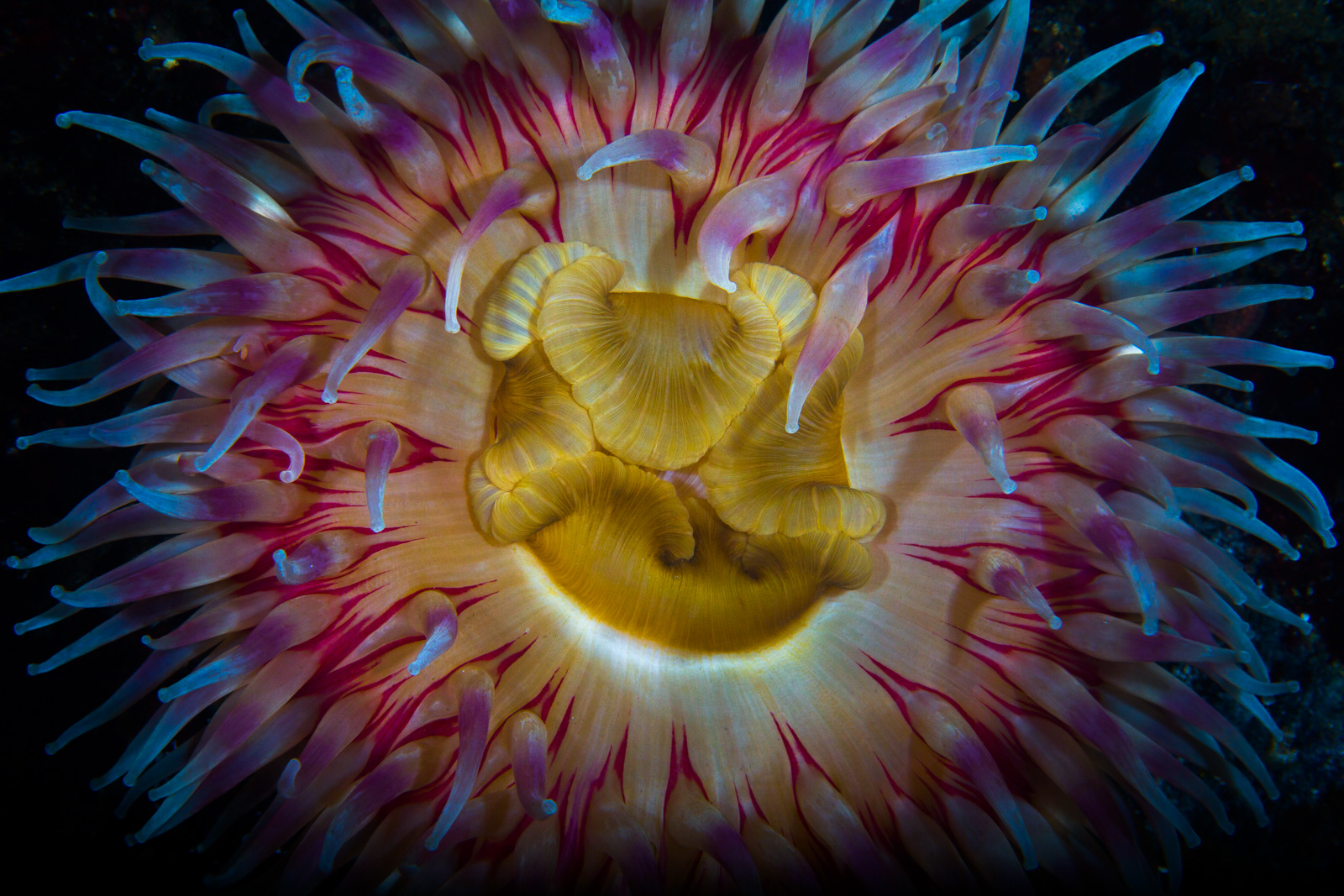
A painted anemone in magenta, Howe Sound
A painted anemone in magenta30 March 2014
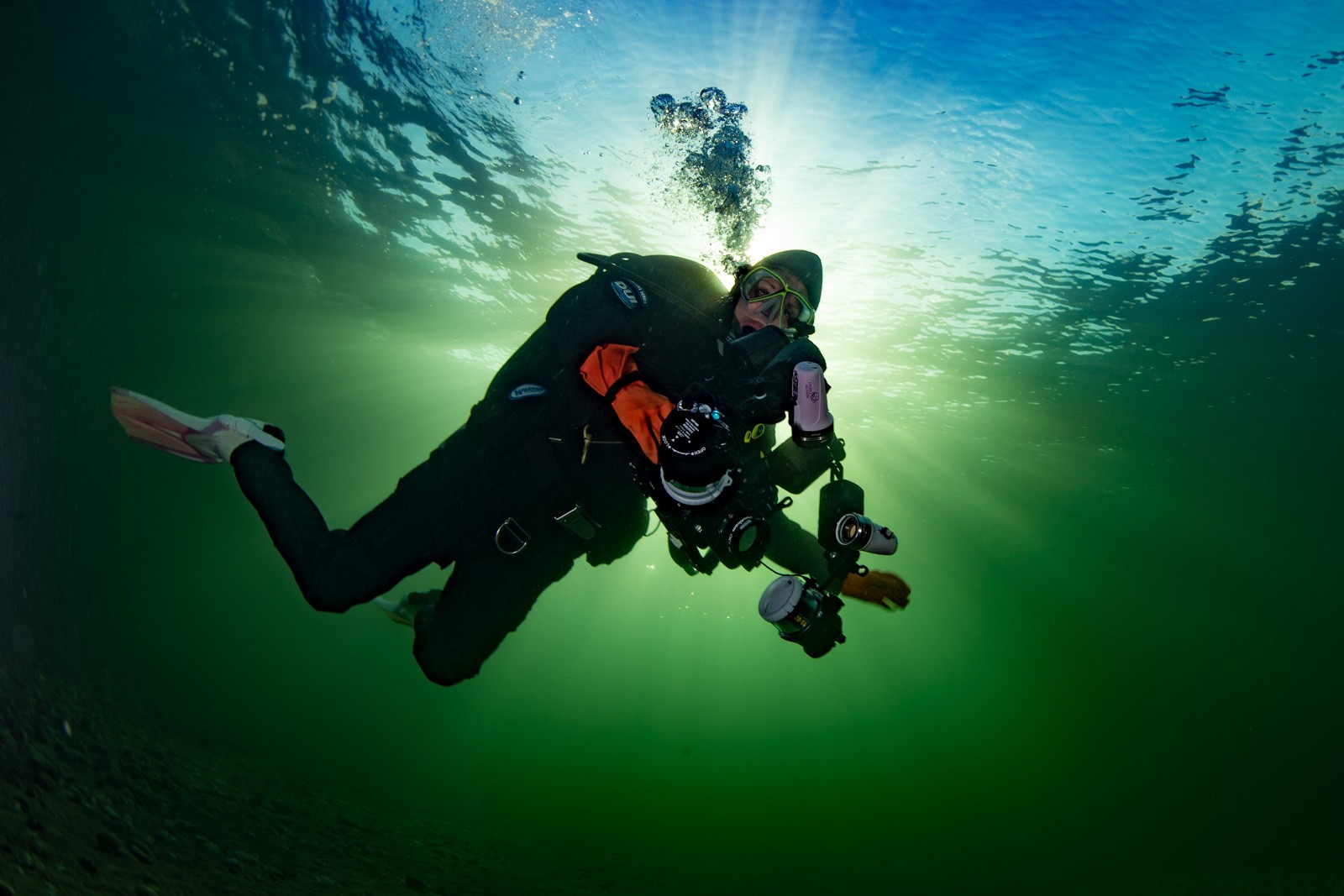
Drysuited diver with camera, backlit green, Howe Sound
Drysuited diver with camera, backlit green
An anemone under a sunburst, Howe Sound
An anemone under a sunburst25 December 2016
A sculpin with iridescent eyes, eyes forward, Howe Sound
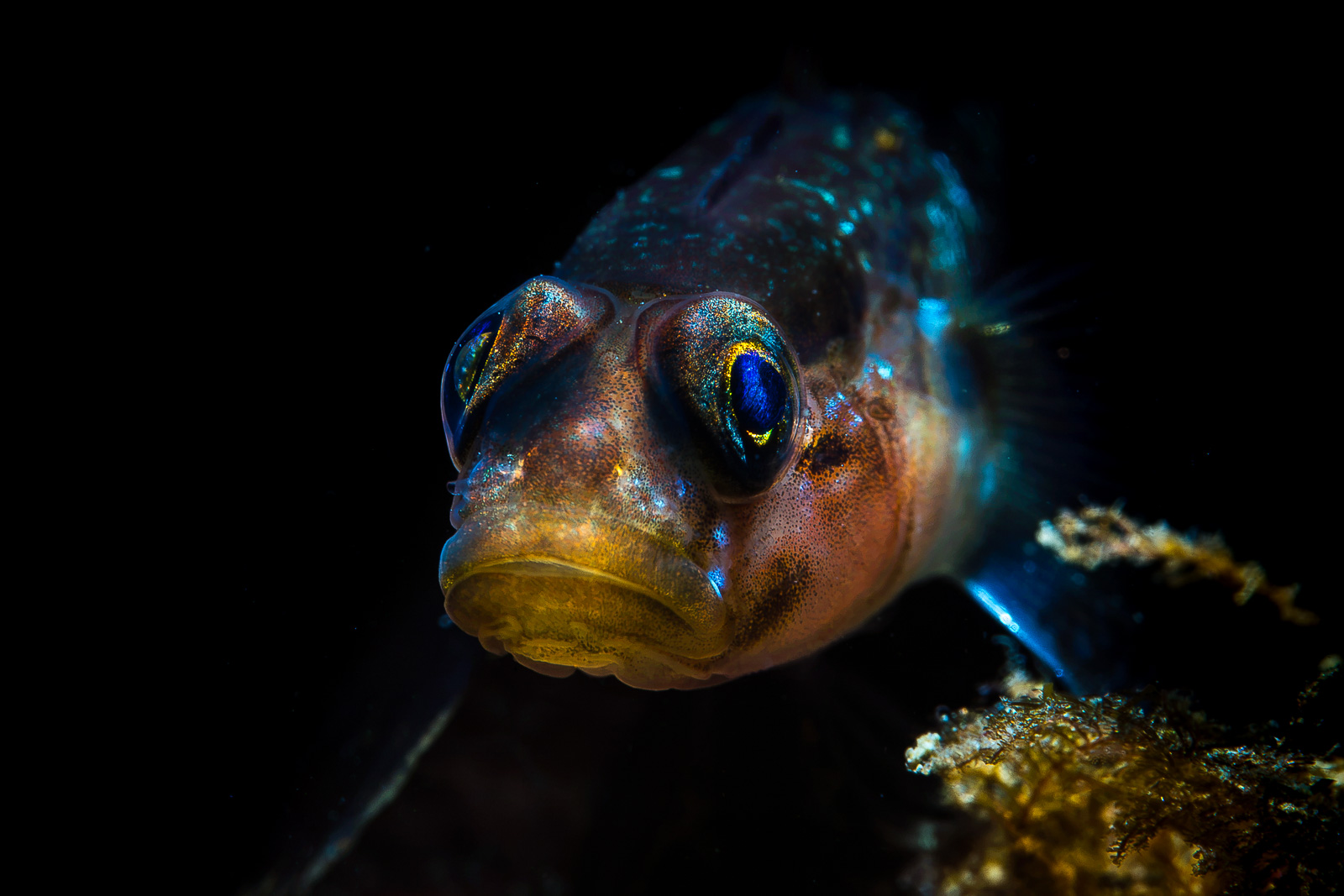
A sculpin with iridescent eyes, eyes forward9 October 2017
Plumose anemones in green water, Howe Sound
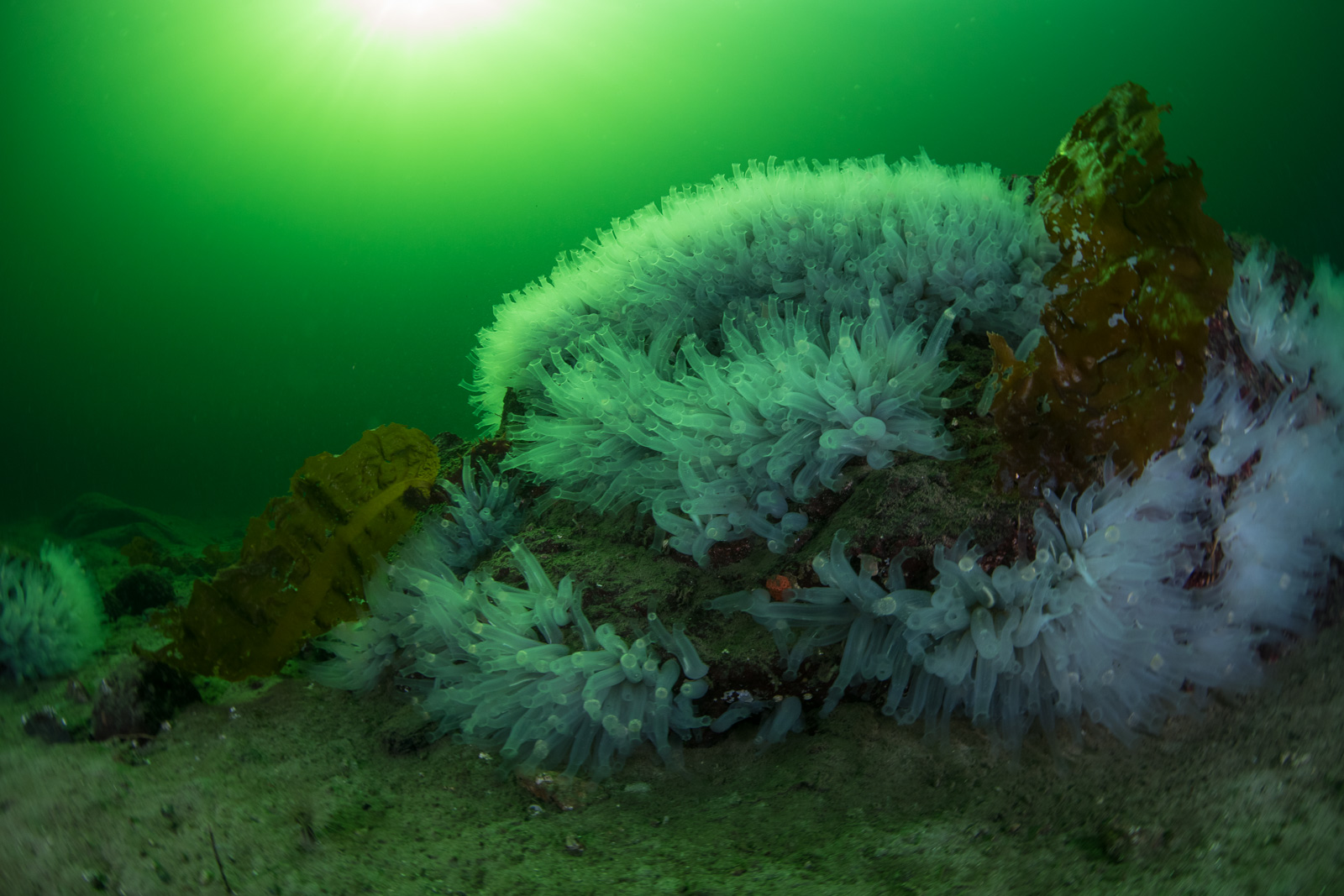
Plumose anemones in green water24 December 2017
A hermit crab in green water, eyes forward, Howe Sound
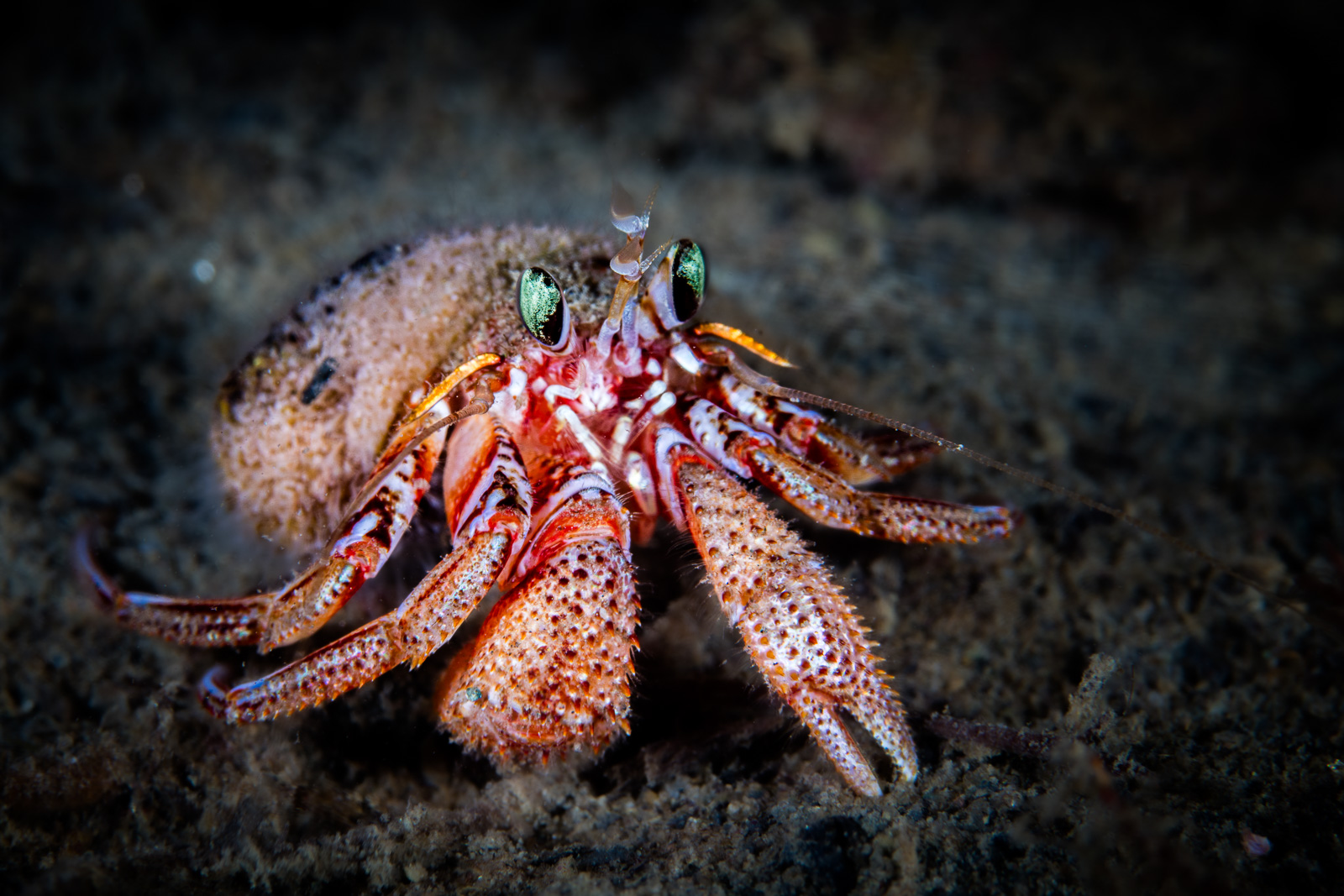
A hermit crab in green water, eyes forward7 March 2016
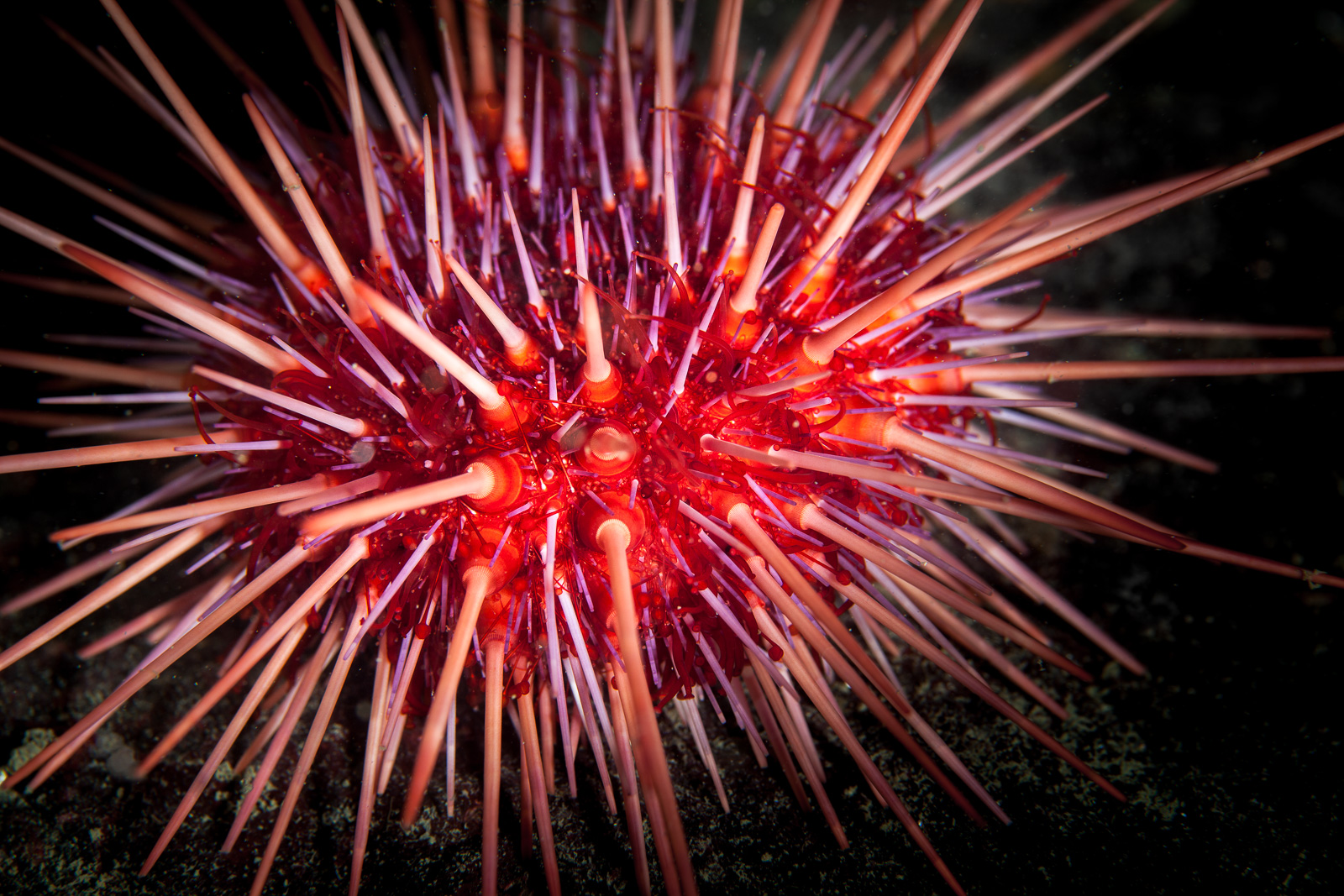
A sea urchin in red, showing its spines, Howe Sound
A sea urchin in red, showing its spines13 December 2009
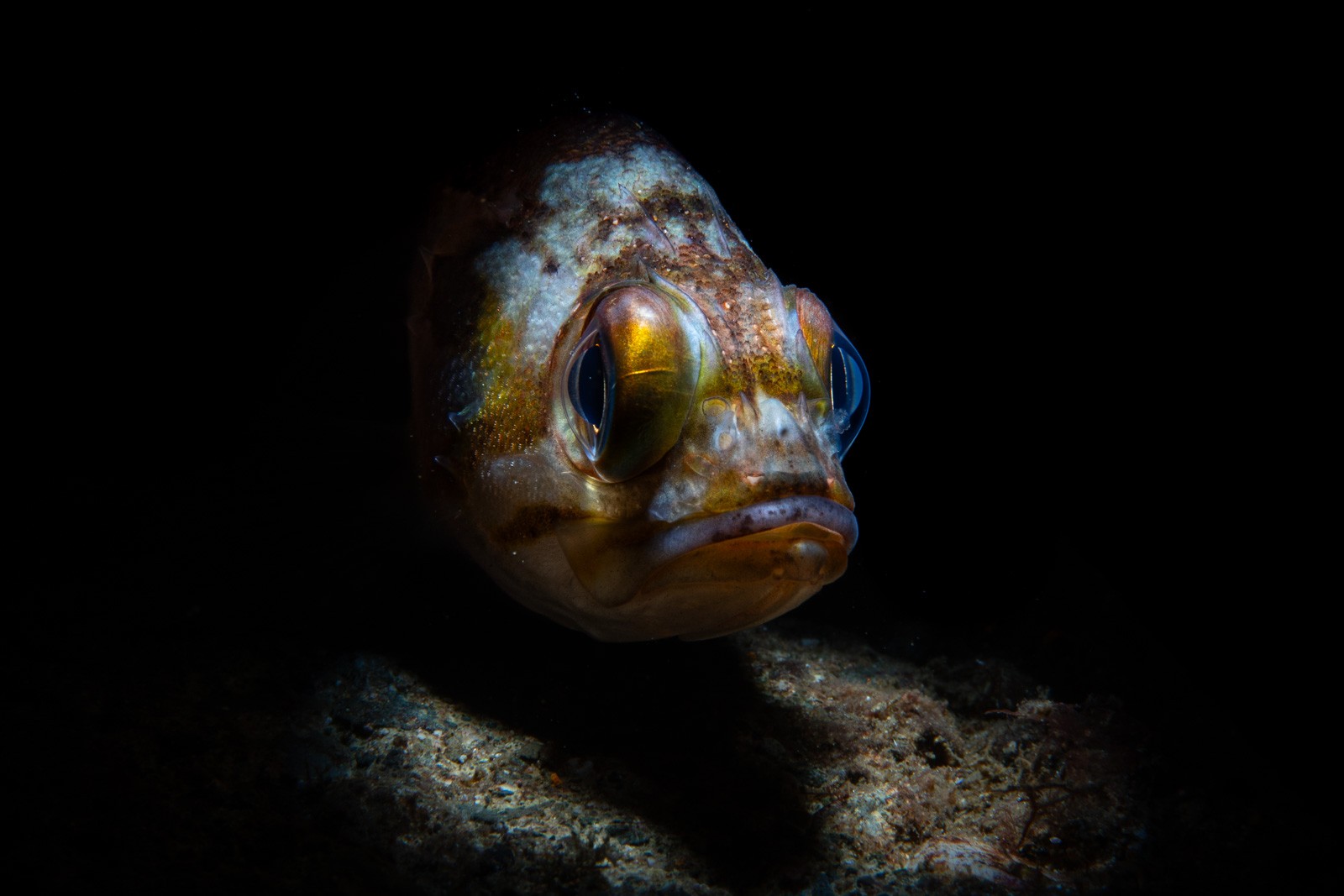
Rockfish portrait on black, golden eye, Howe Sound
Rockfish portrait on black, golden eye

Any frame on this page can be licensed for editorial use. Licensing terms.

What came out of the bag

8–15 mm fisheye the reef, and what swims over it

13 of 35 frames
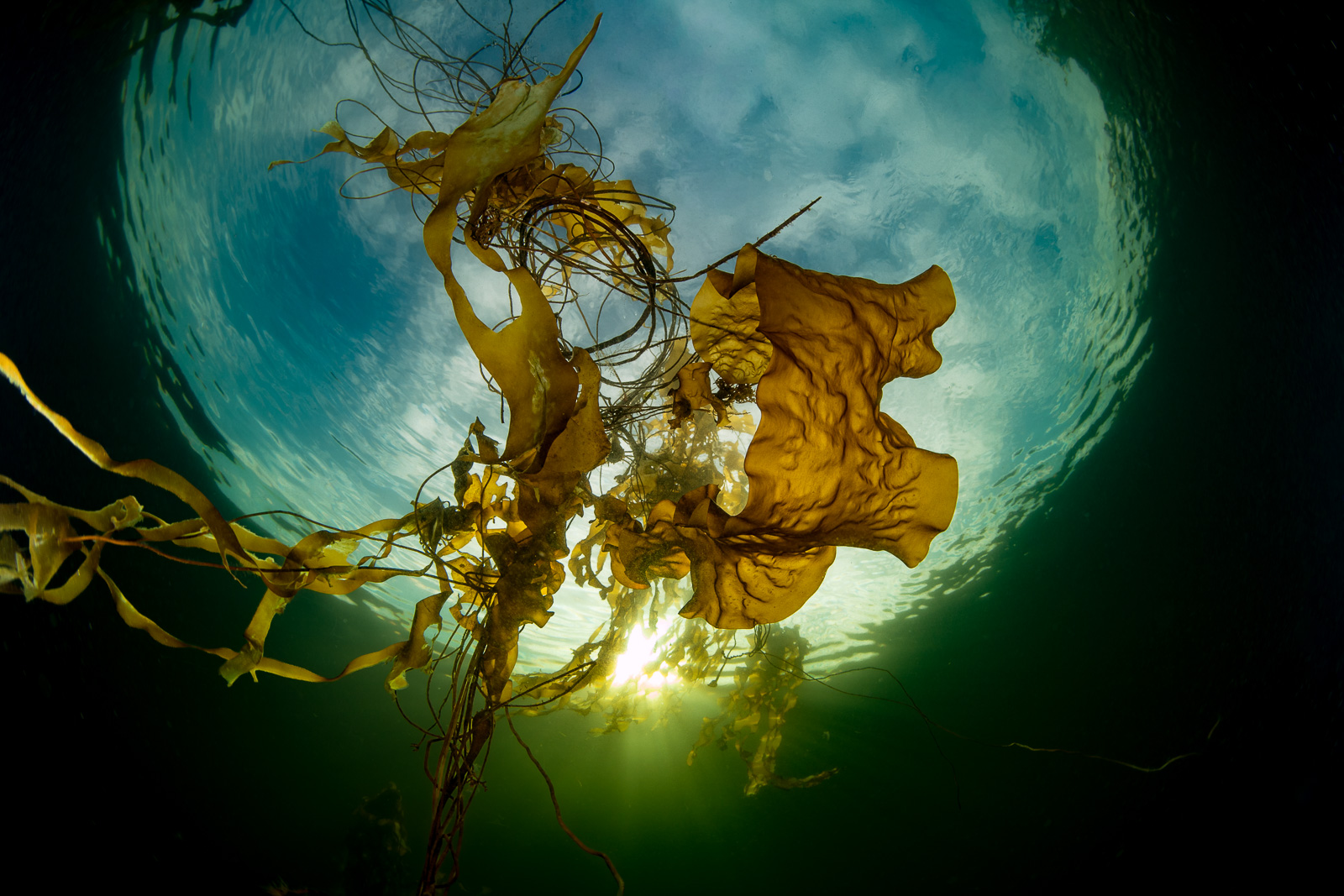
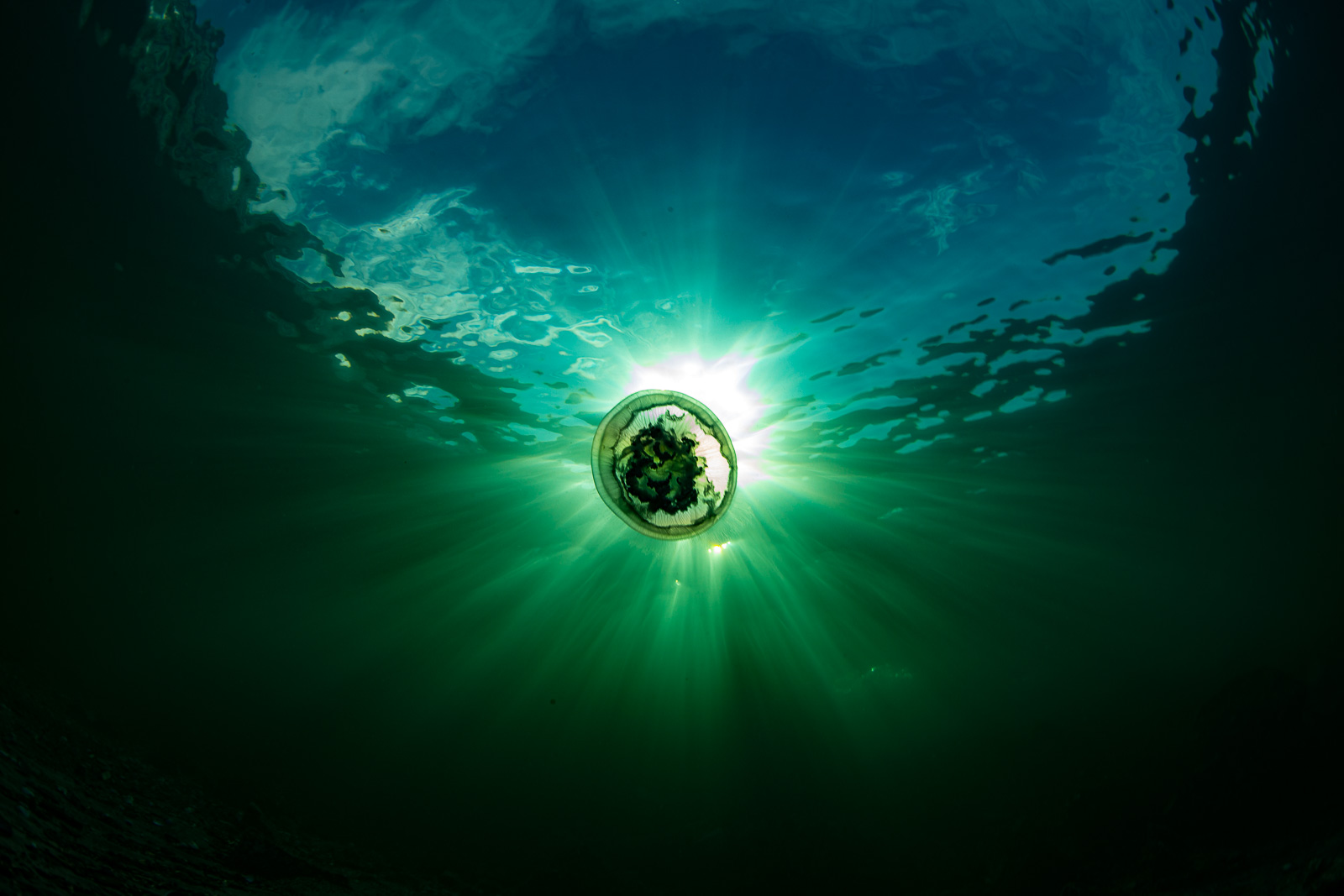
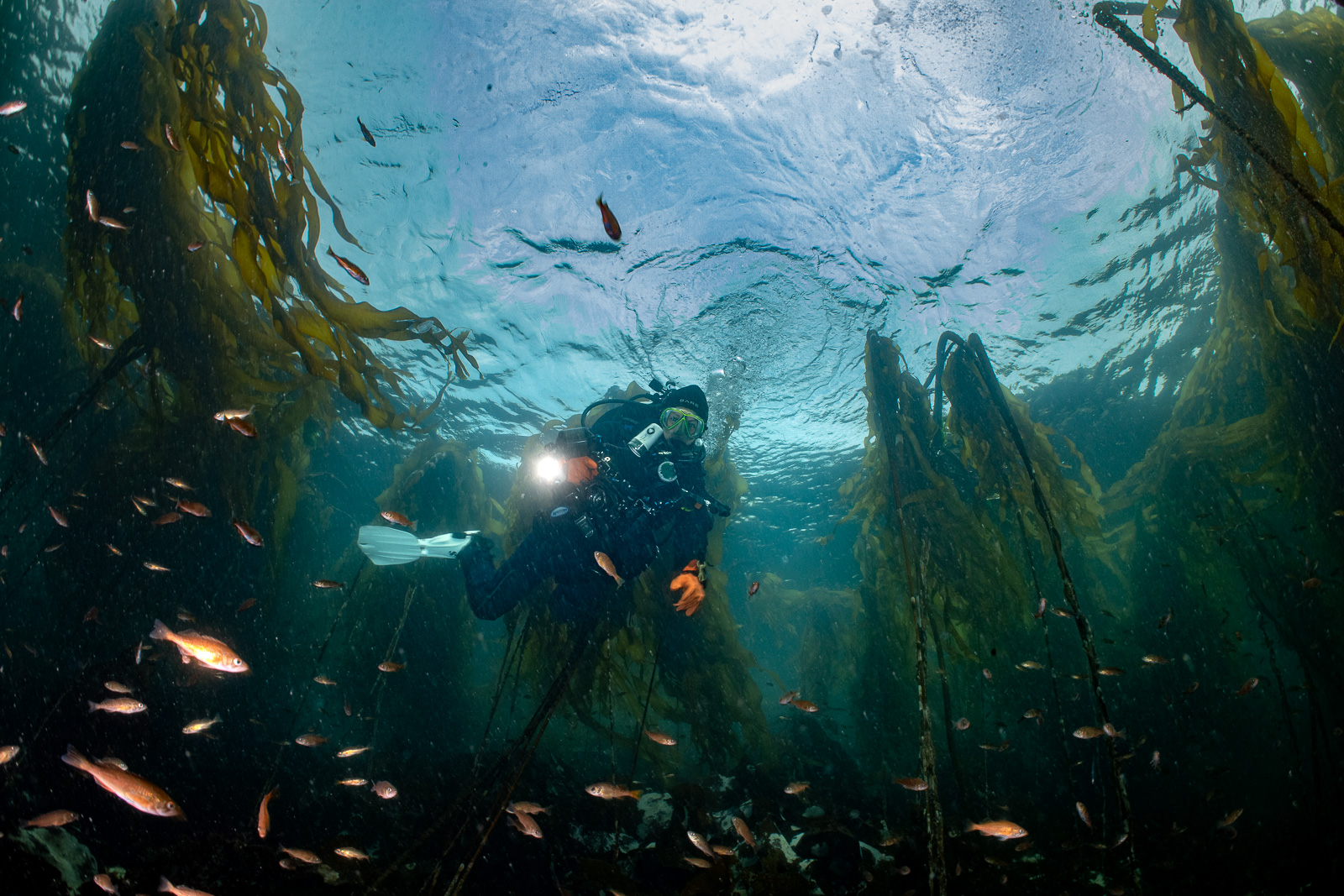
Snow on the bank and bare trees above the waterline, green water below, a diver kitted up on the shore, Howe SoundBull kelp under Snell's window, Howe SoundA lion's mane jellyfish in green water, in a halo of light, Howe SoundA moon jelly crossing the sun, Howe SoundA giant plumose anemone in an anemone, Howe Sound
ISO100–320
Shutter1/20–1/100
Aperturef4–f14

100 mm macro the small animals, at working distance

22 of 35 frames
A spot prawn head-on against black water, both stalked eyes and the translucent carapace sharp, Howe Sound & the Sunshine CoastA crimson anemone with banded tentacles, full radial spread against black, Howe SoundAn aeolid nudibranch head-on, Howe SoundA colony of orange cup coral seen side-on, lit through the polyps so they glow from within, Howe SoundOrange cup coral in magenta, Howe Sound
ISO100
Shutter1/60–1/250
Aperturef7.1–f32

From the lens recorded in each frame. The settings are what was used here, not a recommendation. Lighting on the print frames: Dual Retra strobes, Gen I, Sea & Sea Alpha strobes.

Black water, a snoot, and a green you have to earn

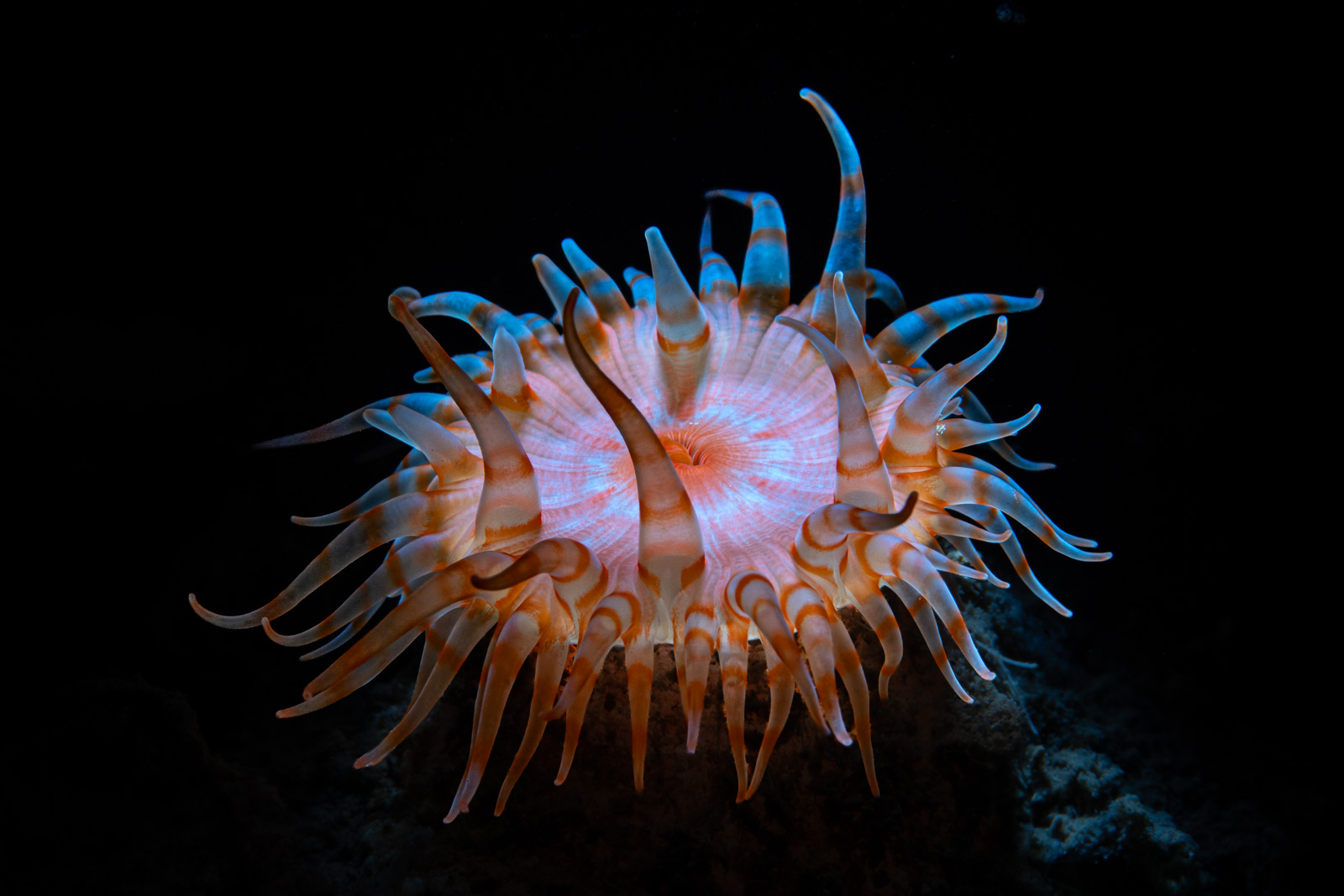
This is macro country with a wide-angle escape hatch. The invertebrates are dense, they are slow, and they hold still while you light them, which is why so much of the work here is snooted against black. A crimson anemone at full radial spread, a shrimp head-on with both stalked eyes sharp, a colony of cup coral lit through the polyps from the side so they glow from inside.

The wide shot is the harder one and it is seasonal. Between October and March you can put a dome on and shoot the plumose anemones on the Porteau wrecks, or the bull kelp against Snell's window in the shallows. Between April and September, do not try. The bloom will win.

The colour is the thing people underestimate. Emerald water behind a magenta anemone is a harder render than anything in the tropics: the background wants to go grey and the subject wants to go orange. Get the white balance right on a cold, clear day here and the file needs very little afterwards.

Prints from Salish Sea

Every frame here was made in Salish Sea. Two are limited to editions of twenty, signed and numbered. Prices in US dollars. Printed on Canson Platine and shipped from British Columbia.

08The dives

Four shore dives, and what each one is for

Four I dived more than once and would plan a weekend around.

01

Porteau Cove

The one with the wrecks

A provincial park an hour up the Sea to Sky from Vancouver, with sunk vessels and artificial reef structures on a shallow shelf. Plumose anemones cover the steel. Wind is the deciding factor rather than tide. Fifteen knots from the west or north and it is not worth unloading the car.

02

Kelvin Grove

The wall, and the winter dive

Lions Bay, a set of stairs and a short surface swim to a wall that drops away properly. This is where clear winter water pays for itself: on a January dive you can see the top of the wall from the bottom of it.

03

Tuwanek

Macro, and the one to bring a snoot to

Sechelt Inlet, on the Sunshine Coast, past the Lamb Islets. Sheltered, shallow boulder gardens with nudibranchs, shrimp and sculpin on them. The site that produced most of the black-background work on this page.

04

Coopers Green

Halfmoon Bay, and an easy entry

A gentle shore entry near Halfmoon Bay with rock and eelgrass. The dive to do when the wind has shut everything in Howe Sound and you have already driven to the coast.

09No operator

Nobody runs it now, and that is the trade

There is no operator to score here today. These are shore dives: you park at the site, kit up at the car and walk in, and nothing about the day is sold to you. That means there is no operation to rate, so this destination carries a score out of sixty for the place alone rather than the usual hundred and twenty, and the six trip axes show an em dash.

It was not always shore diving. Porpoise Bay Charters ran out of the mouth of Sechelt Inlet and I dived with them in 1999, 2000 and 2001; the operation has since moved to Egmont and I have not been out with it since, so there is nothing here I am entitled to score. Before that, Mike Lever ran the original Nautilus on this coast, the boat that became the Nautilus Explorer and left for Mexico in 2004. Neither of those operations is the one you would book today, and a score describing a boat that moved provinces twenty years ago would be worse than no score at all.

Air, fills and rentals come from the shops in Vancouver, Squamish and Sechelt. None of them is scored here, because none of them sold you the dive.

10Before you go

The questions that decide whether the trip works

Asked in the order they actually matter, answered with specifics.

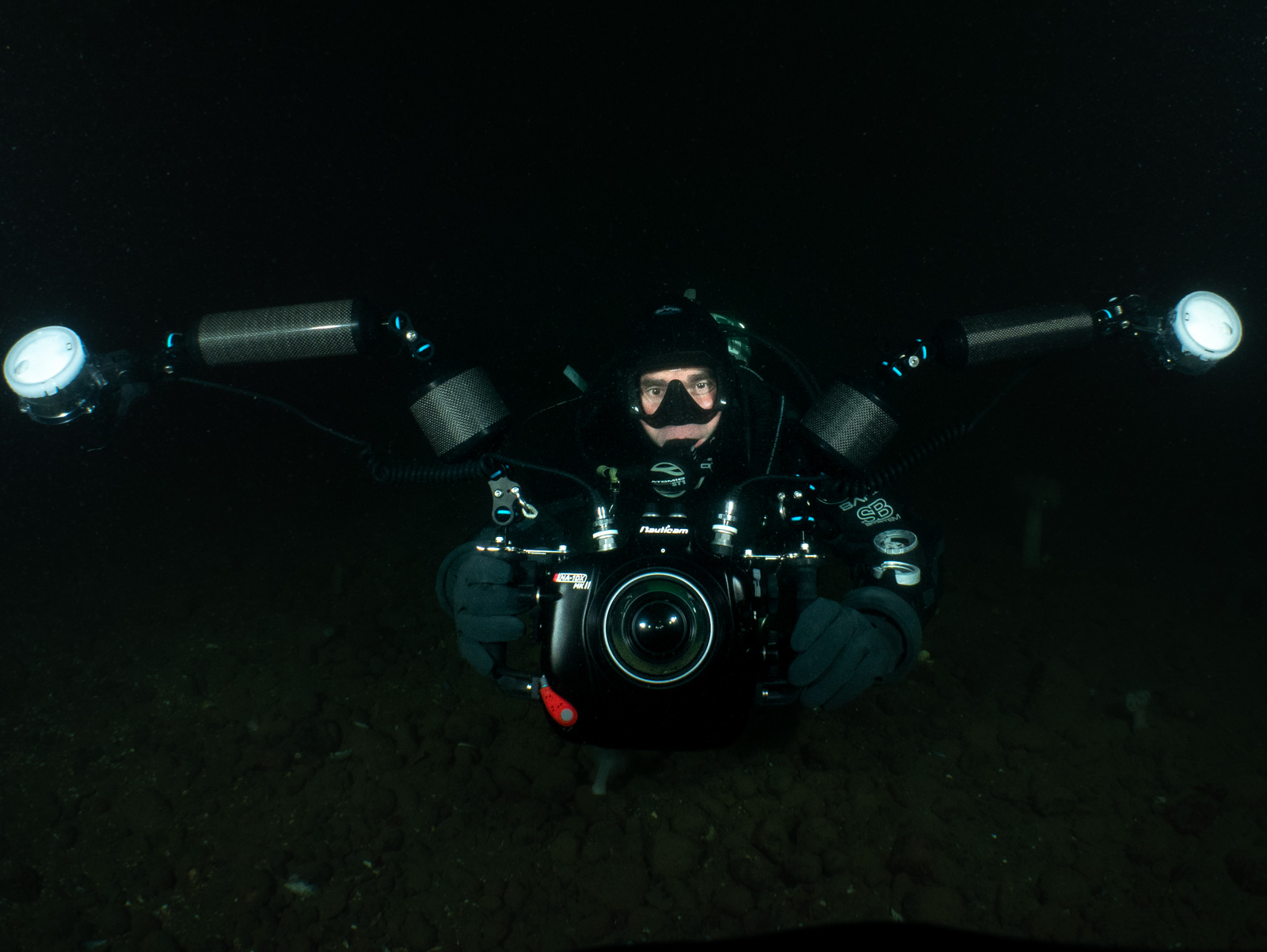
Miles in a drysuit and hood on a black night dive, both strobes turned toward the camera over a dark cobble bottom
Not my photograph. It is me making the rest of them.
01

Do I need a boat?

No. Every site on this page is a shore entry. You park, kit up at the car and walk in.

02

How cold is it really?

Eight to twelve degrees at depth, every month of the year. Drysuit, hood and dry gloves. The surface in winter is colder than the water.

03

When should I come?

October to March if you want to see anything at distance. April to September if you want the animals and are happy to shoot close.

04

Where do I get air?

Shops in Vancouver, Squamish and Sechelt. Nothing here fills on site, so plan the day around where your second tank comes from.

05

Is there anything I must not touch?

The glass sponge reefs. They are protected marine refuges, they are fragile enough that contact destroys them, and they are not a dive site. Stay off the bottom where they are marked.

And who should cheerfully book elsewhere

The right-hand column is the useful one. Salish Sea asks something specific of you, and going for the wrong reason is an expensive way to find that out.

Book it if

  • You want to shoot macro without flying anywhere. The invertebrate density here is extraordinary and the subjects hold still.
  • You are already comfortable in a drysuit. Trim sorted, hands working after forty minutes.
  • You would rather dive on your own schedule. No charter, no roll call, no waiting.
  • You live on this coast and have not looked at it properly. Most people here have not.

Book elsewhere if

  • You want big animals. There are seals and the occasional wolf eel. There is not the volume of fish here that the tropics carry.
  • You are shooting wide between April and September. The bloom will take the picture off you.
  • You have never worn a drysuit. Learn it somewhere warmer and shallower first.
  • You need somebody to run the day for you. Nobody here will. That is the point and the cost.
11If not Salish Sea
12The trip
A crimson anemone with banded tentacles, full radial spread against black, Howe Sound
Would you dive Salish Sea?

Put your hand up and I will tell you when a trip is planned

There is no trip here yet. Where they go next is decided by who puts their hand up, so this counts as a vote for Salish Sea — and it also gets you each new guide as it is finished. Four or five emails a year.

Four emails a year, unsubscribe in one click, and the address goes nowhere else.

Back to the top