The story
A real atoll with real fish life and almost nobody else on it. Modest by the standards of this list, and good.
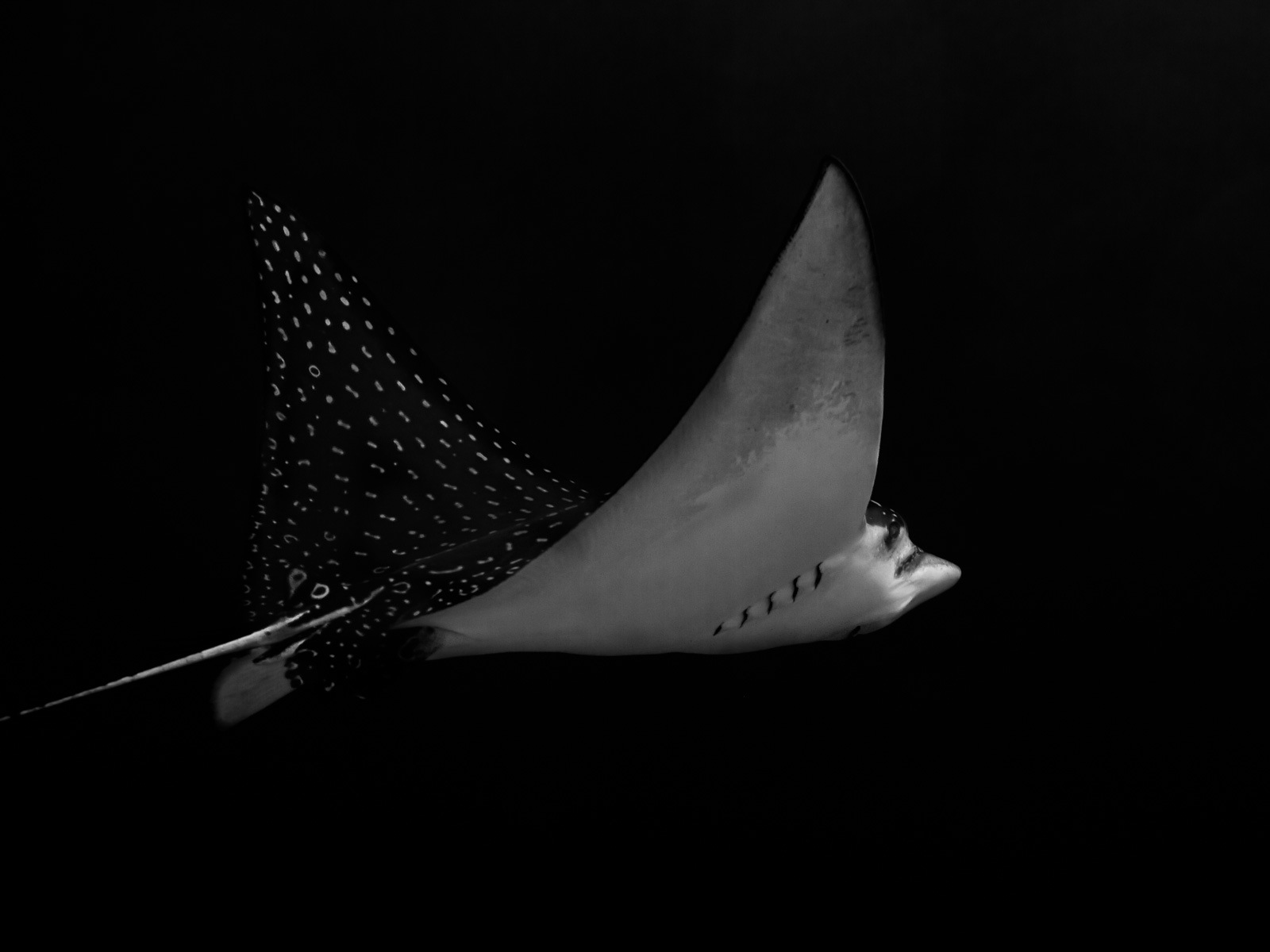
Twenty thousand hectares of atoll with walls on three sides, bonefish flats behind it, and a mooring you will usually have to yourself.
Scored below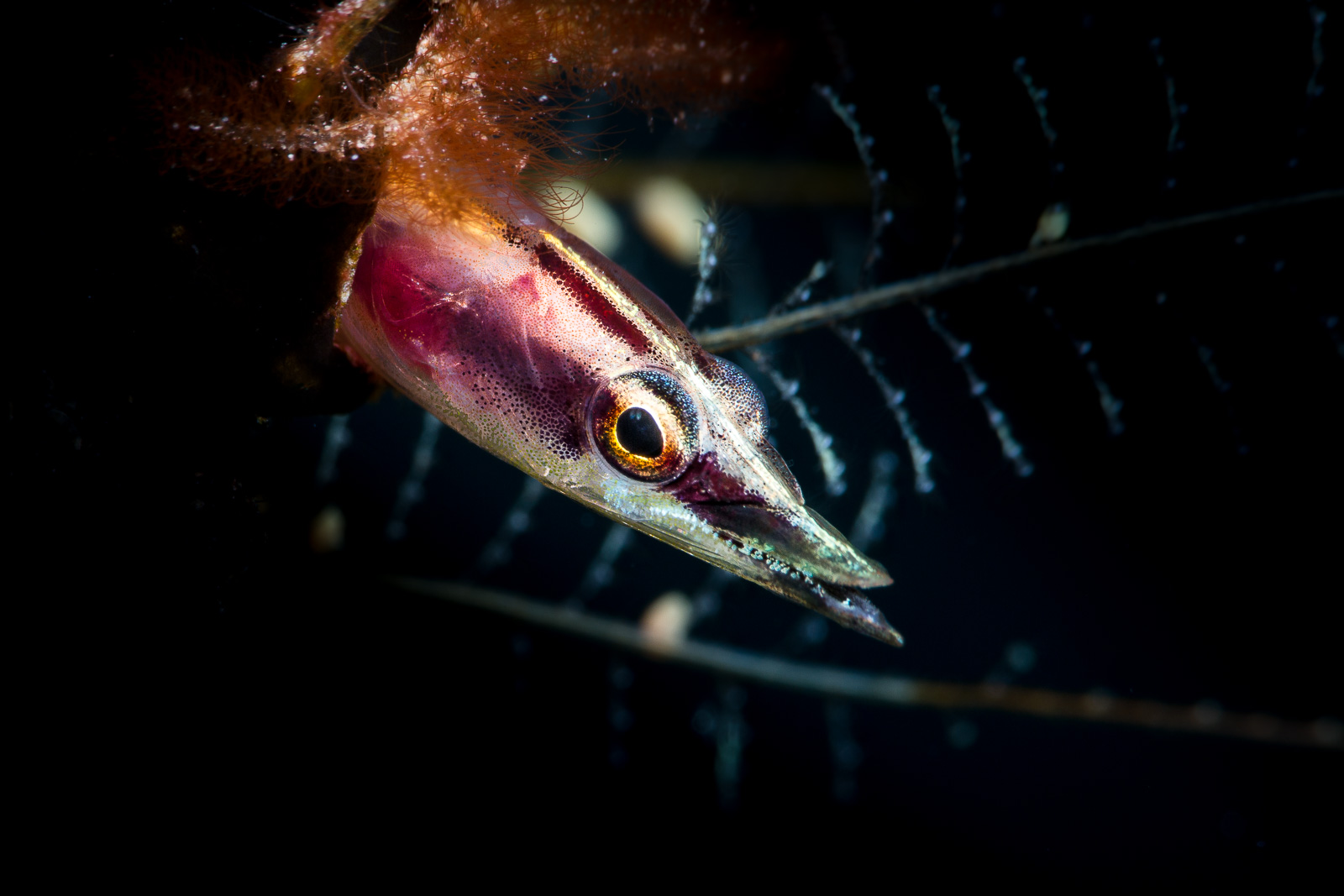
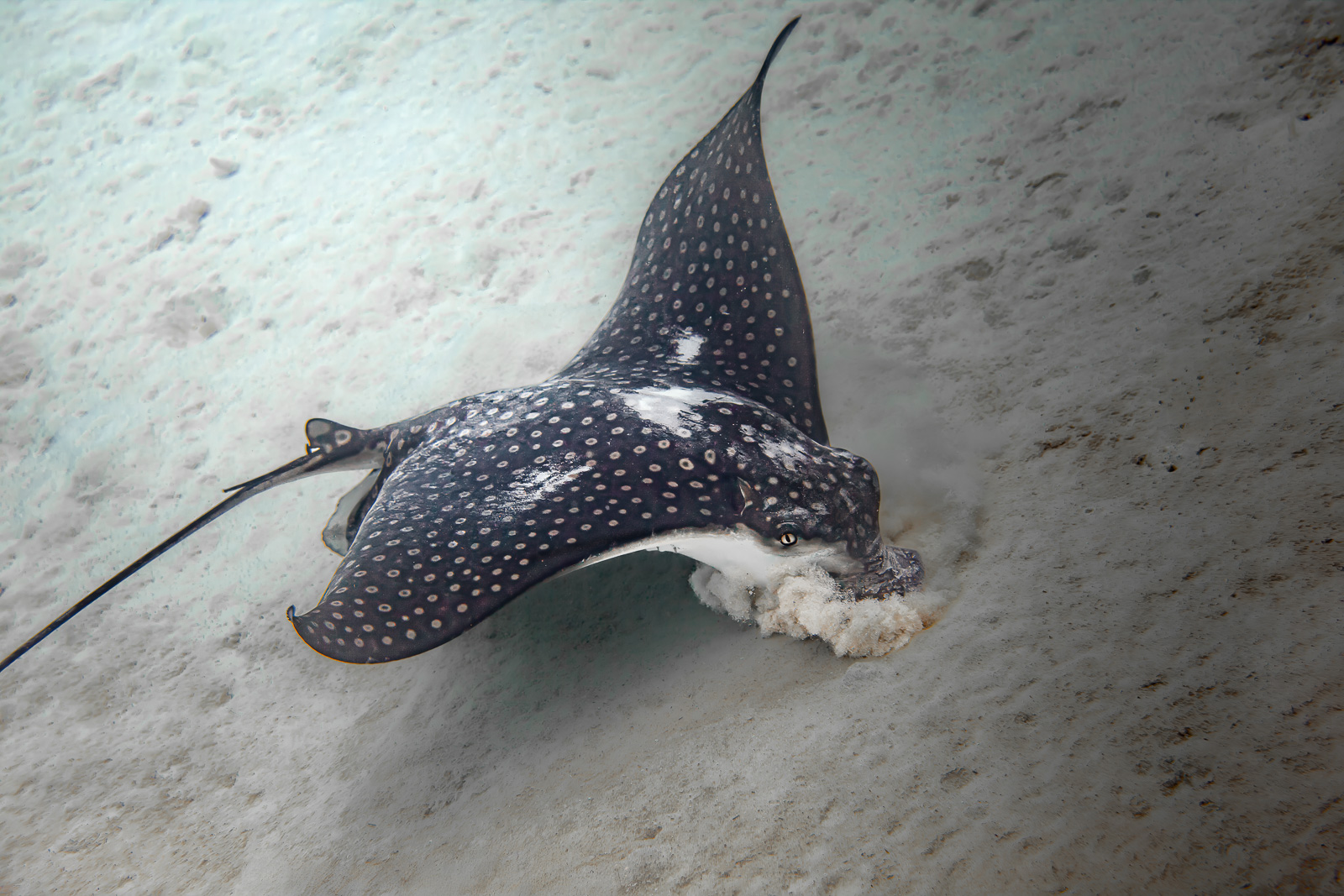
Turneffe is the largest atoll in the western hemisphere and it sits far enough offshore that the crowds never made it out. The walls on the eastern side drop into clear blue water with big sponges, groupers and eagle rays working them, and on most days the boat you came on is the only one there.
A word about the Blue Hole, since it is why most people come to Belize. It is a genuine wonder from the air and a fairly ordinary dive: a descent to around 130 feet to see limestone formations on the inside wall, very little life at that depth, and a short bottom time. Dive it once for the story. Then spend the rest of the week on the reefs, which are what actually make this trip.
The second and third dives that day, on the reefs surrounding the hole, were the best diving of the trip by a distance. Structure, fish, and coral in condition. Book those and treat the hole itself as a box ticked on the way past.
We dived the atoll itself and the outer walls beyond it, rather than the Ambergris Caye area further north, so this guide covers only what I actually saw.
Turneffe is real Caribbean atoll diving, with proper structure, decent walls and genuine marine scale, and it sits beside one of the most photographed dives in the world. The reefs are the reason to come and almost nobody books them first.
Scored on the same rubric as every other place here, and published whether or not the number flatters. Seven of the seventeen came in under seventy; the lowest is forty-five.
The dot is Turneffe Atoll; the pale band is where the other sixteen places on this site fall on that axis. How the scoring works
Comfortable Caribbean diving. Walls, moderate current, good visibility and short boat rides. Nothing here requires more than an Open Water card and decent buoyancy, though the outer walls reward divers who can hold a safety stop in a little movement.
March to June is when Turneffe Atoll is at its best. Tap any month for what the water is actually doing.
Visibility, sea state, what is in the water and how much of it you can count on. The season turns at March and again after June.
Belize City is the gateway, then a boat transfer out to the atoll.
Twelve of the twenty-nine photographs from Turneffe Atoll, the prints among them marked.
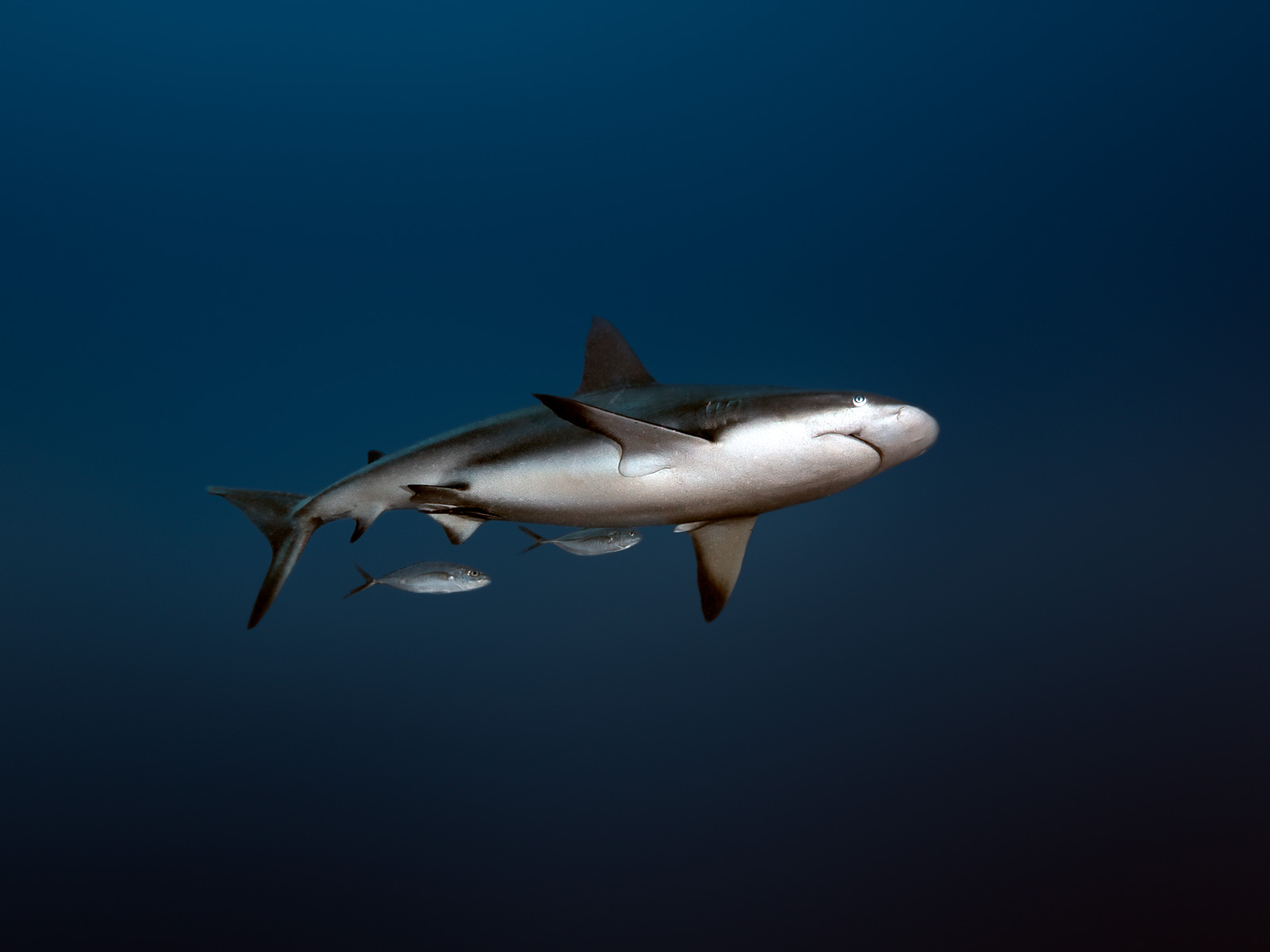
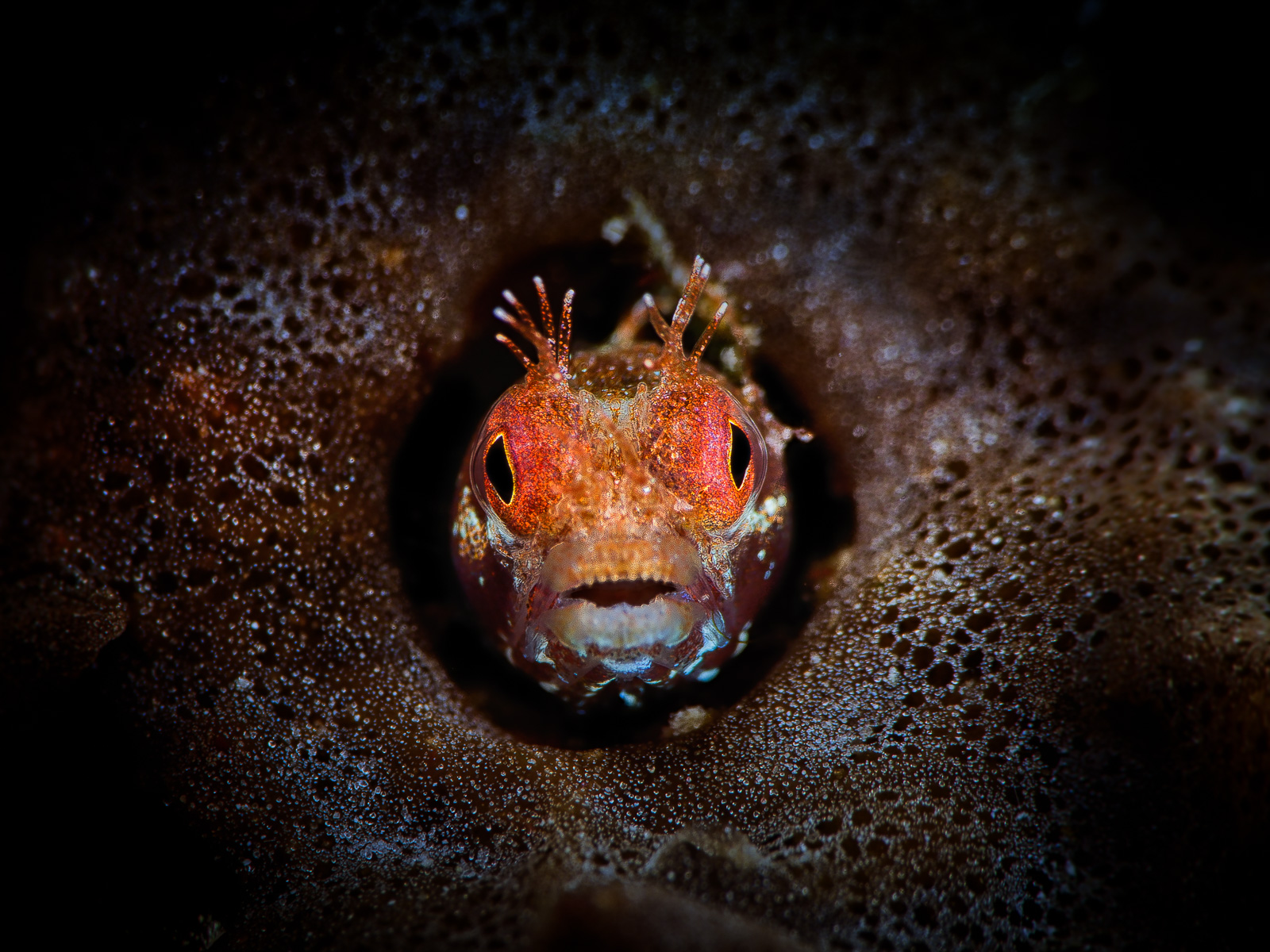
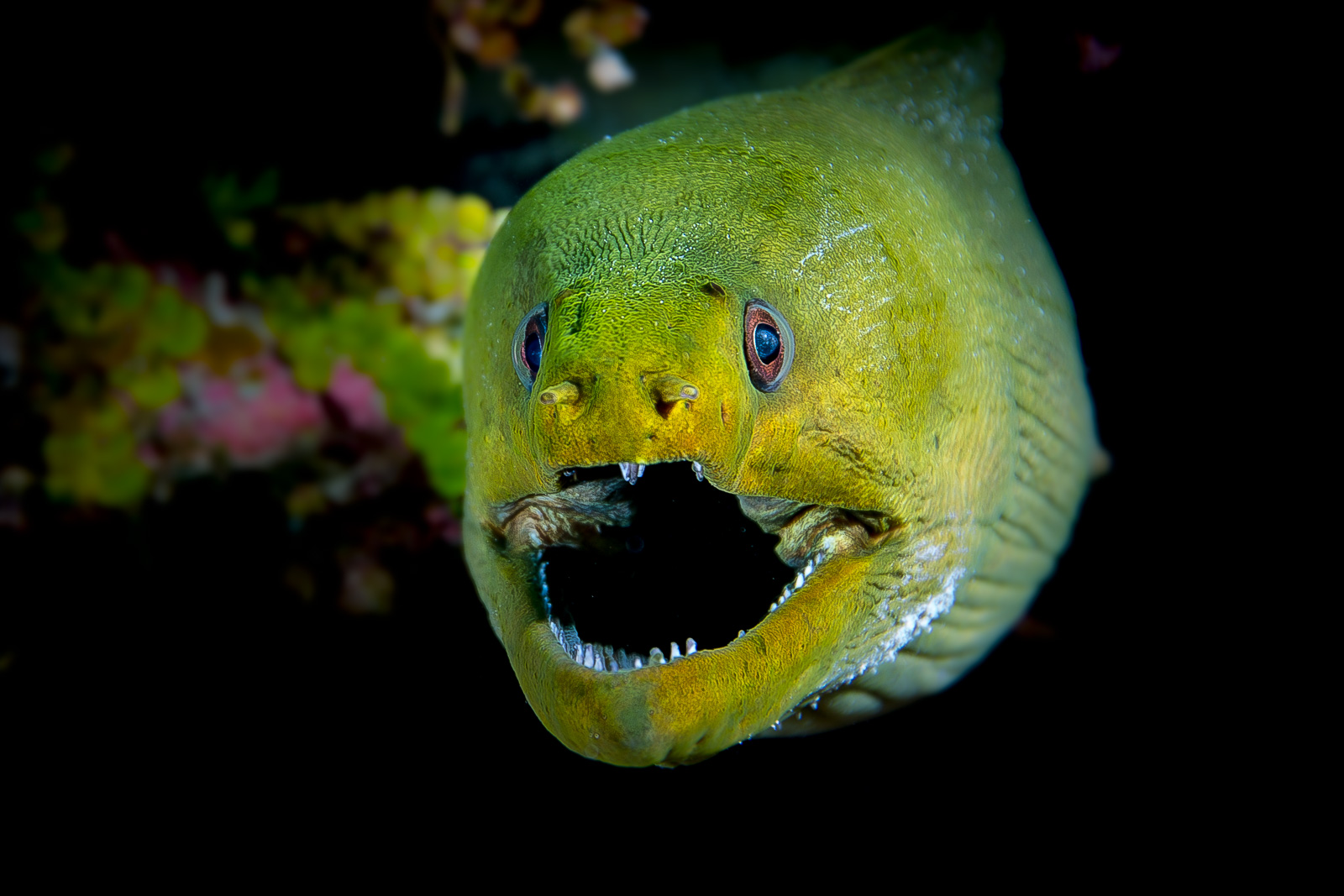
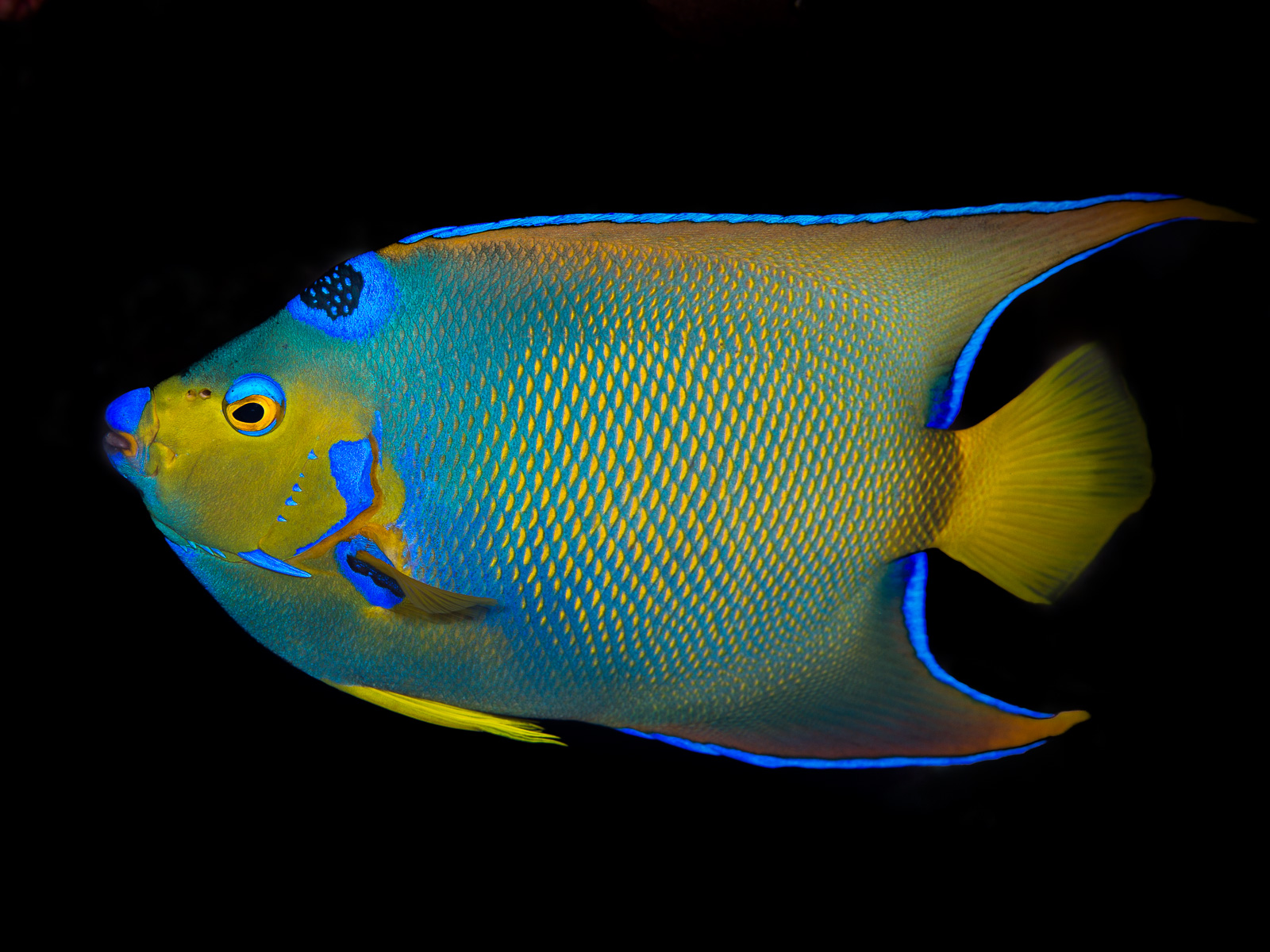
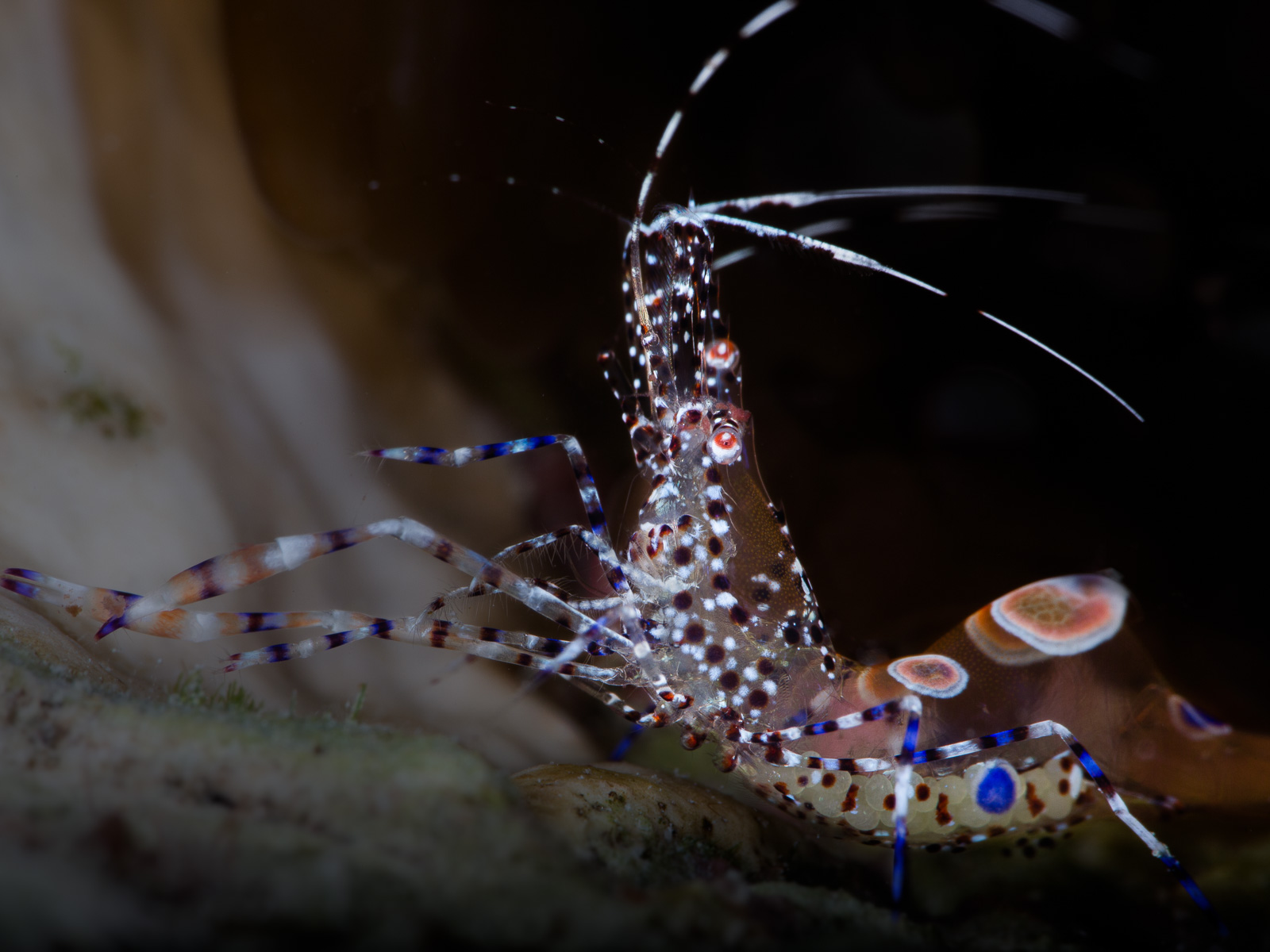
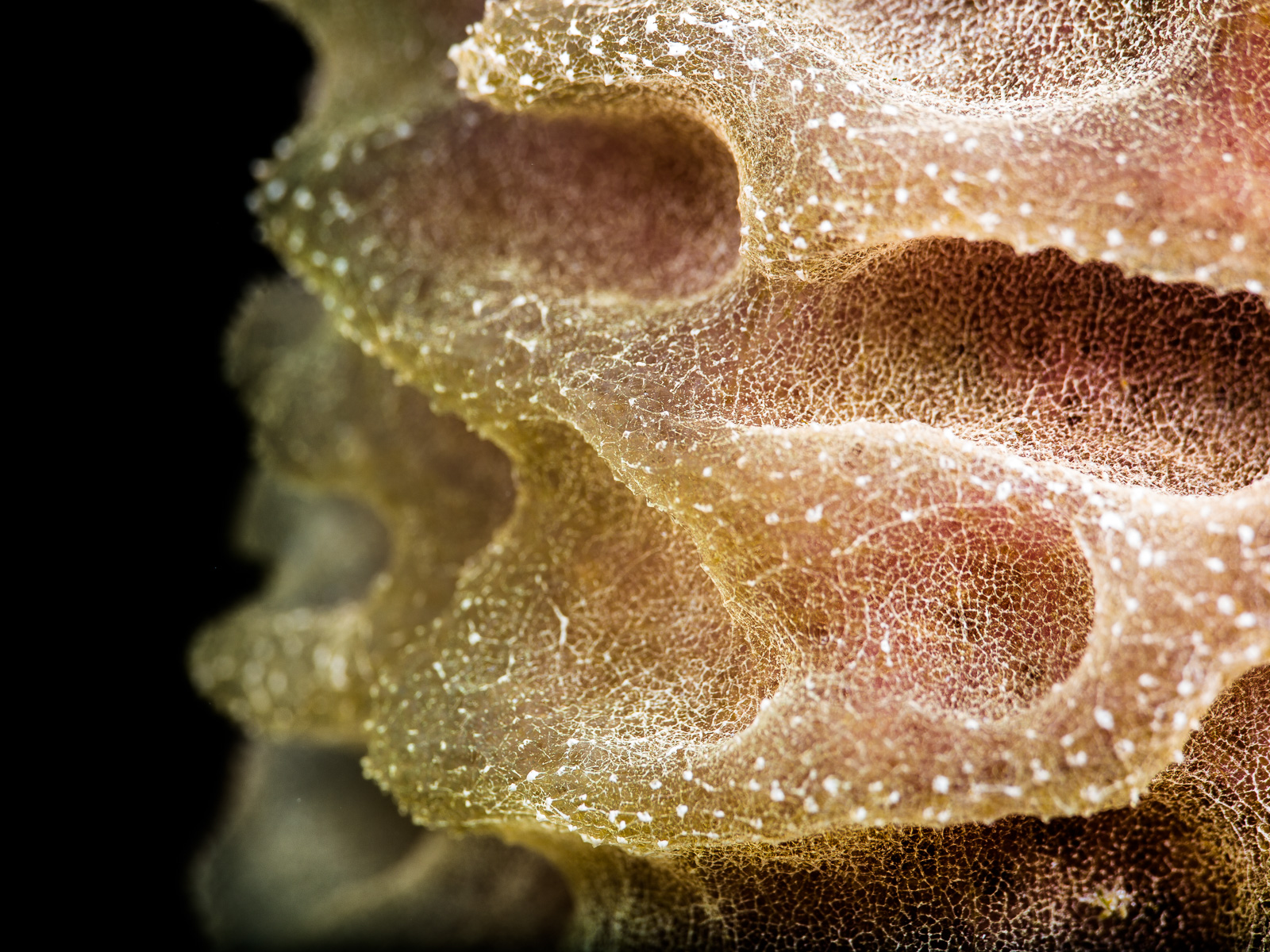
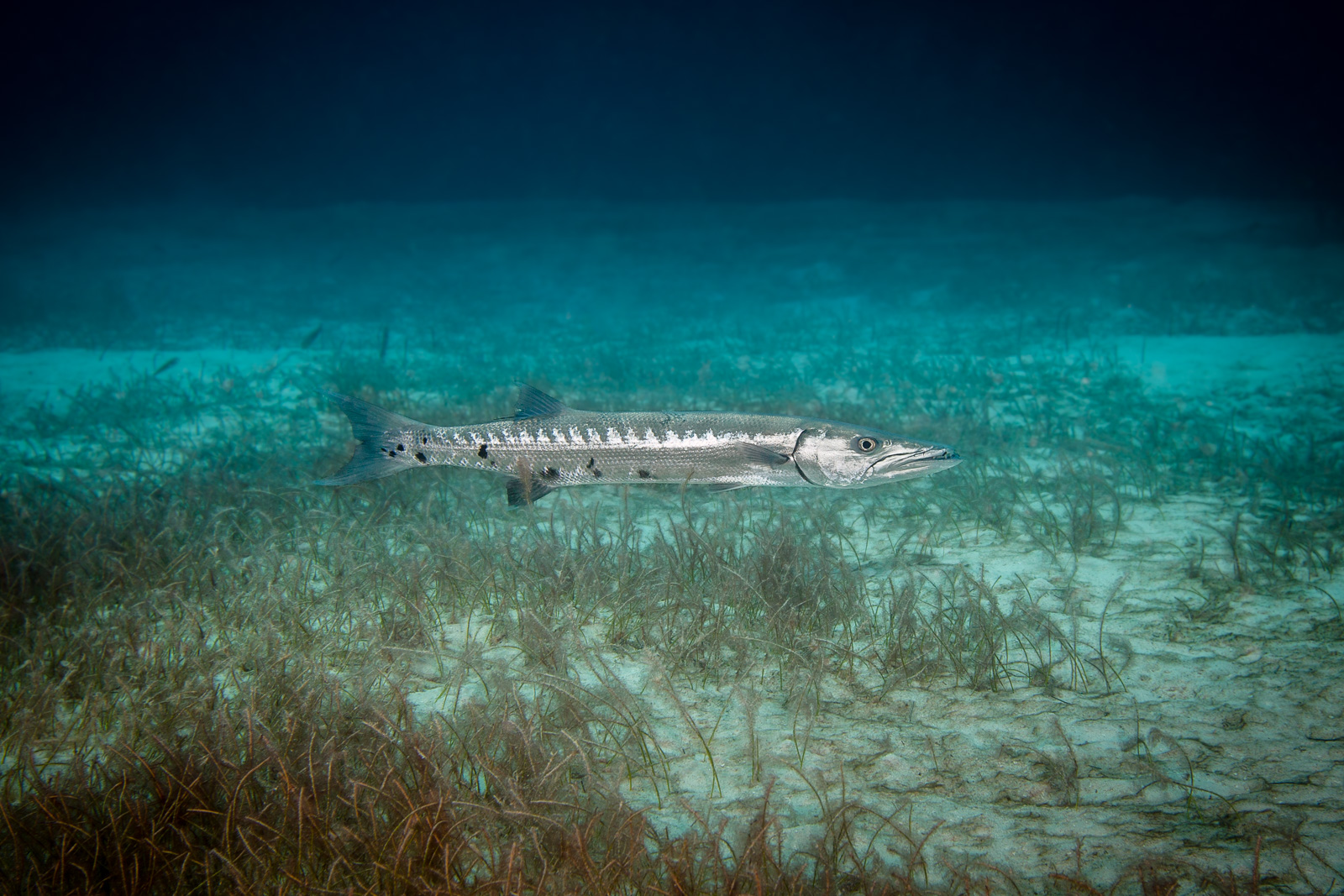
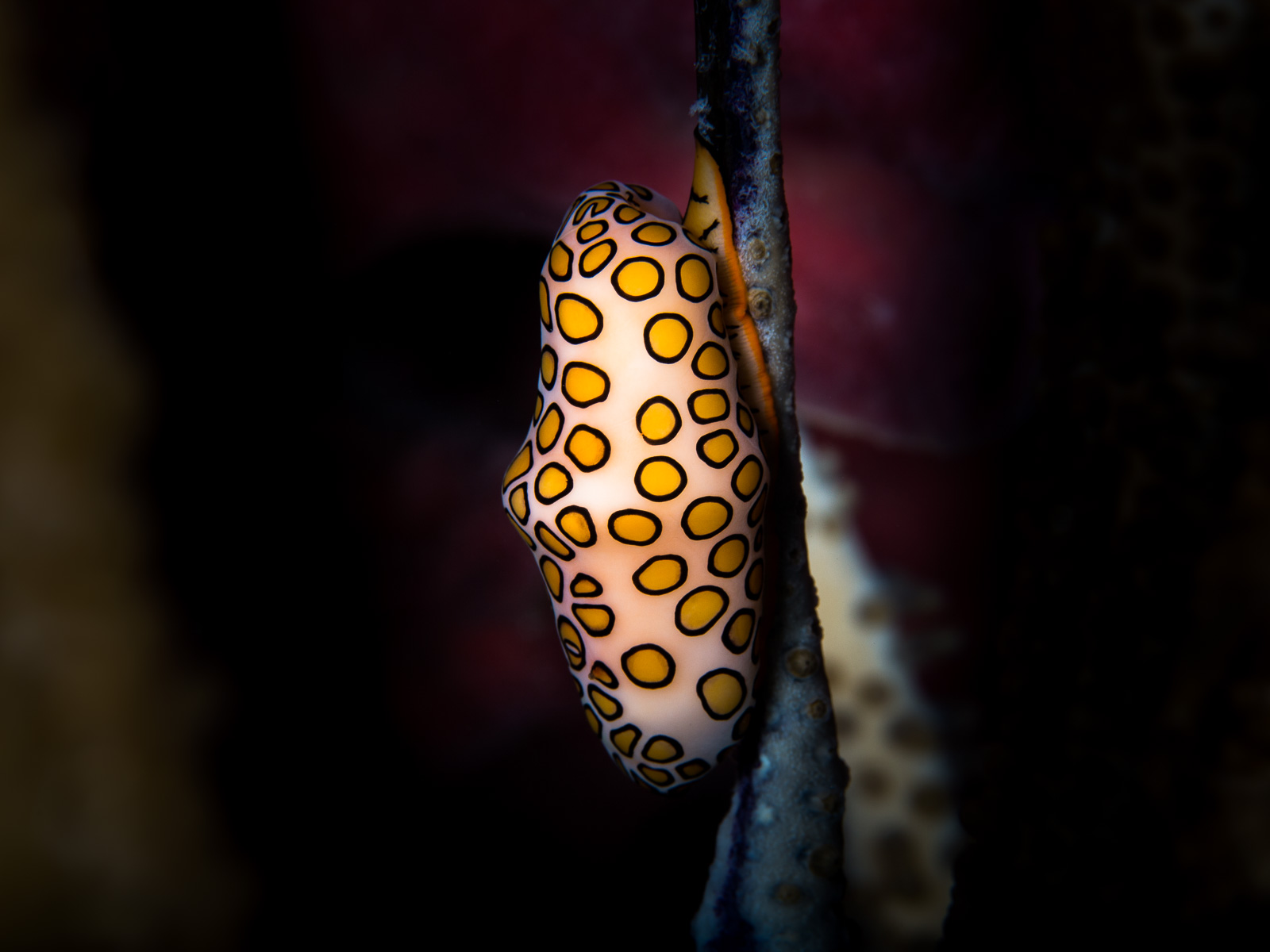
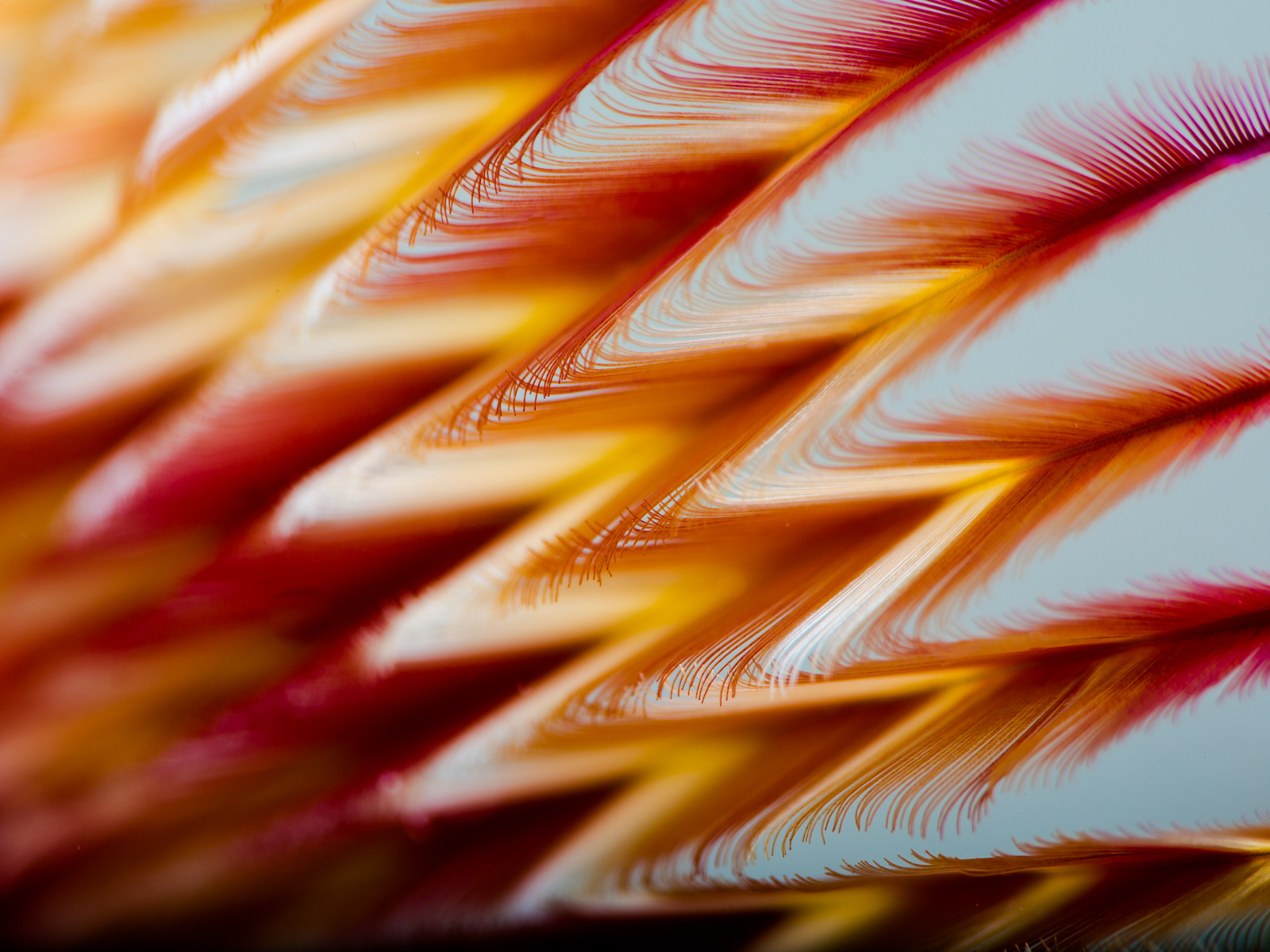
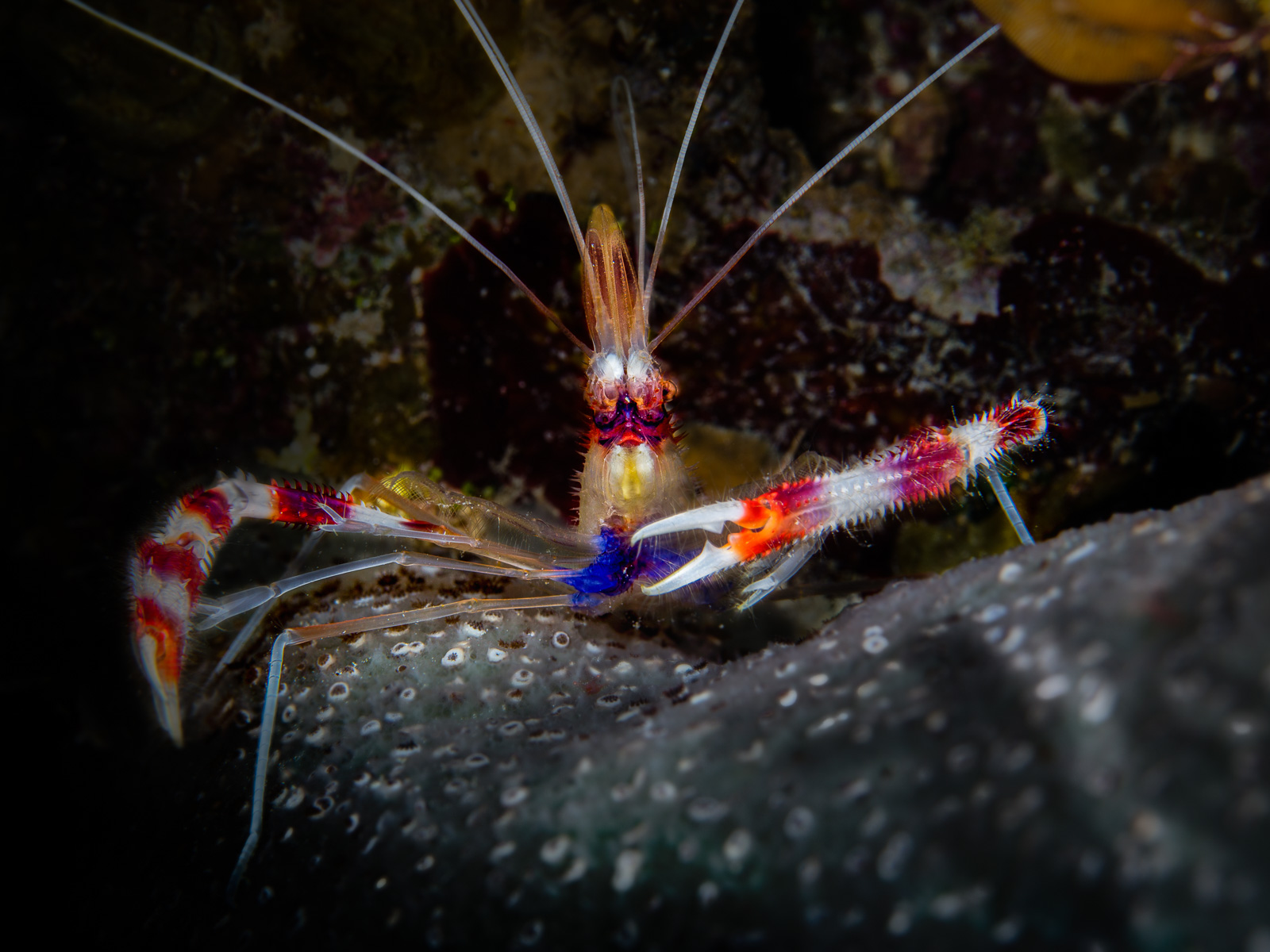
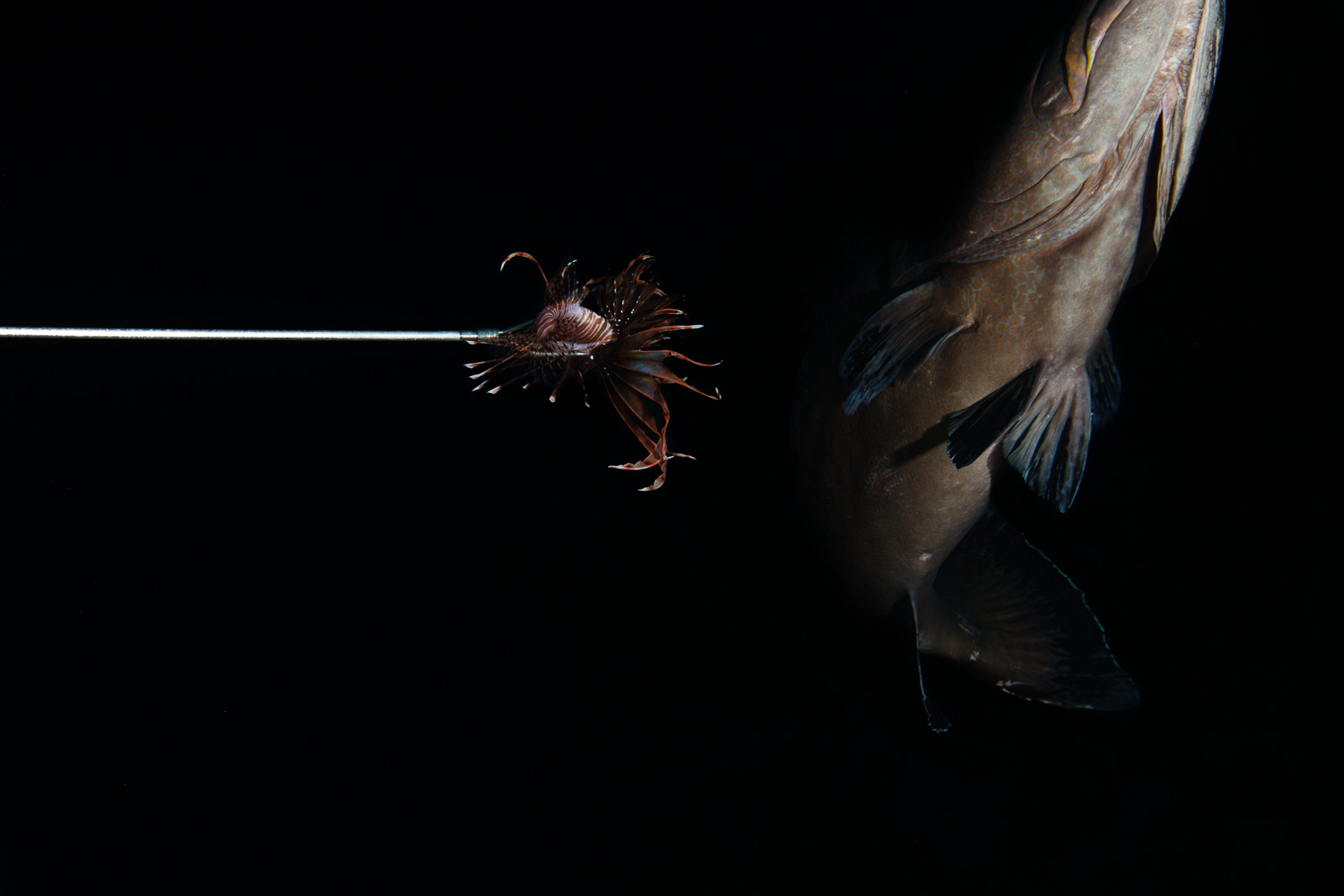
Any frame on this page can be licensed for editorial use. Licensing terms.
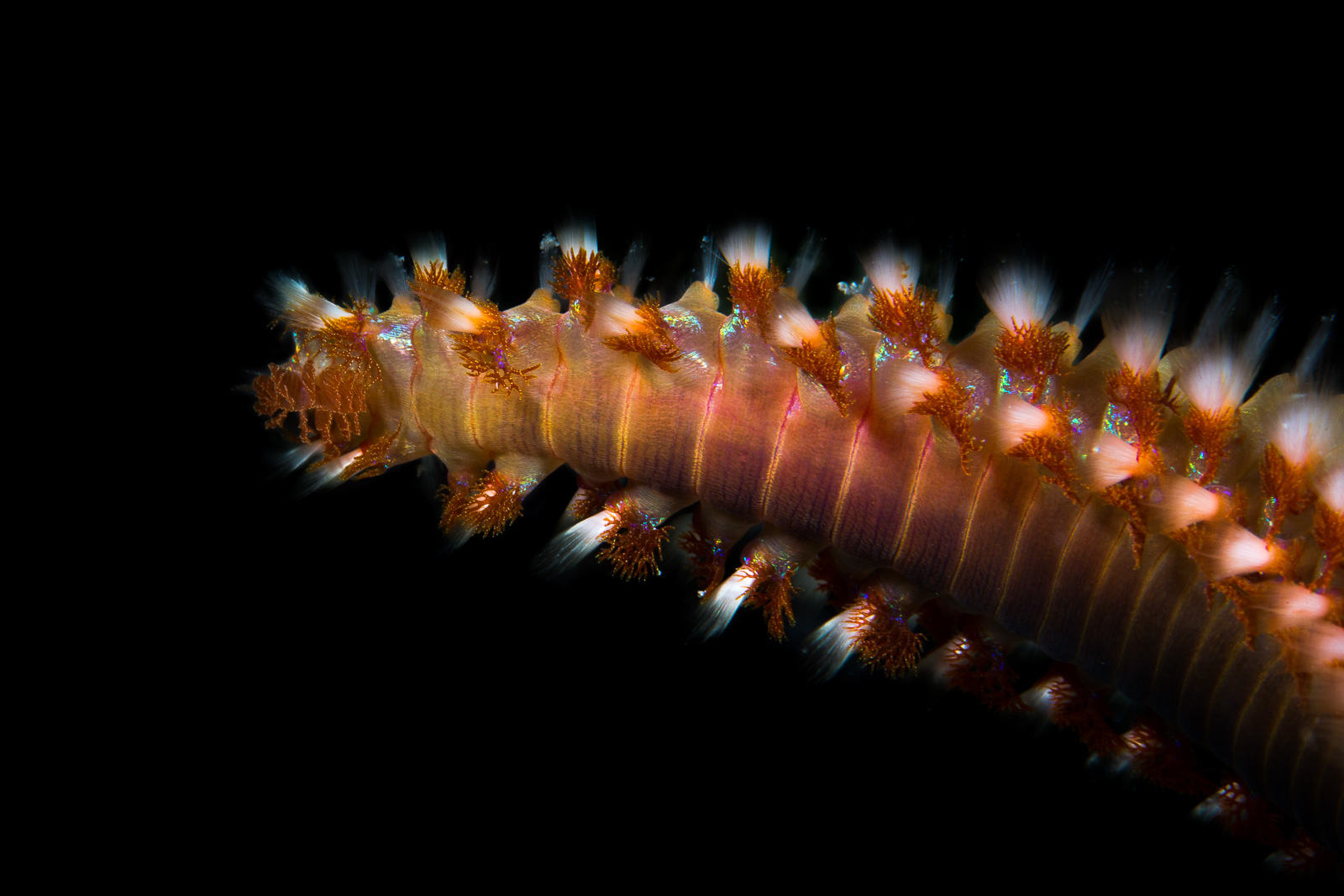
From the lens recorded in each frame. The settings are what was used here, not a recommendation.
Wide-angle along the wall is the strongest option, particularly the eastern side.
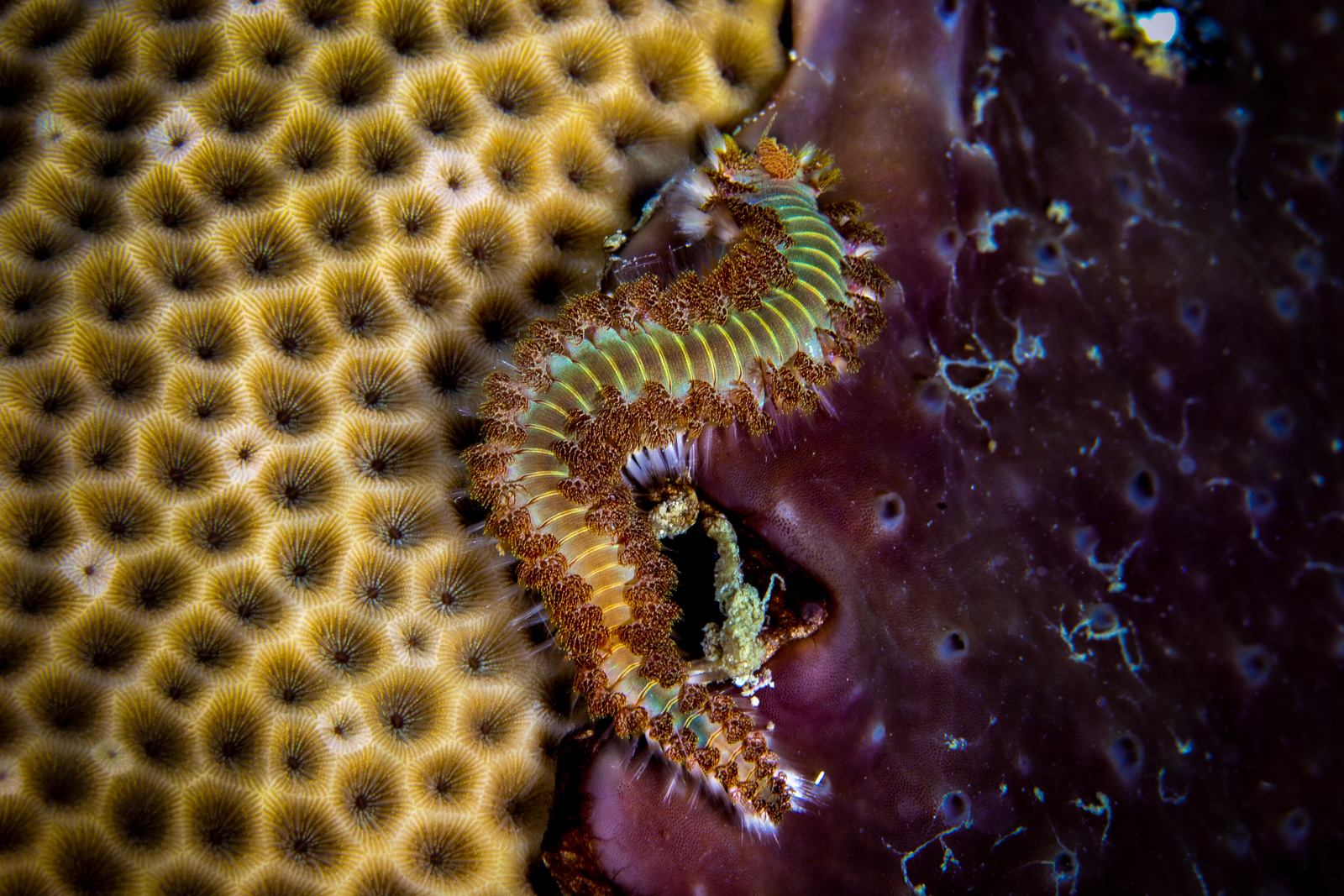
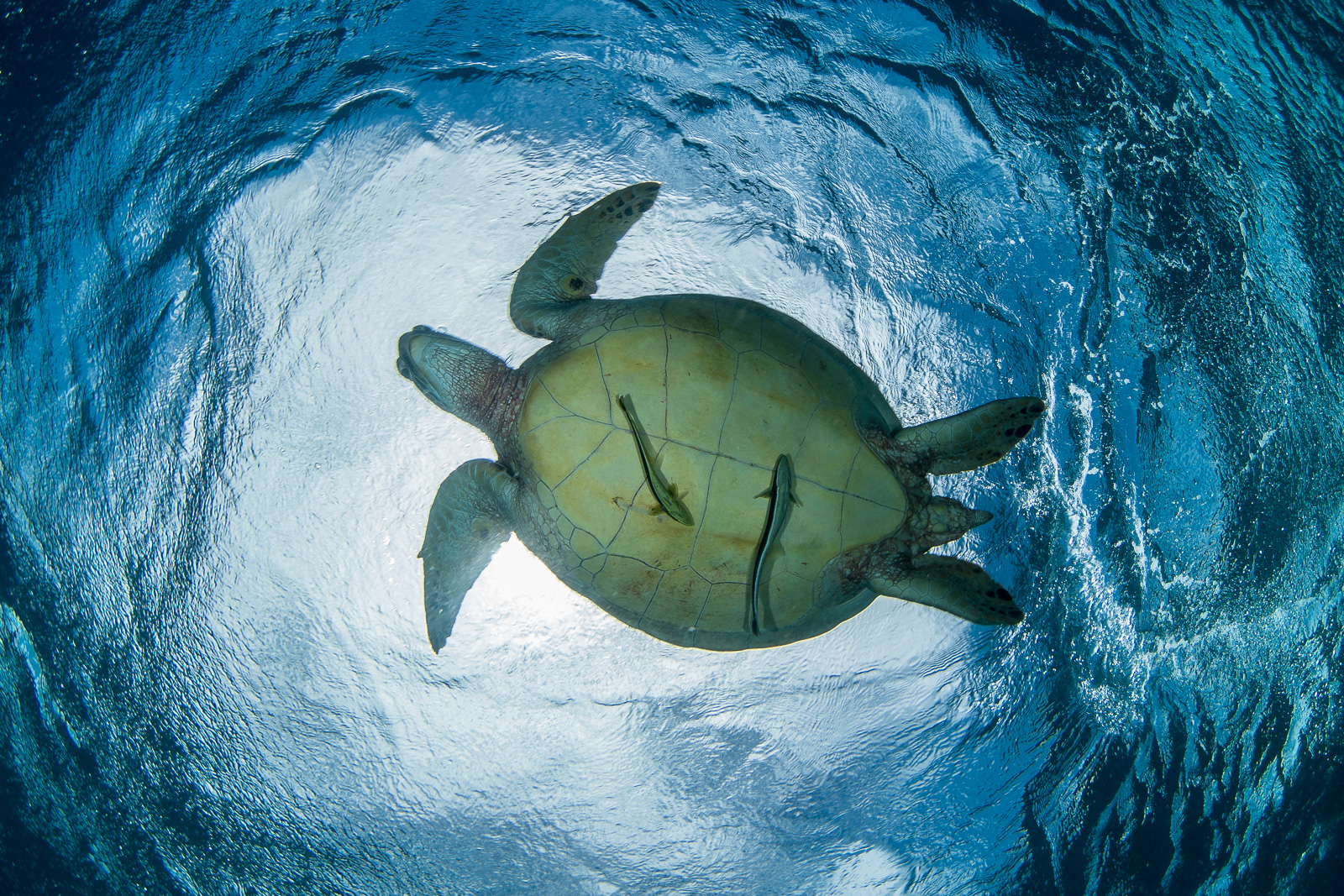
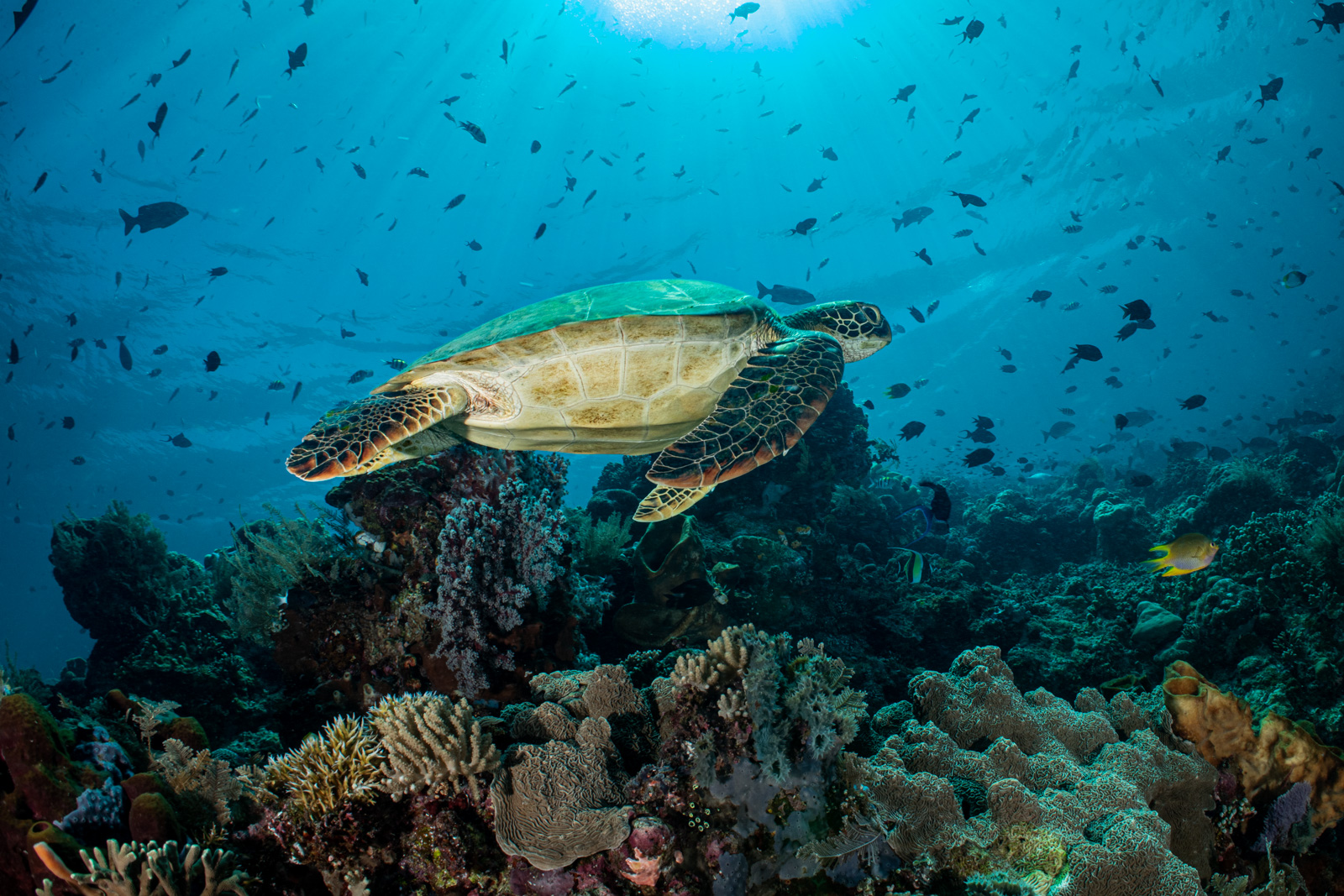
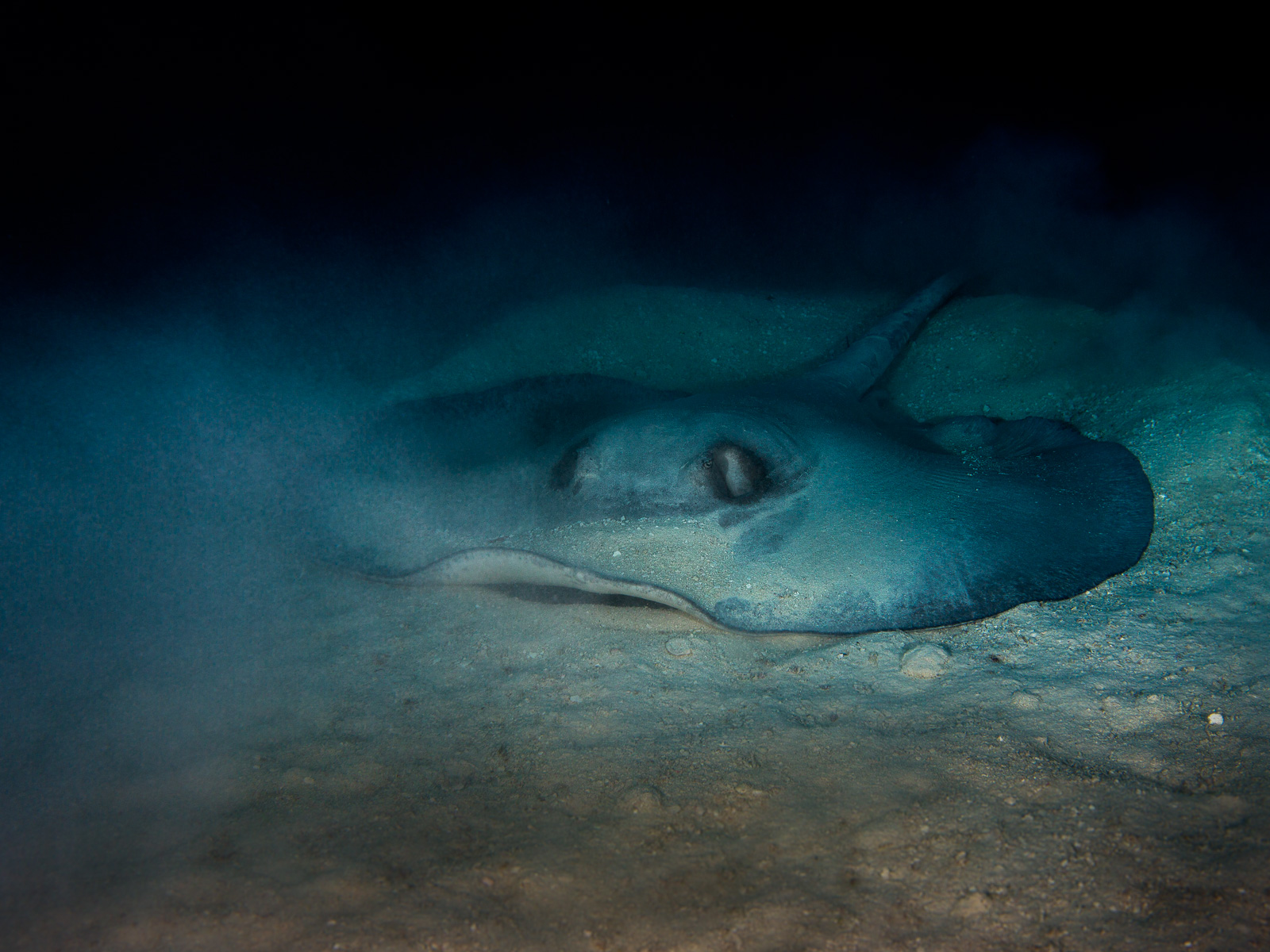
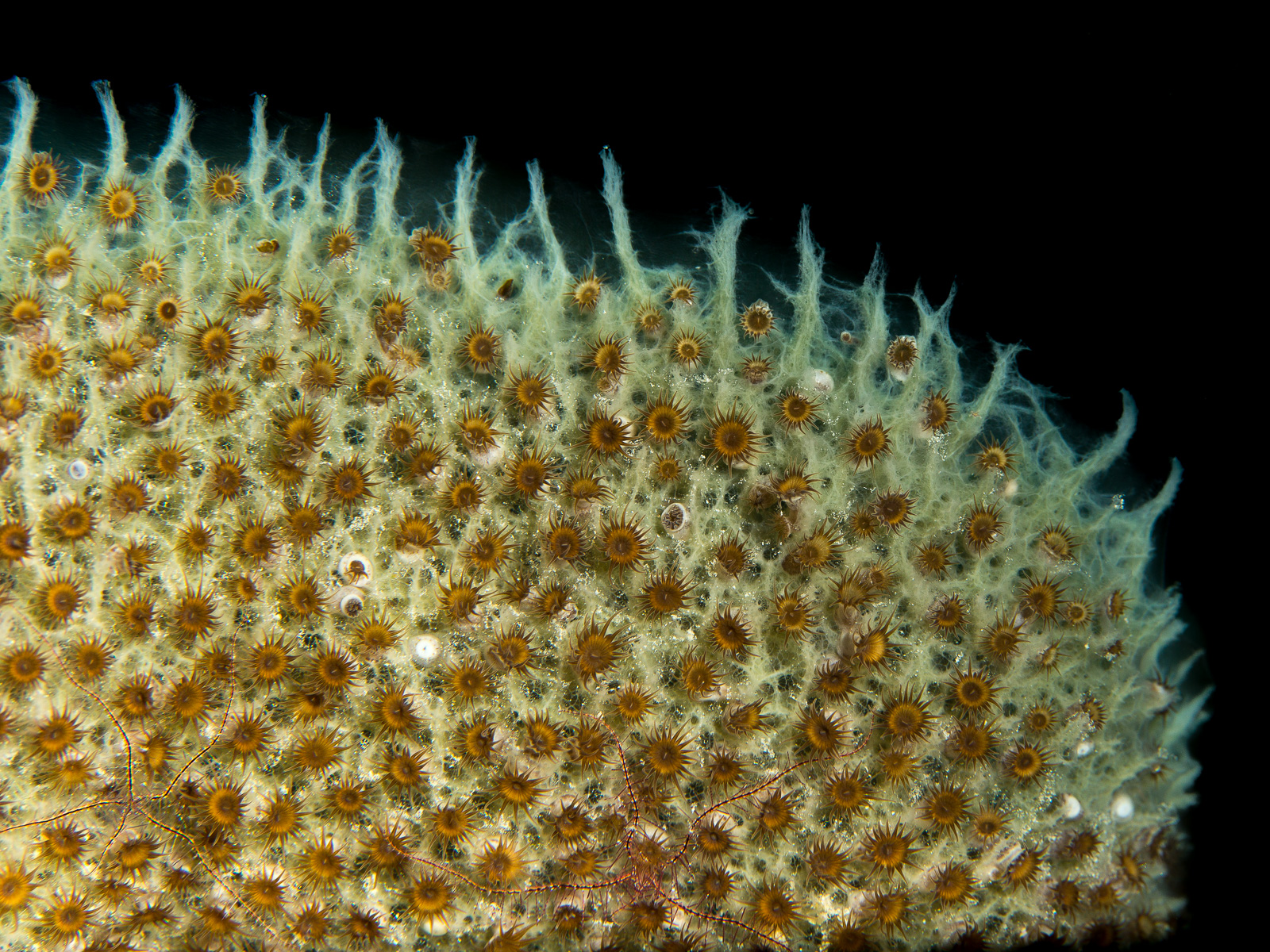
The macro is limited compared to the Pacific, though eagle rays and turtles are reliable.
This is a place where the diving is pleasant and the photographs are hard to distinguish from a hundred other Caribbean weeks.
Every frame here was made in Turneffe Atoll. Prices in US dollars. Printed on Canson Platine and shipped from British Columbia.
Six I dived more than once and would plan a week around, named as the resort names them.
The signature dive of the atoll
The extreme southern tip, where the current wraps the point. Schooling permit and jacks, and the most pelagic movement anywhere on the map. Everything else here is calmer than this.
Easy, close, repeatable
Short run from the lodge and forgiving water. The dive you do twice because it is there, and it rewards it.
Wall diving proper
A steep vertical drop-off with exceptional hard coral cover and deep undercuts. The clearest argument that this atoll is in better condition than the mainland reef.
Overhangs and relief
Massive coral overhangs and rolling structure holding reliable fish life. Good for composition because there is something to frame against.
Consistent, shallow, generous
Straightforward reef at a depth that maximises bottom time. The site for the last dive of the day when you want an hour rather than forty minutes.
The celebrity, told honestly
A wonder from the air and a fairly ordinary dive underneath. A descent to around 130 feet to see limestone formations on the inside wall, very little life at that depth, and a short bottom time. Do it once for the story. The reefs on the same day trip were the best diving of my week.
There is one place to stay here, so the reef score and the operator score arrive together. It is still worth separating them. The five trip axes below belong to the operation alone, and the final rating is the baseline score of the reef plus that operator's score.
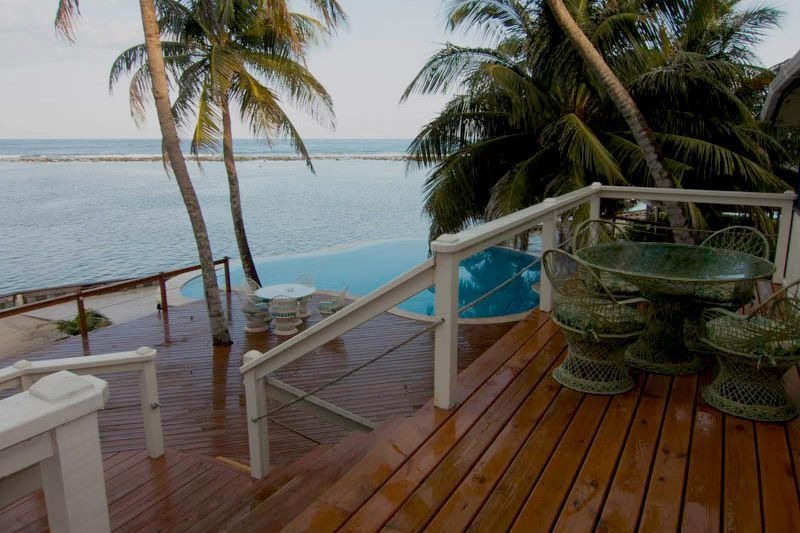
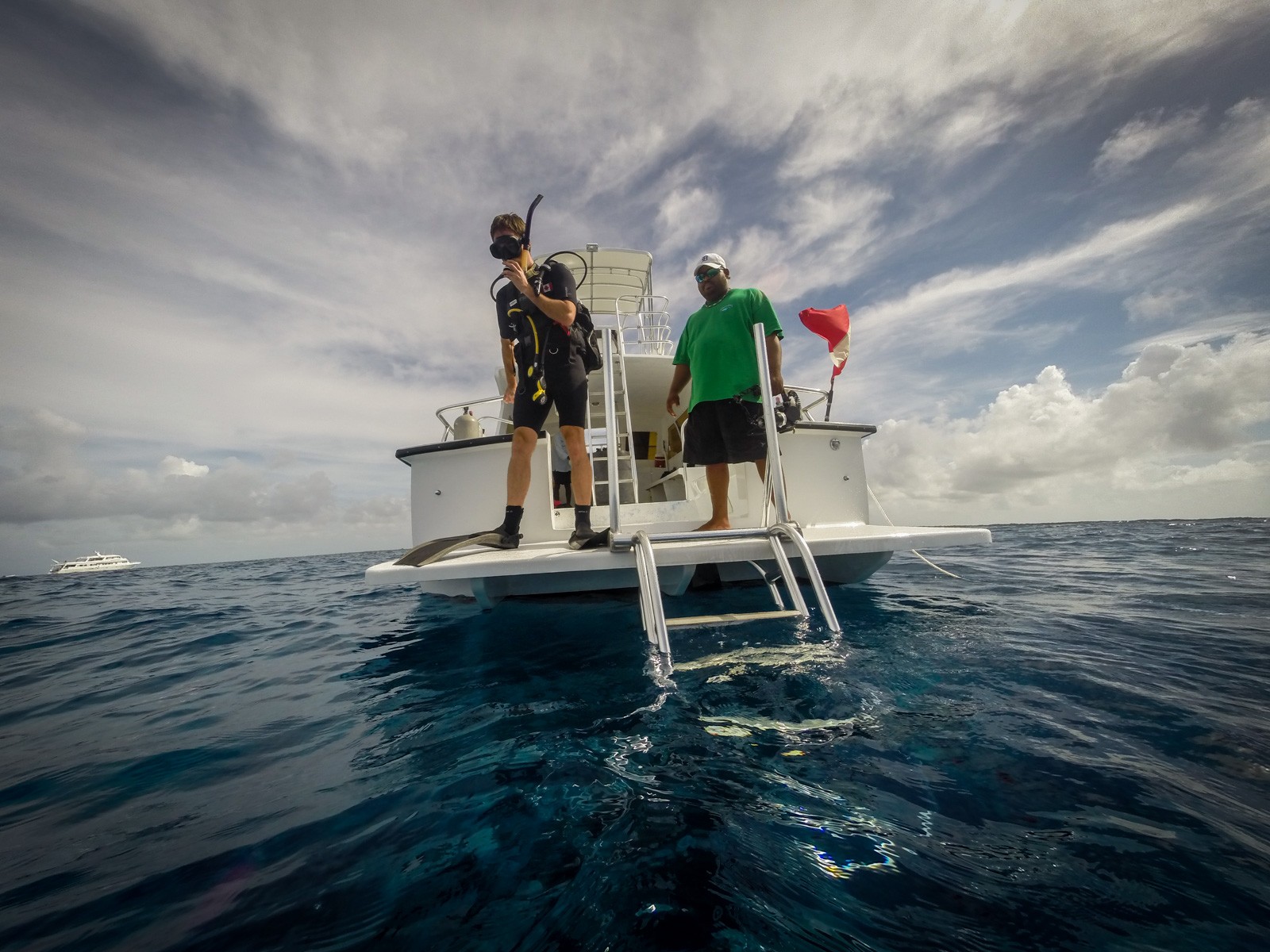
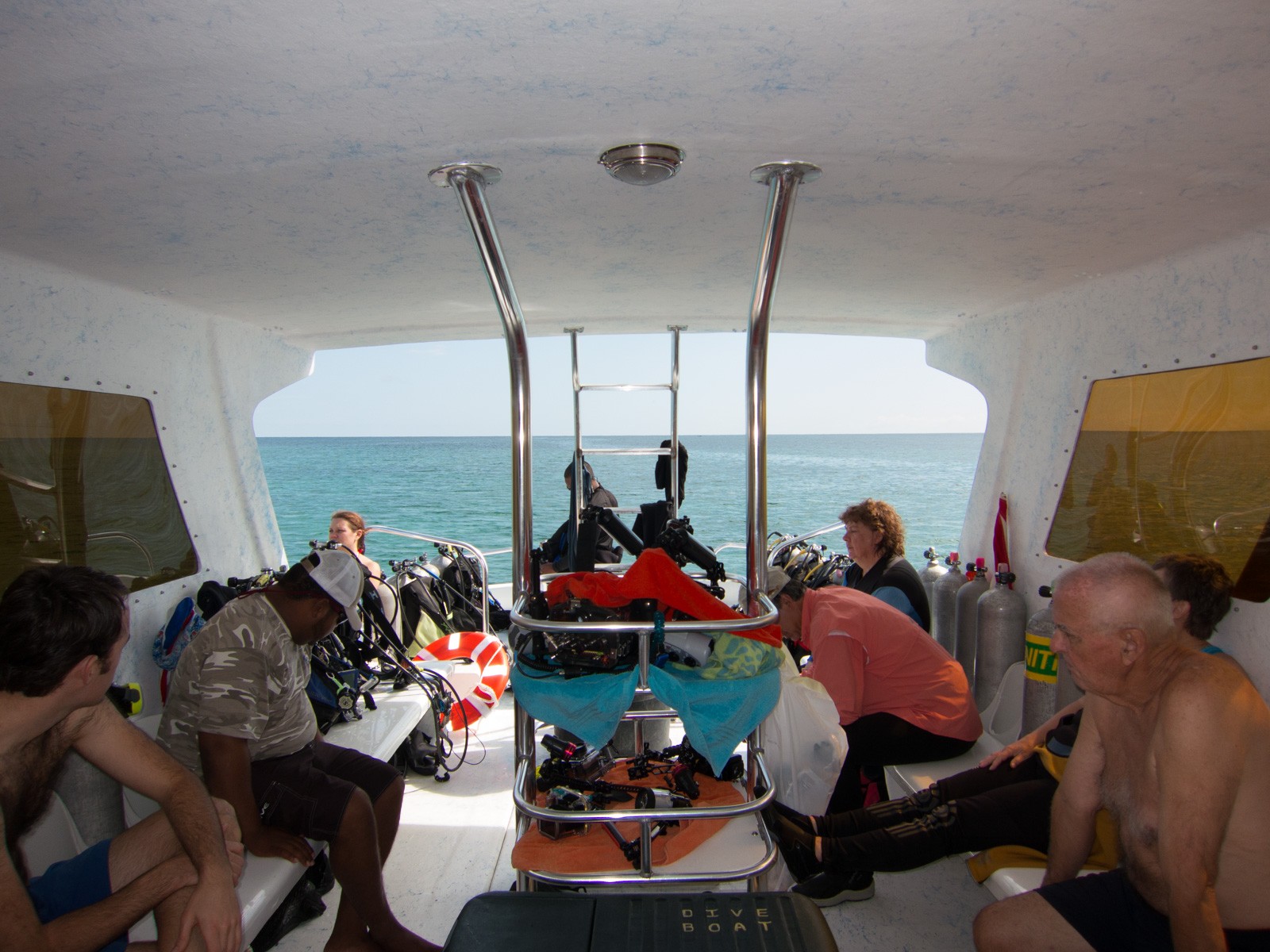
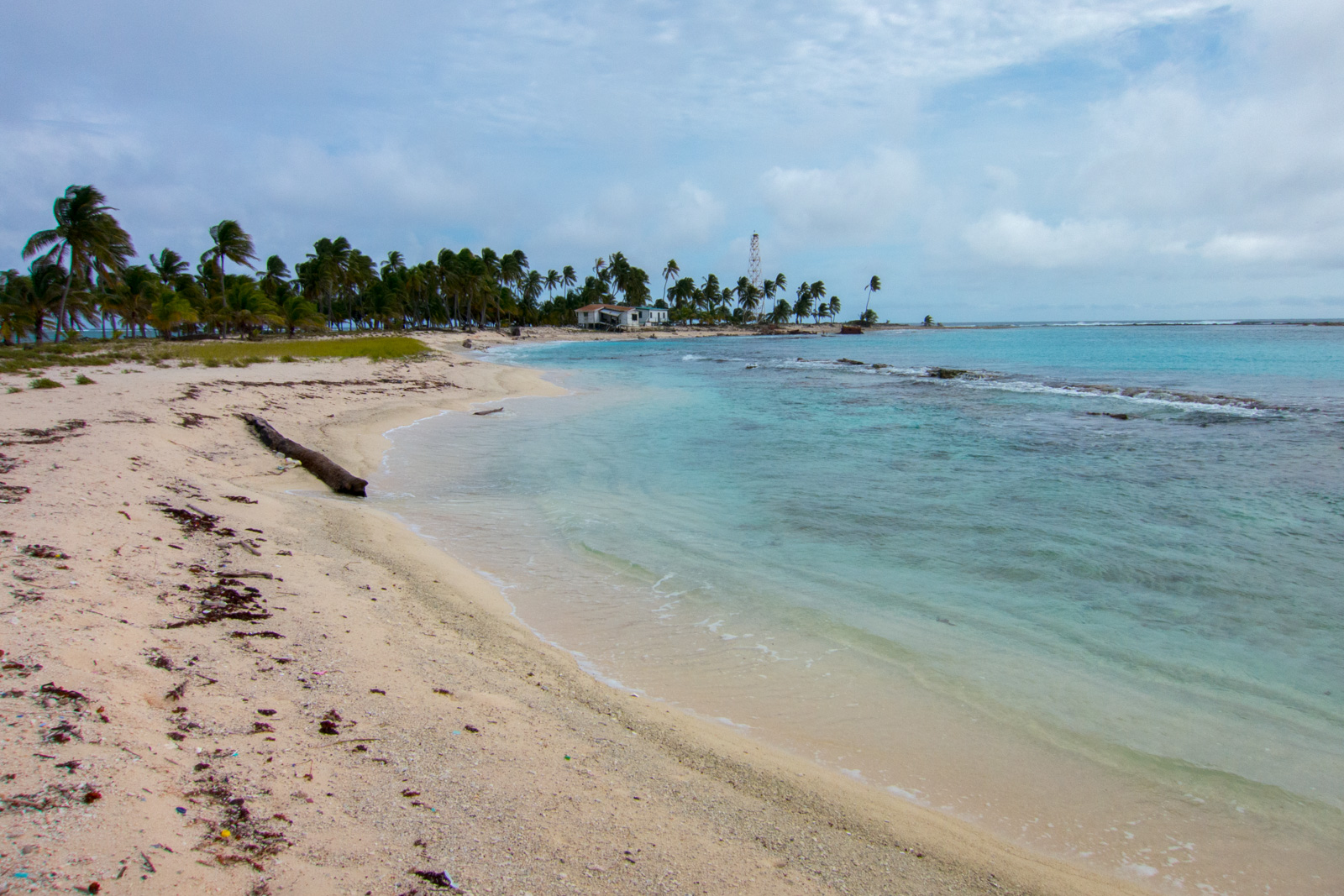
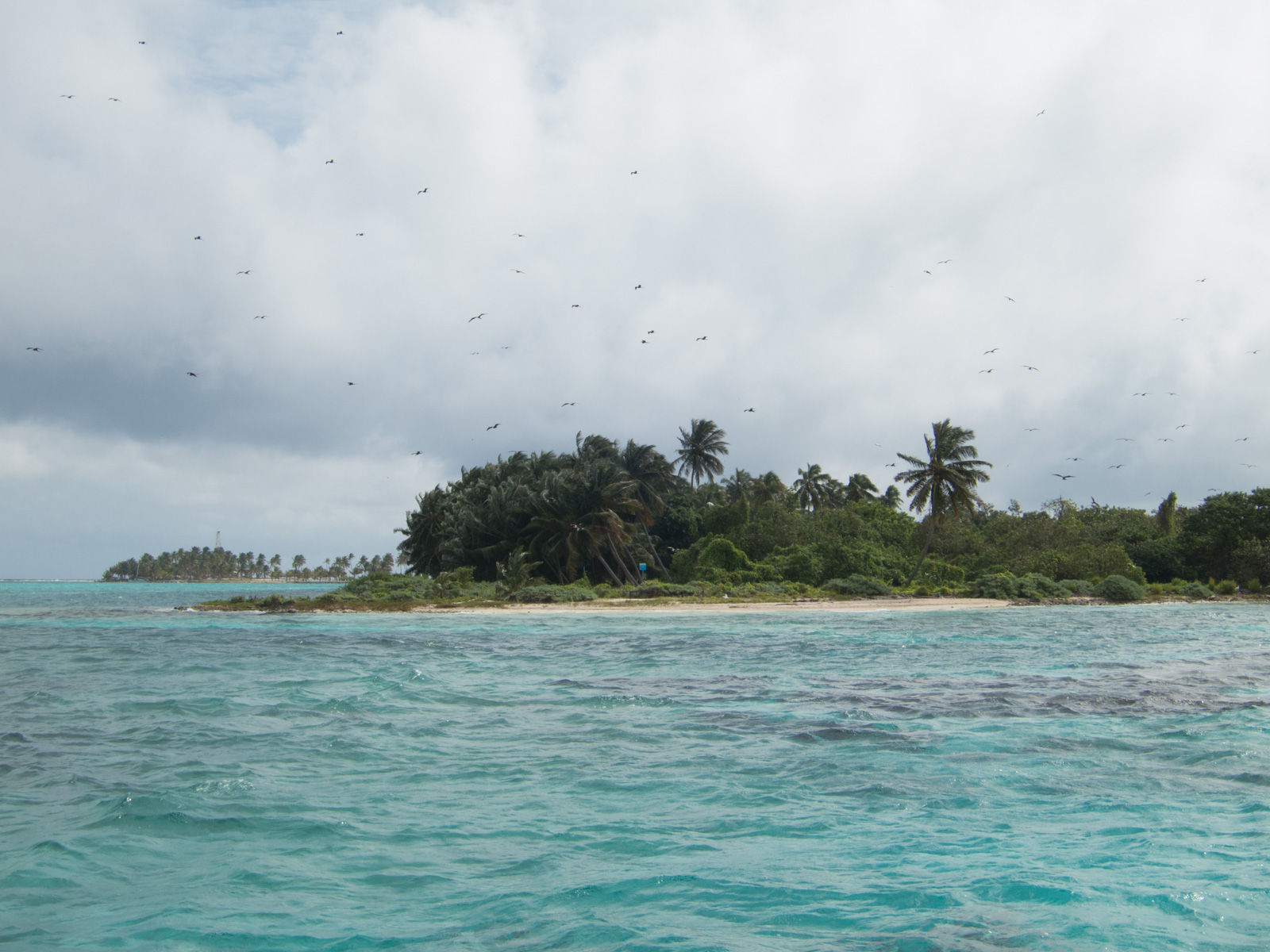
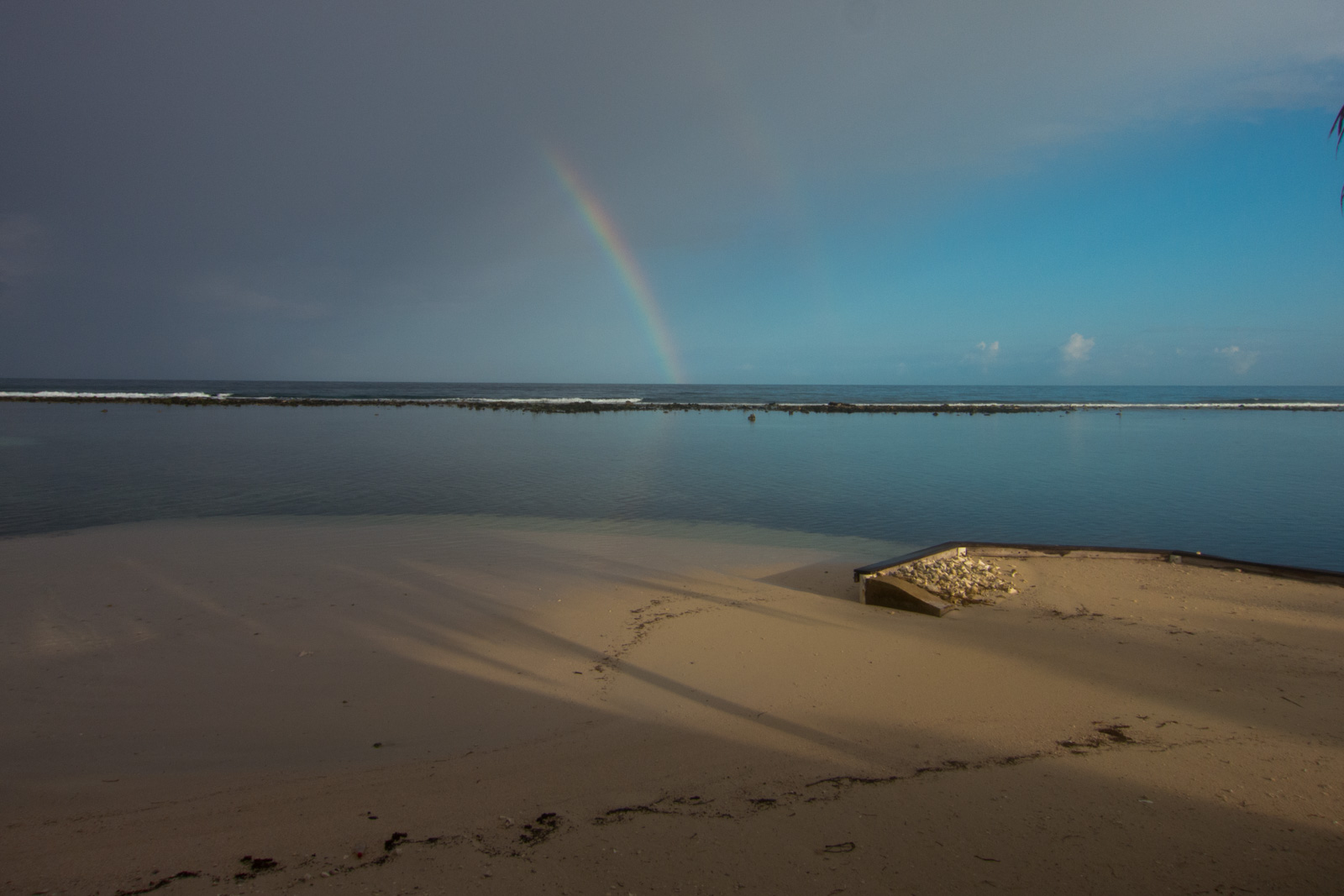
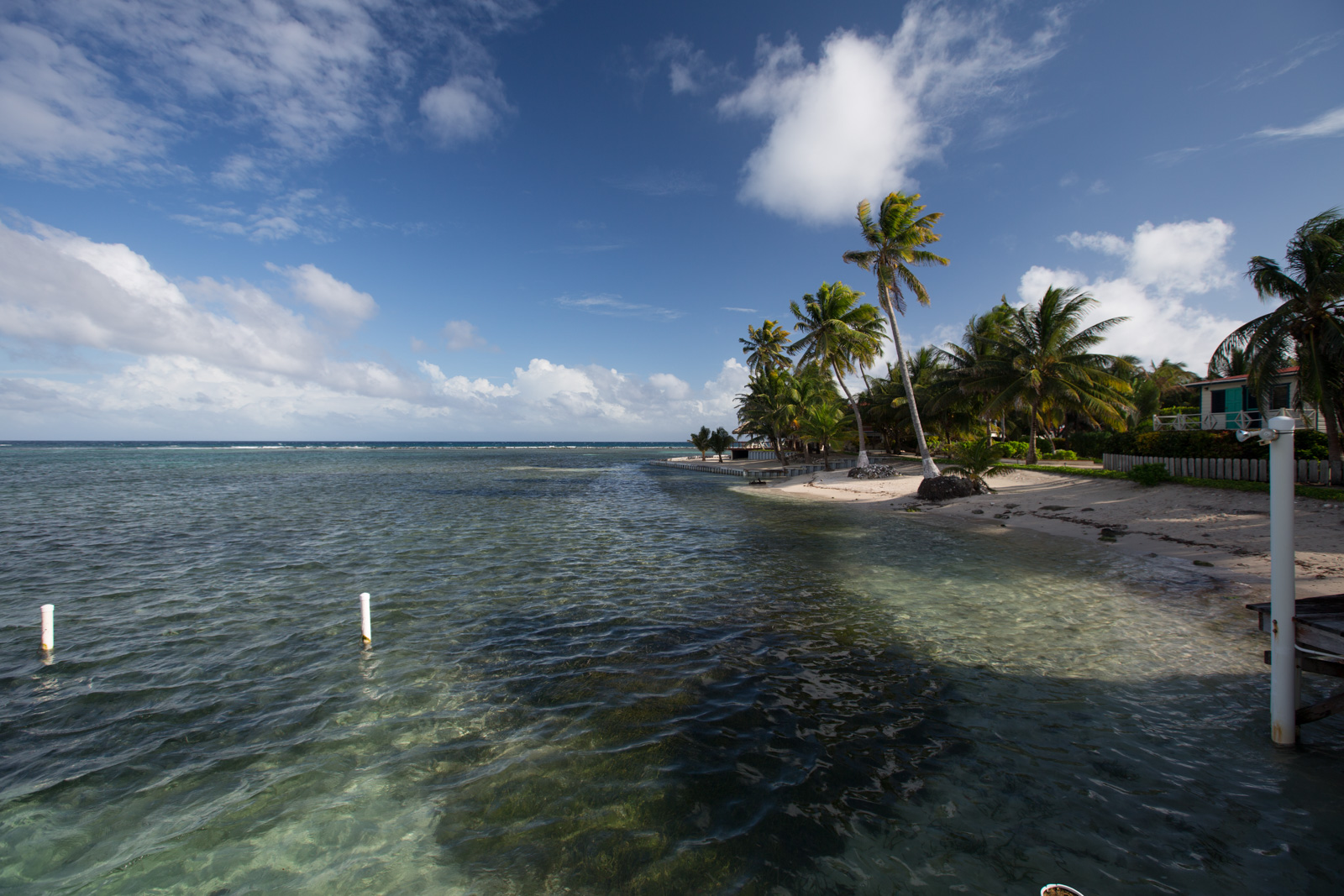
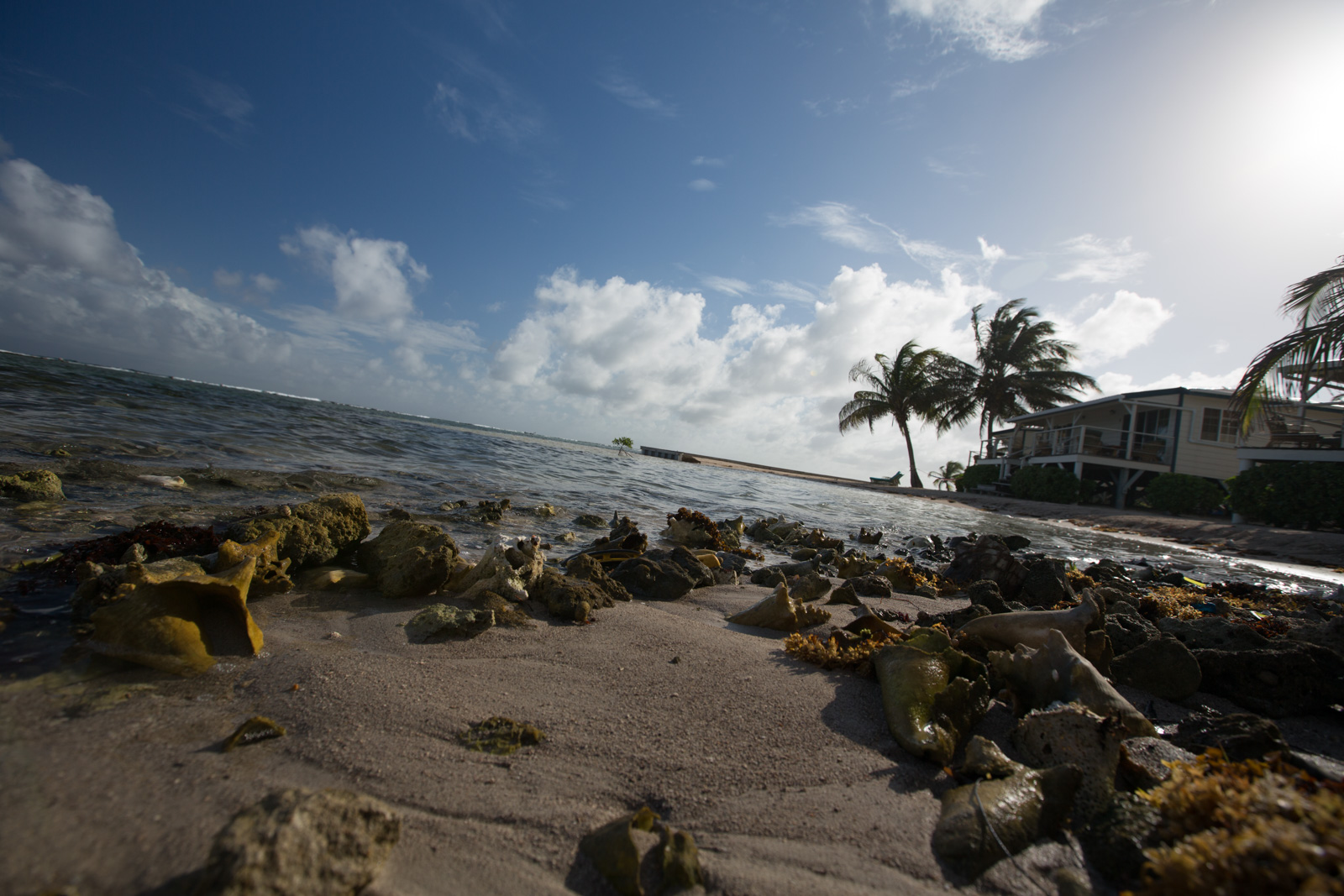
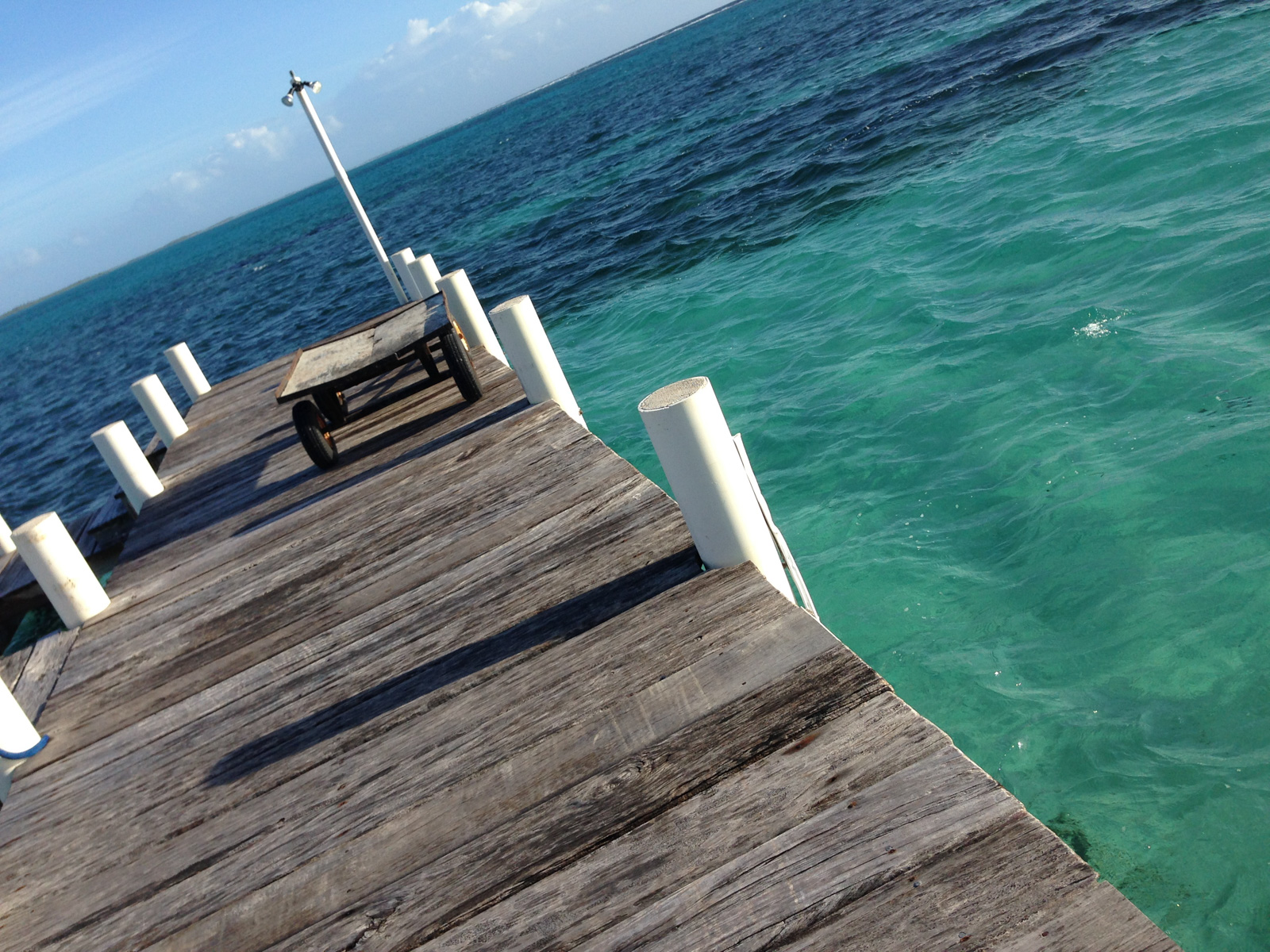
Budget-friendly, genuinely friendly people, and a lodge that serves fly fishermen and divers in roughly equal measure. That mix is the single most useful thing to know before booking: the rhythm of the place is shaped as much by the flats as by the reef, and a photographer wanting three dives a day and a camera table will find it a looser operation than an Indonesian resort. What it does give you is an atoll almost to yourself, a fair price, and easy access to the walls out toward Lighthouse Reef, which are the best diving in the area.
Three things nobody tells you. This is a fishing resort first and a dive resort second — most of the infrastructure (boats, schedule, staff attention) is built around fishing access, with diving fit in around it. Worth knowing going in if fishing alongside your trip isn't for you: some divers would treat any resort that runs a fishing operation as a hard no, and Turneffe runs one. Not all fishing here is sport fishing — some of it is the resort catching what the kitchen actually serves, not catch-and-release charters. Worth asking which kind before you judge it.
Asked in the order they actually matter, answered with specifics.
Once, for the story. It is a descent to around 130 feet to see limestone formations on the inside wall, with very little life at that depth and a short bottom time.
The reefs around it, on the same day trip, were the best diving of my week. Book the day for those and treat the hole as the thing you did on the way past.
Turneffe Flats serves fly fishermen and divers in roughly equal measure. The flats behind the atoll are famous in their own right. If you want a dedicated photography operation with a camera table and three dives a day, this is a looser rhythm than an Indonesian resort.
Fly to Belize City, then a boat transfer of roughly two hours out to the atoll. Straightforward, and the lodge coordinates it.
Turneffe Atoll and the outer walls beyond it. I did not dive the Ambergris Caye area further north, so this guide does not speak to it.
April to June is the settled window with the best visibility. Hurricane season runs June to November.
The right-hand column is the useful one. Turneffe Atoll asks something specific of you, and going for the wrong reason is an expensive way to find that out.
There is no trip here yet. Where they go next is decided by who puts their hand up, so this counts as a vote for Turneffe Atoll — and it also gets you each new guide as it is finished. Four or five emails a year.
Four emails a year, unsubscribe in one click, and the address goes nowhere else.