The story
Not a place that overwhelms you. It is the easy one: shore entry, flat water, no schedule, no boat to catch. The awe here is freedom rather than spectacle.
You have a truck, a pile of tanks and eighty-odd numbered stones along the roadside. Nobody is going to tell you when the day starts or when it ends.
Scored below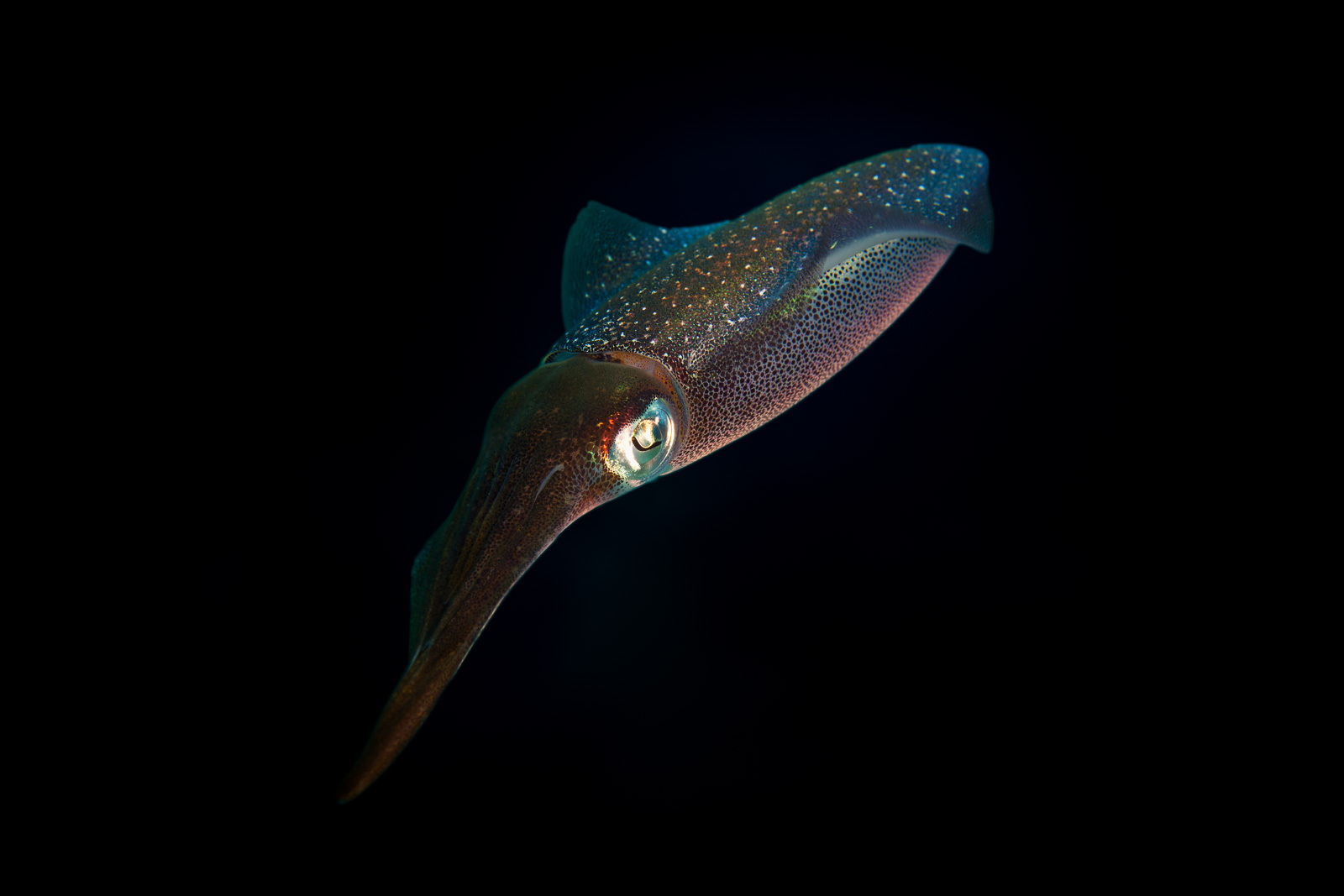
The core of it is control. You are not waiting on a boat, not queuing for a briefing, not being told the day is over at two. Sunrise dive, long breakfast, drive south for the afternoon, night dive off the pier if the energy holds. Very few destinations make that shape of day this simple.
It matters more for photography than people expect. You can go back to the same site in different light on three consecutive days. You can spend an hour on one frogfish. You can leave a subject and return at dusk. Repetition is how images get better, and Bonaire is built for repetition.
Check the tides and the nearshore current and then relax. For the most part the west coast just works. Klein Bonaire is worth scheduling a boat day or two for; the sites there are a genuine step up and they break the rhythm before shore diving gets samey.
The best diving on the island is in Washington Slagbaai National Park, and it costs you something to reach. It is further, the park roads have rough patches, and getting tanks to a site is real work. Fewer divers go, less human pressure lands there, and the reef shows it. Earn it once and you will plan the next trip around it.
Bonaire is the easiest diving I have done, and easy is doing real work in that sentence. Shore entries, calm western coast, simple navigation, and a marine park that has been protected since 1979. You wake when you wake, dive when you like, and come back out after dark if there is anything left in you.
Scored on the same rubric as every other place here, and published whether or not the number flatters. Seven of the seventeen came in under seventy; the lowest is forty-five.
The dot is Bonaire; the pale band is where the other sixteen places on this site fall on that axis. How the scoring works
The easiest diving on this site, and the risk is exactly that. Self-guided shore entries mean your gas plan, your navigation and your read of the surface conditions are yours alone. Nobody is counting you back onto a boat. Treat every entry as a dive you planned rather than one you wandered into.
February to June is when Bonaire is at its best. Tap any month for what the water is actually doing.
Visibility, sea state, what is in the water and how much of it you can count on. The season turns at February and again after June.
Book accommodation with a dive package and a truck. That combination is the whole product.
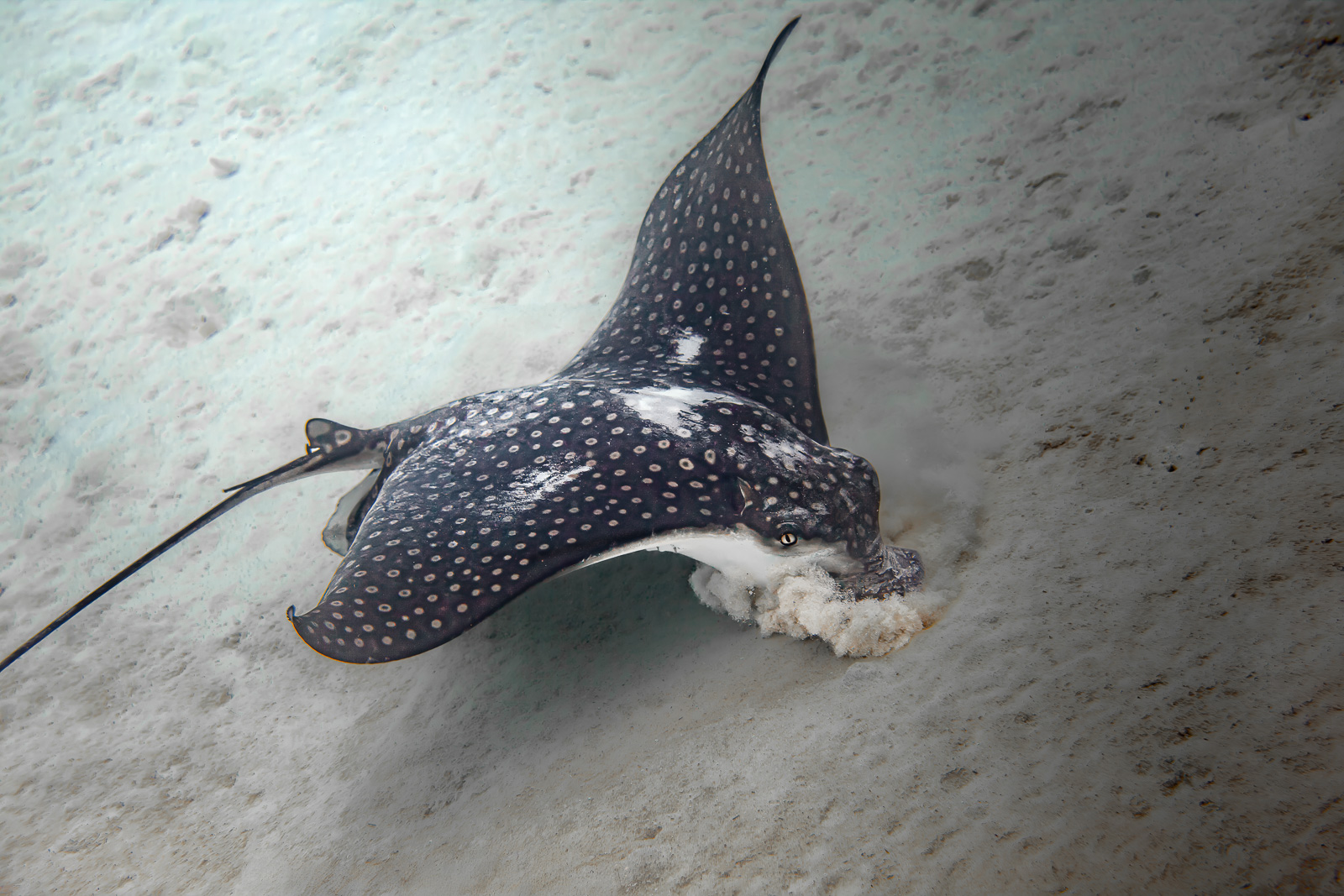
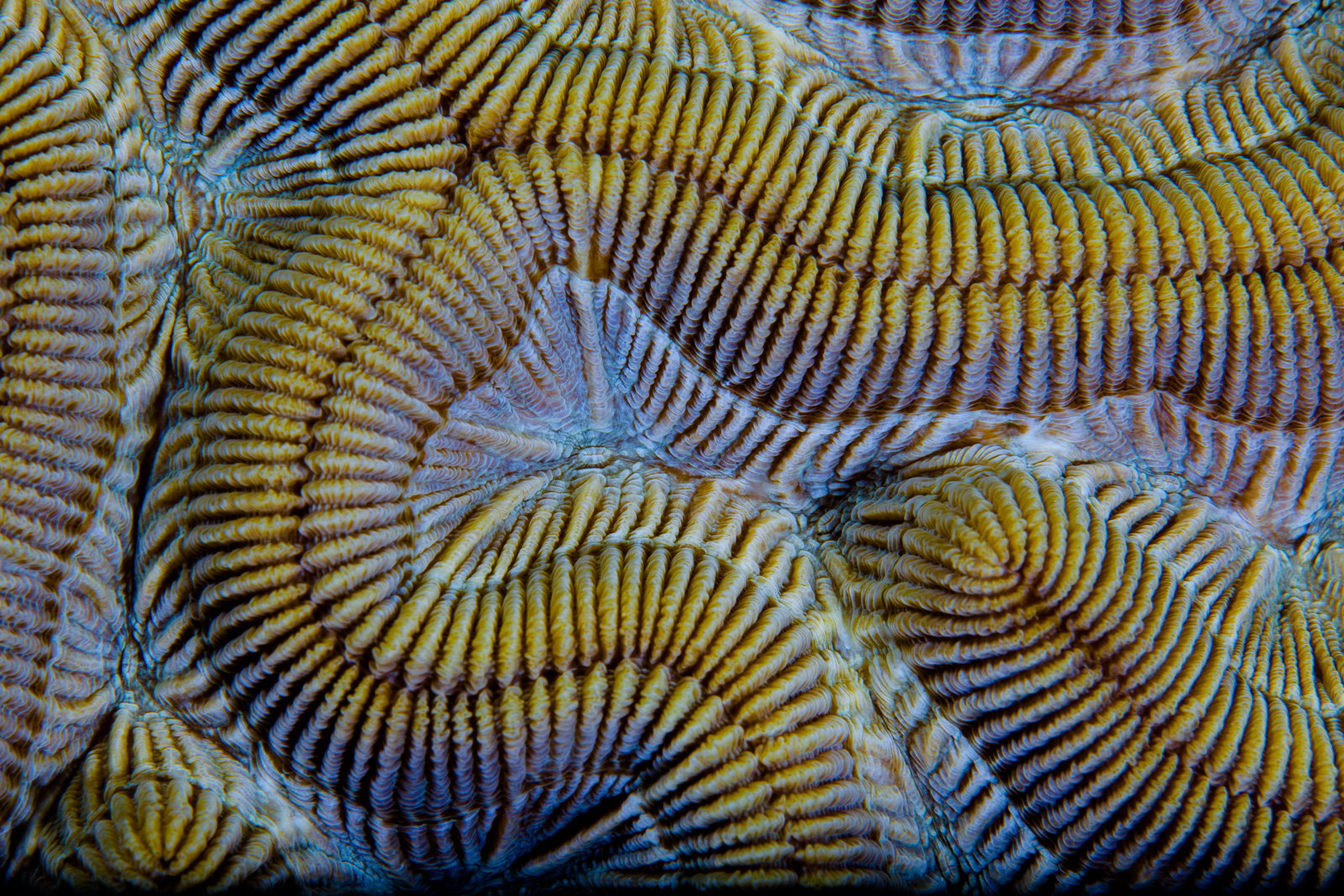
Twelve of the nineteen photographs from Bonaire, the prints among them marked.
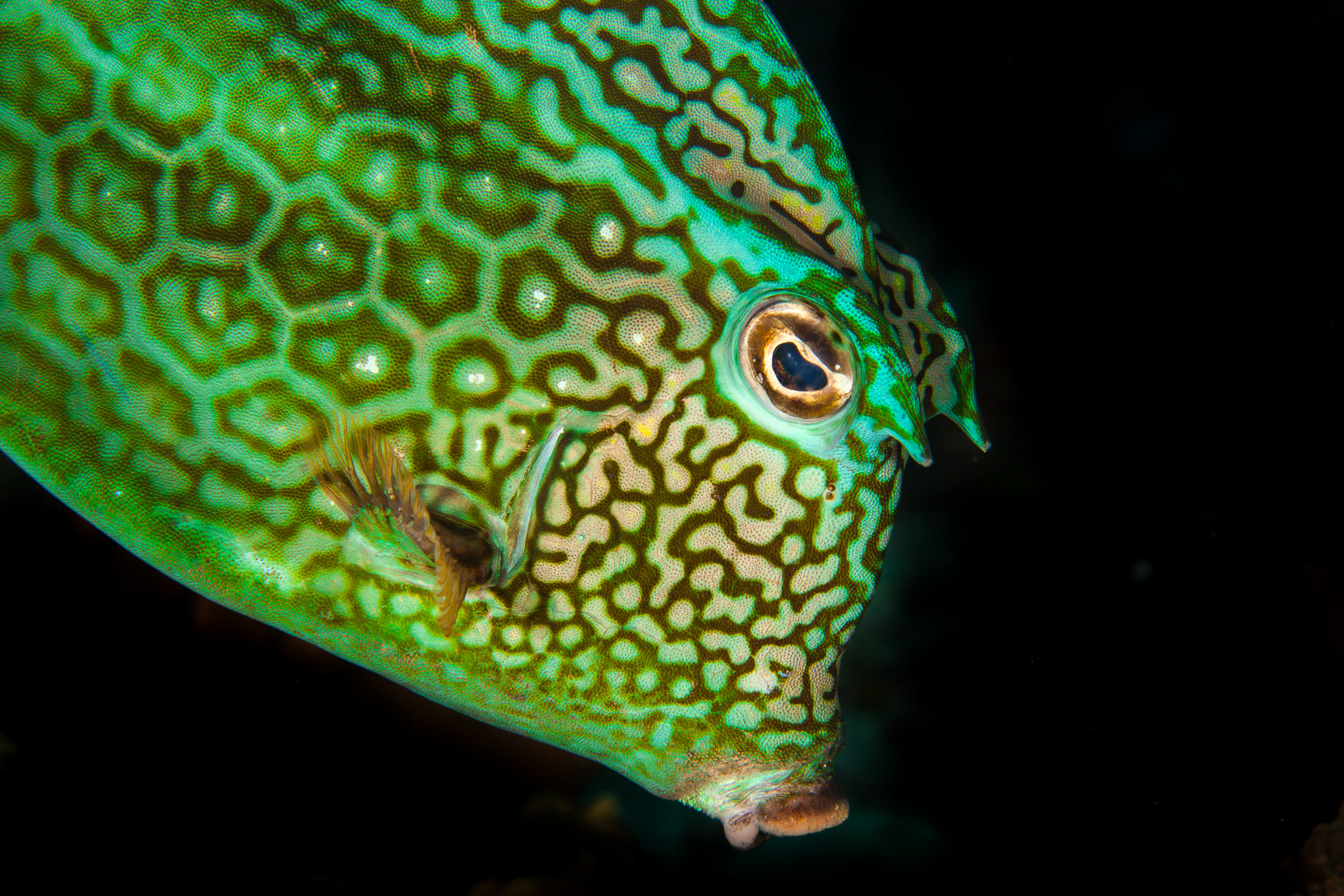
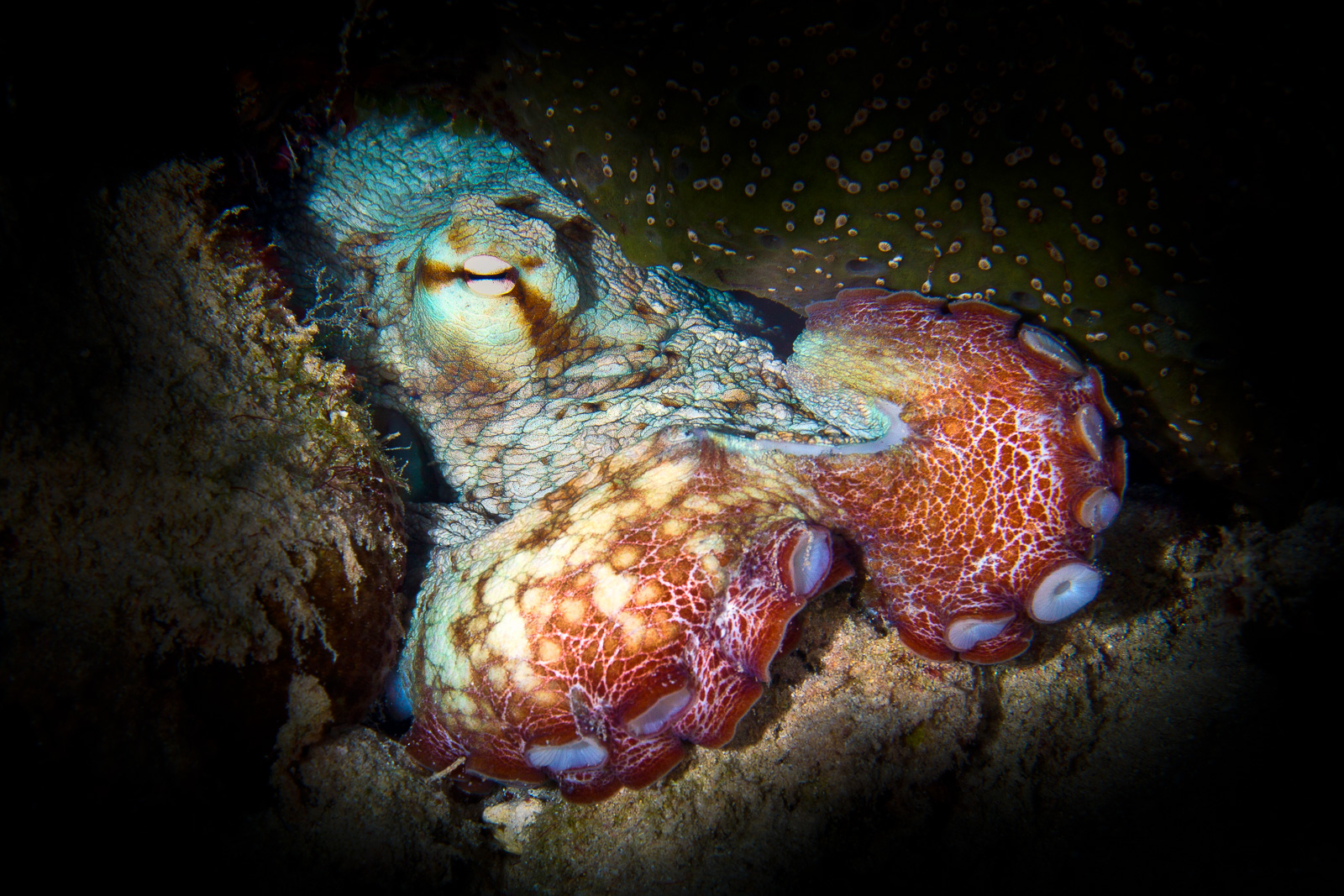
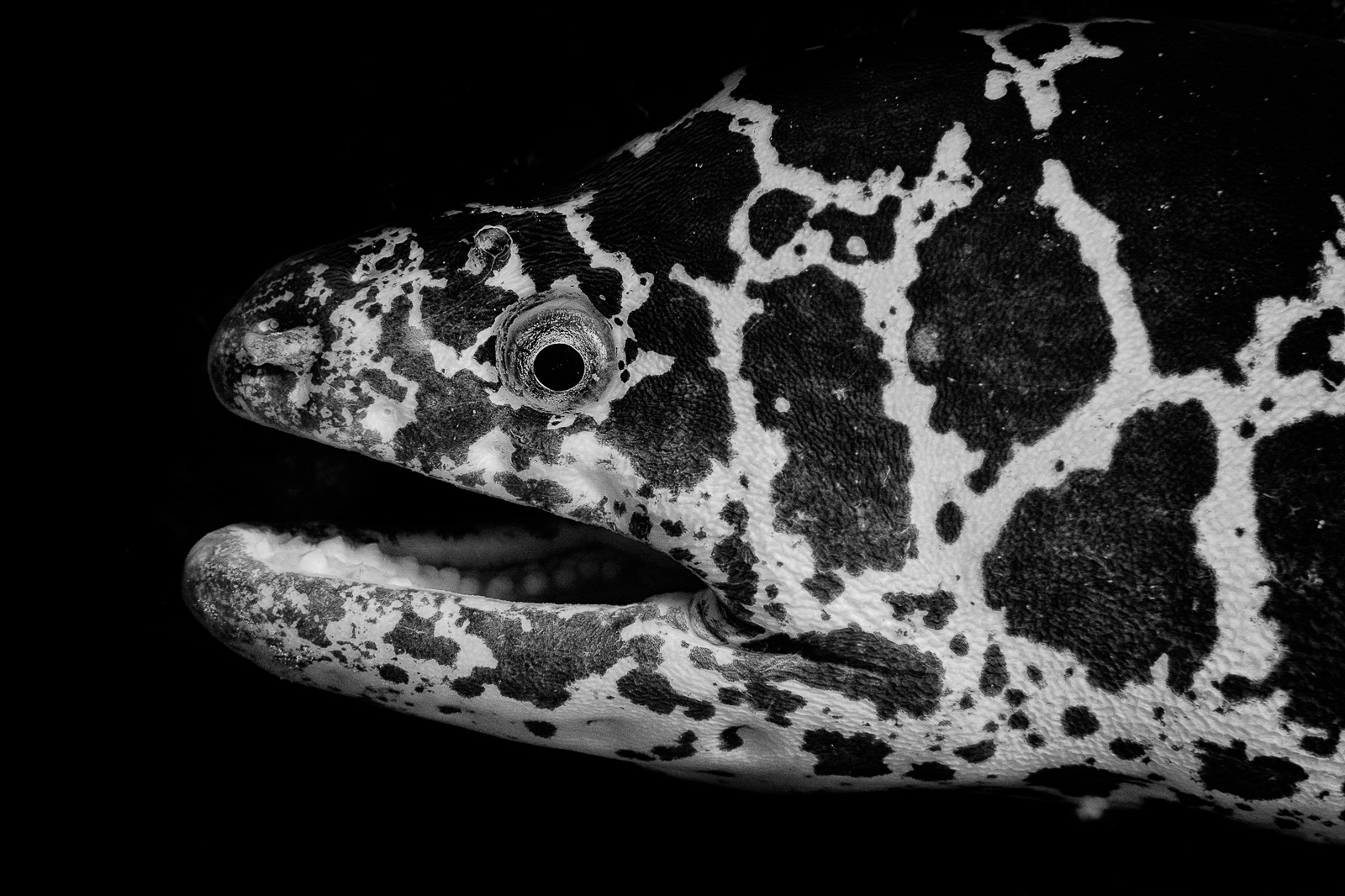
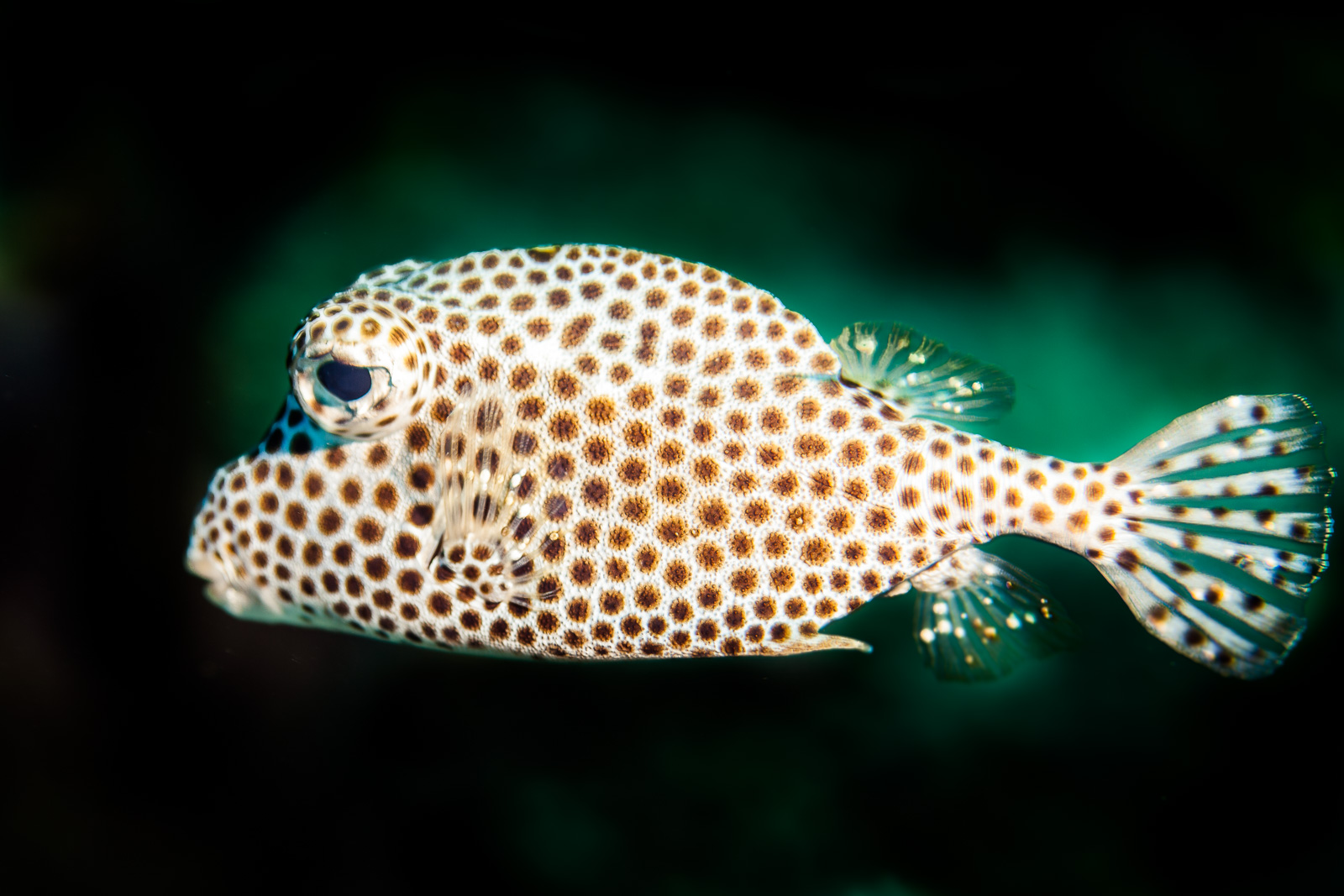
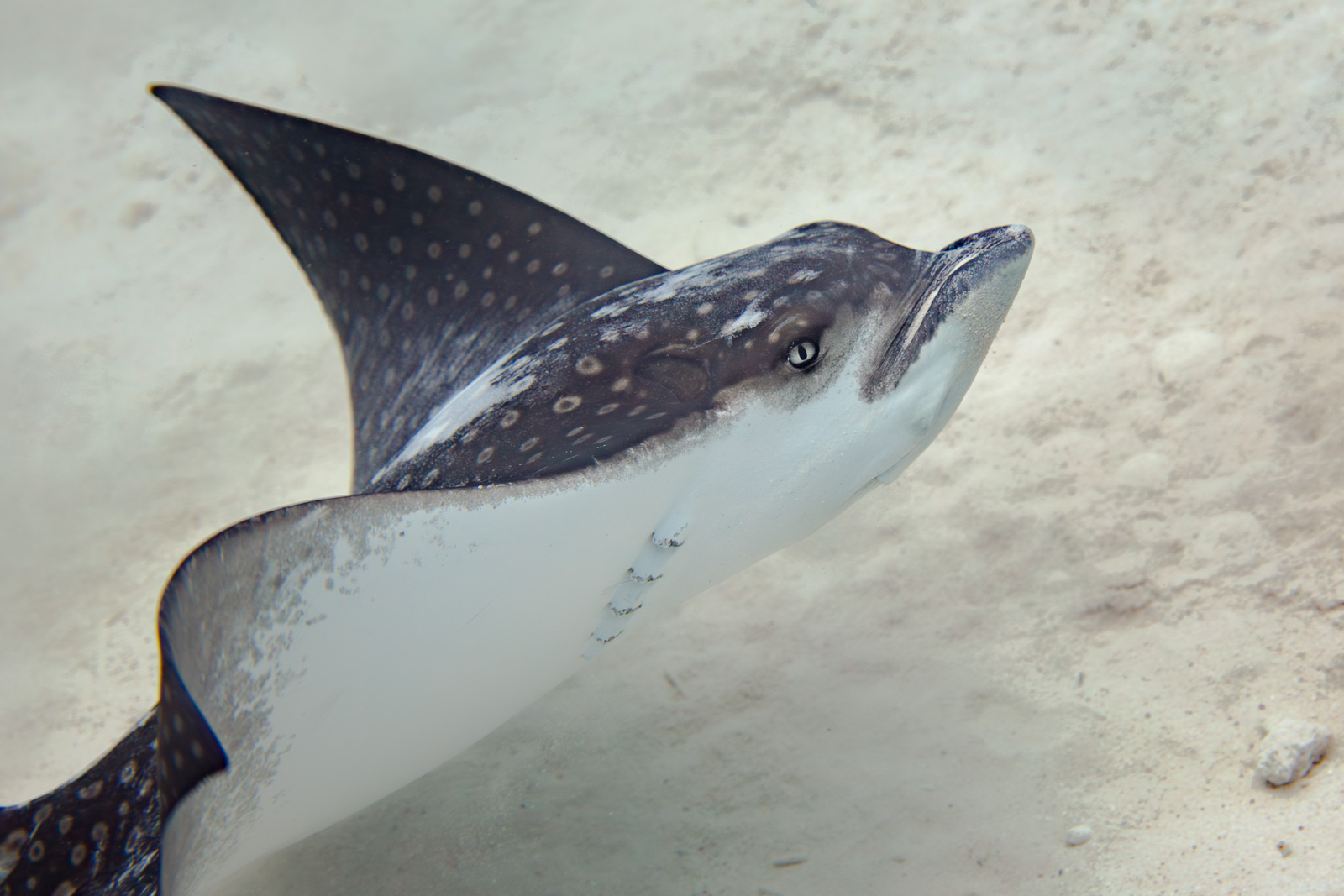
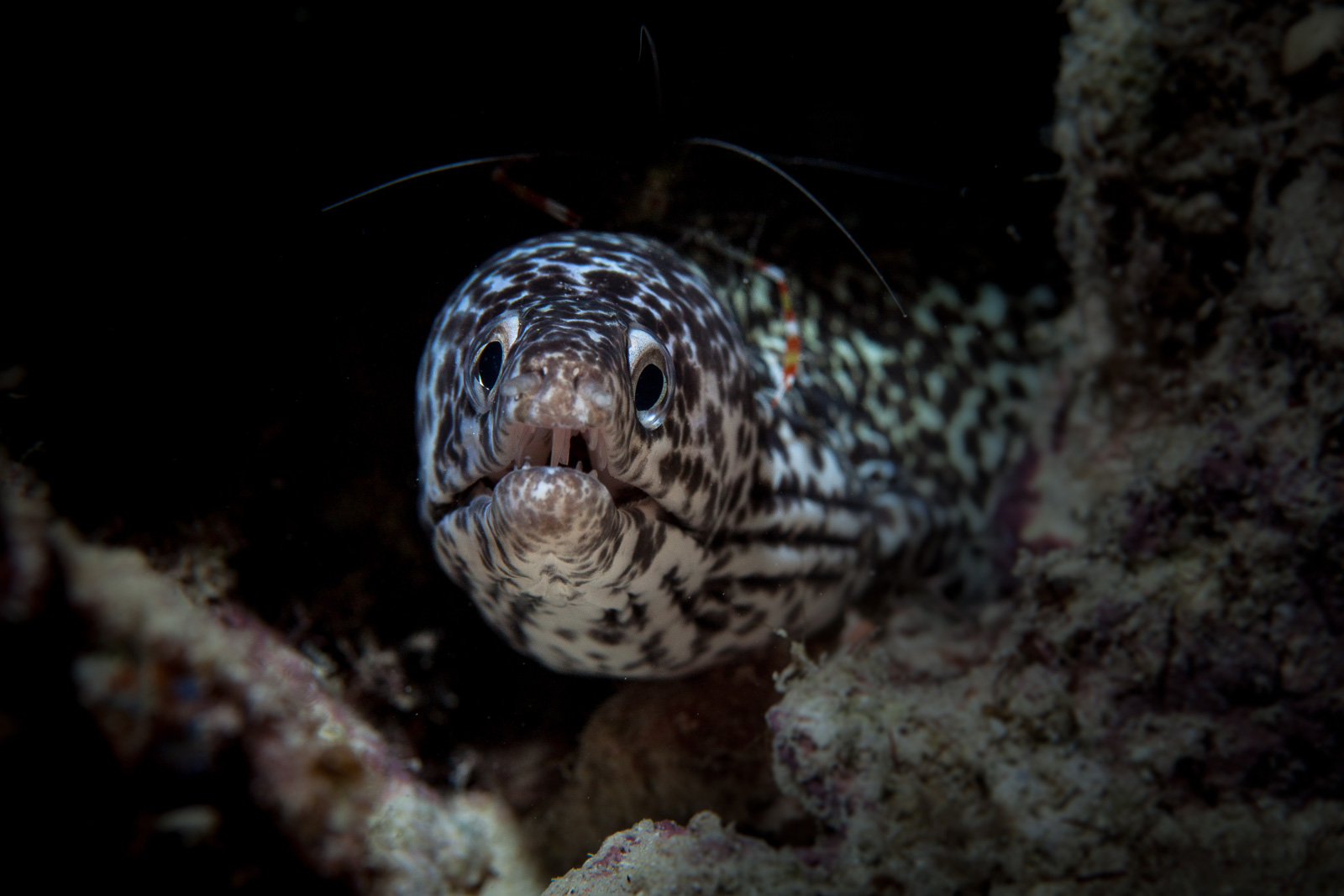
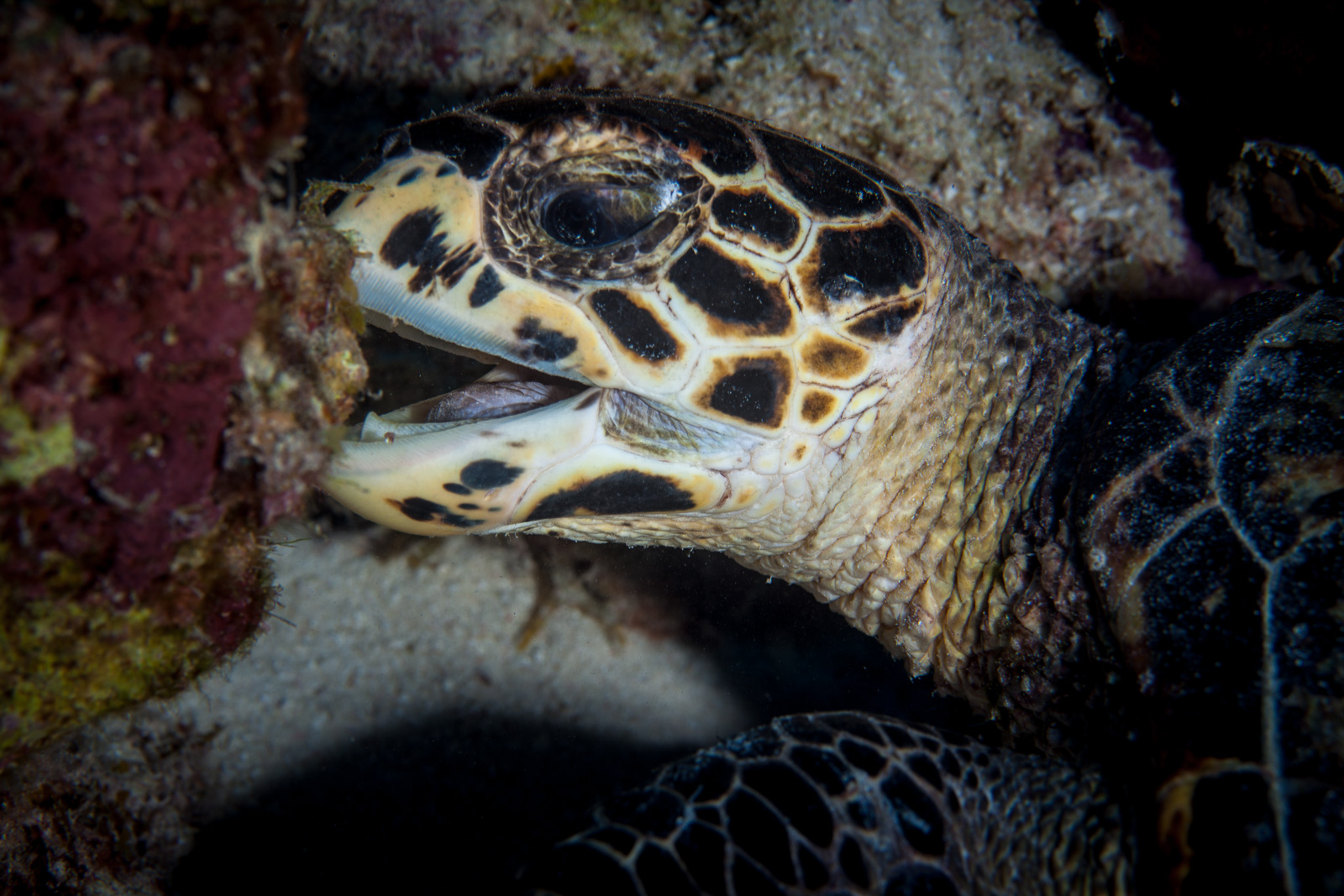
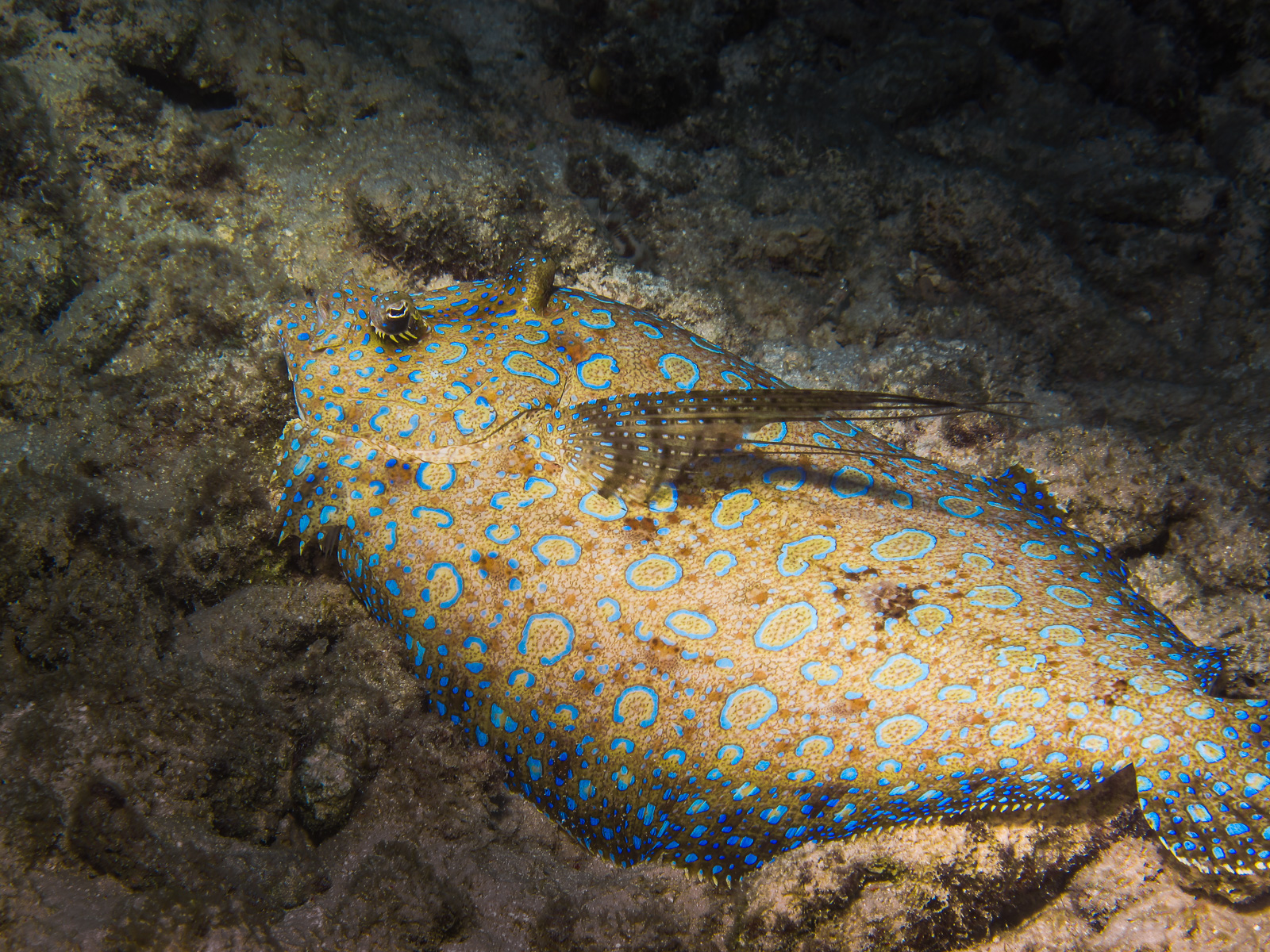
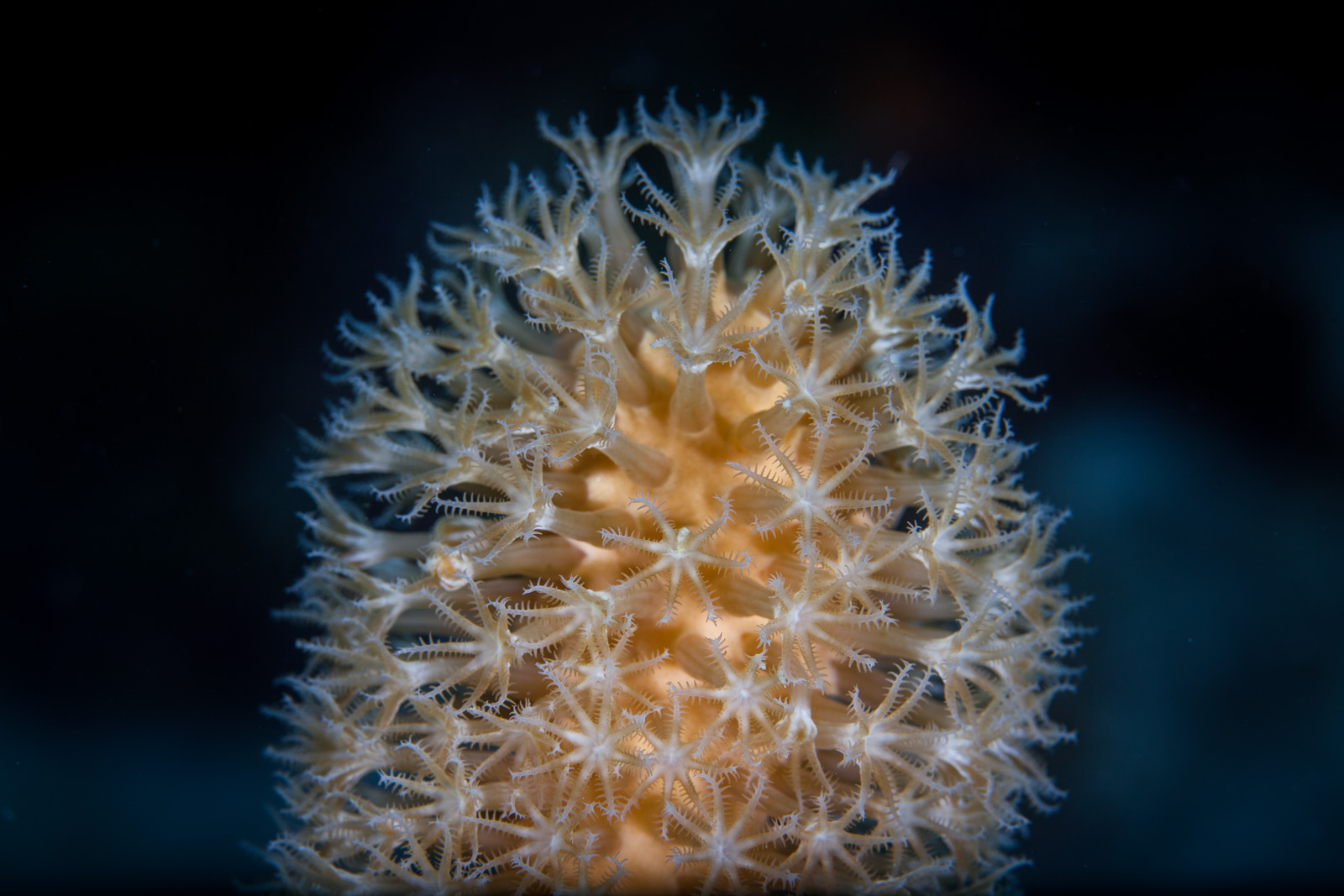
Any frame on this page can be licensed for editorial use. Licensing terms.
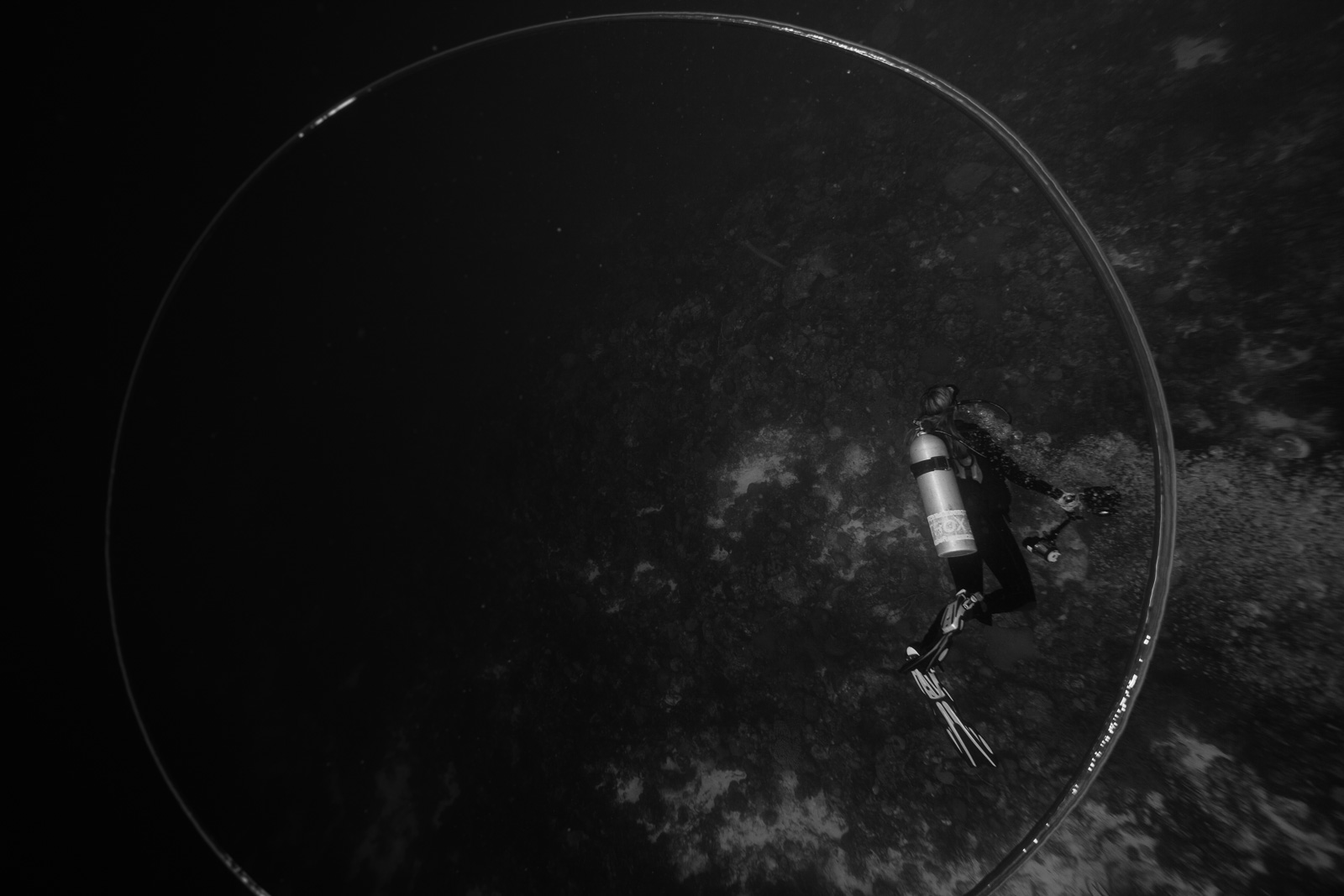
From the lens recorded in each frame. The settings are what was used here, not a recommendation. Lighting on the print frames: Sea & Sea Alpha strobes.
The advantage here is time. Unlimited shore diving means you can return to a subject until you have it, which is rarer than it sounds.
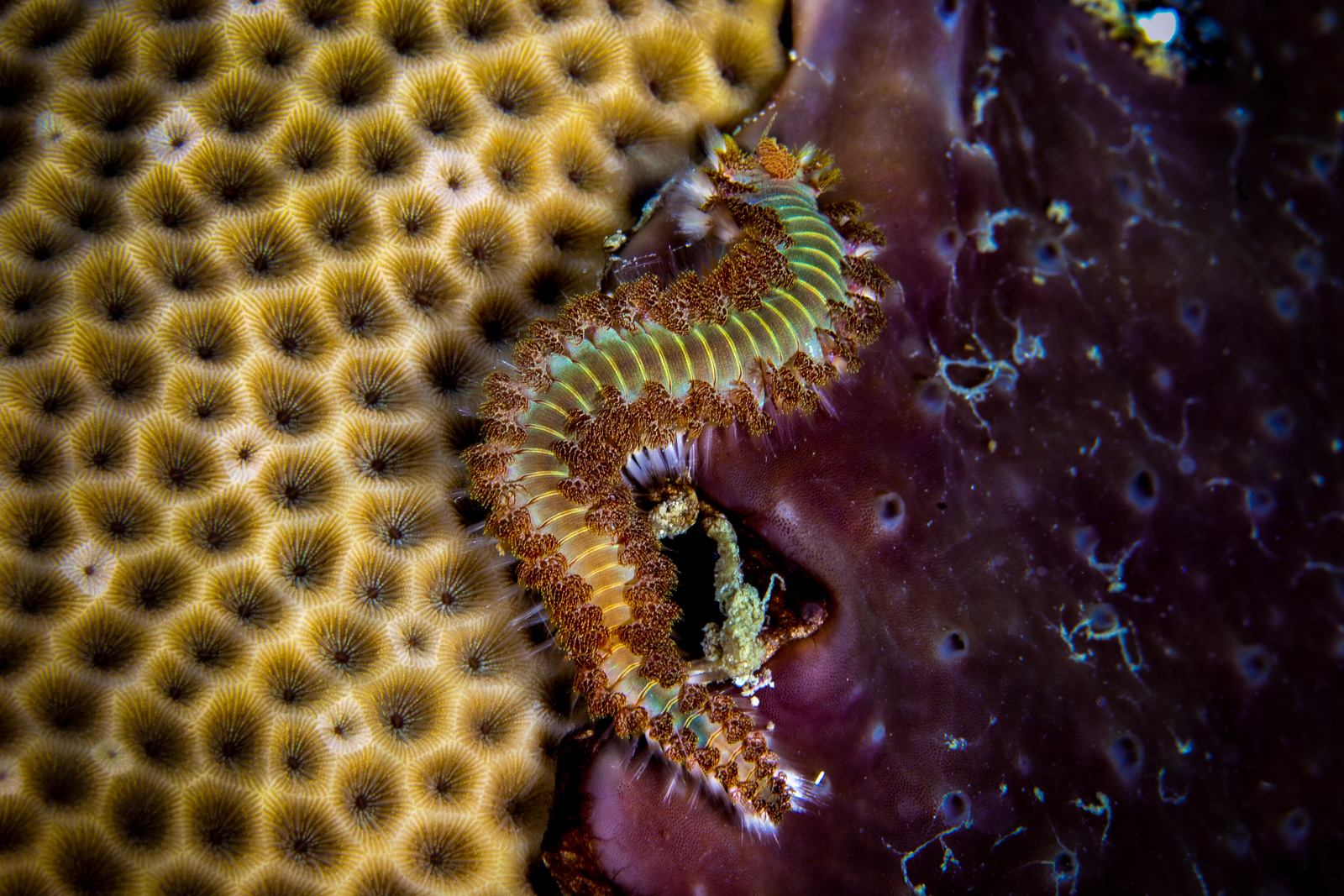
Macro is strong along the shallow reef, and the double reef structure gives you more variety than the flat coastline suggests.
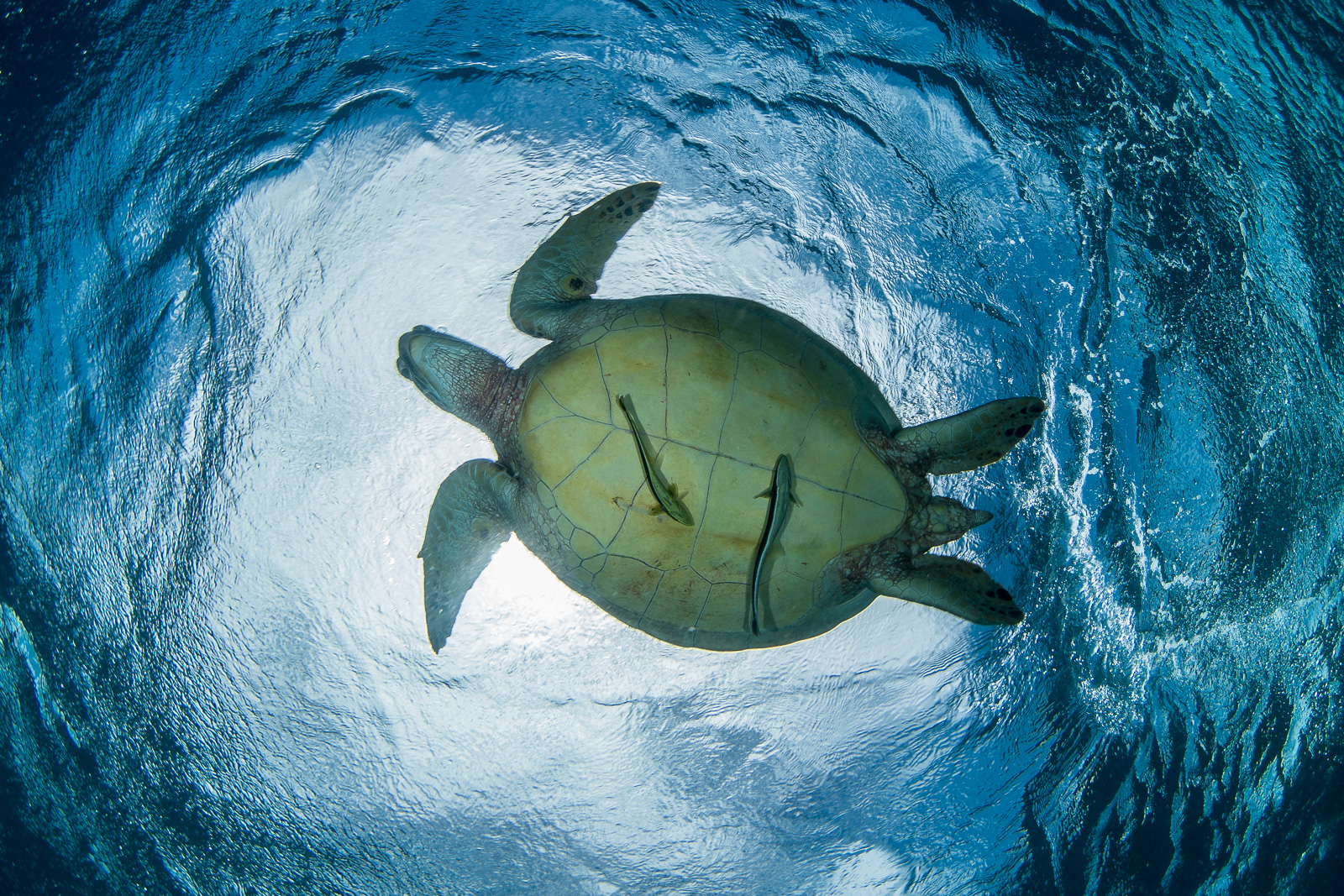
Wide-angle is decent without being a reason to travel.
Every frame here was made in Bonaire. Prices in US dollars. Printed on Canson Platine and shipped from British Columbia.
Six I dived more than once and would plan a week around, named as the resort names them.
The industrial wide-angle benchmark
Sunlight in shafts between commercial pillars, grunts schooling in the columns, tarpon working the edges. The best structure on the island and the reason to own a wide lens here.
The best coral on the leeward coast
Sheer sloping hard coral in genuinely good condition, at the north end of the road. Further to drive, better when you get there.
One targeted dive, not a week
A 240-foot cargo ship lying on her side between the double reefs. Deep-ish, photogenic, and worth exactly one planned wide-angle dive rather than repeated visits.
The classic, and the exit
An easy dive with a walk that gets longer on the way out with a full rig. Go early, and decide before you get in whether you are carrying two strobes back up.
The boat day worth scheduling
A step up from the shore sites and the thing that stops a week of drive-and-dive becoming repetitive. Book two days of it.
The best diving on the island, and the hardest to reach
North end of the park. Further, rough road in places, and real work getting tanks to the water. Fewer divers go, less pressure lands, and the reef shows it.
Two shapes of trip here. Coral Paradise is apartment-style with a kitchen, cheap, and suits divers who want to run everything themselves. Buddy Dive is the full drive-and-dive resort: unlimited shore diving, tanks on tap, breakfast, boats to Klein Bonaire. Worth knowing before you book: some apartment operators have arrangements with the resorts that let you use the pool and take breakfast there. We stayed at Coral Paradise precisely because it was inexpensive, and still had the run of somewhere smarter. Ask the question before you pay for the smarter one.
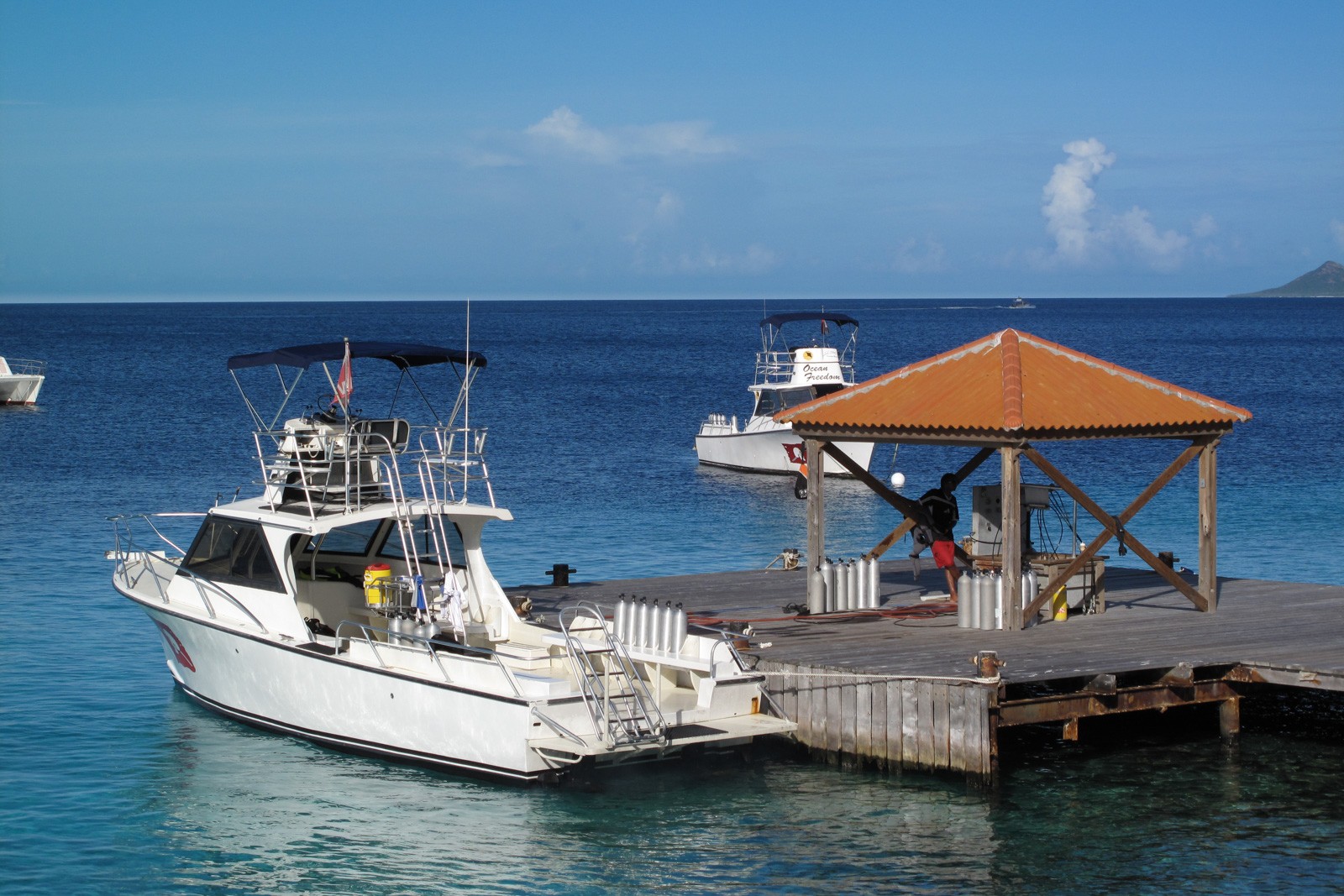
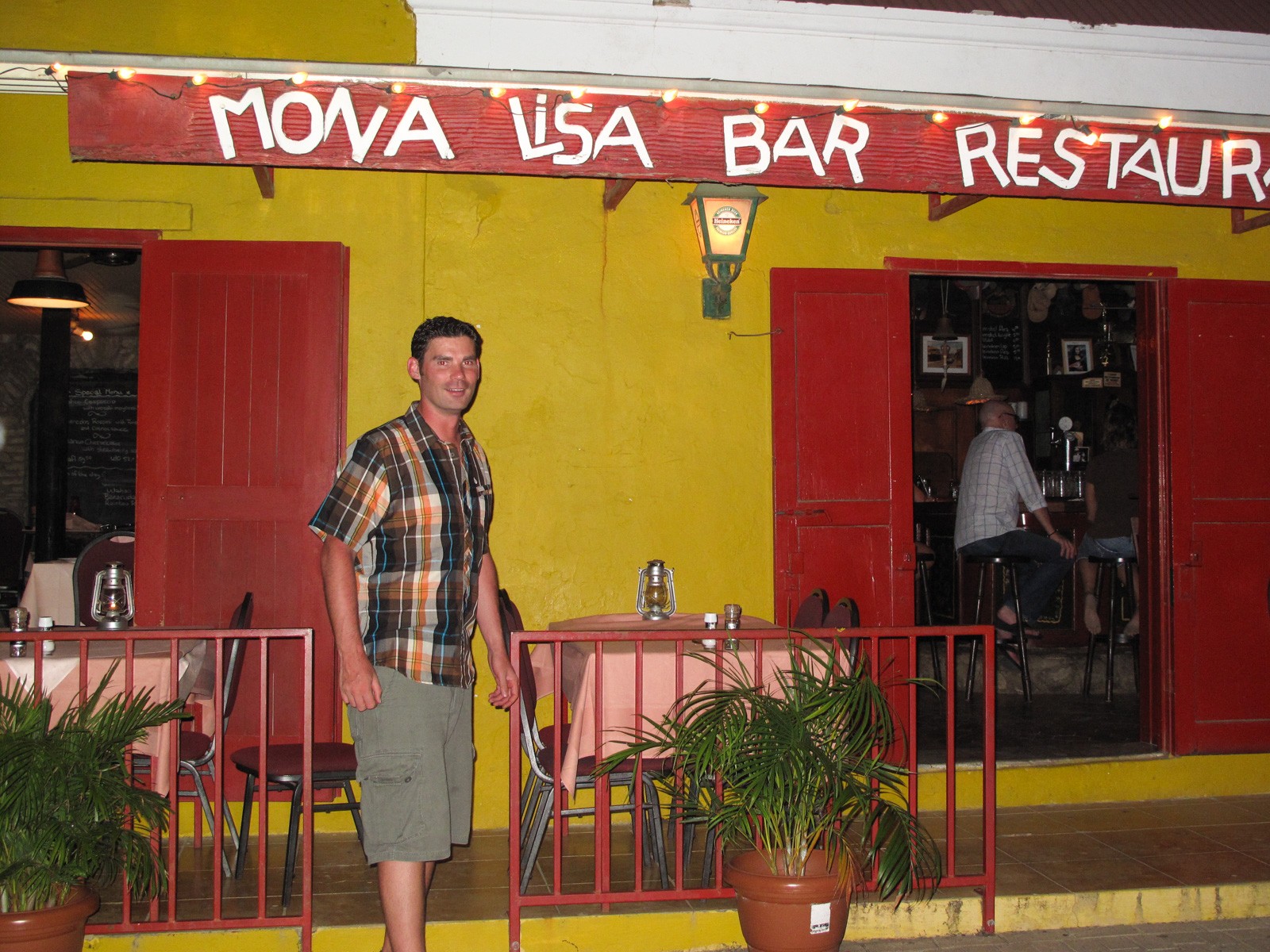
Two different trips. Coral Paradise is apartment-style with a kitchen: cheap, quiet, and suited to divers who want to run the week themselves. Buddy Dive is the full drive-and-dive resort: unlimited shore diving, tanks on tap, breakfast, boats out to Klein Bonaire. Worth asking before you book the second one: some apartment operators have arrangements with the resorts that give you pool access and breakfast. We stayed at Coral Paradise because it was inexpensive and still had the run of somewhere smarter. Either way the truck and the tanks are the actual product. A week of unlimited shore diving here costs less than three days at the top of this library, and you choose every entry yourself.
Three things nobody tells you. You'll need a rental car — most dive operators offer dive-and-drive packages, and there are stations around the island to swap or refill tanks, so you're not always driving back to base. Bonaire runs hot, and most of the shore sites have almost no shade. Bring water for your camera gear as well as yourself — there's no rinse infrastructure at the shore sites themselves, only at some of the dive centres. Klein Island is some of the best diving here and boat-only — plan an actual day of boat diving for it rather than folding it into a shore-diving itinerary.
Asked in the order they actually matter, answered with specifics.
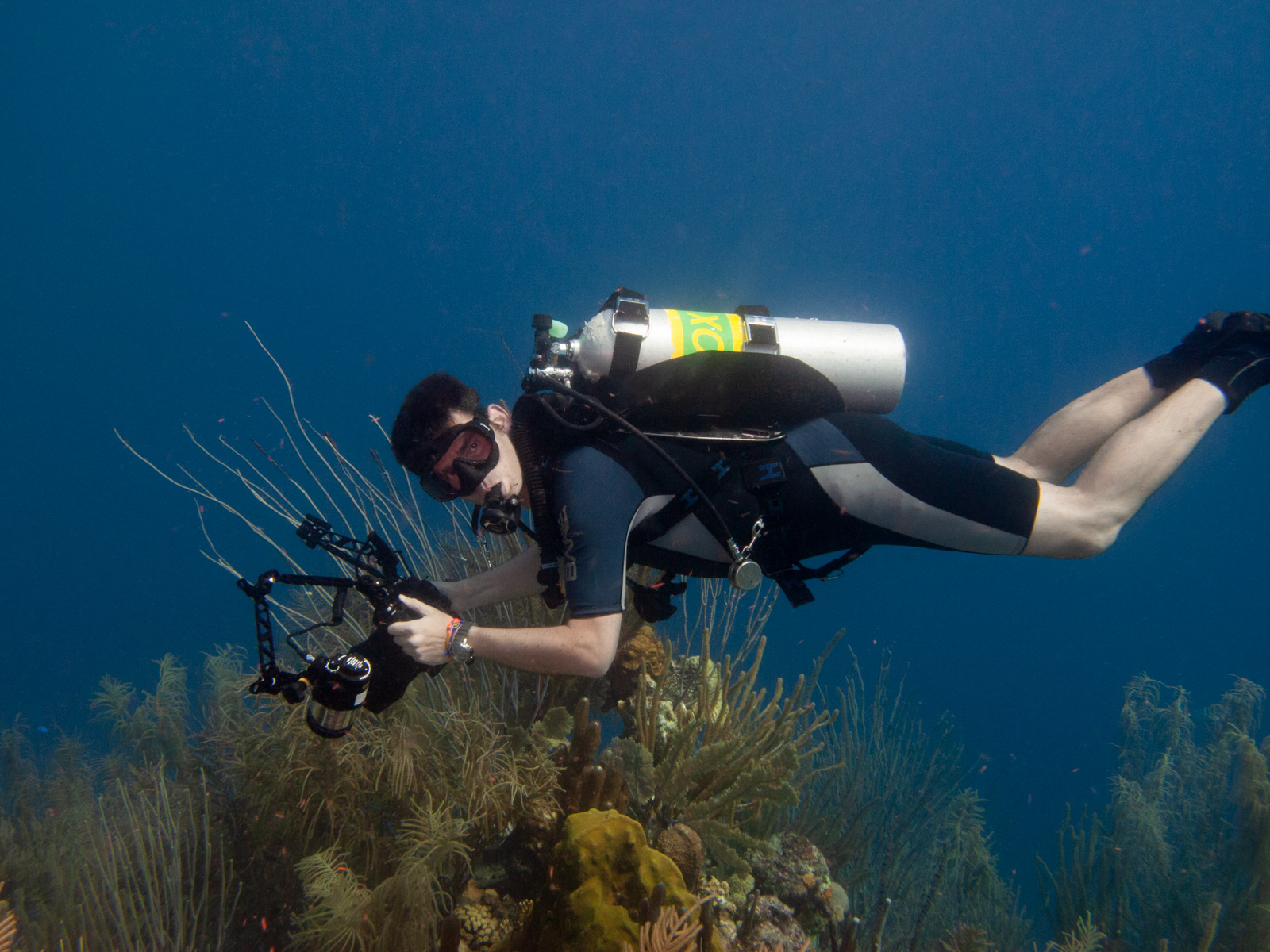
Yes, and it is the whole product. Without one the island shrinks to whatever is walkable from your accommodation. With one you have eighty-odd marked entries and complete control of your day.
Mostly, and that is the appeal. Klein Bonaire is worth scheduling a boat day or two for, and it breaks the rhythm before shore diving gets samey.
Washington Slagbaai National Park, at the north end. It is further, the park roads are rough in places and getting tanks to a site is real work. Fewer divers go, and the reef shows it.
Coral Paradise for apartment-style independence, Buddy Dive for the full drive-and-dive resort.
Any time. Bonaire sits south of the hurricane belt and the diving is dependable year round, which is a large part of why people return.
The right-hand column is the useful one. Bonaire asks something specific of you, and going for the wrong reason is an expensive way to find that out.
There is no trip here yet. Where they go next is decided by who puts their hand up, so this counts as a vote for Bonaire — and it also gets you each new guide as it is finished. Four or five emails a year.
Four emails a year, unsubscribe in one click, and the address goes nowhere else.