You do not swim in Cozumel. You get in, you stop kicking, and the current takes you along a wall for an hour while you decide what to point the camera at.
Cozumel was one of the great dive destinations for thirty years and the drift along Palancar and Santa Rosa is still one of the purest pleasures in the sport. The score here is low, and the reason is a date: I last dived it in 2001, and I am scoring the reef against what has happened to it since rather than what I remember.
Drift diving, which is easier than it sounds and requires one specific discipline: stay with the group and let the current work. You do not swim here. Divers who fight it burn gas and get separated, and that is the only real hazard on the island.
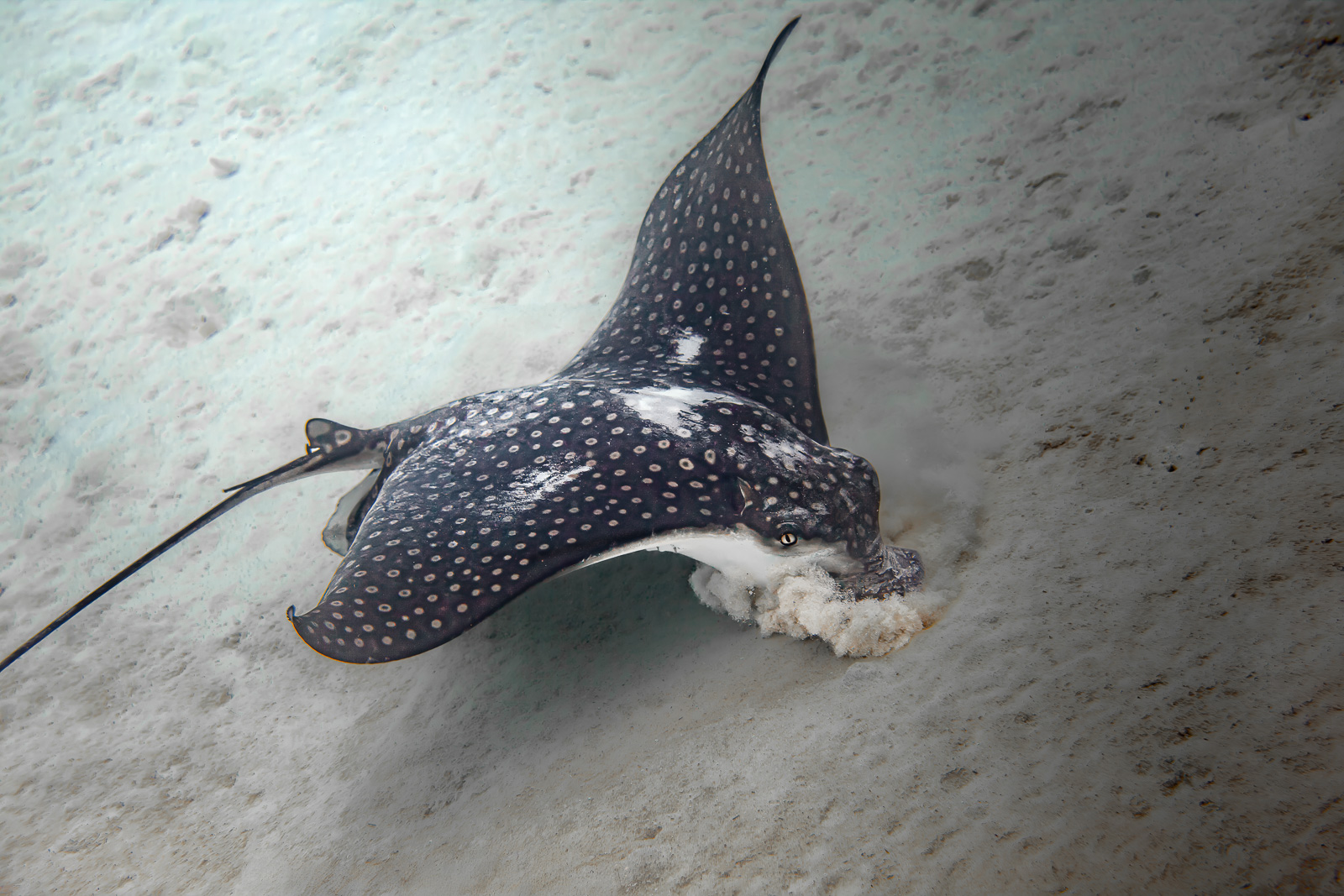
Everything I saw in 2001 I loved. Fast, clear water, dramatic coral heads and swim-throughs at Palancar, eagle rays crossing the sand, and a way of diving where the ocean does all the work. For sheer enjoyment per tank it is hard to beat.
But two things have happened since. Hurricane Wilma sat over the island in 2005 and rearranged the shallow reef. Then a coral disease arrived in the Mexican Caribbean around 2018 and has been working through the species that build those walls ever since. The architecture is intact; the living cover on it is not.
So the Health score is a three, and it is the harshest number on this site. It is also the one I am least certain about, because I have not seen it with my own eyes since before either event. I would rather publish a number I can explain than leave a memory from 2001 sitting on the page pretending to be current.
The drift, the water clarity and the operators are all still excellent, and those scores reflect it. If you are going, go — and if you have dived it recently, I would genuinely like to hear whether the three is fair.
Cozumel is stronger for wide-angle than macro. Walls, pinnacles, swim-throughs and clear blue water.
Drift diving changes how you work. You see the frame, commit, and shoot while moving. If you like that, it is enjoyable.
Everything on this page about the reef predates two major events. Treat the photographs as historical.
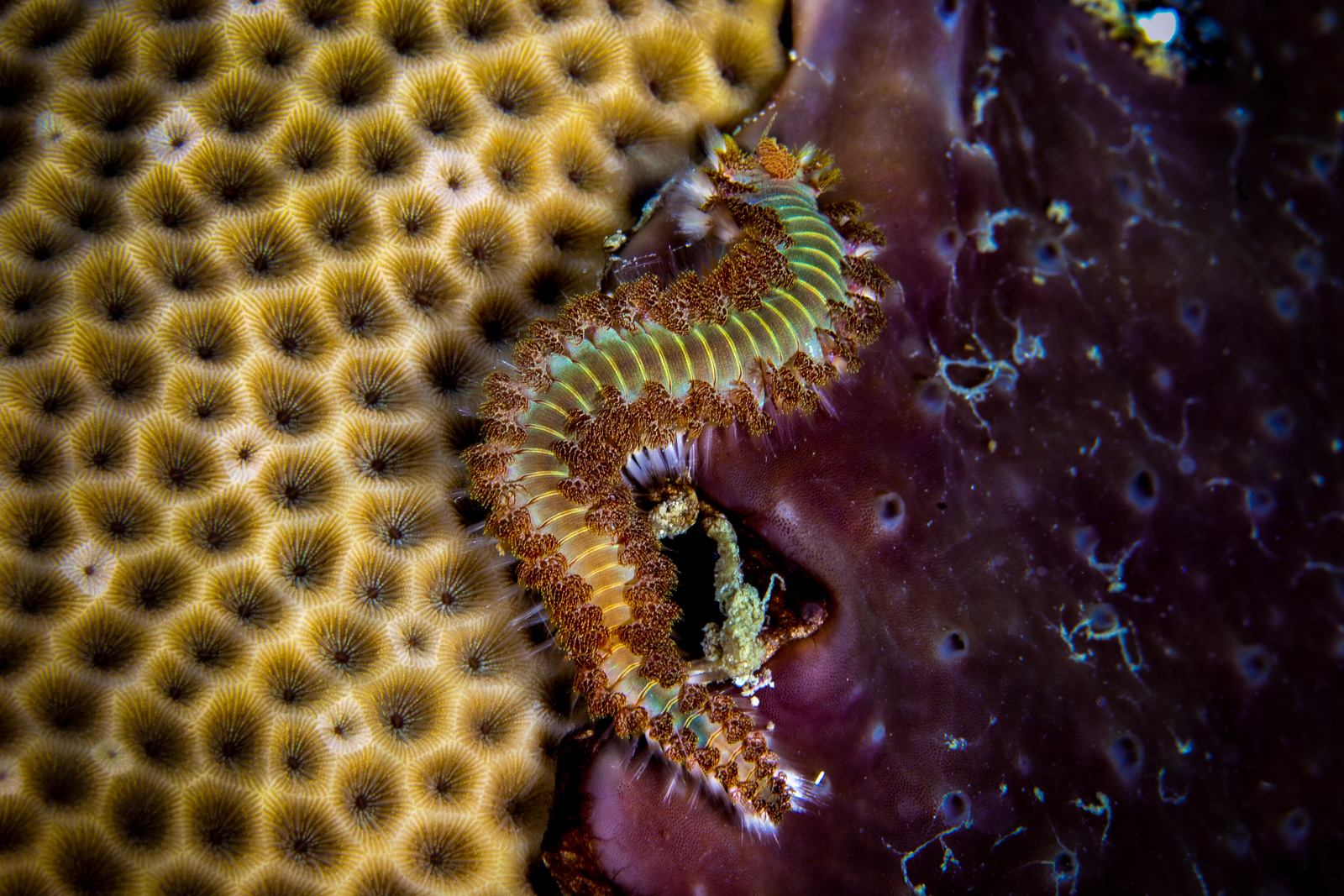
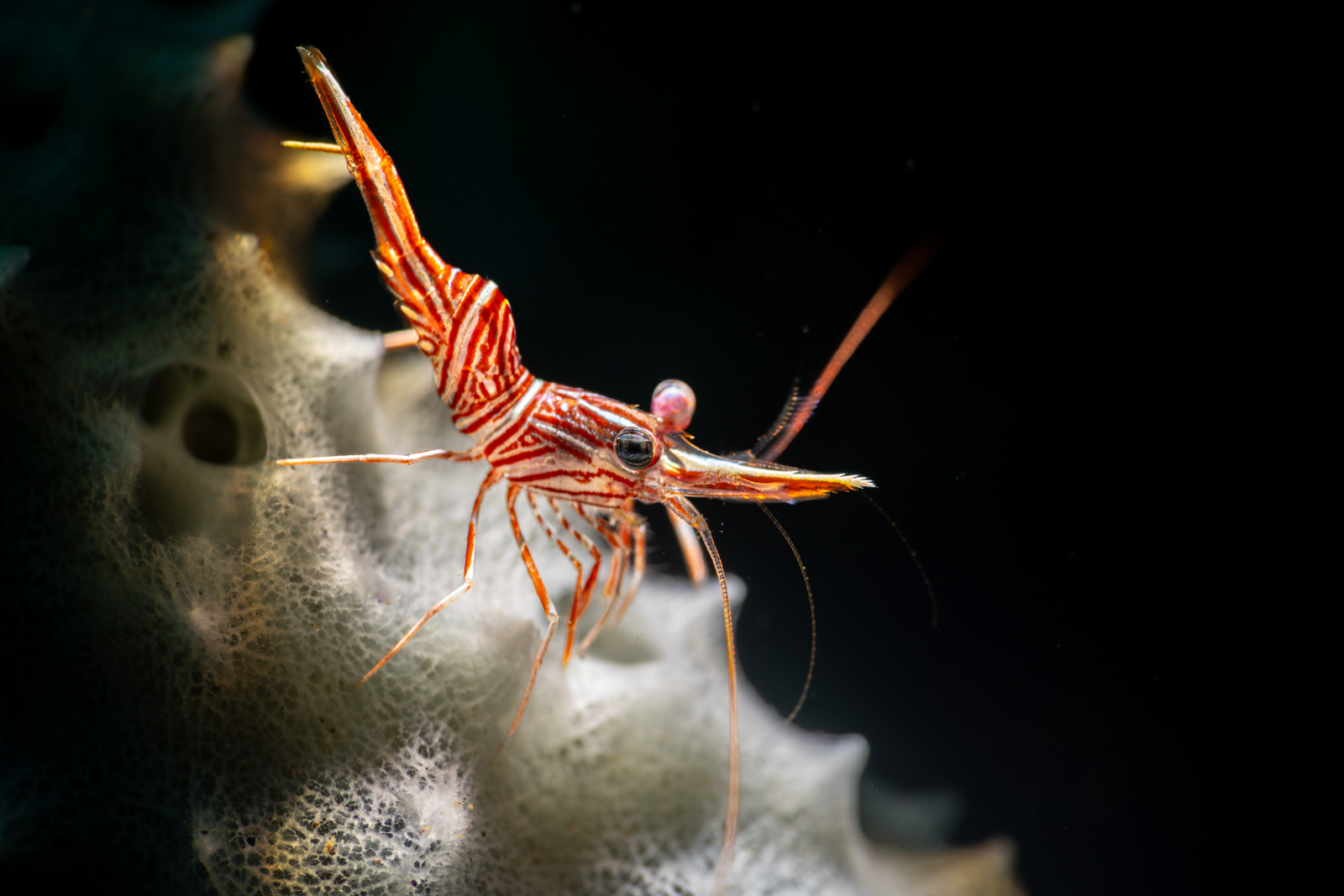
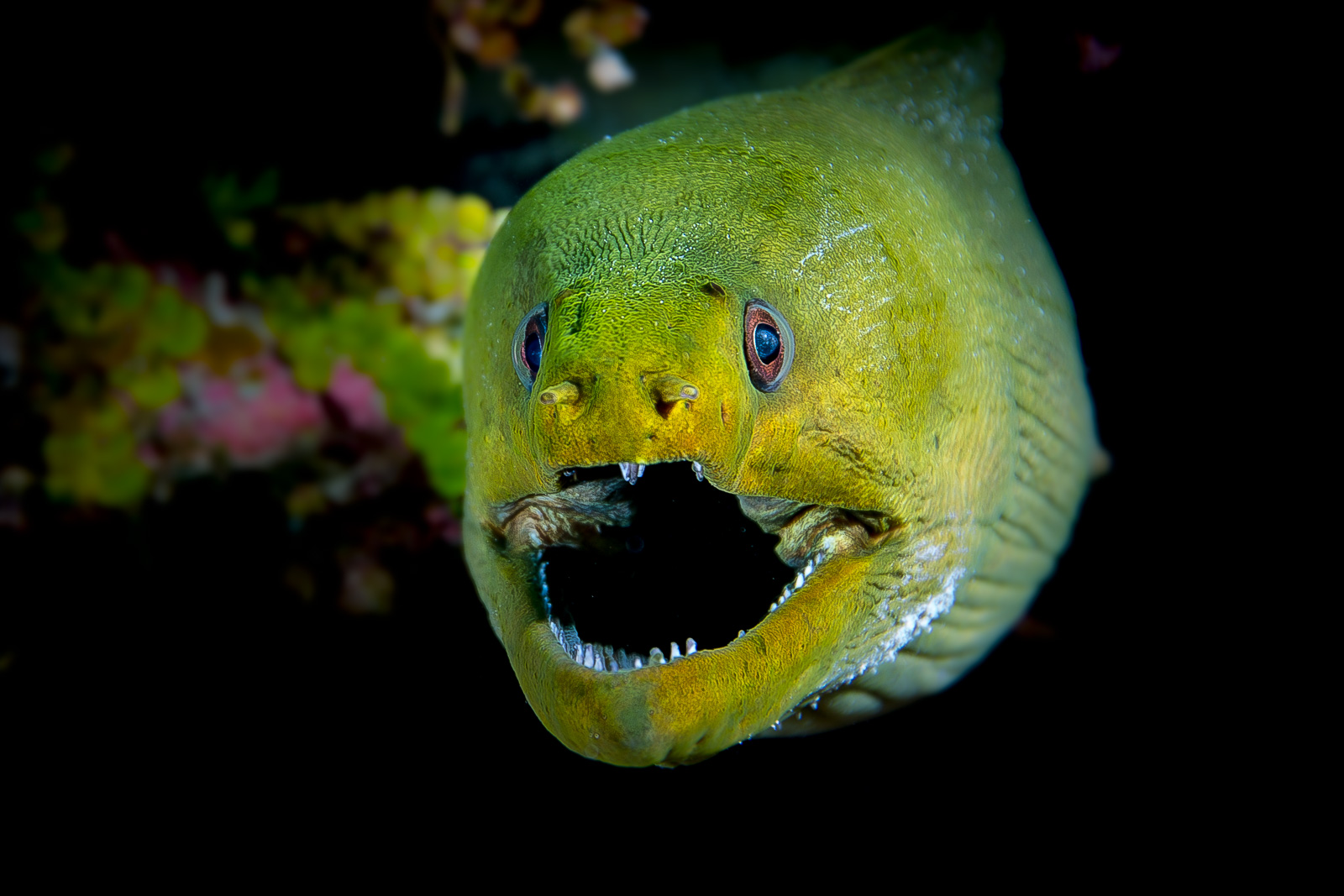
Every frame here was made at Cozumel in 2000 and 2001, in the conditions that turned up rather than the ones I hoped for. Click any of them to open it full size.
Any frame on this page can be licensed for editorial use. Licensing terms.
December to May is when Cozumel is at its best. Tap any month for what the water is actually doing.
Visibility, sea state, what is in the water and how much of it you can count on. The season turns at December and again after May.
Six I dived more than once and would plan a week around, named as the resort names them.
The legendary name, and it is a system rather than a site
A sprawling matrix of coral heads, swim-throughs and deep undercuts running for miles. Different operators use different sections and they are genuinely different dives.
Pure wall flying
A sheer drop into blue water where the current does everything. The closest diving gets to flight, and the reason people become loyal to this island.
Architecture at scale
Massive coral formations, deep buttresses and channels between them. The most dramatic topography on the island.
Shallow and easy
Mild current over flat coral platforms. The forgiving second tank of the morning.
Cavern systems, and a real briefing
Winding limestone passages including the Devil's Throat. This one requires attention and genuine trust in your guide.
The night drift
Shallow lively rubble, and the best place on the island to track octopus and hunting crabs after dark.
The reef doesn't change when you switch operators, but your experience does. To help you choose, each option is scored on the same five trip axes. The final rating is a simple equation: the baseline score of the reef plus the specific score of the operator.
Asked in the order they actually matter, answered with specifics.
Not very, and I would rather say so. I last dived Cozumel in 2001. The drift, the topography and the visibility do not change. The reef condition has, and the Health score is scored against what is documented to have happened since rather than what I saw.
Easier than it sounds. You get in, stop swimming and let the current carry you along the wall while the boat follows your bubbles. The one discipline is staying with the group — divers who fight the current burn gas and get separated.
Early. Palancar at ten in the morning has the cruise-ship day boats on it. Book operators who leave at first light.
Unusually so. There is a whole island and a mainland coast to occupy people, which is not true of most destinations on this site.
Best conditions run roughly November to May. Hurricane season is June to November, and Wilma in 2005 is a reminder that it matters here.
The right-hand column is the useful one. Misool is expensive enough that going for the wrong reason is an expensive way to find out.
Book Nitrox and choose an operator that matches your ability. Cozumel can do easy and serious, and not every boat does both.