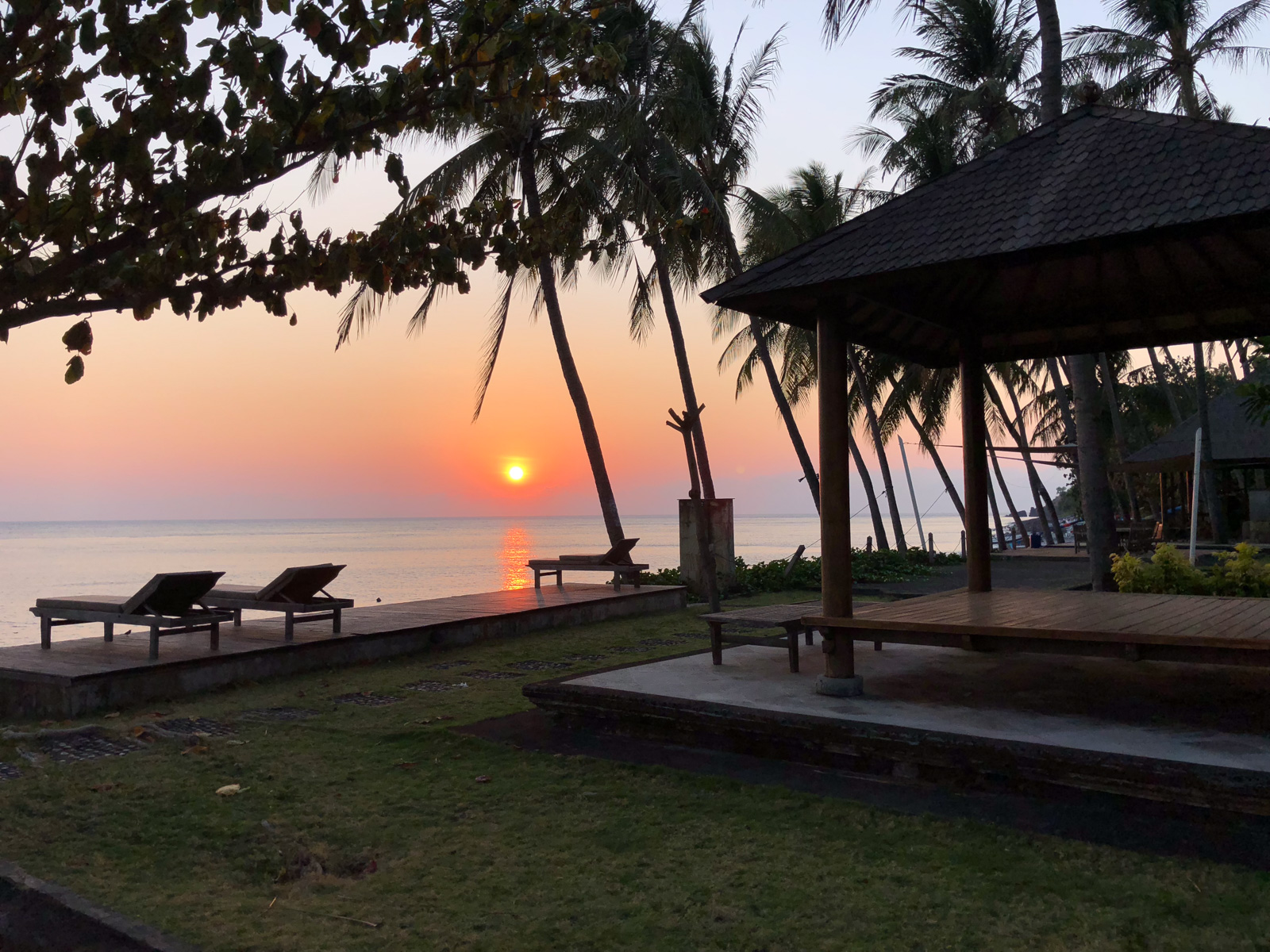
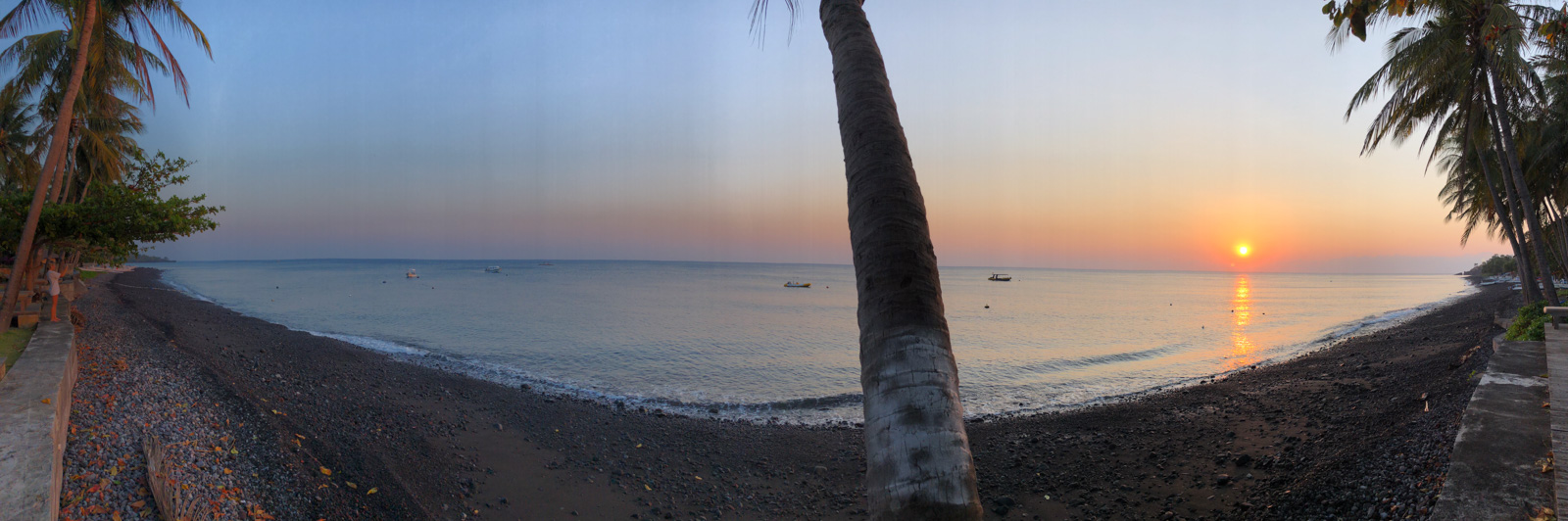
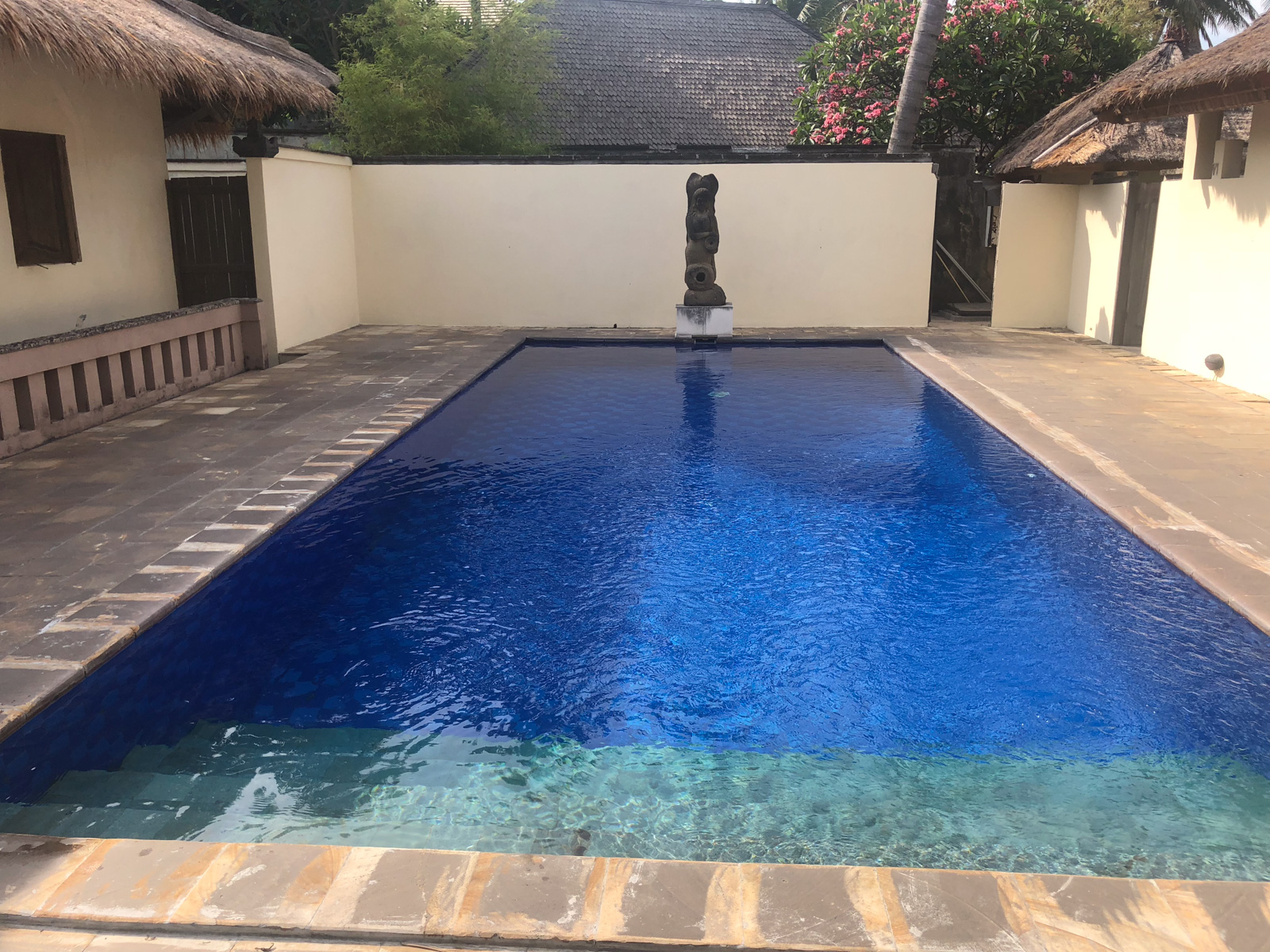
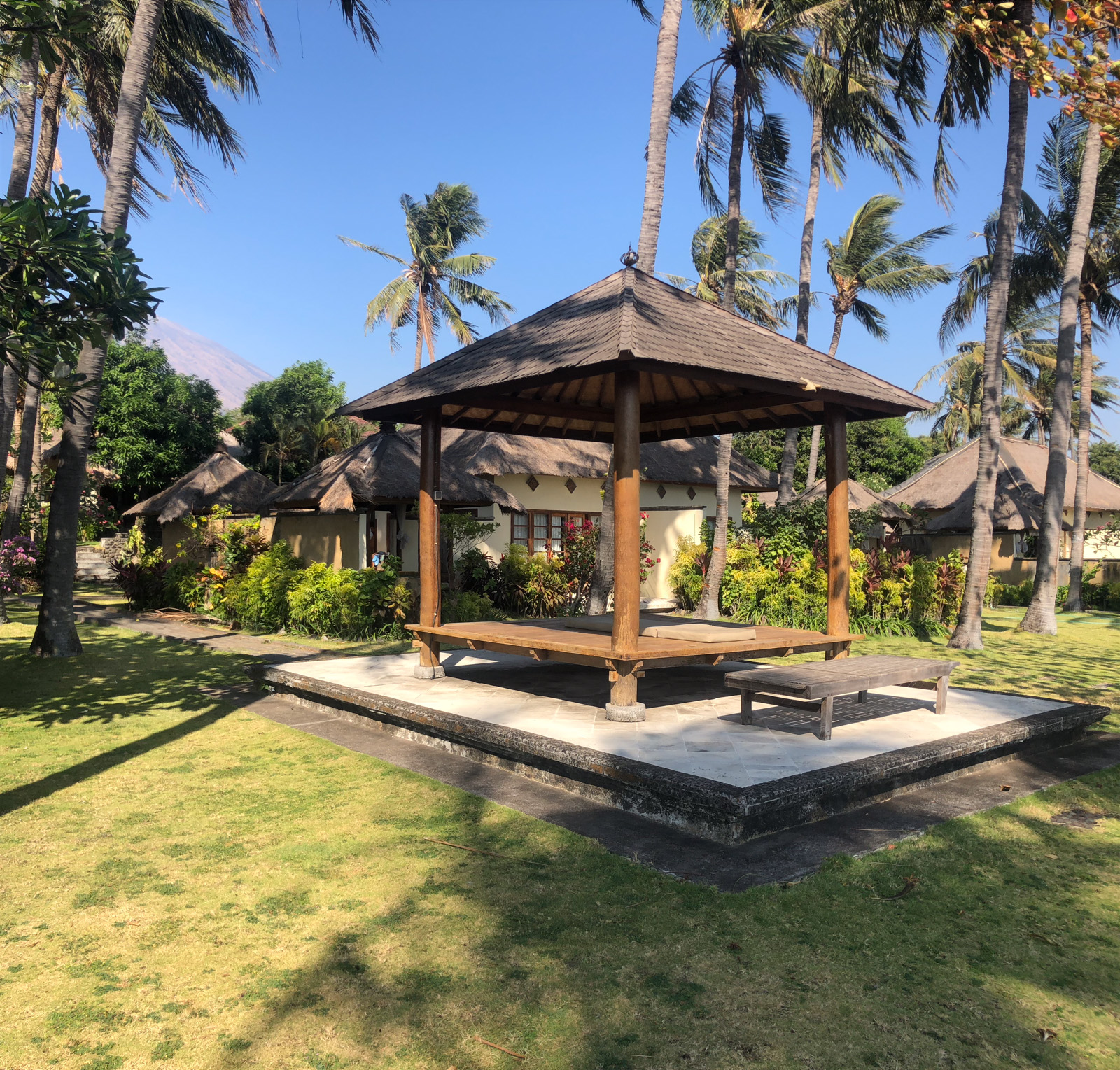
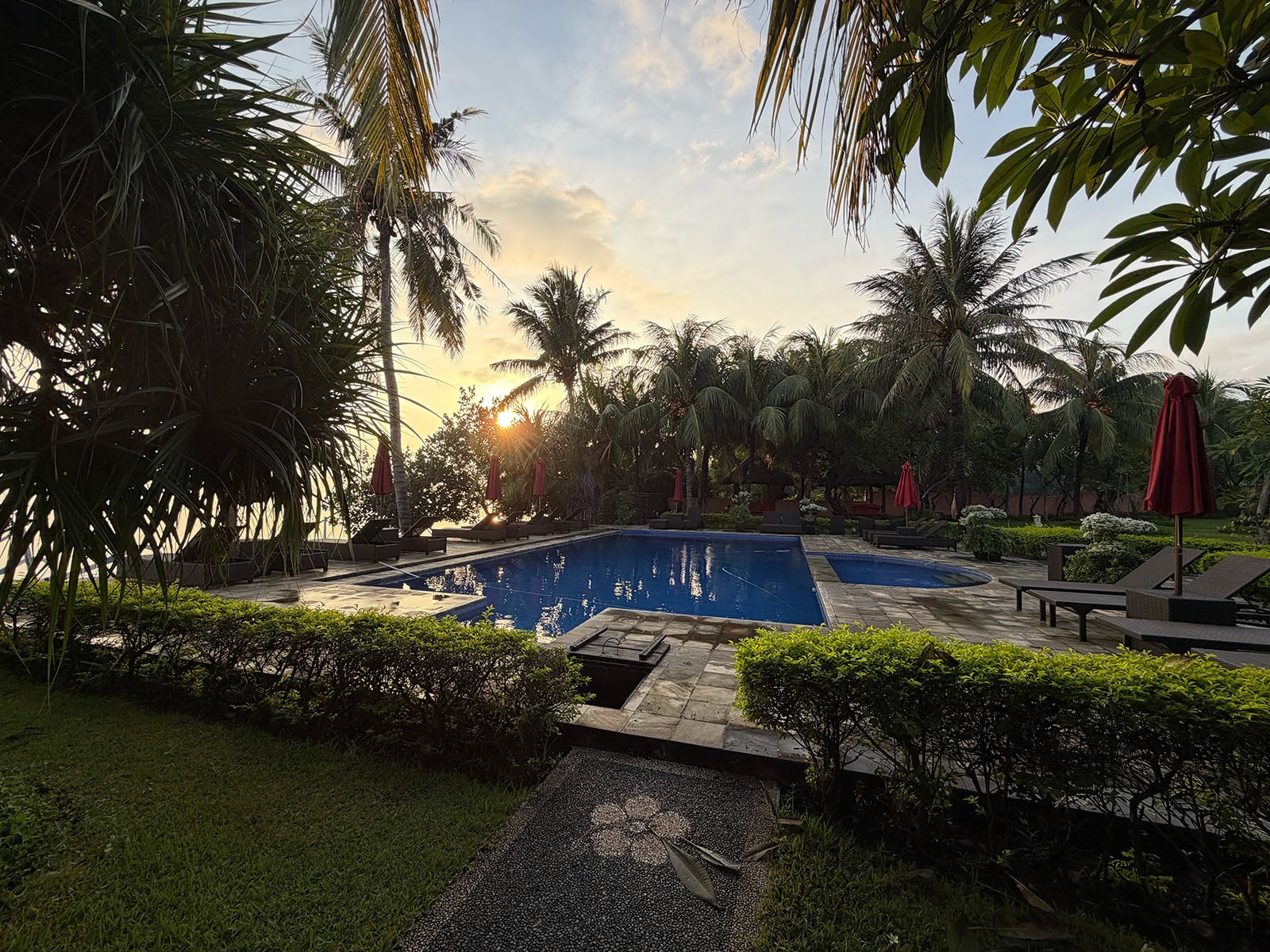
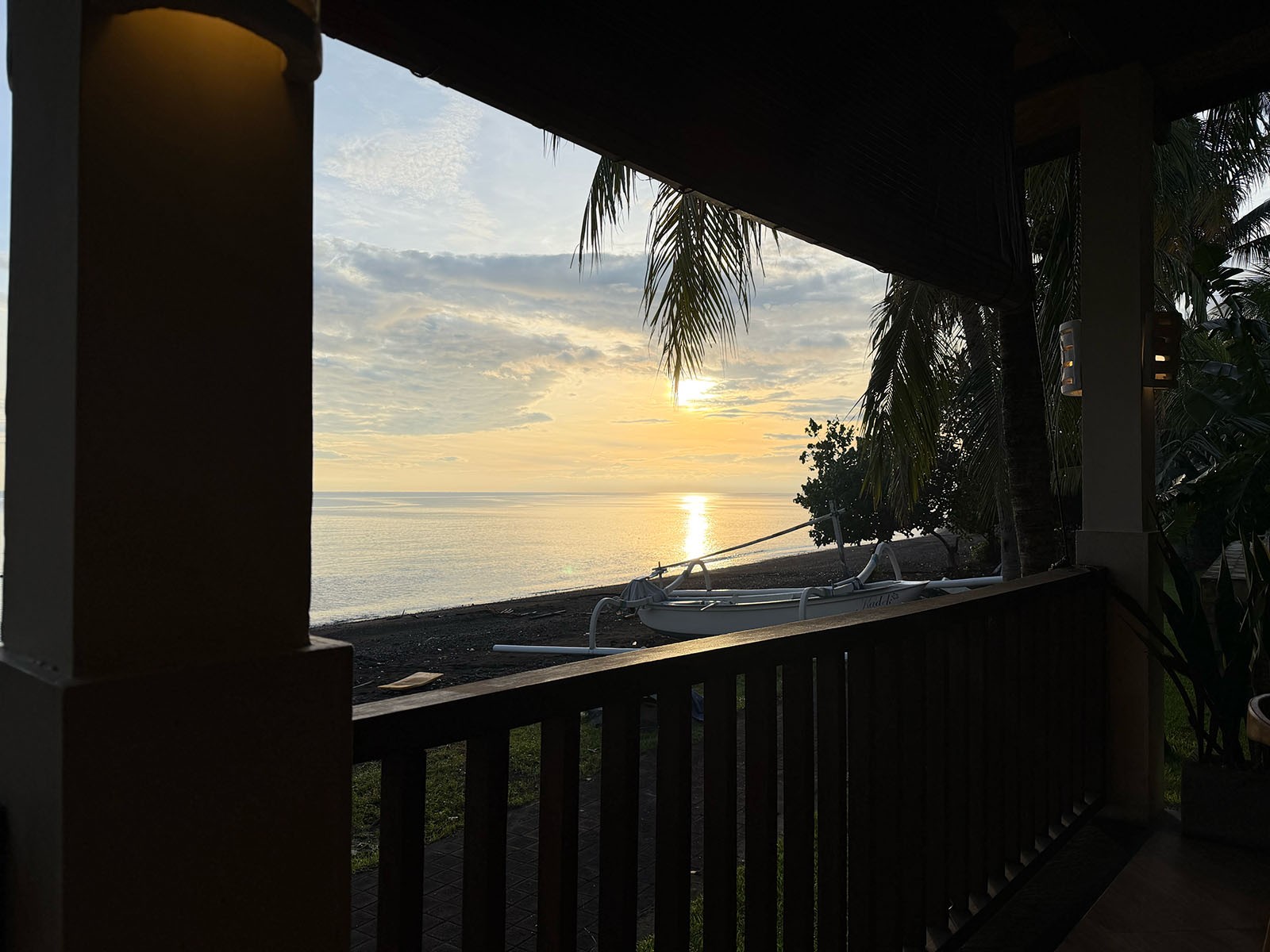
The women of Tulamben carry the tanks down to the water on their heads, and have done for as long as there has been diving here. Four minutes after leaving your room you are finning over a warship.
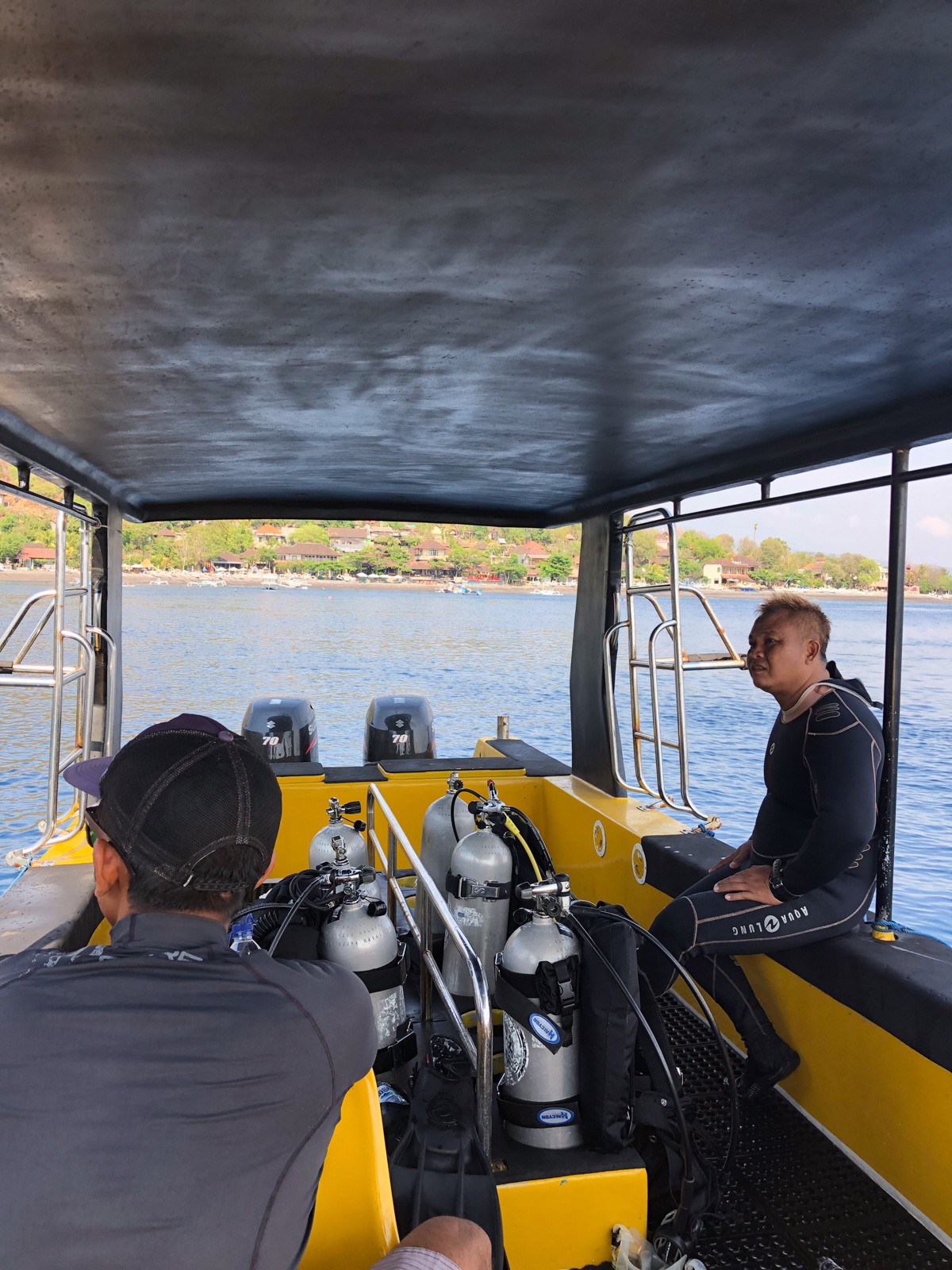
No boat, no schedule, no briefing room. Tulamben's whole argument is that the USAT Liberty sits in five to thirty metres of water a short walk from the road, and that you can dive it at dawn, at dusk, and again at night if you want to. Northeast Bali is also, with Bonaire and Bangka, among the best value in this library.
About as forgiving as good diving gets. You walk in from the beach, the wreck sits between five and thirty metres, and there is no boat schedule. The honest caveat is the entry: when the wind is up the surge over the pebbles makes getting in and out genuine work, and the same swell can drop visibility.
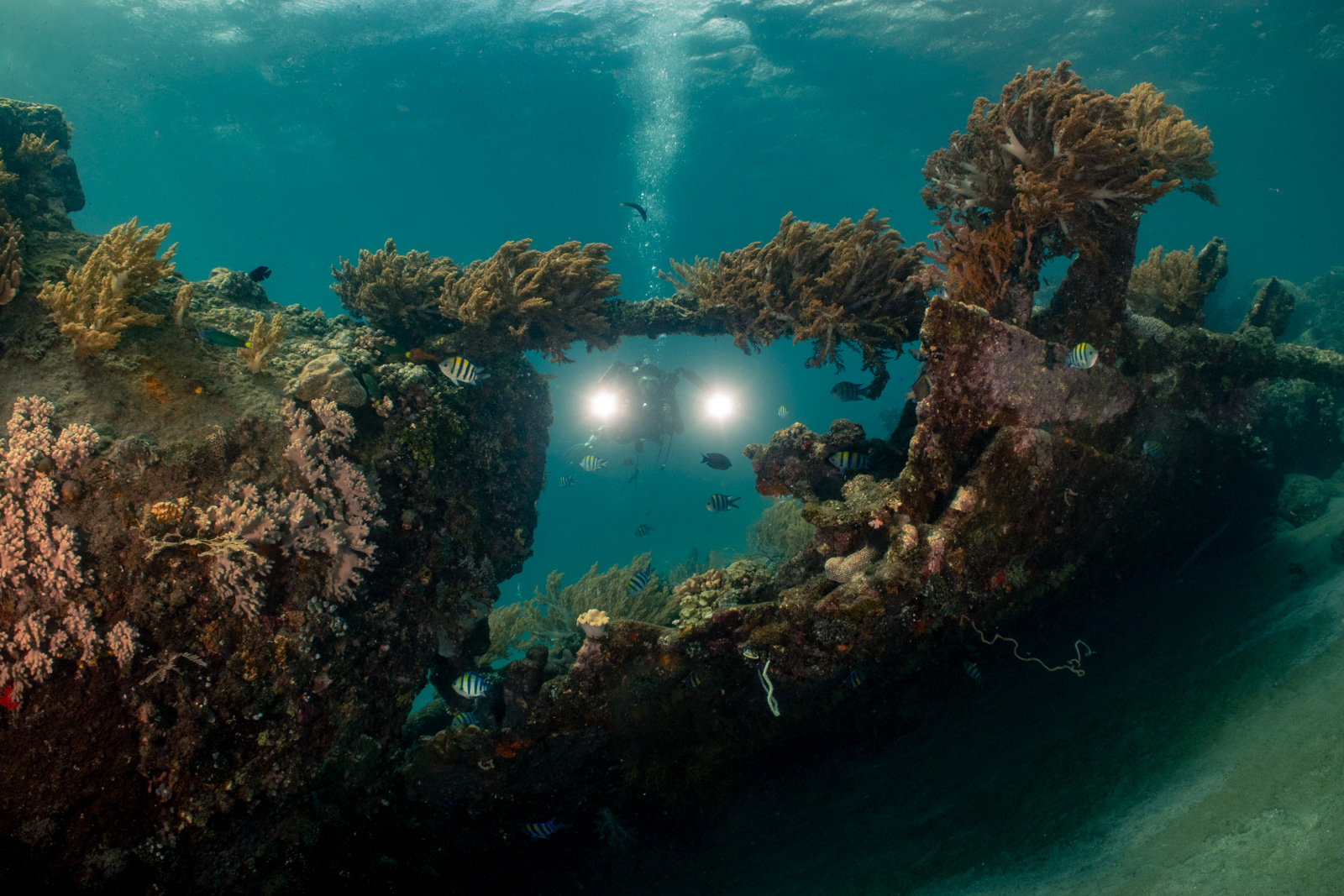
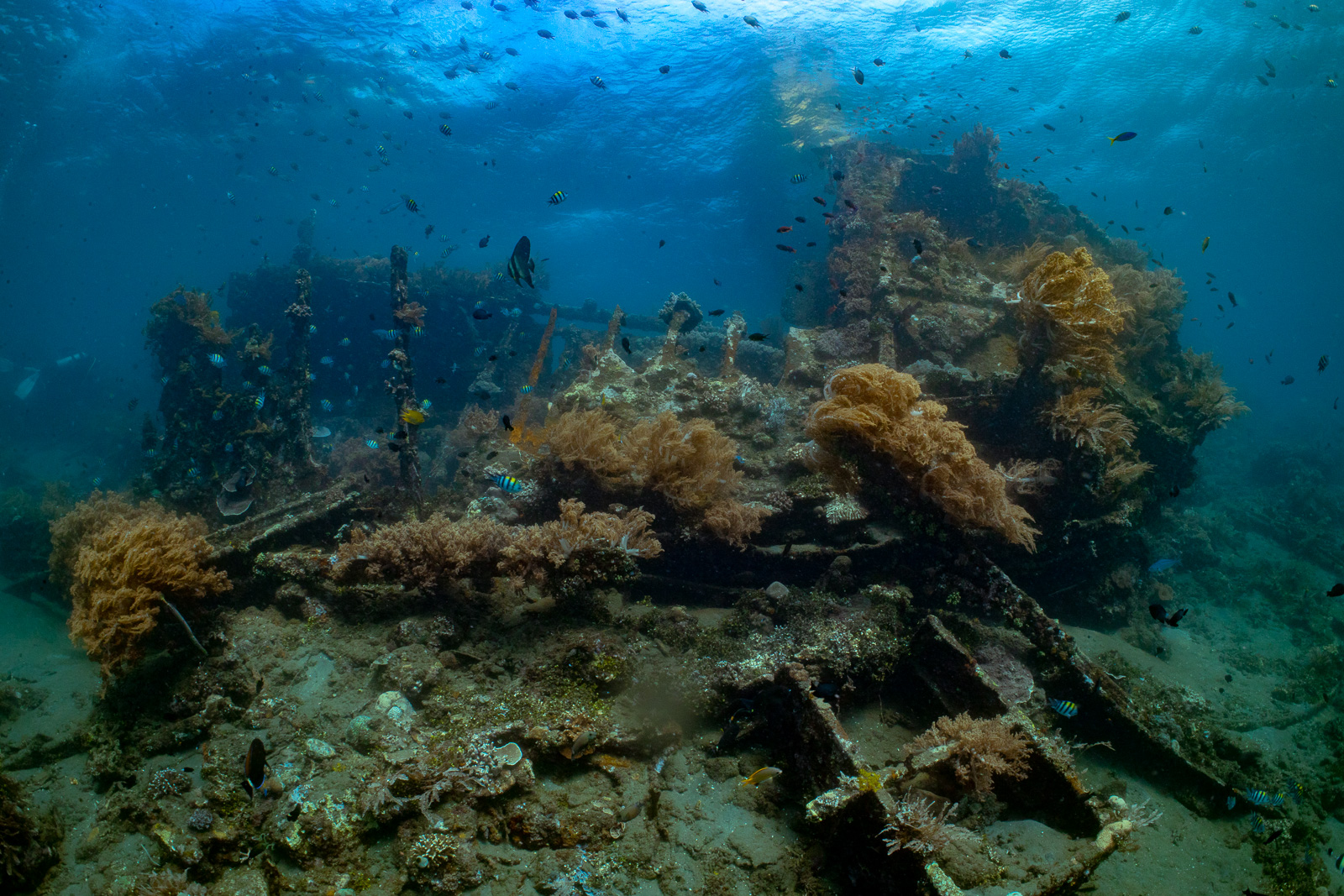
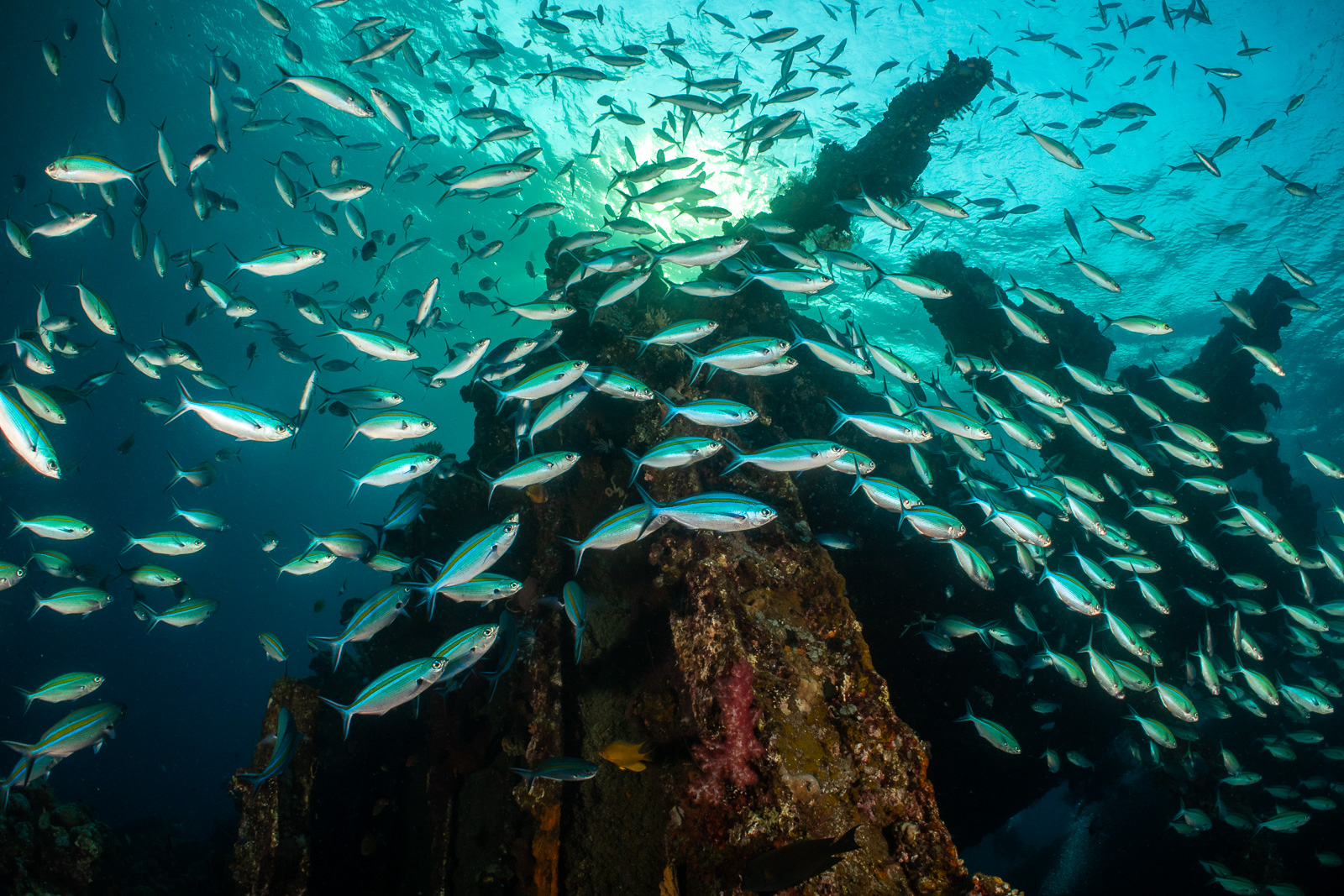
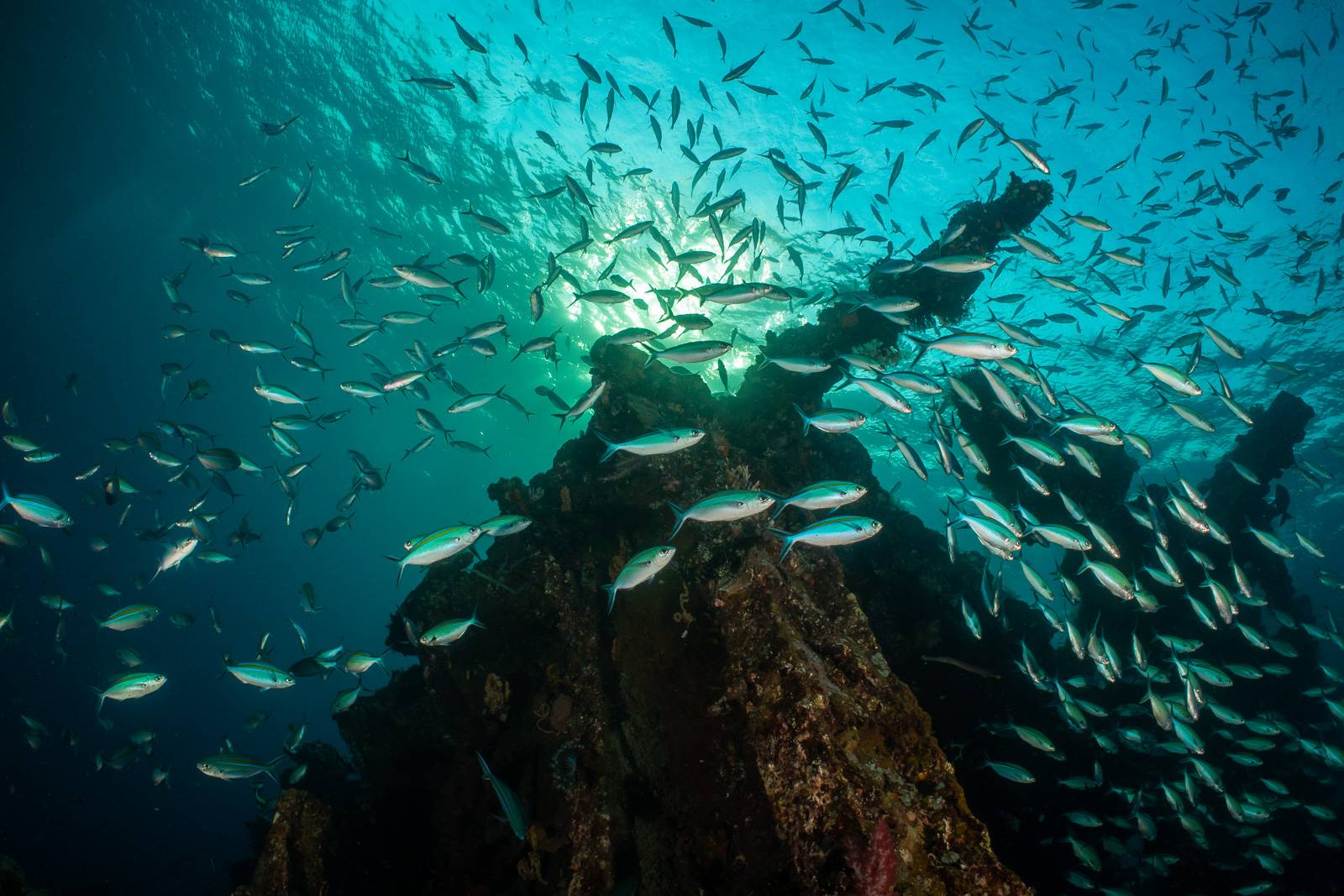
The Liberty was torpedoed in 1942, beached, and then pushed off the shore by the 1963 eruption of Gunung Agung. It now lies parallel to the sand in water shallow enough that snorkellers get the top of it, and eighty years of growth have turned a casualty of the Pacific war into a reef.
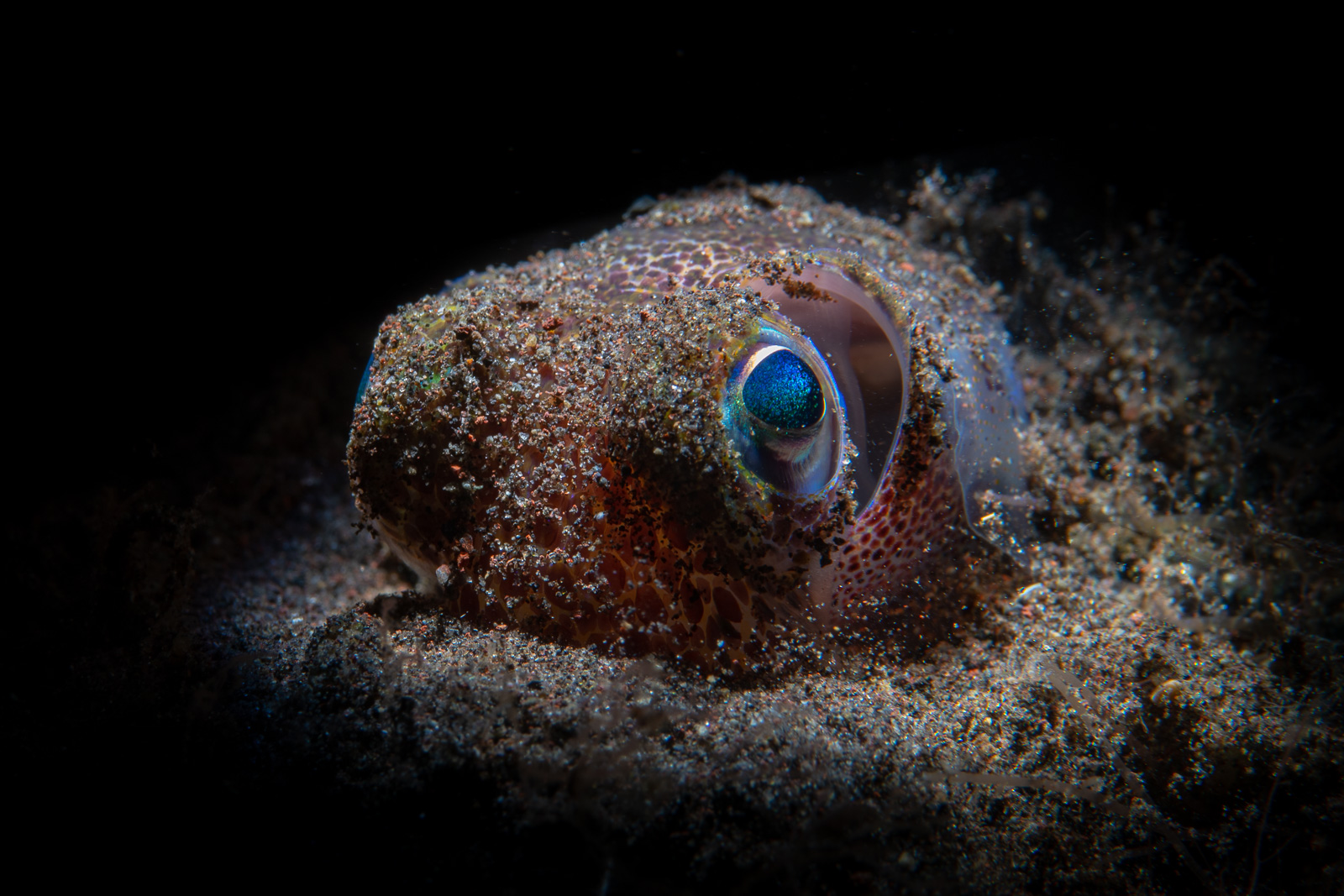
Access is the entire product, and what it buys is time of day. Dawn, when the bumphead parrotfish come over the hull in a line. Dusk. Then again at night, when the same wreck fills with animals that were nowhere to be seen at noon. Three completely different dives on one piece of steel, and you never board anything to get there.
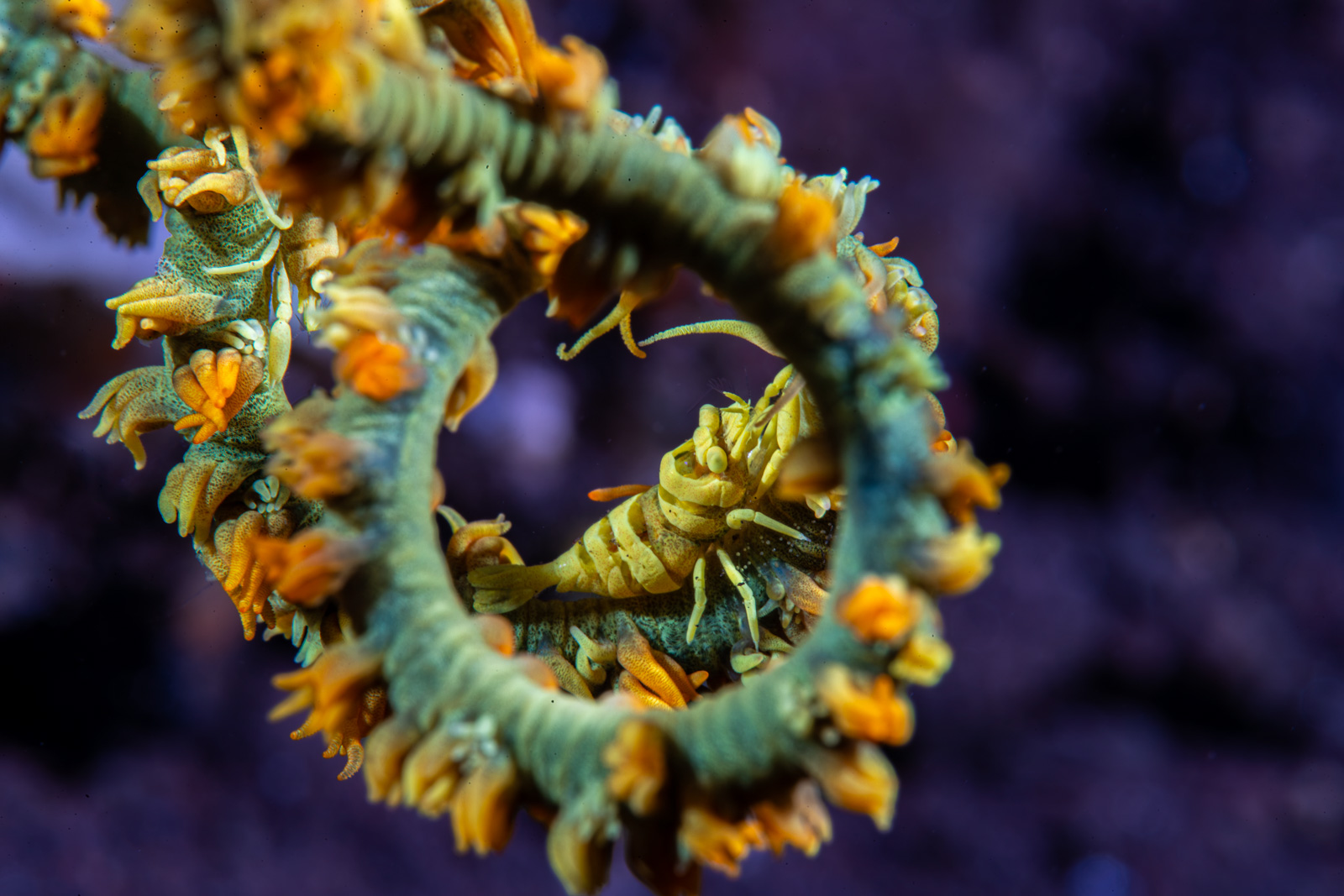
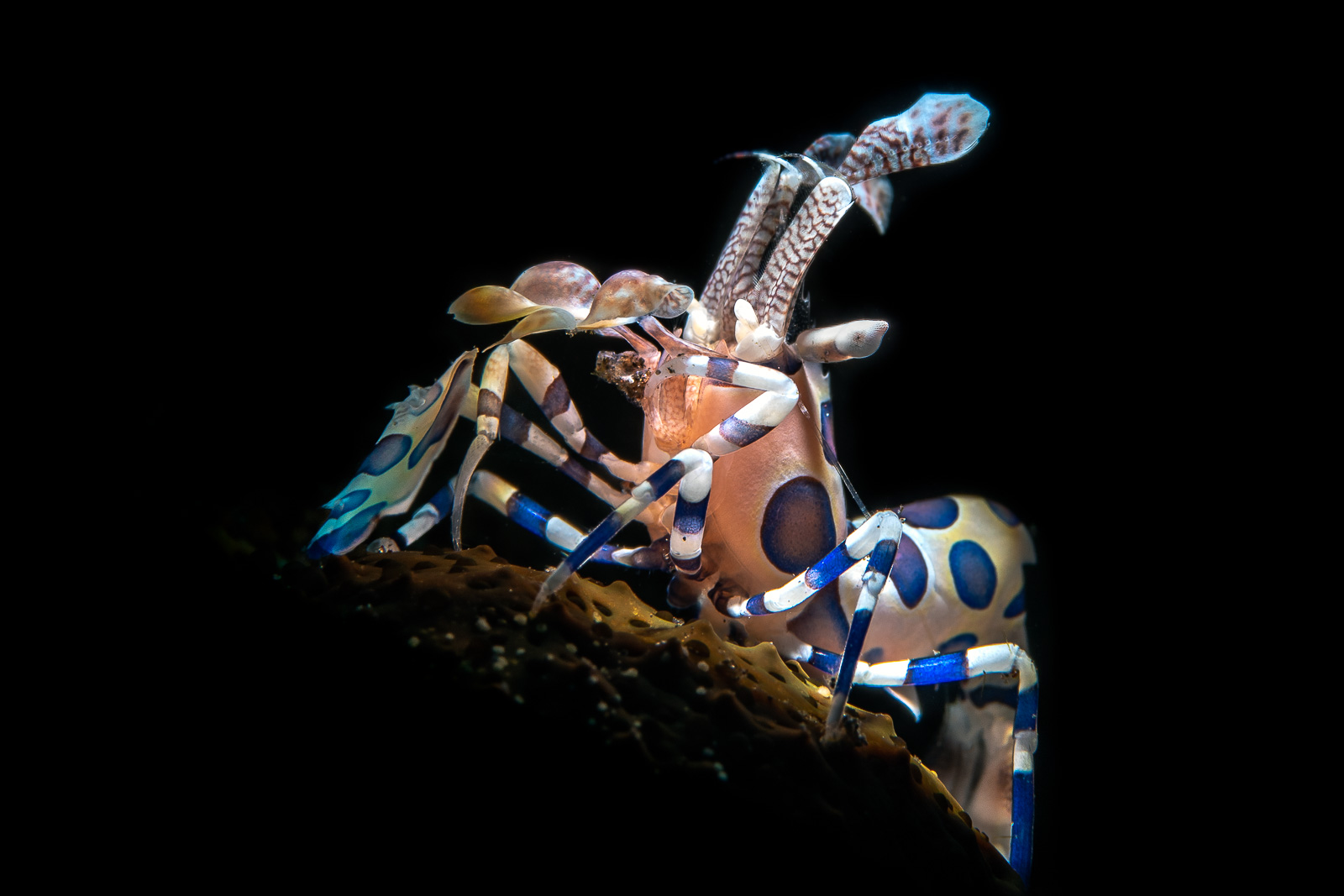
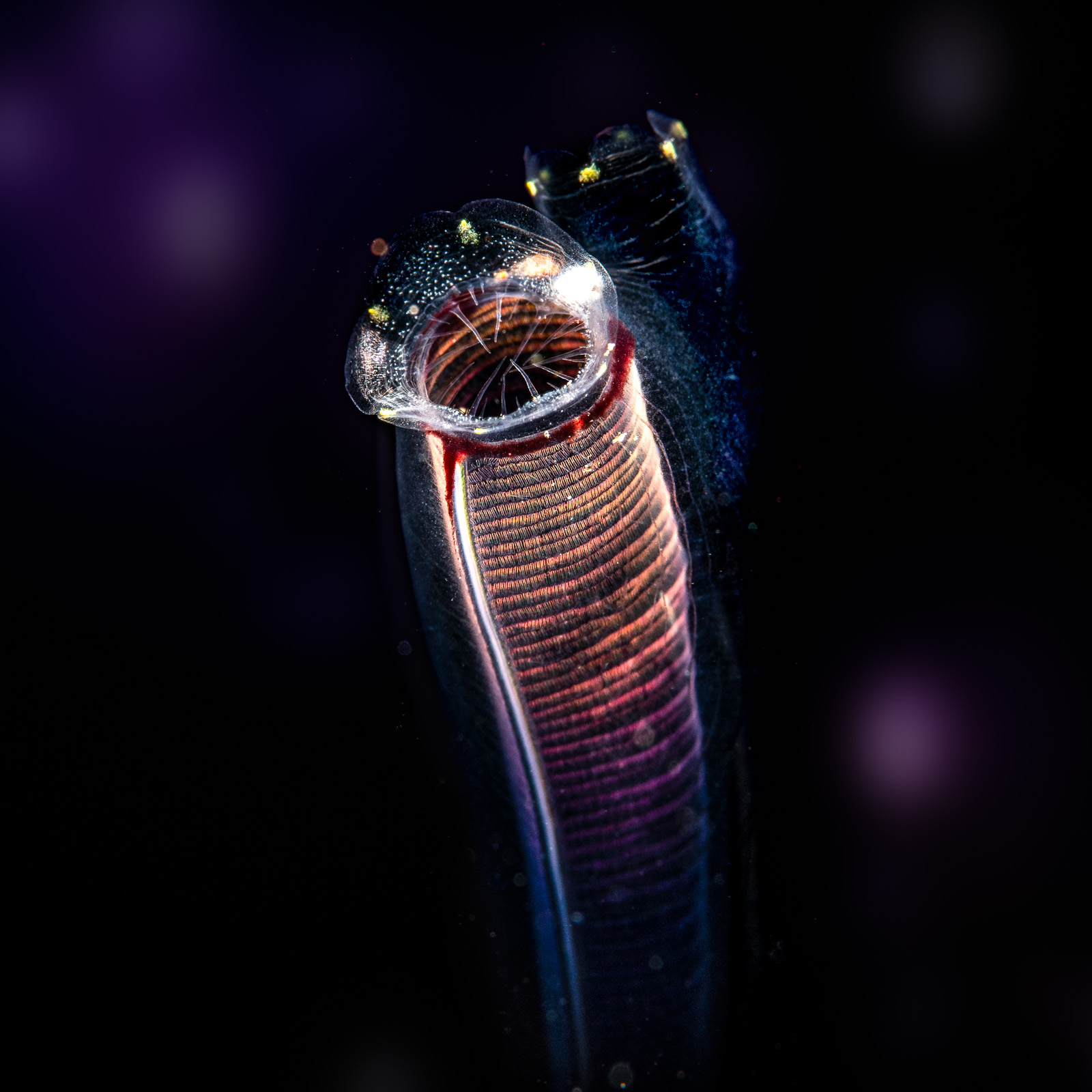
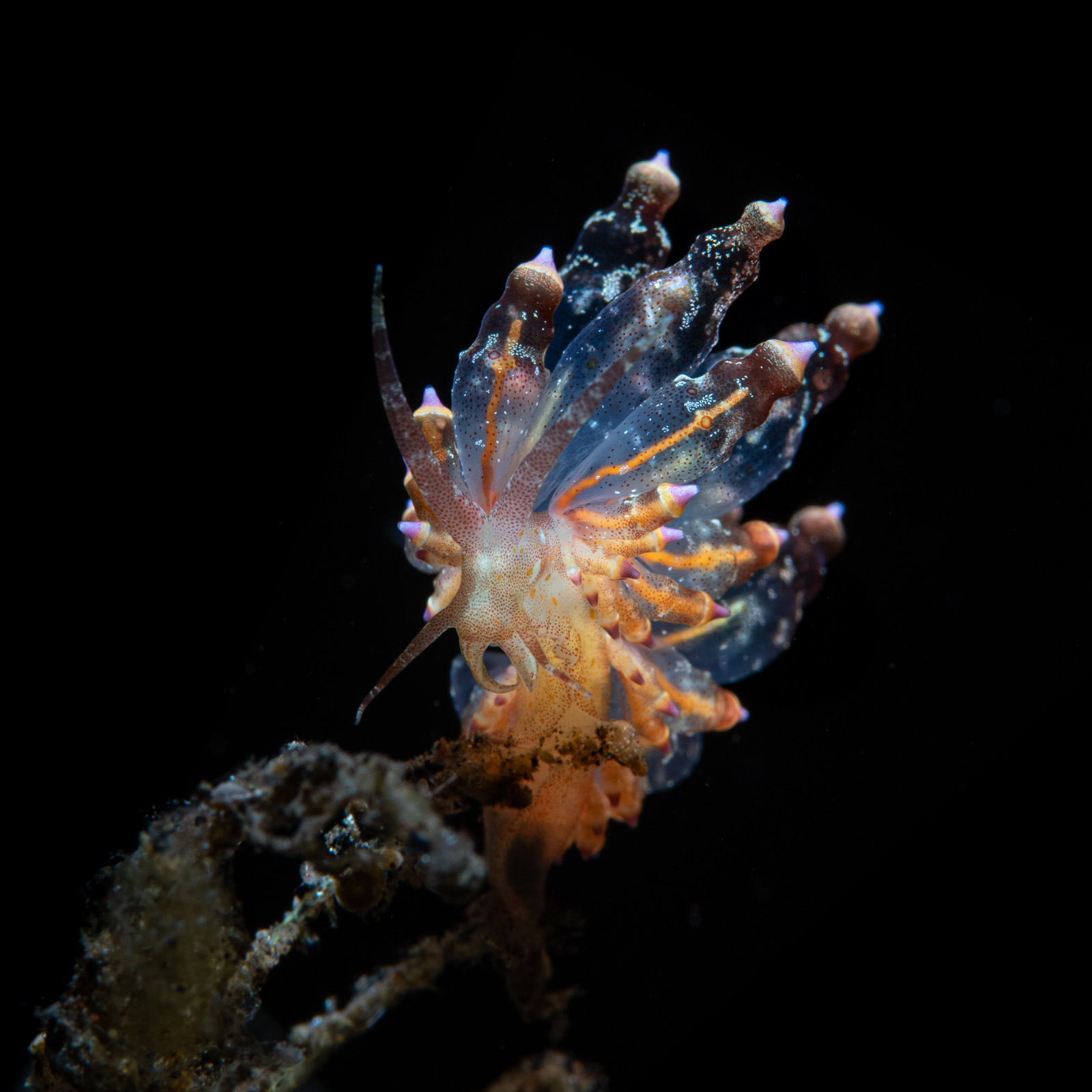
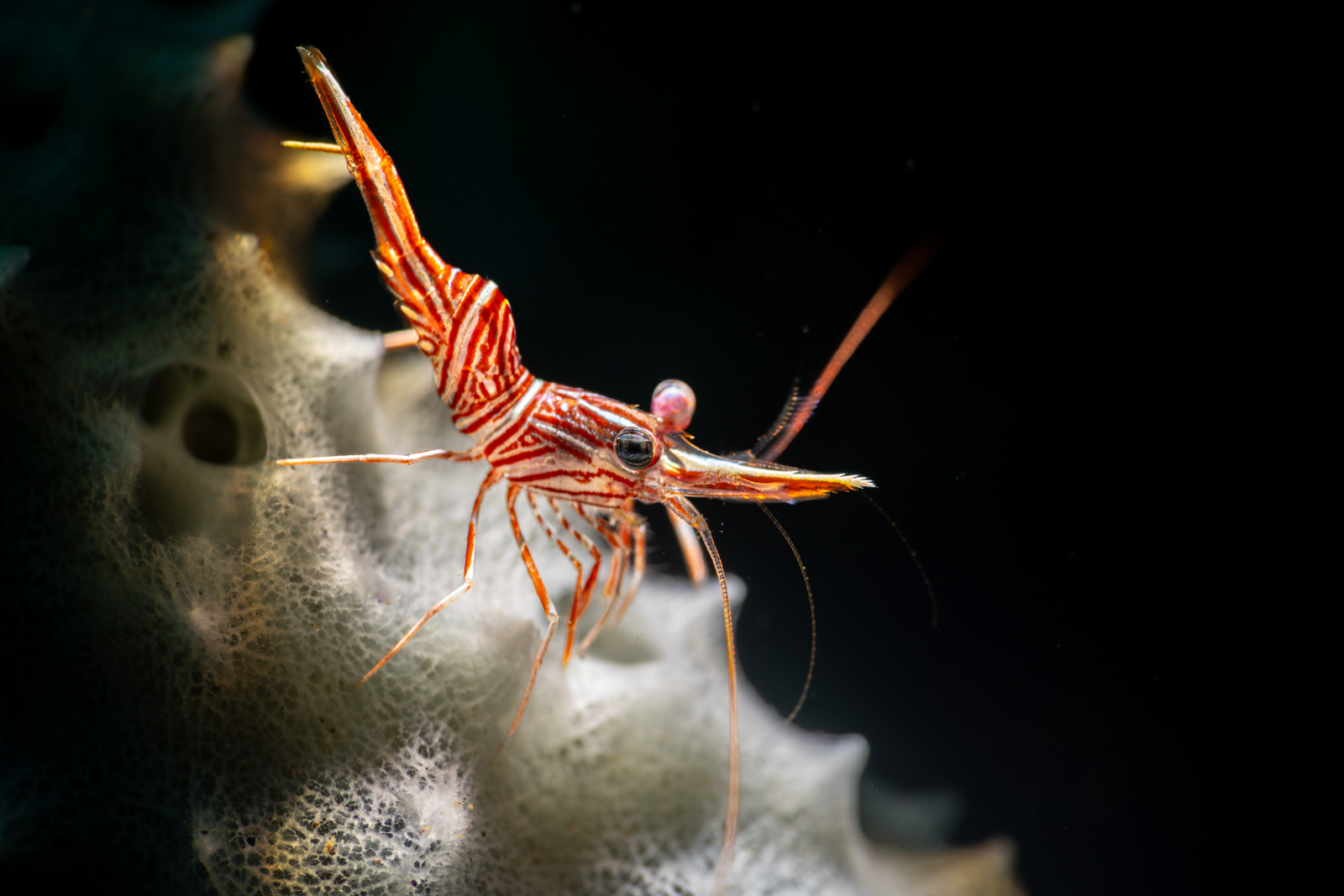
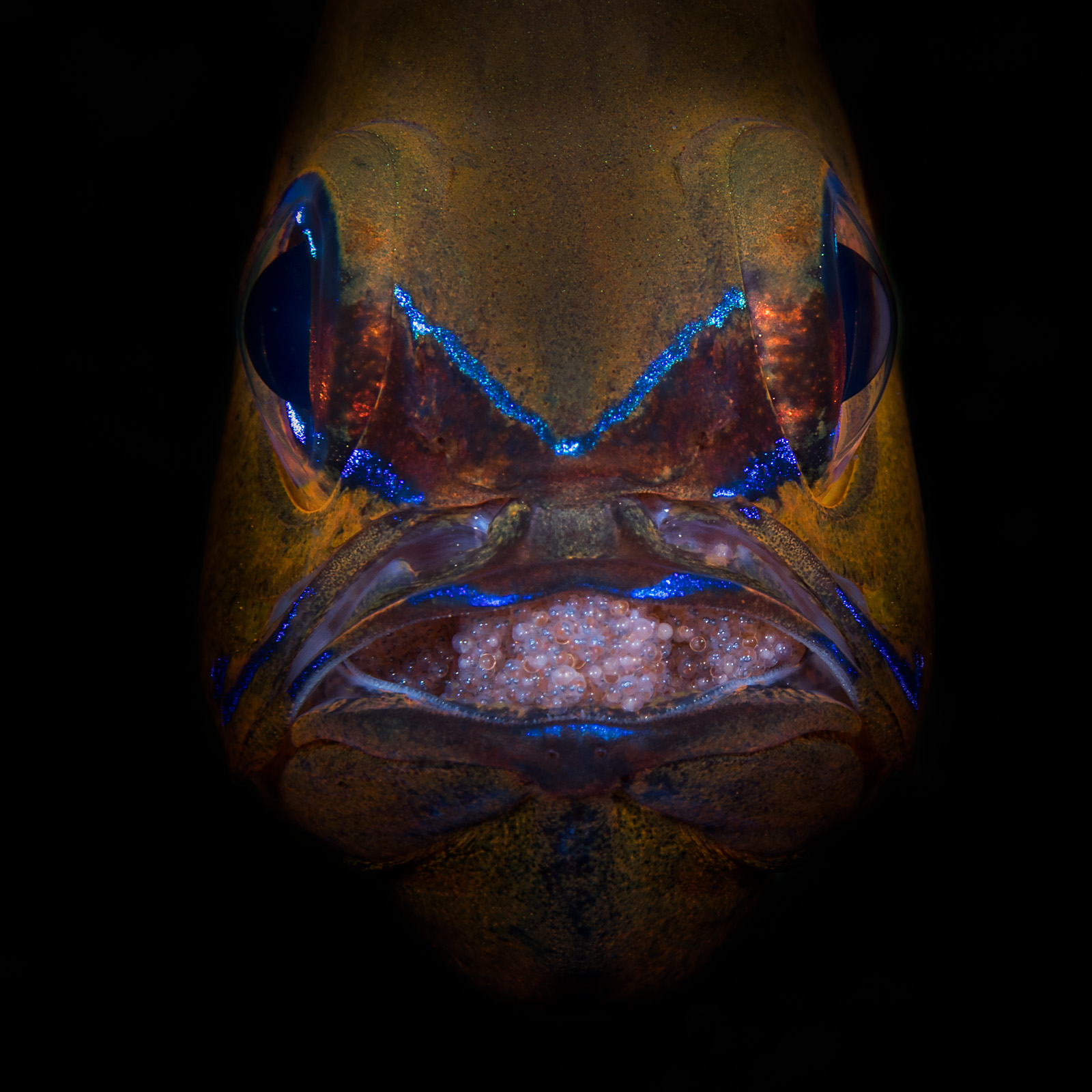
The small stuff is the surprise here and it is the real reason photographers keep coming back. Coral Garden and Seraya Secrets are proper muck sites with a shipwreck for a neighbour, which is not a combination available anywhere else in this library.
It is not a wide-angle destination beyond the Liberty itself, and the visibility can drop when the swell is up. What it is, reliably, is the cheapest great dive in Indonesia and the one you can do five times in a day.
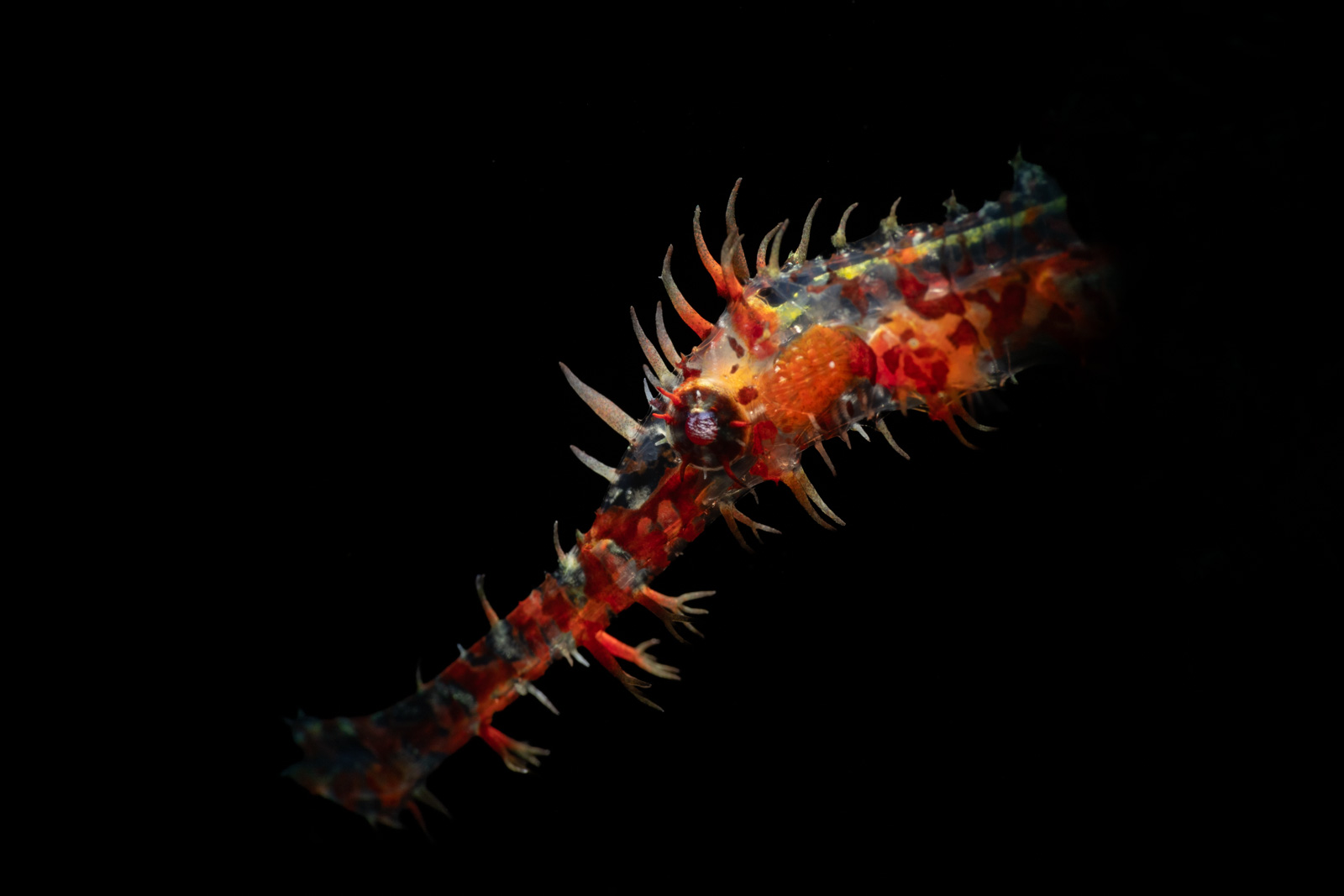
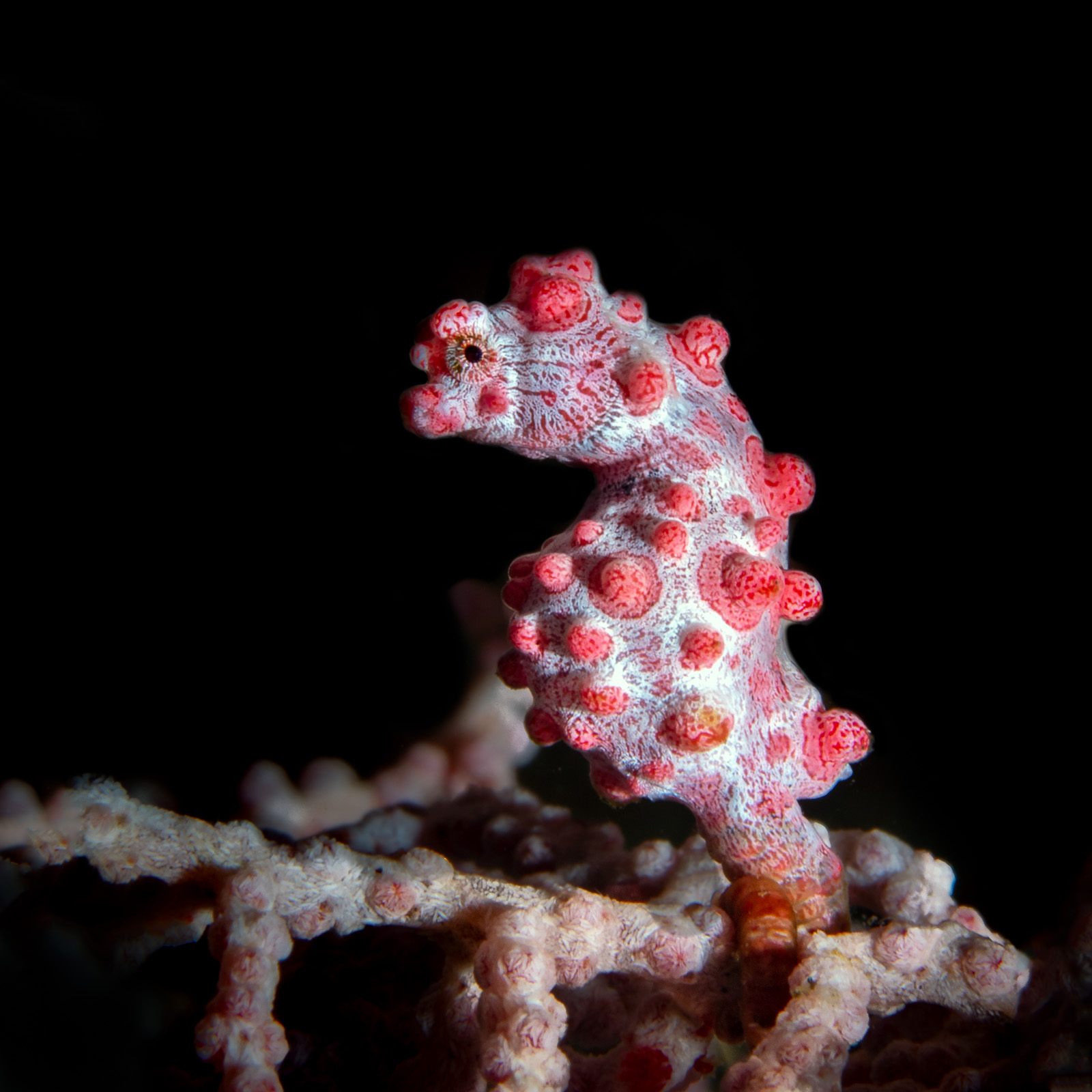
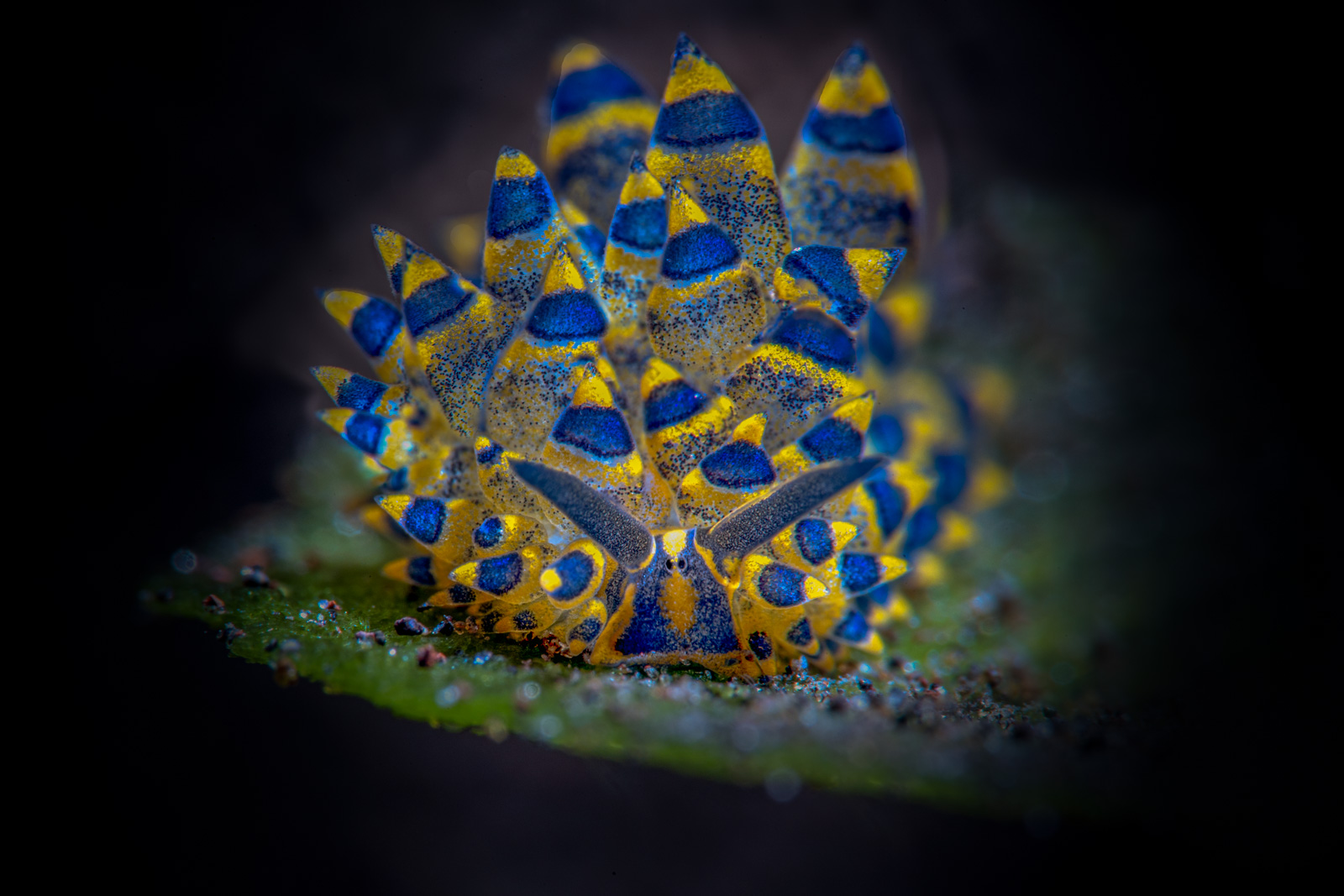
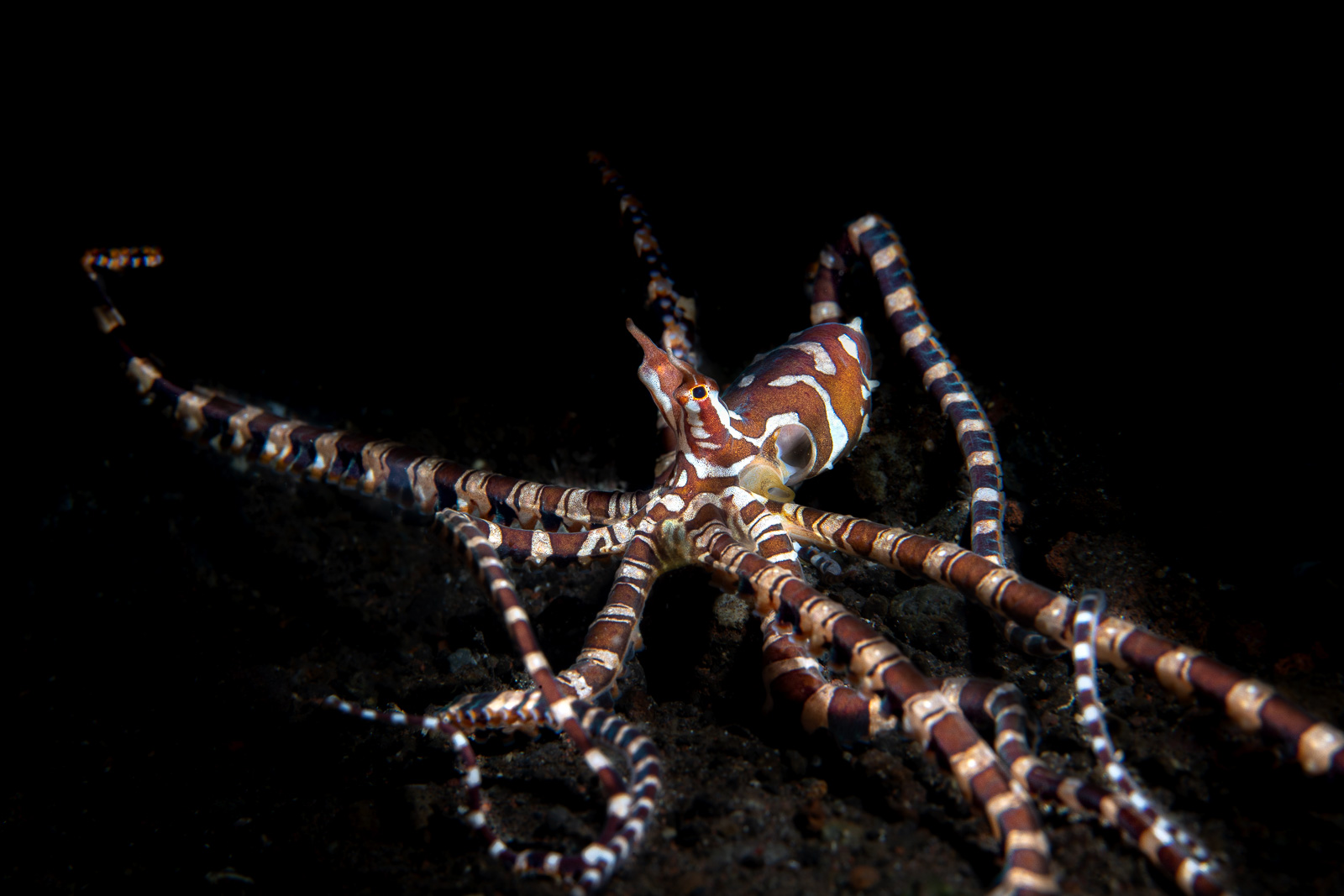
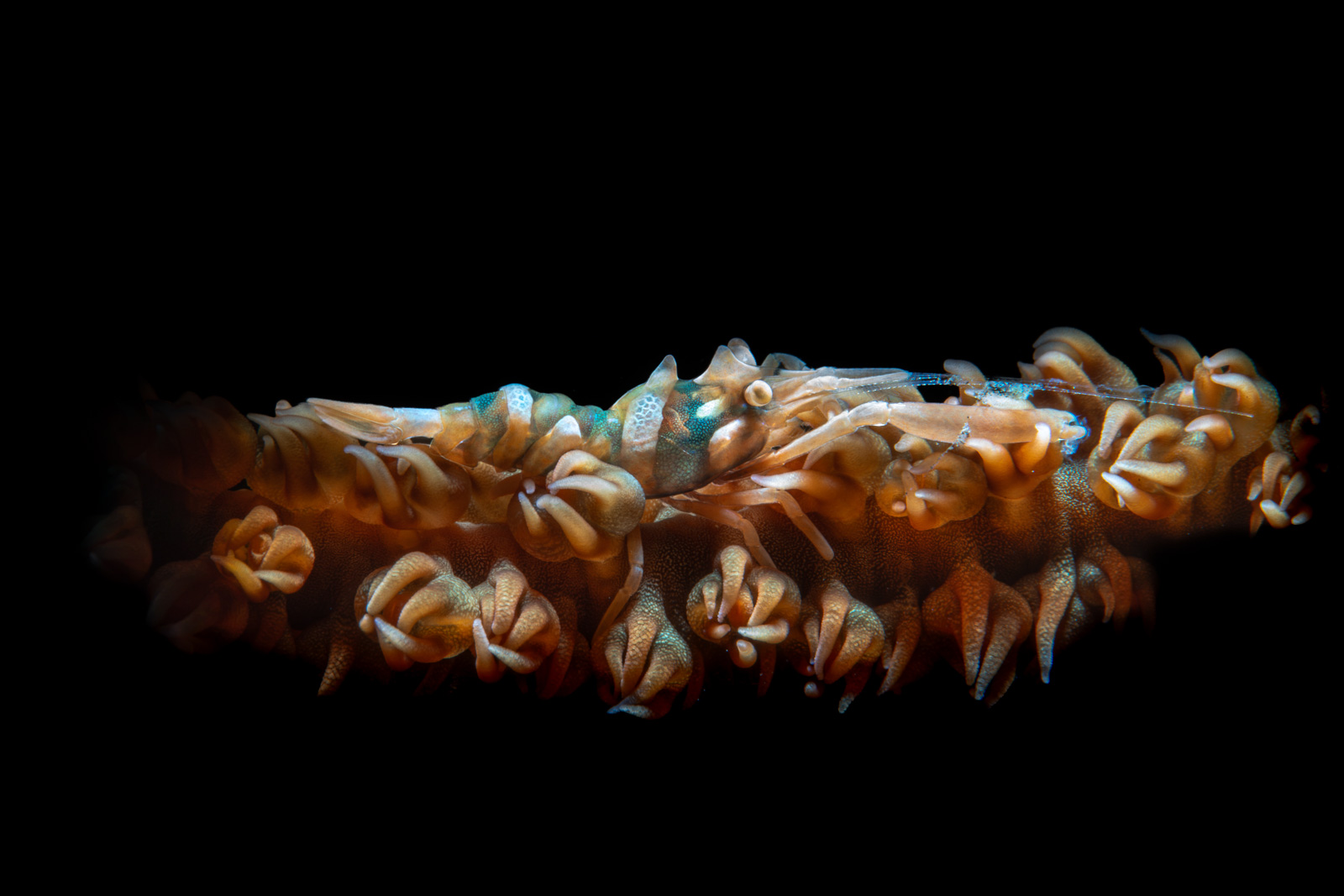
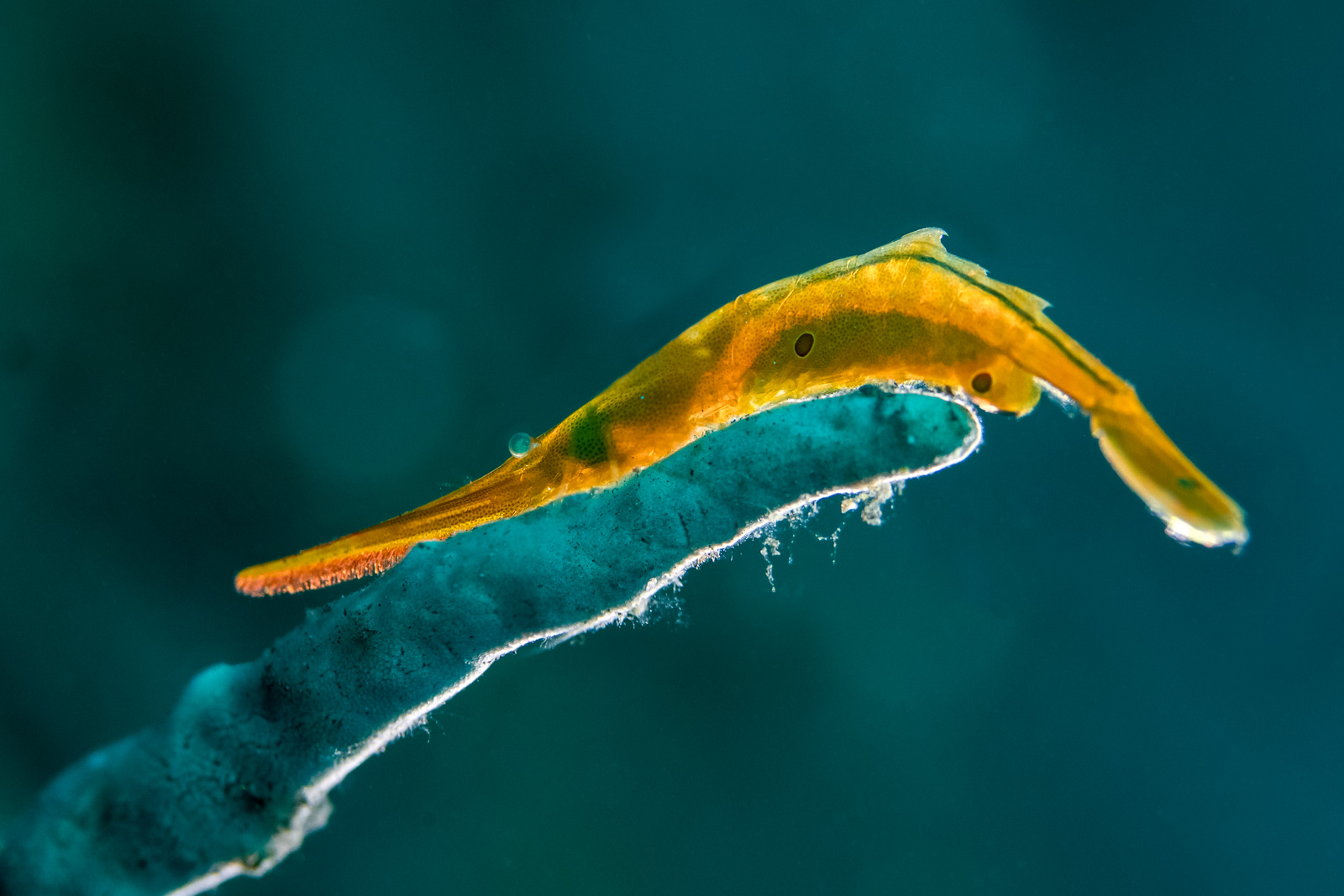
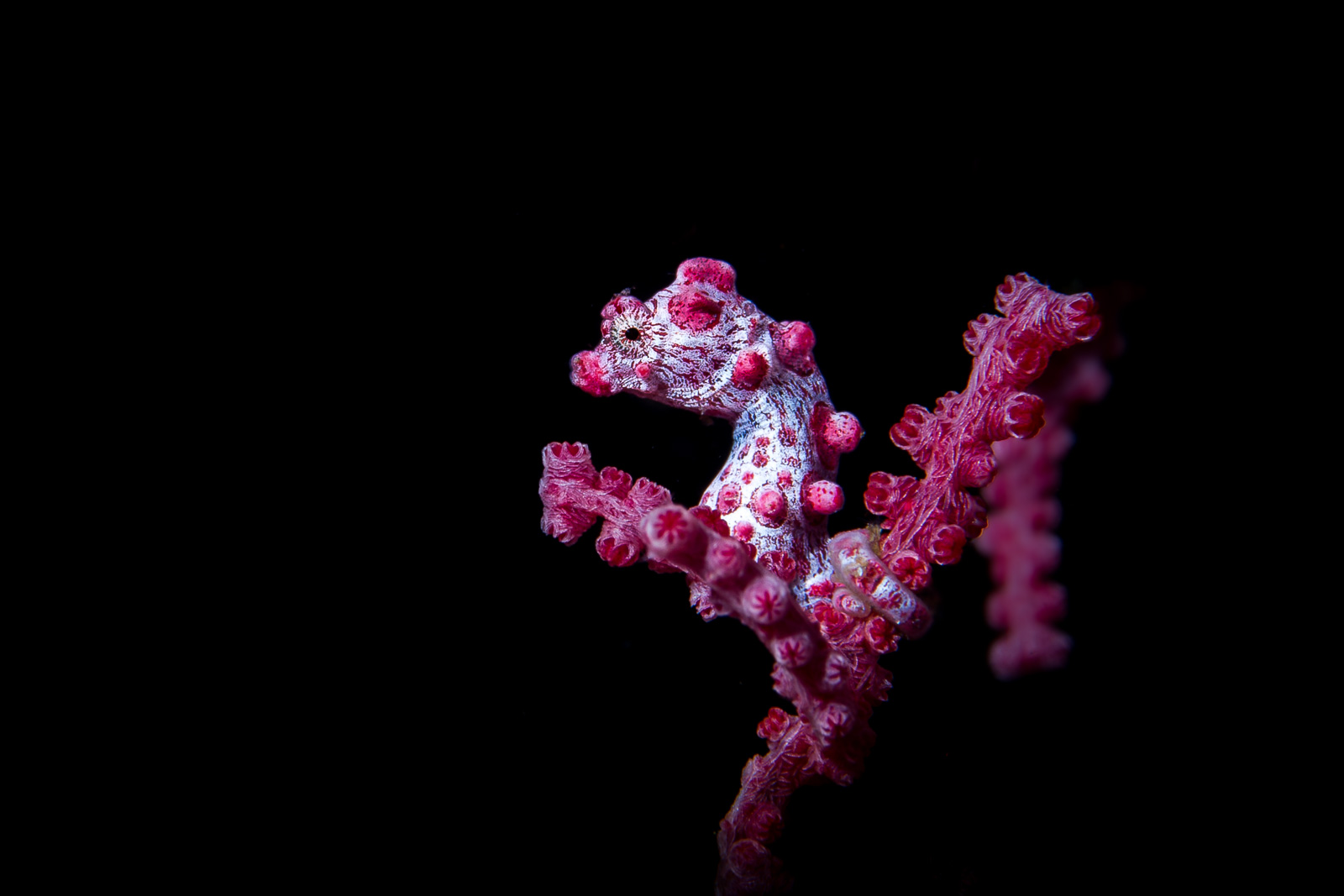
The macro is the reason. Pygmy seahorses, ghost pipefish, nudibranchs and a guide network that knows where everything is.
The Liberty is photogenic at dawn before the crowds arrive, and unphotographable by nine in the morning.
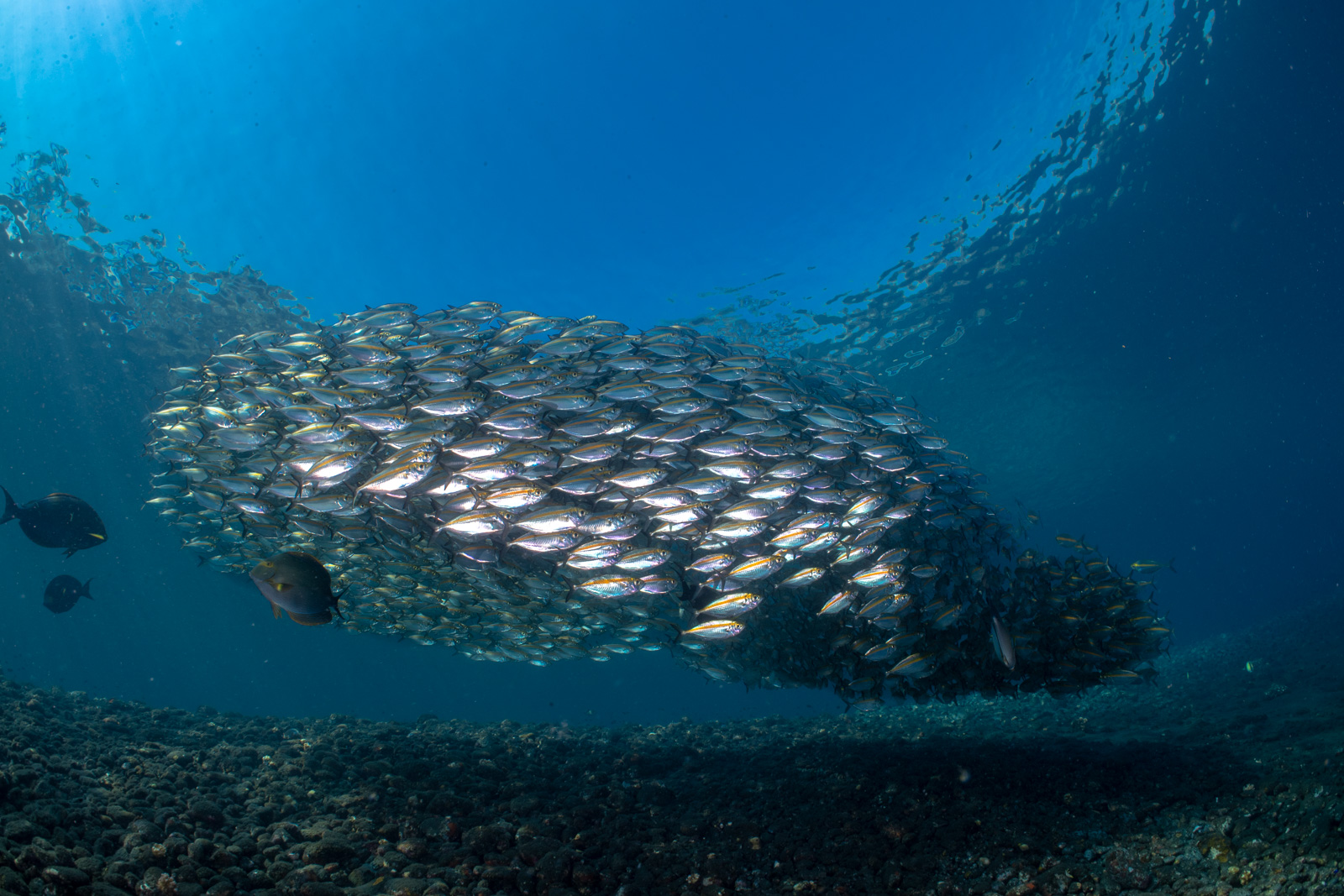
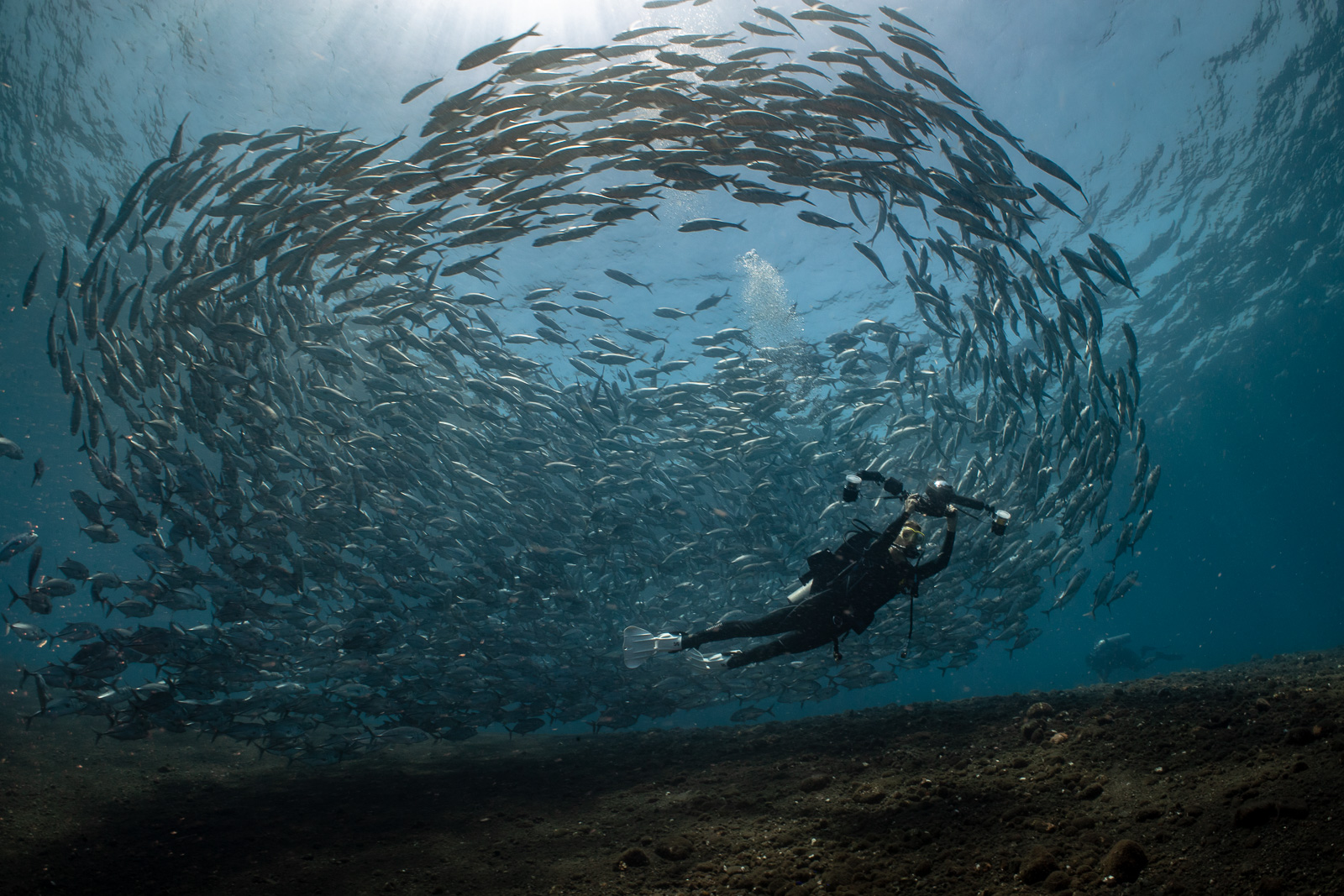
Wide-angle scores low and deserves to. Visibility and particulate work against you.
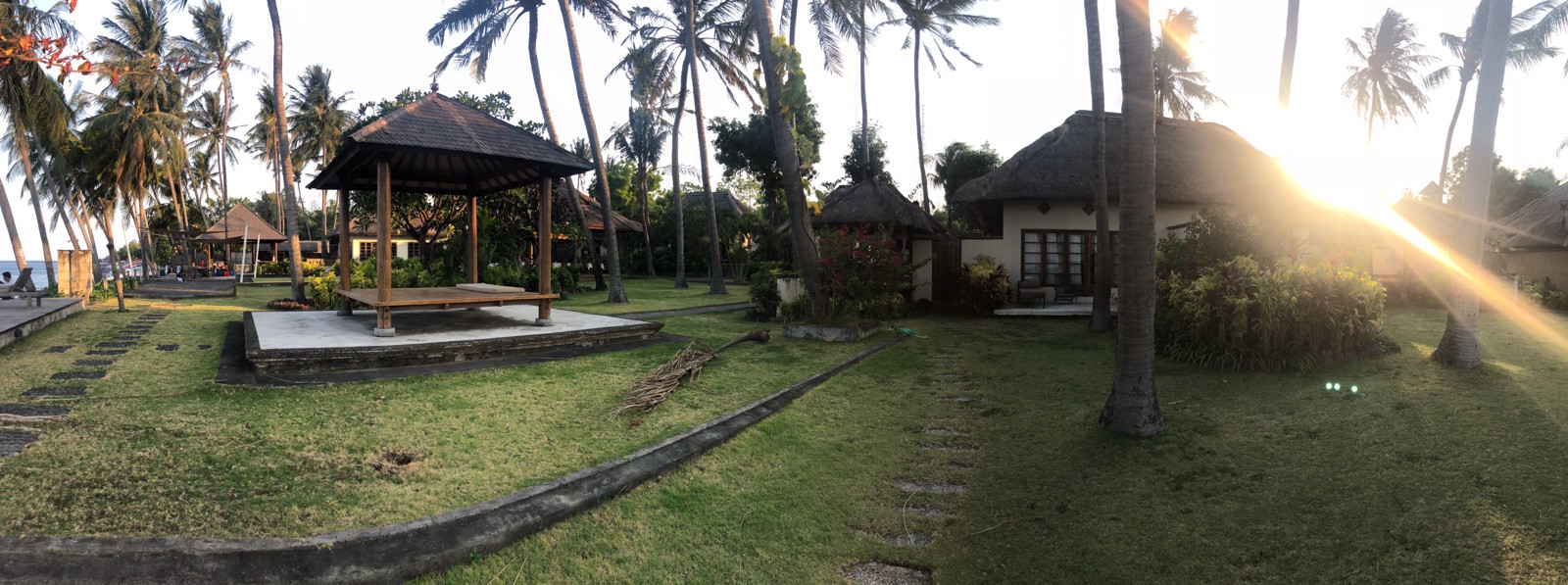
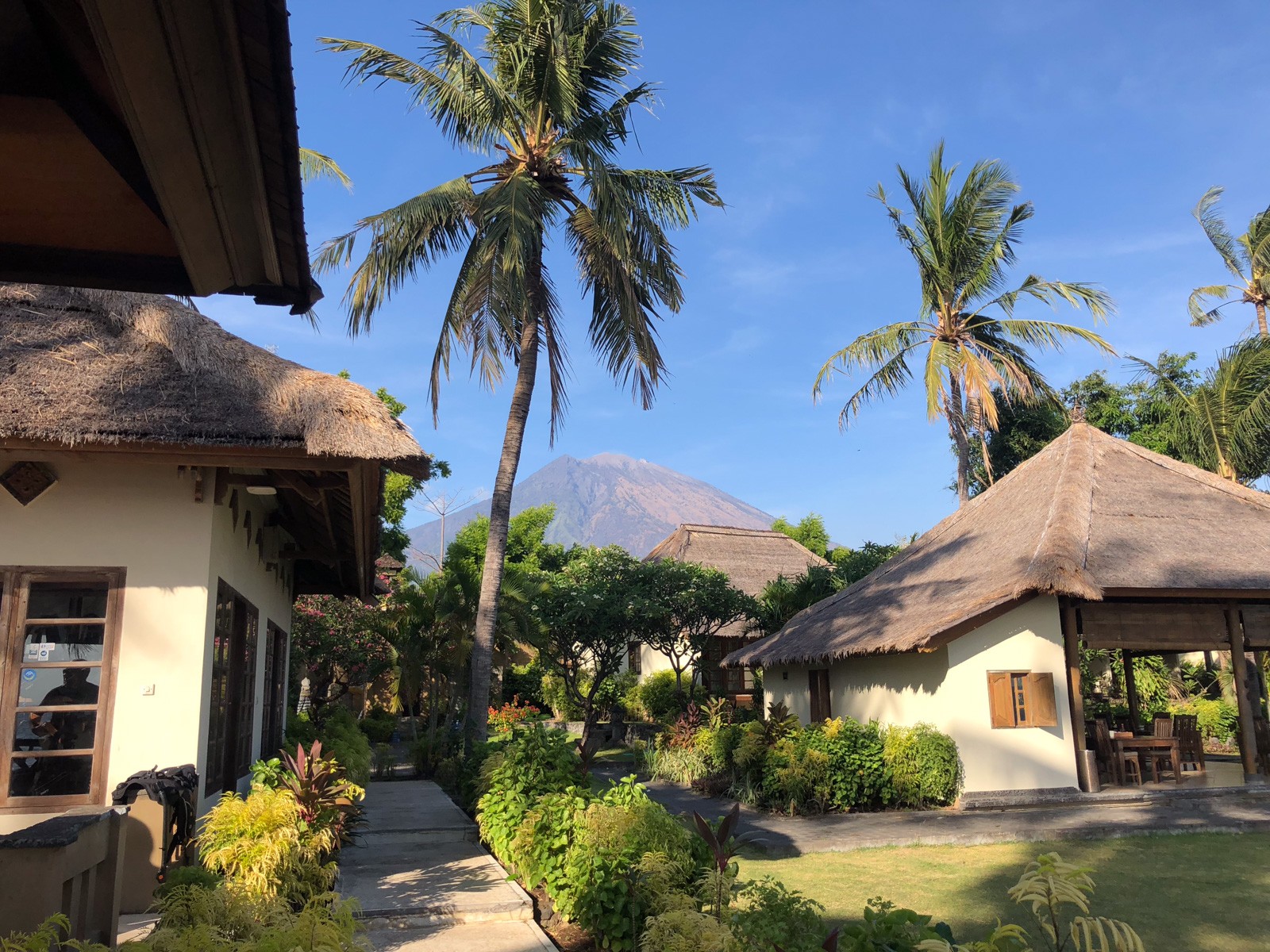
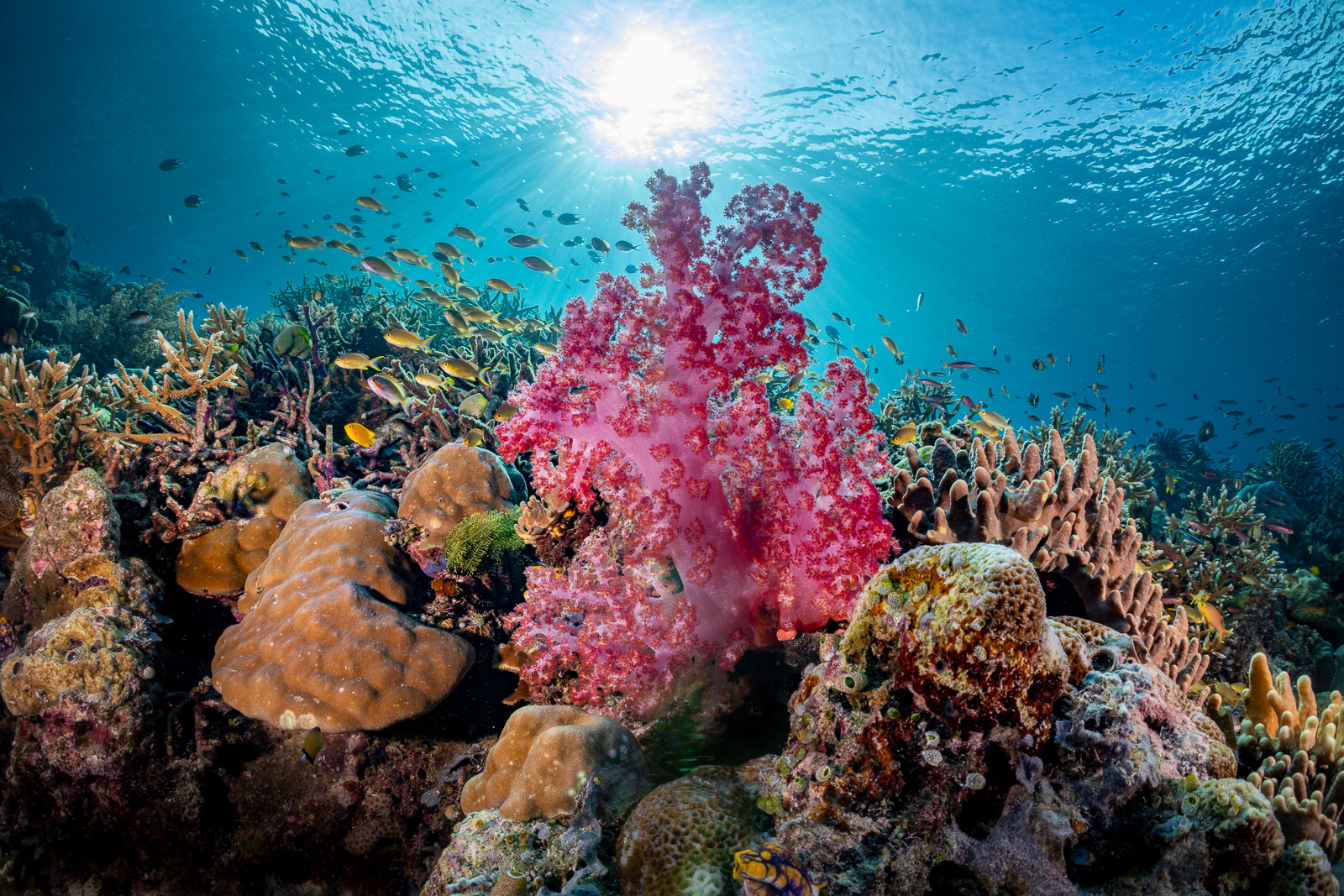
Every frame here was made at Tulamben in 2016 and 2026, in the conditions that turned up rather than the ones I hoped for. Click any of them to open it full size.
Any frame on this page can be licensed for editorial use. Licensing terms.
April to October is when Tulamben is at its best. Tap any month for what the water is actually doing.
Visibility, sea state, what is in the water and how much of it you can count on. The season turns at April and again after October.
Six I dived more than once and would plan a week around, named as the resort names them.
Torpedoed in 1942, moved by a volcano in 1963
A hundred and twenty metres of transport lying on her side between five and thirty metres, a short walk from the pavement. Dive it at dawn for the bumphead parrotfish and to have it to yourself — by nine the buses arrive from the south.
Shallow, sheltered, productive
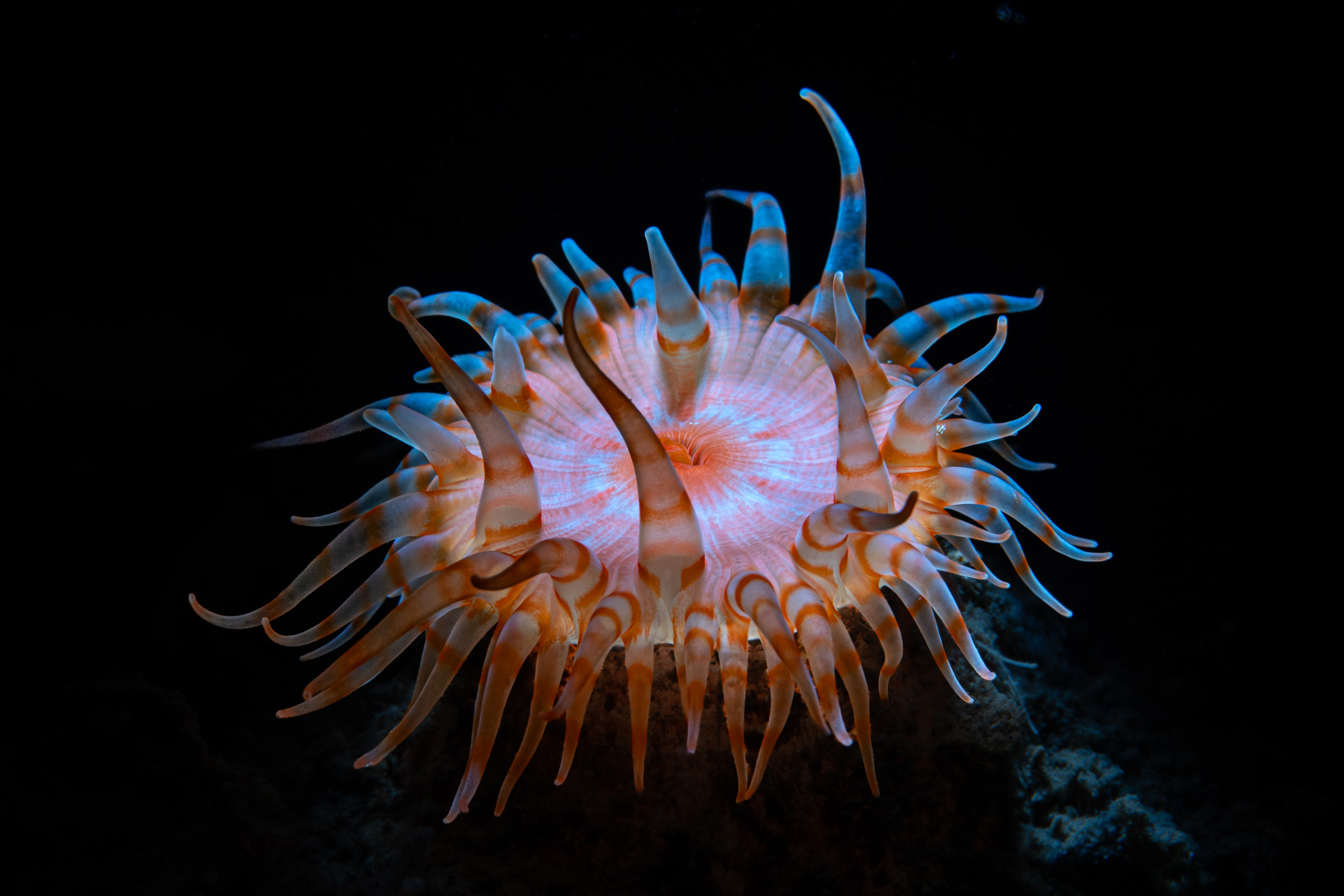
Anemone fields with ribbon eels and cleaning stations, all in easy water. The site to send somebody to on their first afternoon.
The deepest thing on the local map
A steep volcanic wall with noticeably better hard coral than the shallows. Worth doing once for the change of profile.
The muck site that made the coast famous
Pure black sand macro, and the reason critter photographers know Tulamben at all. Scuba Seraya sits directly on it, which is most of the argument for staying there.
Quieter black sand
Same idea as Seraya, far fewer people on it. Useful when the better-known sites are busy.
Rubble, silt, and the rare stuff
Where the guides go when the wreck and the garden are congested. Slower, stranger, and frequently the best macro of the trip.
The reef doesn't change when you switch operators, but your experience does. To help you choose, each option is scored on the same five trip axes. The final rating is a simple equation: the baseline score of the reef plus the specific score of the operator.
Asked in the order they actually matter, answered with specifics.
Usually easy — a short walk over black pebbles and a sixty-metre surface swim. When the wind is up the surge makes it real work, and the local women who carry the tanks to the water will tell you honestly what it is doing that morning.
Yes. It is divable year round. Expect more wind, occasional surge and reduced visibility, and be prepared for a slightly harder entry rather than a cancelled day.
As many as you have daylight and gas for. There is no boat schedule. Dawn on the wreck, a mid-morning muck dive, an afternoon slope and a night dive is an ordinary day.
Around three hours by road from Denpasar, up the east coast. Most resorts arrange the transfer, and it is worth breaking the trip if you have just flown long-haul.
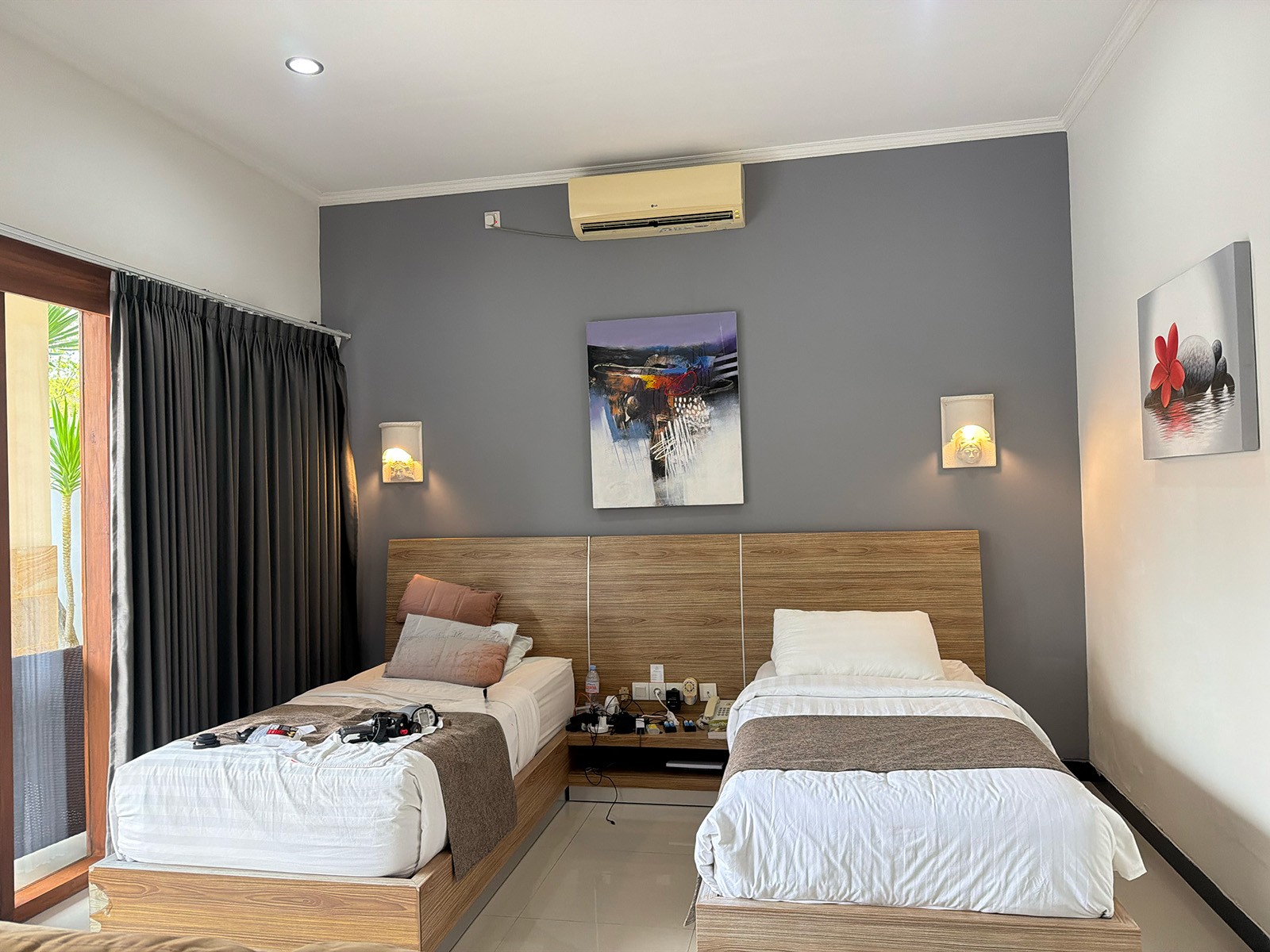
Scuba Seraya is set up for photographers. Bali Dive Resort & Spa has no camera room, so rinsing, drying and battery changes happen in your room — worth knowing before you arrive with two strobes.
The right-hand column is the useful one. Misool is expensive enough that going for the wrong reason is an expensive way to find out.
Most people combine Tulamben with time in Ubud or Sanur, which is why those appear separately on this site.