Dampier Strait
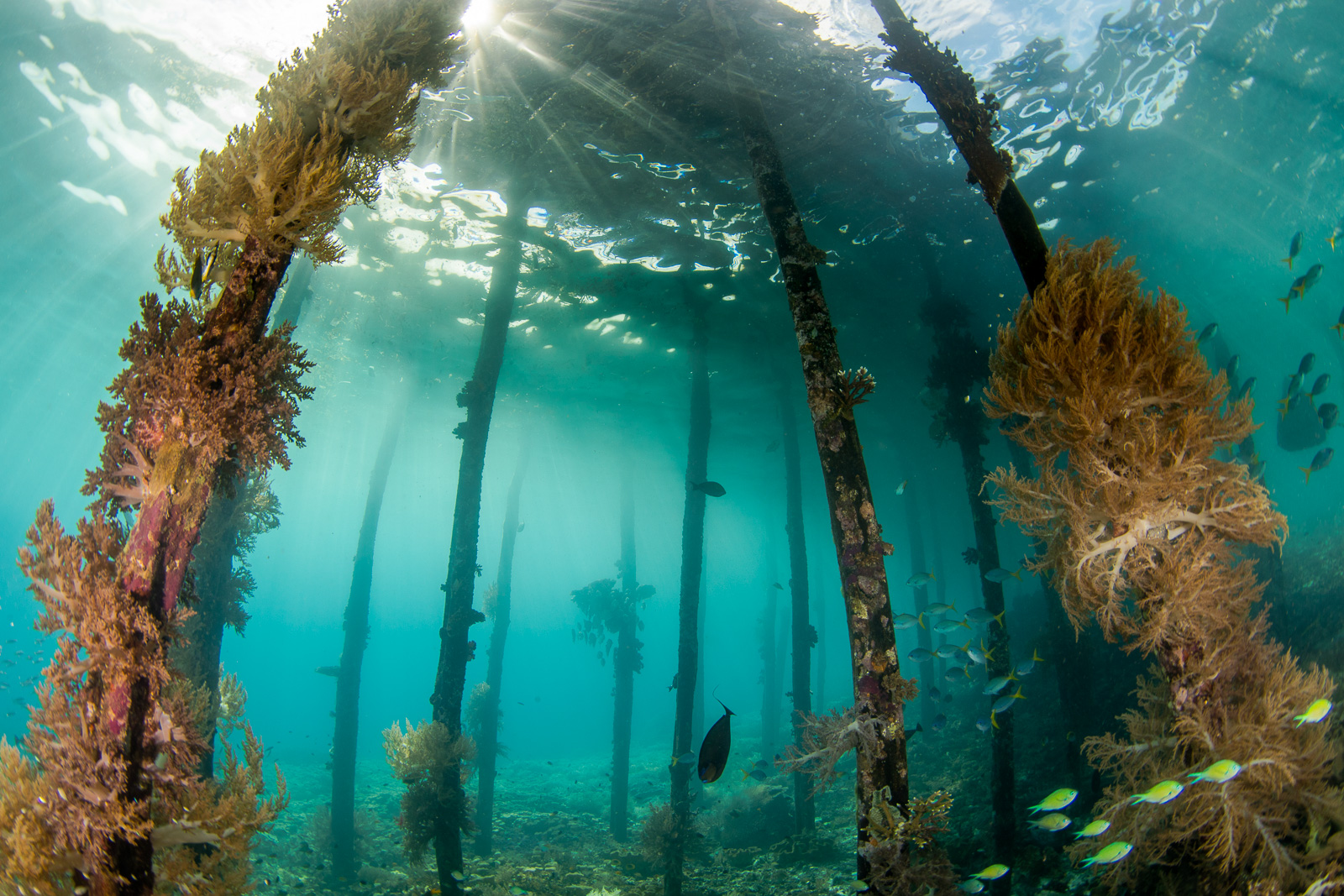
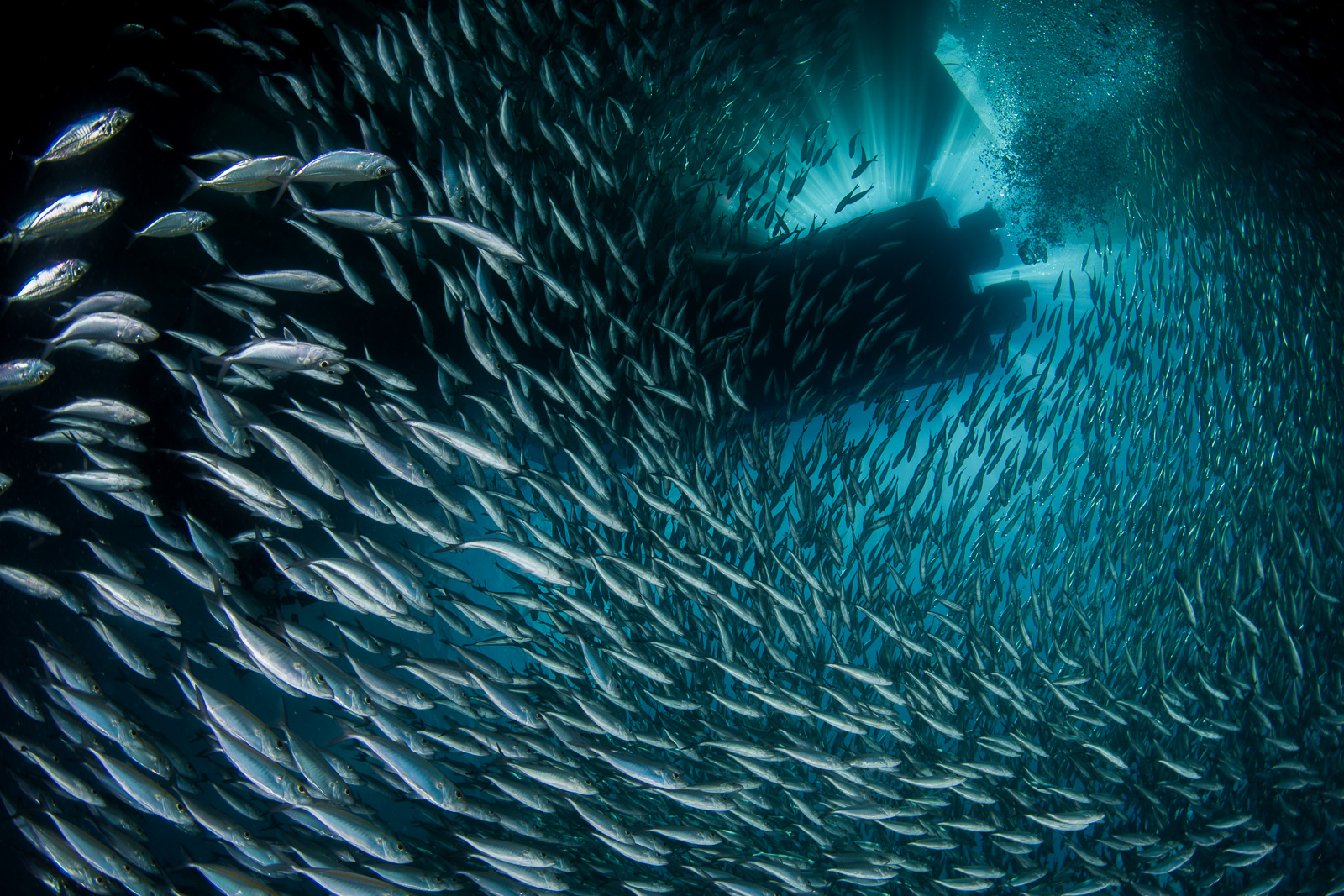
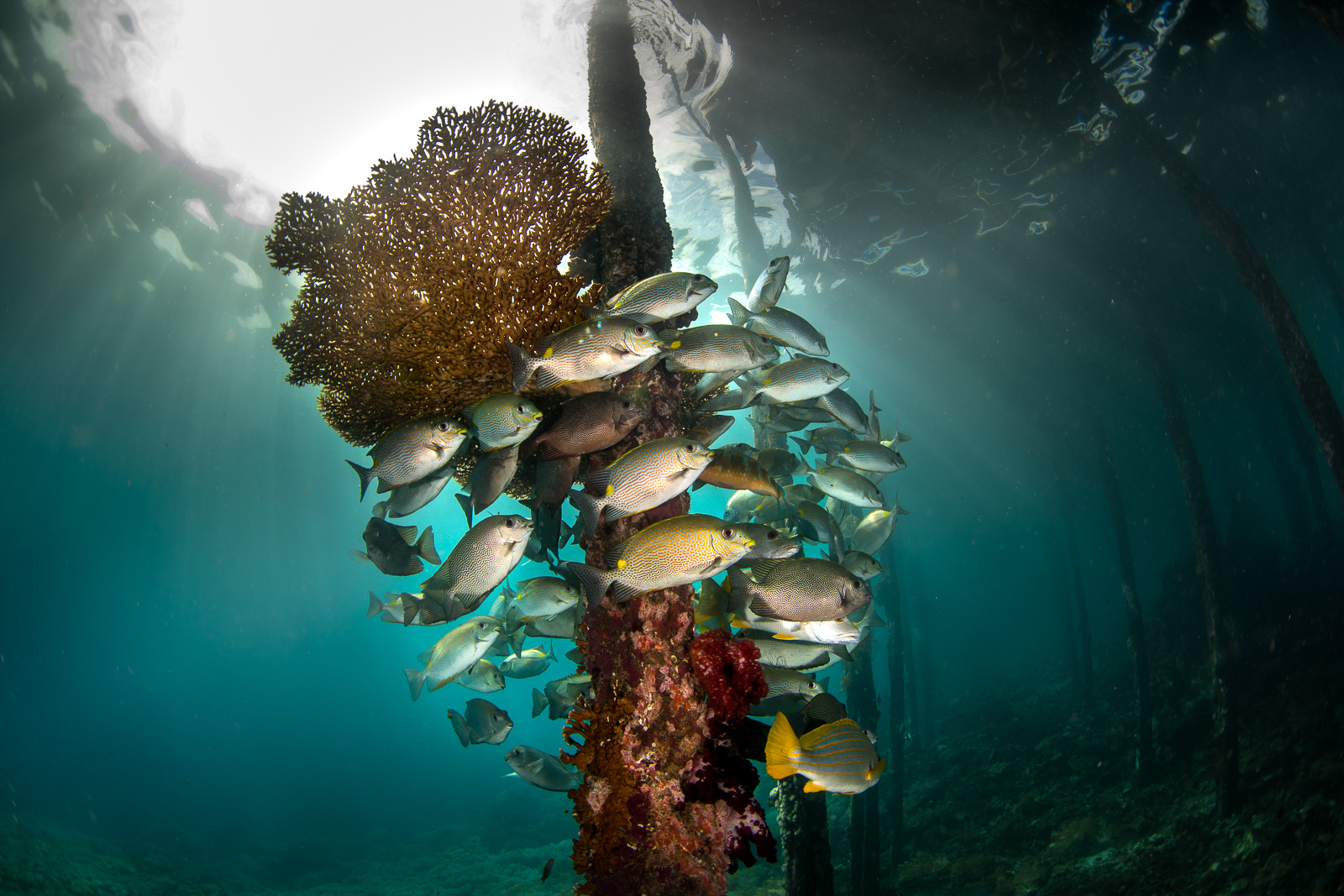
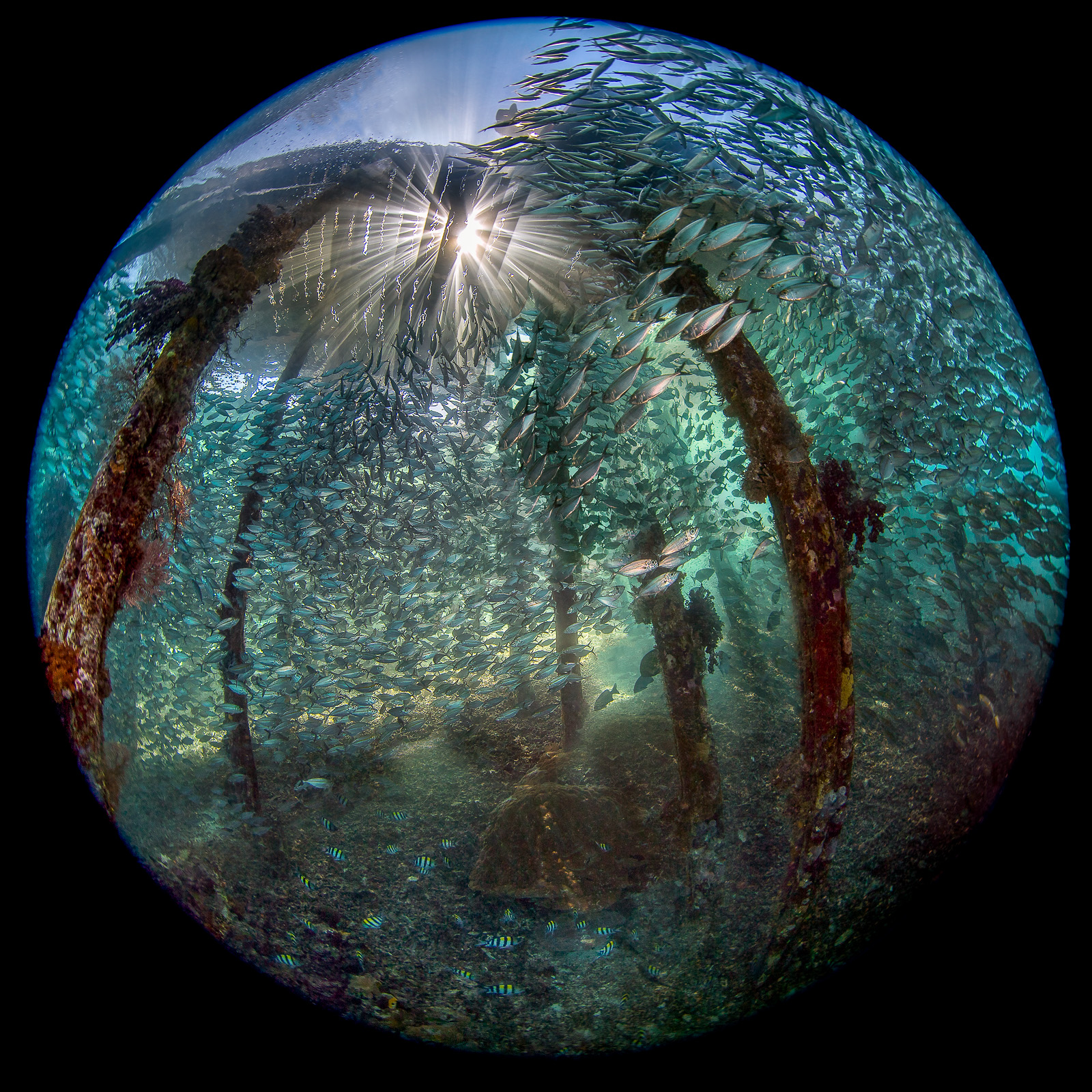
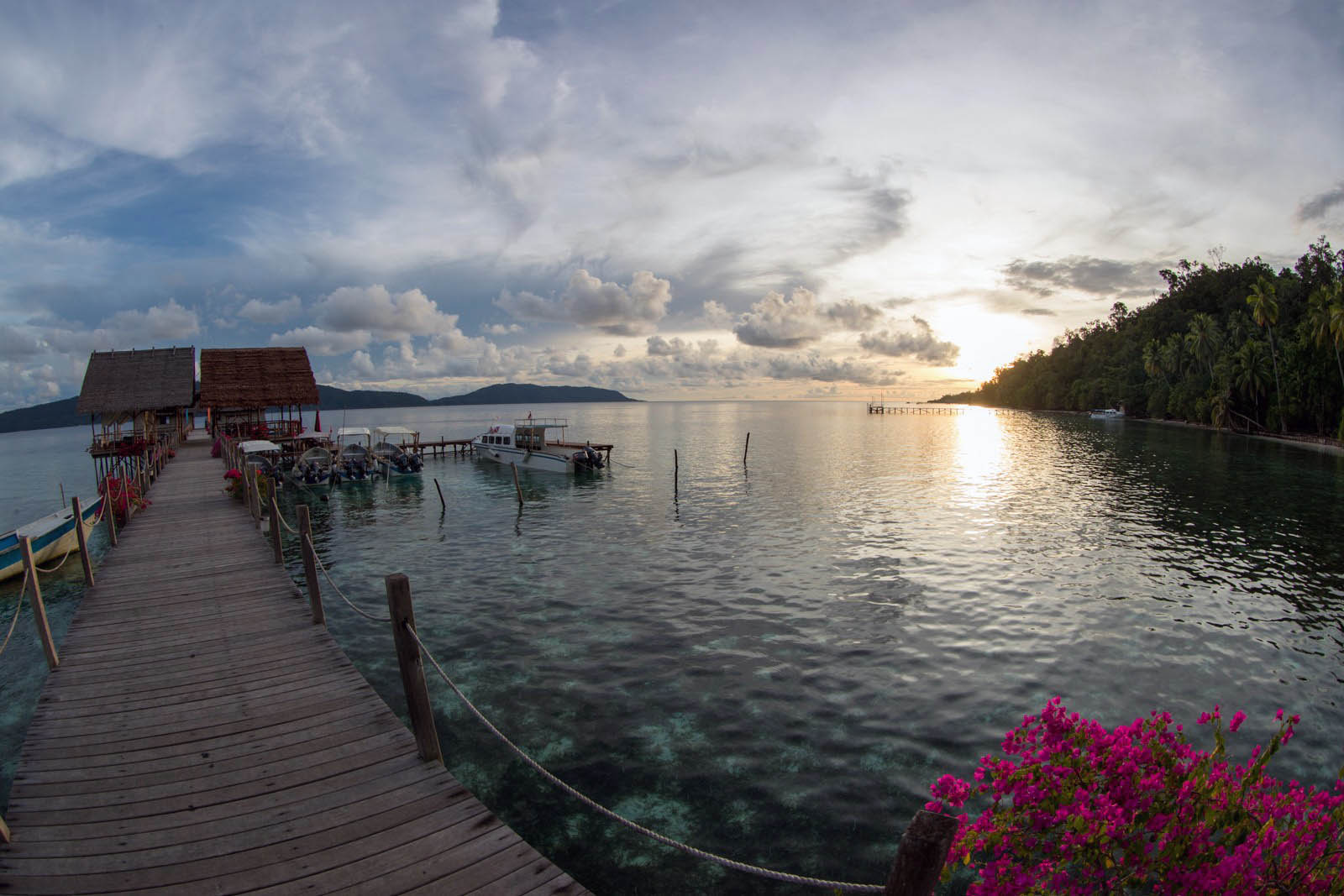
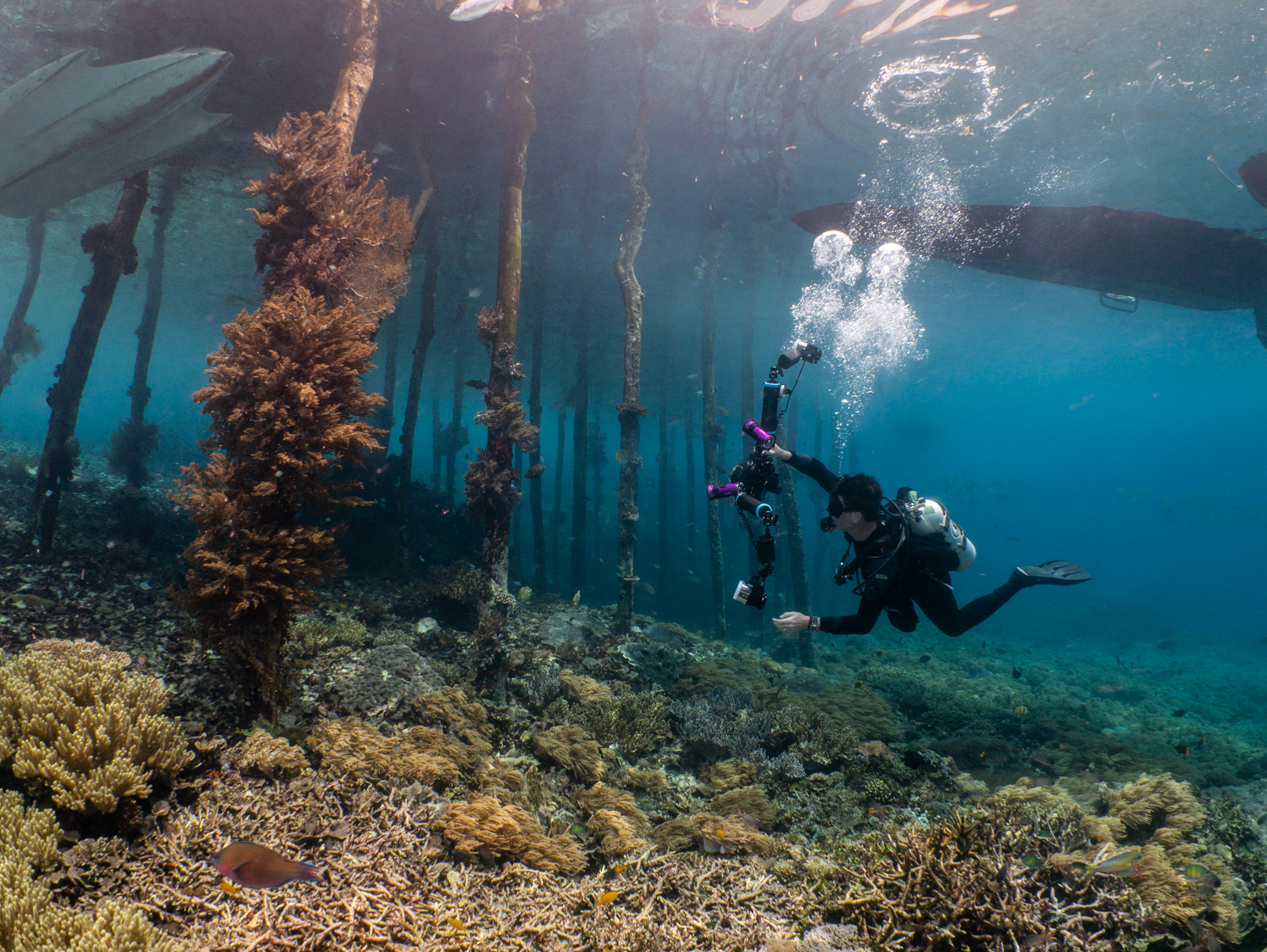
Arborek jetty, an hour before high tide. The pilings are empty. Then the water starts to move and the whole structure fills with fish, and you have about forty minutes.
Scored below
The strait does not ask you to choose
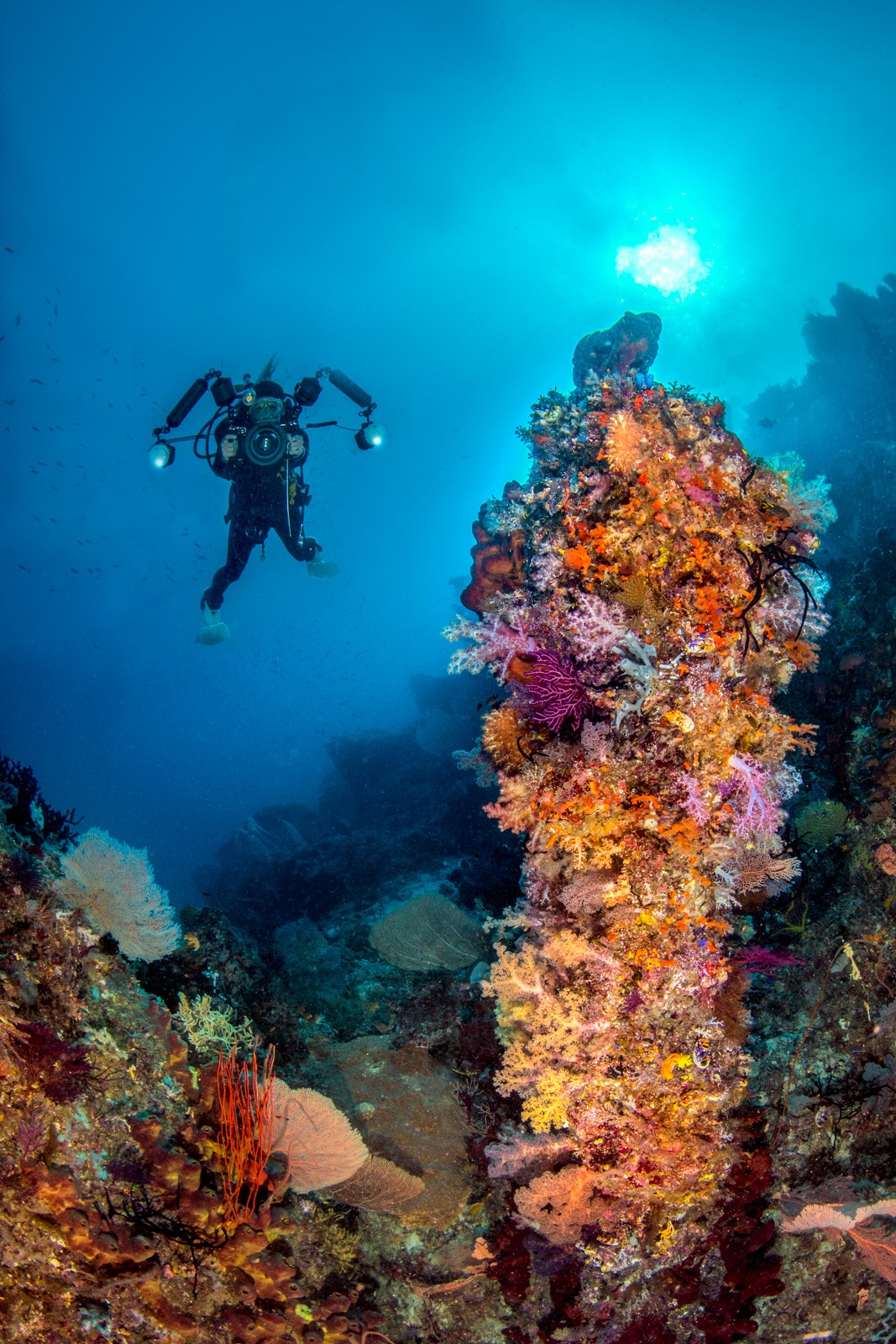
The Dampier Strait declines to specialise. Most great reefs are built around one thing and organise your week accordingly. This one hands you a manta cleaning station before breakfast, a jetty boiling with silversides at lunch, and a current-swept pinnacle in the afternoon, and treats none of them as the headline.
In a single day you can shoot a cleaning station, a jetty full of schooling fish, a mangrove edge and a current-swept pinnacle, and none of them will feel like the consolation prize. That range is rarer than any one of those subjects on its own.
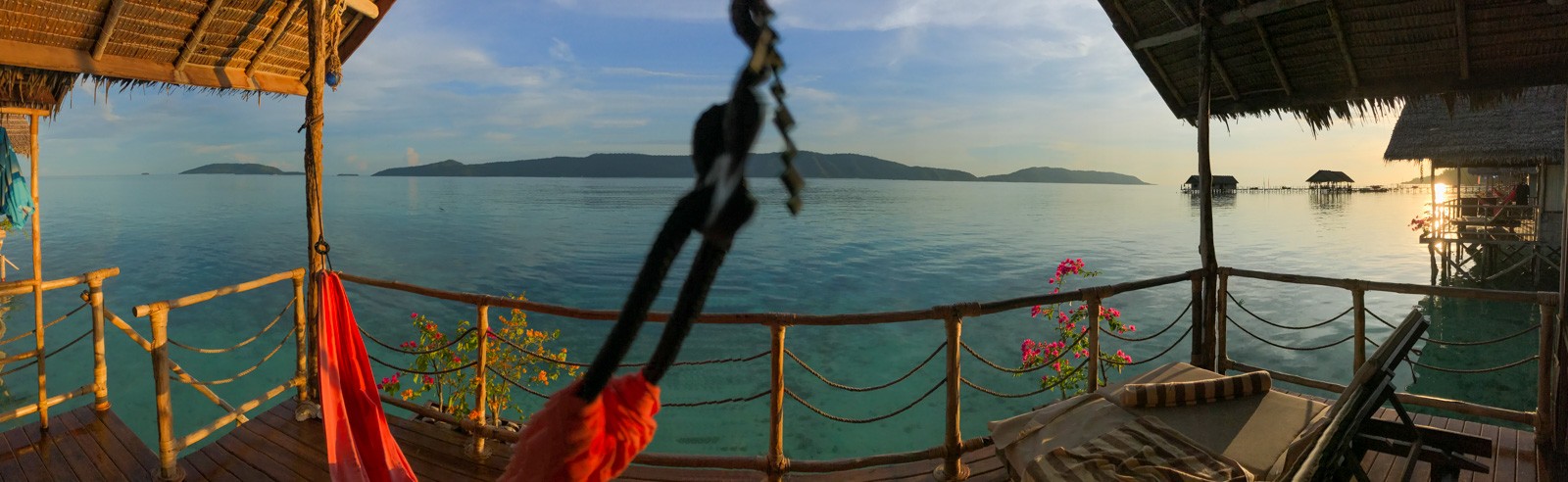
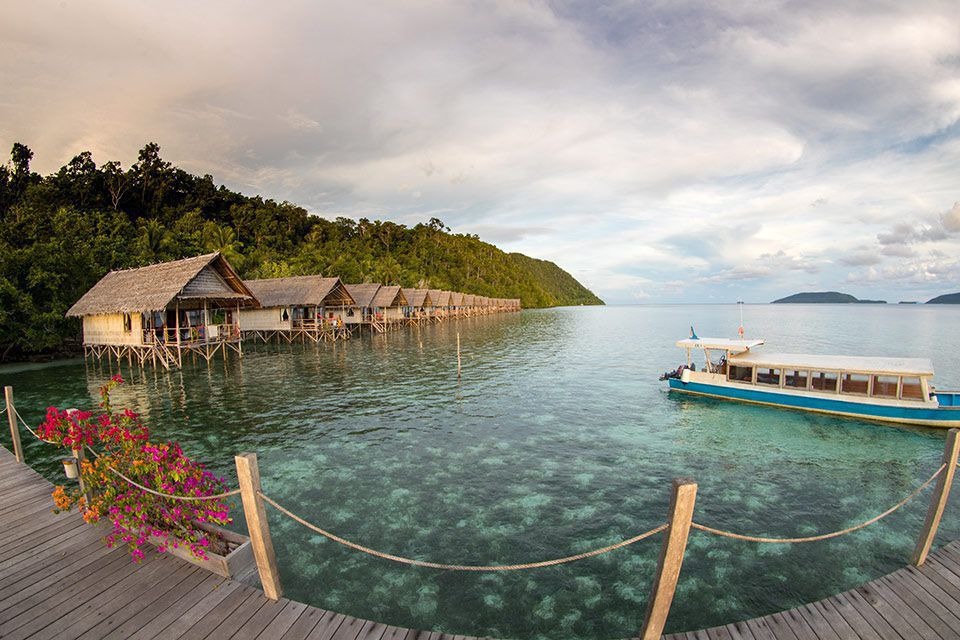
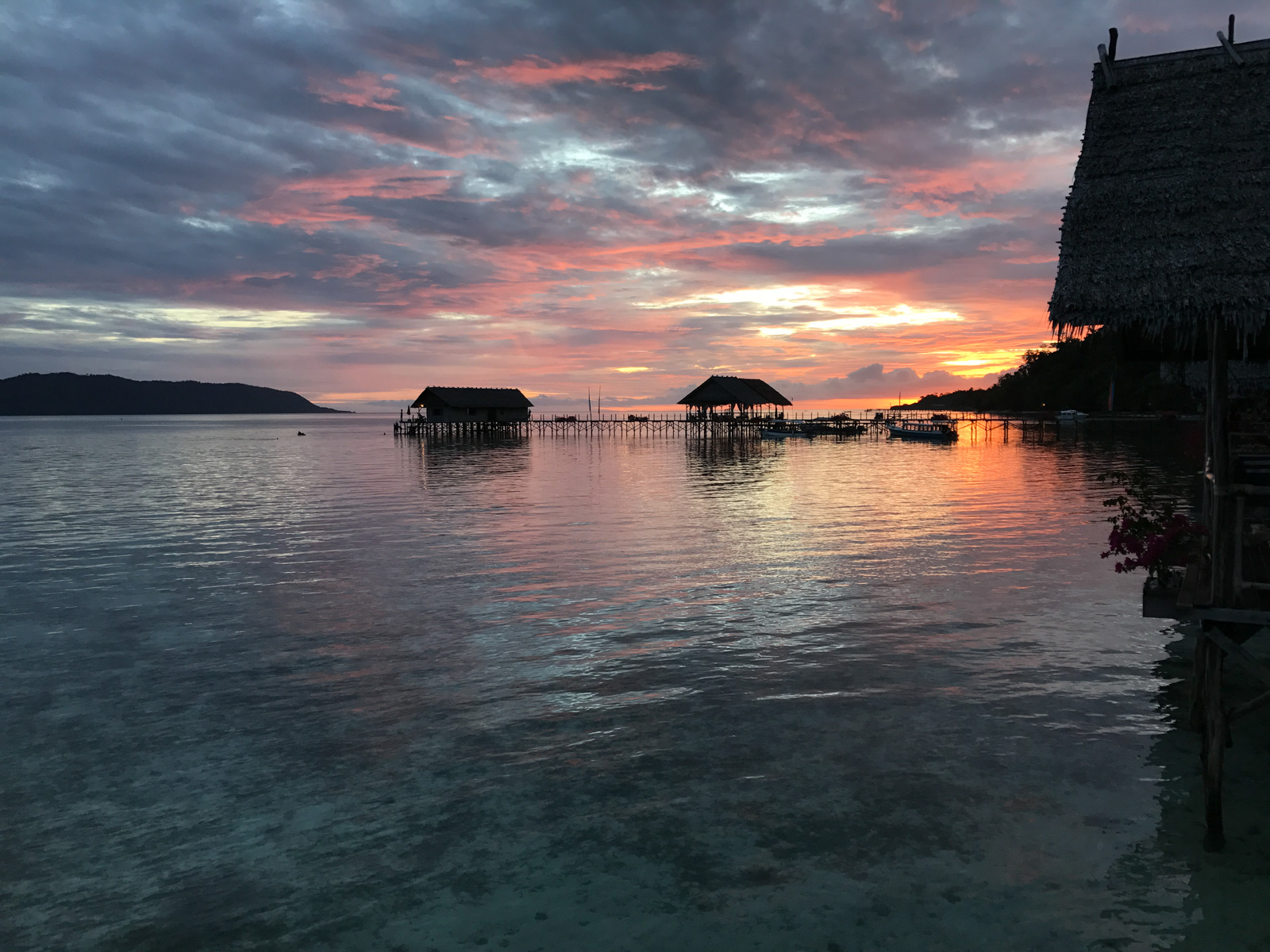
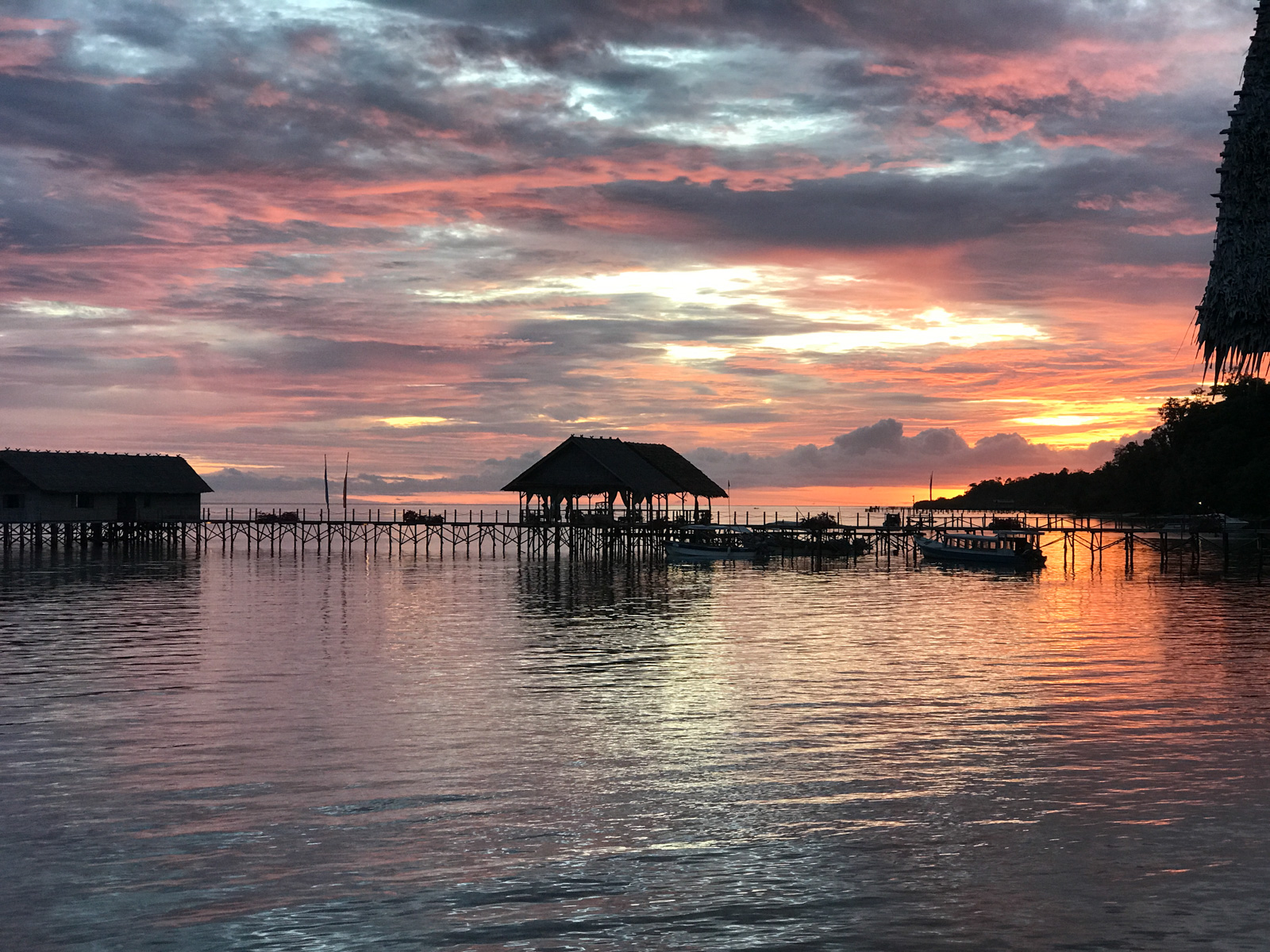
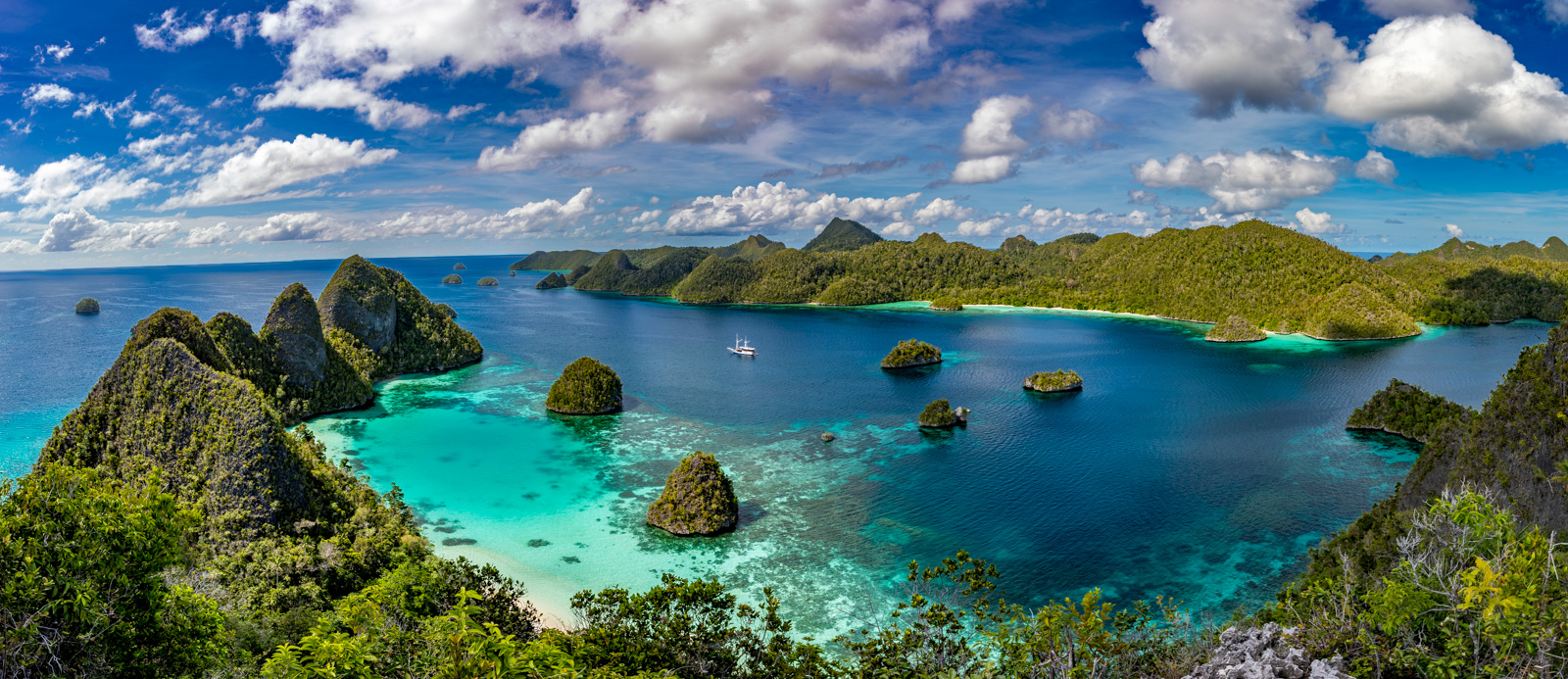
Above the water it does the same thing. Wayag and Piaynemo are the karst towers everyone has seen photographs of, and they are better in person than the photographs suggest. Most guests sleep in a cabin standing on stilts over the water. You wake up above the reef you are about to dive.
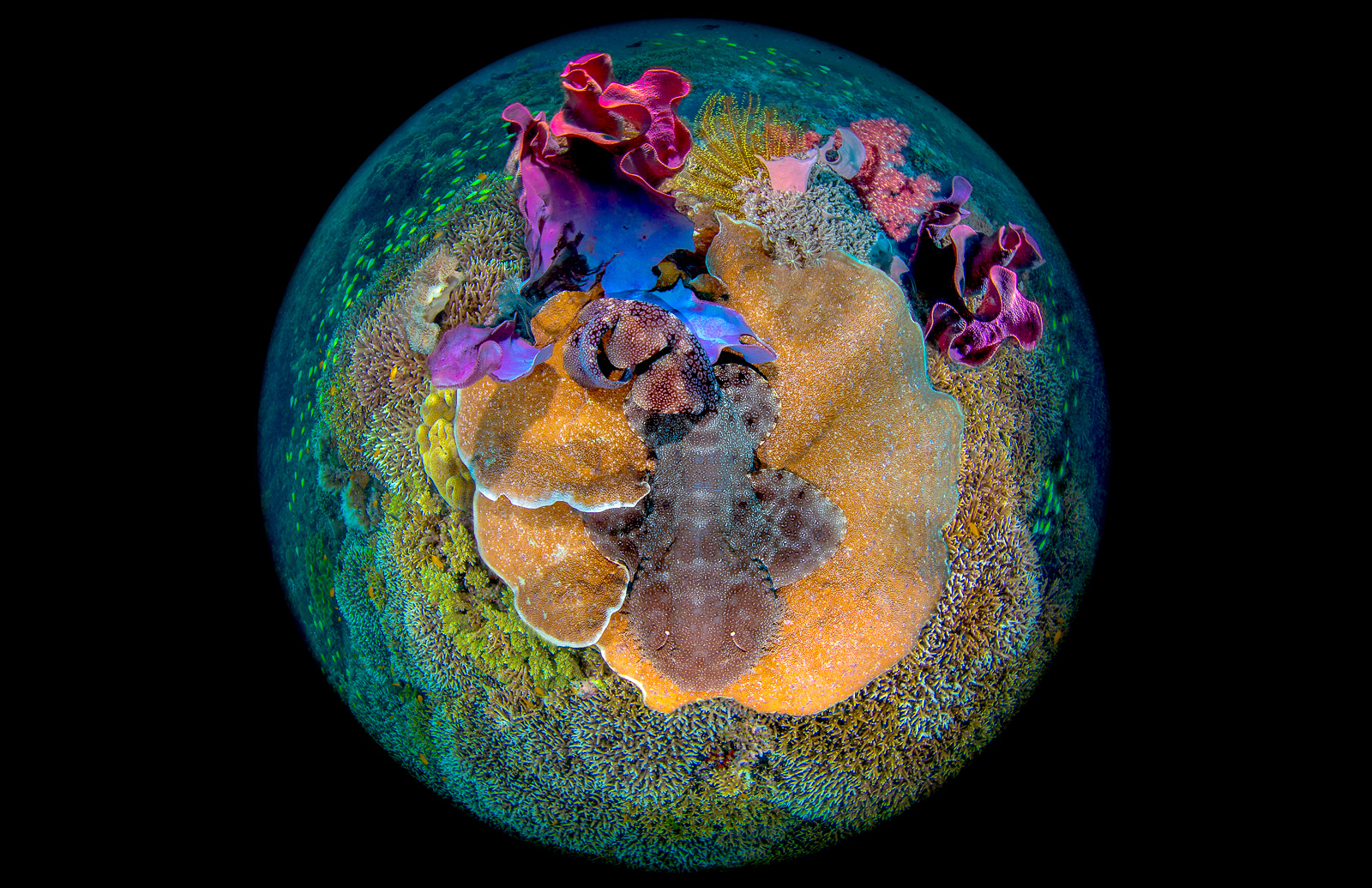
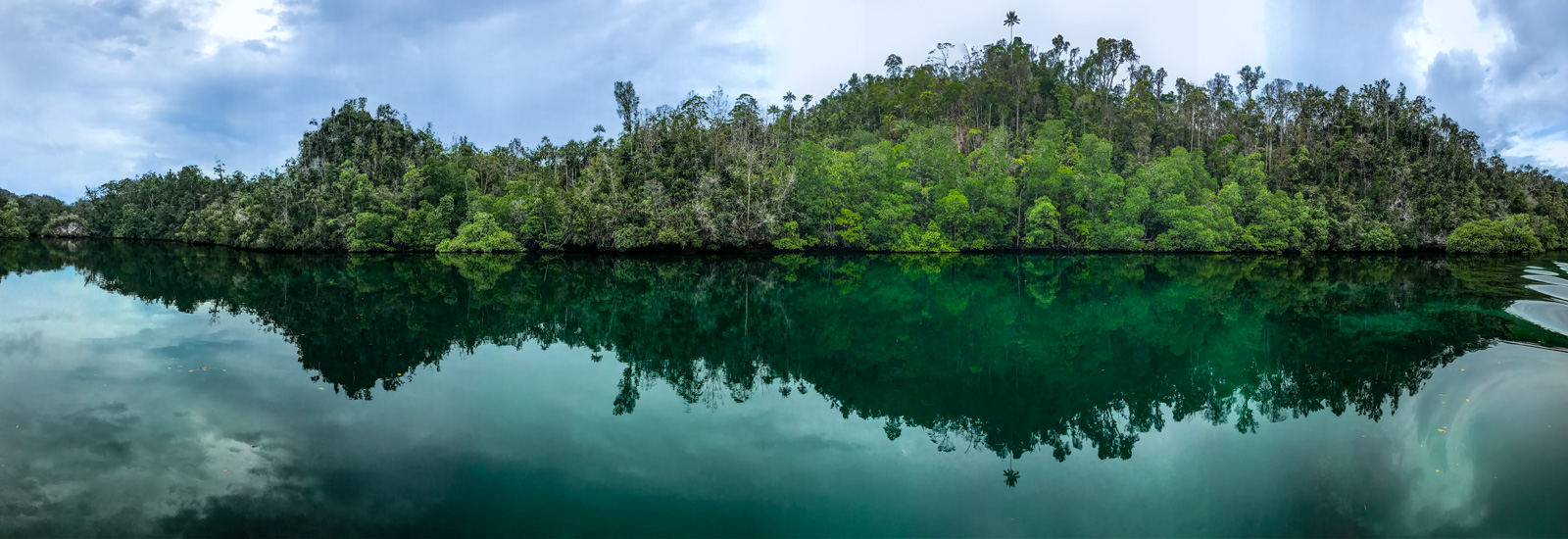
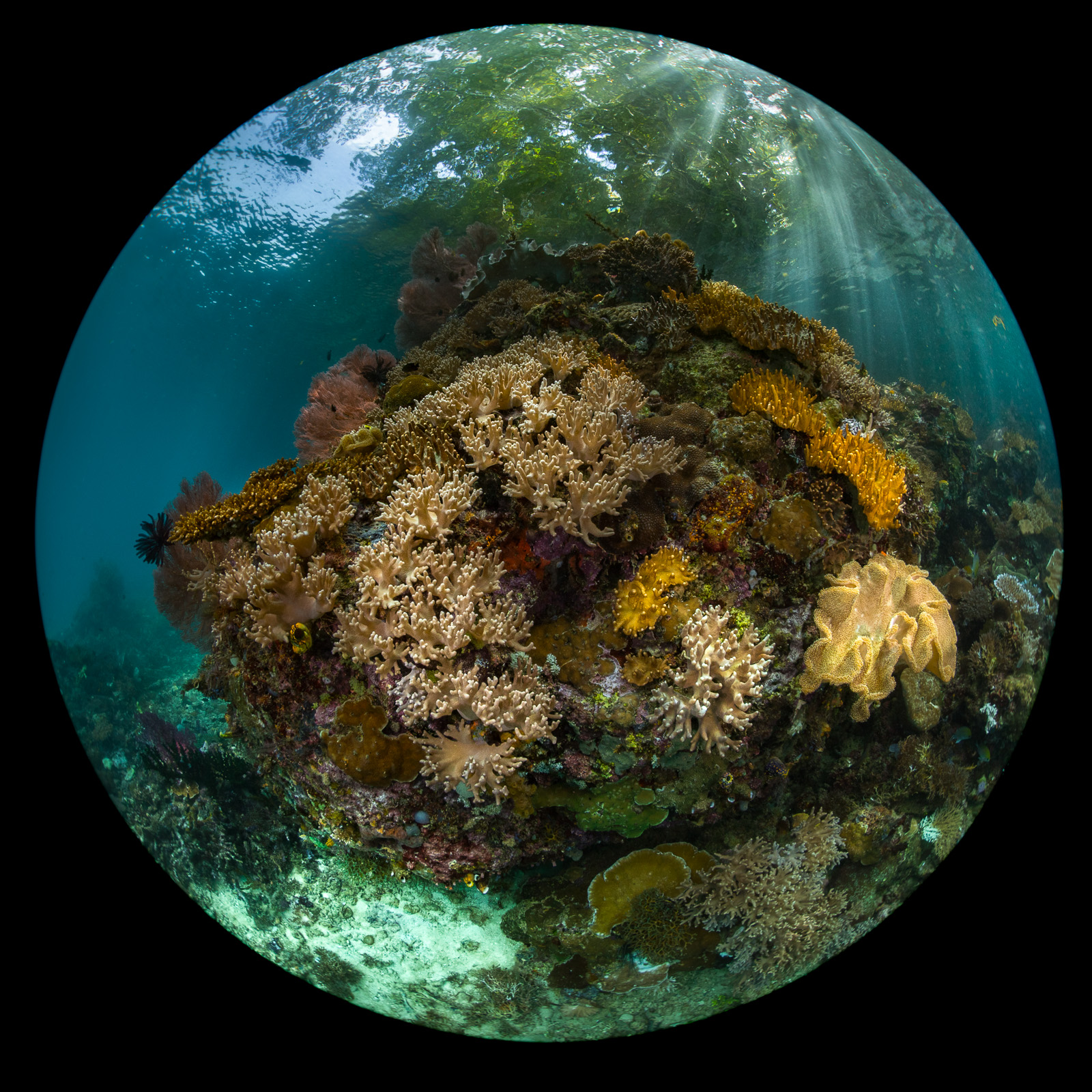
There is a place here where mangrove roots meet living hard coral, and if you get the light right you can hold both in one frame: the tangle above, the reef below, in the same breath of water. I know of nowhere else that offers it. That is the Dampier Strait: it keeps handing you pictures you did not plan for.
Scored on the same rubric as every other place here, and published whether or not the number flatters. Seven of the seventeen came in under seventy; the lowest is forty-five.
The dot is Dampier Strait; the pale band is where the other sixteen places on this site fall on that axis. How the scoring works
No reef on record has put more species in front of one diver in ninety minutes. Gerry Allen counted 374 at Cape Kri in 2012 and nobody has beaten it since. In the water the arithmetic stops mattering and turns into something simpler: you surface having seen fish you cannot name, on a site you dived the day before.

Am I good enough for this?
For most divers, yes. Nothing in the strait is deep or technical, there is no surf, and every dive begins with a backroll off a day boat. What it asks is simpler but strict: descend fast enough to be on the reef before the current carries you past it, and be comfortable hooked in with water pouring over you. That current is exactly why the fish are stacked at Cape Kri and Blue Magic.

November to March is what you are aiming for
November to March is when Dampier Strait is at its best. Tap any month for what the water is actually doing.
Visibility, sea state, what is in the water and how much of it you can count on. The season turns at November and again after March.
Flights, transfers and what to sort first
Everything begins in Sorong. From there you either transfer by boat to a resort in the strait or join a liveaboard at the harbour.
- DAILY RATE
- $300 to $550 a day, USD, at the operator
- Flights
- Sorong (SOQ). Book first. Miss the group boat and a private speedboat can run well over $2,000.
- Wayag
- Roughly six hours each way by speedboat. Not a day trip. Plan it as a multi-day excursion or take a liveaboard.
- Resort or boat
- A fixed base puts Cape Kri and Manta Sandy in the daily rhythm. A liveaboard trades that for range. Both reviewed above.
- Marine park fee
- Payable on arrival, separate from the trip cost.
- Nitrox
- Worth taking for the repetition rather than the depth.
What Dampier Strait actually looked like
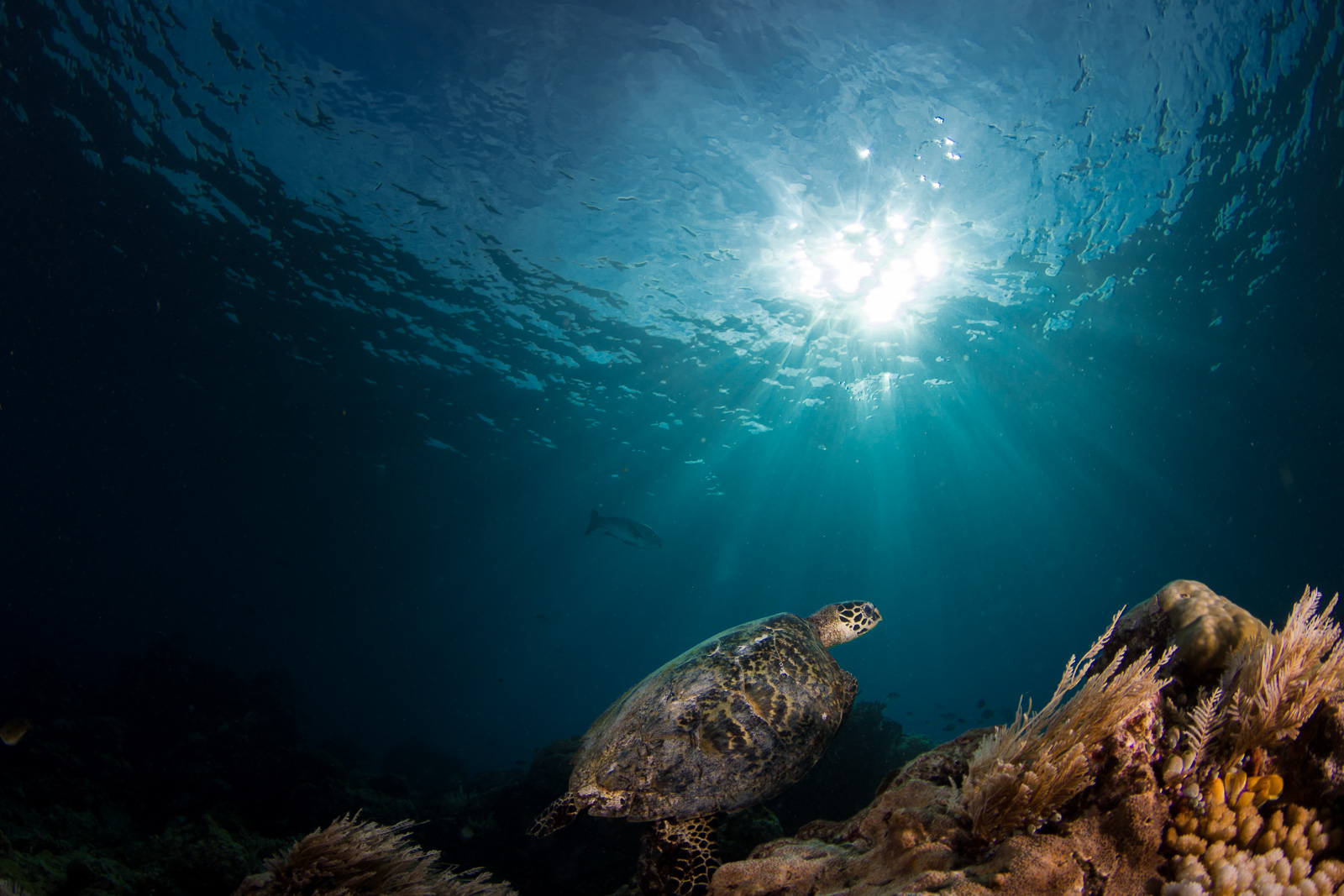
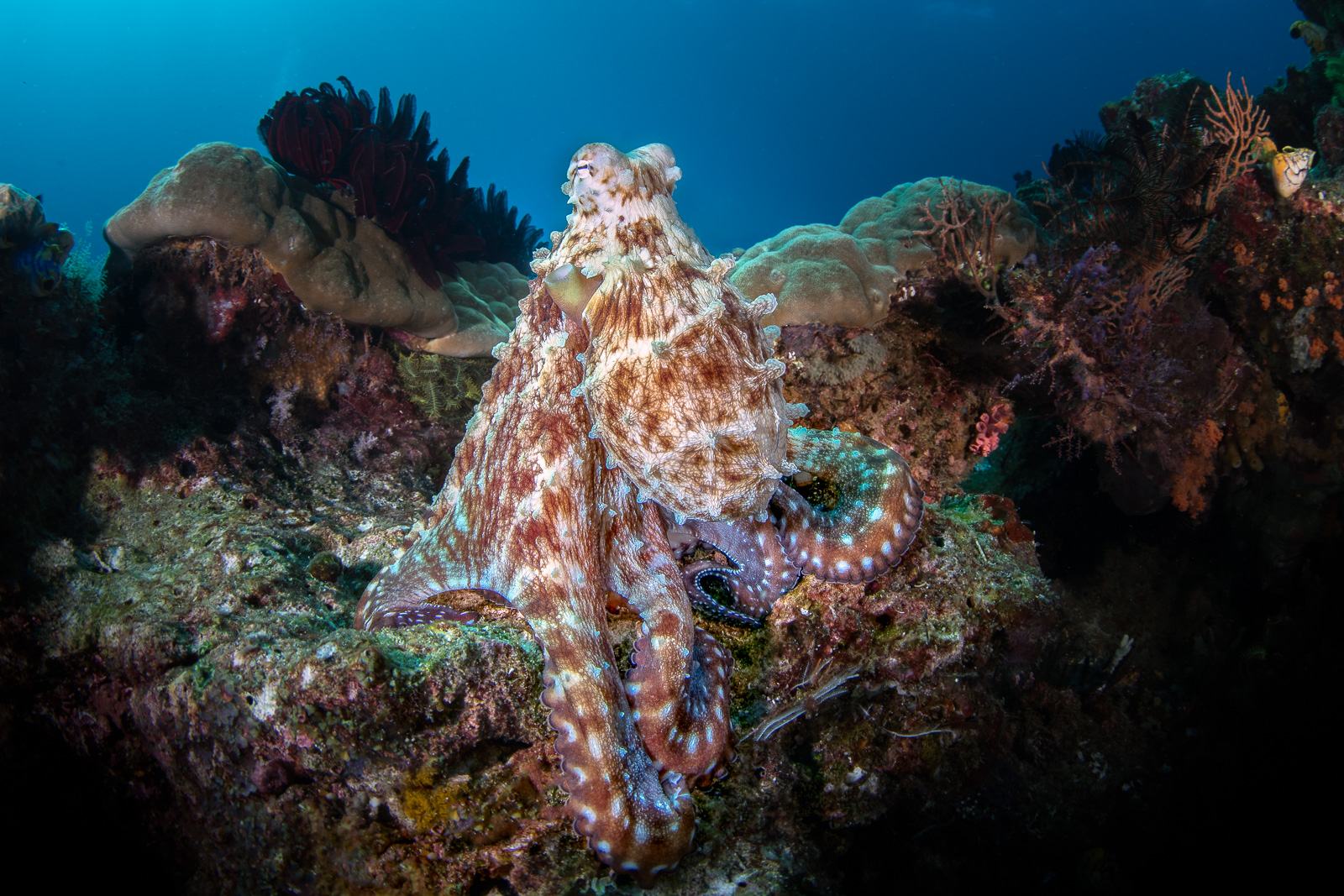
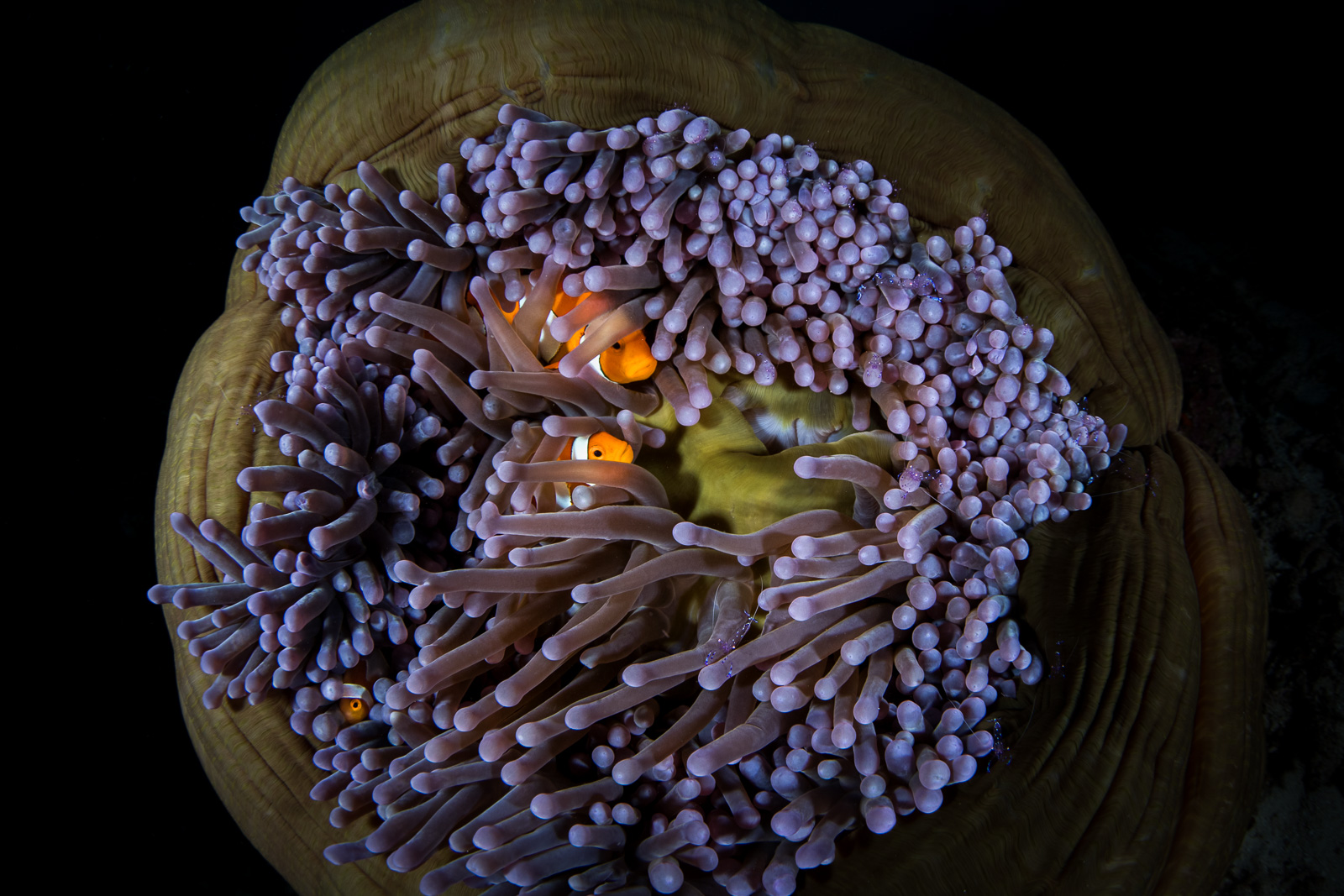
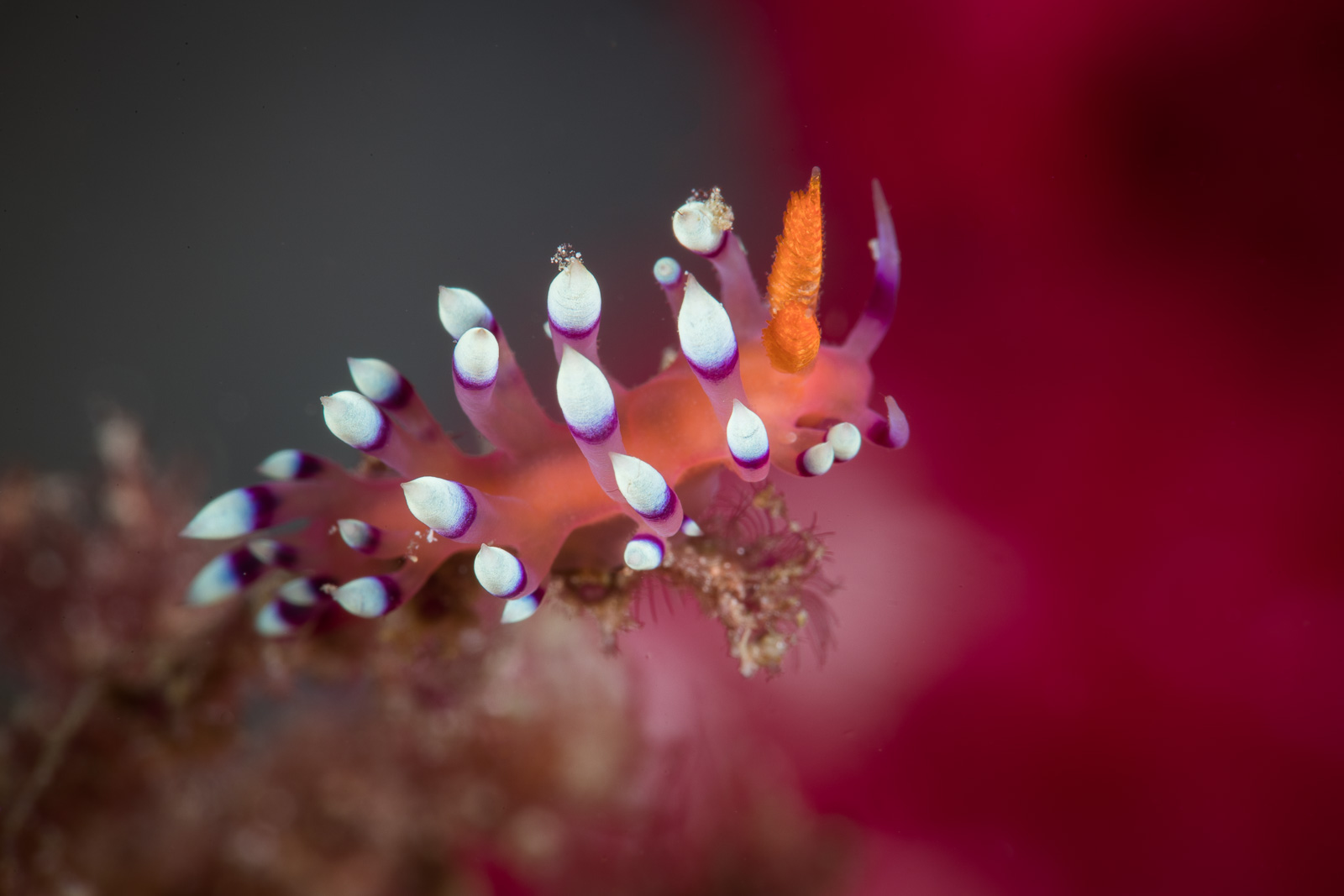
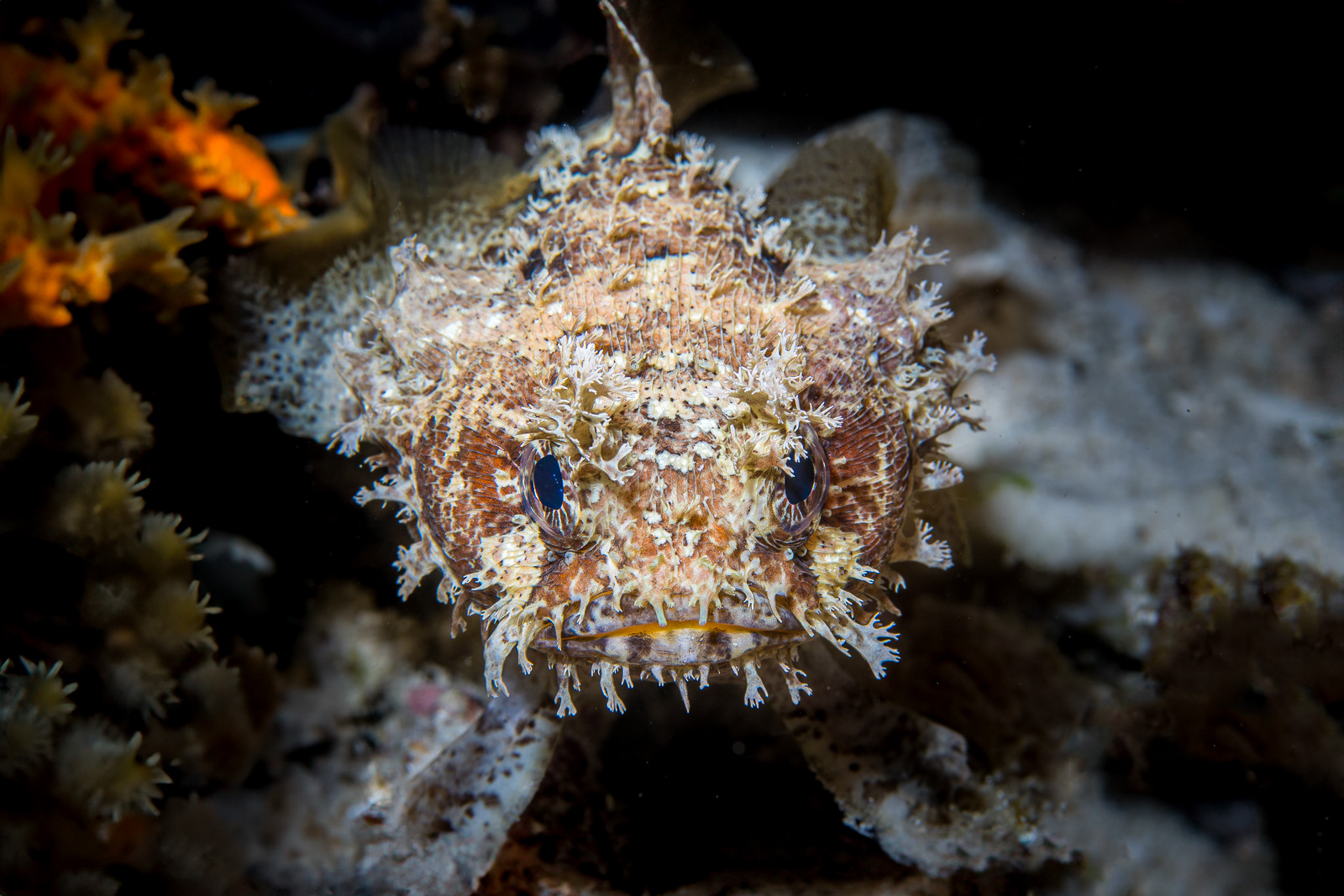
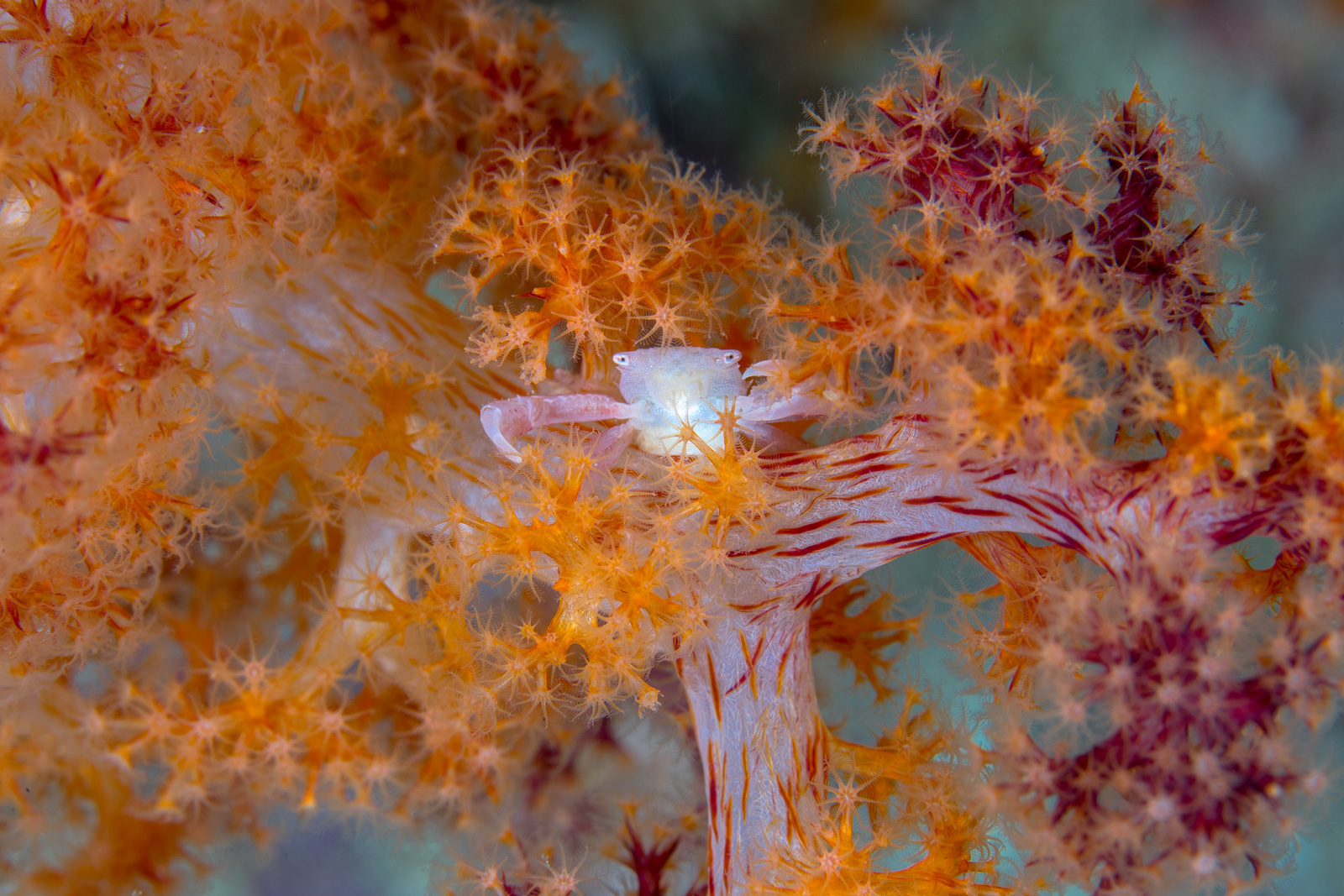
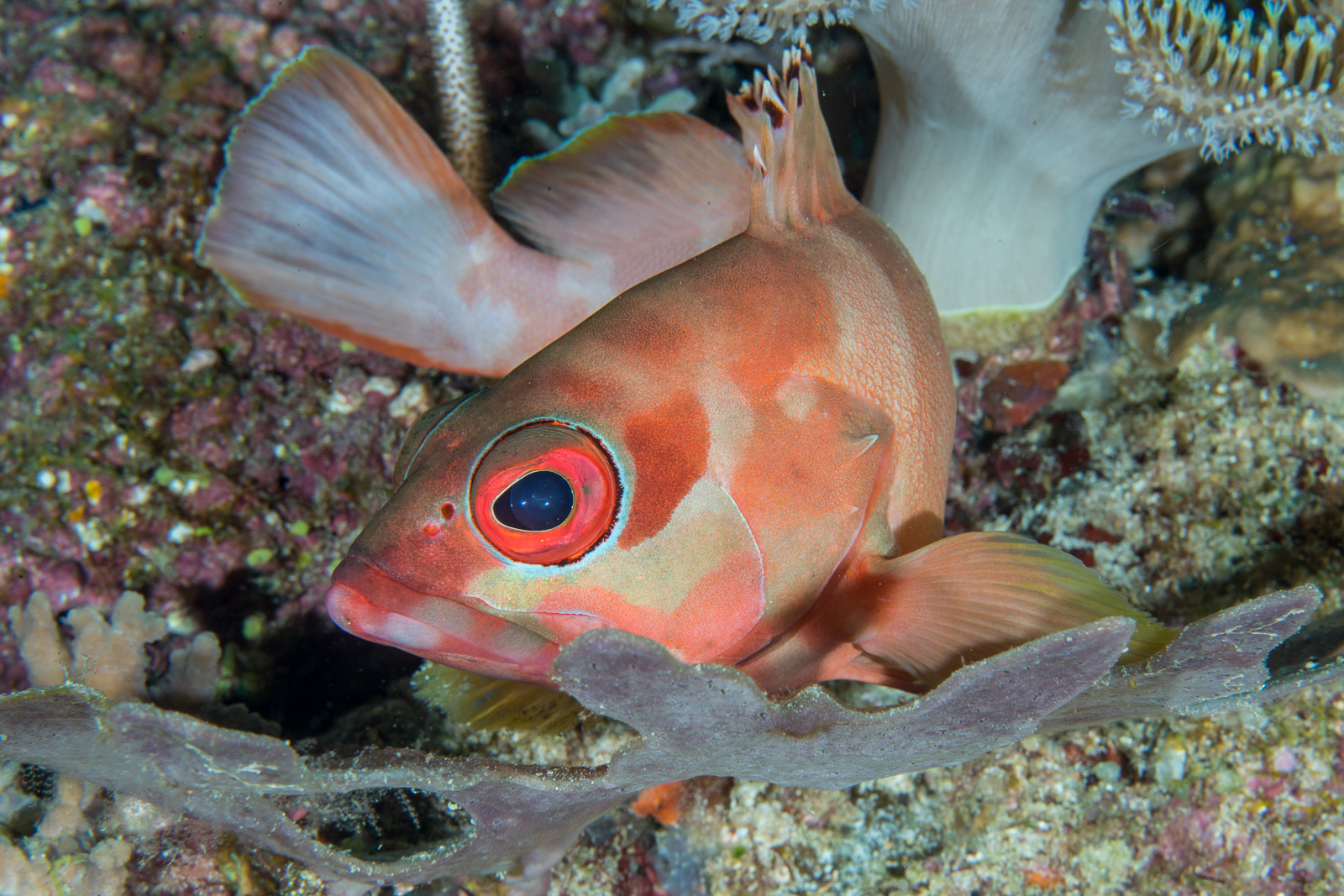
Twelve of the seventy photographs from Dampier Strait, the prints among them marked.


Any frame on this page can be licensed for editorial use. Licensing terms.
8–15 mm fisheye the reef, and what swims over it


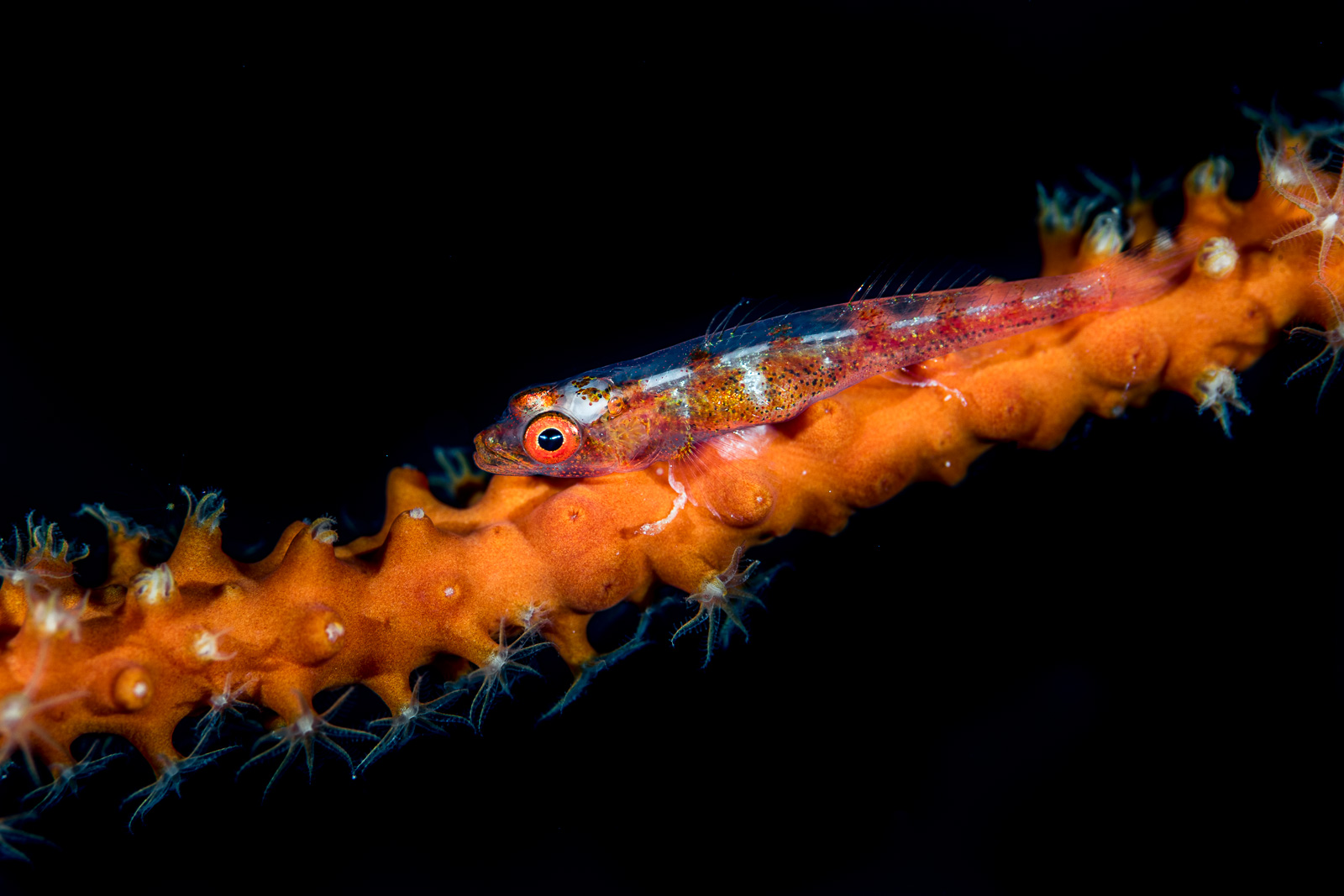
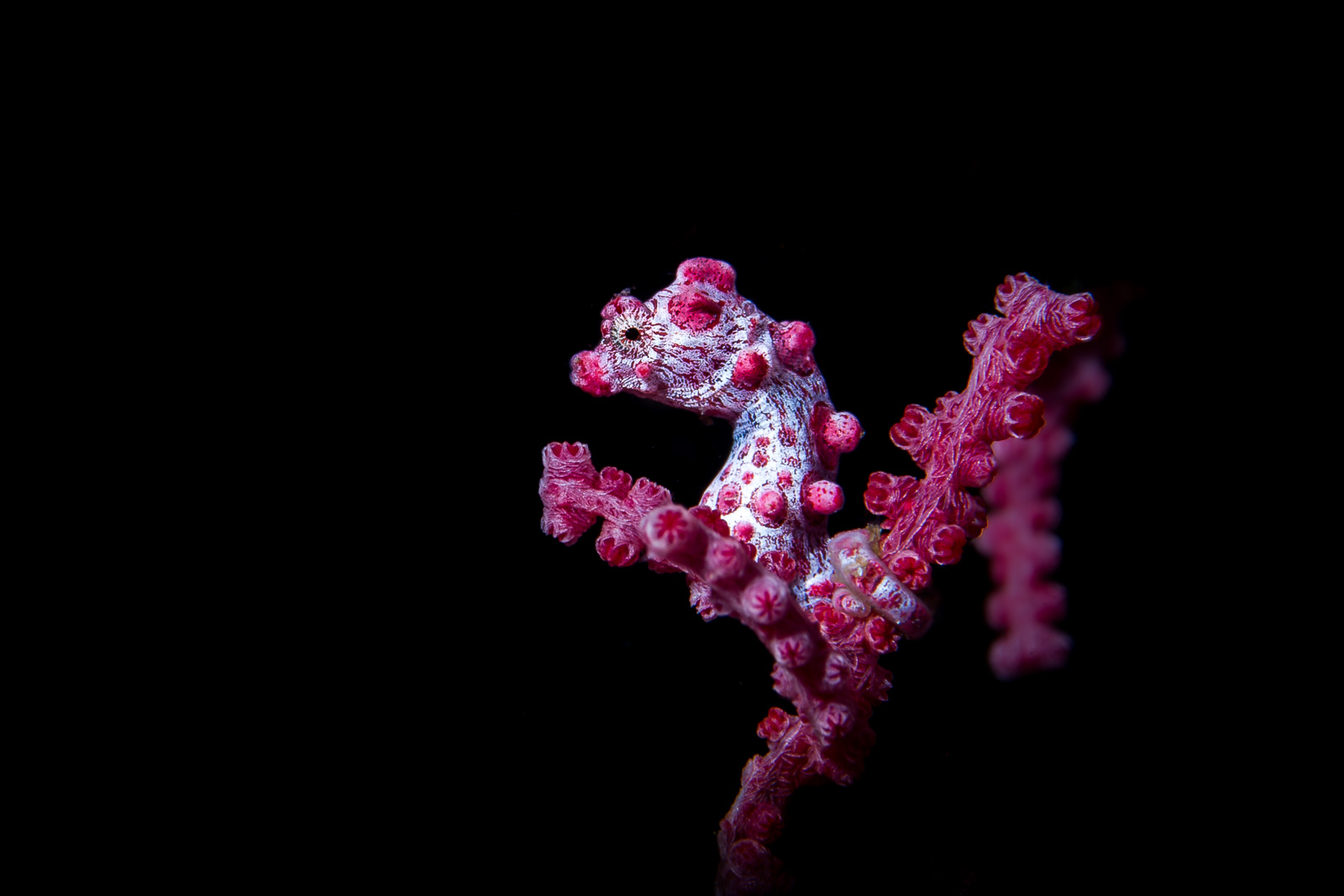
100 mm macro the small animals, at working distance


From the lens recorded in each frame. The settings are what was used here, not a recommendation. Lighting on the print frames: Dual Retra strobes, Gen I, Dual Sea & Sea YSD2.
One of the world's great underwater photography destinations
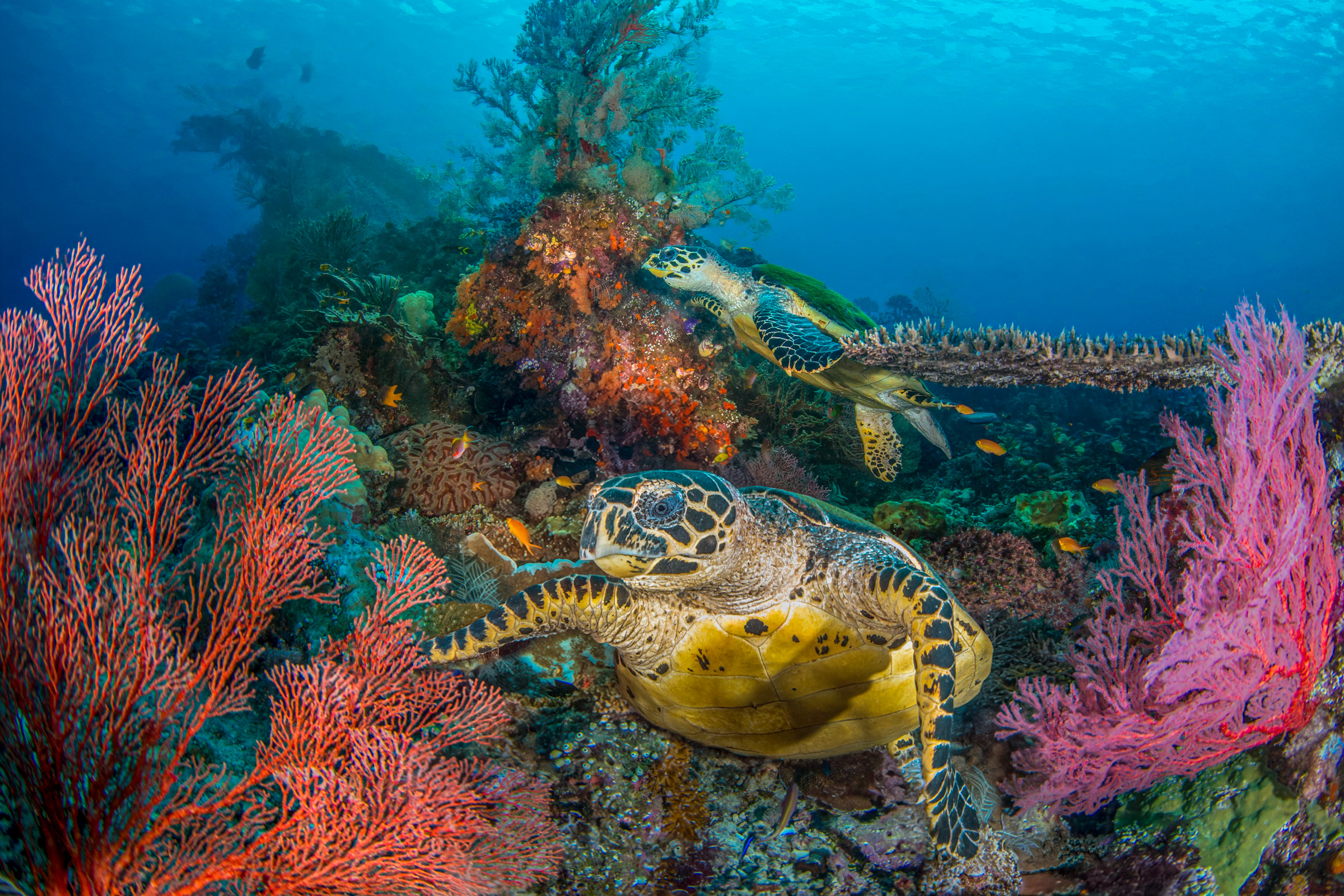
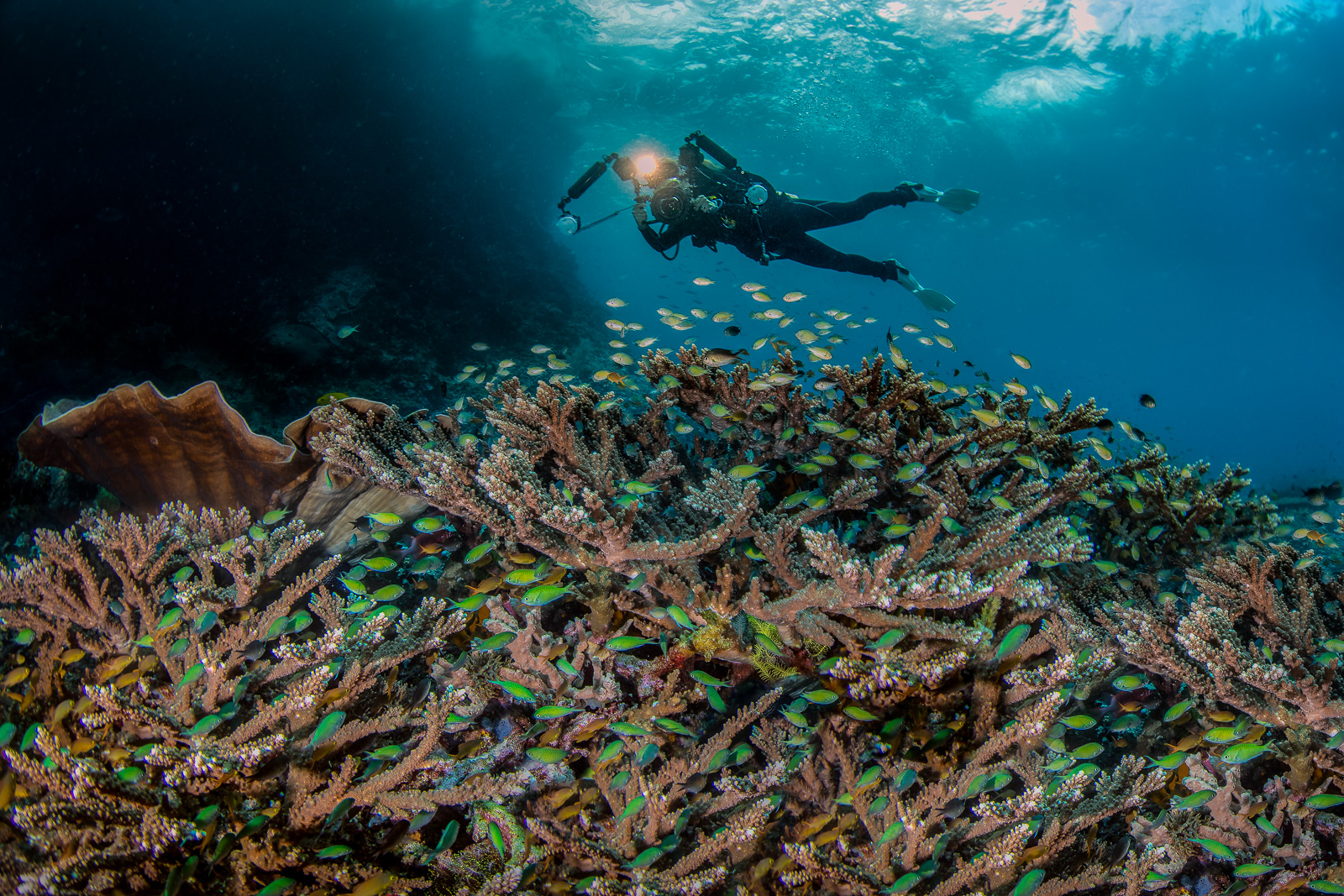
It is not just that the biodiversity is high. It is that it translates into imagery. The reefs have shape, density, movement, scale and colour. You are not documenting biodiversity, you are working inside it.
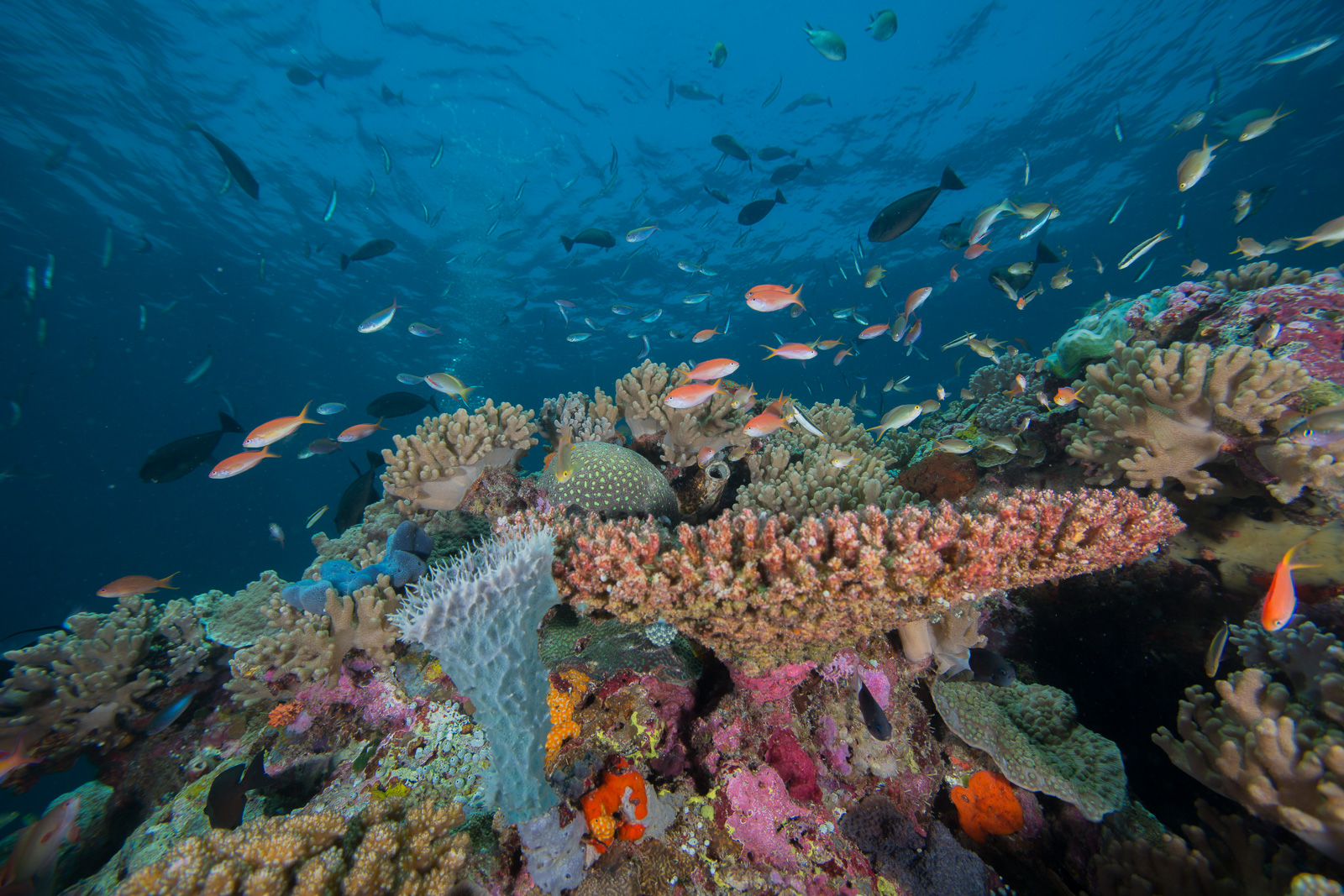
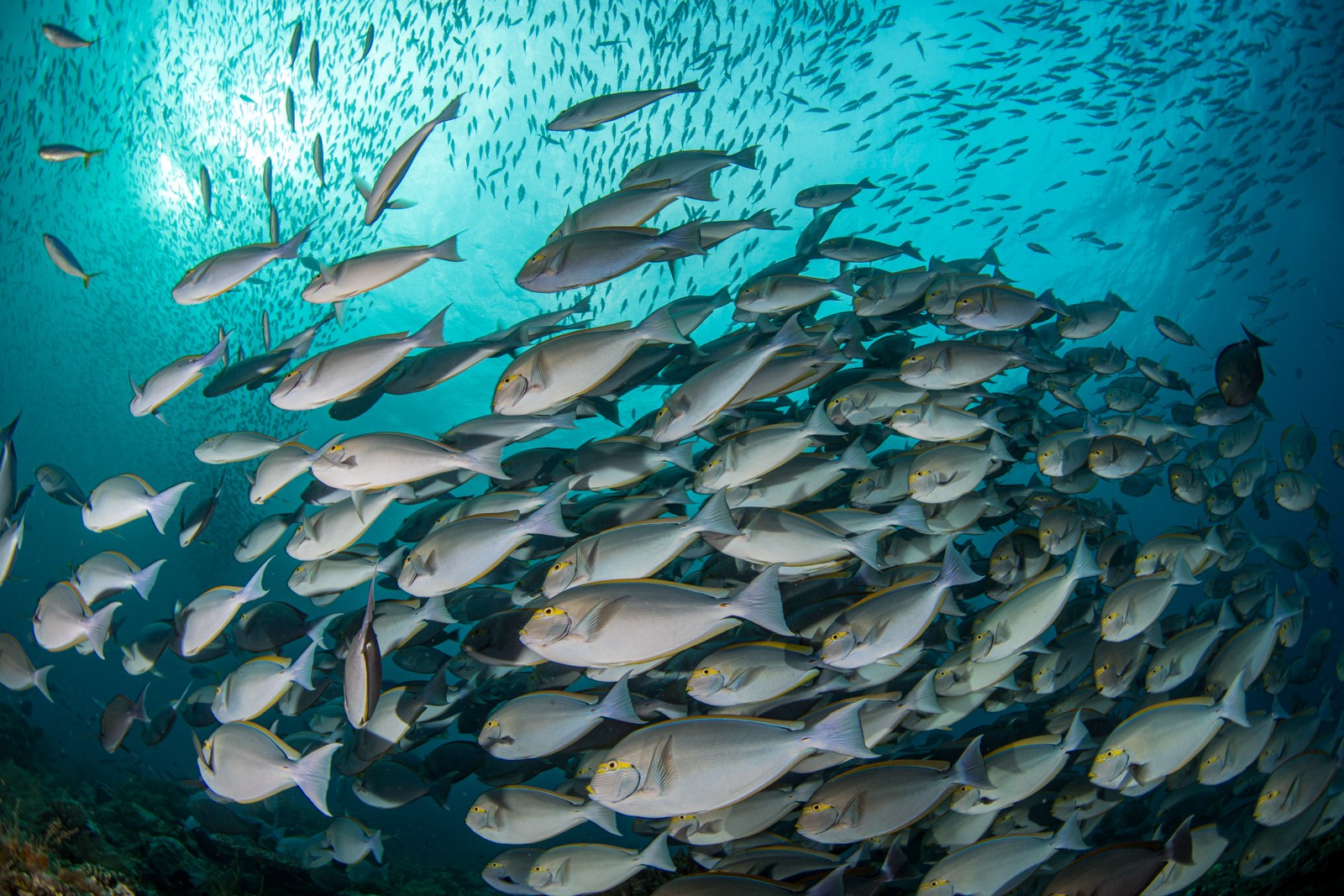
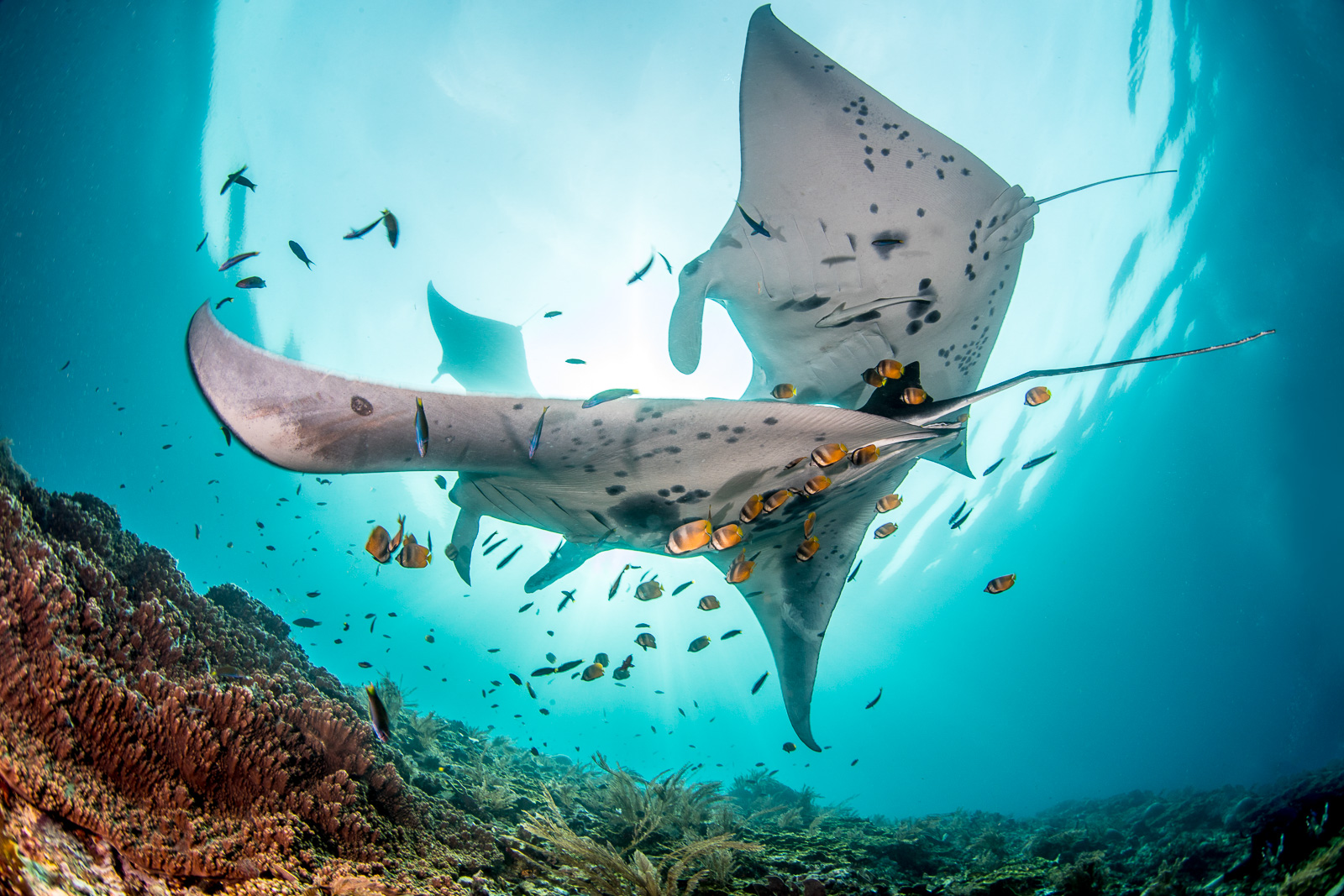
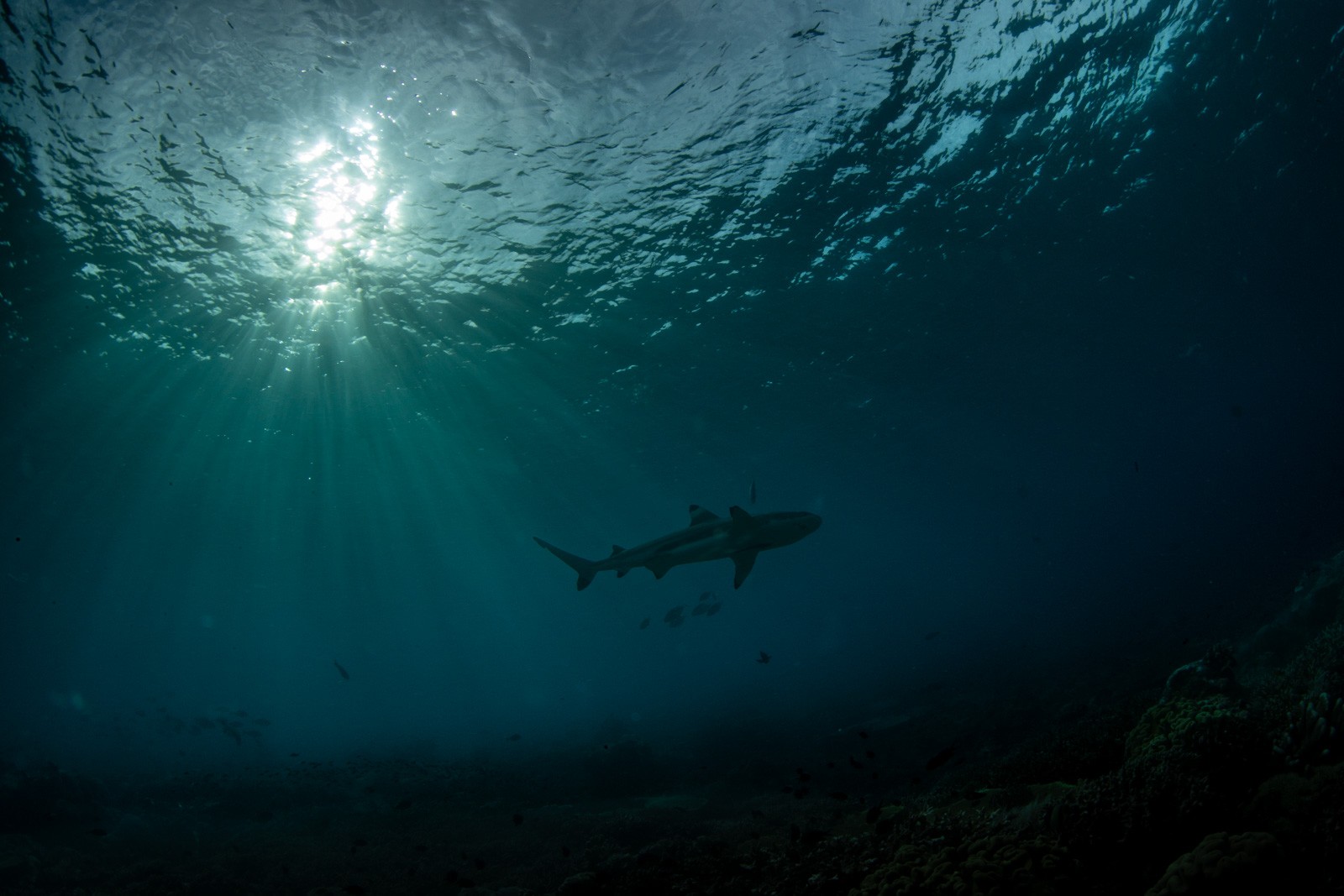
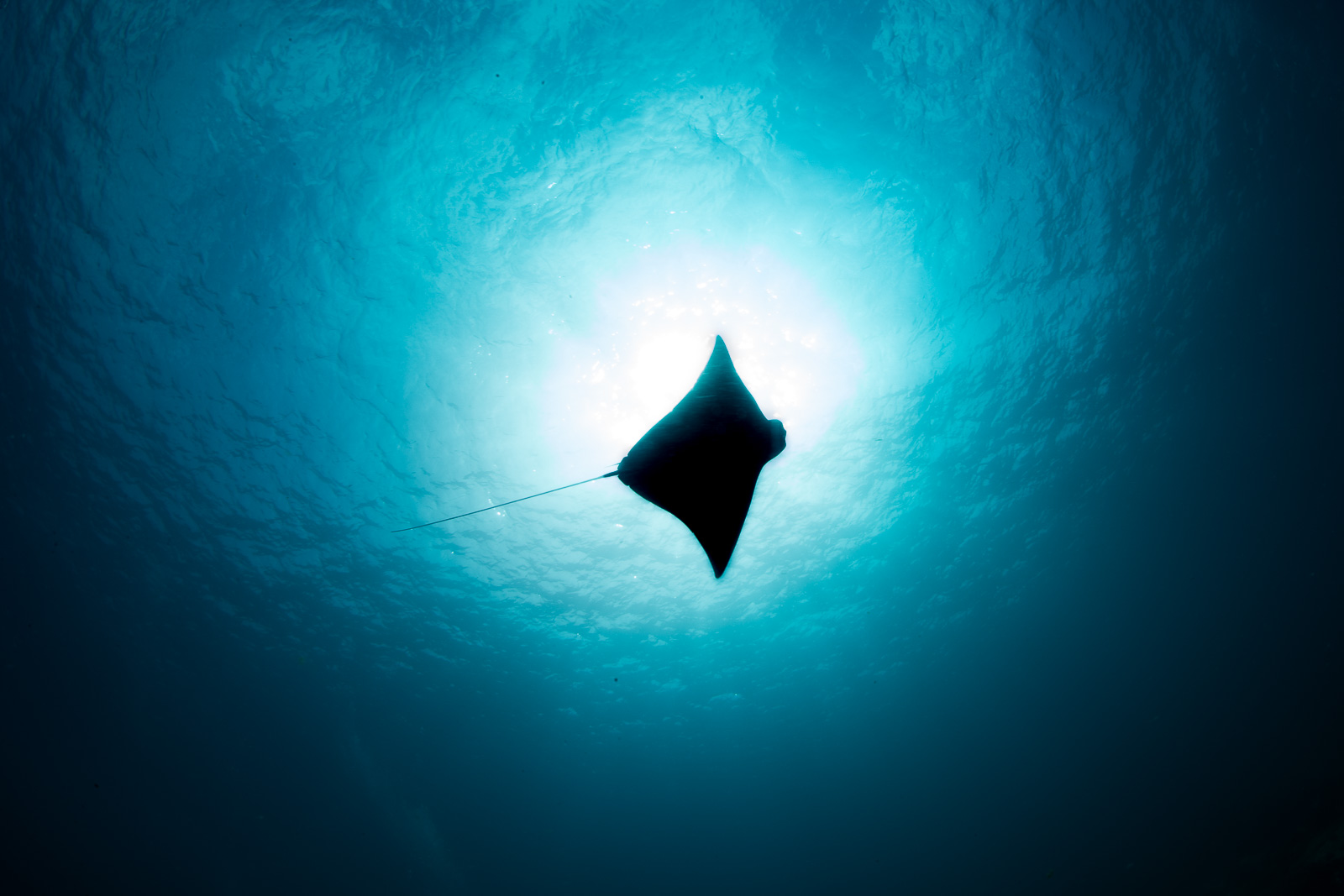
Wide-angle is where the region becomes dominant. The Dampier Strait has the current, reef structure and fish aggregation that make images feel layered. Sweetlips, fusiliers, surgeonfish, jacks, barracuda, bumpheads, reef sharks and mantas all become part of the frame depending on the site.
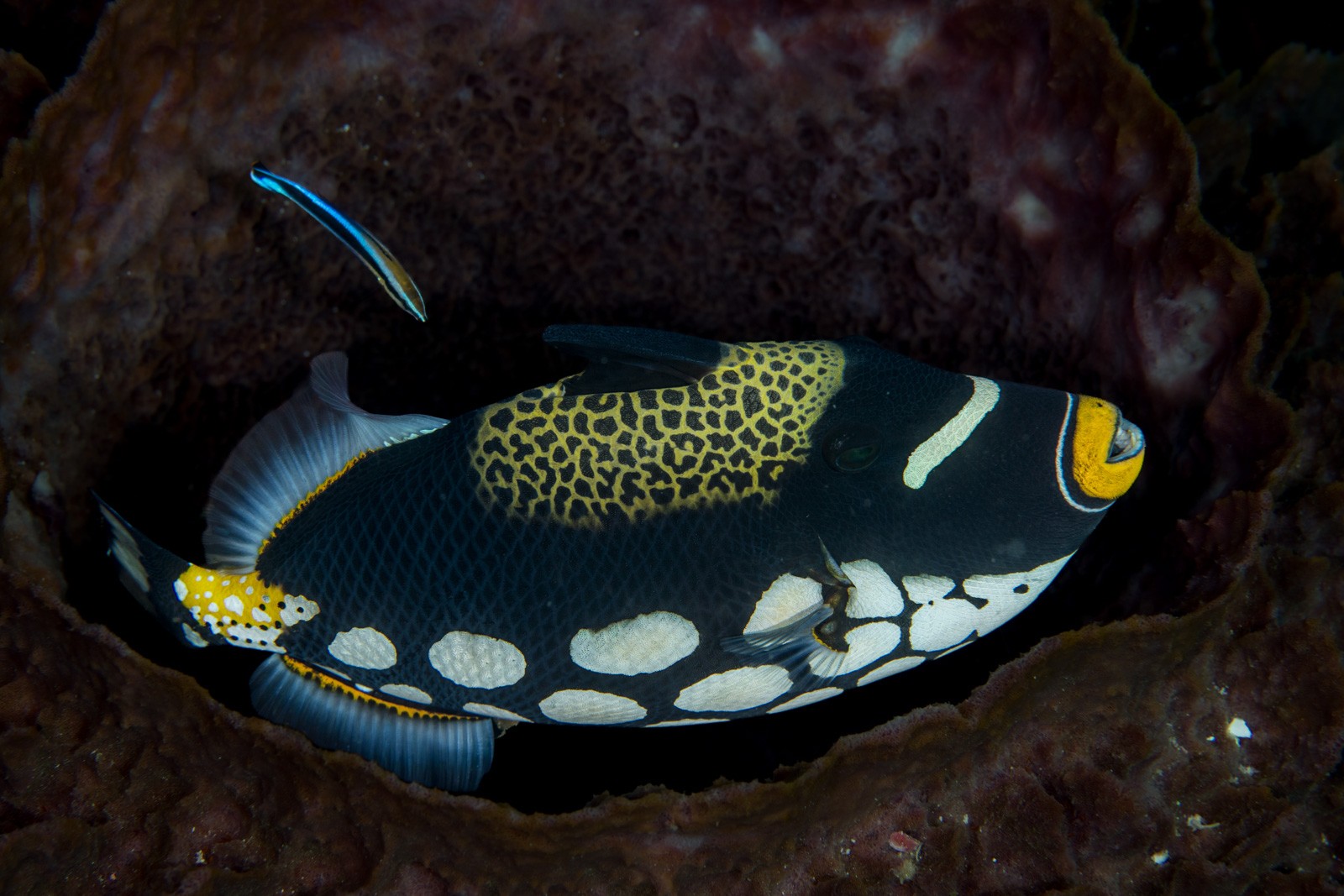
Macro is there if you slow down and dive with intention: nudibranchs, pygmy seahorses, shrimp. But this is not a muck destination, and packing for it as one is a mistake.
Prints from Dampier Strait
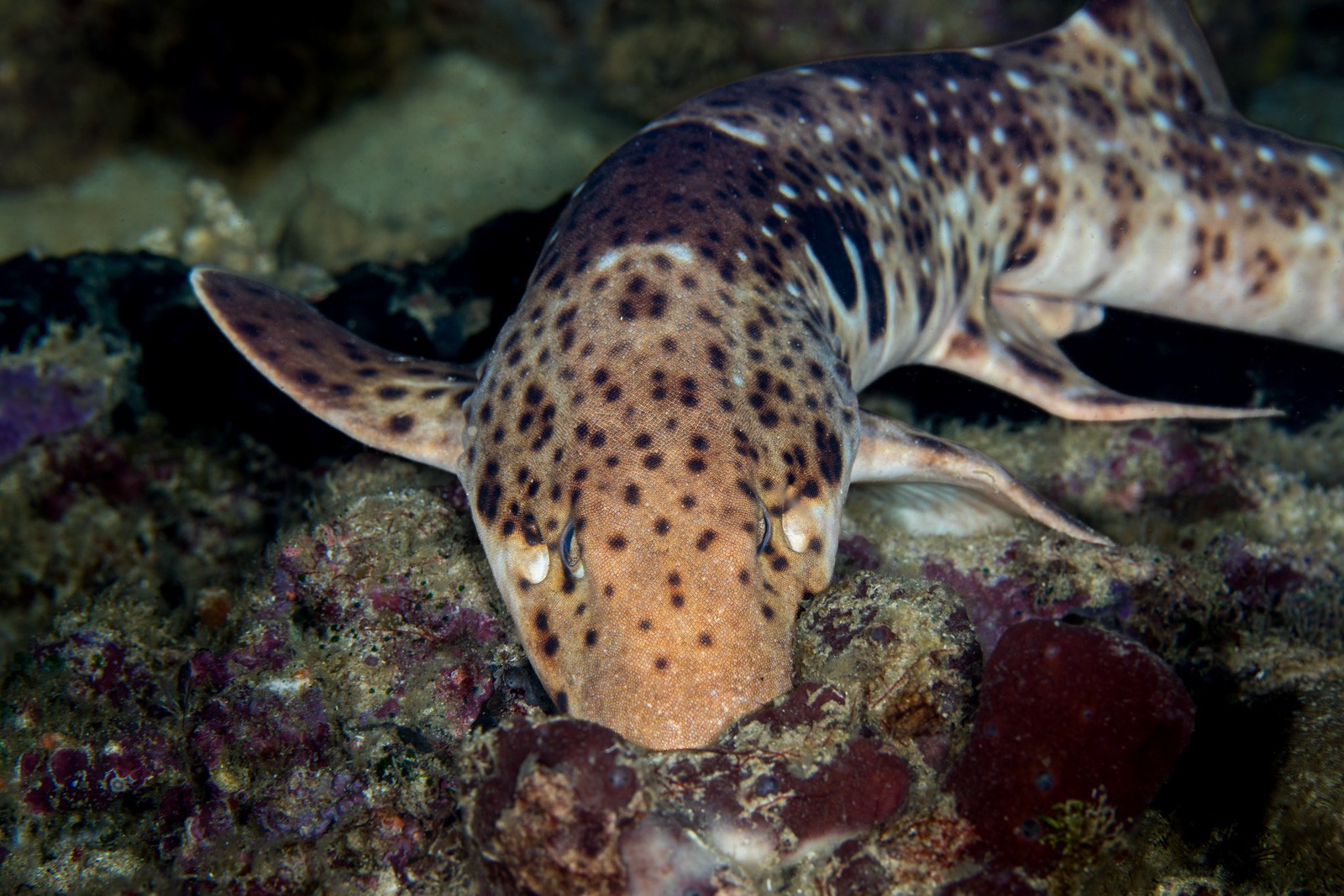
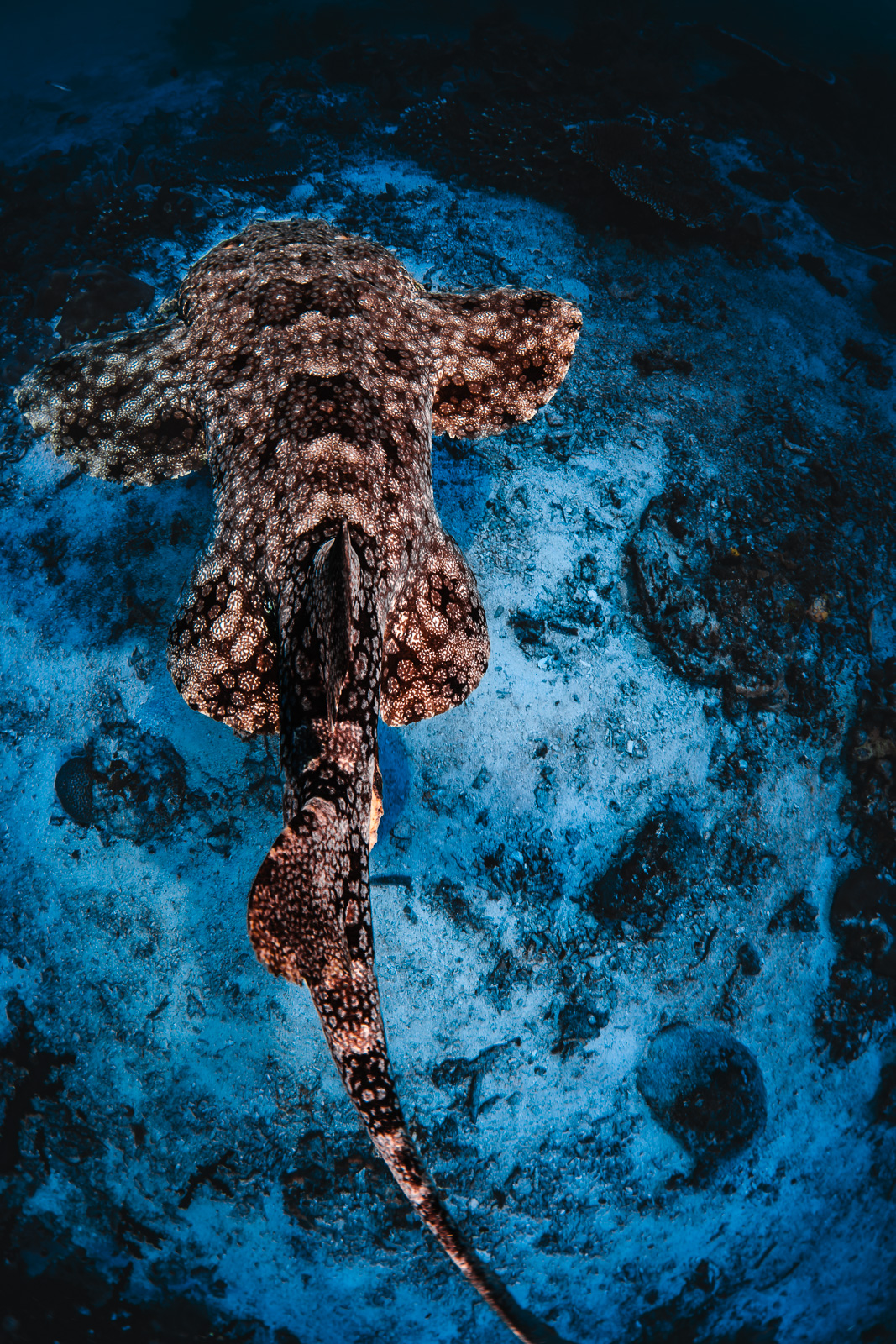
Every frame here was made in Dampier Strait. Two are limited to editions of twenty, signed and numbered. Prices in US dollars. Printed on Canson Platine and shipped from British Columbia.
The six that define the strait
Six I dived more than once and would plan ten days around, named as the resort names them.
Cape Kri
The world record, and what it feels like
Gerry Allen counted 374 species here on one dive in 2012 and nobody has beaten it. What that means in the water is tearing current and enough going on that experienced divers stop shooting and just watch. Get down fast, get to the corner, then decide what you are pointing at.
Blue Magic
Oceanic mantas over a submerged pinnacle
An offshore seamount that pulls in oceanic mantas, grey reef sharks, jacks and resident barracuda. Hook onto the corner on a running tide and hold. The trevally close over the top of you until the reef disappears behind them.
Manta Sandy
A cleaning station with rules
There is a marked line on the sand and you stay behind it. Settle, switch off, and let the mantas come to the station on their own terms. Divers who creep forward are the reason the line exists, and they are also the reason the mantas leave.
Mike's Point
Structure rather than fish soup
Wall, overhangs and real topography, with more visual character than sites that trade purely on how much fish is in the water. It needs current to come alive. On a slack tide it is pleasant; on a running one it is the best dive of the week.
Melissa's Garden
The hard coral argument
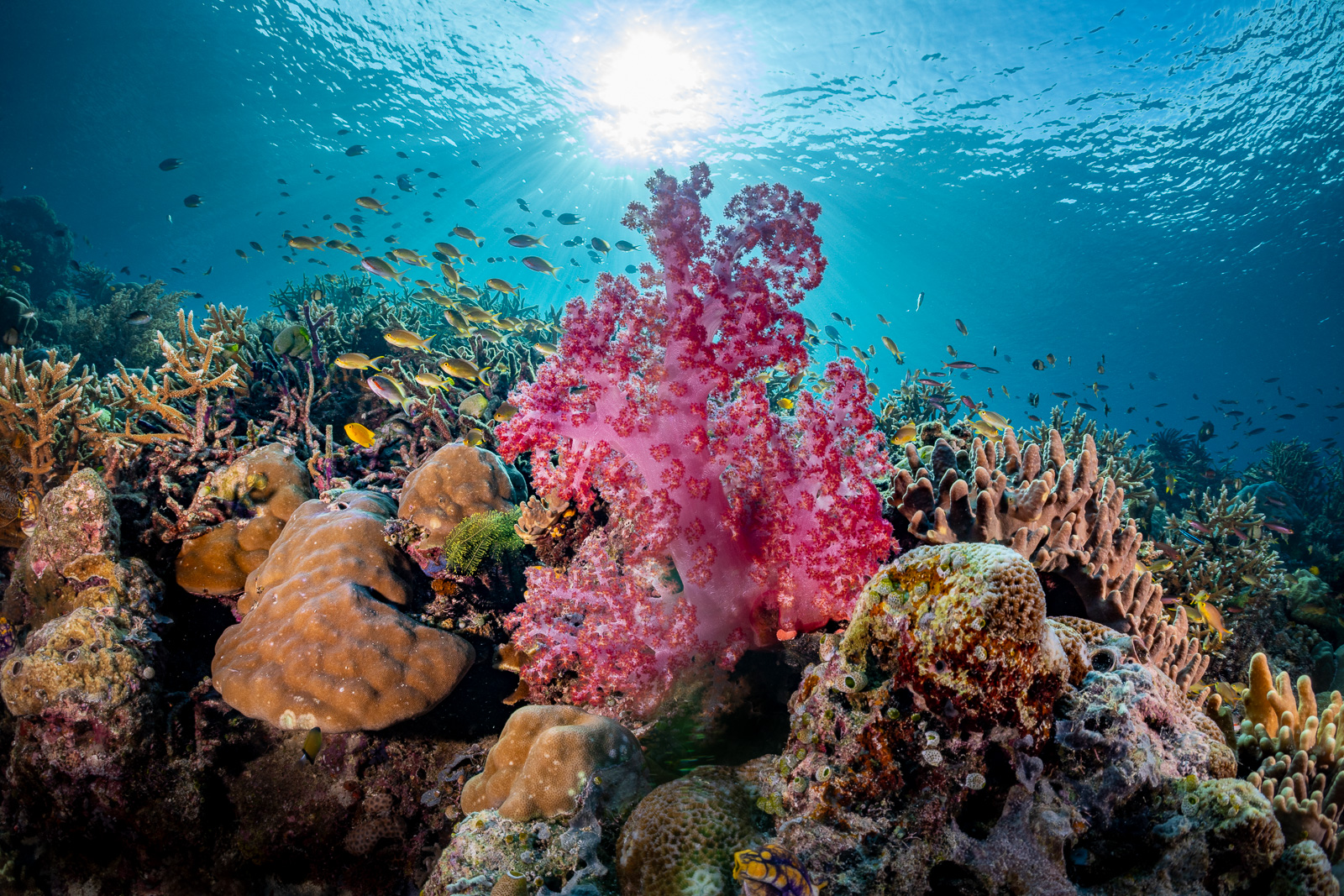
Shallow, bright, and the clearest single reason Raja Ampat has the reputation it does. If somebody asks why you flew this far to photograph coral rather than animals, show them this.
Sardine Reef
Fish in numbers that break autofocus
Fusiliers pour over the crown, batfish hang behind them, and the current holds the whole arrangement in place long enough to compose. The problem is never finding a subject.
Two operators, one reef
The reef doesn't change when you switch operators, but your experience does. To help you choose, each option is scored on the same five trip axes. The final rating is a simple equation: the baseline score of the reef plus the specific score of the operator.
Papua Explorers


Sits on Gam, directly on the Dampier Strait, which is the single most important thing about it. Cape Kri, Manta Sandy, Blue Magic and Mike's Point are part of the daily rhythm rather than distant day trips.
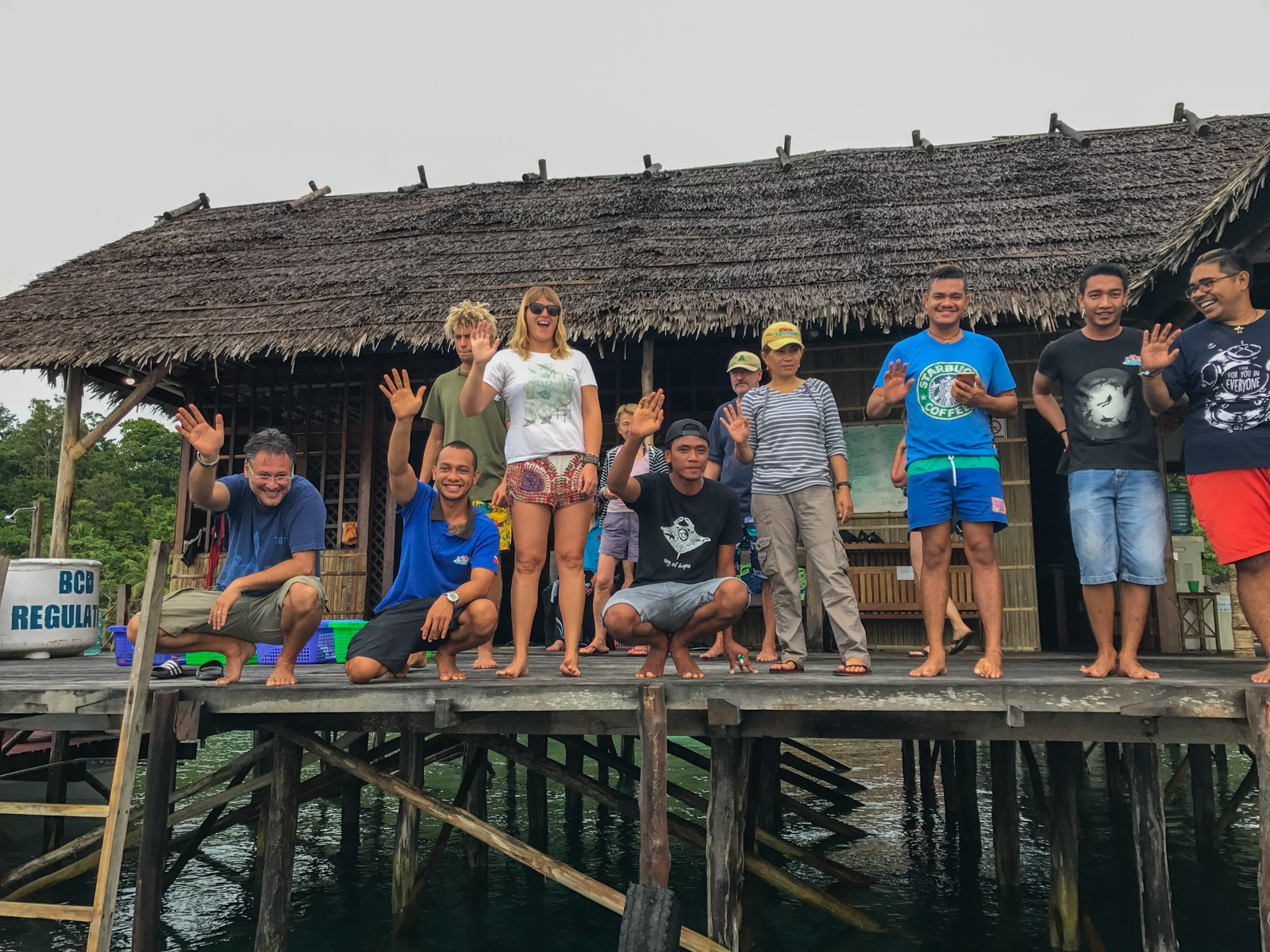
The rooms stand out over the water on stilts, facing straight into the strait, with forest rising directly behind them. You wake to birds you will not hear anywhere else and look out at the water you are about to dive. Very little else on this site puts you that far inside the place.
A clear eco-resort identity, and a fixed base that suits photographers who would rather dive one site repeatedly until it works than see a new one every tank. Wayag is a day trip from here, and a long one: around four hours each way in good conditions, longer when it is not, and you will get back after dark. Worth every hour of it for the hike and the view over the karst.
Three things nobody tells you. No air-conditioning, and the room fan isn't enough if you run hot — we brought in a portable fan and I was still warm most nights. The camera room sits right at the end of the dock — convenient off the boat, but it wasn't air-conditioned when I visited, and I got real condensation on my gear because of it, the opposite problem you'd expect from a cooled room. The rinse tank water left a bit of rust on my kit by the end of the week — worth a rinse-and-dry routine of your own rather than trusting the tanks alone.
Tiare


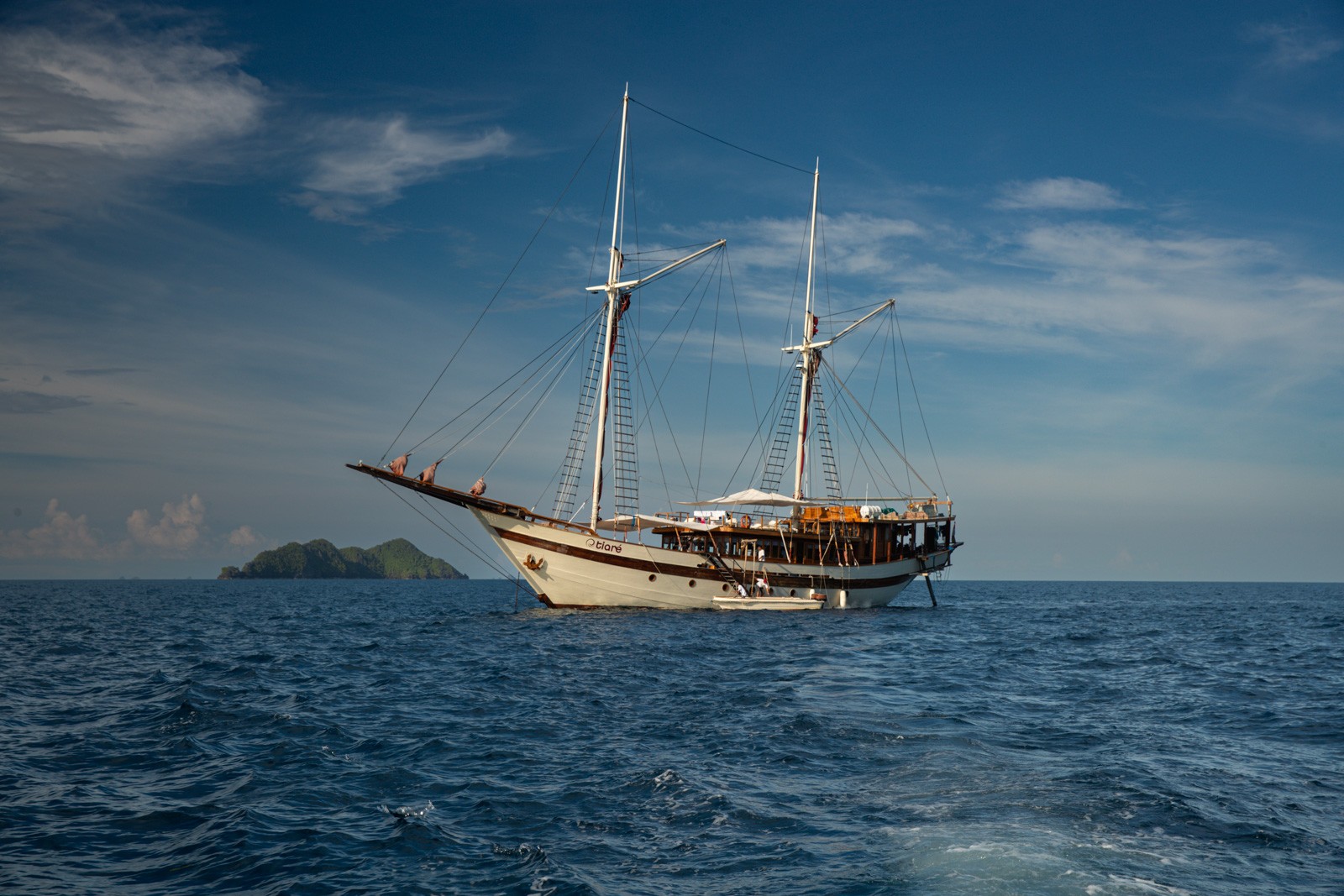
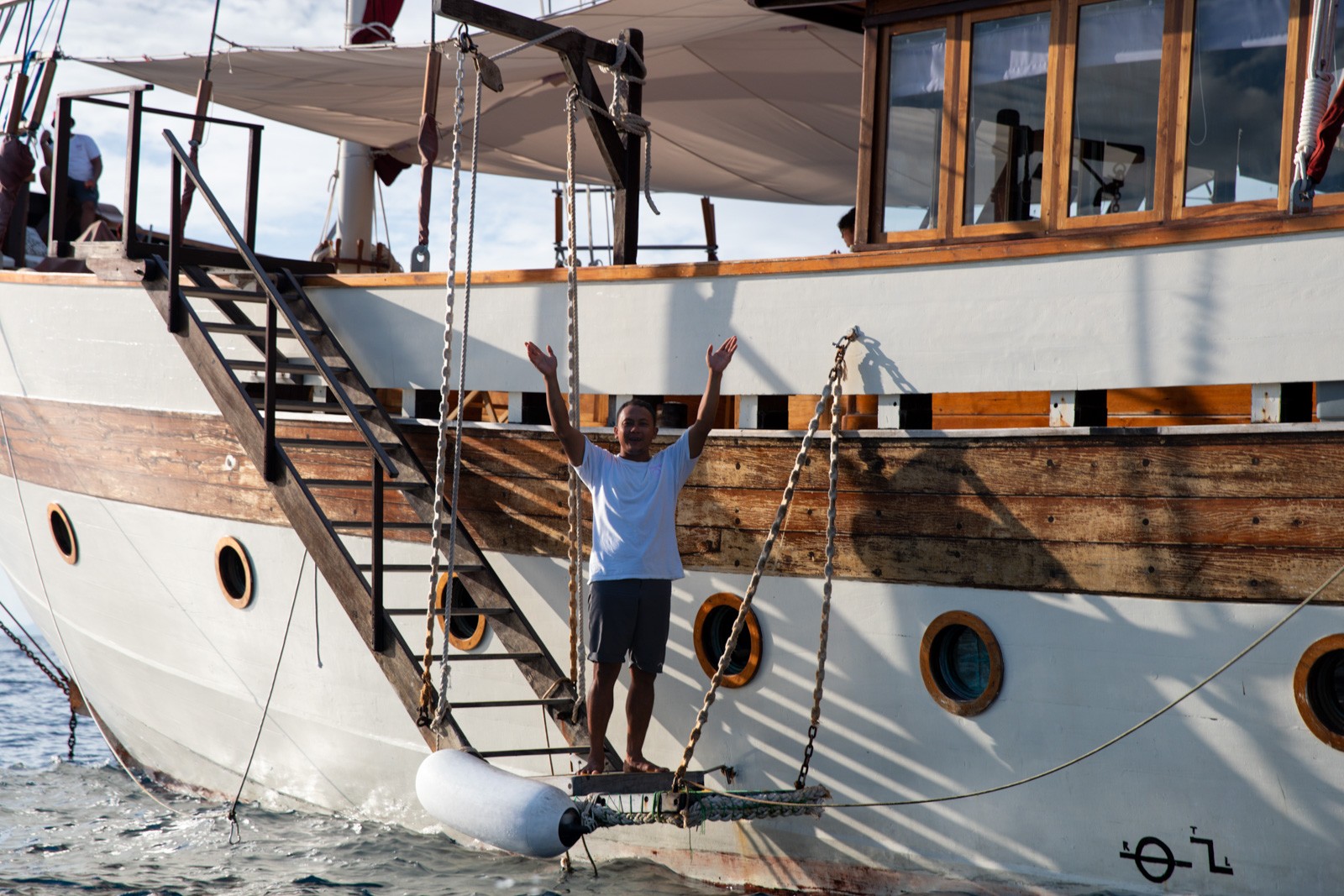
A traditional phinisi with an expedition feel rather than a luxury one. On my trip, seven of nine and a half days were in northern waters with the balance down in Misool, which is a good illustration of what a boat buys you: range.
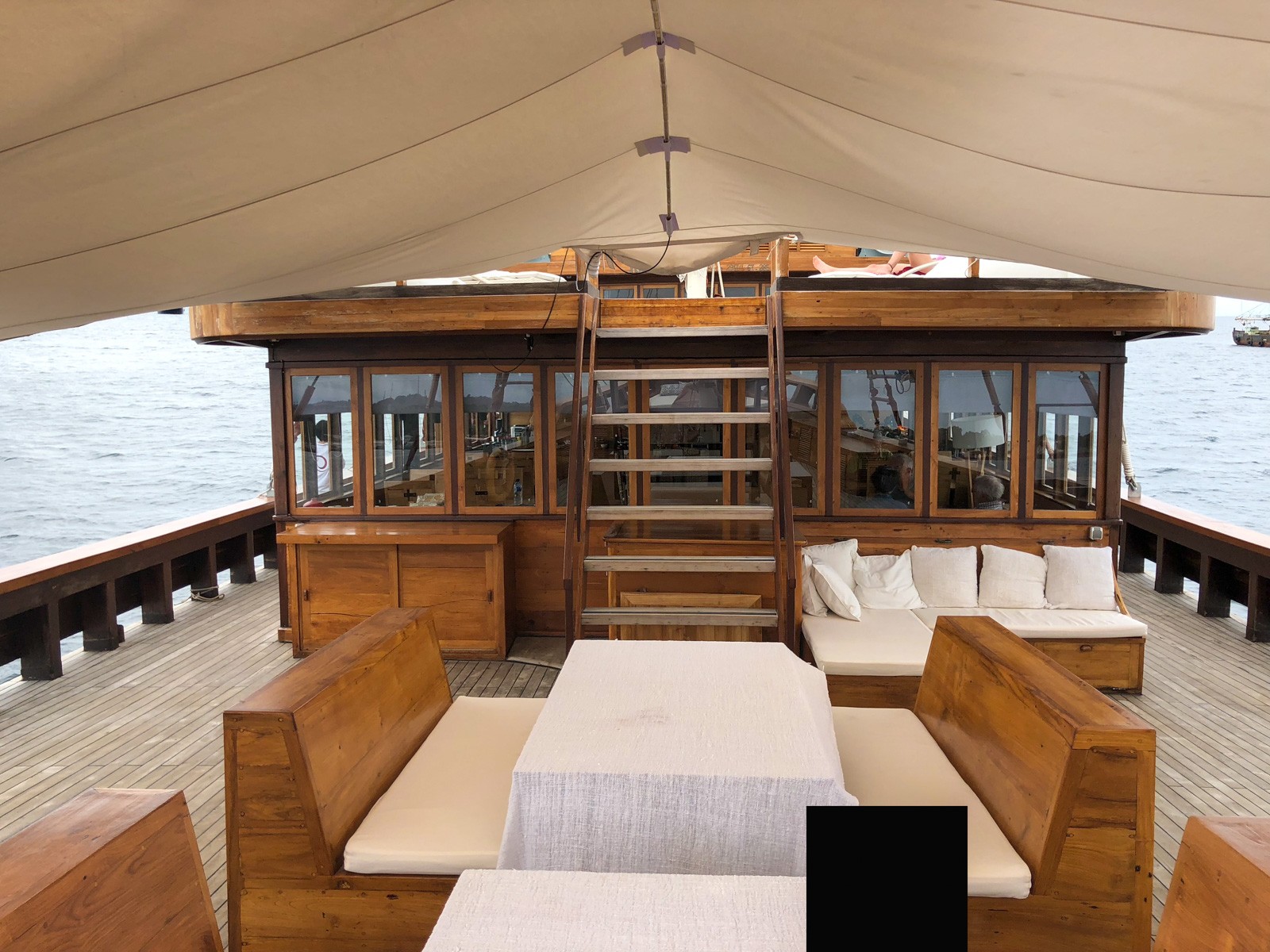
The trade-off is repetition. A liveaboard shows you more sites and gives you fewer second chances at any of them. If your best frame needs three attempts, a resort is the better tool. If you want to understand how much of Raja Ampat there is, take the boat. The crew were open about it being the boat's maiden voyage, and there were hiccups of the kind a first week has. What I remember better now is how carefully they handled cameras and how small the groups on the boat were, and the boat itself is beautiful. It is one I would take people back to.
Coralia
A premium phinisi running Raja Ampat itineraries. I have not been aboard, so it carries no score. It is here because divers I trust have done both the resort and the liveaboard and rate it highly — and because a recommendation you can check the provenance of is worth more than a score you cannot.
The questions that decide whether the trip works
Asked in the order they actually matter, answered with specifics.

How far are the dive sites?
From a Gam or Kri base, Cape Kri, Manta Sandy, Blue Magic and Mike's Point are part of the daily rhythm rather than distant excursions. Most are inside thirty minutes. That short transit is what lets you dive a site three times in a week until it finally works.
Is diving included in the price I have been quoted?
Usually not at the resorts. The headline rate is accommodation; diving, marine park permits and nitrox are added on top. Get the dive rates in writing and add them up yourself before you commit.
Resort or liveaboard?
A resort gives you second chances at the same site. A liveaboard gives you range: Piaynemo, the far north, sites a resort day boat cannot reach. You see each one once. If your best frame usually takes three attempts, stay put.
When do I need to book?
Raja Ampat is busy from October to April and the good resorts fill twelve to eighteen months ahead. The marine park entry permit is bought on arrival and is valid for a calendar year.
What is the flight actually like?
Two long-haul legs to Jakarta or Makassar, then an overnight flight to Sorong, then a ferry or speedboat. Build in a buffer day at each end. The domestic connection is the one that goes wrong.
And who should cheerfully book elsewhere
The right-hand column is the useful one. Dampier Strait asks something specific of you, and going for the wrong reason is an expensive way to find that out.
Book it if
- You want variety inside one week: jetty, mangrove, pinnacle and cleaning station, all inside an hour of the boat
- You shoot wide and you would rather be surprised than scheduled
- You are steady in current. It is what brings the fish, and it is not optional here
- You want a choice of operators at different prices rather than one door at one price
Book elsewhere if
- You want the most protected reef in Indonesia above everything else. That is Misool: a different week, not a better one
- Macro is why you travel. It is good here; nobody flies this far for a nudibranch
- Your dates are fixed and cannot move. This is a monsoon coast and the window is roughly October to April
- You want to arrive rested. Sorong is two flights and a boat from almost anywhere on earth

Put your hand up and I will tell you when a trip is planned
There is no trip here yet. Where they go next is decided by who puts their hand up, so this counts as a vote for Dampier Strait — and it also gets you each new guide as it is finished. Four or five emails a year.
Four emails a year, unsubscribe in one click, and the address goes nowhere else.