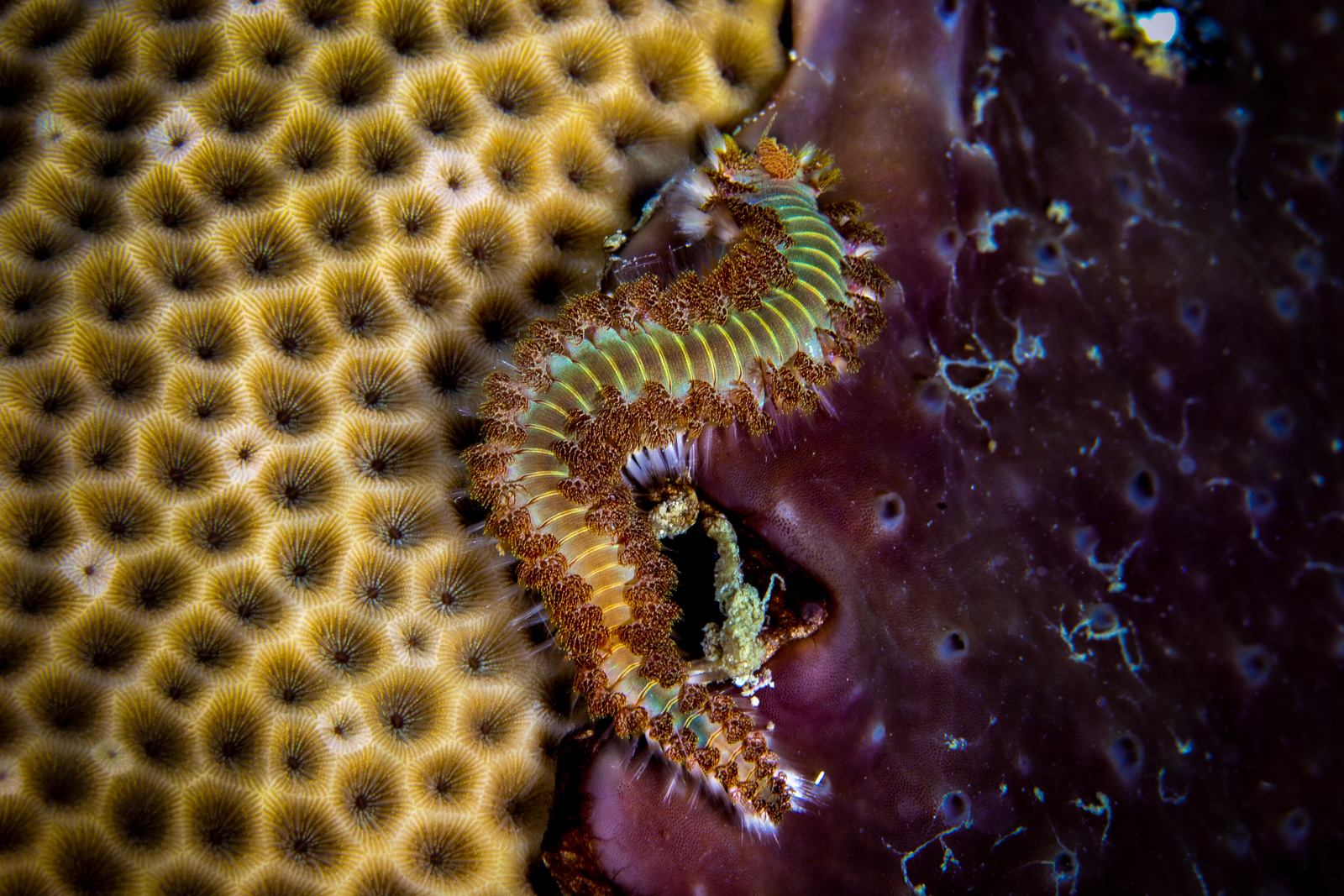
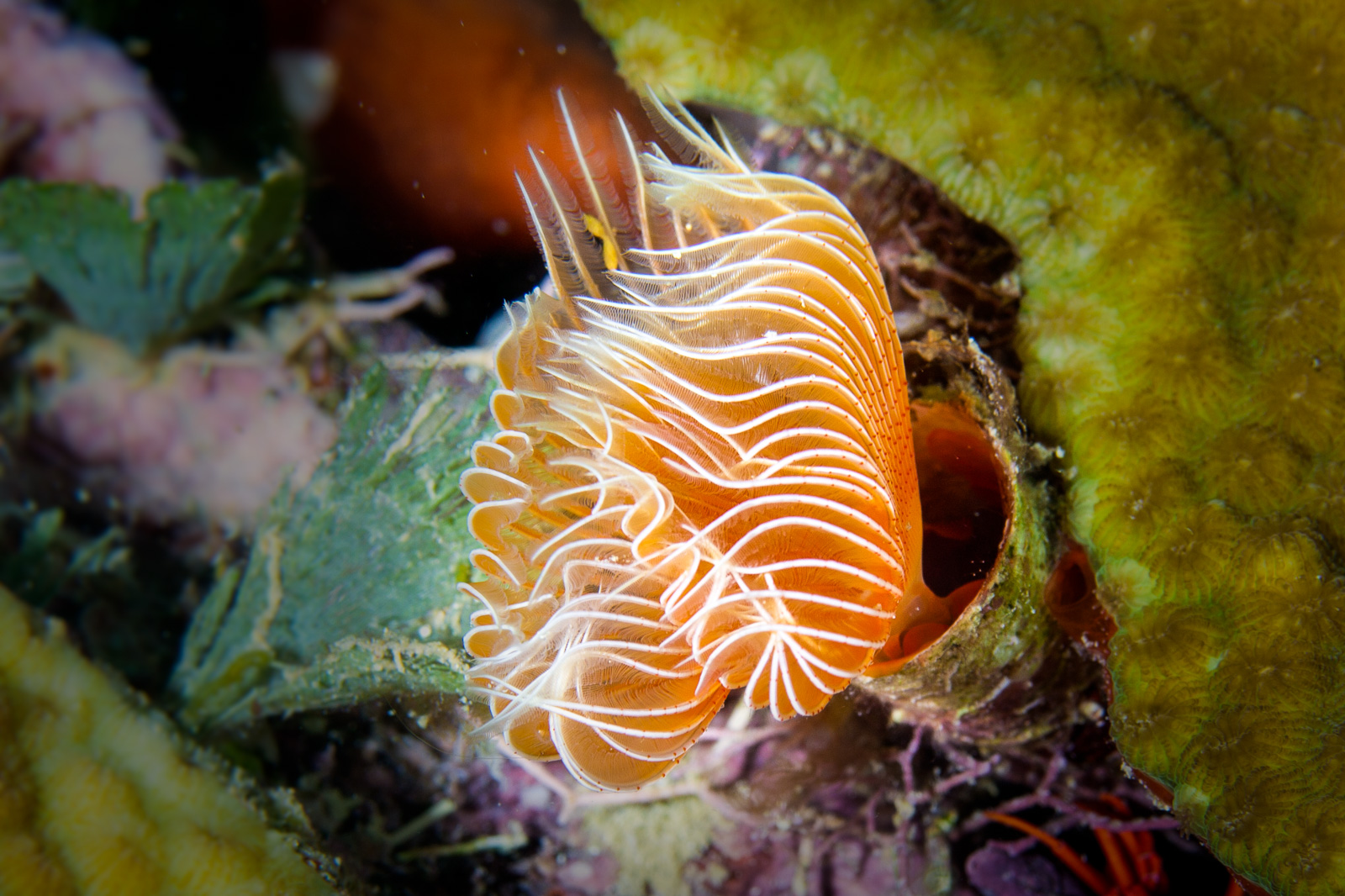
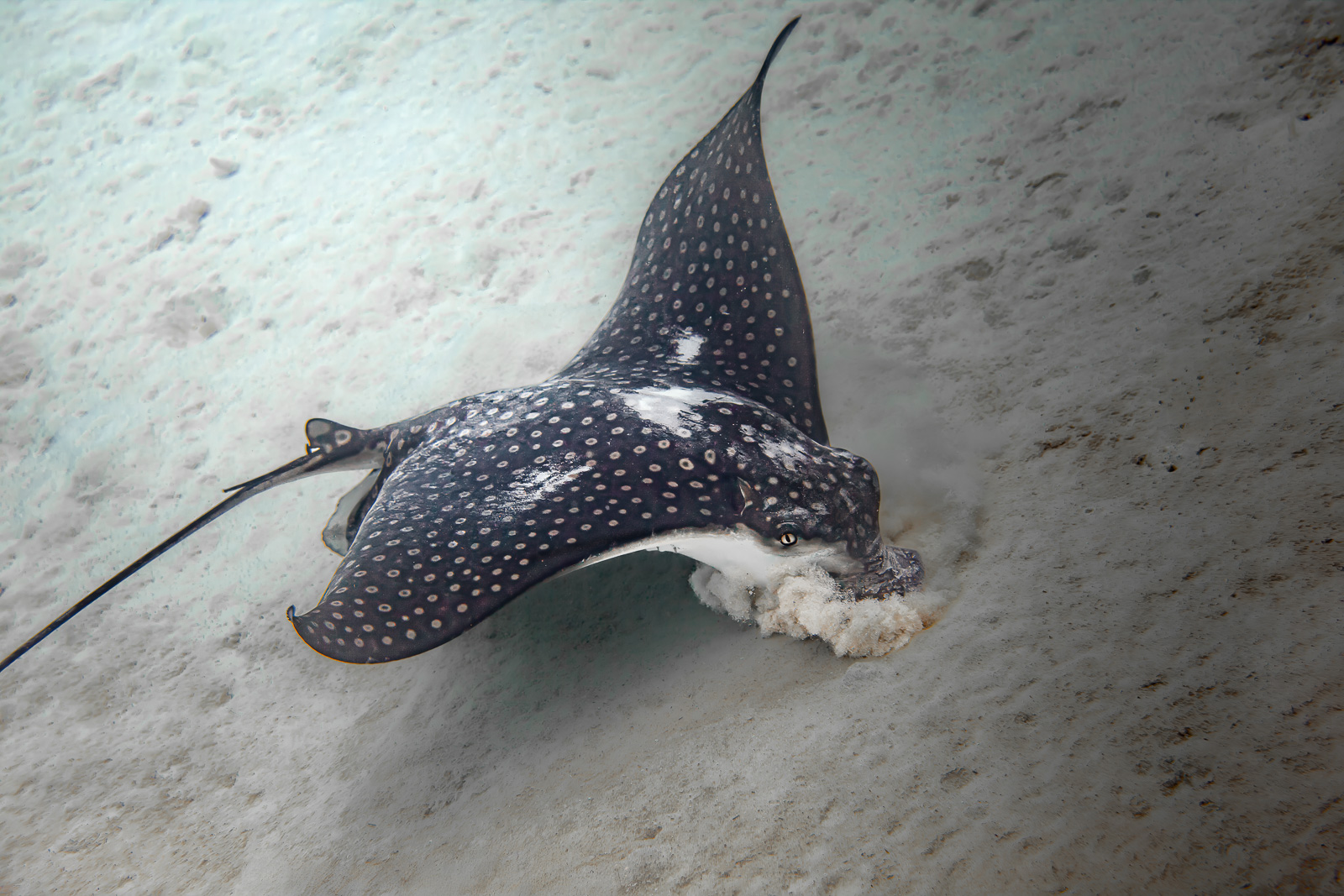
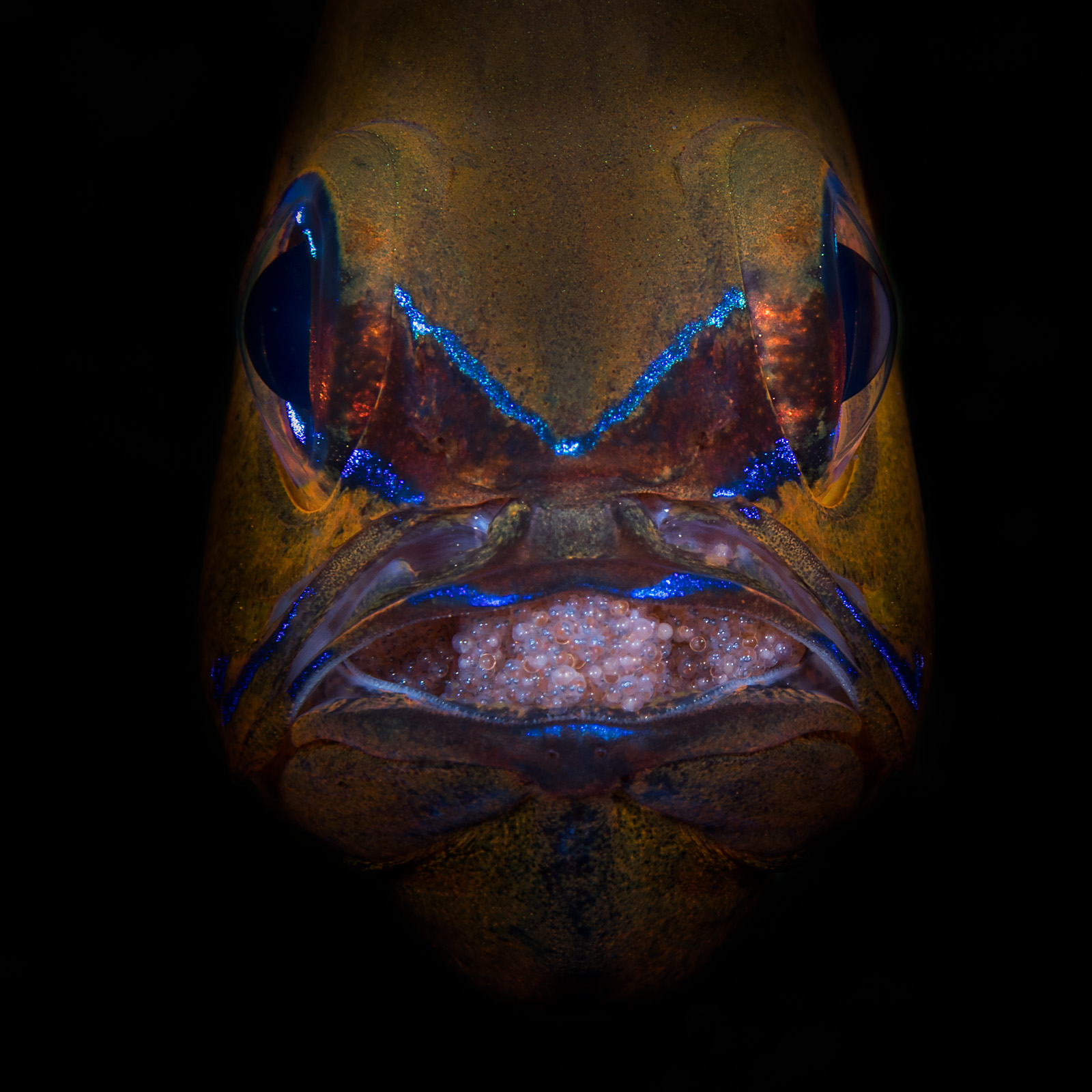
Seven miles of sand, a reef that asks nothing of you, and a bearded fireworm on pink coralline algae that I spent most of a dive with.
Seven miles of sand, water that stays warm all year, and a shallow reef where nothing is rushing you. The invertebrate life here is genuinely good and almost nobody in Jamaica is pointing a camera at it. This is the lowest place score on the site, and it is on the site because a rubric containing only great destinations is a brochure.
Among the most forgiving water on this site. Shallow, warm, calm and close to shore, which makes it a genuinely good place to be new, or to be trying a macro lens for the first time without anything else demanding your attention.
The reef off Negril is shallow, warm and undemanding, and the coral has taken the same beating the wider Caribbean has. Nobody should fly across an ocean for it, and this guide is not going to suggest otherwise.
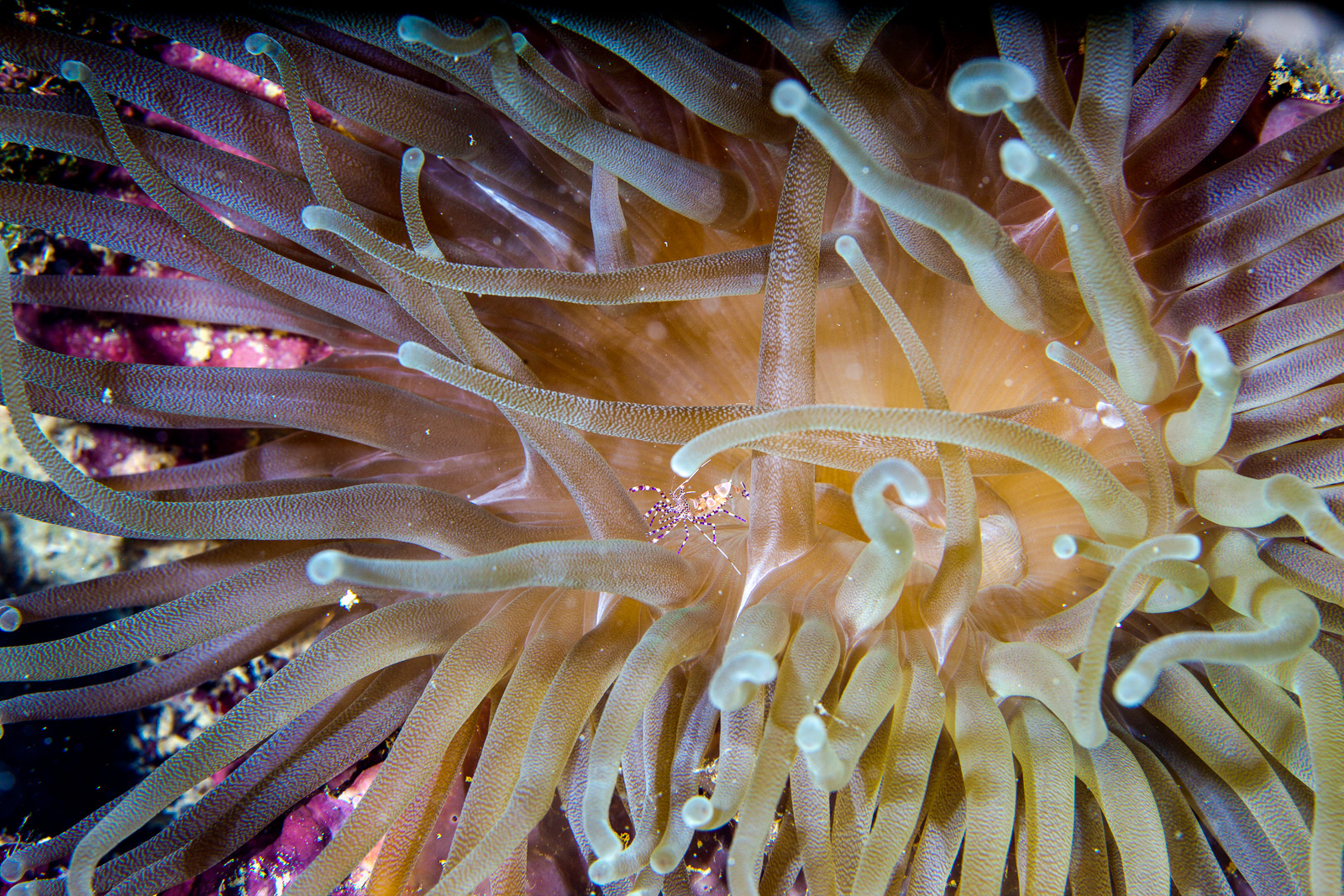
What it does have is time. Nothing pushes you along, the profiles are shallow enough to stay down a long while, and the small life on the hard coral rewards a diver willing to spend forty minutes in one square metre. That is a real skill and this is a cheap place to build it.
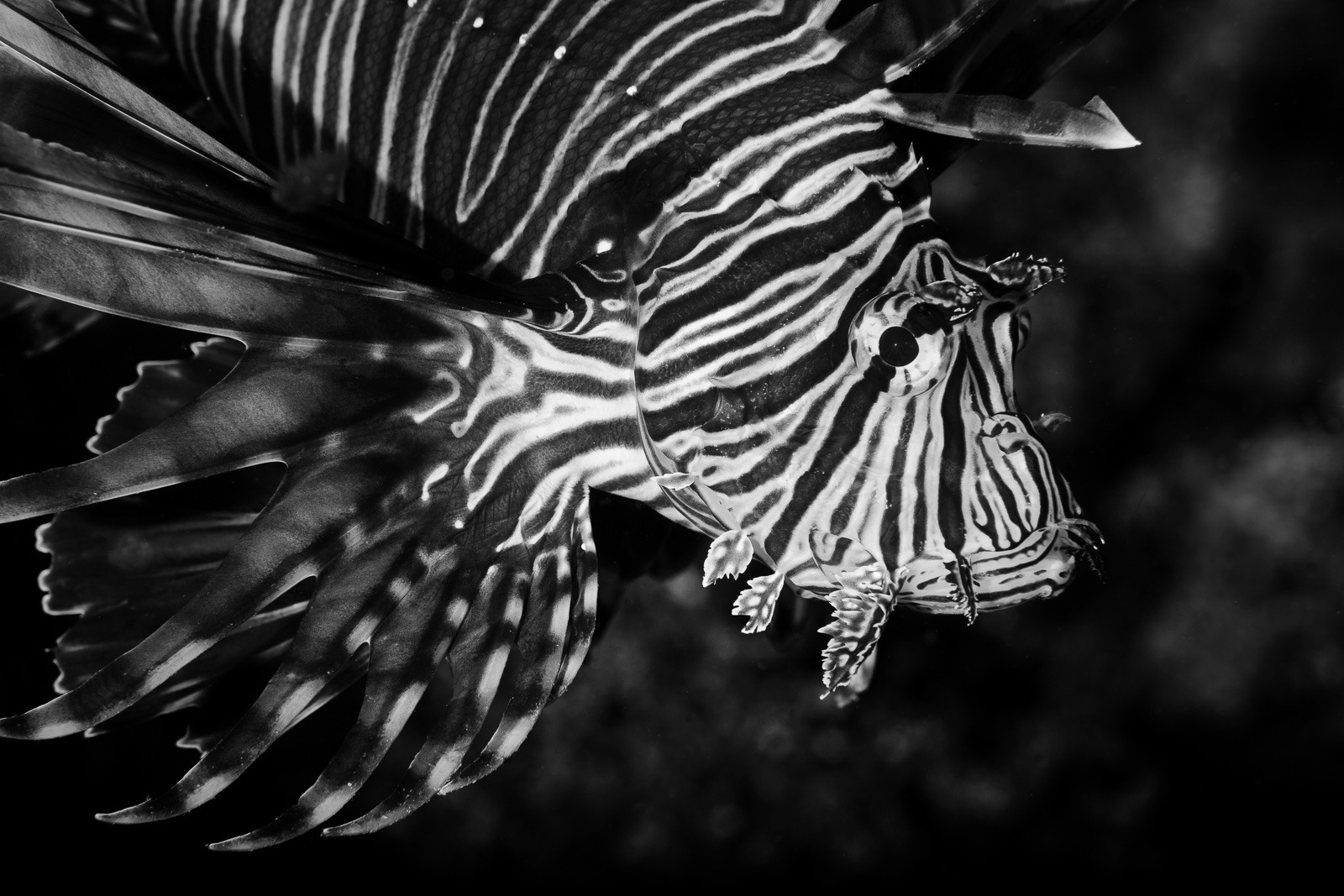
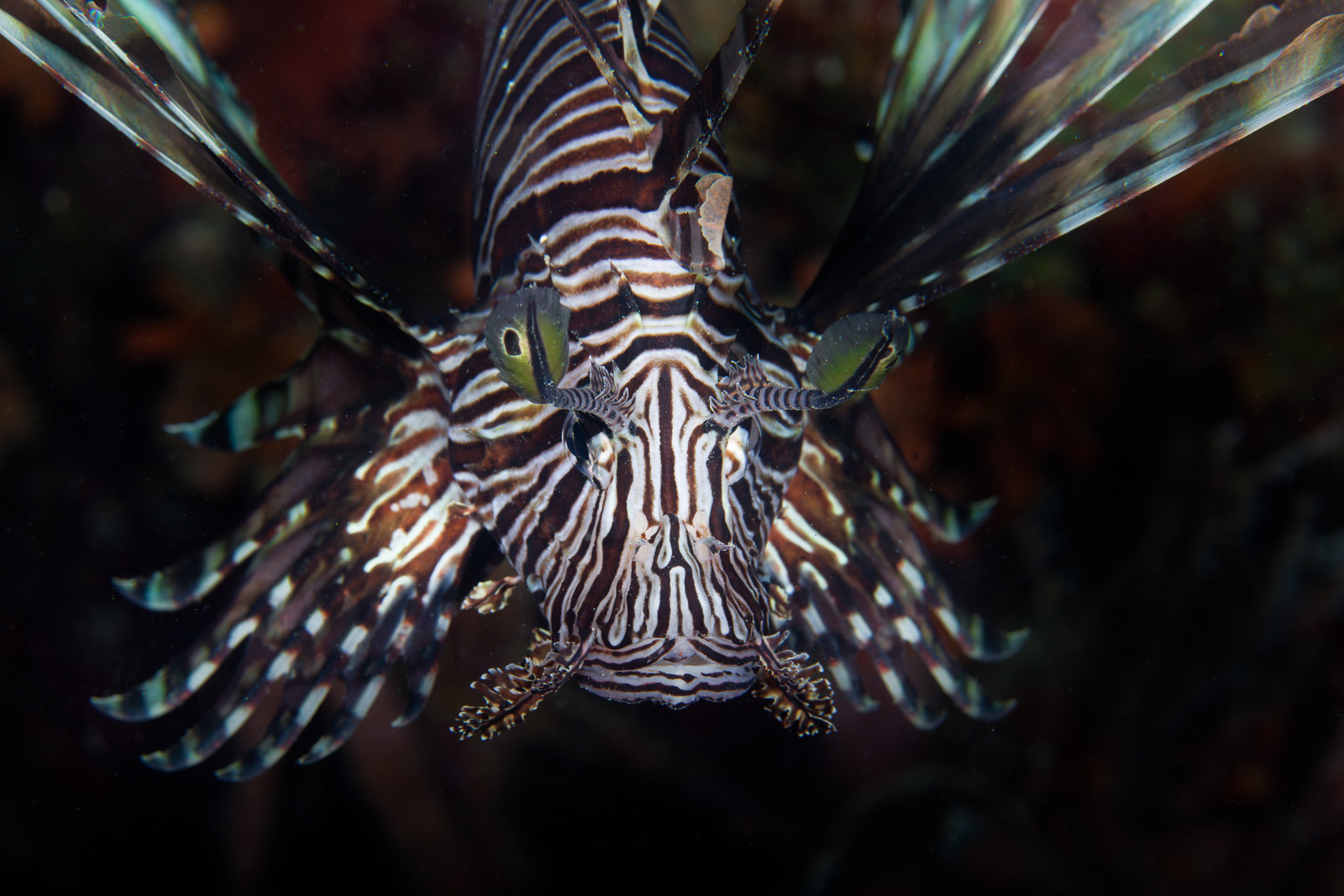
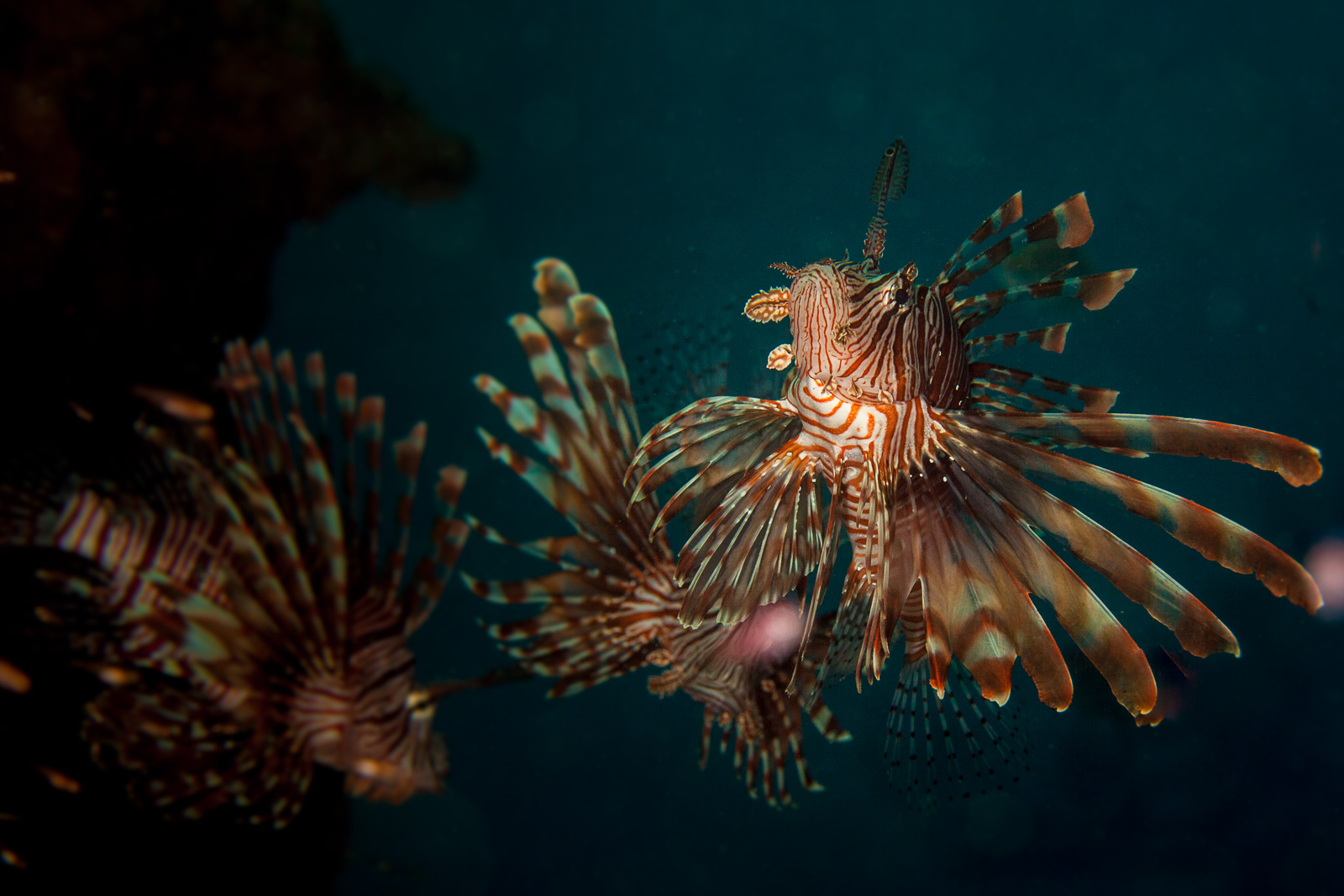
There are also lionfish, which are invasive here and doing real damage across the Caribbean. They are also, photographically, superb subjects — striped, slow, unbothered. Shooting them is one of the few honest pleasures available on a reef that is otherwise under pressure.
If you are in Jamaica anyway, for a wedding or a family holiday or the beach, get in the water. Just do not build the trip around it.
There is very little down there to find, and I am being generous saying that much. There is not much to find and not much to isolate it against.
Wide-angle is limited by coral condition rather than by water clarity.
If you are travelling with a non-diving family and want two dives in a week, this works. If photography is the purpose, go somewhere else.
Every frame here was made at Negril in 2010, in the conditions that turned up rather than the ones I hoped for. Click any of them to open it full size.
Any frame on this page can be licensed for editorial use. Licensing terms.
November to April is when Negril is at its best. Tap any month for what the water is actually doing.
Visibility, sea state, what is in the water and how much of it you can count on. The season turns at November and again after April.
Six I dived more than once and would plan a week around, named as the resort names them.
The one genuinely interesting piece of structure
A small shallow cavern lined with large elephant ear sponges. The most structurally interesting thing on this stretch of coast, and the dive worth planning around.
An aircraft on the bottom
A small sunken plane, deliberately placed. Artificial, and the fish have moved in regardless. Worth a single wide-angle dive.
Warm, flat, forgiving
Standard resort profile. Ideal for a check-out dive or for troubleshooting a new housing configuration without anything else demanding attention.
Dispersed coral heads
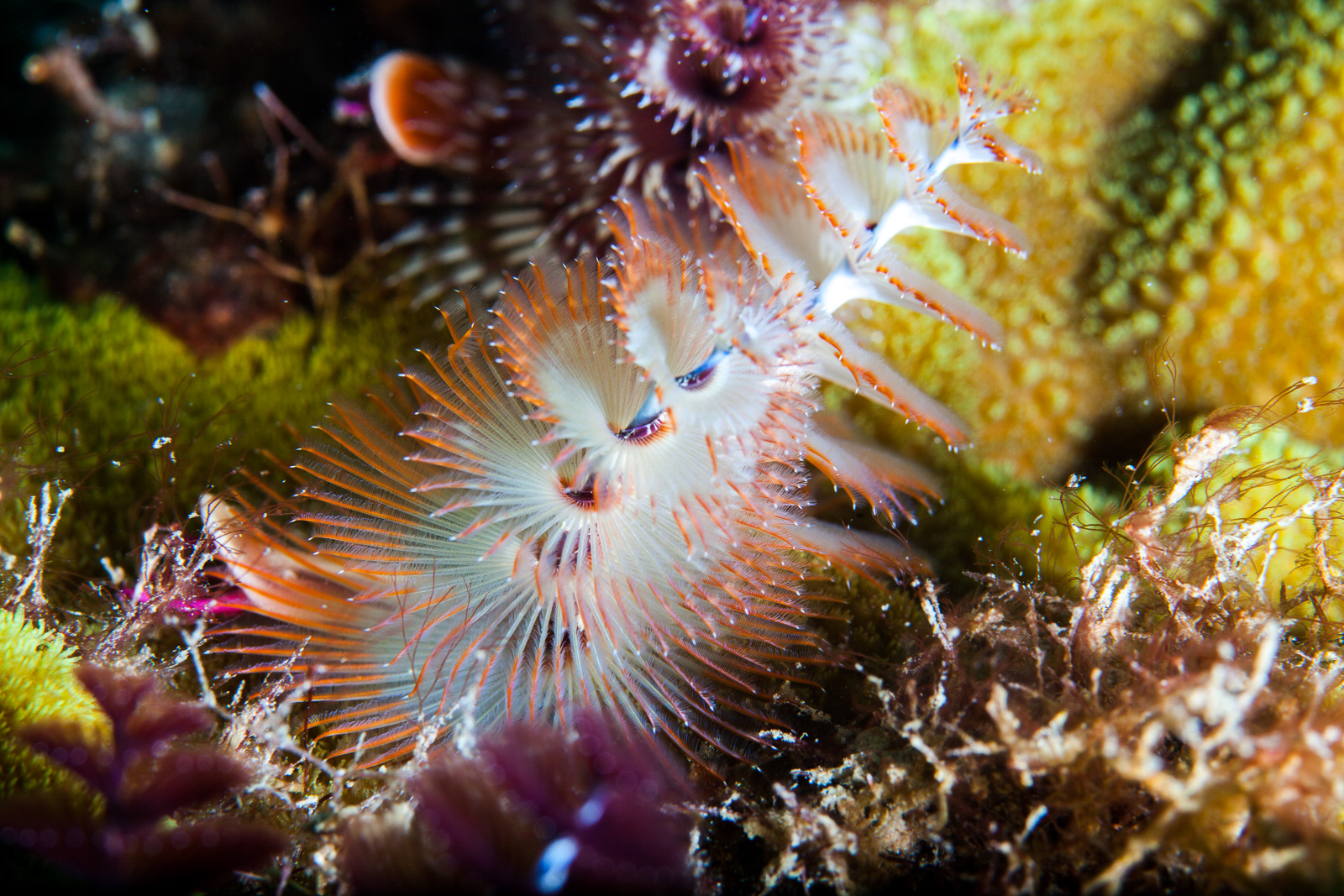
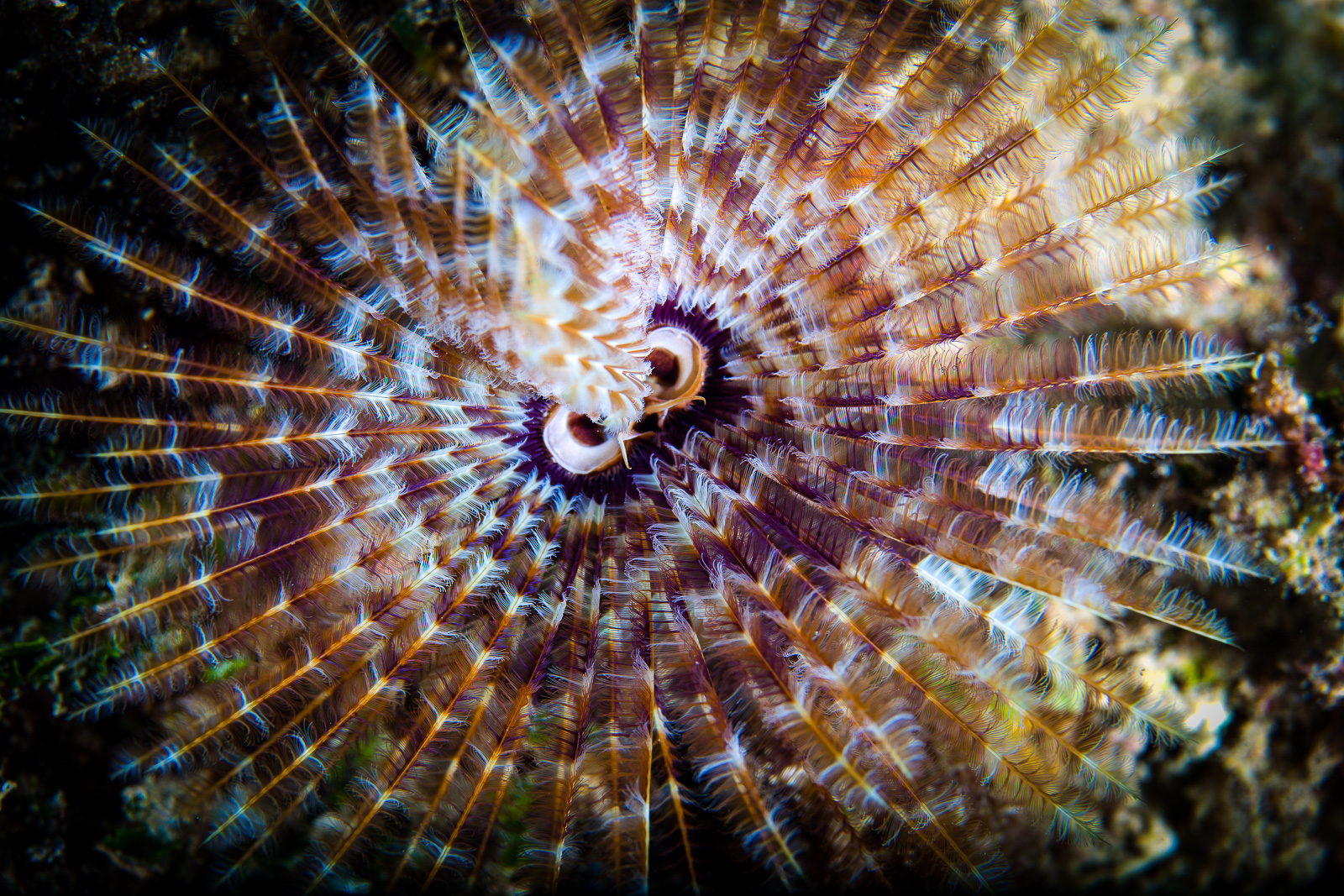
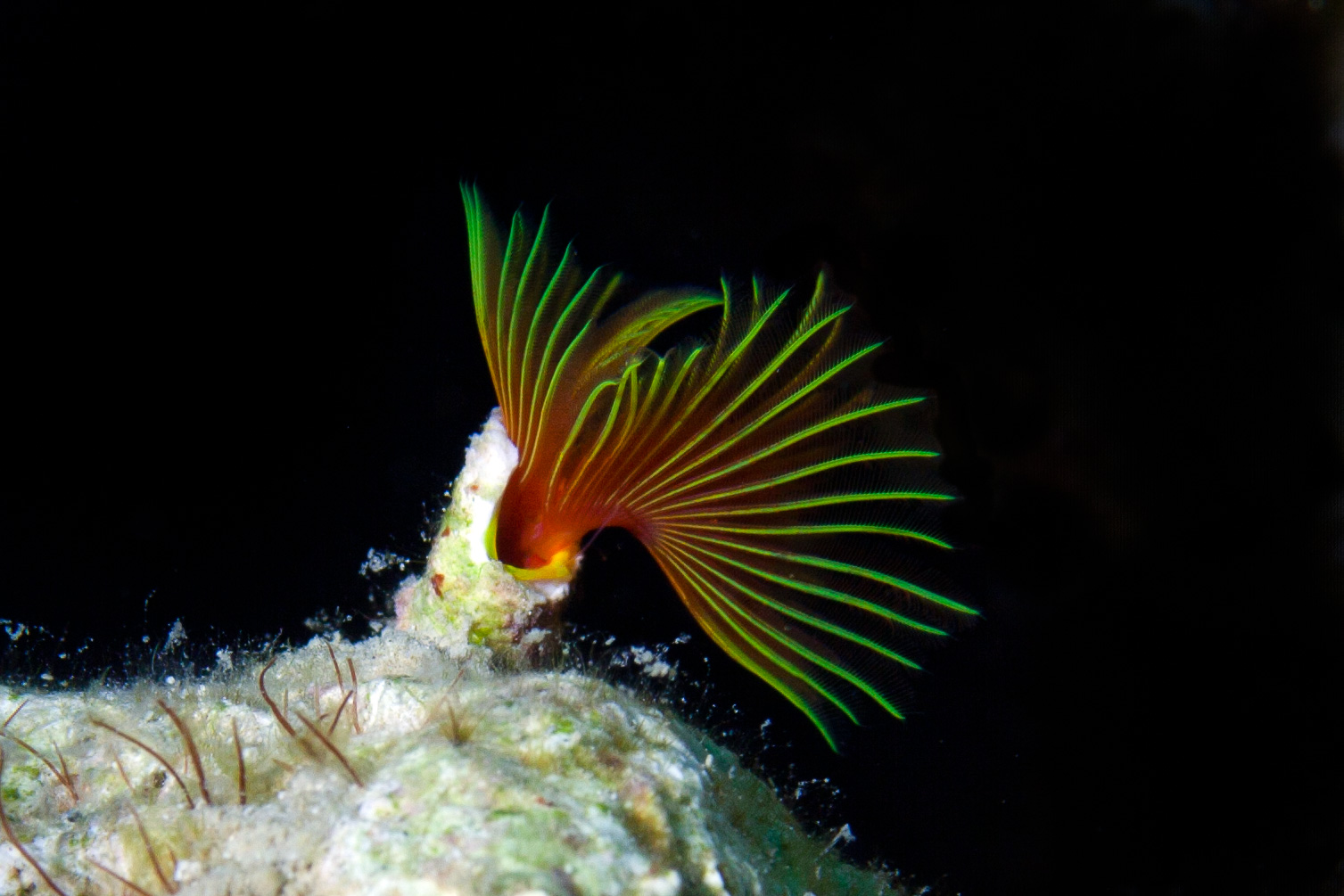
Modest limestone structure on sand. Better for macro than for a wide frame — this is where the fireworms and Christmas tree worms are.
A passing lane
Gentle sand and rubble slope that occasionally has barracuda or jacks crossing it. Low expectations, occasionally rewarded.
Worth a single tank
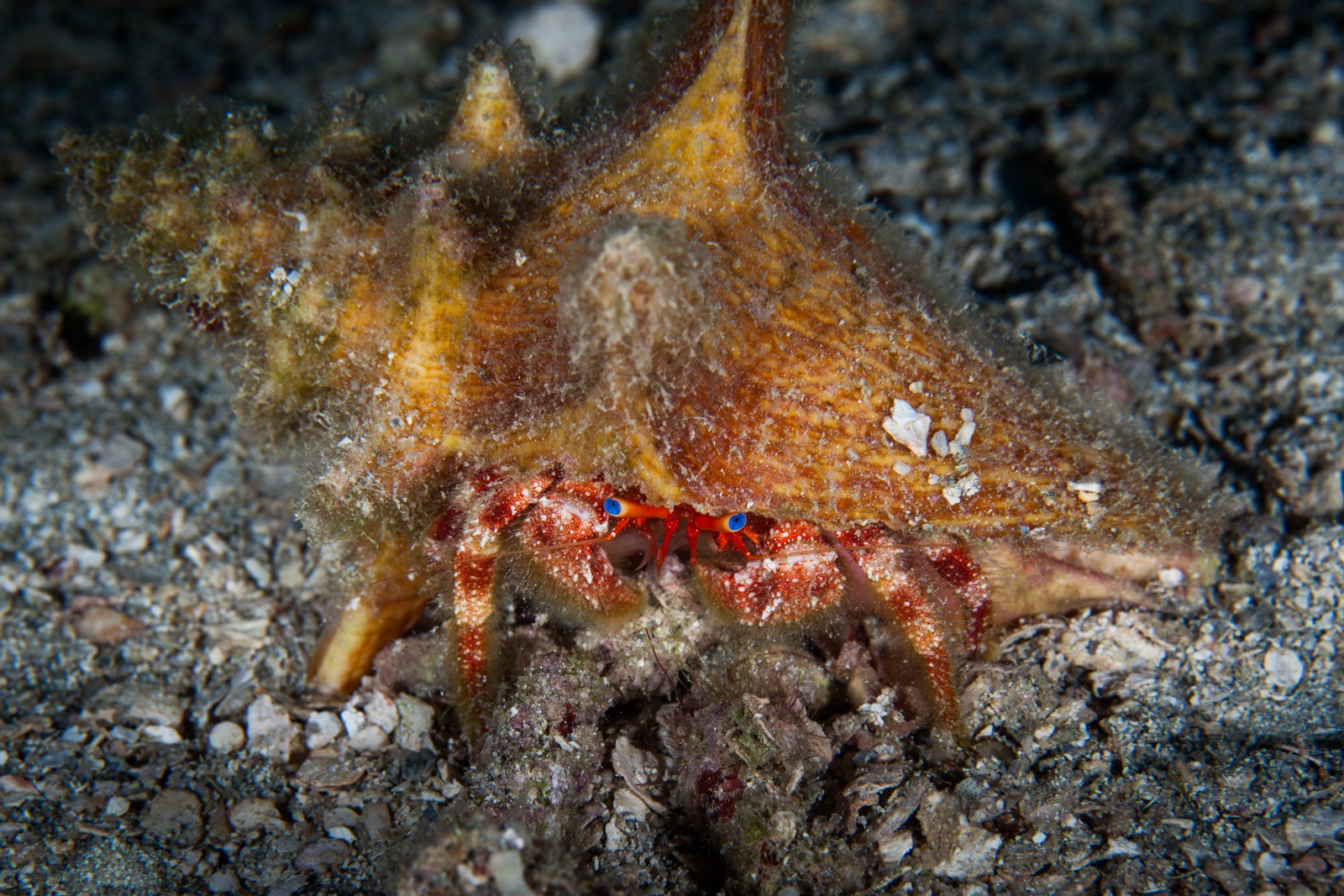
Spiny lobsters, arrow crabs and hunting morays out of the rubble after dark. The small life here is genuinely good and almost nobody photographs it.
There is one place to stay here, so the reef score and the operator score arrive together. It is still worth separating them. The five trip axes below belong to the operation alone, and the final rating is the baseline score of the reef plus that operator's score.
Asked in the order they actually matter, answered with specifics.
Not on its own. If you are in Jamaica for another reason — a wedding, family, the beach — get in the water and take a macro lens. That is the honest framing.
The small things. Bearded fireworms, feather duster crowns, Christmas tree worms in clusters, hermit crabs on the sand. Almost nobody in Jamaica is pointing a camera at any of it.
Among the most forgiving on this site. Shallow, warm, calm and close to shore, which makes it a genuinely good place to be new.
They are invasive here and doing real damage across the Caribbean. They are also excellent photographic subjects, and most operators will happily talk about the culling programmes.
Year round, with the calmest water from December to April. Hurricane season runs June to November.
The right-hand column is the useful one. Misool is expensive enough that going for the wrong reason is an expensive way to find out.
The dive operation attached to the resort was well run — The dive operation attached to the resort was genuinely well run.