Wakatobi, Southeast Sulawesi, Indonesia
Destinations · Southeast Sulawesi · Resort

Wakatobi

Walk off a white sand beach onto the best house reef in the world, and keep walking onto it for a week. Nobody will tell you to get out.

Scored below
ContentsWakatobi · Southeast Sulawesi
01Why Wakatobi
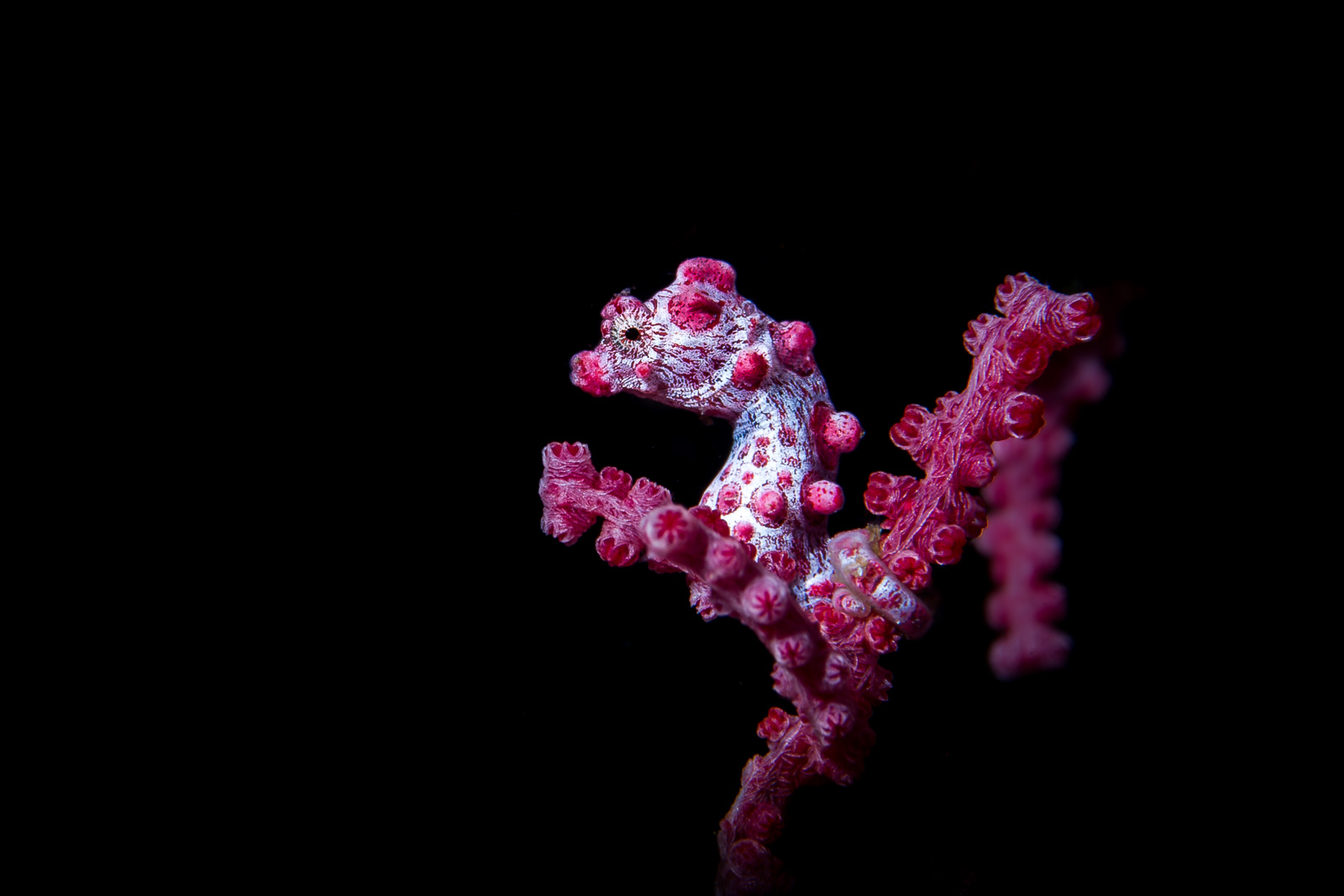
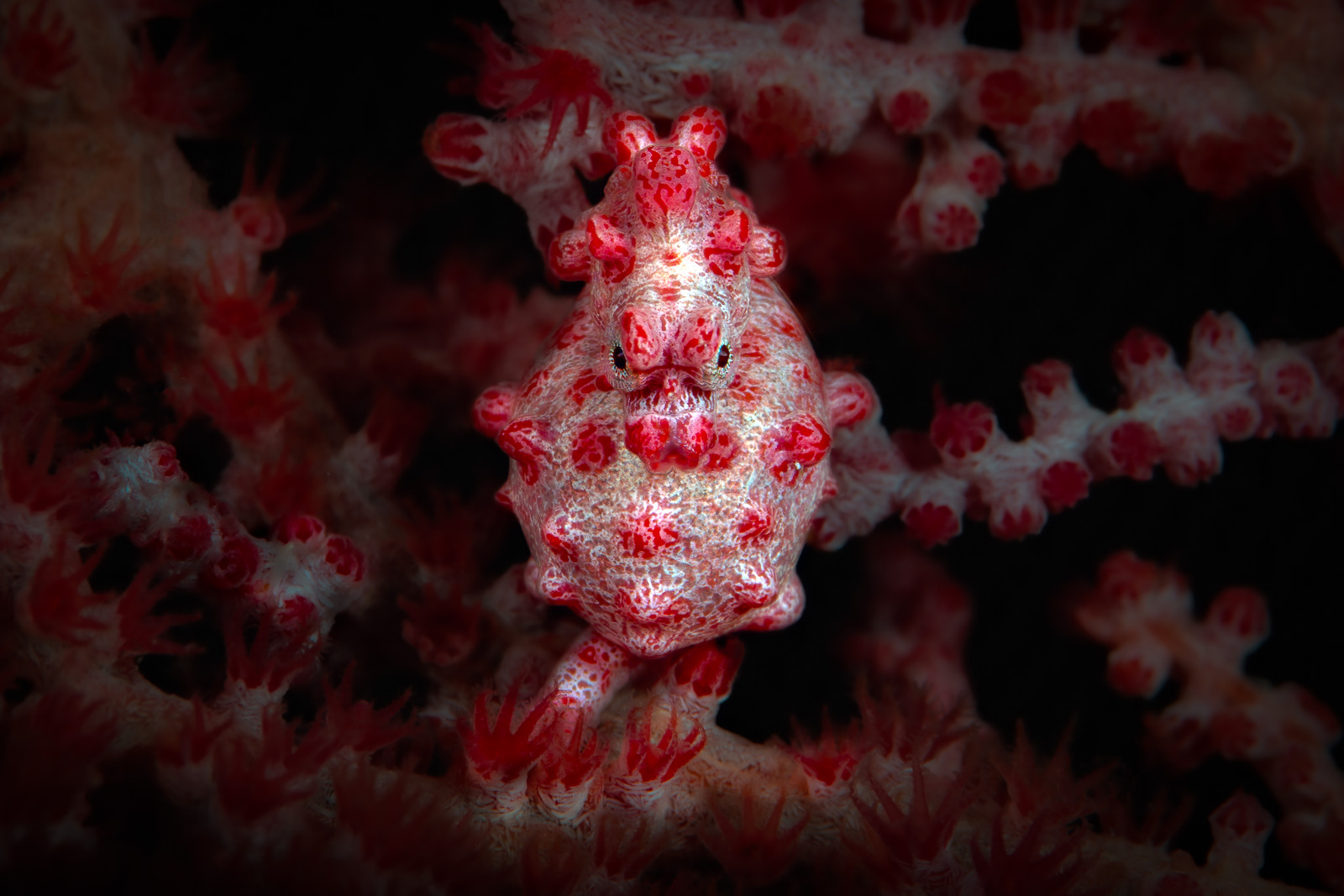
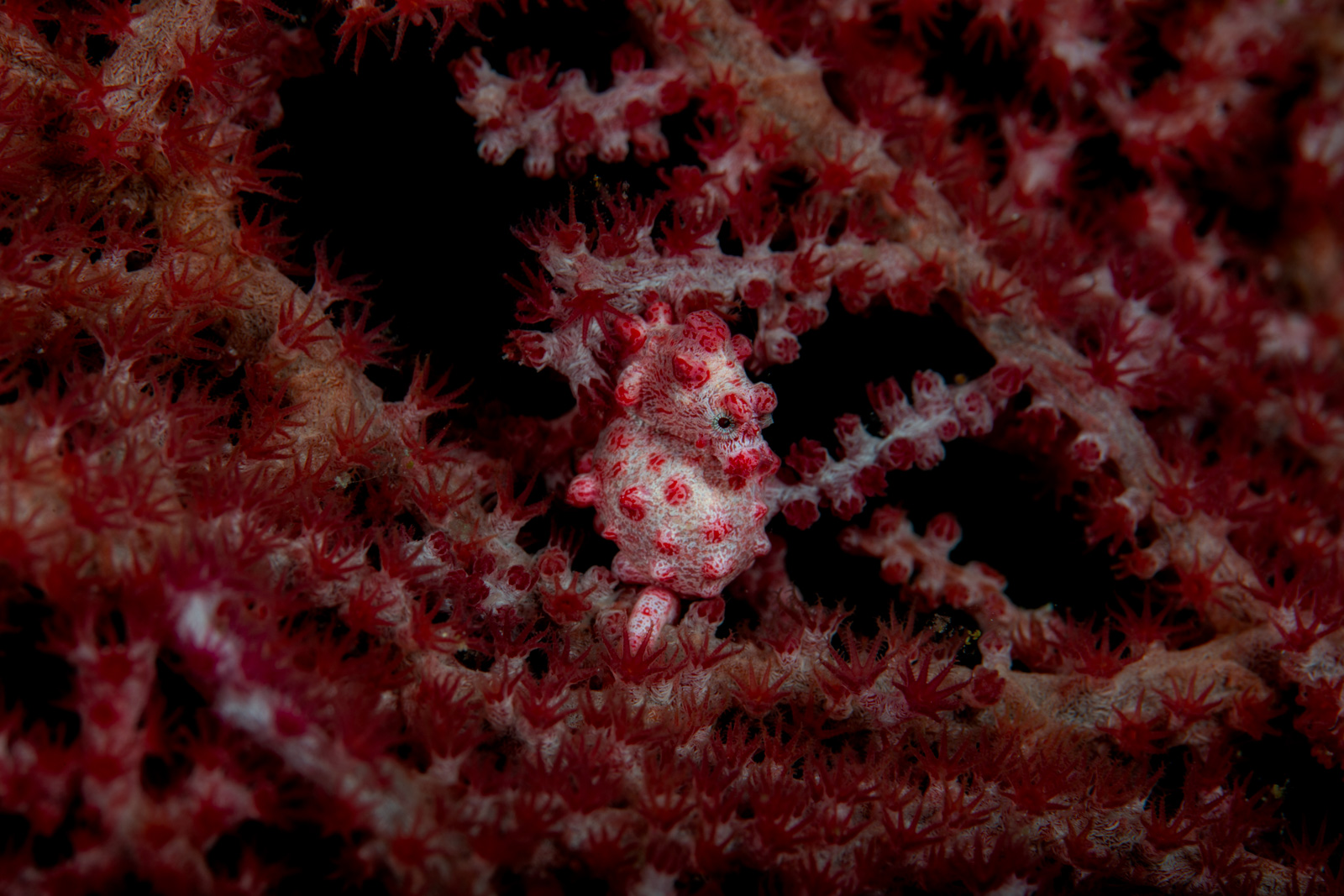
A pygmy seahorse half-buried in the polyps of a deep crimson gorgonian, Wakatobi

Fishing feeds a family for a day

The founders were among the first to hire and train from the surrounding village rather than importing staff, and the argument they made was simple enough to survive translation: fishing feeds your family for a day, and people photographing those fish will feed it for a lifetime. The resort supplies the village with electricity and trains its people to guide. Thirty years later the reef in front of the resort is the best house reef anywhere and the two facts are the same fact.

Three dives a day at seventy minutes, which changes the whole shape of a week. Nobody is watching a clock, nobody is thumbing the dive at fifty because the boat has another group waiting. The boats are large and carry real shade, which matters more than it sounds after the fourth day.

The food is the best of any resort I have stayed in, and it isn't close. Nor is it complicated: simple, fresh, largely local, expertly cooked. Only a few ingredients are flown in. This is where the à la carte format was invented: you order dinner at lunchtime from a short menu rather than queuing at a buffet, so nothing sits under a lamp and dietary requirements stop being a negotiation. Managers trained here carried that format to Lembeh Resort, to Misool, and now to Coral Eye. If you have eaten well at a high-end Indonesian dive resort, you have probably eaten a version of Wakatobi's kitchen.

There is a reason so many general managers put in years here before running their own places. Watch how the day is assembled and you can see the training happening.
02Scored
Scored · the place on six axes, the operator on its own
87
Place
90
Operator · Wakatobi Dive Resort
A−
Overall
Last visited 20144th of 17 dive destinationsScores reviewed August 2026

Two Swiss founders, a village that used to fish these reefs, and a rule that has held for thirty years: the reef pays better alive. Wakatobi is the standard the industry measures operations against, and the reason is not the thread count. It is that everything works, every day, without anyone appearing to try.

Scored on the same rubric as every other place here, and published whether or not the number flatters. Seven of the seventeen came in under seventy; the lowest is forty-five.

Underwater · the place
Macro
9
Wide
9
Terrain
8
Diversity
9
Fish biomass
7
Health
10
Total
52/60 · 87%

The dot is Wakatobi; the pale band is where the other sixteen places on this site fall on that axis. How the scoring works

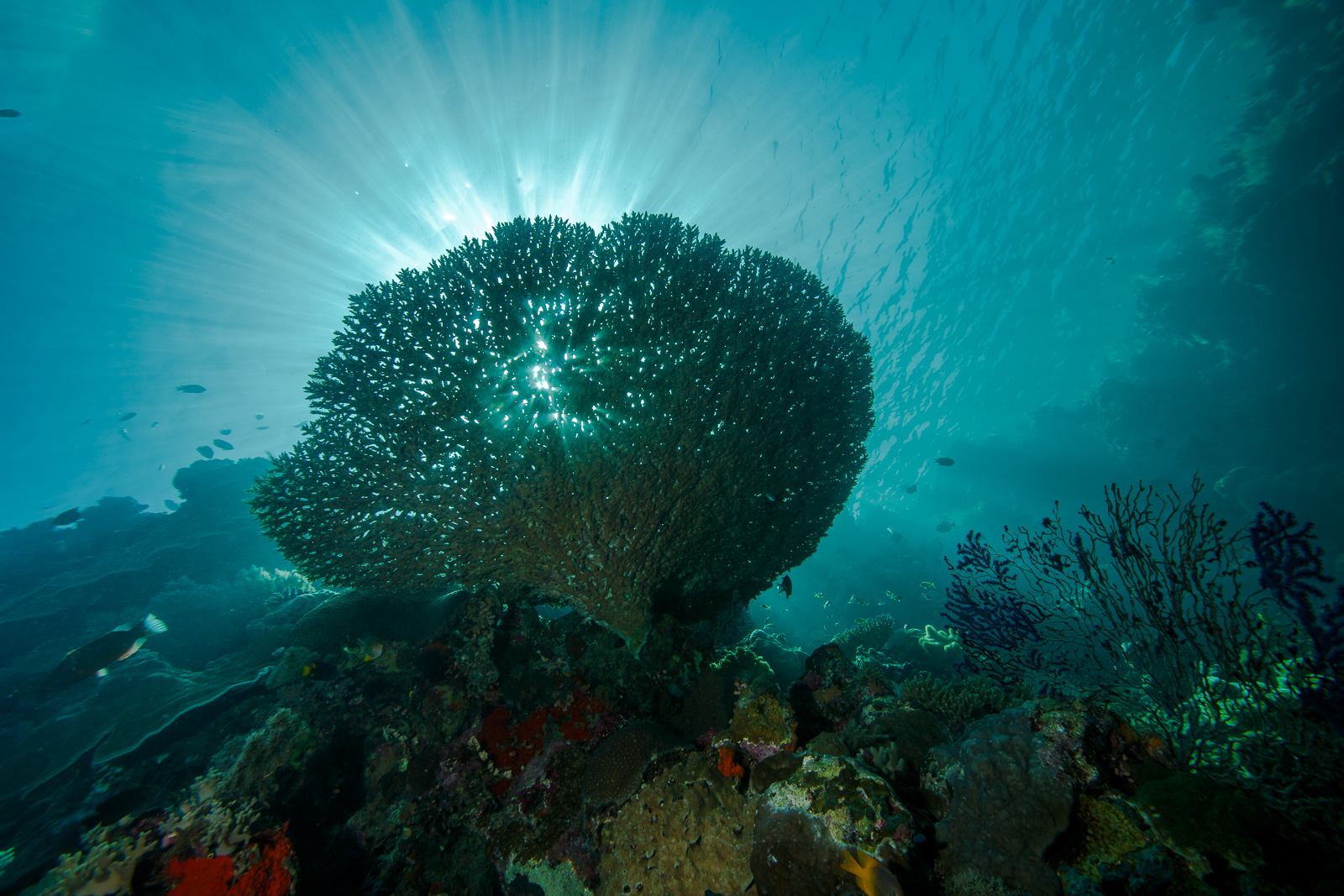
A table coral under a sunburst, Wakatobi
03The story
The story

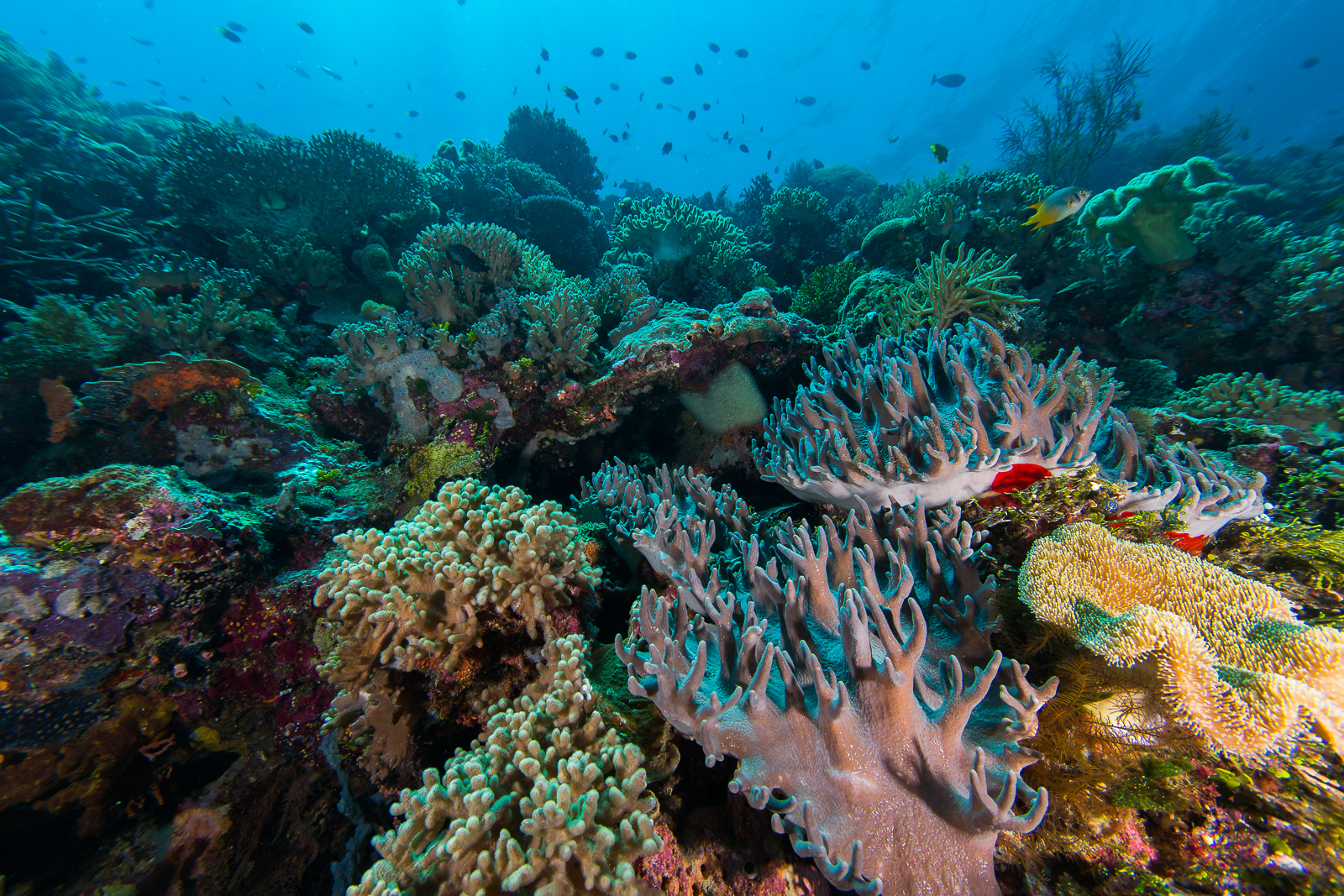
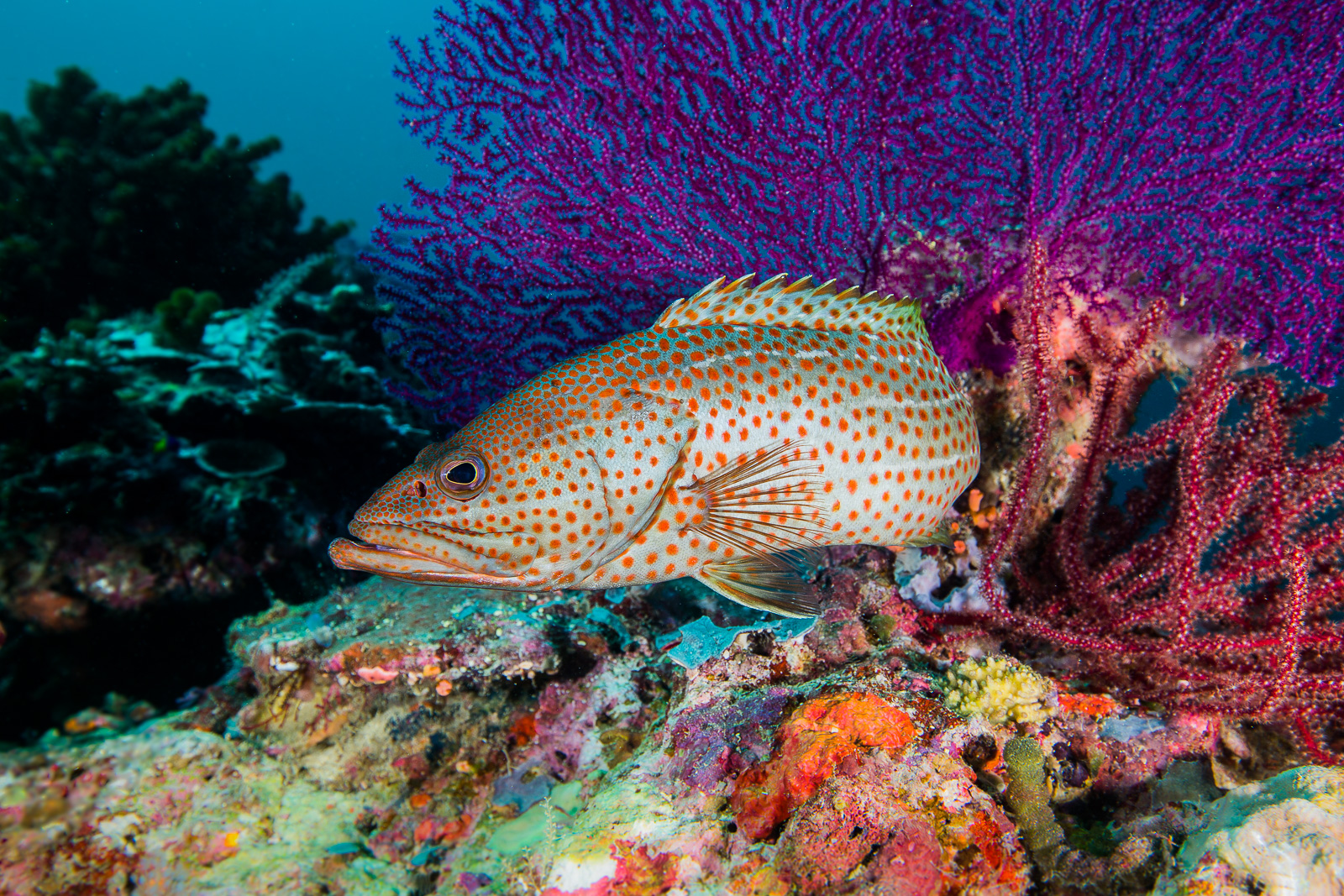
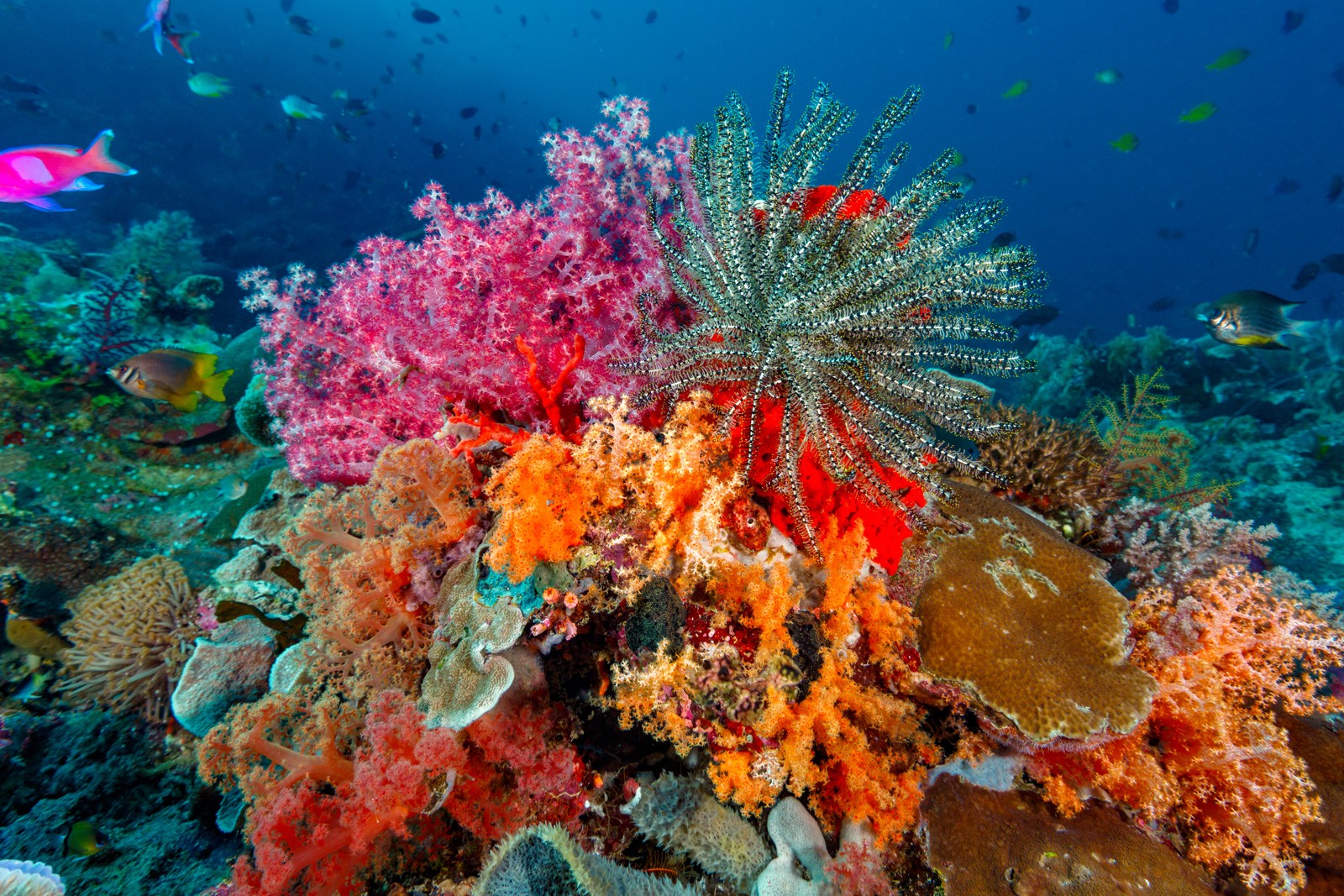
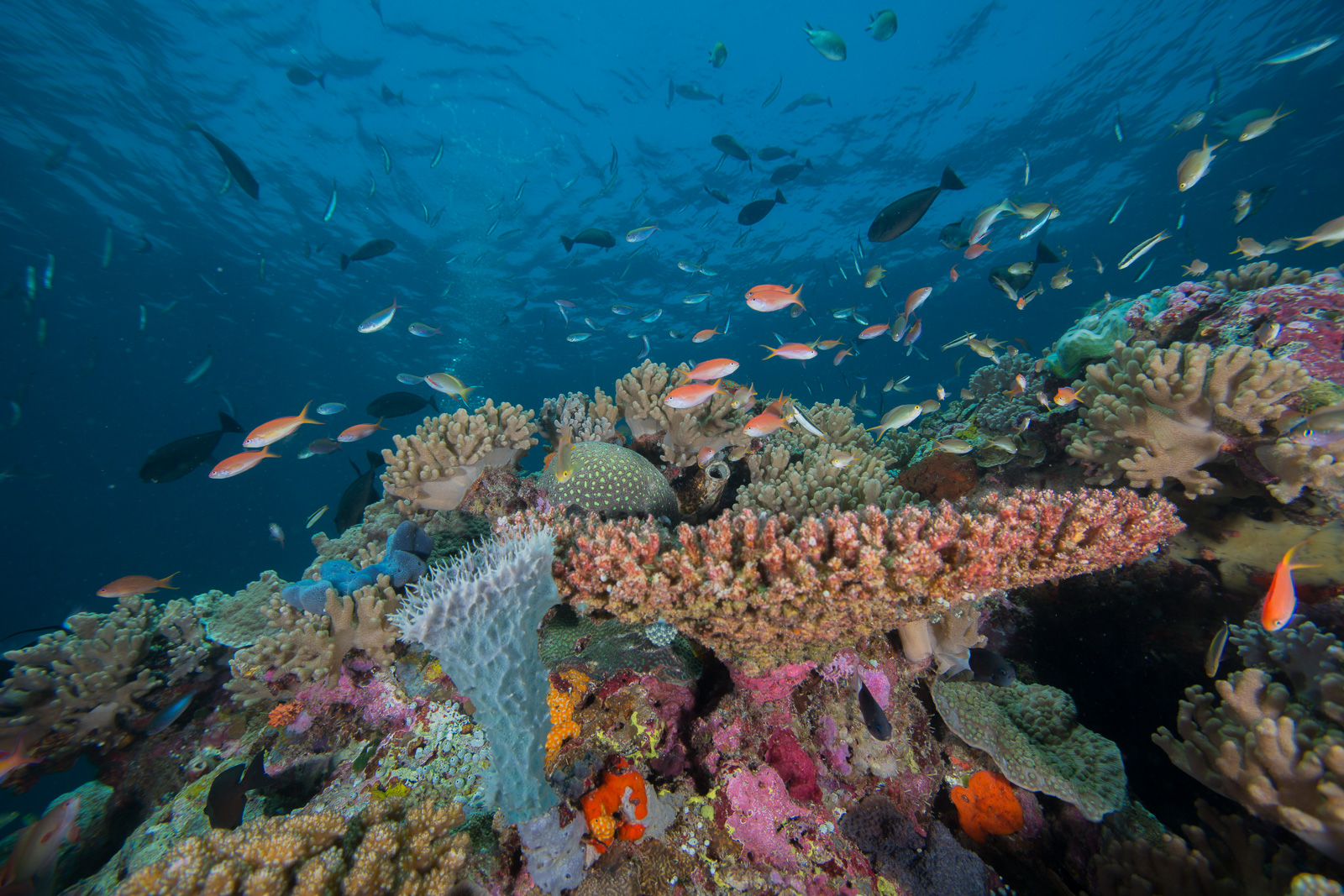
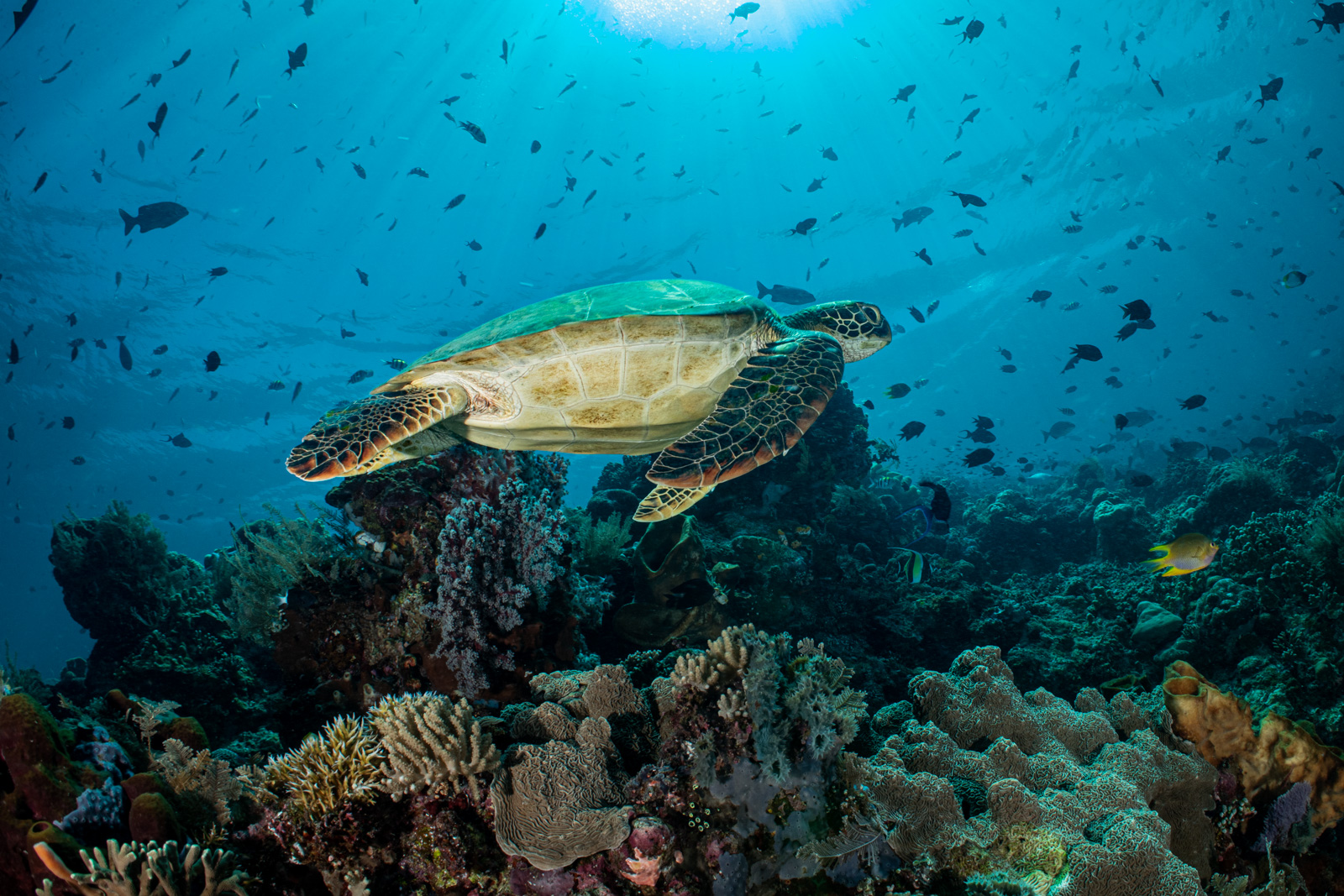
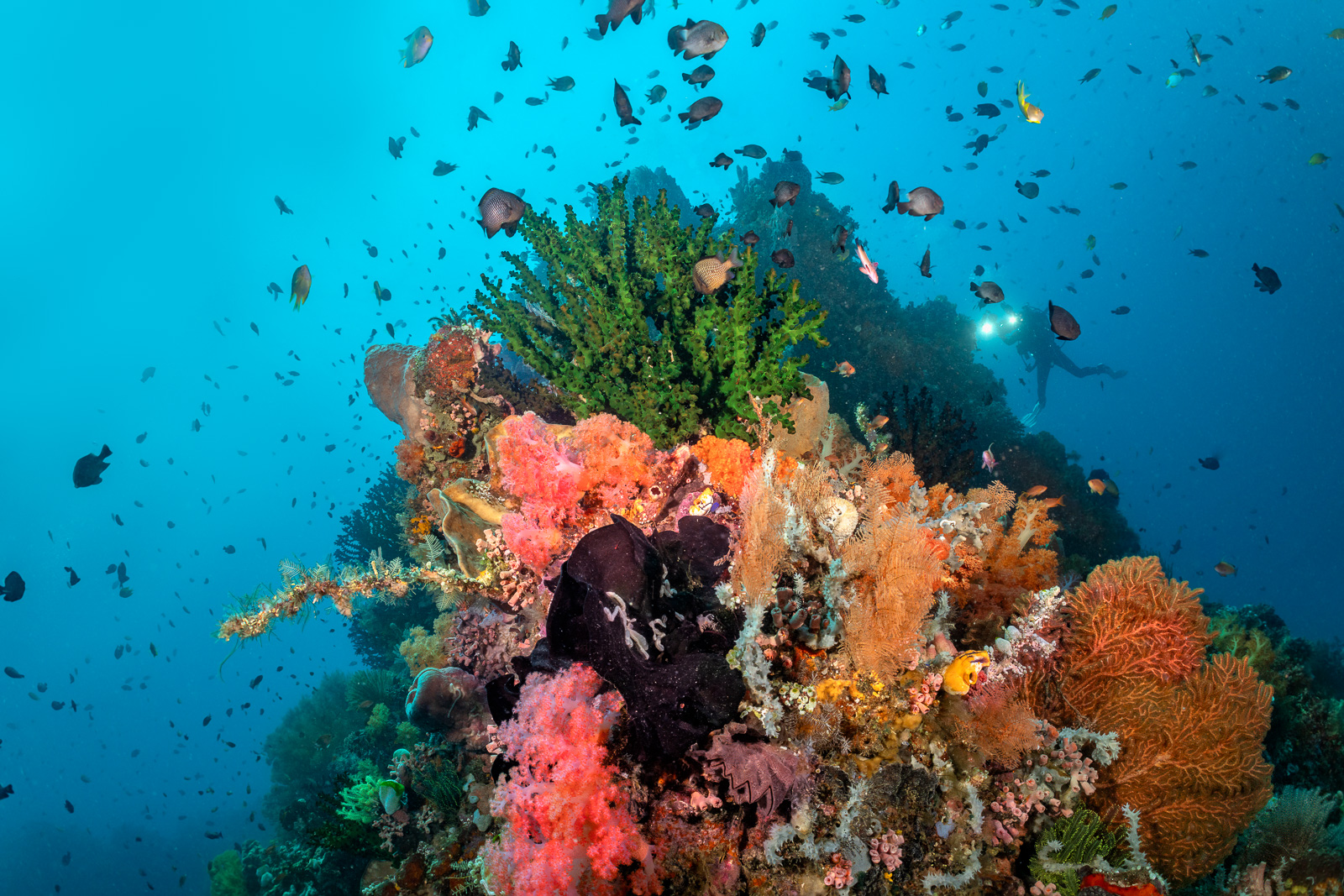
The house reef starts forty metres from your room and drops to eighty. Hard coral in condition you rarely see any more, gorgonian fans two metres across, anthias in clouds thick enough to lose a buddy in, turtles working the reef top without hurrying. There is no current to plan around, no crossing to time, no swell to wait out. You get in when you feel like it and stay until your gas runs low, and the reef is like this every single day of the week.
04What it asks of you

Am I good enough for this?

This is the gentlest of the high-end Indonesian destinations. Long, relaxed dives at seventy minutes, big boats, and a house reef you can walk onto. The one thing to respect is the tidal exchange across that house reef, which can move harder than it looks from the jetty. Ask about it before you swim out rather than after.

LevelOpen WaterIntermediateAdvancedDemandingExpeditionIntermediate
CurrentnonemildmoderatestrongMild to moderateHouse Reef tidal exchange is real
Visibility51530 m20–30 mConsistently good
Water6°12°18°24°30 °C26–29 °CCooler late Aug, warmest late Oct
Best months
Mar – Dec
Mar–May and Sep–Nov are the sweet spots
Format
Resort
Boat diving plus unlimited house reef
Getting there
Via Bali
Resort transfer, buffer day advised
Wakatobi reefscape, Wakatobi
05When

April to November is what you are aiming for

April to June is when Wakatobi is at its best. Tap any month for what the water is actually doing.

Visibility, sea state, what is in the water and how much of it you can count on. The season turns at April and again after June.

06The money

Flights, transfers and what to sort first

Most international travellers route through Bali and continue on the resort's own transfer. That is what makes this feel manageable rather than expedition-grade, and it is worth using rather than stitching together local connections yourself.

DAILY RATE
$550 to $850  a day, USD, at the resort
Getting there
Route via Bali and use the resort's own transfer. Stitching together local connections yourself is how the trip starts badly.
Buffer day
Spend a night in Bali before the transfer. Long-haul, then a domestic leg, then a boat, with camera gear, is how you arrive already behind.
House reef
Treat it as a real dive site. Tidal exchange can run hard. Plan entries around the tide and listen to the dive team.
Camera
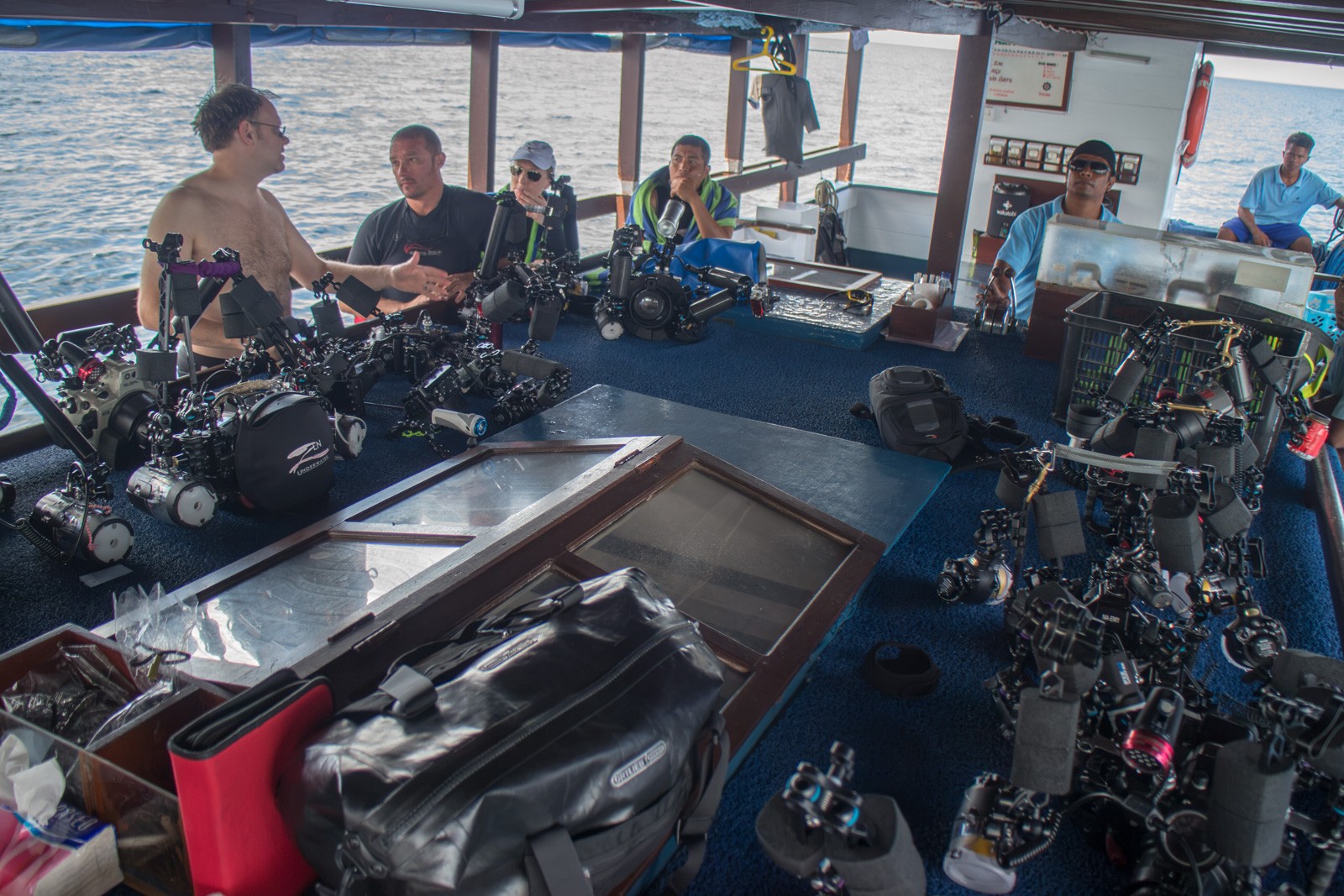
Camera room, shore access and boat routines are all built for photographers. This is the least friction you will find anywhere.
Wetsuit
Bring more thermal protection than the tropics suggest. Late August is cooler and the dives are long.
07What you see
The evidence

What Wakatobi actually looked like

Twelve of the thirty-one photographs from Wakatobi, the prints among them marked.

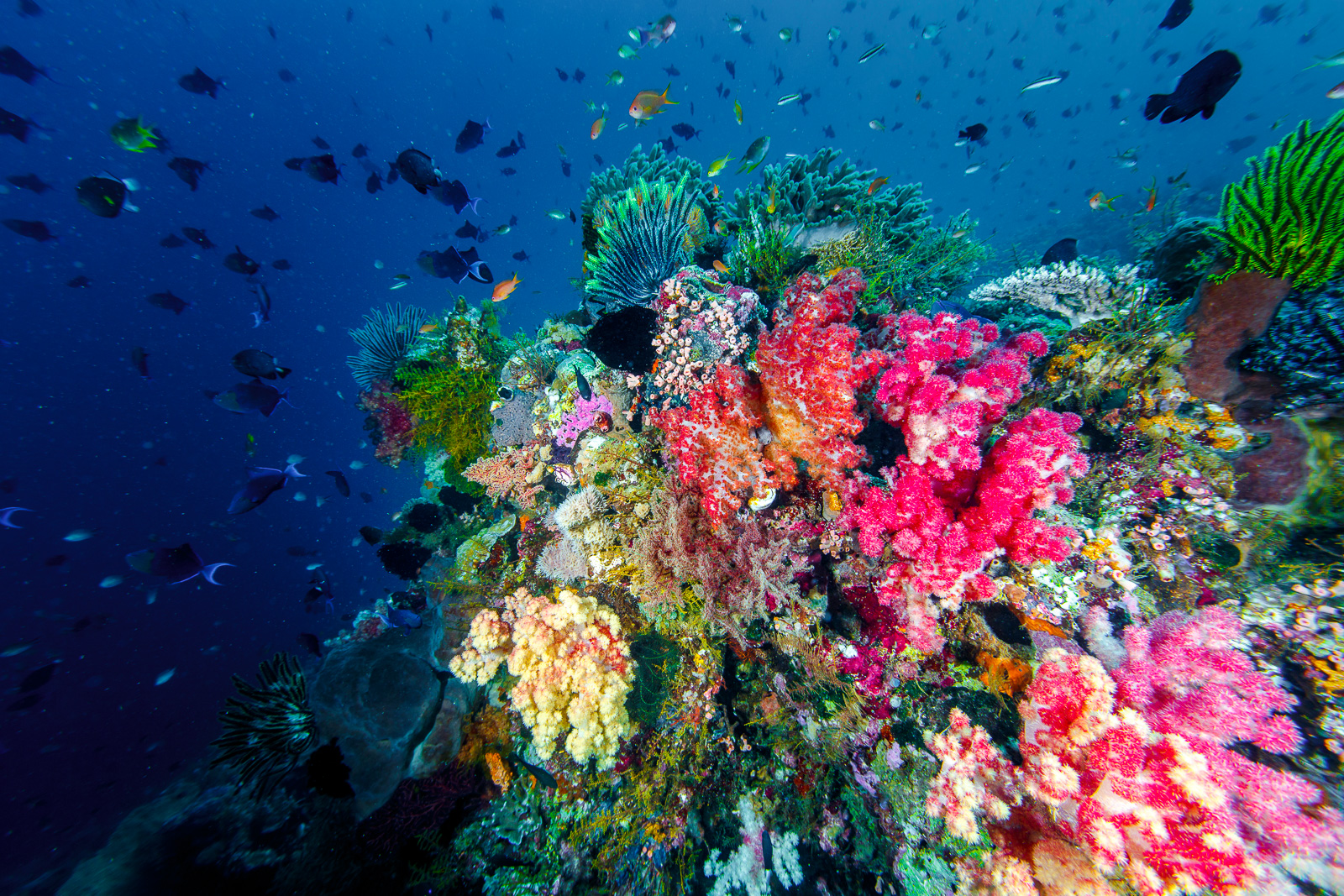
Soft coral, Wakatobi
Soft coral28 September 2014
A pygmy seahorse half-buried in the polyps of a deep crimson gorgonian, Wakatobi
A pygmy seahorse half-buried in the polyps of a deep crimson gorgonian27 September 2014
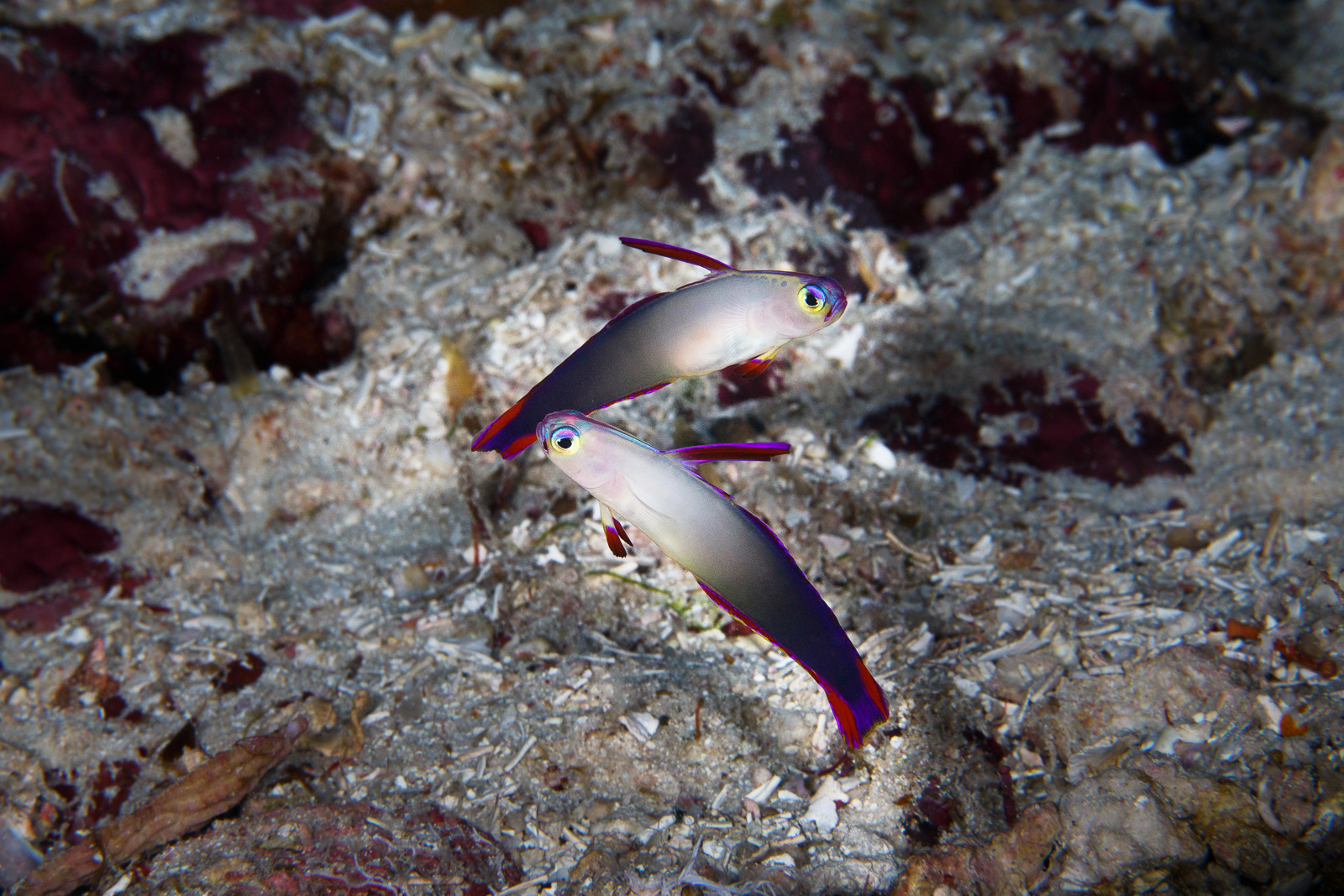
A fire dartfish a pair of them, Wakatobi
A fire dartfish a pair of them26 September 2014
A ghost pipefish, Wakatobi
A ghost pipefish29 September 2014
A hairy squat lobster, Wakatobi
A hairy squat lobster29 September 2014
A grouper, Wakatobi
A grouper25 September 2014
Reef top with crinoid and soft corals, Wakatobi
Reef top with crinoid and soft corals
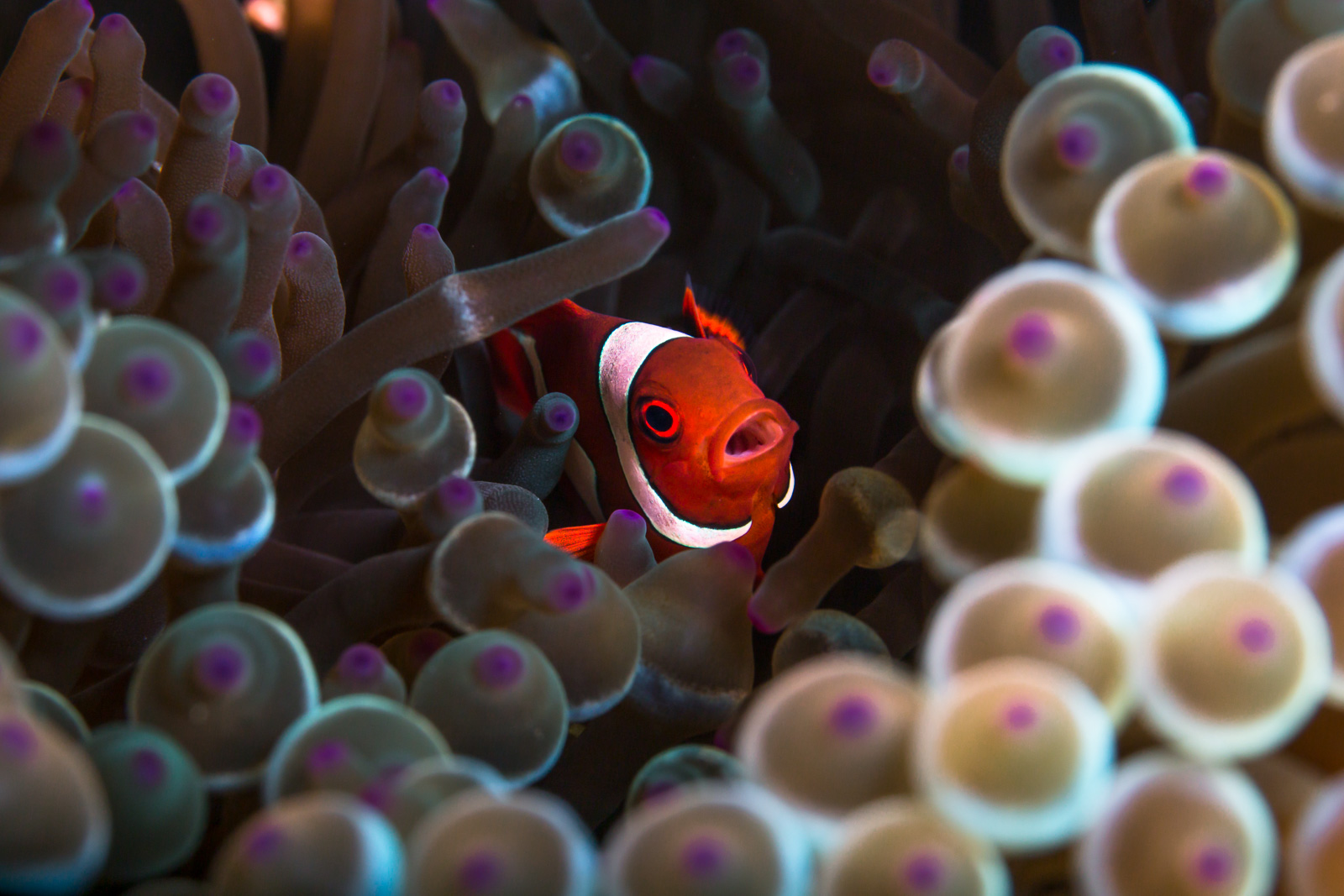
An anemonefish in magenta, Wakatobi
An anemonefish in magenta22 September 2014
A reefscape, Wakatobi
A reefscape25 September 2014
A Spanish dancer on black, Wakatobi
A Spanish dancer on black30 September 2014
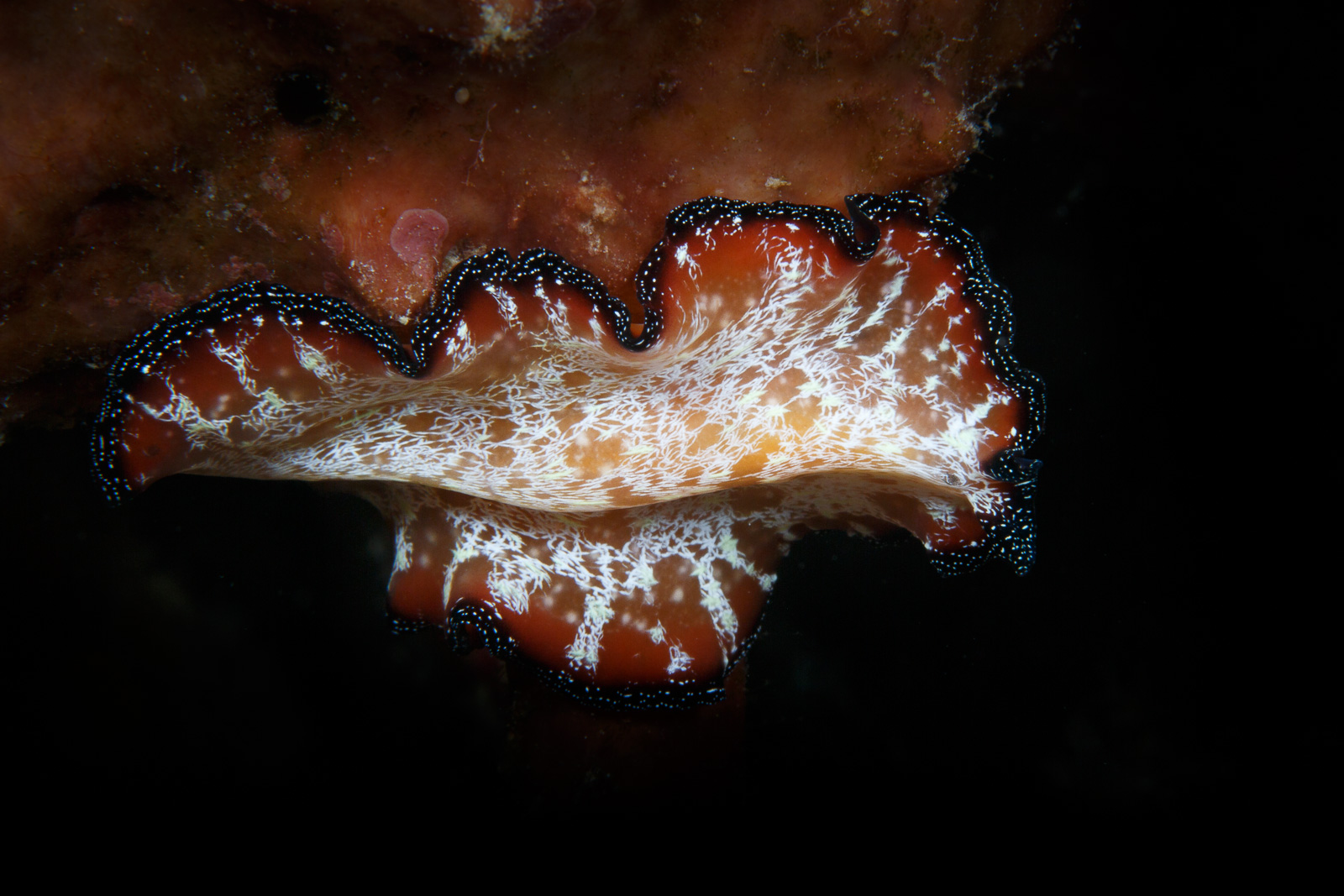
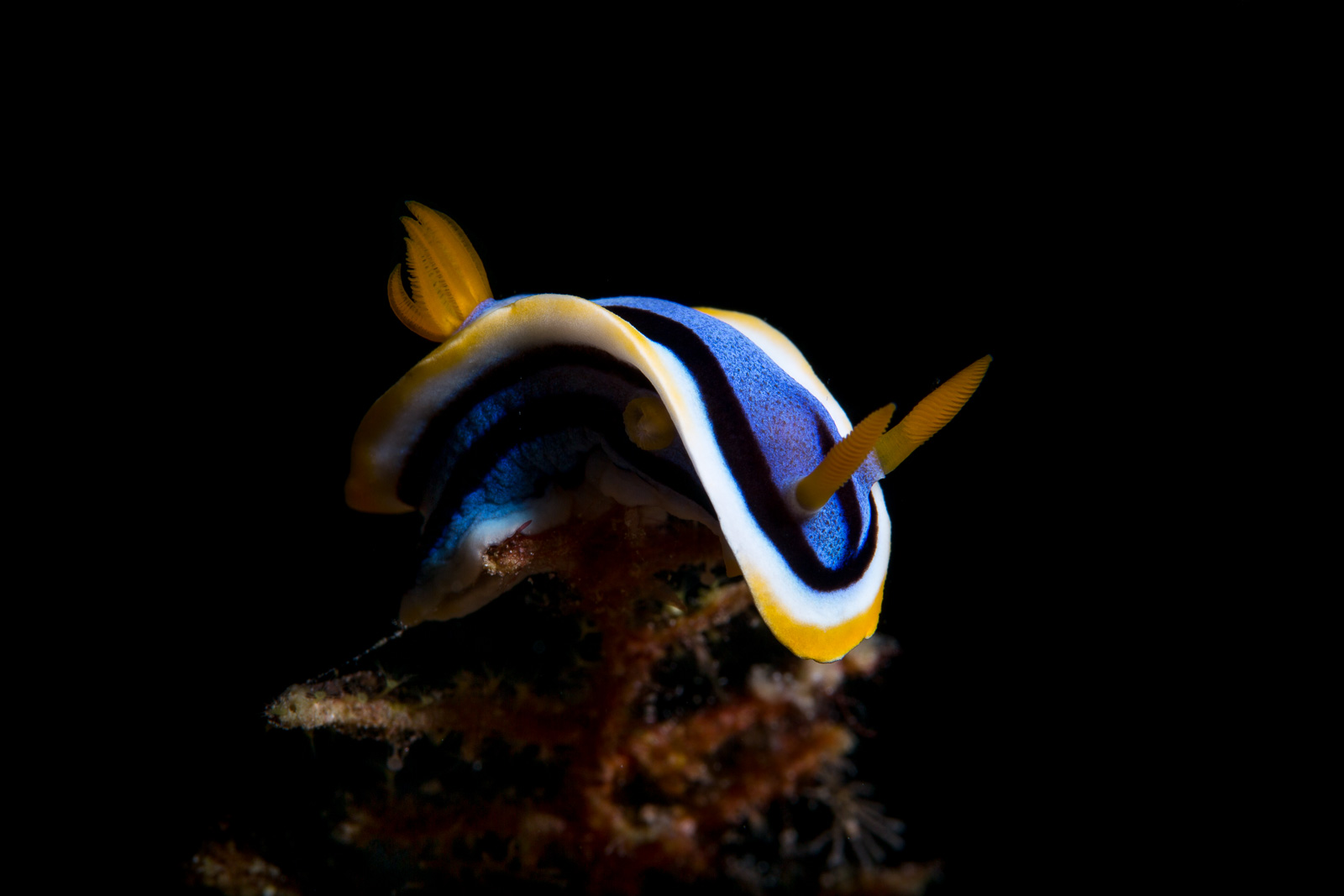
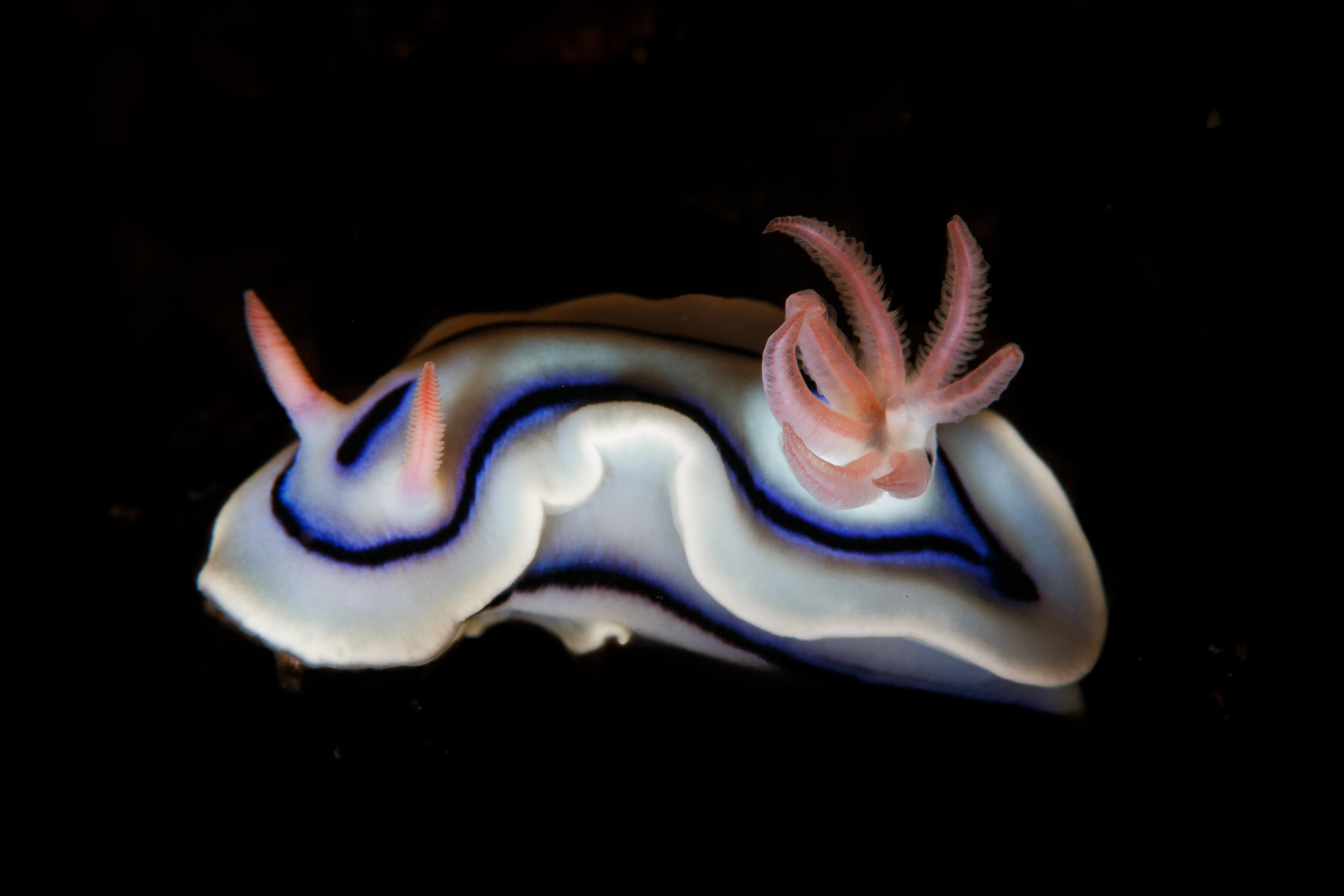
A nudibranch against black water, Wakatobi
A nudibranch against black water25 September 2014
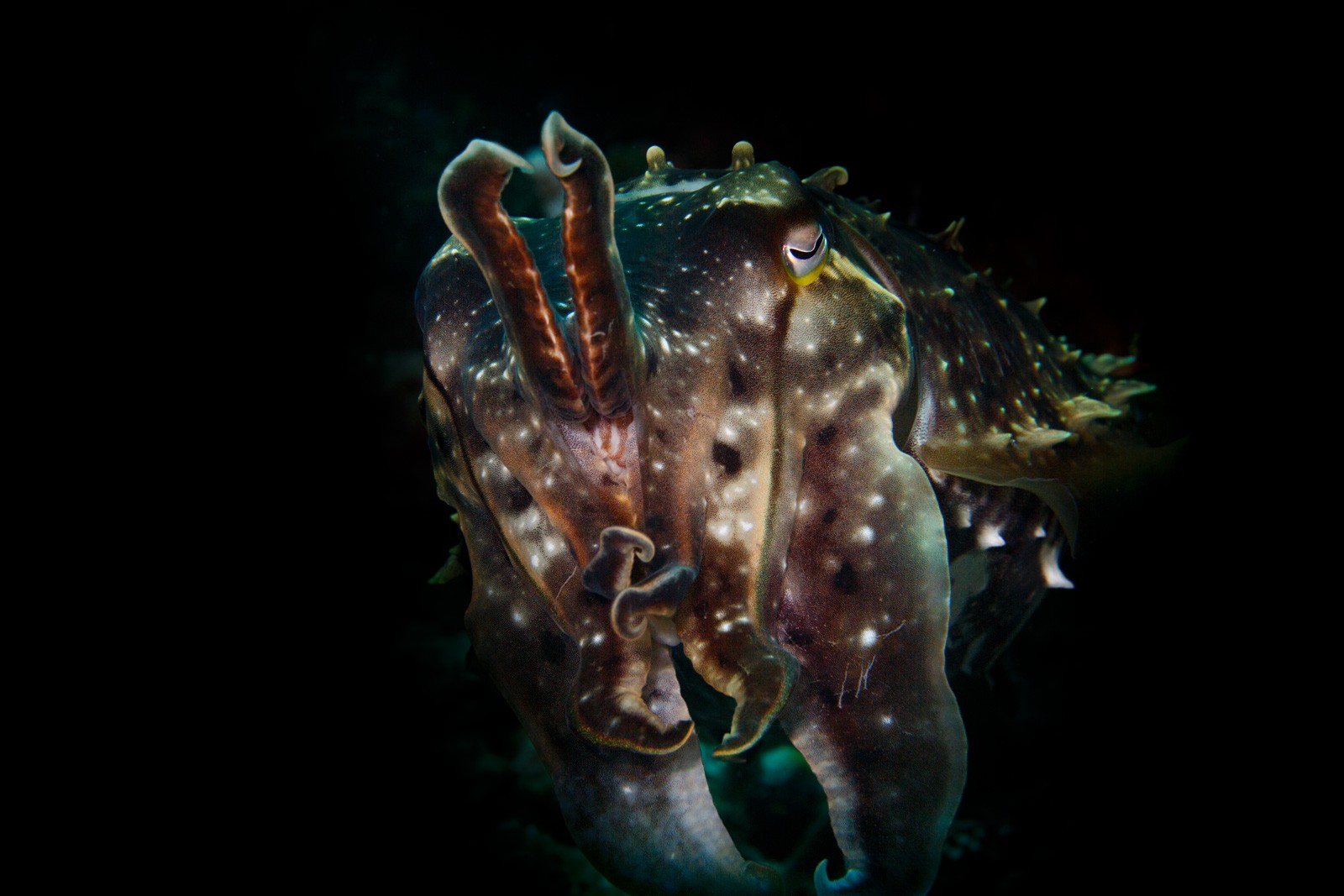
Broadclub cuttlefish, arms raised, on black, Wakatobi
Broadclub cuttlefish, arms raised, on black

Any frame on this page can be licensed for editorial use. Licensing terms.

What came out of the bag

16–35 mm the reef, and what swims over it

7 of 29 frames
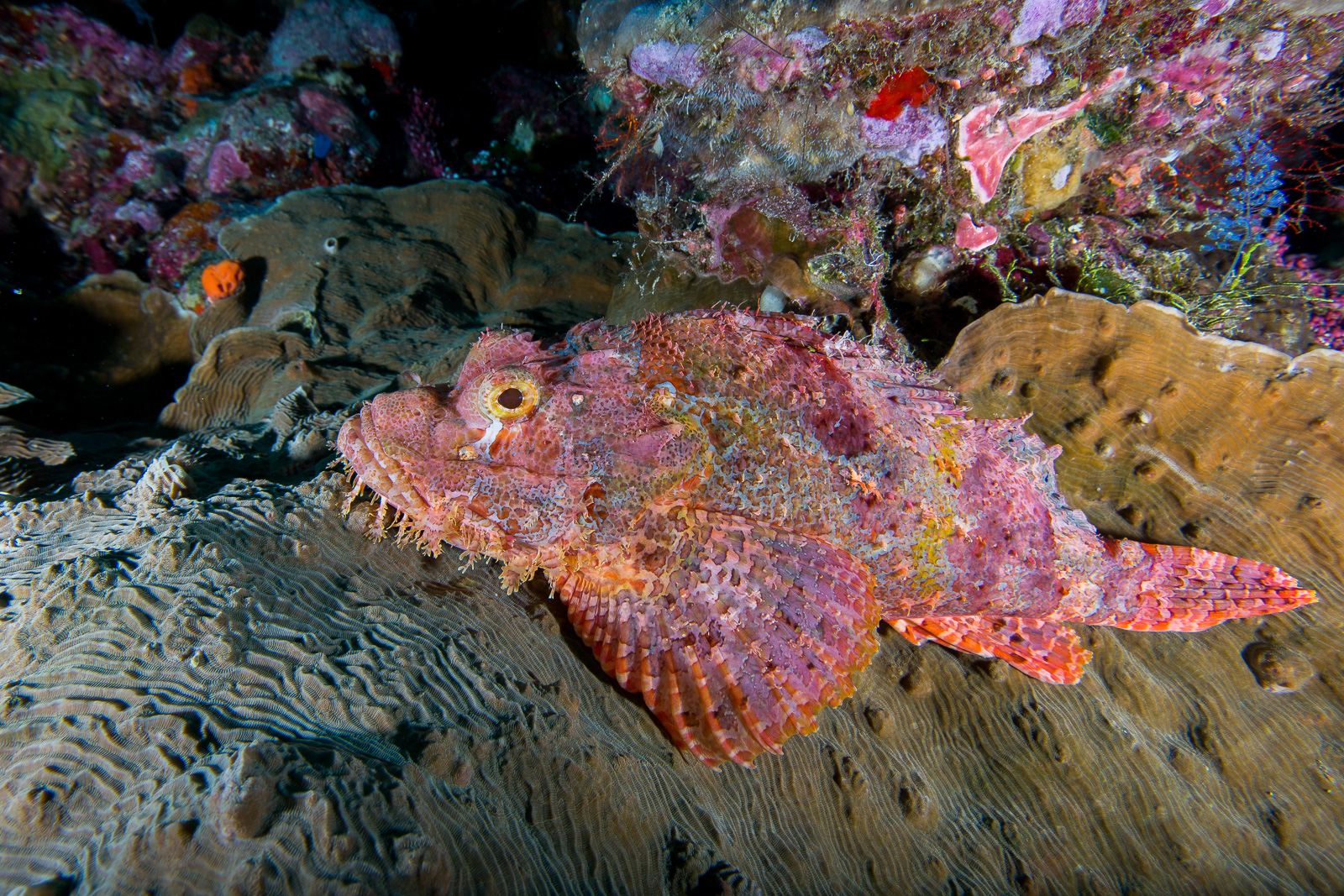
Soft coral, WakatobiA table coral under a sunburst, WakatobiA grouper, WakatobiA scorpionfish in pink, WakatobiAn anemonefish in a bulb-tentacle anemone, Wakatobi
ISO100–200
Shutter1/60–1/250
Aperturef8–f11

100 mm macro the small animals, at working distance

22 of 29 frames
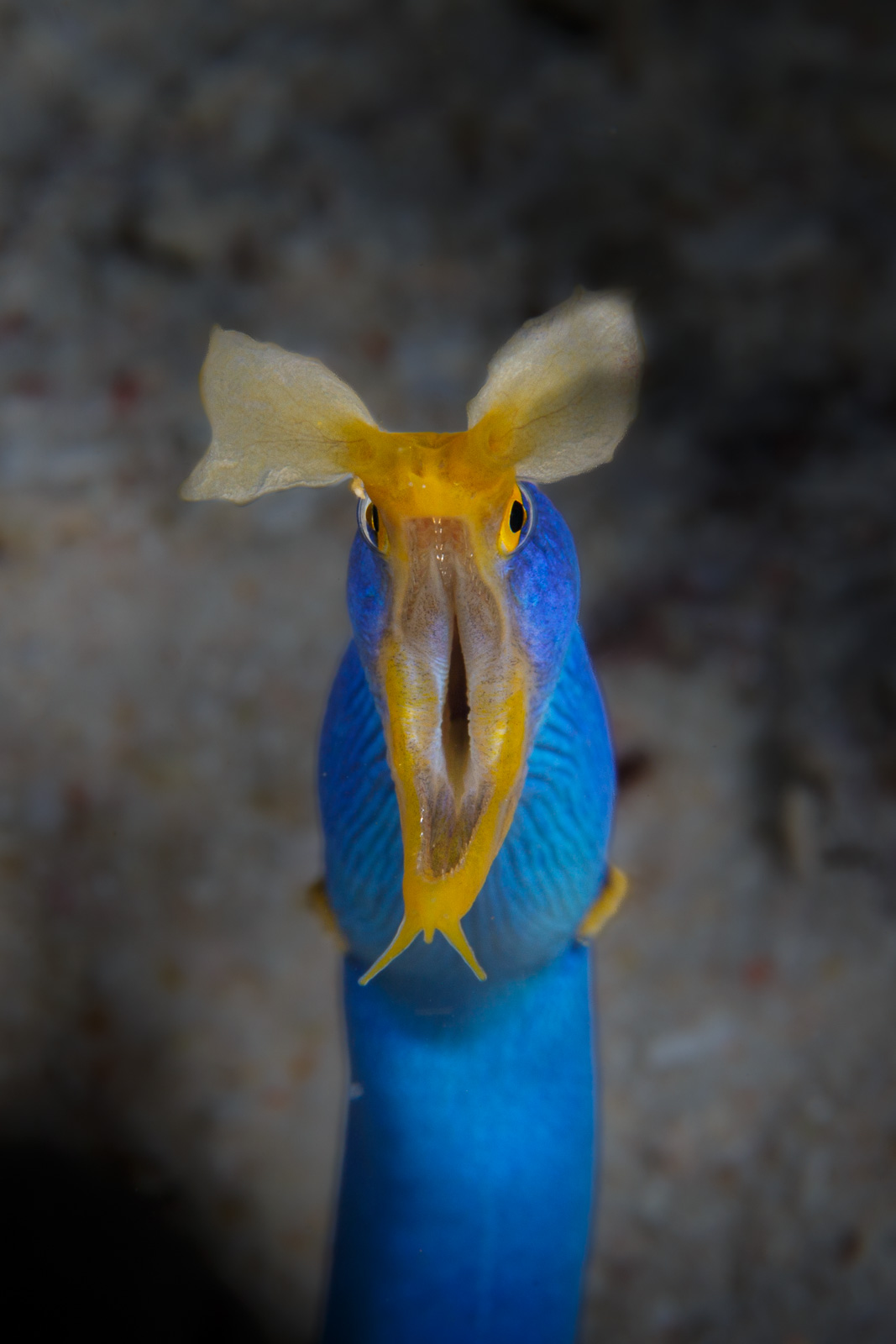
A pygmy seahorse in red, WakatobiA pygmy seahorse half-buried in the polyps of a deep crimson gorgonian, WakatobiA ribbon eel upright in the frame, WakatobiA nudibranch against black water, WakatobiA nudibranch against white sand, in pink, Wakatobi
ISO100
Shutter1/160–1/320
Aperturef13–f22

From the lens recorded in each frame. The settings are what was used here, not a recommendation. Lighting on the print frames: Dual Sea & Sea Strobes.

Every style of diver gets a week out of it

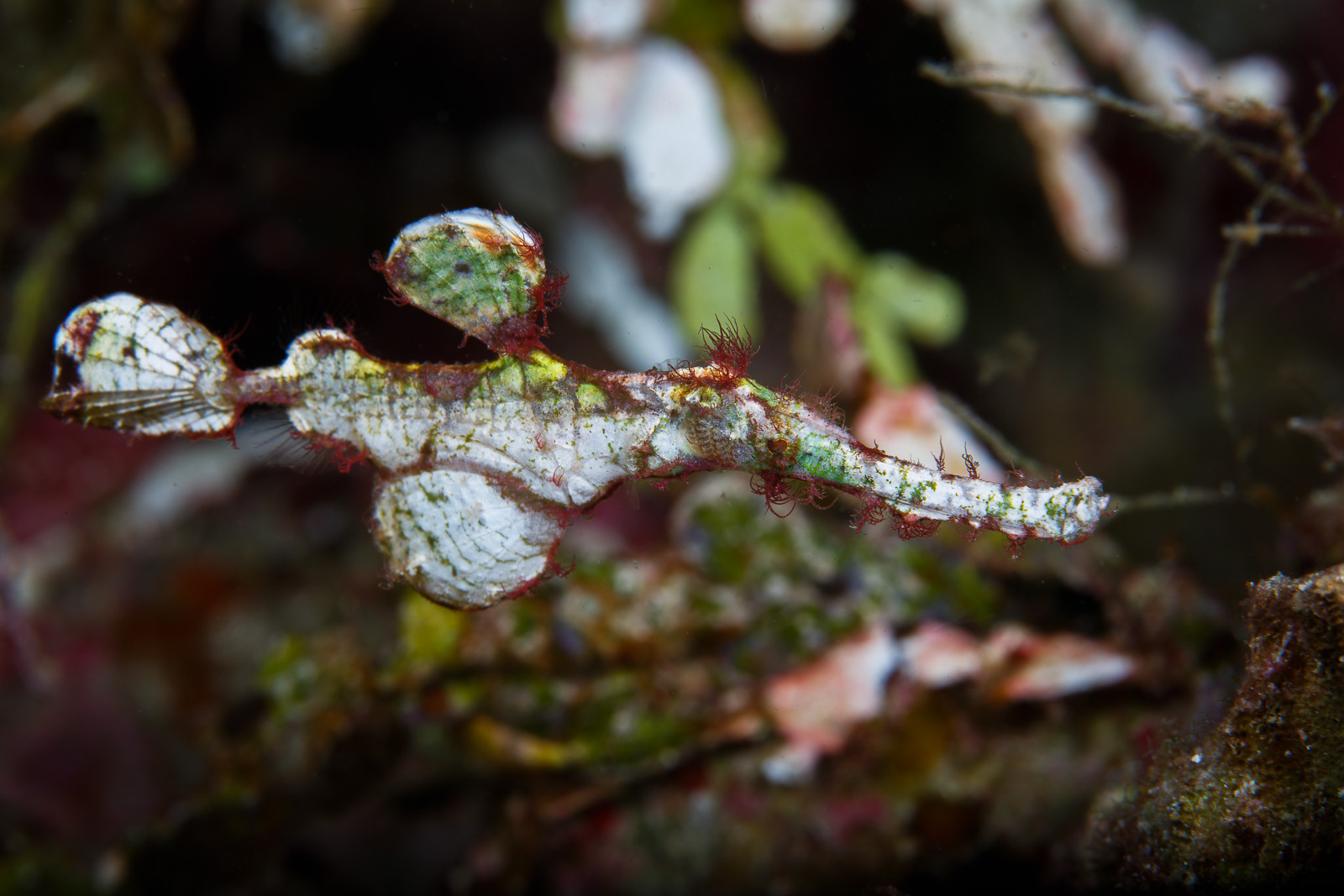
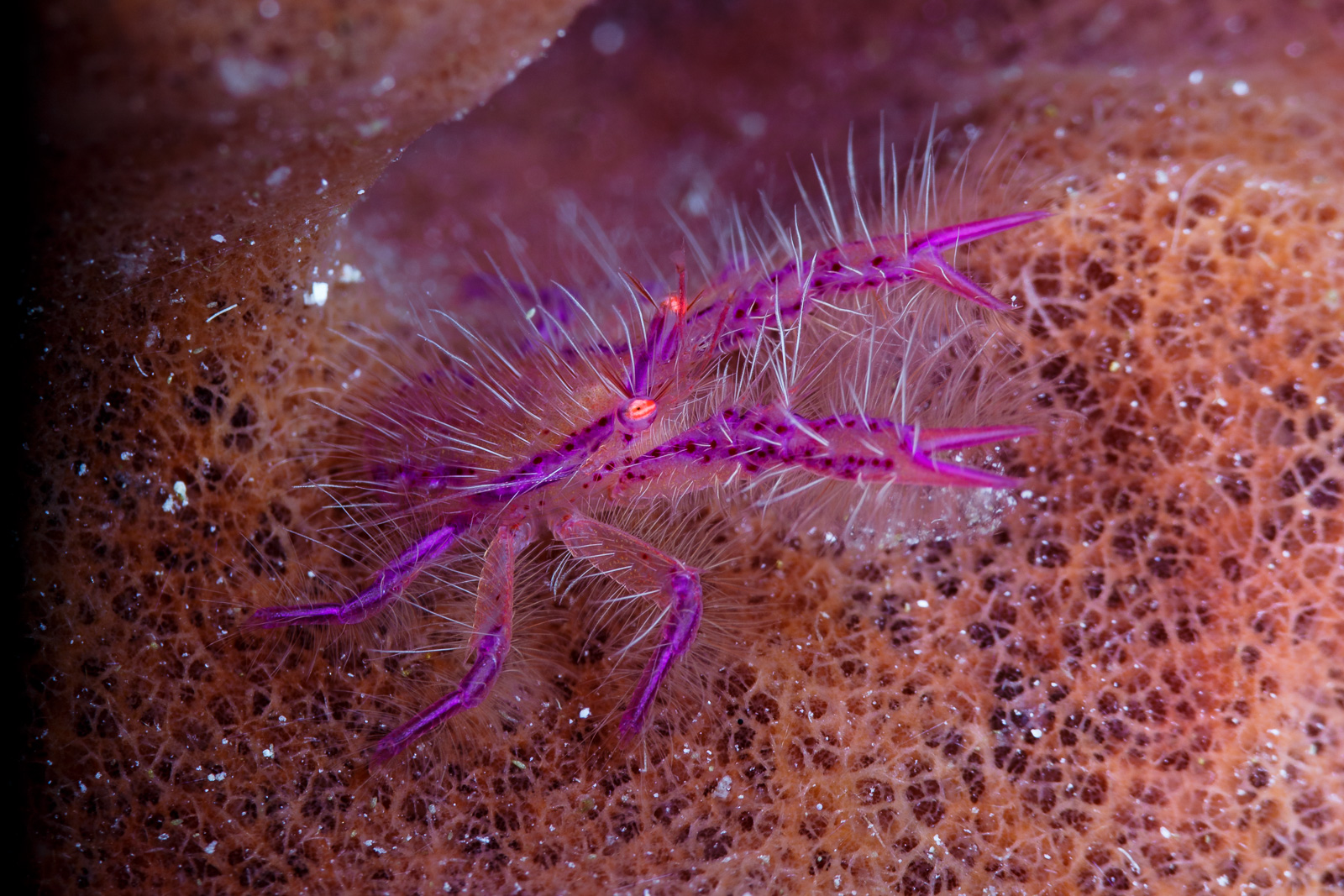
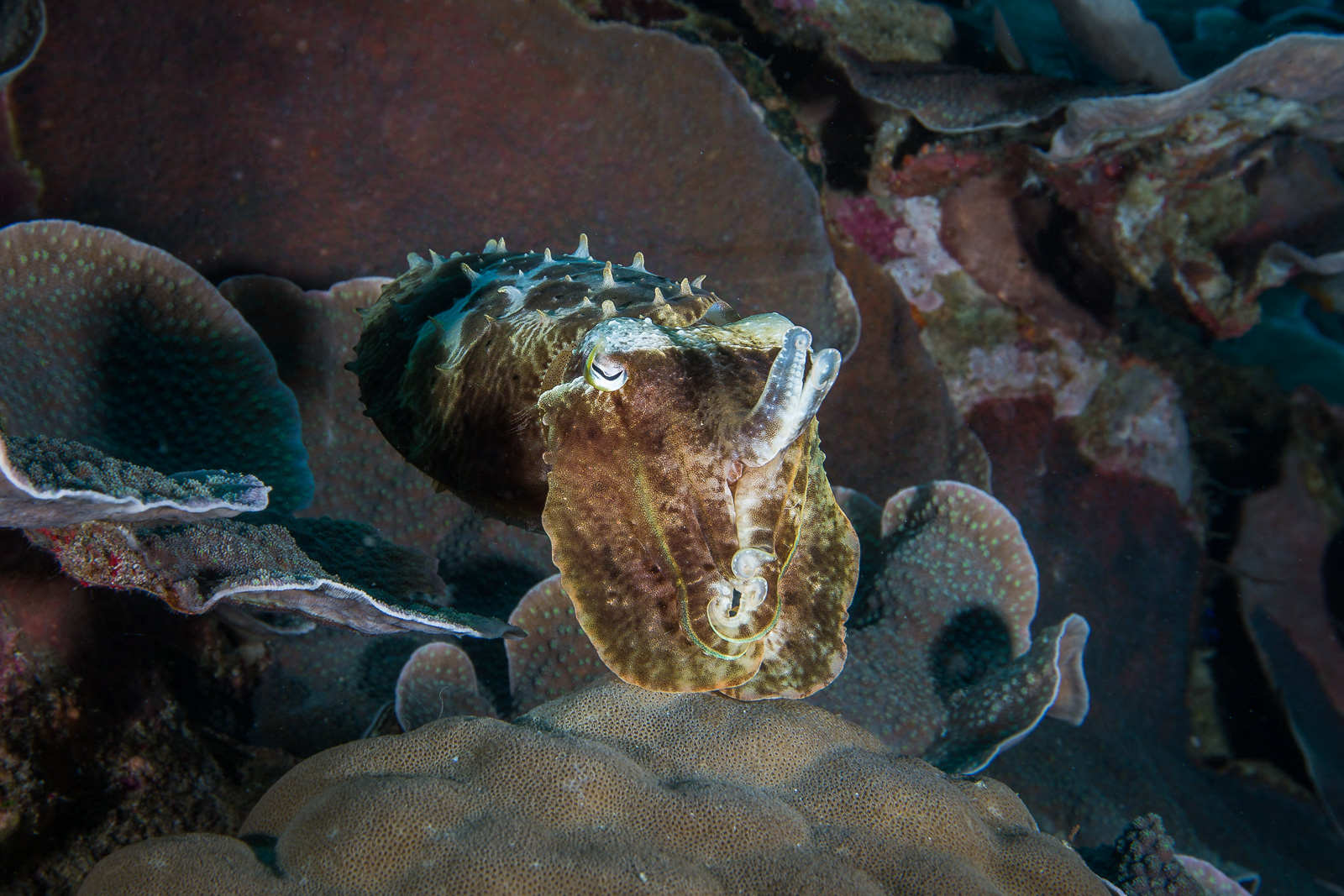
Beneath the surface, Wakatobi rewards every style of diver. Wide-angle photographers are drawn to spectacular coral landscapes, in condition walls and expansive reef scenes, while macro enthusiasts can spend entire dives searching for pygmy seahorses, ornate ghost pipefish, frogfish, nudibranchs and countless other cryptic subjects hidden among the coral.

Prints from Wakatobi

Every frame here was made in Wakatobi. One is a limited edition of twenty, signed and numbered. Prices in US dollars. Printed on Canson Platine and shipped from British Columbia.

08The dives

The house reef, and five worth the boat

Six I dived more than once and would plan a week around, named as the resort names them.

01

House Reef

The best in the world

Seagrass shallows, coral heads, then a wall that drops away below anything you should be diving. Walk in whenever you like. The one thing to respect is the tidal exchange across the jetty, which moves harder than it looks from the beach. Ask before you swim out, not after.

02

The Zoo

Where the guides take you looking

The dedicated critter site, and the one to book if you want somebody else finding things for you. Bring the macro port and expect to move slowly.

03

Turkey Beach

A wall that forgives you

Shallow wall profile, clean structure, straightforward composition. It still asks for disciplined buoyancy. The coral is close and it is in very good condition.

04

Cornucopia

Classic wall diving

Sweeping wall with overhangs, fans out into the current, and enough relief to put a diver behind something for scale.

05

Roma

The one that explains the reputation

Coral garden at full colour with fish life stacked over it. If Wakatobi's reef health score needs justifying to somebody, this is the dive you send them on.

06

Blade

Structure and open water

Seamount-style architecture and a more exposed feel than the sheltered reef profiles. Depending on the day this is the most demanding site on the list.

09Who with

Operators

There is one resort here and the reef score and the operator score arrive together. It is still worth separating them: the six operator axes below belong to the operation alone. Wakatobi also runs the Pelagian liveaboard out of the same base. It was not operating during my stay, so I have not been aboard, but guests who have report the same operational standard, which given everything else here is easy to believe and not something I will score.

Operator · scored 2014

Wakatobi Dive Resort

90%
Price band
$$$$
$550 to $850 a day, USD
Format
Resort
Dived
2014
Scored on the last visit
Read the full review
Operation*
10
Camera
10
Food**
10
Setting
7
Value
8
Sustainability
9
Trip
54/60 · 90%

* Operation benchmark.

** Food benchmark.

How this operator was scored

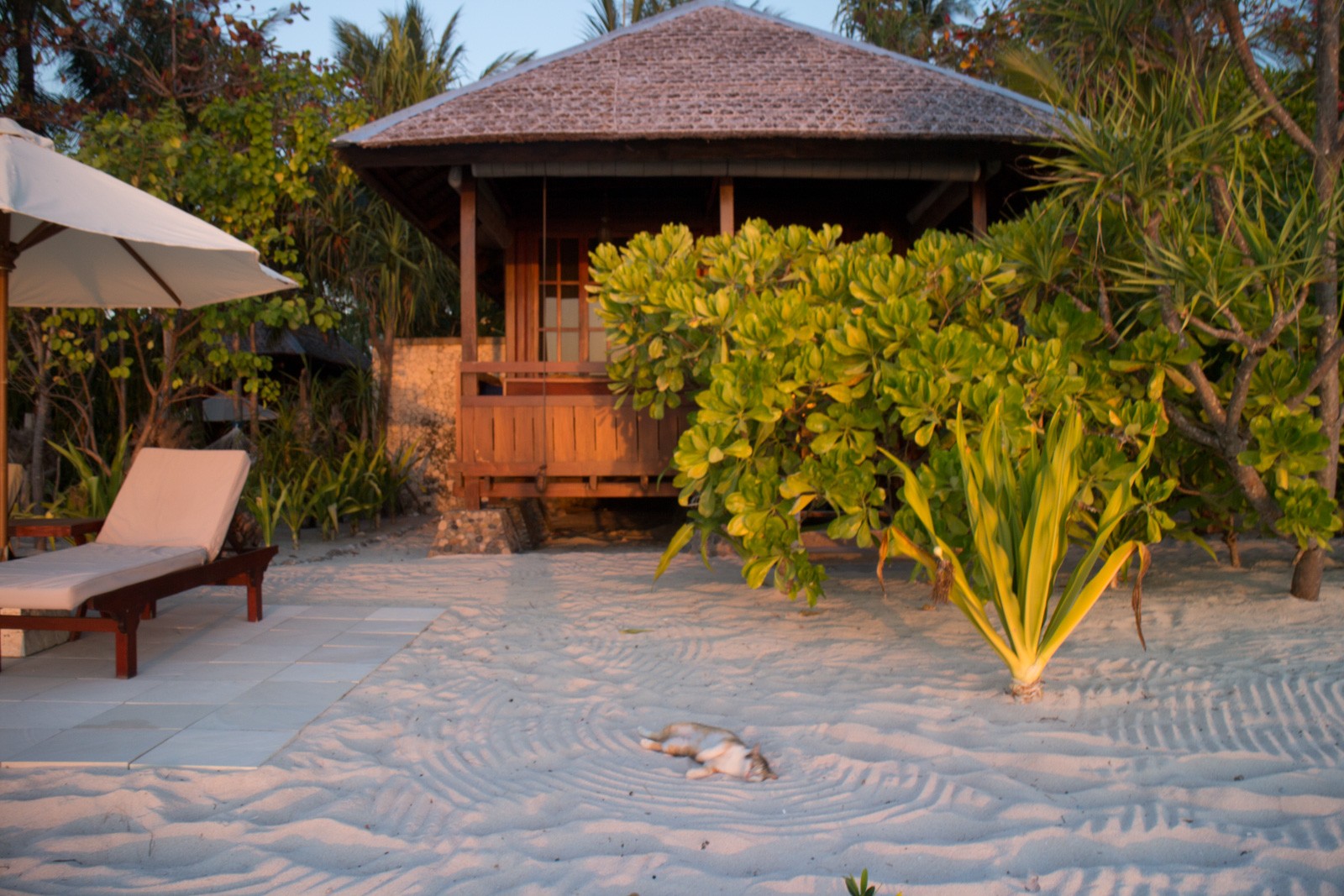
A thatched bungalow with a lounger on the sand outside, planting either side and low evening light
A camera room with divers working at benches, housings and strobes laid out along the counter
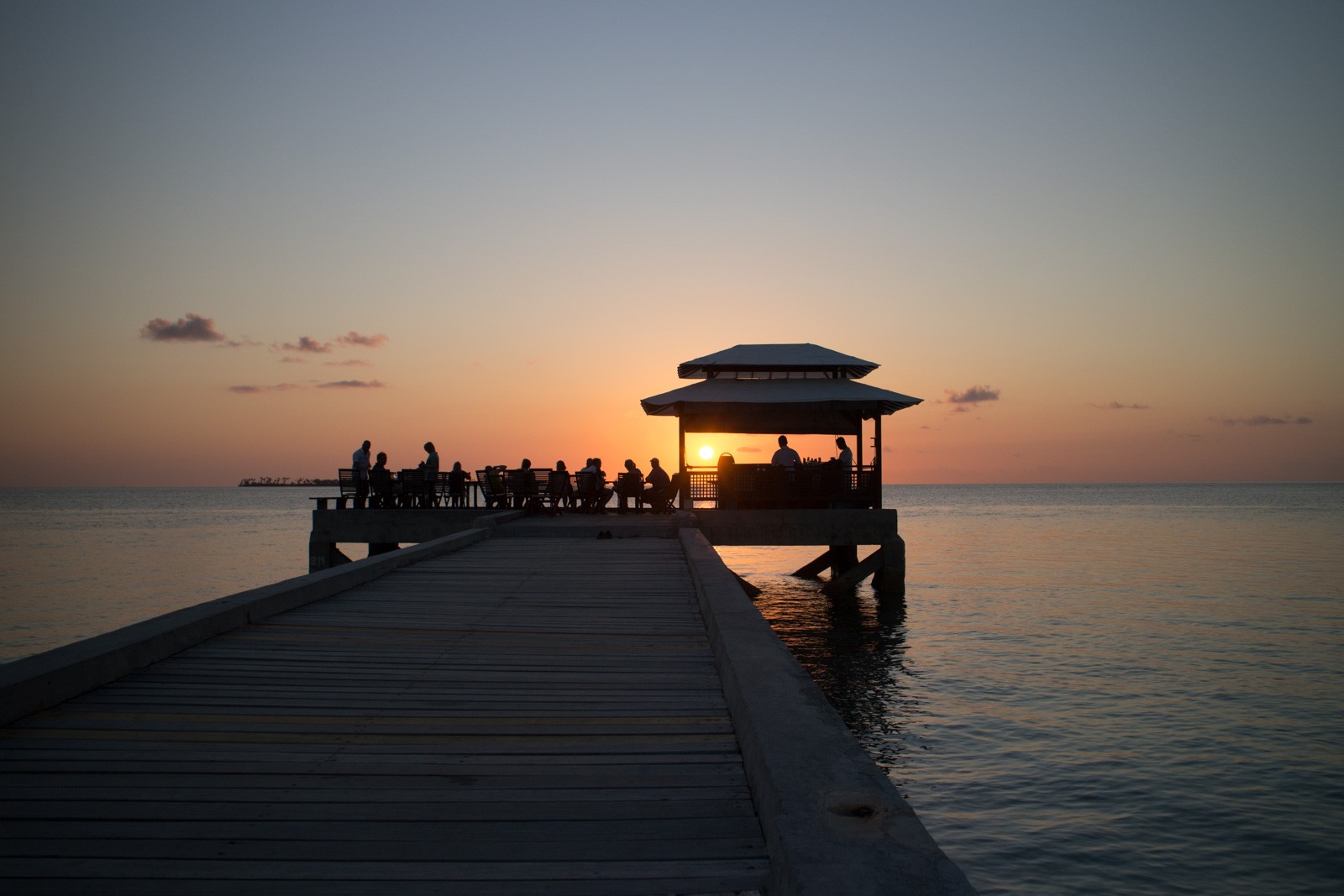
A long jetty out to a thatched shelter, silhouetted figures at the end against a low sun

Two Swiss founders, staff trained out of the surrounding village, and an operation that has been the industry's reference point for thirty years. Three dives a day at seventy minutes, boats with real shade, and a house reef you can walk onto whenever you like. The food is the best of any resort I have stayed in and the reason is restraint: simple, fresh, mostly local, expertly cooked. Order dinner at lunchtime from a short menu; nothing sits under a lamp. That format started here and half the high-end resorts in Indonesia now run a version of it, usually taught by someone who trained in this kitchen. What the money buys is seventy-minute dives three times a day with nobody watching your gauge, a house reef open from first light until after dark, and guides who have worked these sites long enough to find a pygmy seahorse without appearing to look for it.

Two things nobody tells you. When I visited there were no scheduled flights to the island, only charters — camera gear travelled in a cargo net or on spare seats, and it was tense. Worth asking current guests whether that's still how baggage handling works; it may have changed. The house reef needs real tide awareness. Most of it sits on a shelf that funnels into a wall below the pier, and a moving tide can make it genuinely feel like you're being pulled into that funnel — plan around it rather than being caught by it.

10Before you go

The questions that decide whether the trip works

Asked in the order they actually matter, answered with specifics.

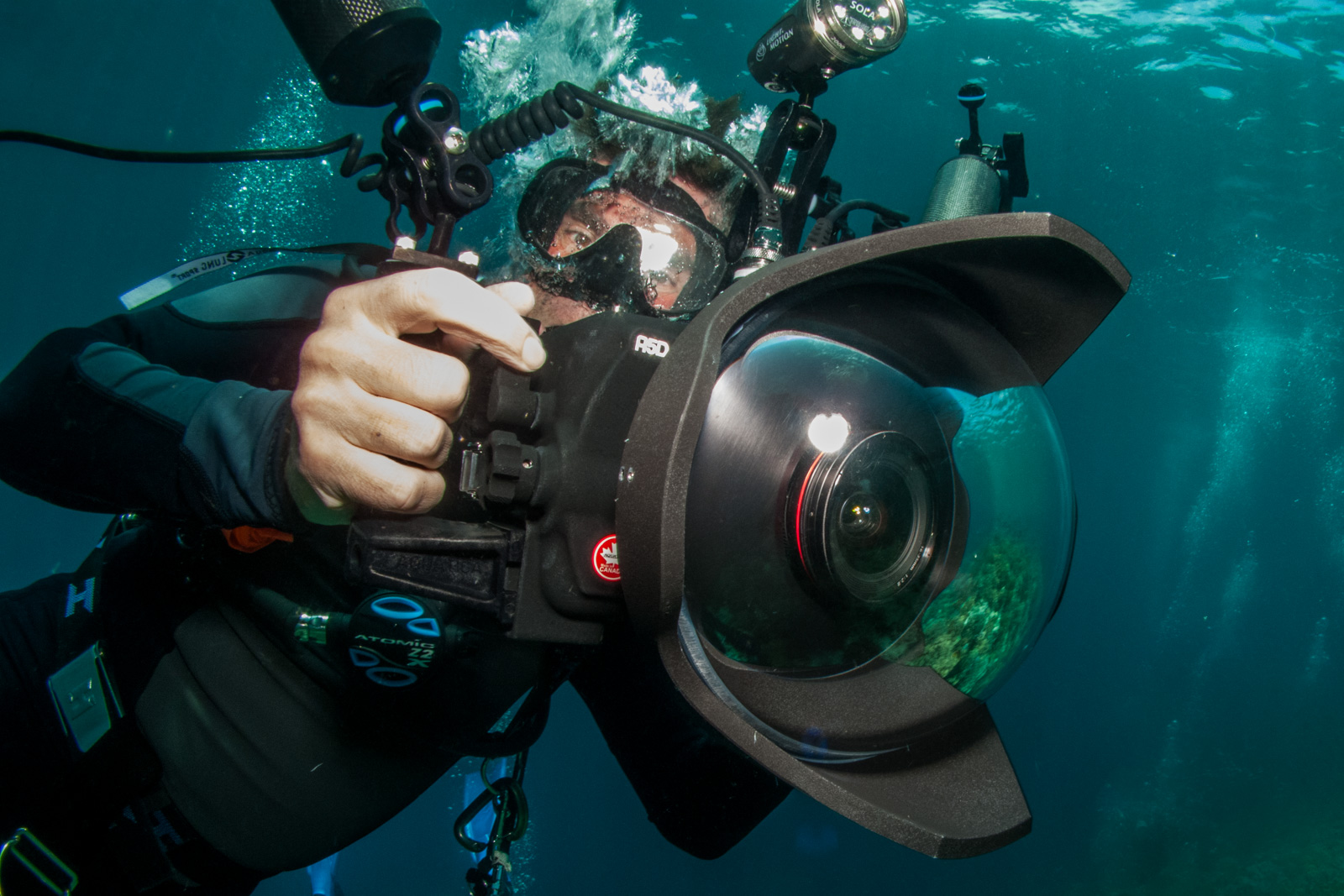
Miles close to the lens, hand on the housing behind a wide dome port, green water and a video light above him
Not my photograph. It is me making the rest of them.
01

How do I actually get there?

The resort runs its own charter flight from Bali direct to their airstrip, which removes every uncertain domestic connection in Indonesia. It is included in most packages and it is the single biggest reason this trip feels easy.

02

Is the house reef really unlimited?

Yes. Three boat dives a day at seventy minutes, and the house reef whenever you want it on top. Walk in from the jetty, or take the shuttle boat out to the drop-off and drift back.

Watch the tidal exchange. The house reef can move harder than it looks from the beach. Ask the dive team about timing before you swim out, not after.
03

What is the food arrangement?

Order dinner at lunchtime from a short menu, three choices per course. No buffet, nothing held under a lamp, and dietary requirements handled without negotiation. This is where that format was invented.

04

Is it worth it at this price?

It is the top of the market on this site. What the money buys is seventy-minute dives with nobody watching your gauge, a house reef open from first light, and guides who have worked these sites for years.

05

What about the Pelagian?

Wakatobi also runs a liveaboard from the same base. It was not operating during my stay, so I have not been aboard and it is not scored here. Guests who have been report the same operational standard.

And who should cheerfully book elsewhere

The right-hand column is the useful one. Wakatobi asks something specific of you, and going for the wrong reason is an expensive way to find that out.

Book it if

  • You want to dive without asking permission. Three boat dives, then the house reef for as long as your gas and daylight last.
  • You care how a place is run. This is the operational benchmark on this site, and the village economics behind it are the reason it stays that way.
  • You want to eat well for a week. Not a small thing on the eighth day of a dive trip.
  • You shoot both. The wall under the jetty gives macro and wide on the same tank, which is rare and which the house reef makes free.

Book elsewhere if

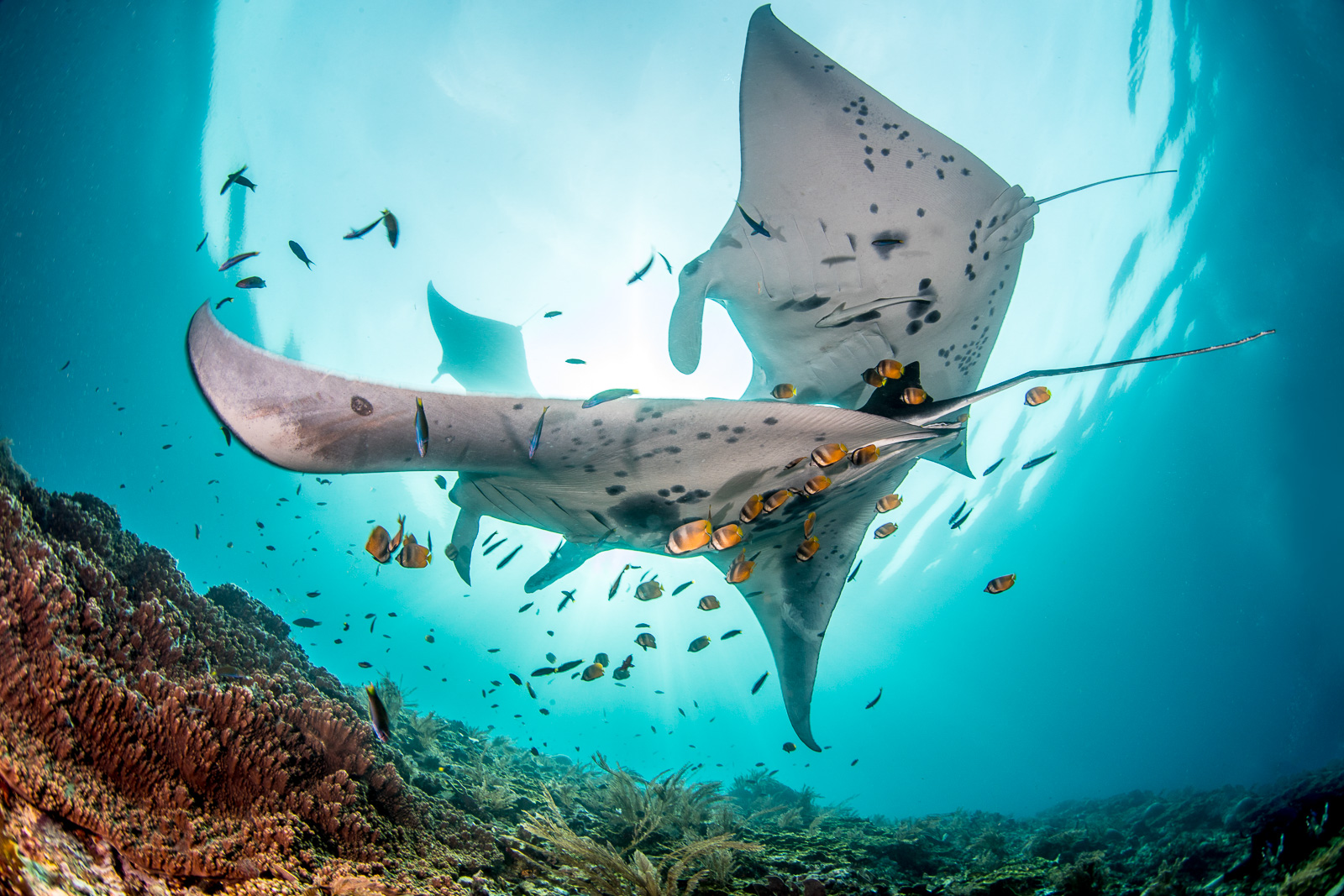
  • You want one headline animal. There is no oceanic manta season here and no hammerhead aggregation. The case is consistency, and consistency does not photograph as a poster.
  • Muck is what you came for. Lembeh and Dauin are built for that and cost a fraction of this.
  • You are counting the cost. This sits at the top of the market and the operation is why.
11If not Wakatobi
12The trip
A ribbon eel upright in the frame, Wakatobi
Would you dive Wakatobi?

Put your hand up and I will tell you when a trip is planned

There is no trip here yet. Where they go next is decided by who puts their hand up, so this counts as a vote for Wakatobi — and it also gets you each new guide as it is finished. Four or five emails a year.

Four emails a year, unsubscribe in one click, and the address goes nowhere else.

Back to the top