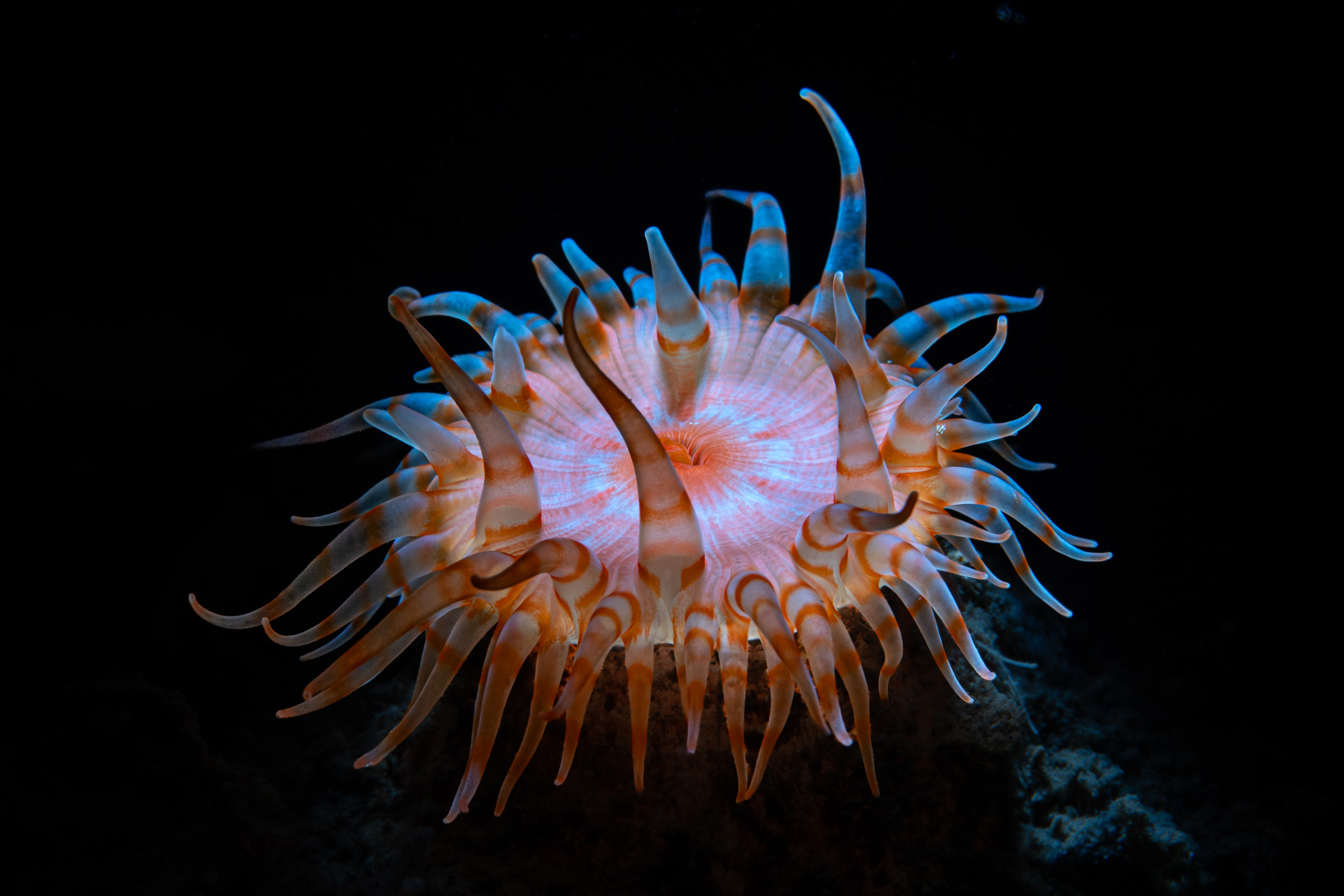
Lembeh Strait, North Sulawesi, Indonesia
Guides  /  North Sulawesi, Indonesia
Destination guide

Lembeh Strait

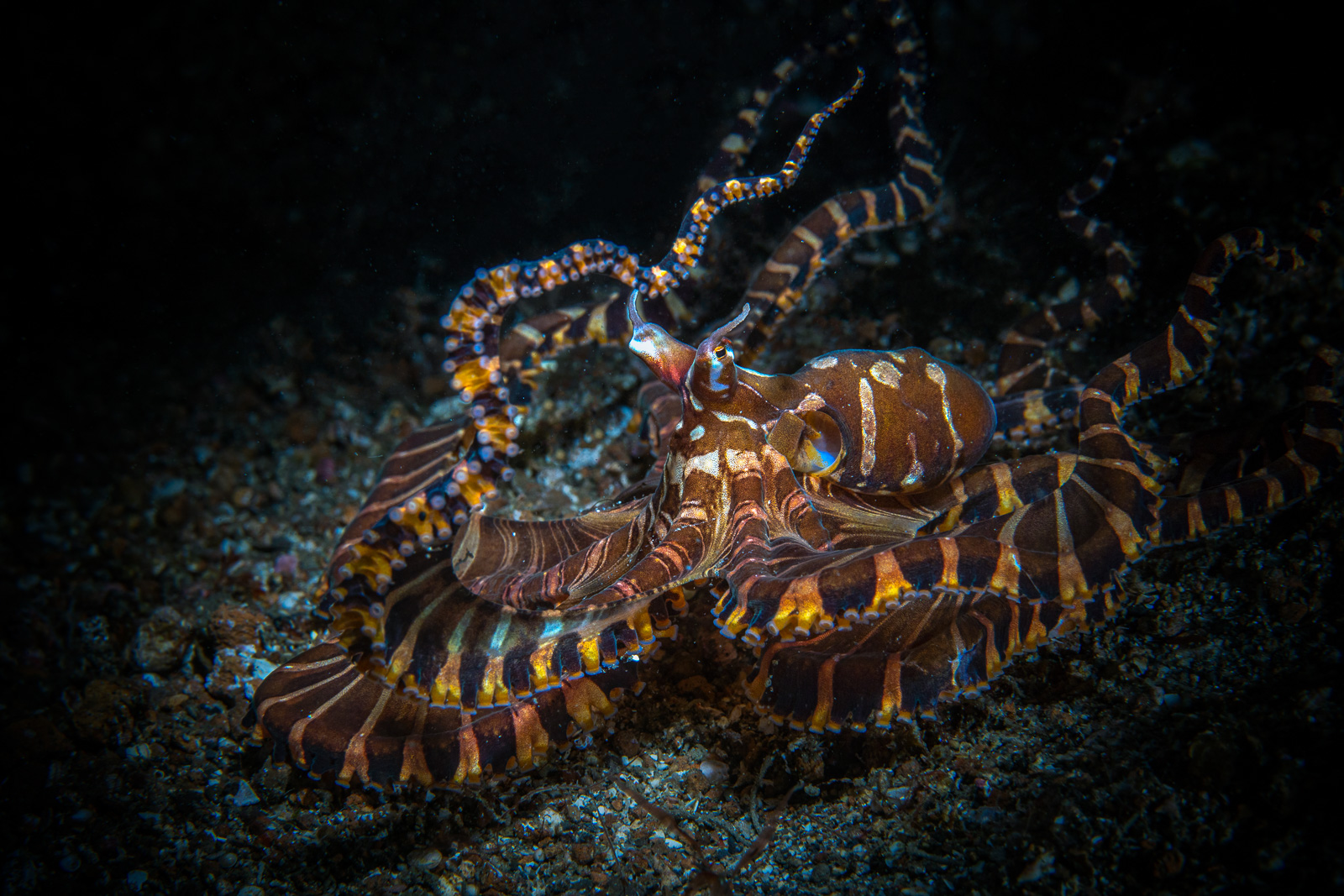
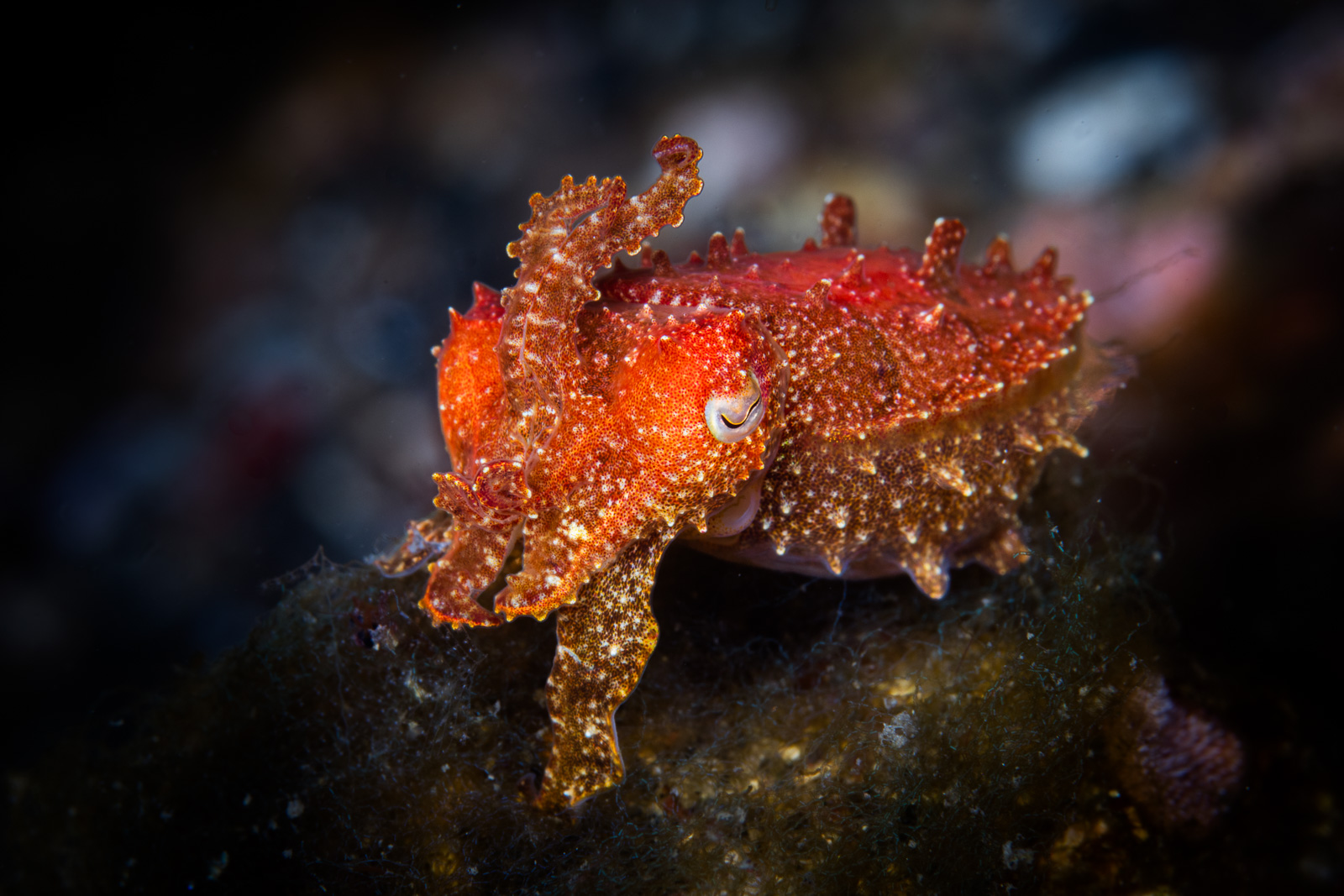
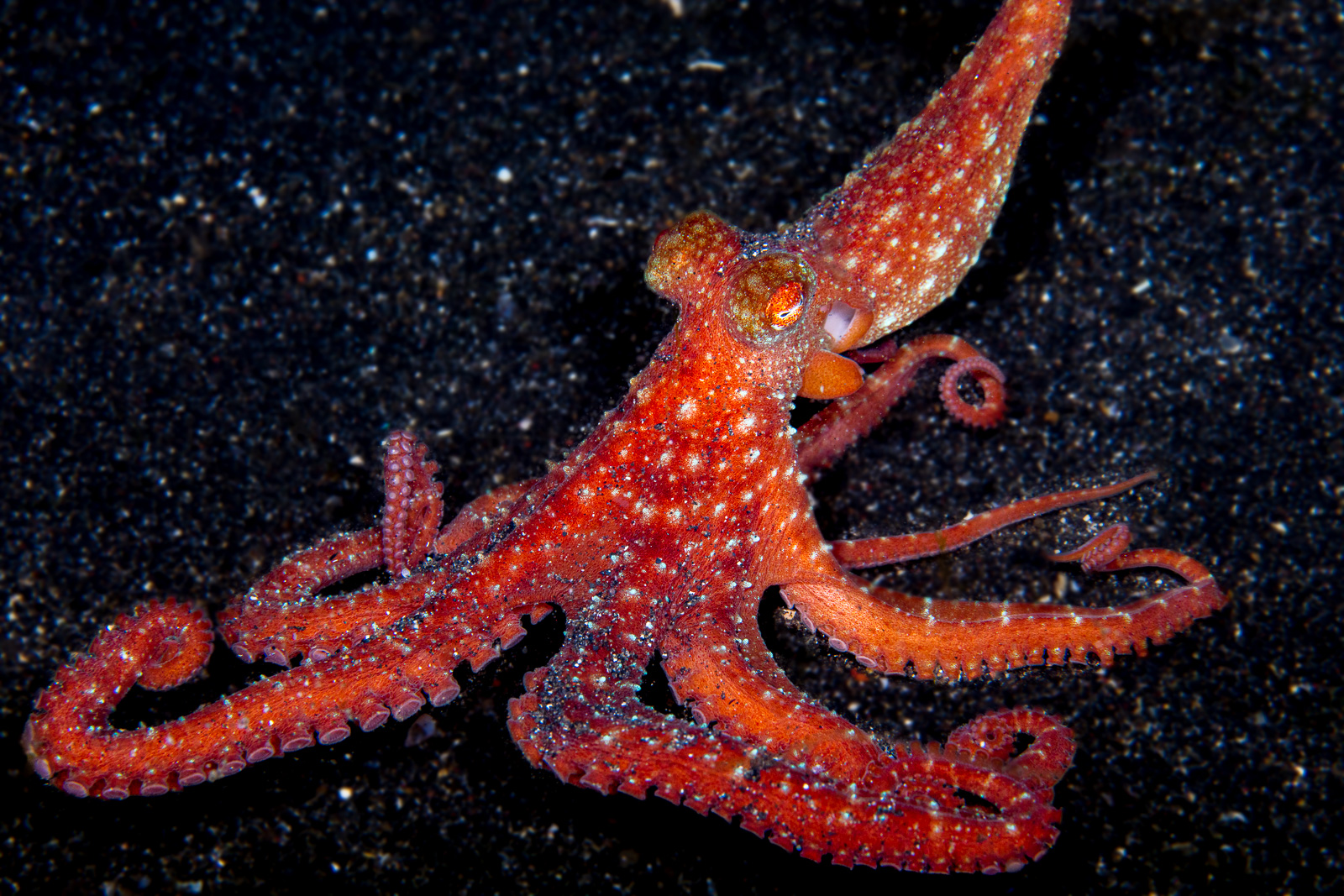
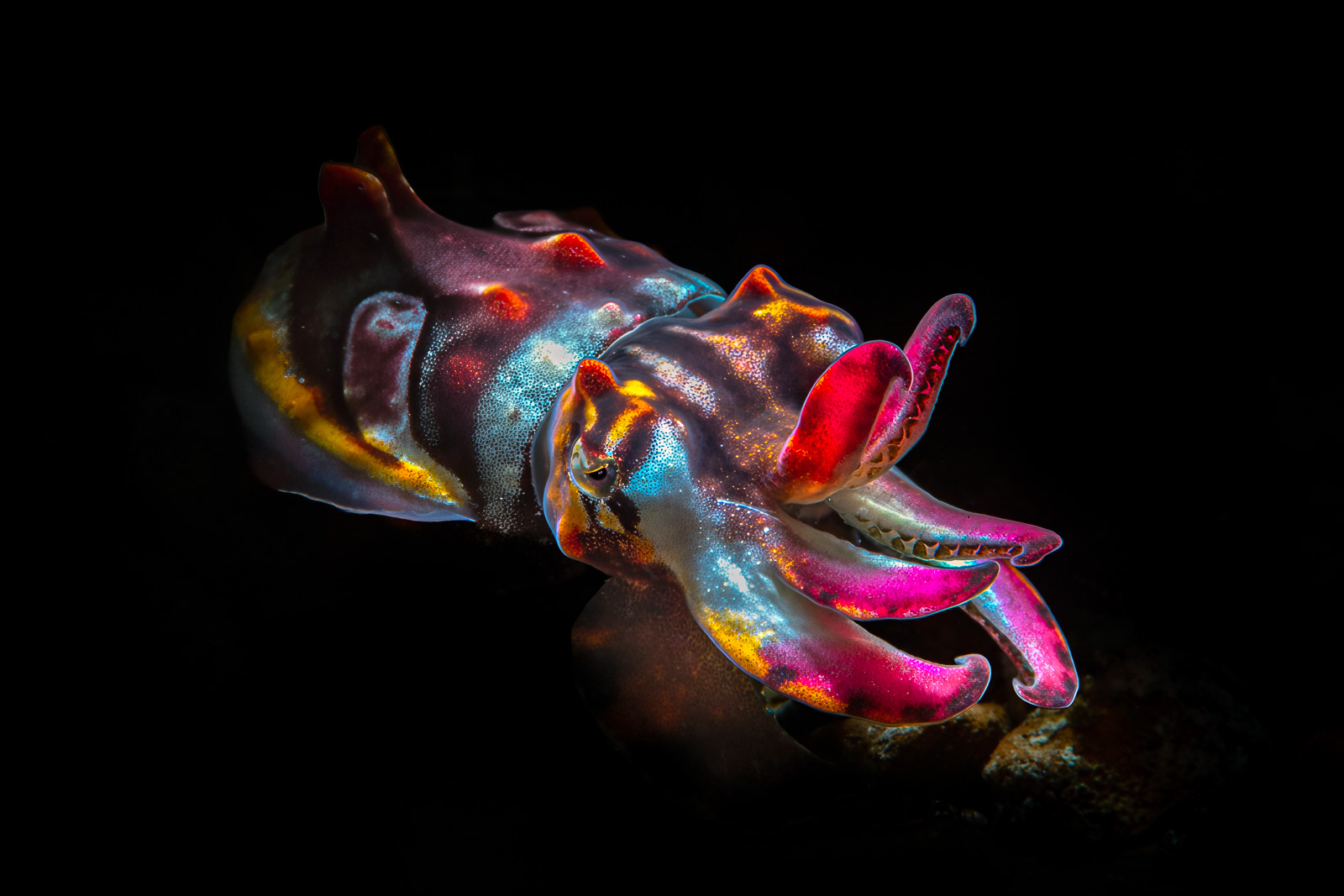
Blue-ringed octopus, flamboyant cuttlefish, mimic octopus. Three animals I had never seen in twenty years of diving, on a single tank, on my first dive in the strait.

Last visited 2019North Sulawesi, IndonesiaResort · day boats Level IntermediateWeek, all in $$$Scores reviewed August 2026
ScoreWhat it takesWhy this placePicturesBest time to diveSignature divesOperatorsBefore you goWho it suitsGetting there
01The score

Lembeh Strait is black volcanic sand, poor visibility and rubbish on the bottom, and it holds the Macro benchmark for this entire site at a straight ten. Everything that makes it look unpromising is the reason the animals are here — no coral to hide in means camouflage, mimicry, venom and the strangest fauna on Earth.

Underwater · the place
The story
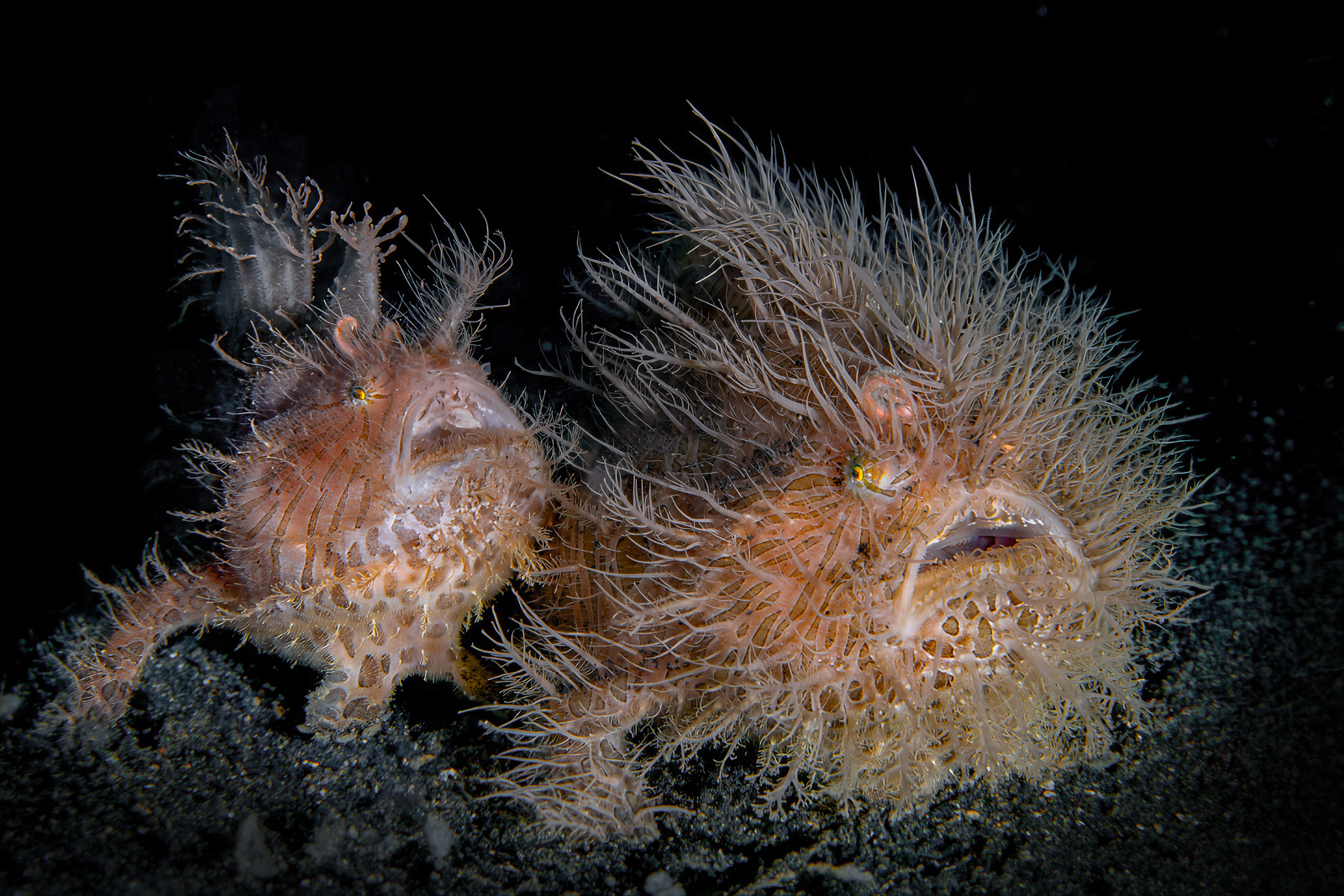
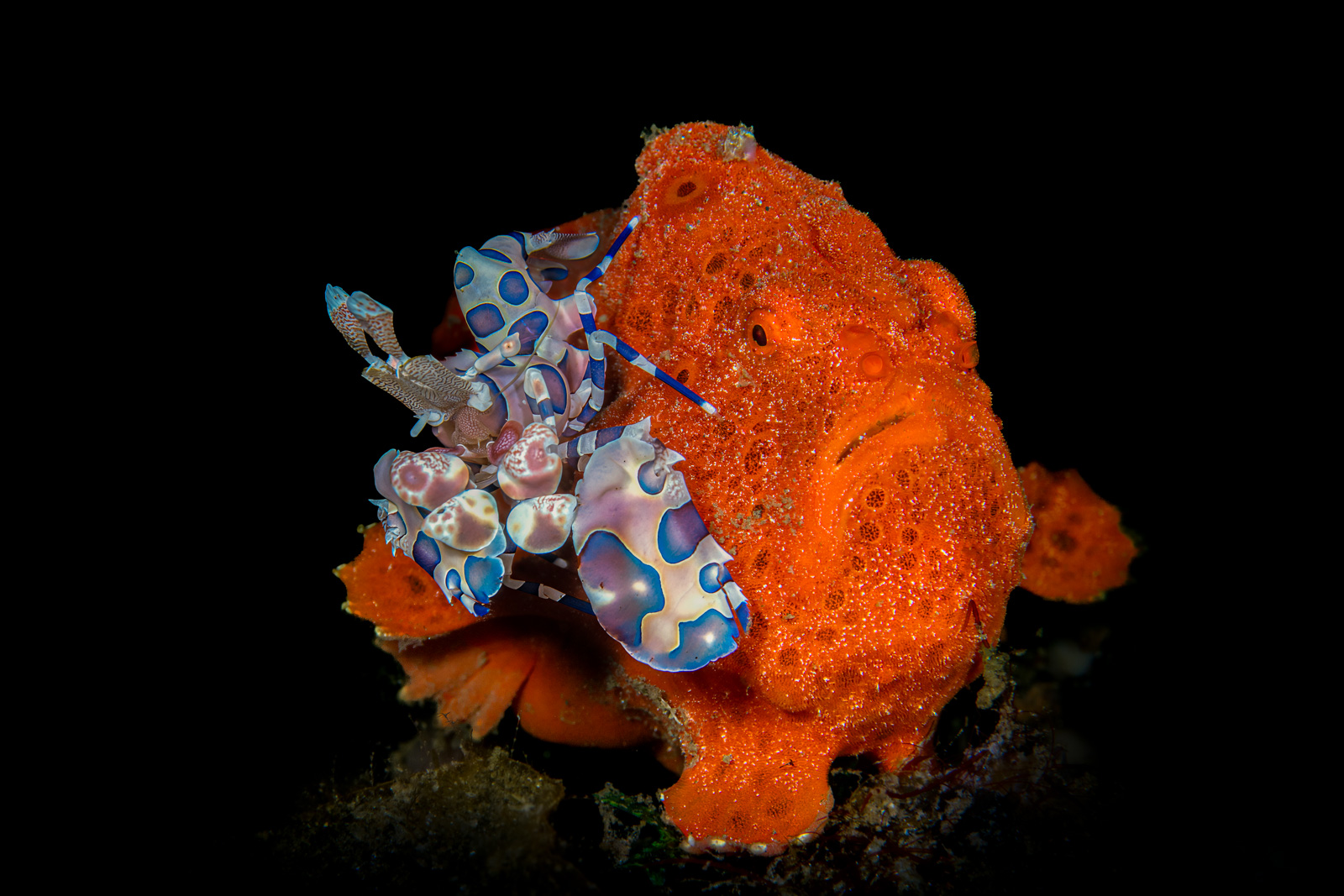
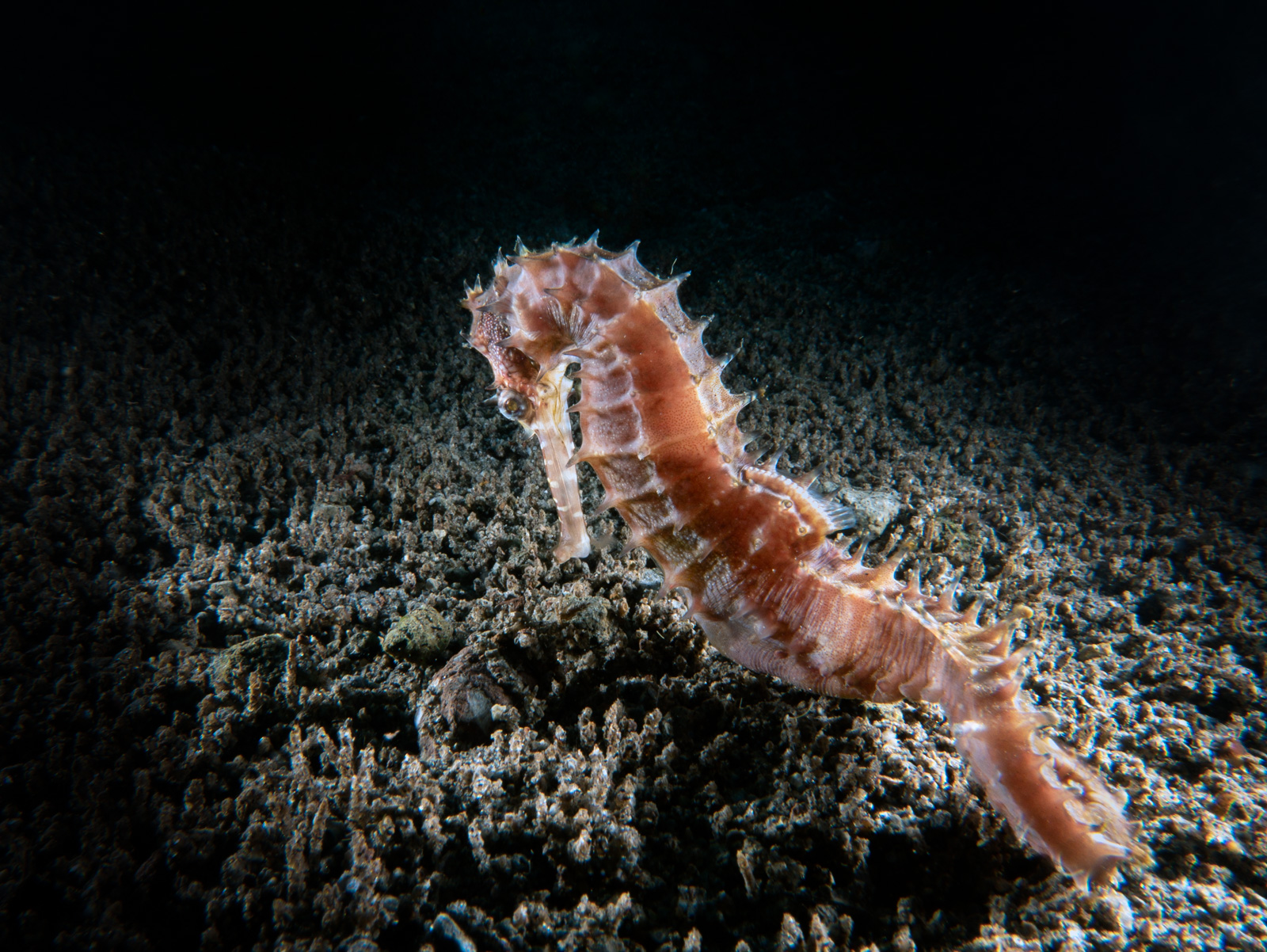
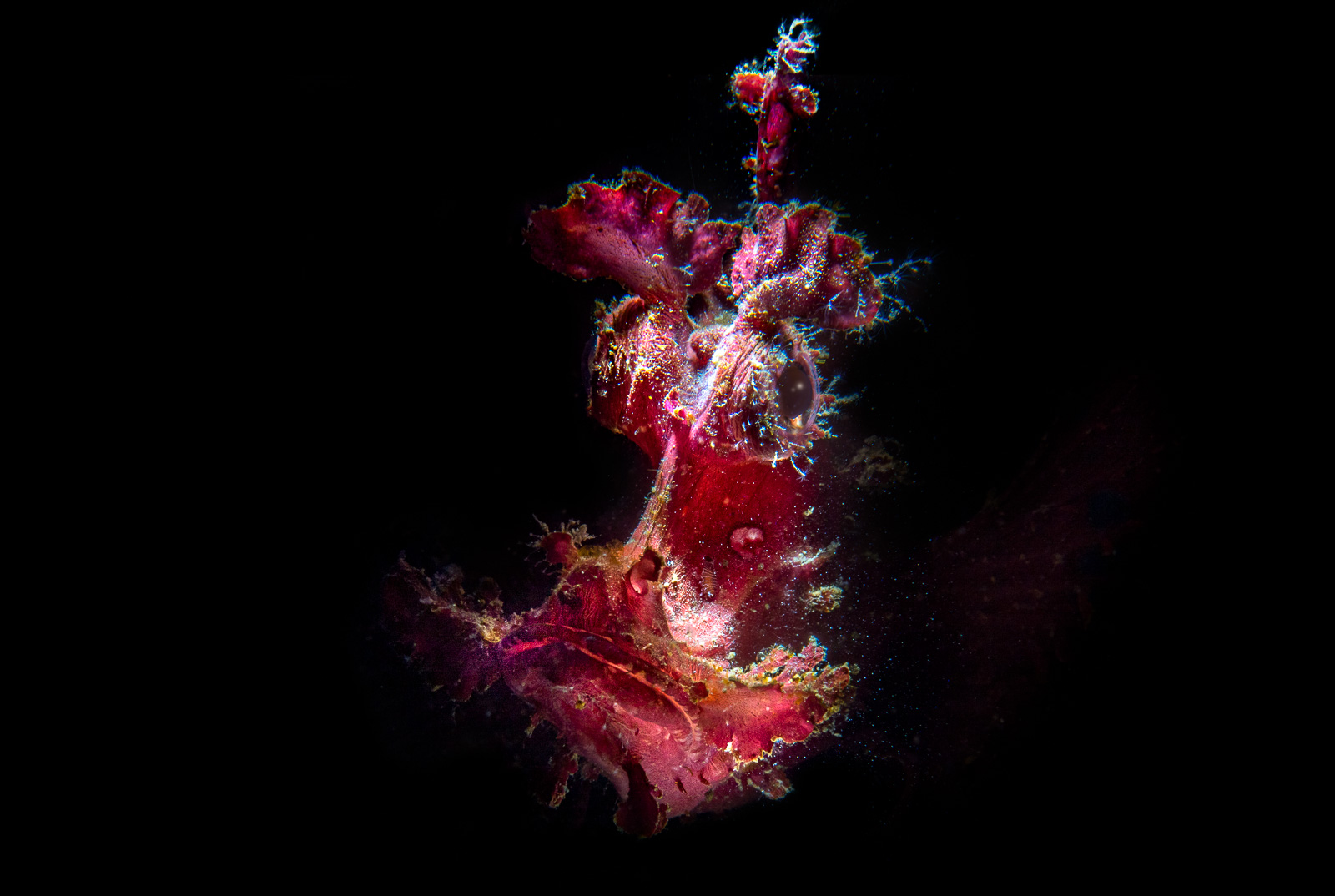
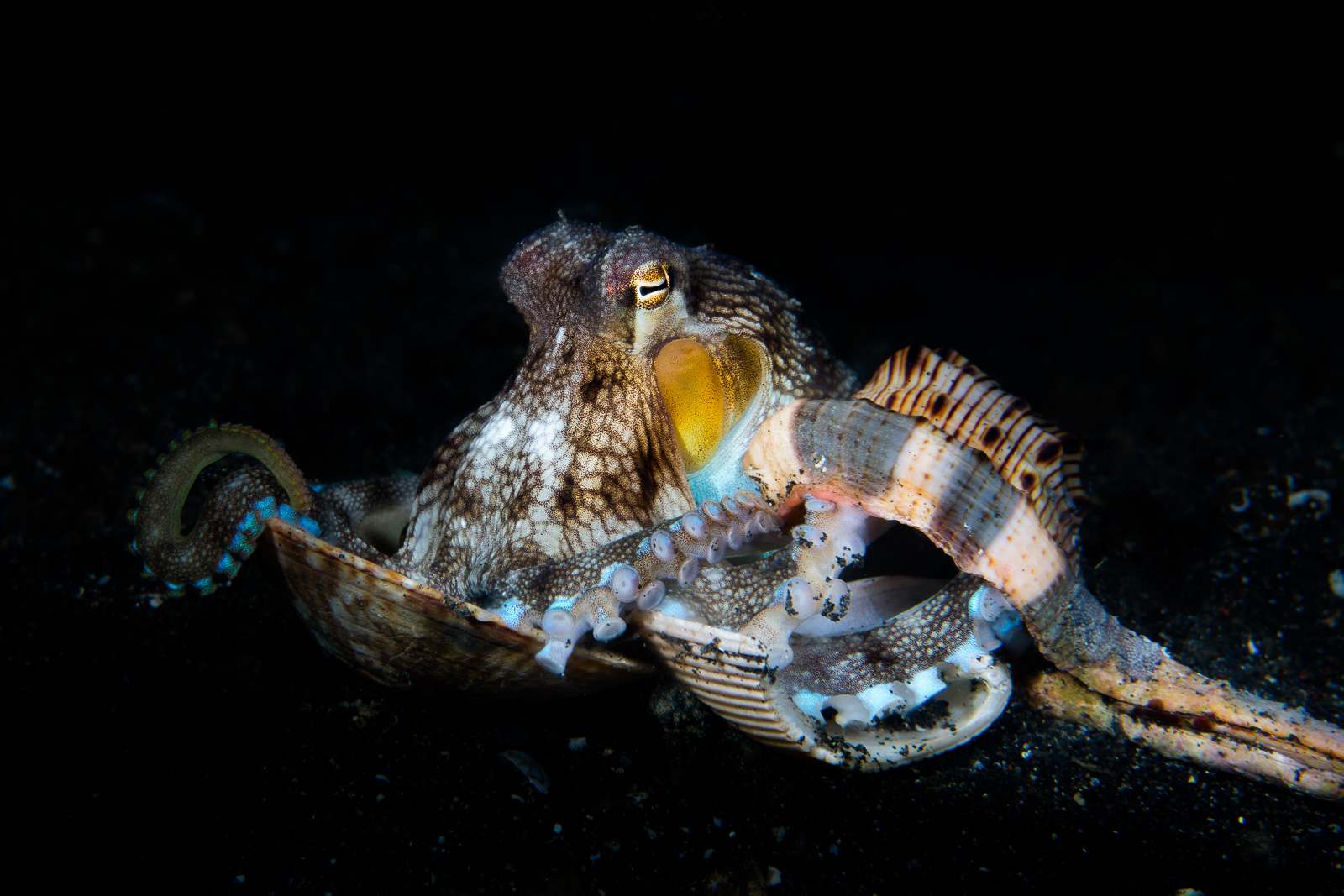
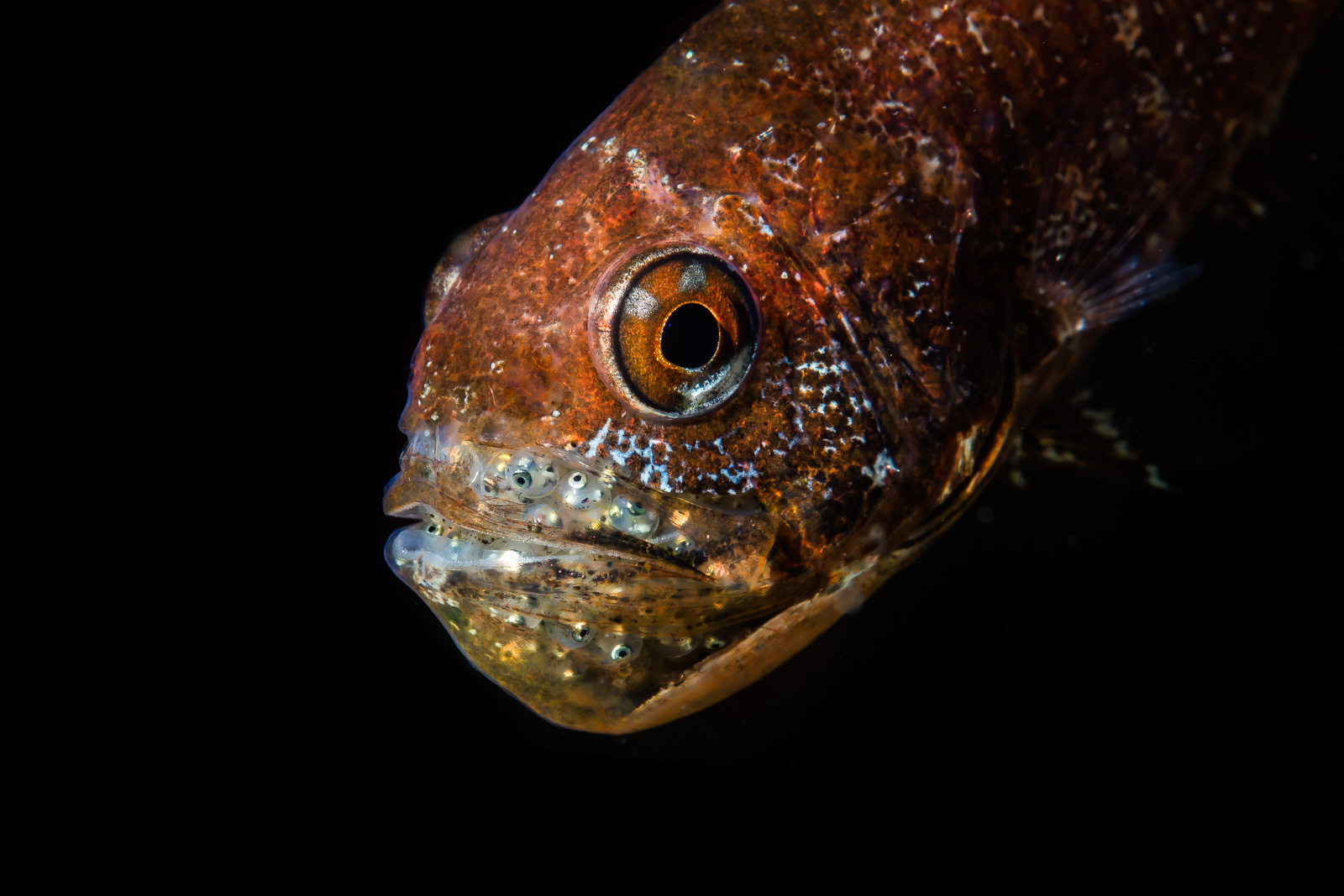
There is nothing to see. Black sand, eight metres of visibility, a slope of volcanic silt running down into the dark. Then a guide taps his tank and points, and what you took for a stone unfolds into a hairy frogfish. On the same dive you might find flamboyant cuttlefish walking the sand in purple and yellow, a mimic octopus pouring itself into a hole, a blue-ringed octopus the size of your thumbnail, and a coconut octopus carrying its shell like luggage. Nowhere else in the world concentrates this much strangeness into so little water.
02What it takes

Am I good enough for this?

Easy diving and difficult photography, which catches people out. The strait is shallow, sheltered and almost currentless. What it demands is buoyancy — you will spend an hour hovering centimetres above silt, and one careless fin stroke ends the dive for everyone behind you.

01
Open Water
02
Intermediate
03
Advanced
04
Demanding
05
Expedition
Water
26–29 °C
3 mm, plus a hood for long dives
Visibility
5–15 m
Not why you come
Best months
Year-round
Subjects shift, quality does not
Format
Resort
Short boat rides, 3–4 dives
Getting there
Manado (MDC)
Road then boat
Current
Minimal
Calm and close
03Why this place

The best dive of your life, or the worst week

I surfaced from that dive elated and slightly disbelieving. Lembeh does that — it hands you, in sixty minutes, animals that most divers will only ever meet in a book. The strait has been photographed for decades and it still produces species nobody has named.

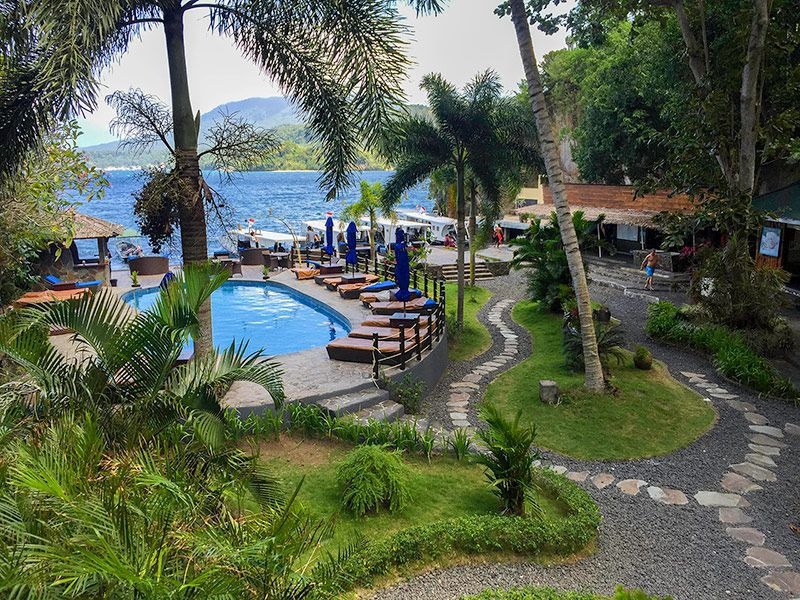
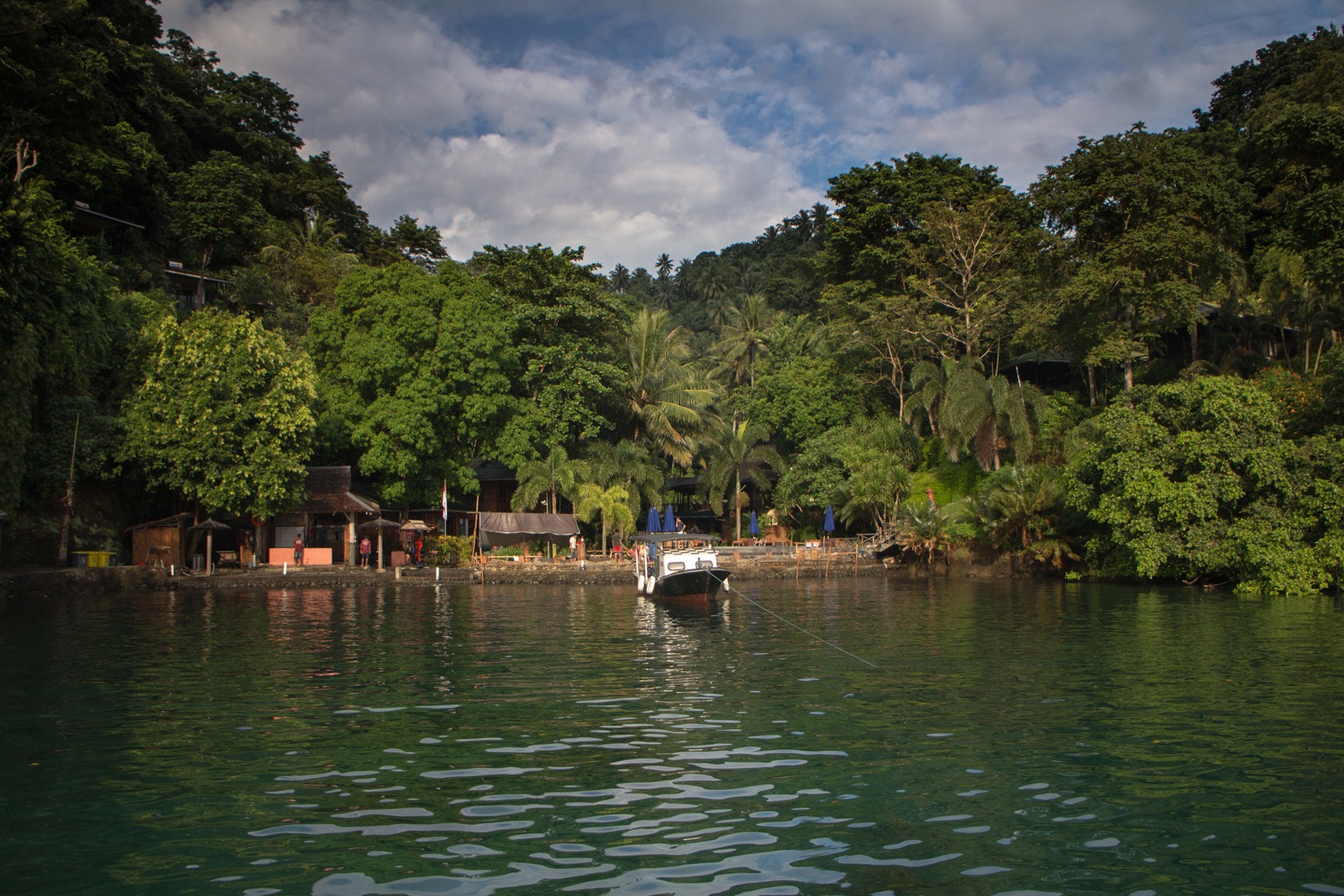
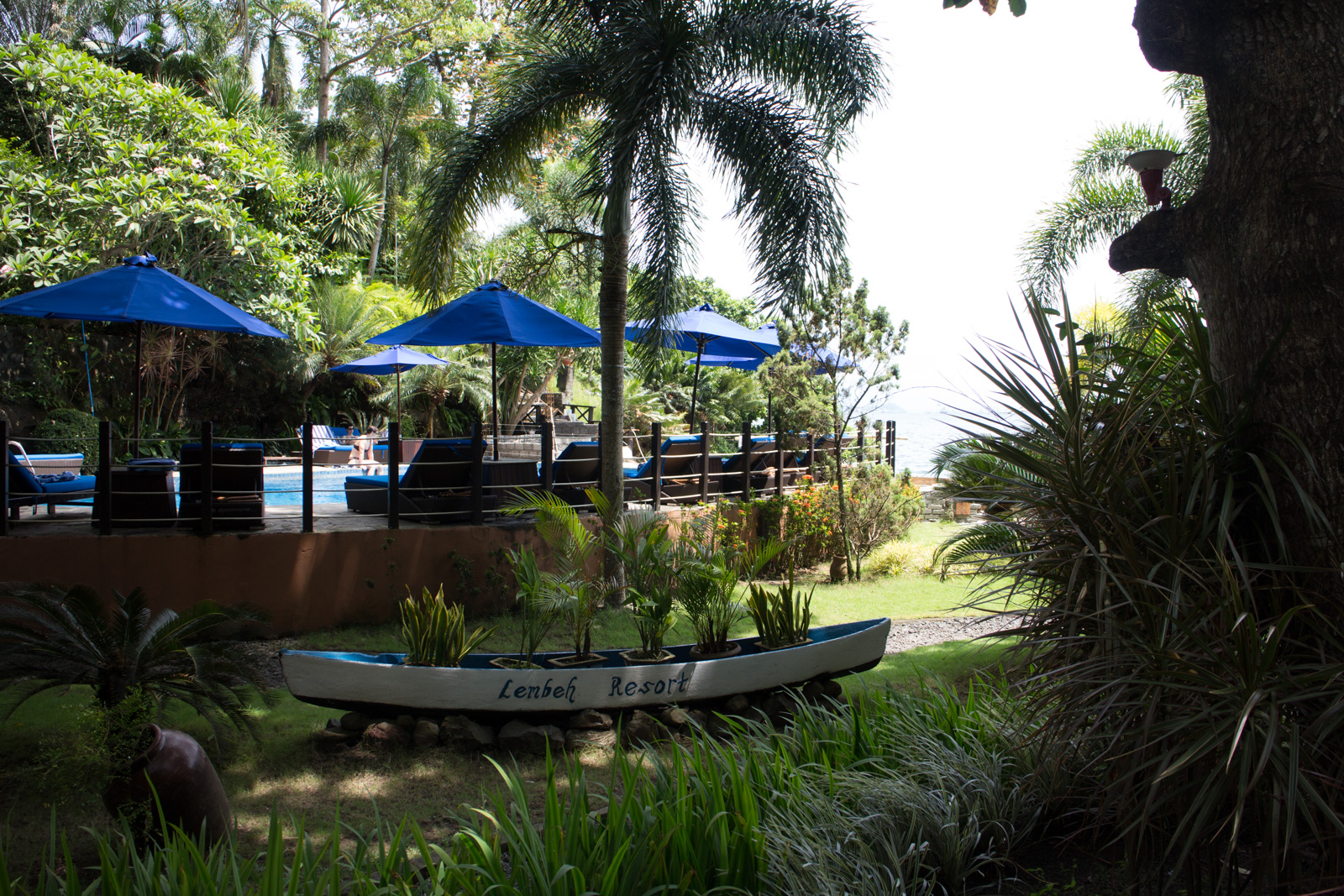
Because the honest answer is that Lembeh is a specialist destination and it does not pretend to be a beach holiday. The shoreline is muck and rock. There is only so much time anyone can spend beside a pool looking at that. If you are not a photographer, or travelling with somebody who is not, plan for it before you arrive rather than on day three.

For everyone else it is the richest small-subject diving anywhere. Hairy frogfish, sometimes two together. Coconut octopus carrying shell halves across the sand, which is documented tool use and one of the reasons octopuses are famous. Rhinopias. Harlequin shrimp. Species most divers will only ever see in a book.

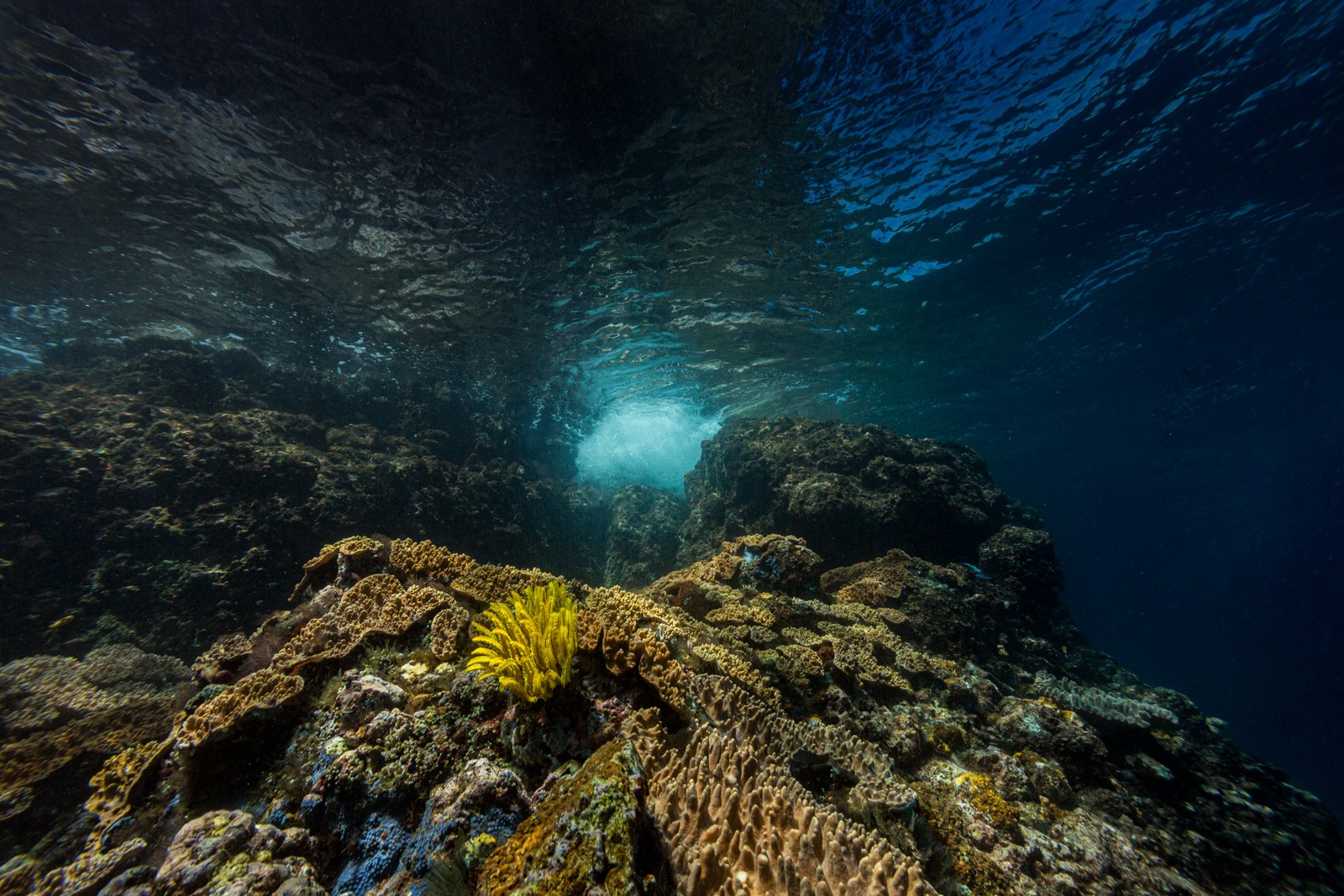
If you need wide-angle to break the week, Bangka is an hour away and does exactly that. Murex runs both, and combining them is the standard advice for good reason.
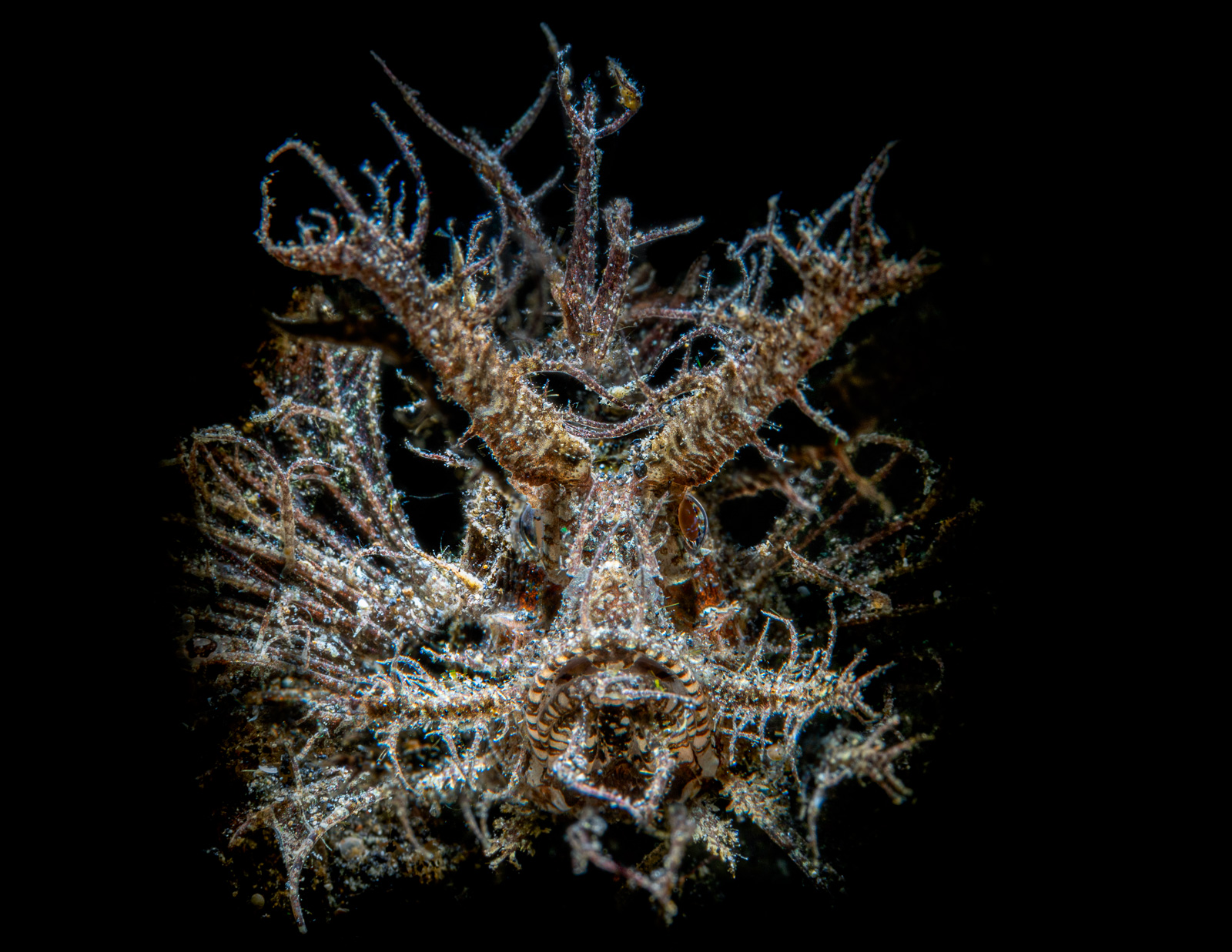
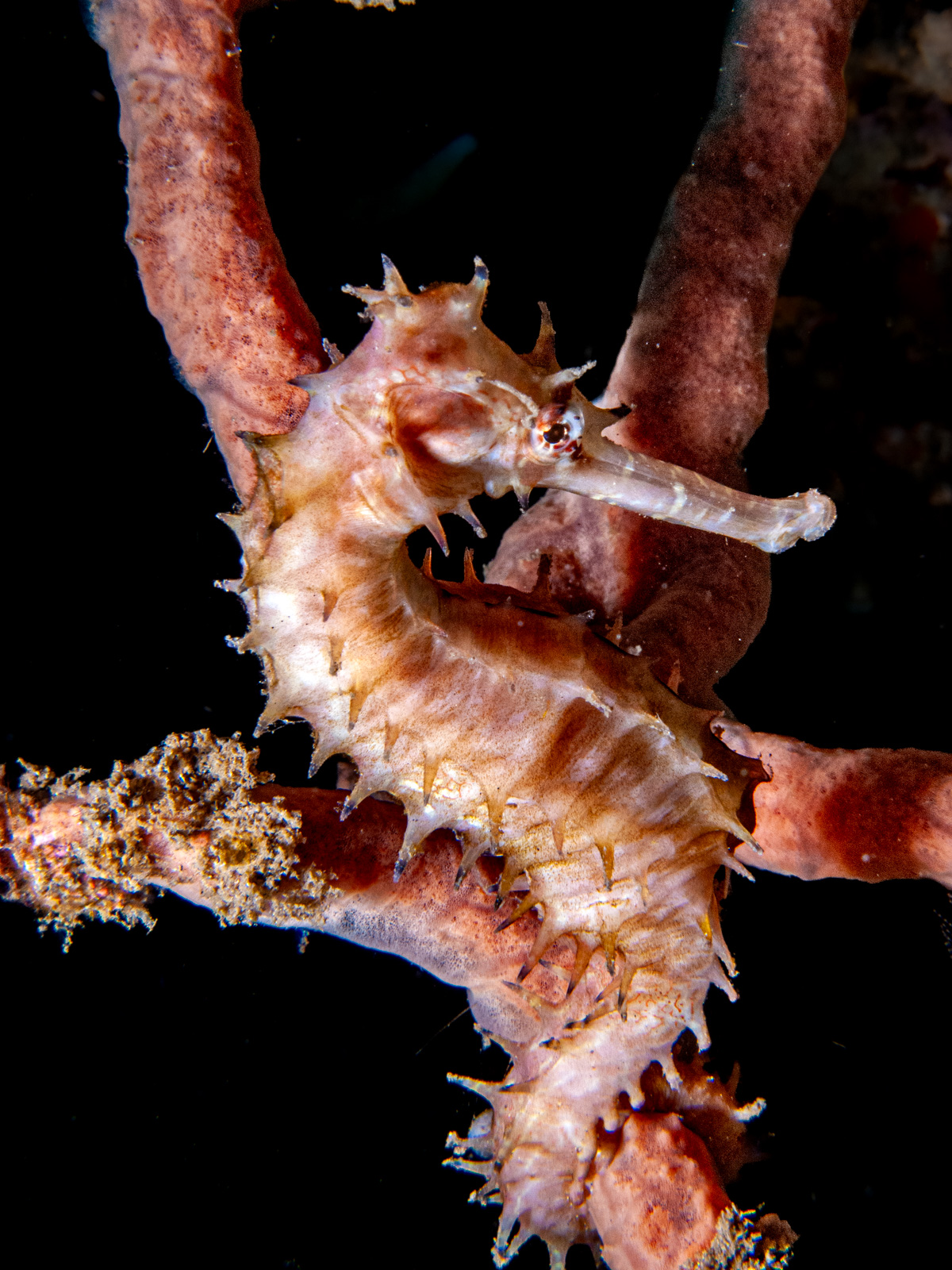
The best macro destination on earth

Black volcanic sand, calm conditions, isolated subjects and highly trained critter-spotting guides create an image-making environment that is almost unfair.

Subjects present cleanly against dark sand with far less visual noise than a conventional reef. That means cleaner composition and more control.

It is also an excellent place to grow. The slow pace and subject density give you time to work snoots, backlighting, black backgrounds and behaviour.

04The pictures

What the week actually looked like

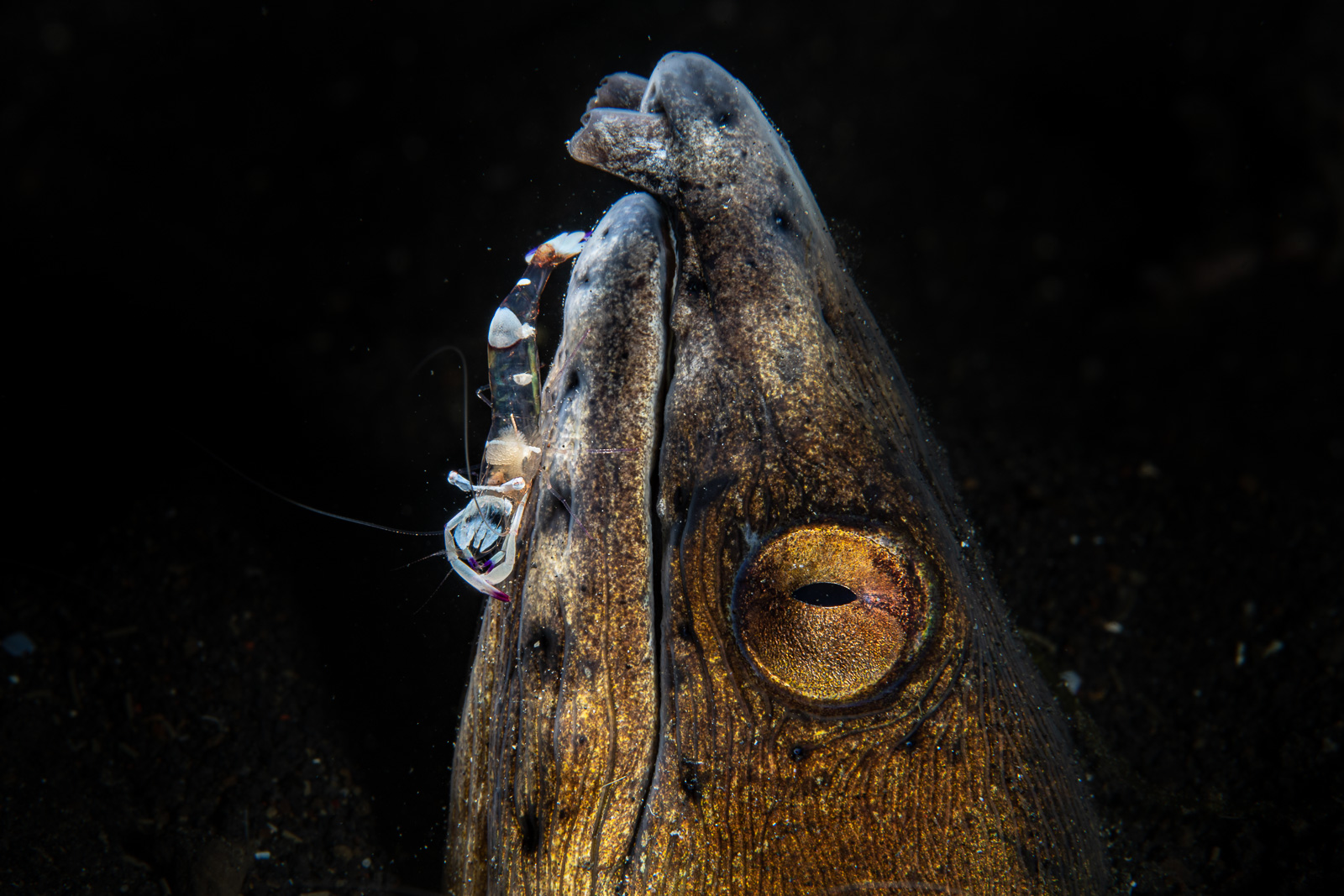
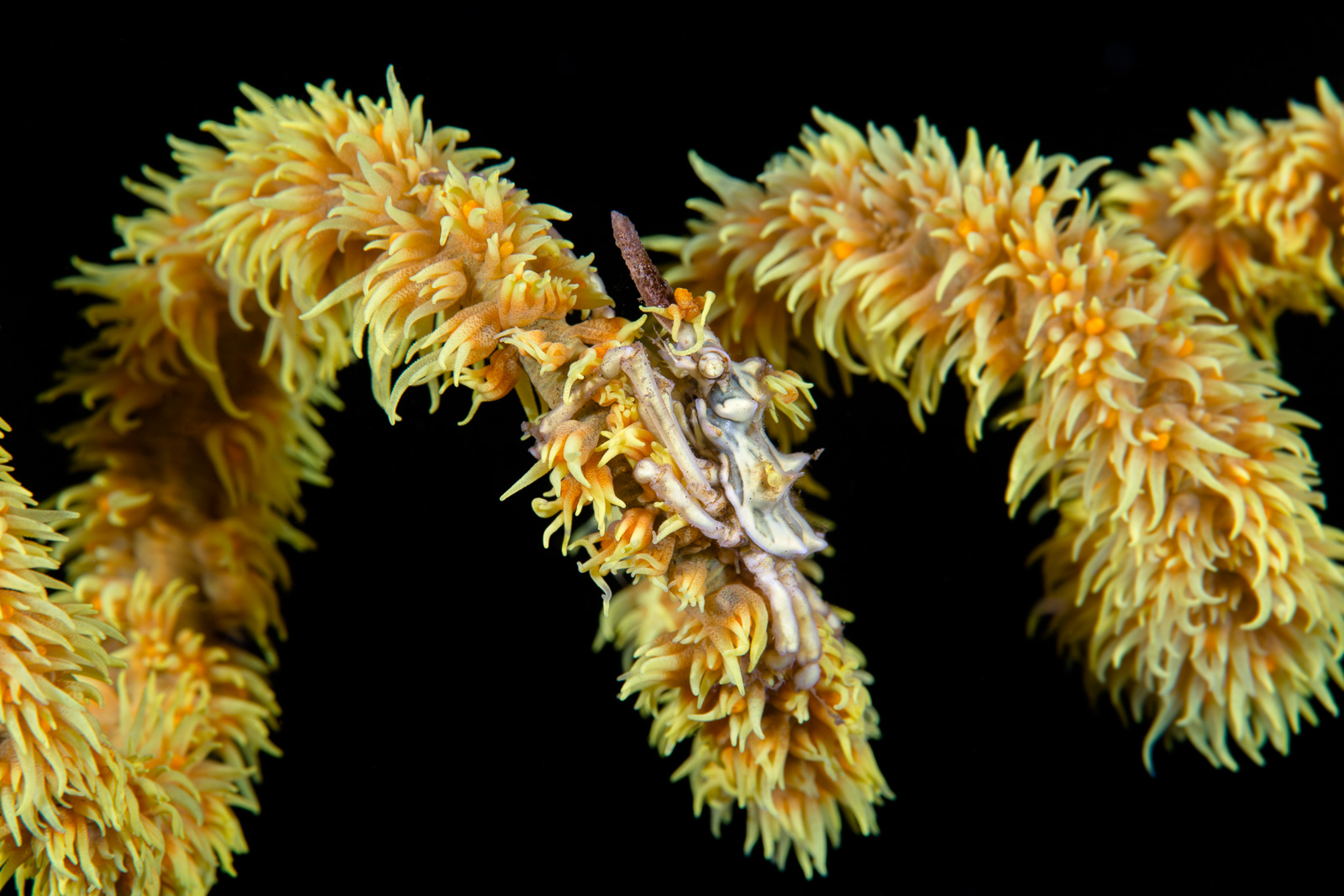
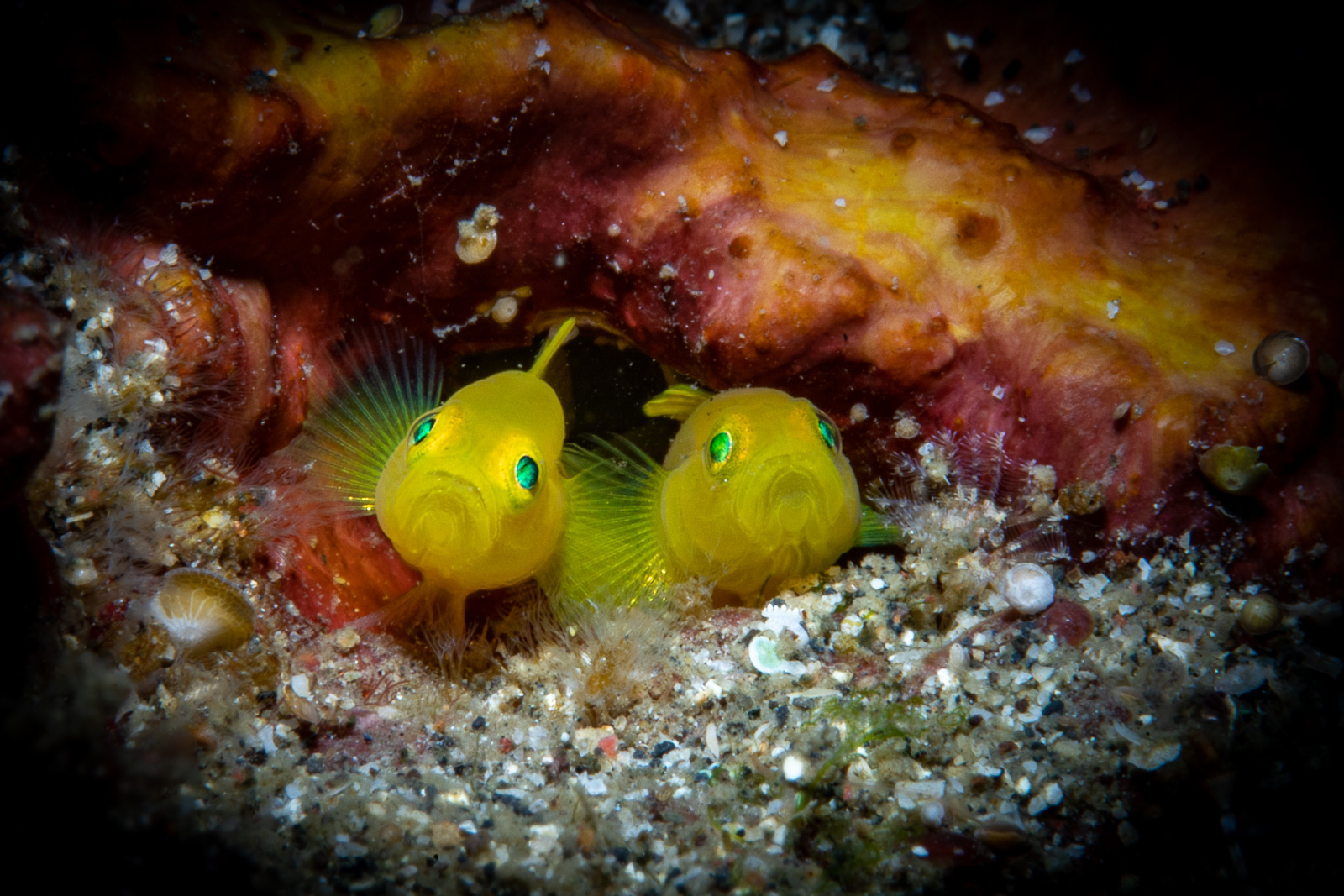
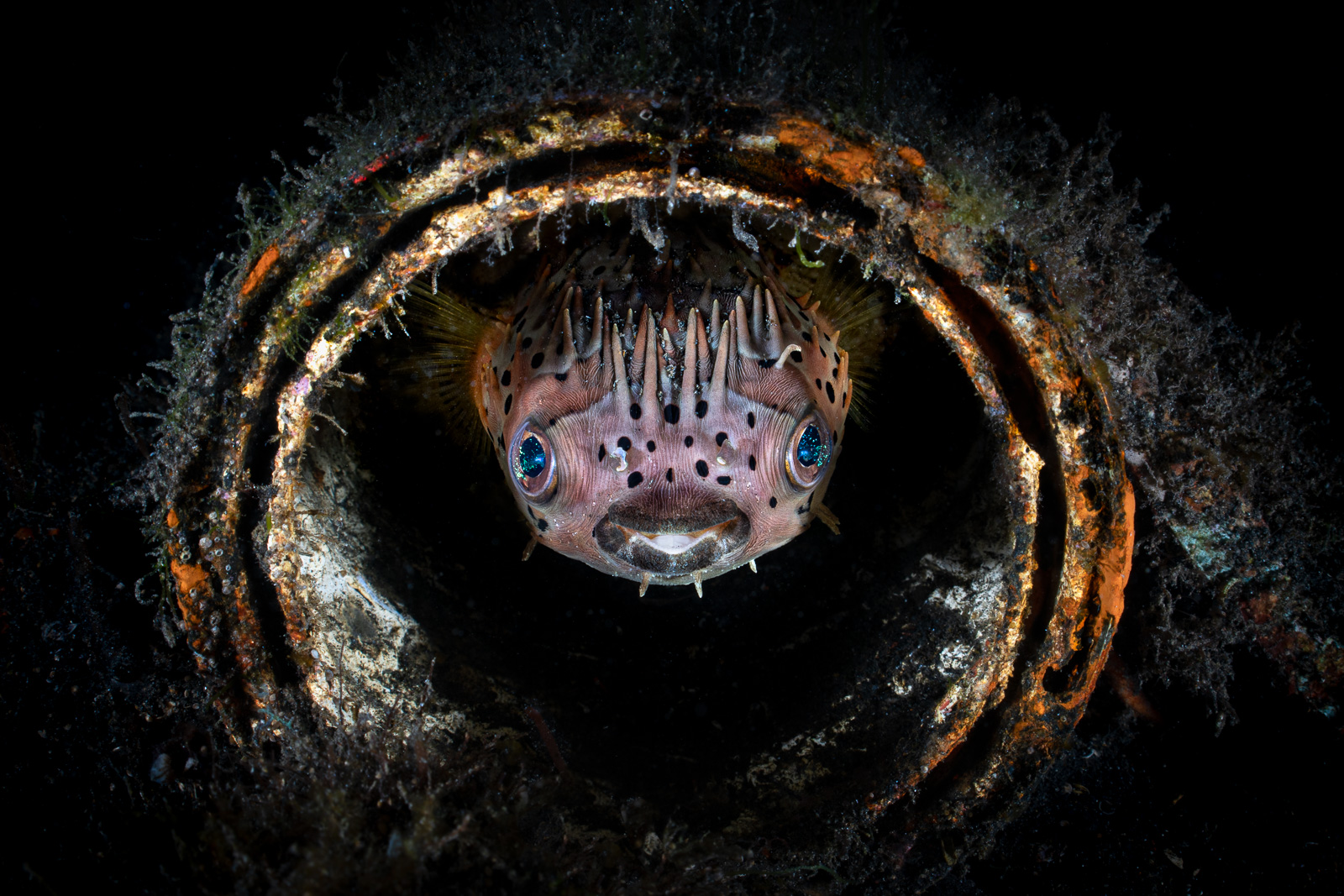
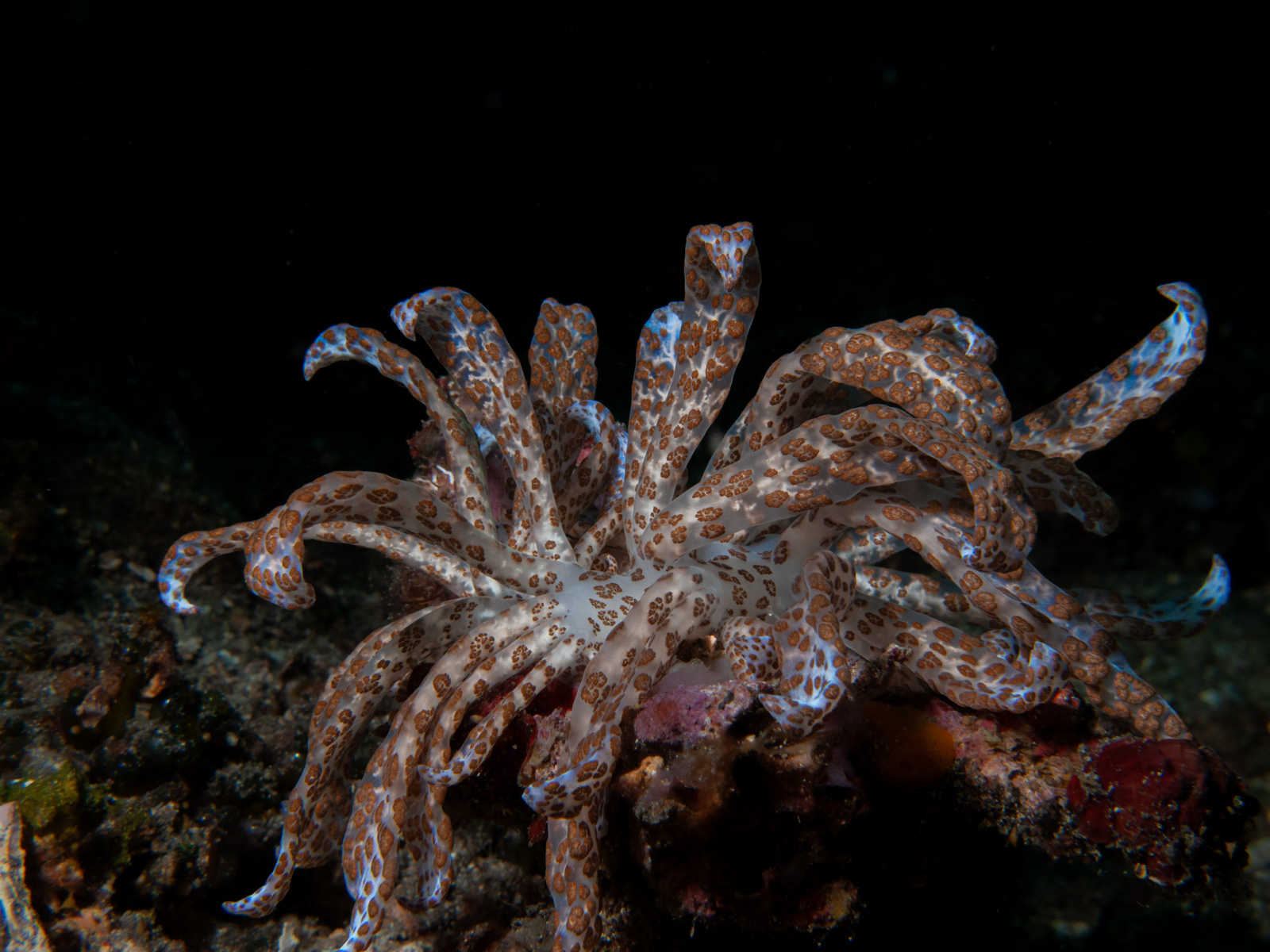
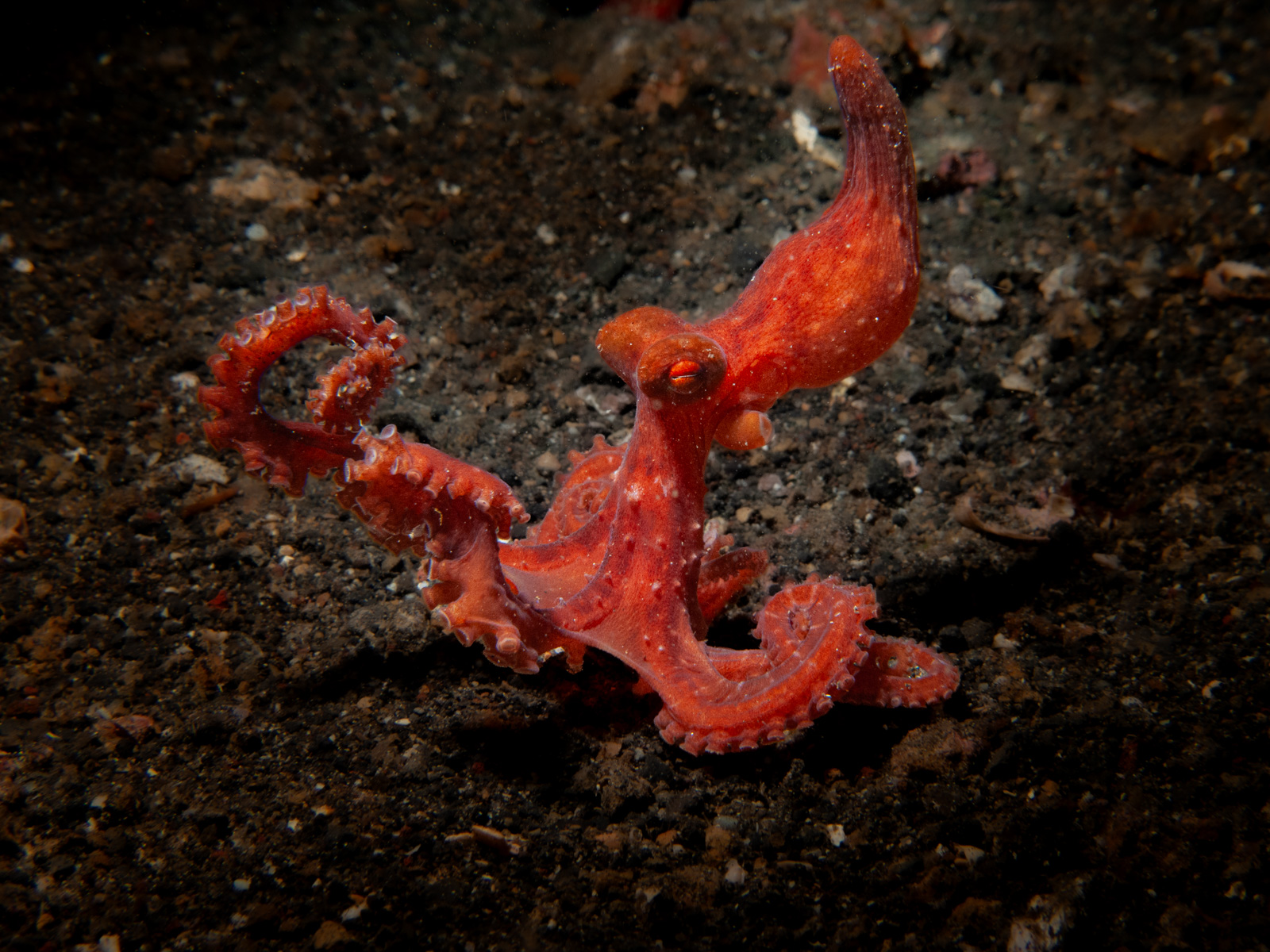
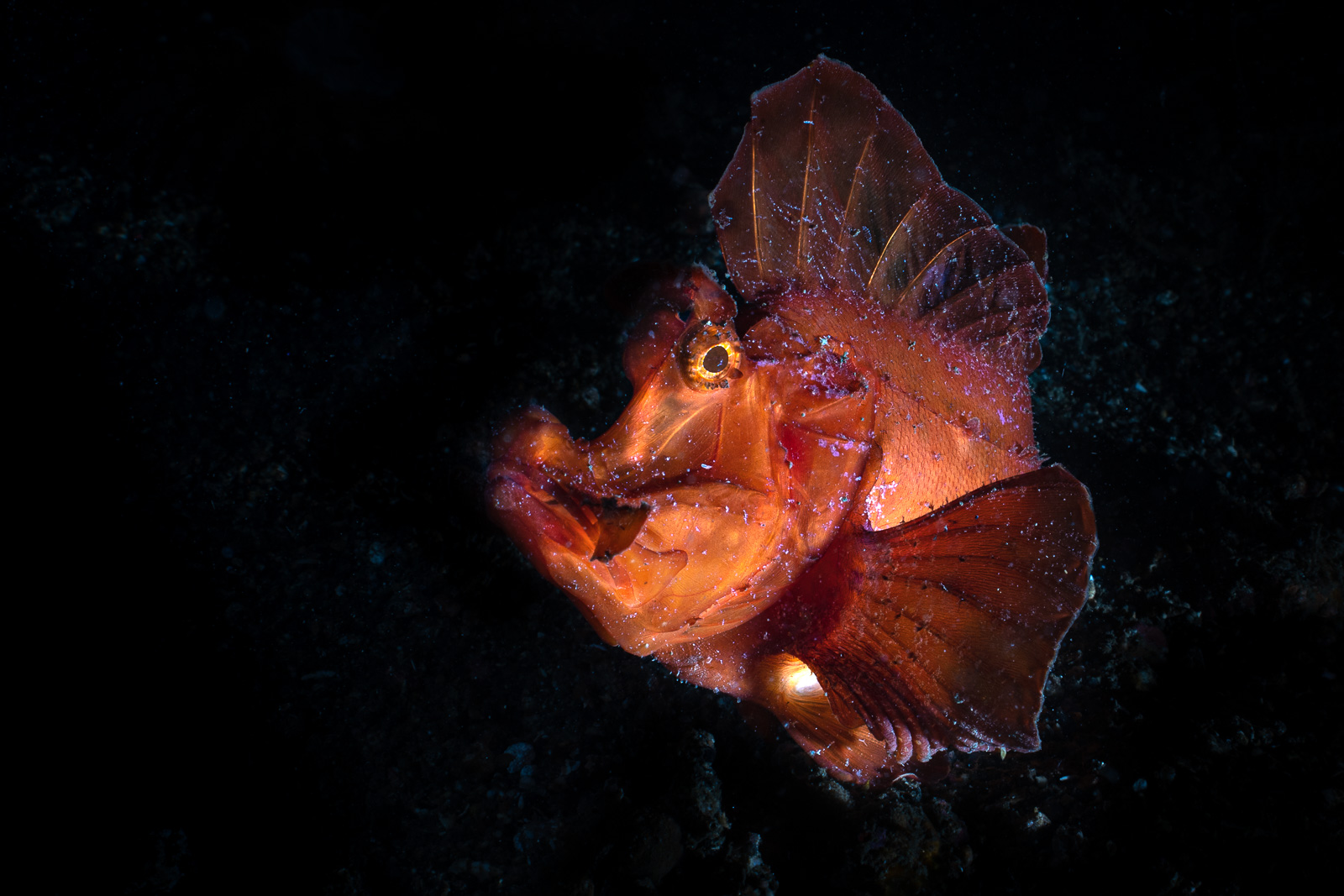
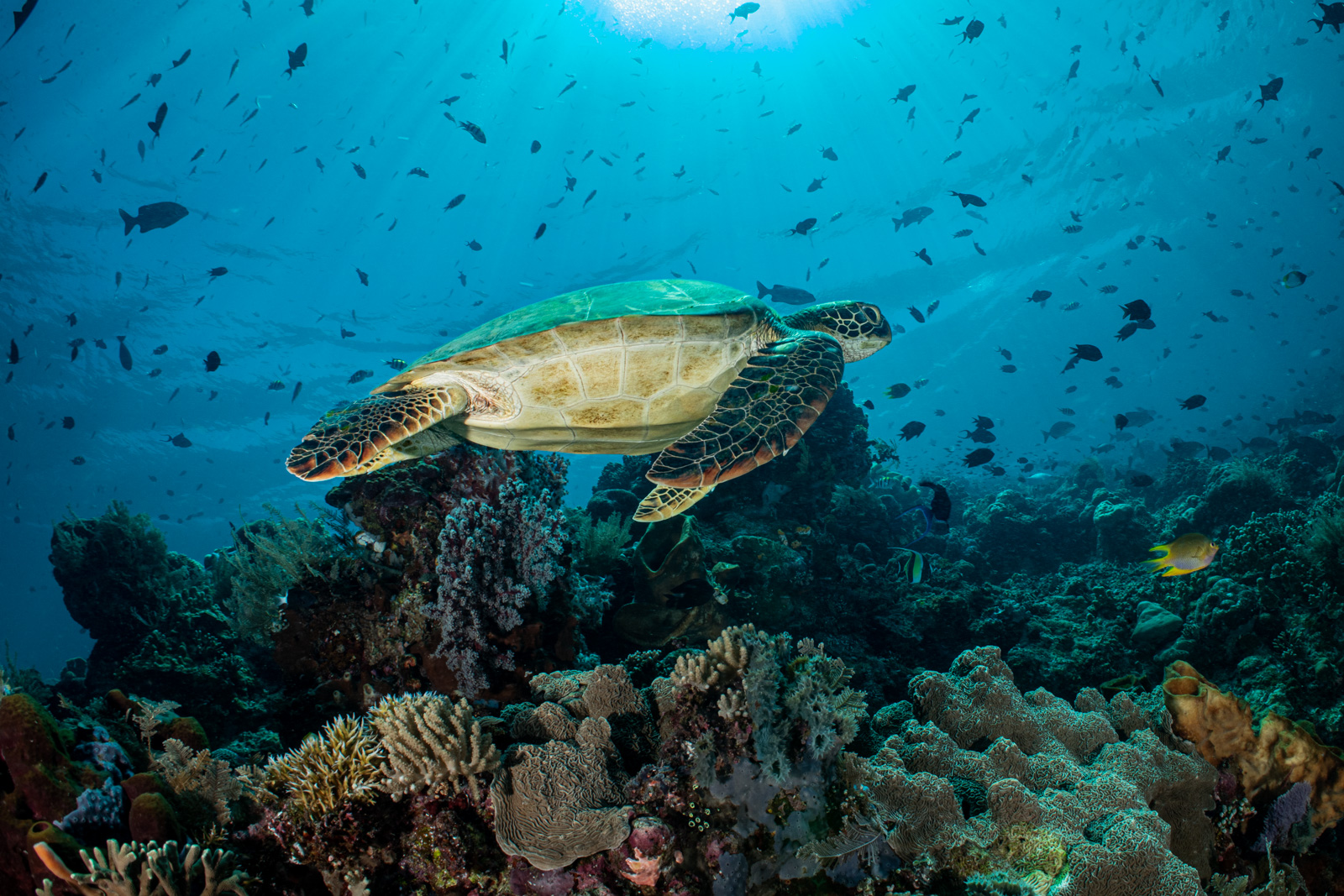
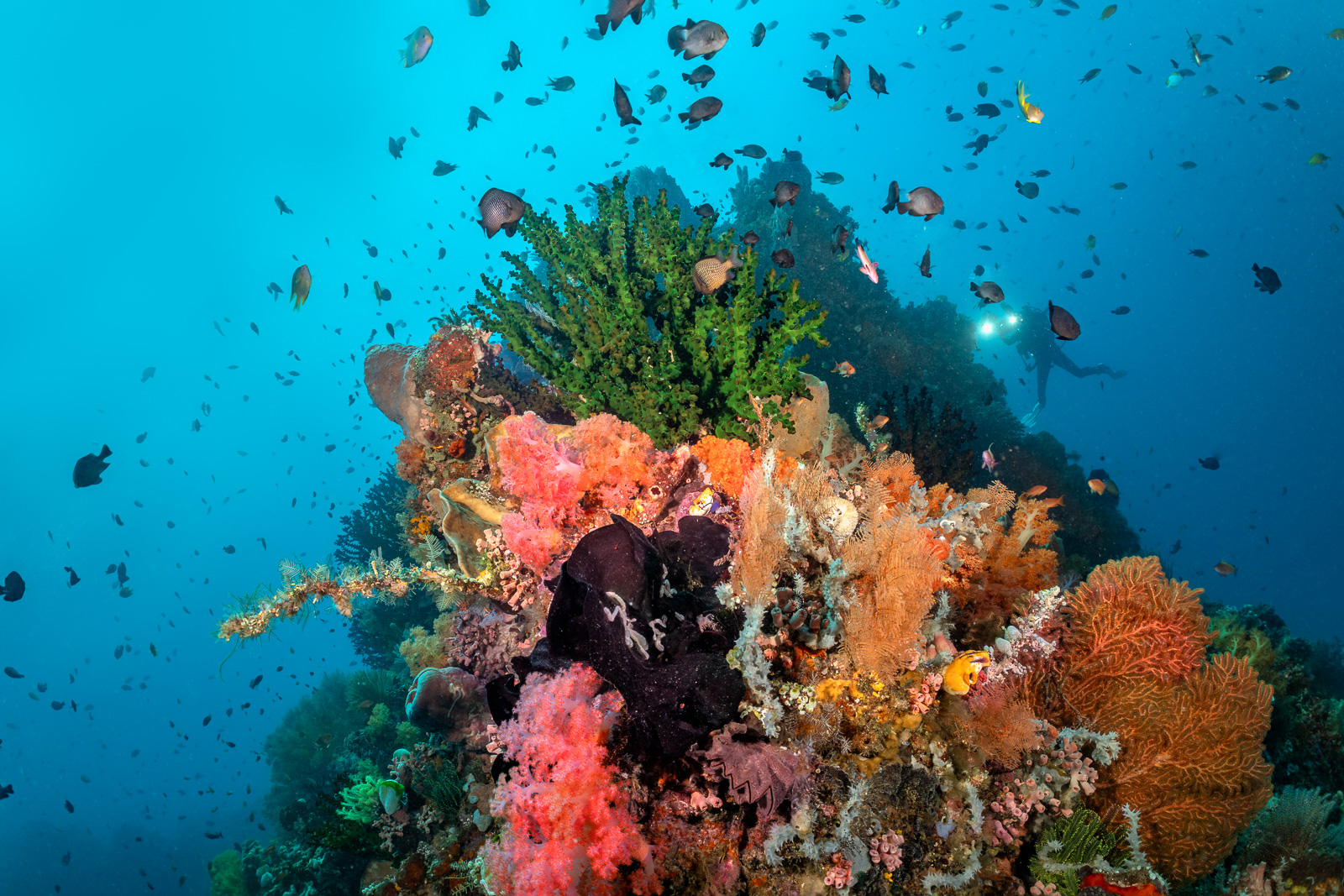
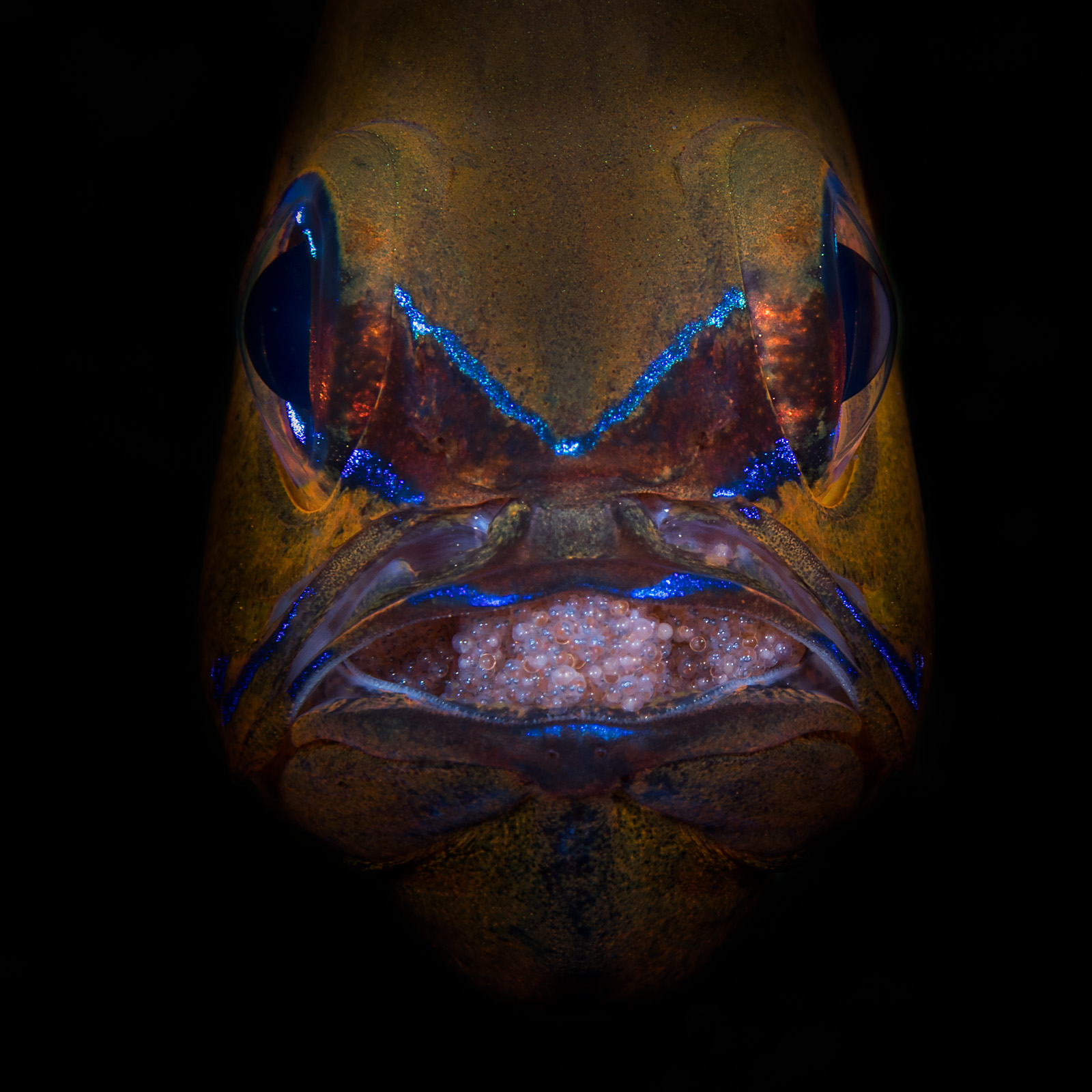
Every frame here was made at Lembeh Strait in 2019, in the conditions that turned up rather than the ones I hoped for. Click any of them to open it full size.

Lembeh StraitLembeh StraitLembeh StraitLembeh StraitLembeh StraitLembeh StraitLembeh StraitLembeh StraitLembeh StraitLembeh StraitLembeh StraitLembeh Strait

Any frame on this page can be licensed for editorial use. Licensing terms.

05Best time to dive

March to October is what you are aiming for

March to October is when Lembeh Strait is at its best. Tap any month for what the water is actually doing.

High seasonShoulderClosed

Visibility, sea state, what is in the water and how much of it you can count on. The season turns at March and again after October.

06Signature dives

Six patches of sand worth a week

Six I dived more than once and would plan a week around, named as the resort names them.

01

Hairball

Muck diving at its purest

Barren and unpromising for the first ten minutes, then progressively alive the longer you hover. This is the site that teaches people what muck diving actually is.

02

Nudi Falls

Subject hunting along a mini-wall

A small wall rather than open sand, which gives you something to compose against. Nudibranchs, as advertised, plus most of the strait's usual cast.

03

Jahir

Clean terrain, strange subjects

Simple uncluttered black sand hosting genuinely bizarre animals. The best site here for snoot work, because there is nothing in the background to light by accident.

04

Aer Prang

Worth diving three times

High repeat value. Dive it in the morning, again in the afternoon, and again at night, and it will be three different sites.

05

Pantai Parigi

Where the octopuses are

Sand and rubble that consistently produces coconut and wonderpus. Ask the guides where they saw one yesterday — muck diving is entirely dependent on somebody holding that map.

06

Bangka day trip

The antidote

An hour north for soft coral, blue water and something to point a wide lens at. Take it around day four, when muck fatigue arrives on schedule.

07Operators

Operators

There is one place to stay here, so the reef score and the operator score arrive together. It is still worth separating them. The five trip axes below belong to the operation alone, and the final rating is the baseline score of the reef plus that operator's score.

08Before you go

The questions that decide whether the trip works

Asked in the order they actually matter, answered with specifics.

01

Will I actually enjoy this if I do not shoot photographs?

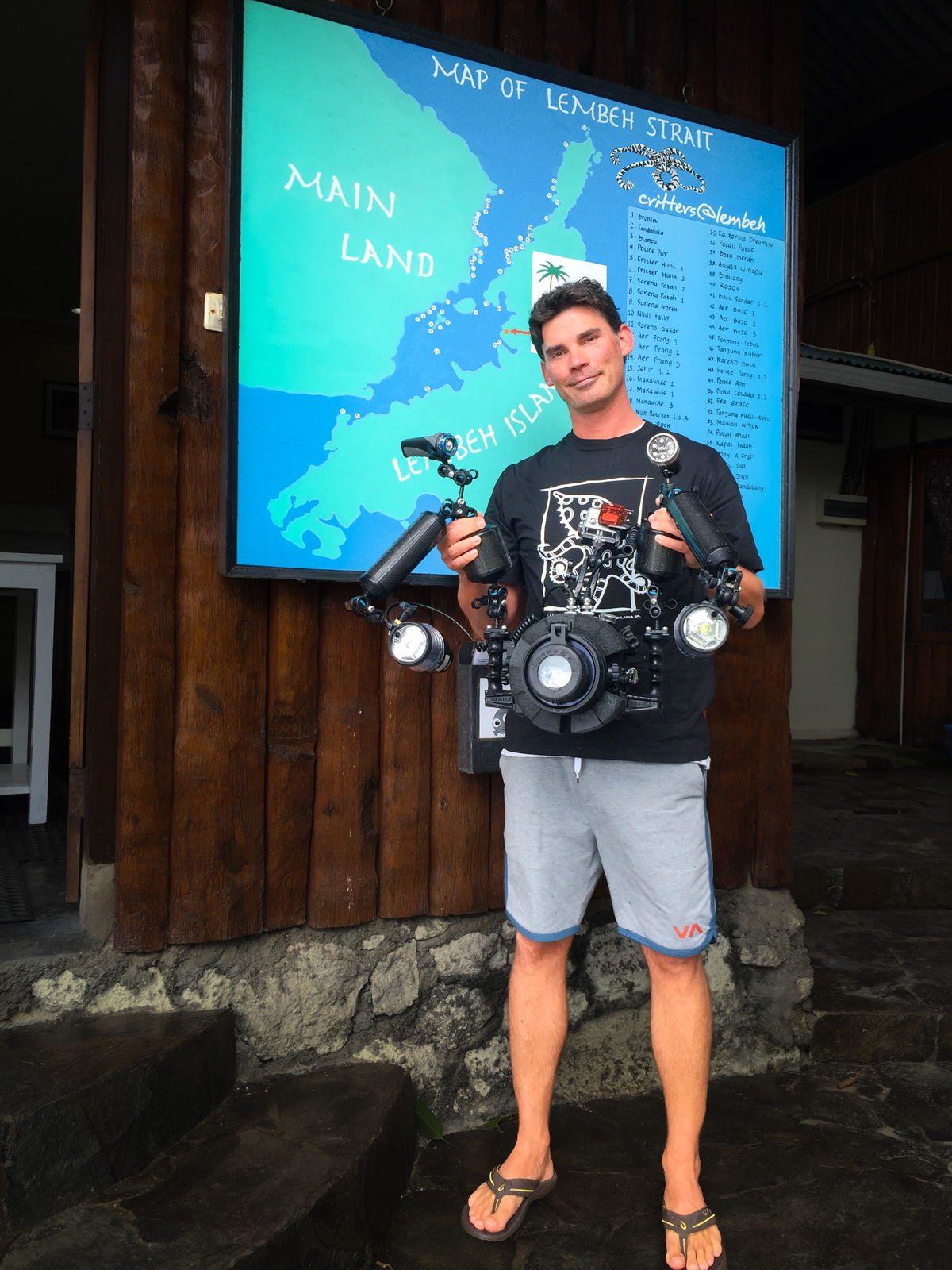
Honestly, probably not, and it is the most common expensive mistake made here. The subjects are small, slow and often invisible without a guide pointing. Without a camera there is not much to do with them.

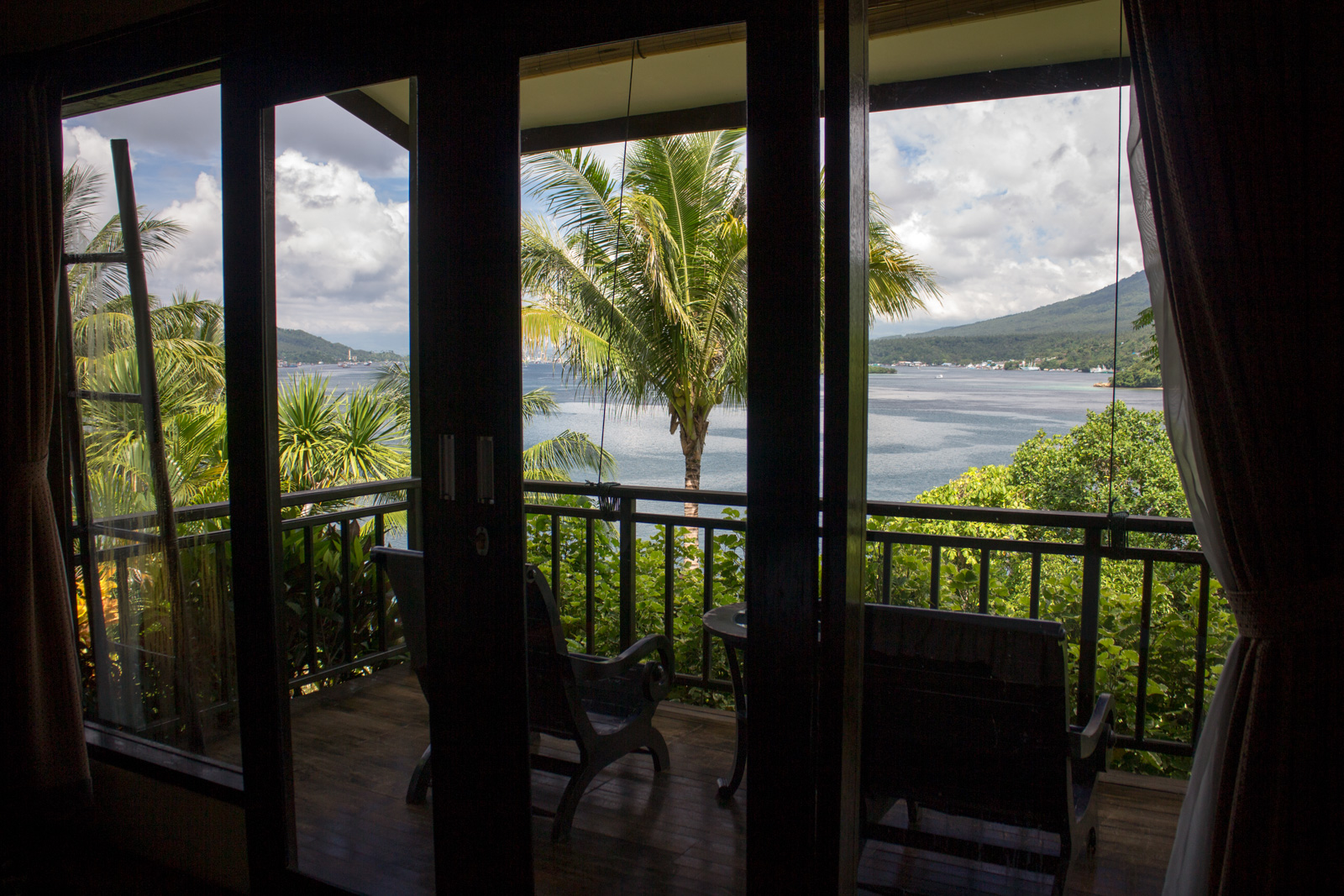
If you are travelling with a non-diver, plan for it before you book. The shoreline is muck and rock rather than beach.

02

How many dives a day?

Three or four, sometimes five. Profiles are shallow, so the schedule genuinely supports it, and the night diving is where a lot of the strangest animals appear.

03

Do I need my own macro setup?

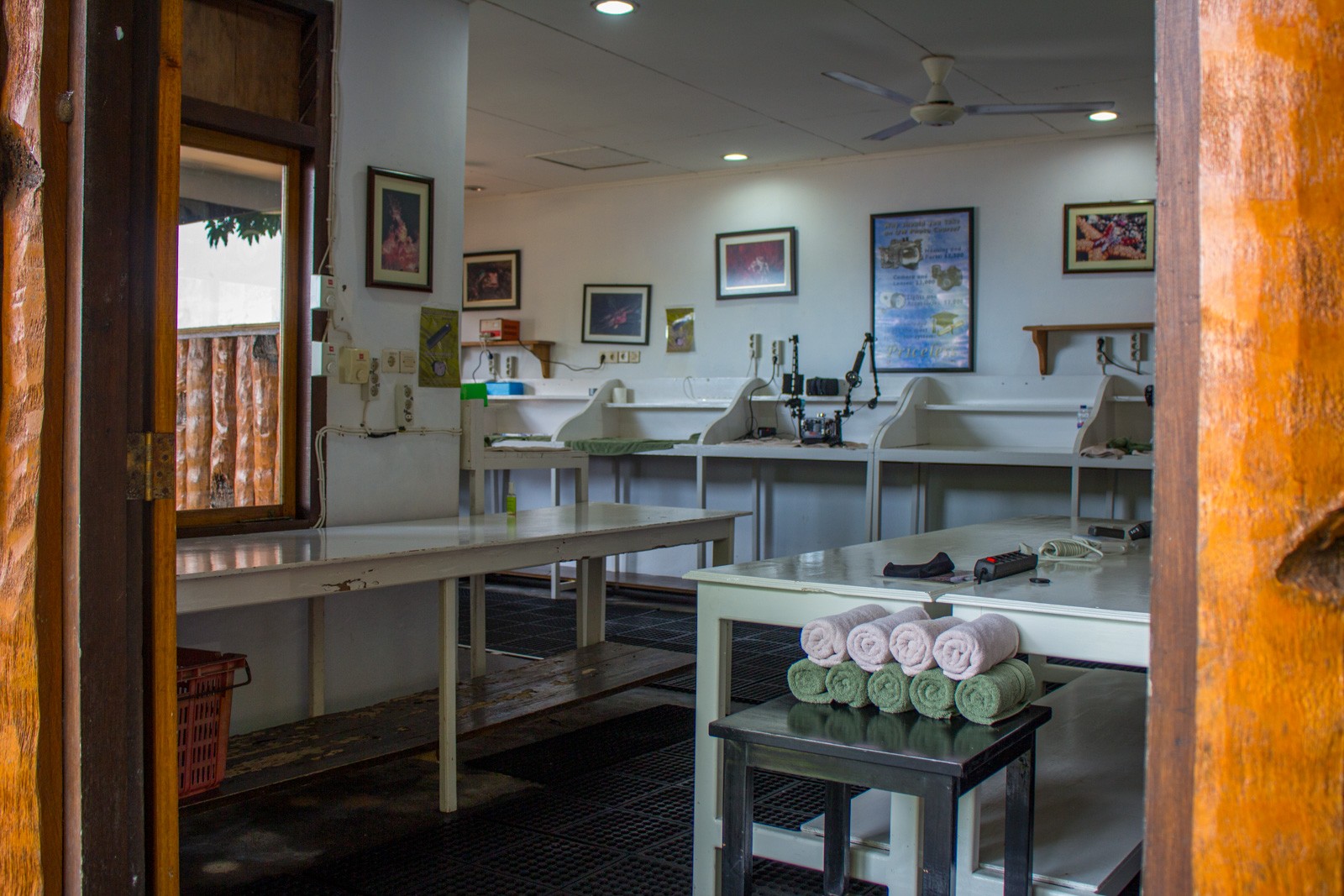
You will get far more from the week with one. A macro lens, a focus light and a snoot if you have one. The resorts have camera rooms and the guides are used to working around a rig.

04

How do I break up a week of black sand?

Bangka is an hour north and gives you soft coral and blue water. Murex run both, which makes the combination straightforward.

05

When should I go?

Year round. July to September is cooler and can be choppier in the strait; the critters do not go anywhere.

09Who it suits

And who should cheerfully book elsewhere

The right-hand column is the useful one. Misool is expensive enough that going for the wrong reason is an expensive way to find out.

Book it if

  • You shoot macro. Nowhere else on earth finds this much, this reliably. Guides here produce in an hour what a week of looking gives you elsewhere.
  • You want animals nobody at home has heard of. The species list here reads as invented.
  • You are patient. The guides find things you would swim over a hundred times, and the reward comes from sitting still once they have.
  • You will add Bangka or Siladen. One week of muck is perfect; two is a lot.

Book elsewhere if

  • You are not a photographer. Said plainly, because it is the most common mistake made here. Without a camera the subjects are small, slow and often invisible.
  • You want a beach. The shoreline is muck and rock and the resorts are honest about it.
  • You came for reefscapes. There is no wide-angle diving in the strait — that is Bangka, an hour north.
  • Your partner does not dive. This is the hardest destination on the site to bring a non-diver to, and it is worth saying before you book rather than after.
10Getting there

Flights, transfers and what to sort first

Most trips begin through Manado, then a short road and boat transfer into the strait.

Getting there
Manado (MDC), then road and boat into the strait. Straightforward, which is part of why it works for repeat trips.
Expectations
This is muck diving and that is the point. Arrive wanting walls and you are in the wrong place.
Nitrox
Worth it. Longer bottom times mean better photographs, not deeper ones.
Gear
Macro and super-macro, snoot, and a focus light you trust. Leave the dome at home.
Combine it
Manado also reaches Bunaken and Bangka. Three areas, one set of flights.
Prototype — not live