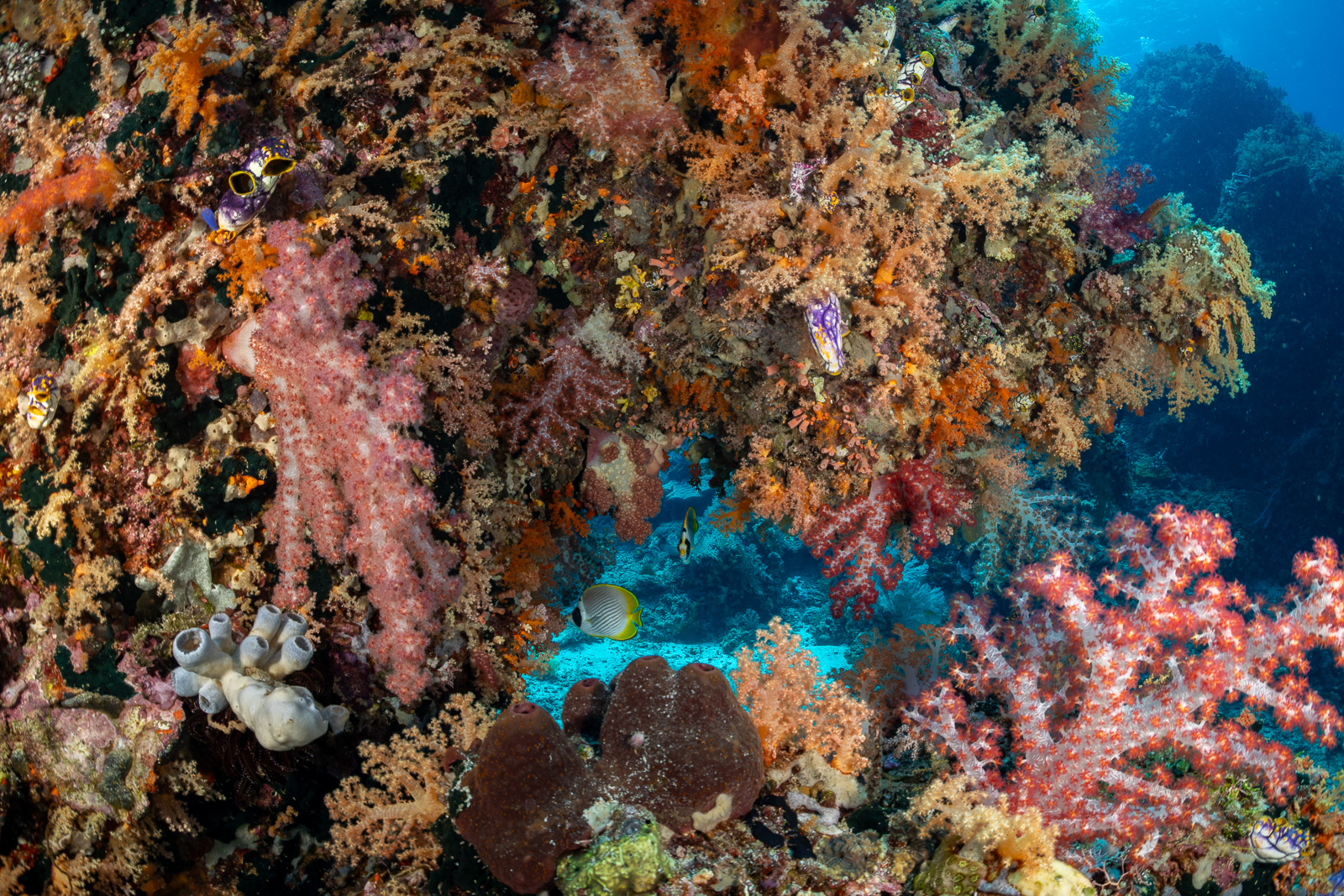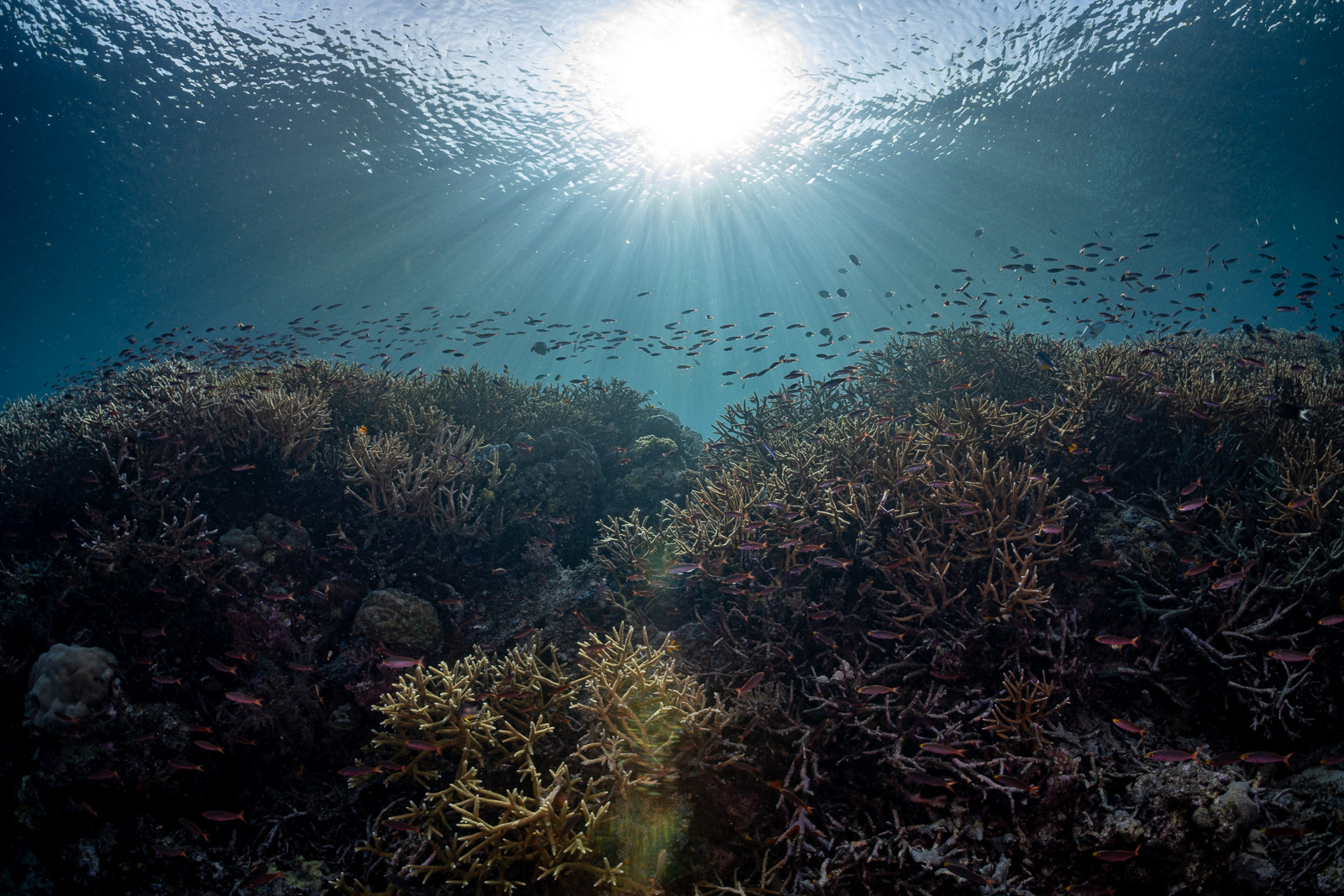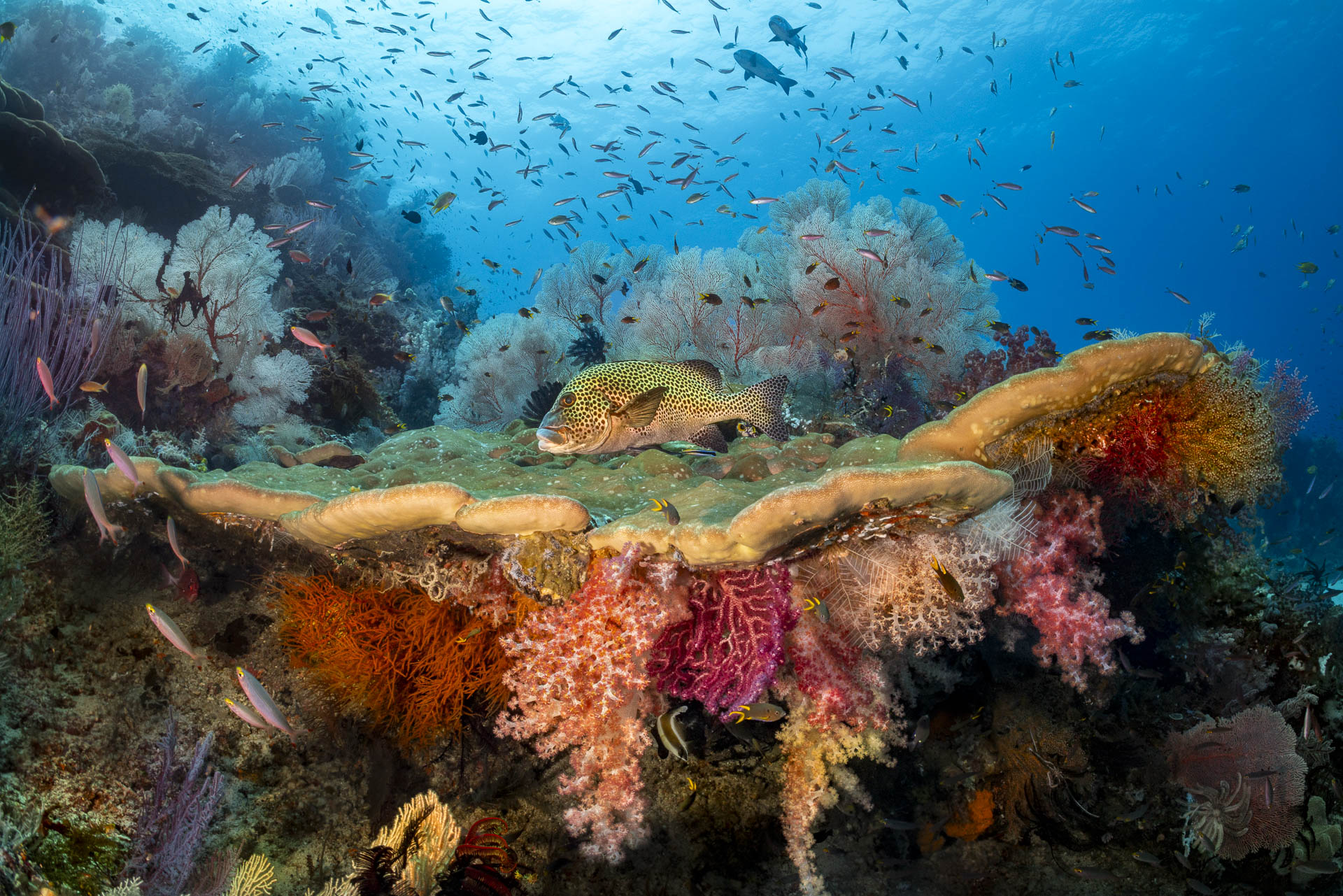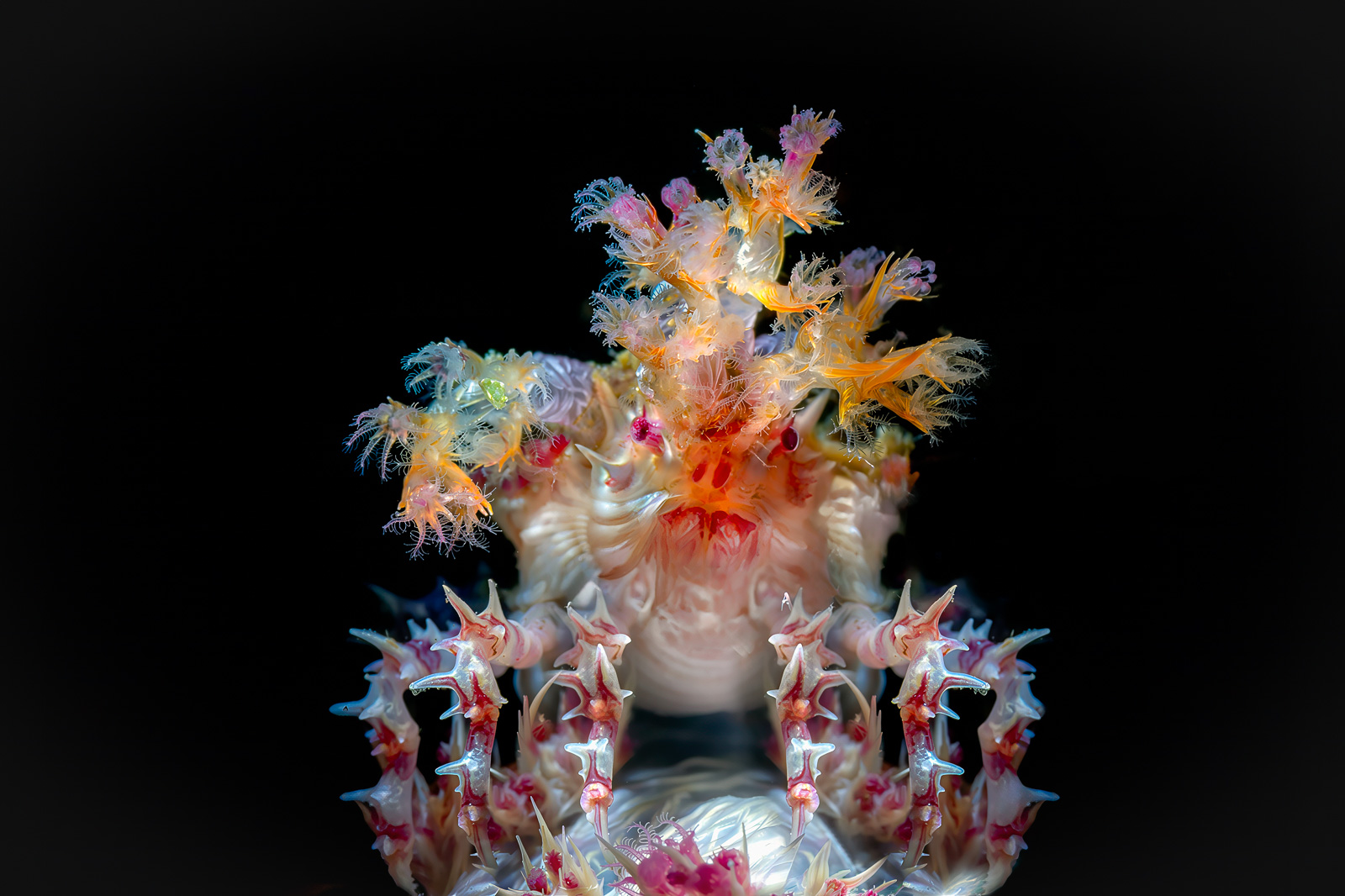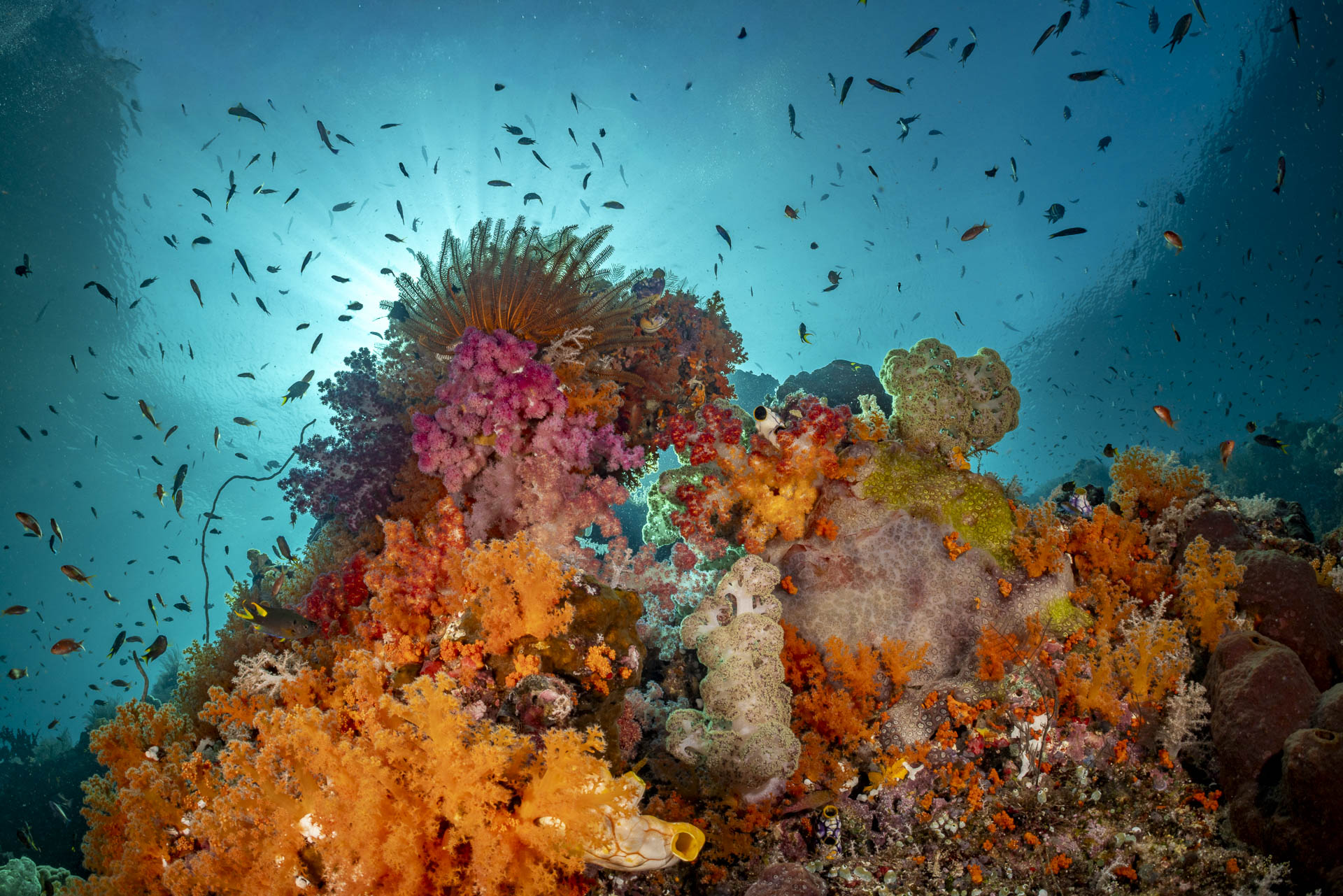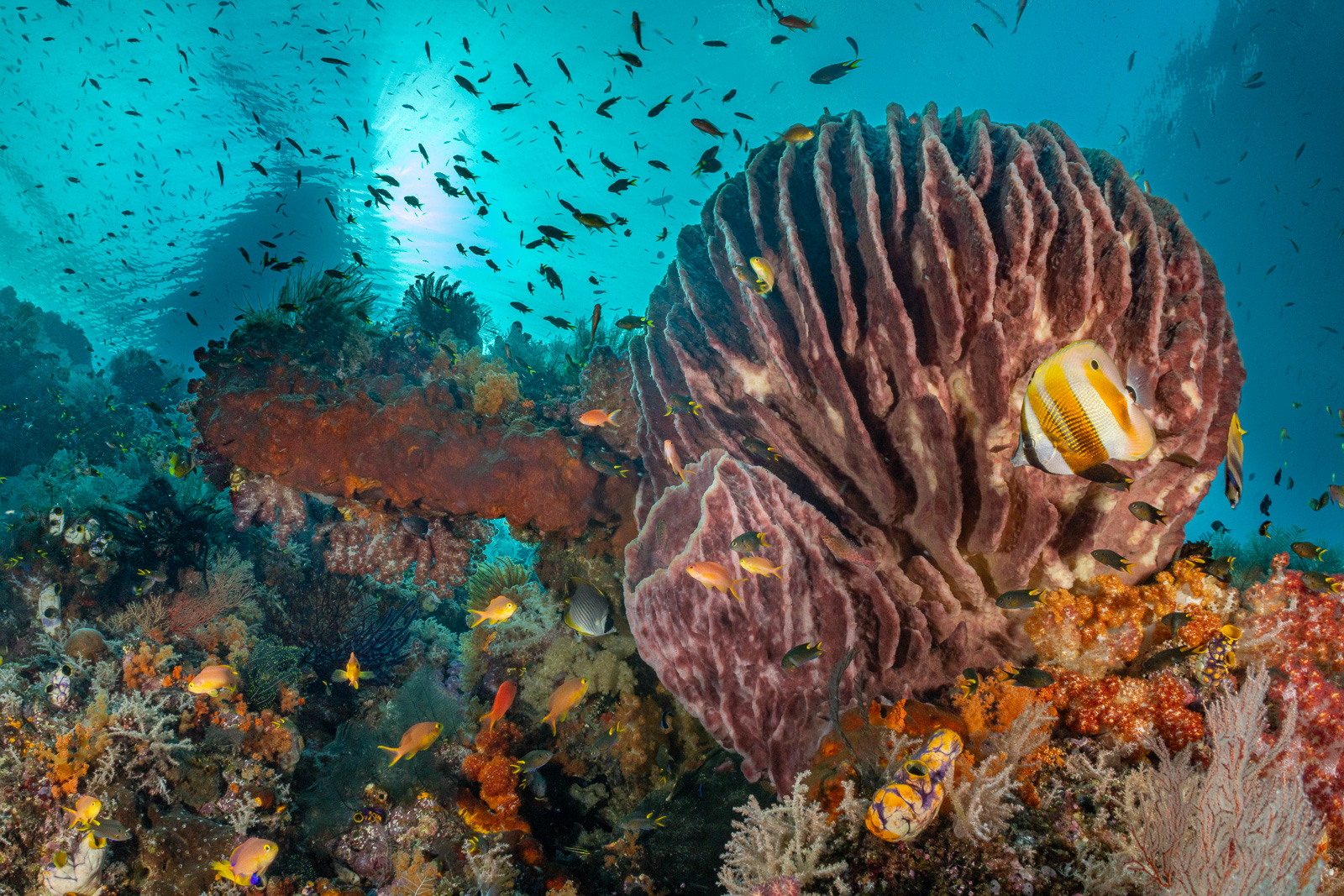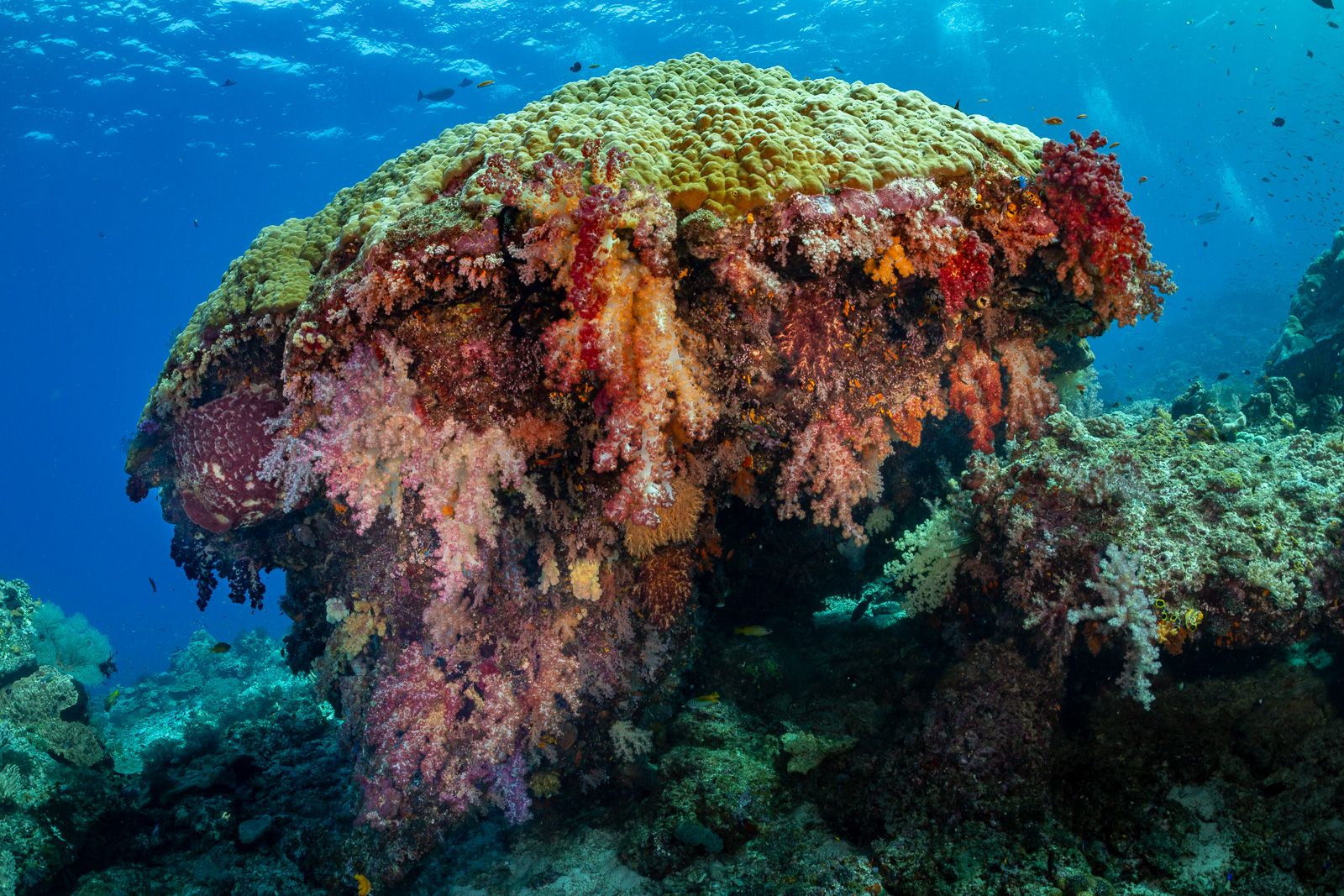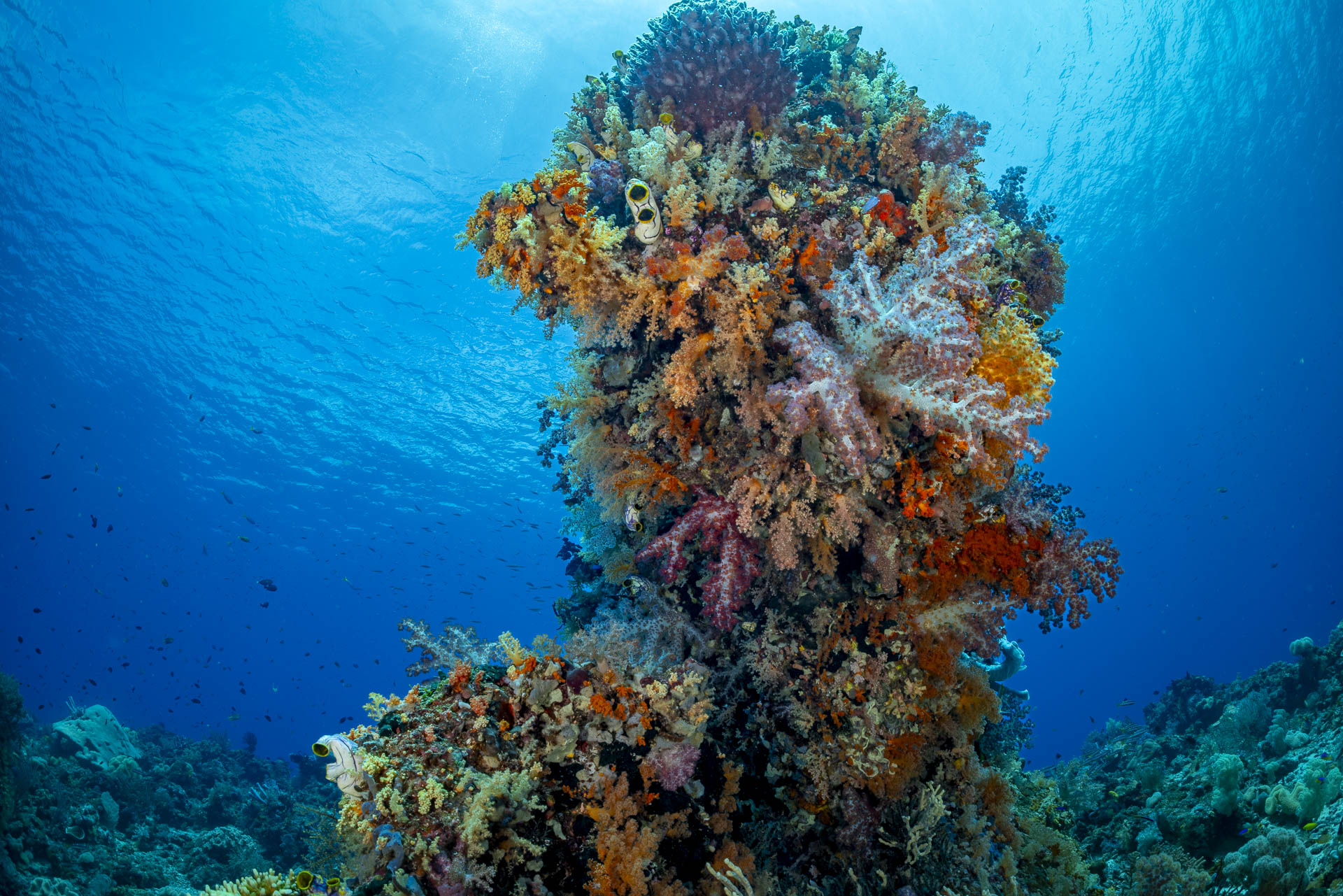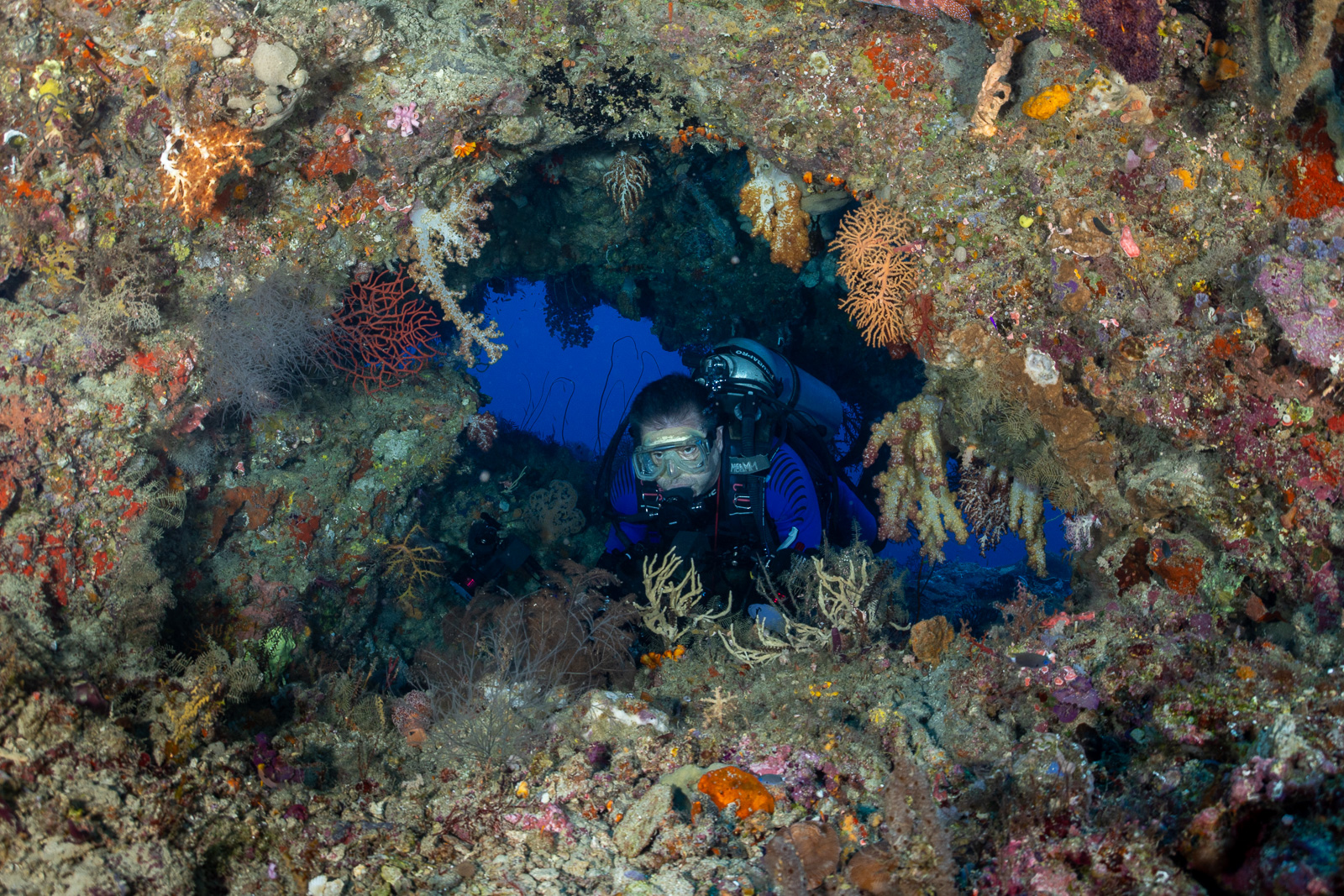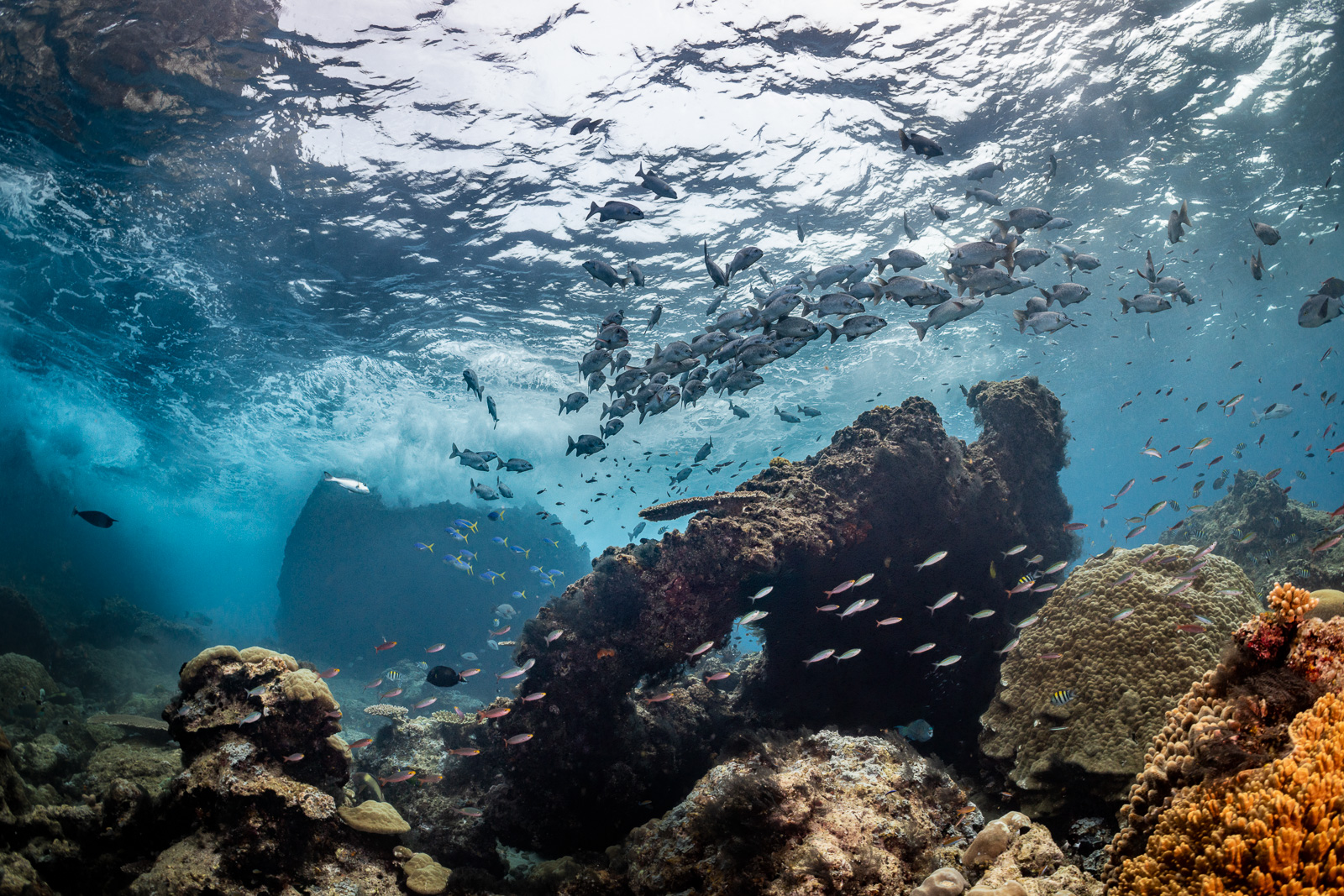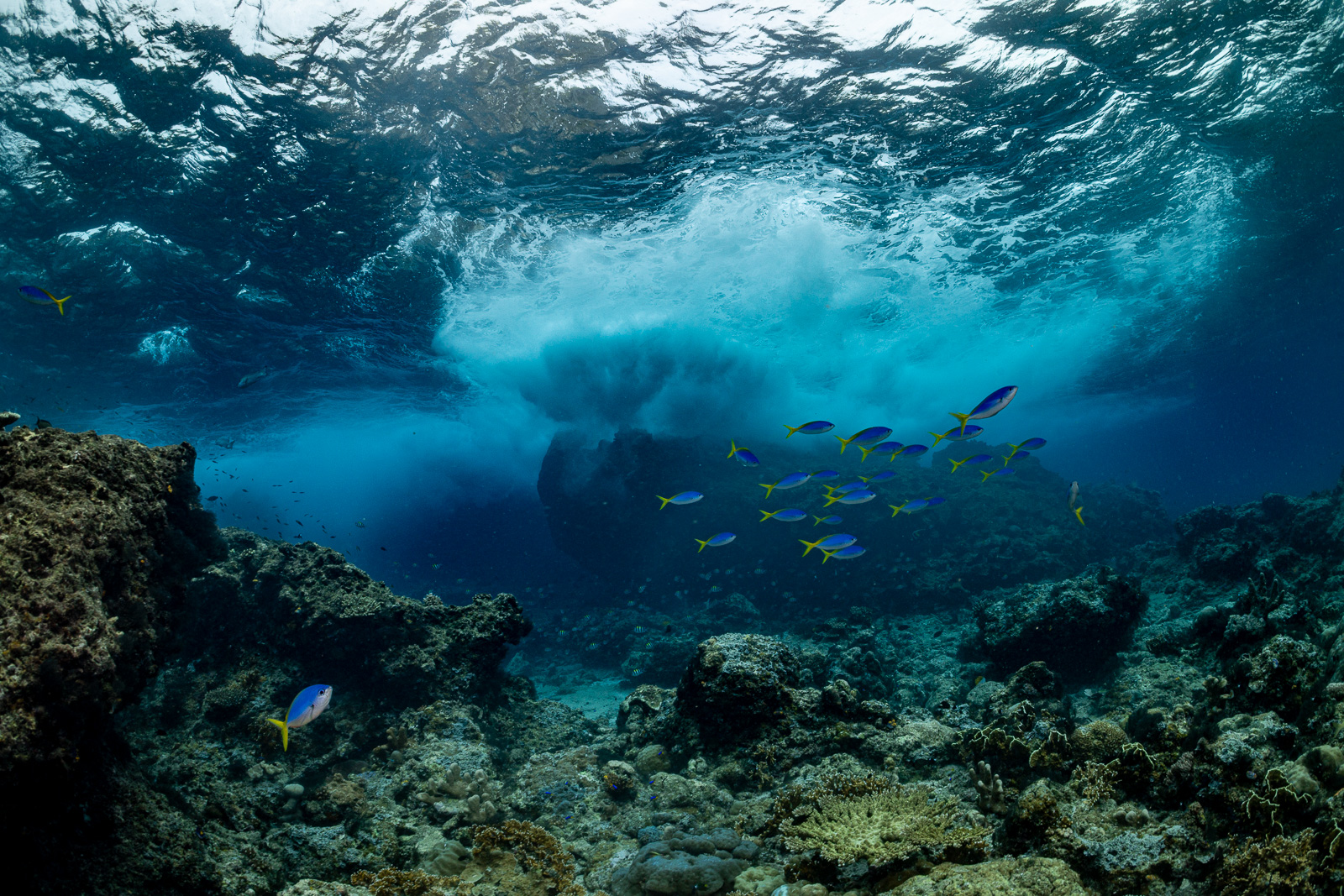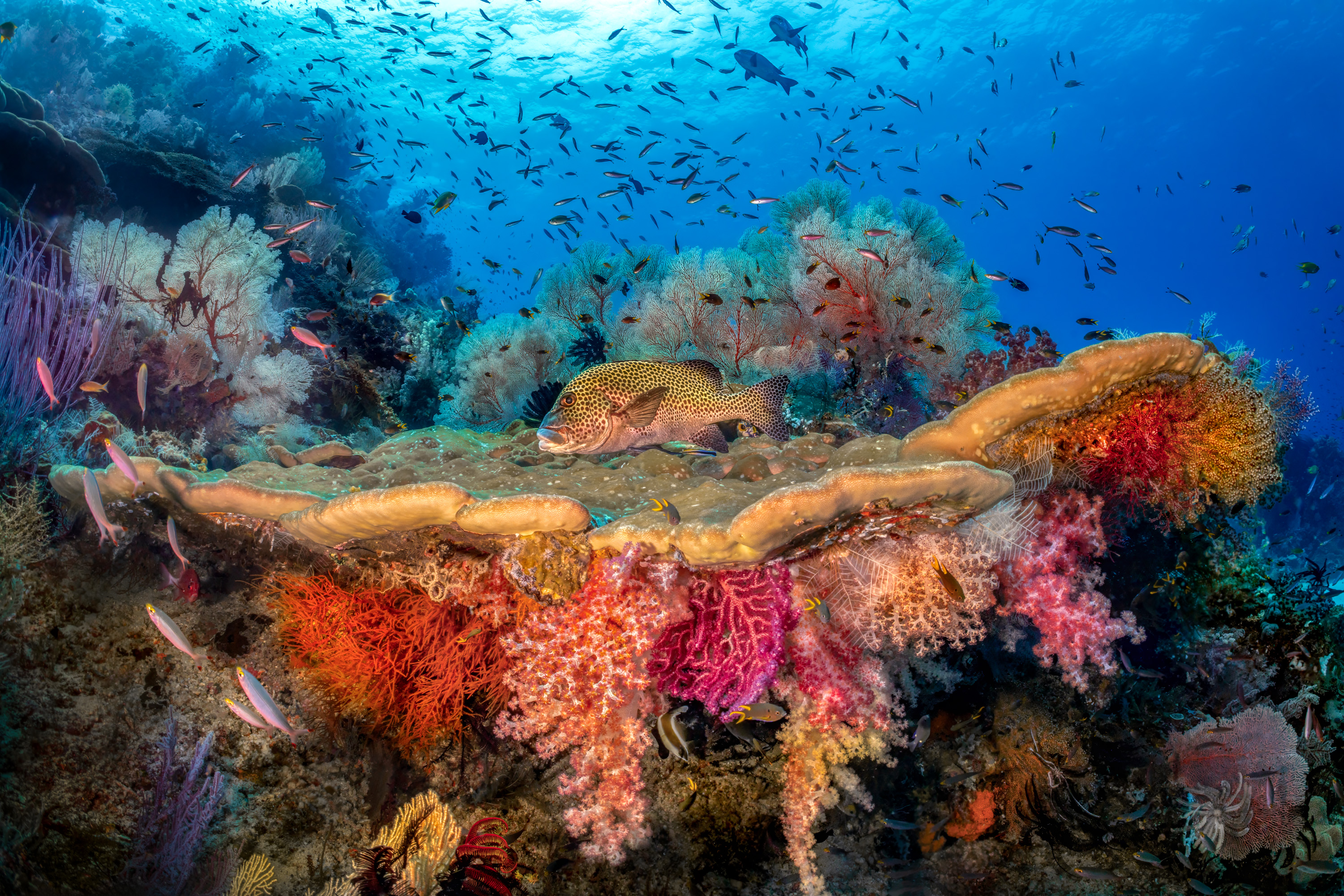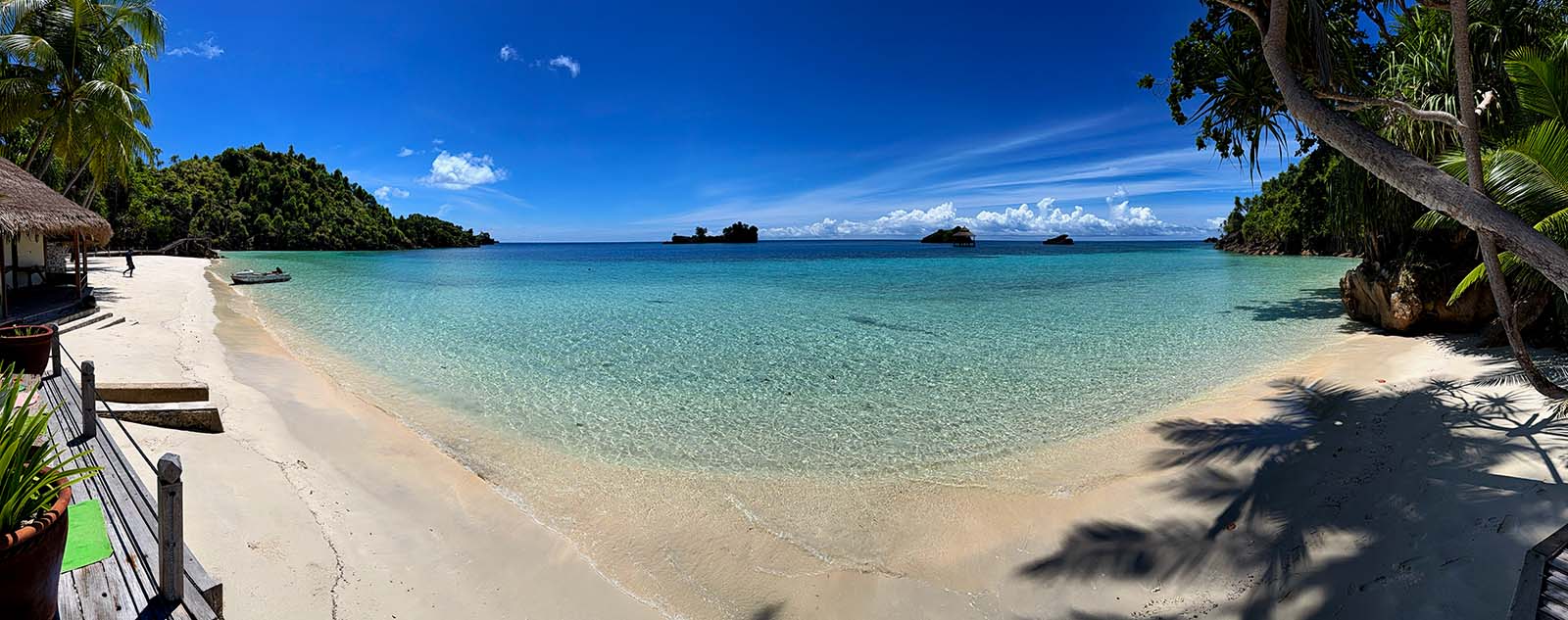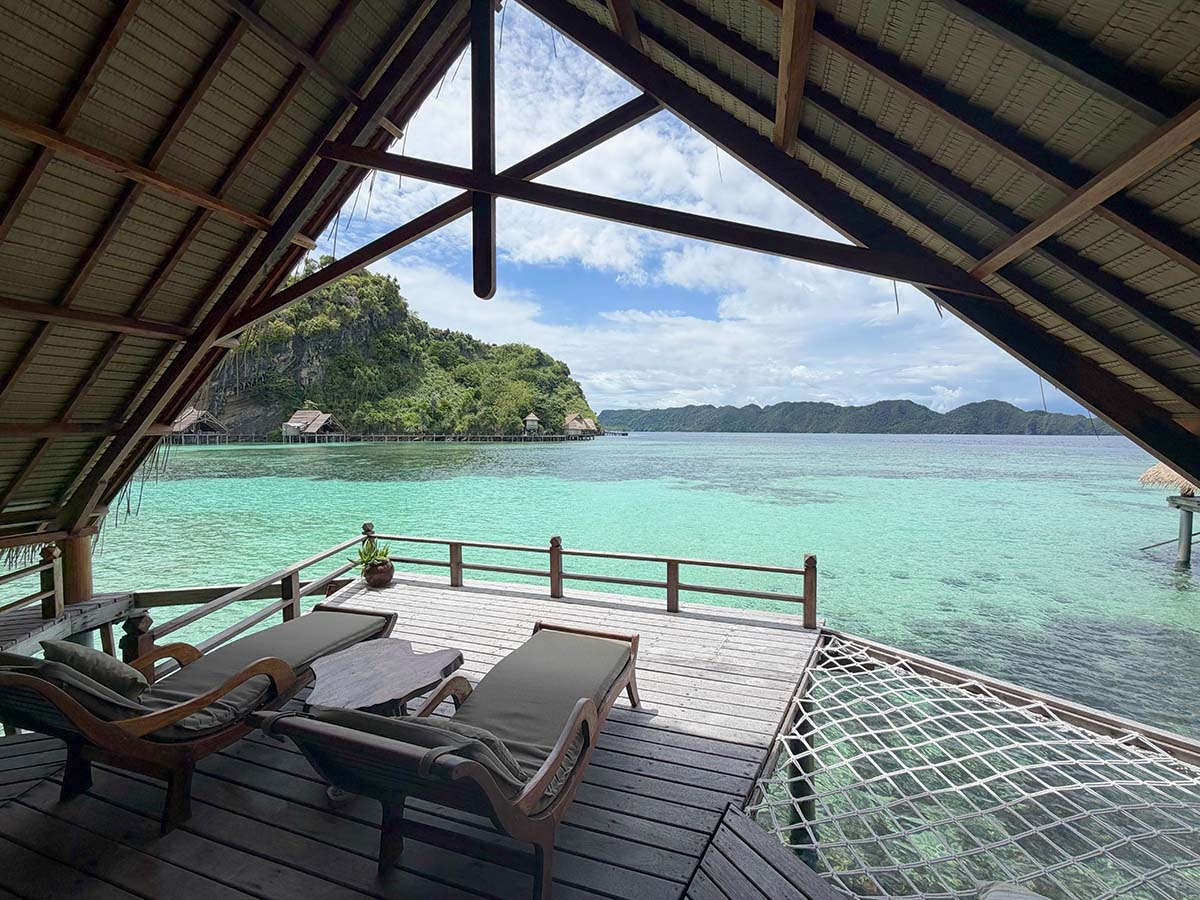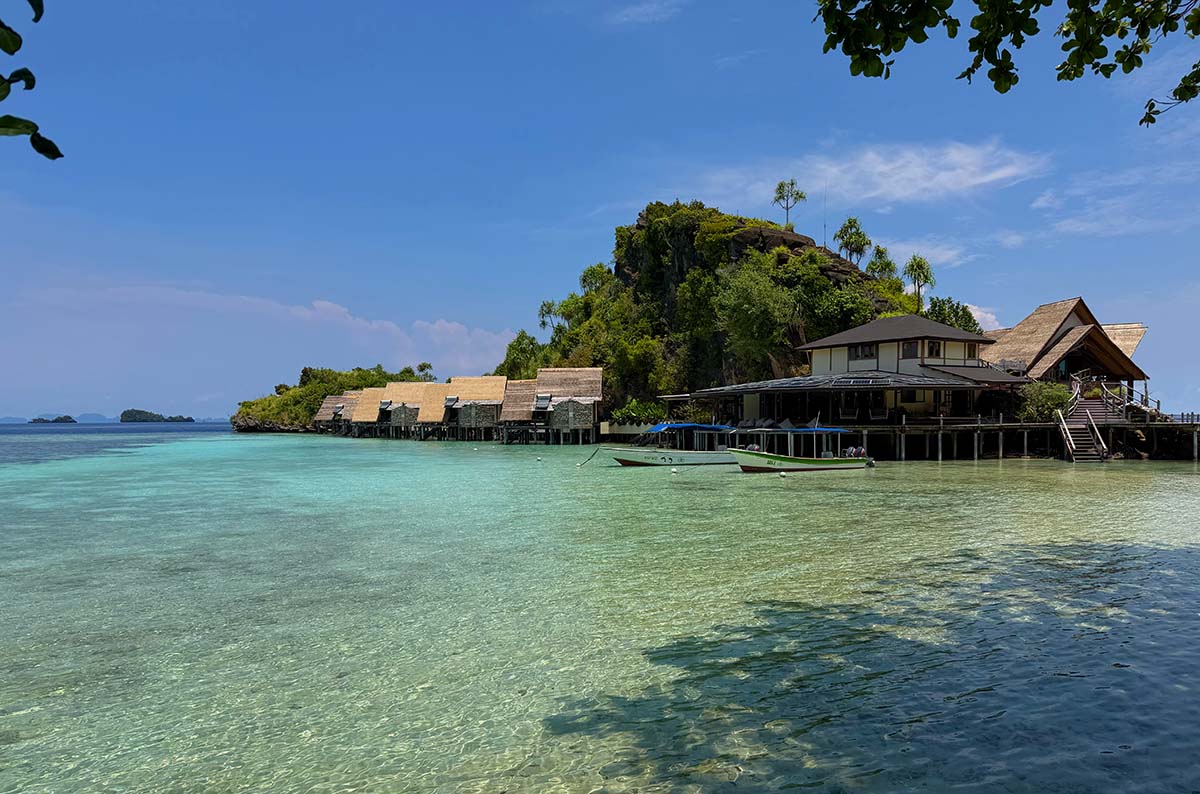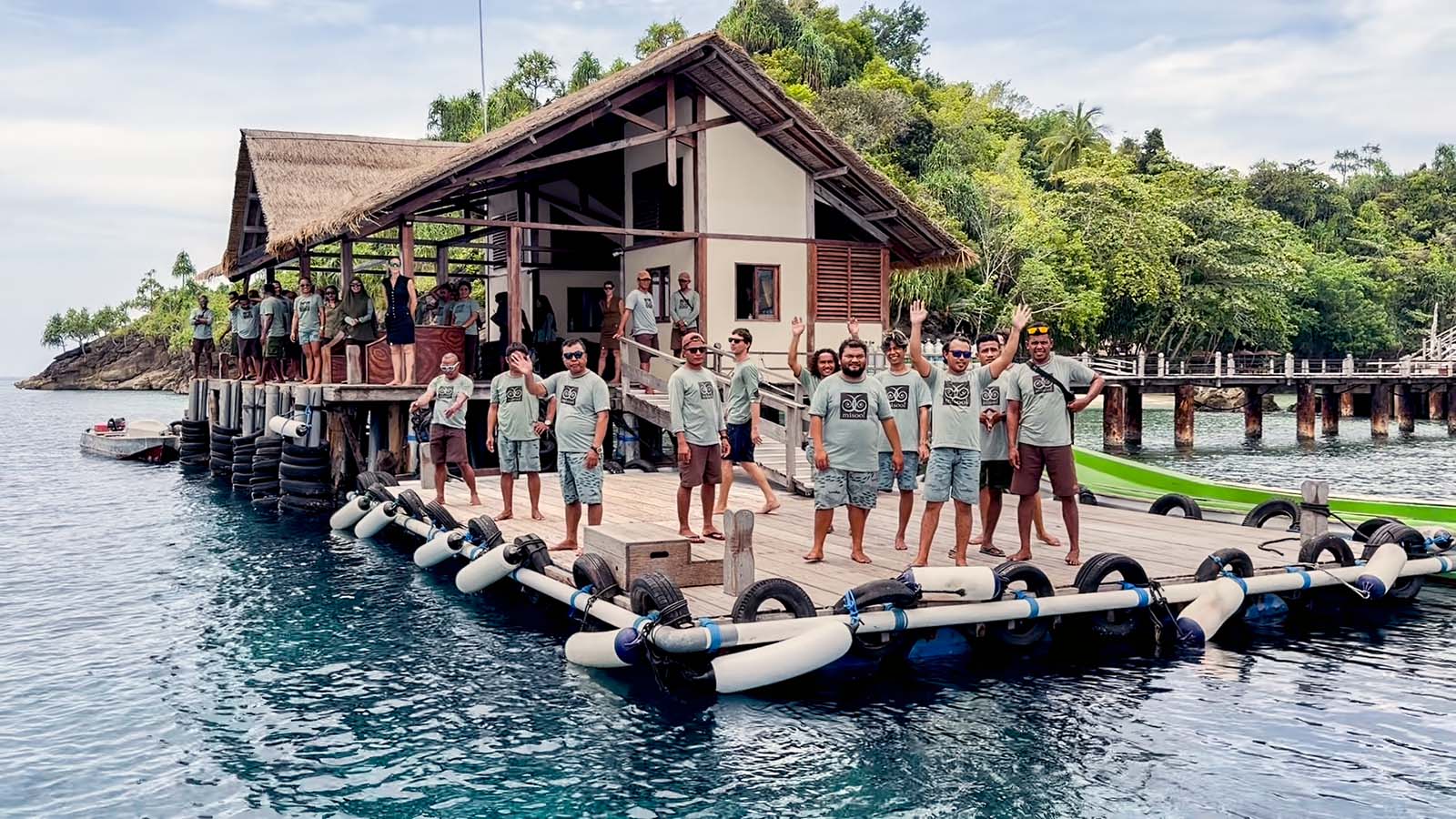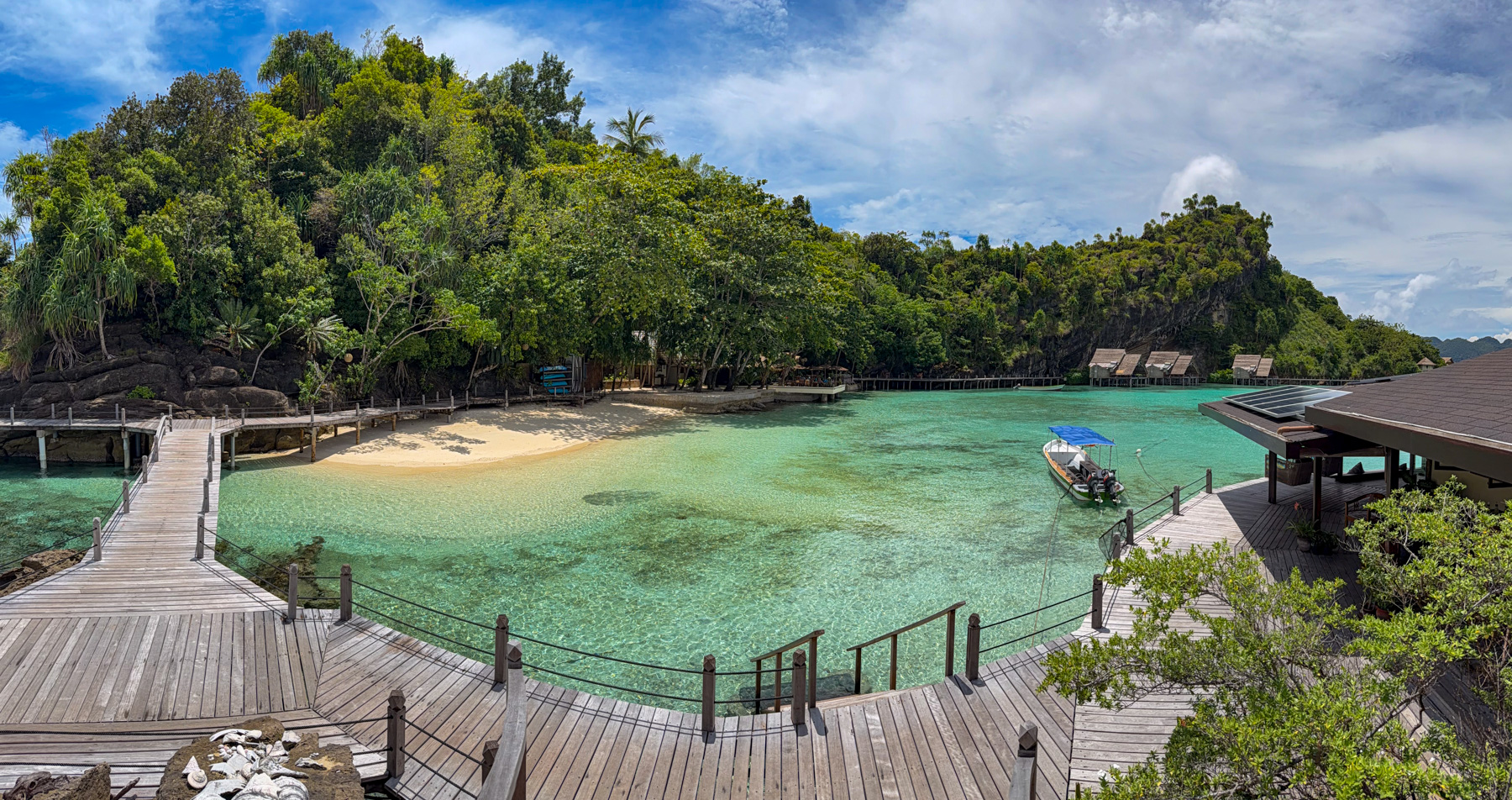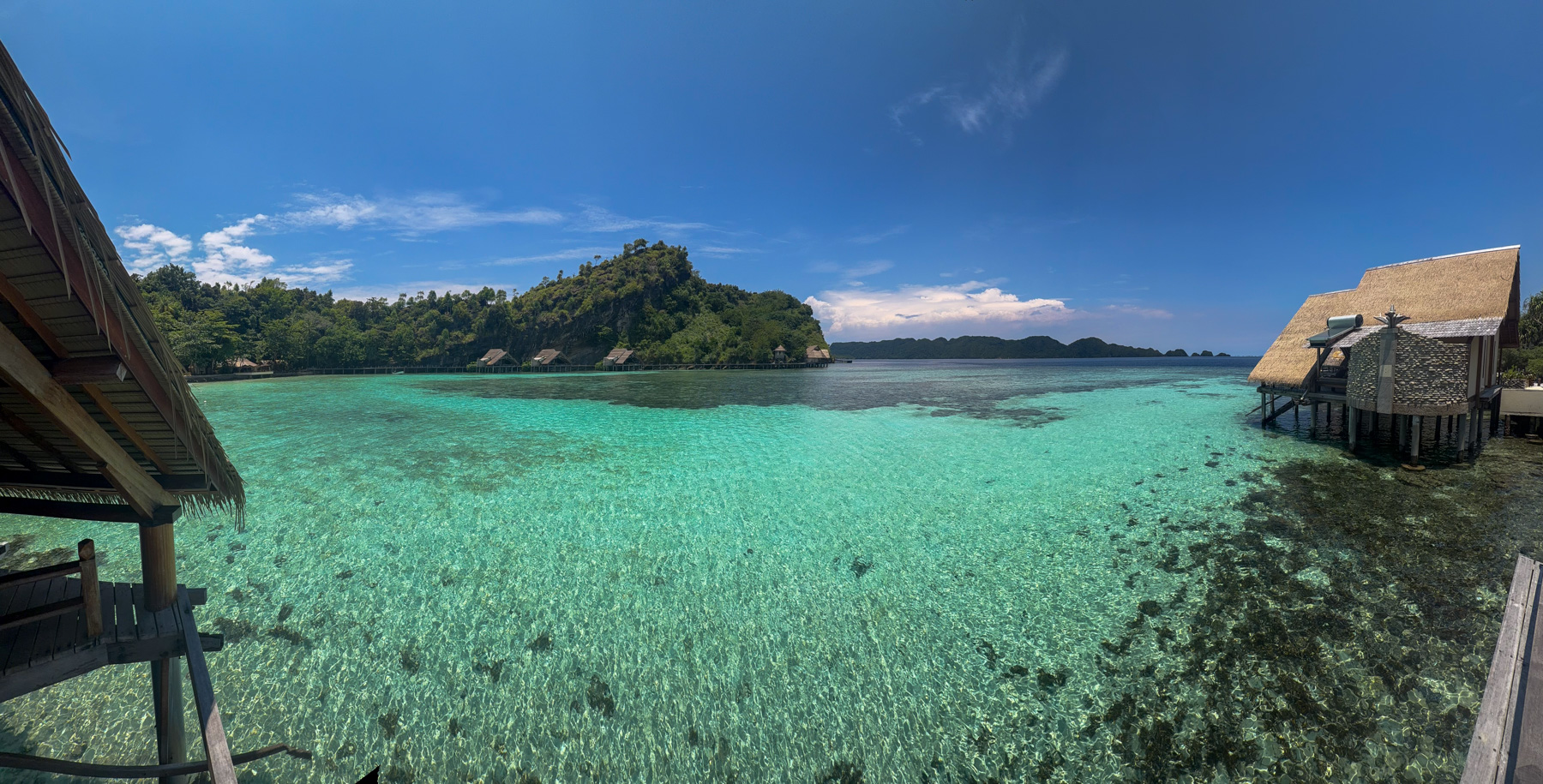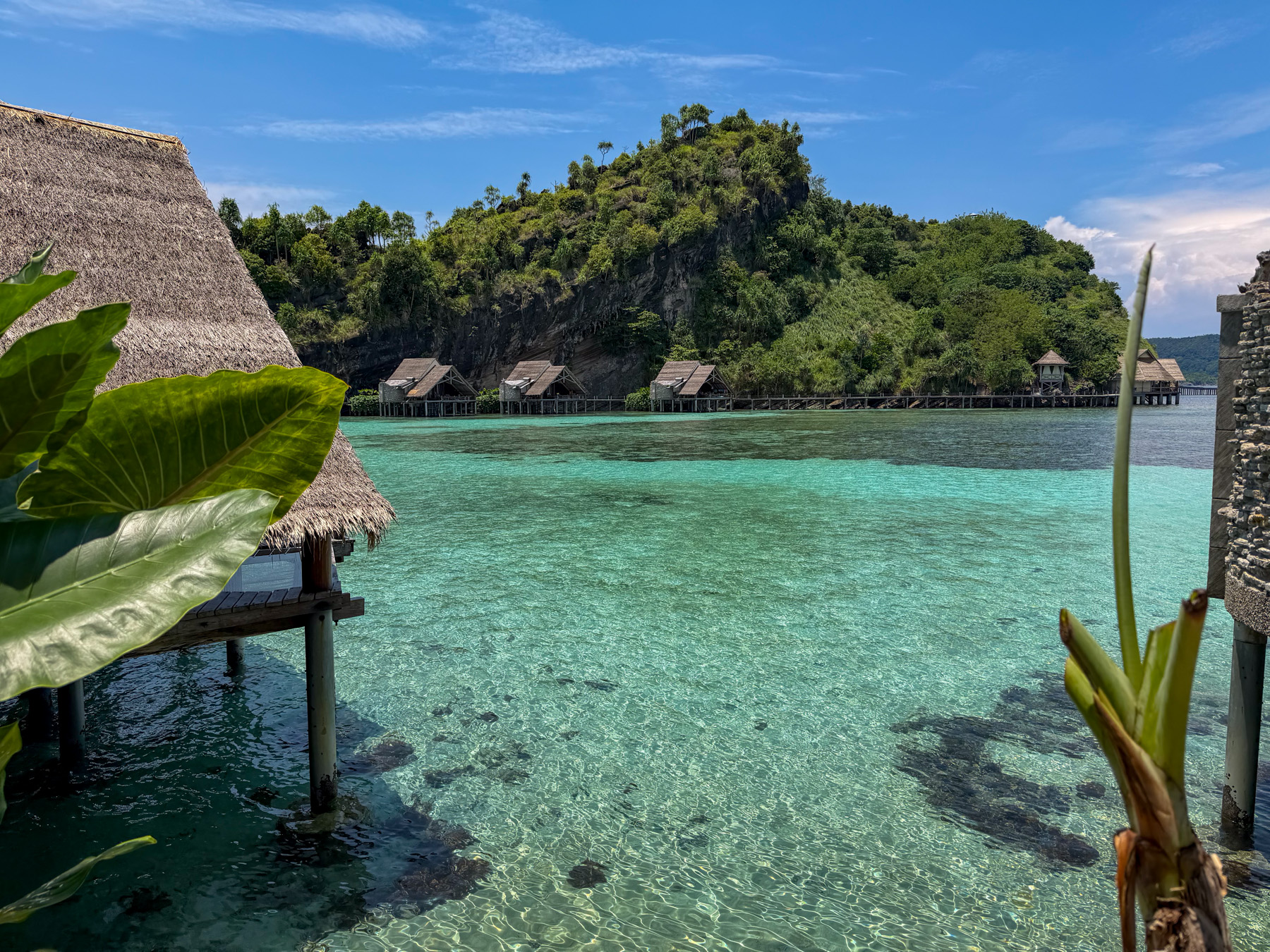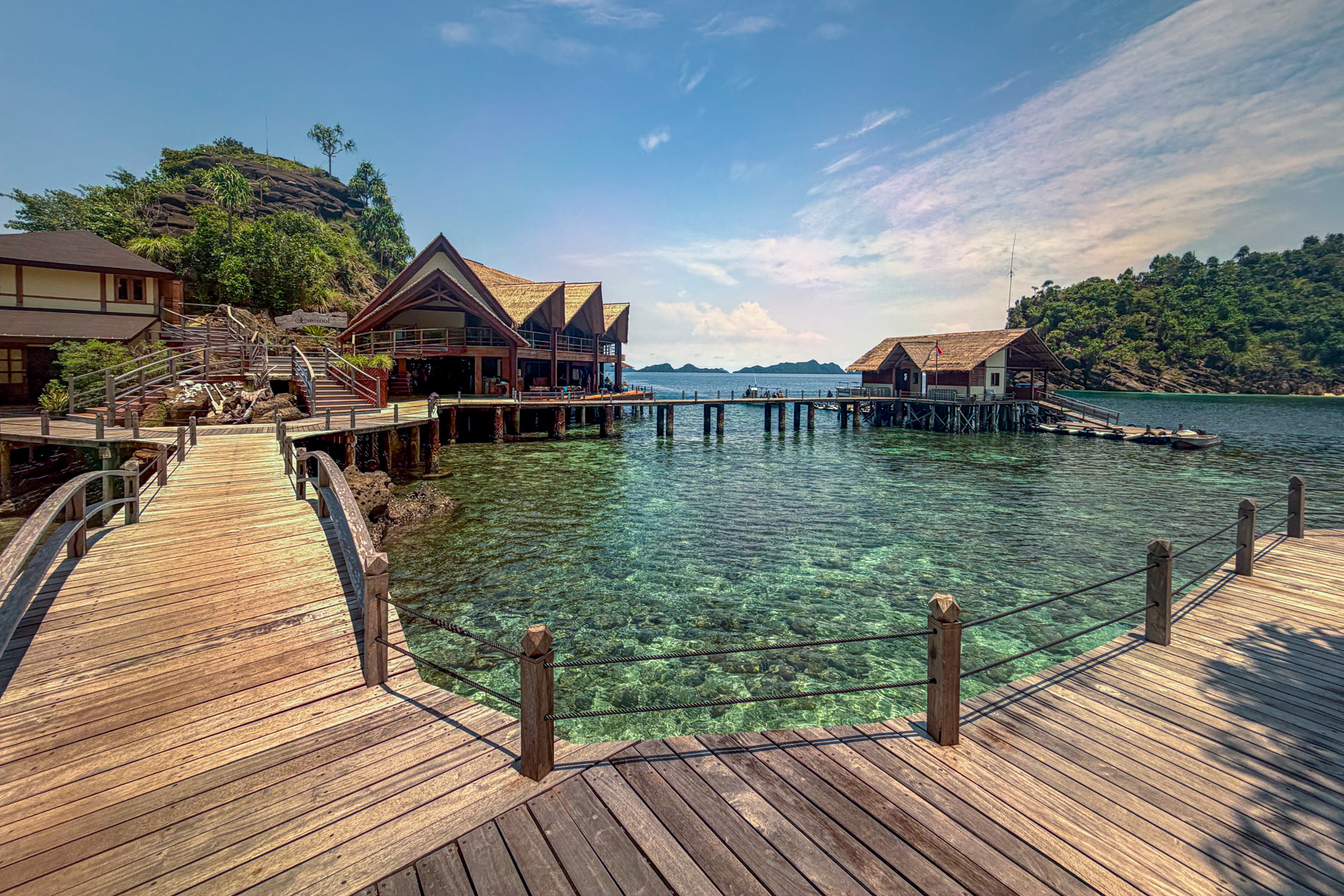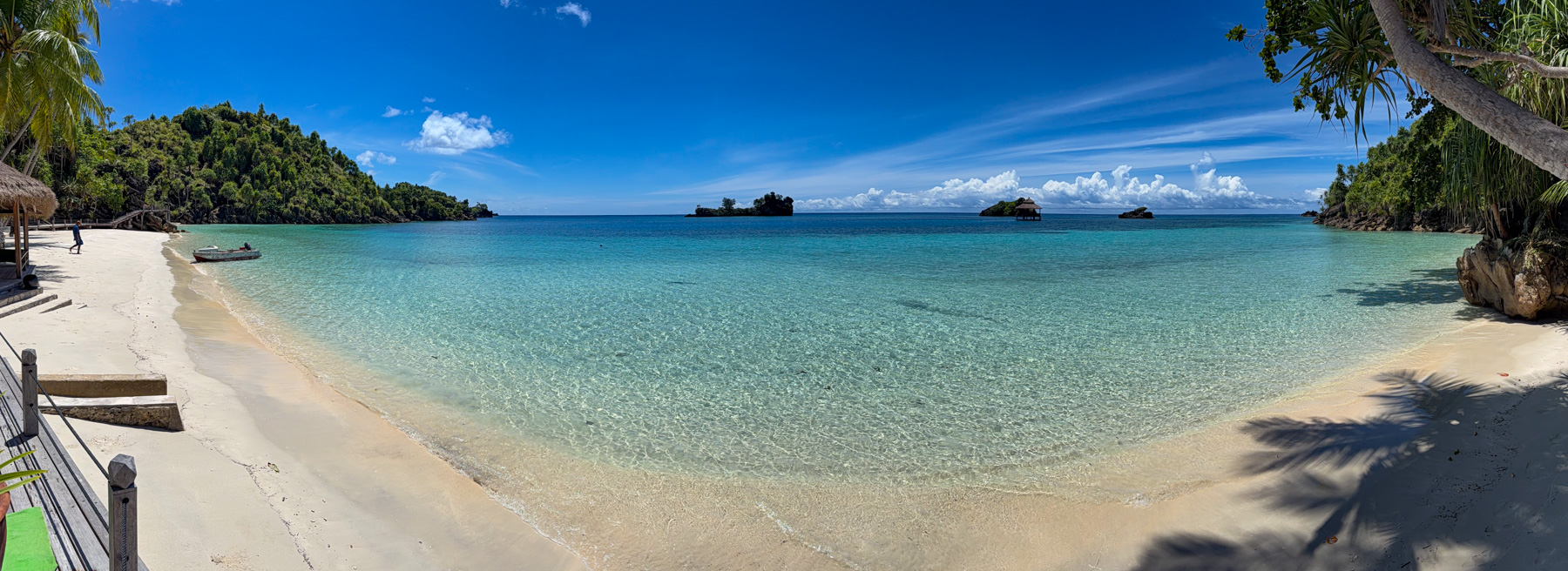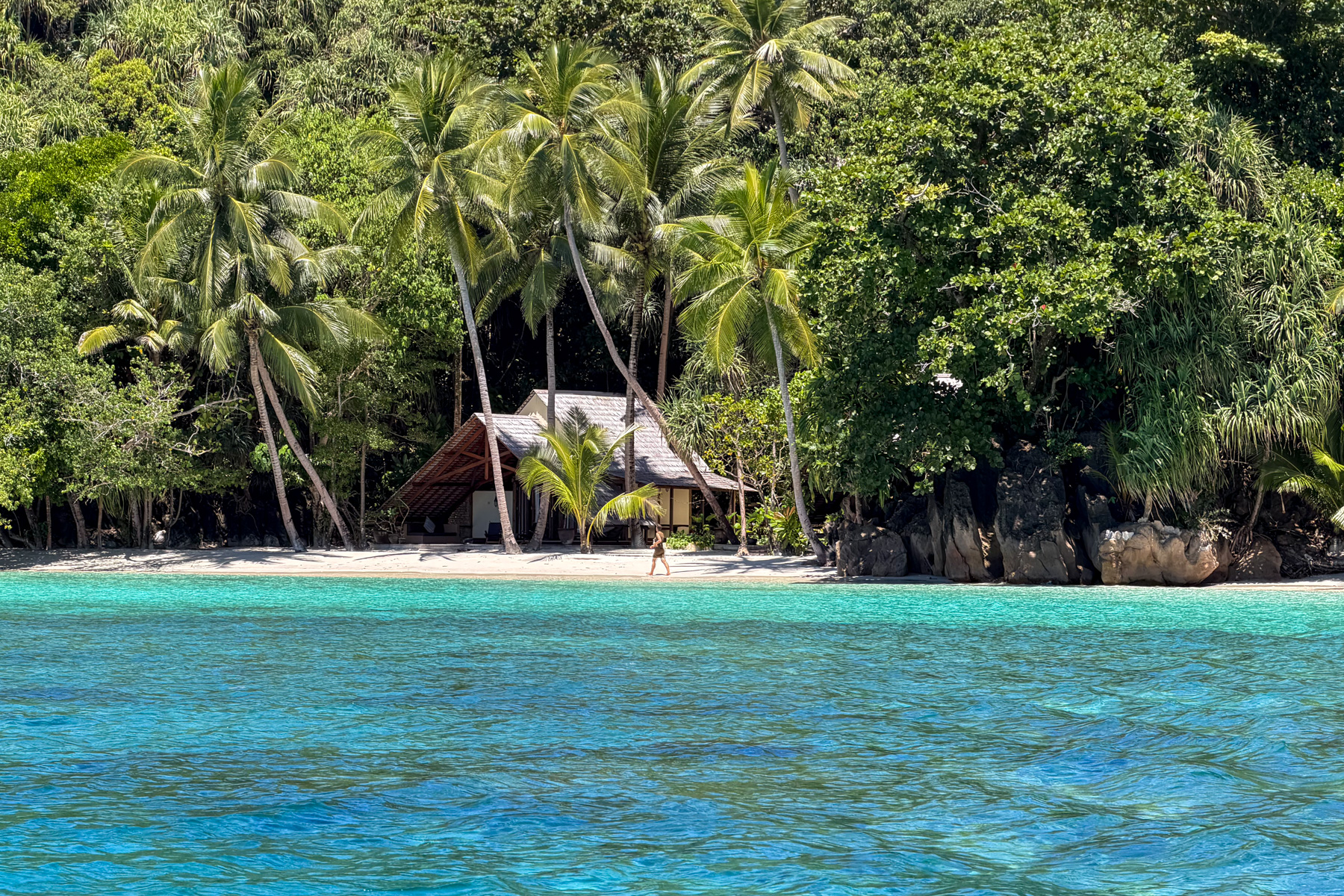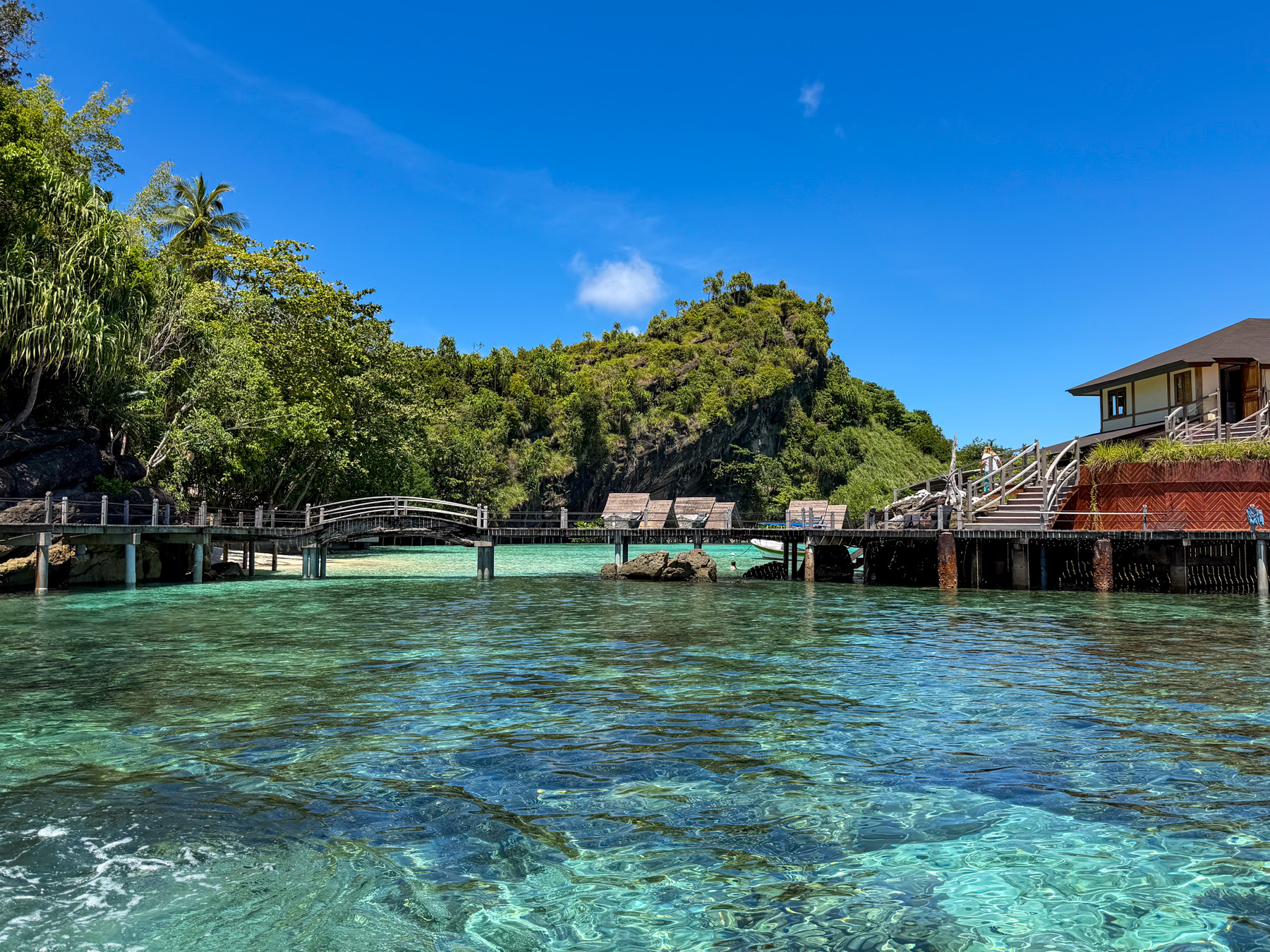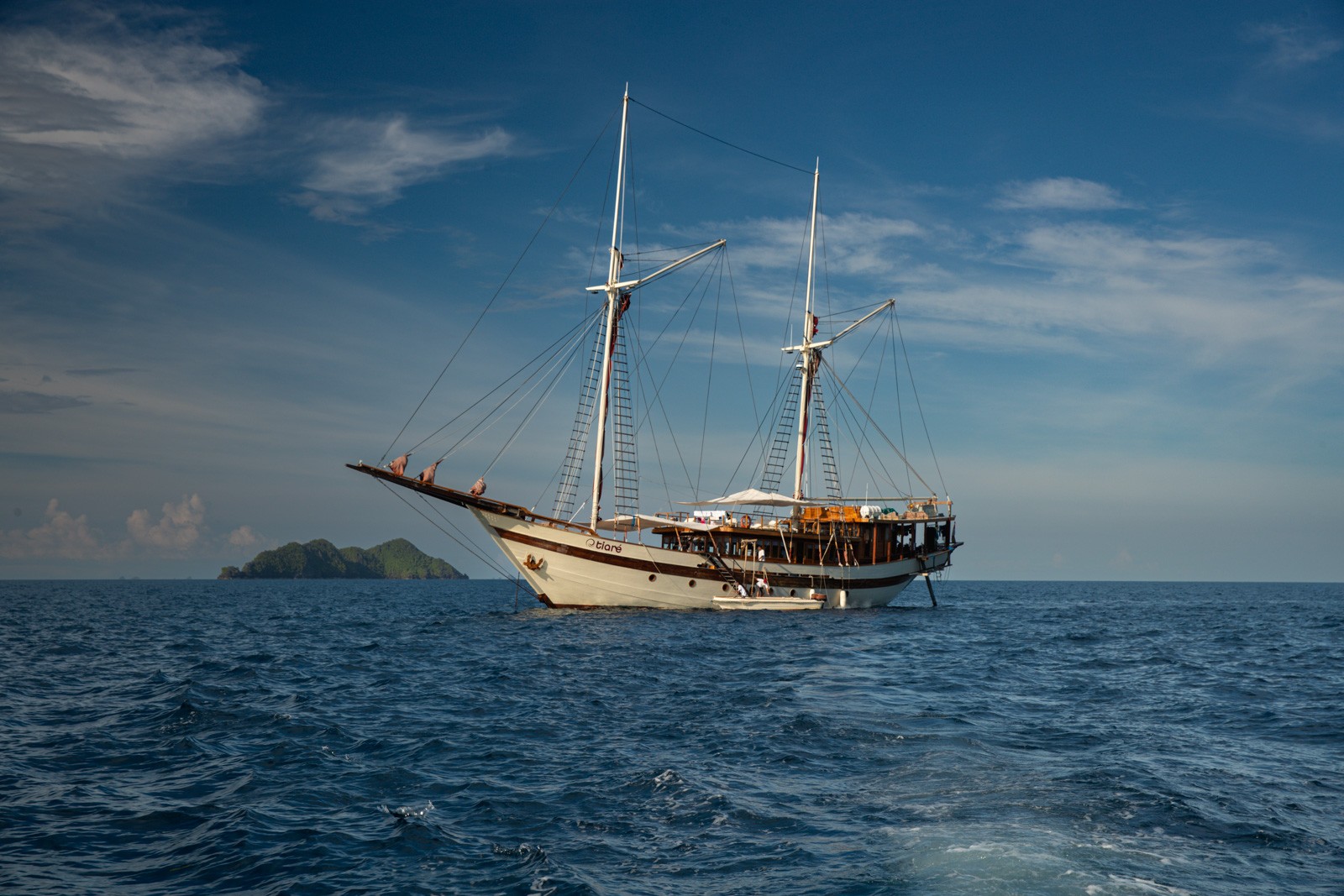
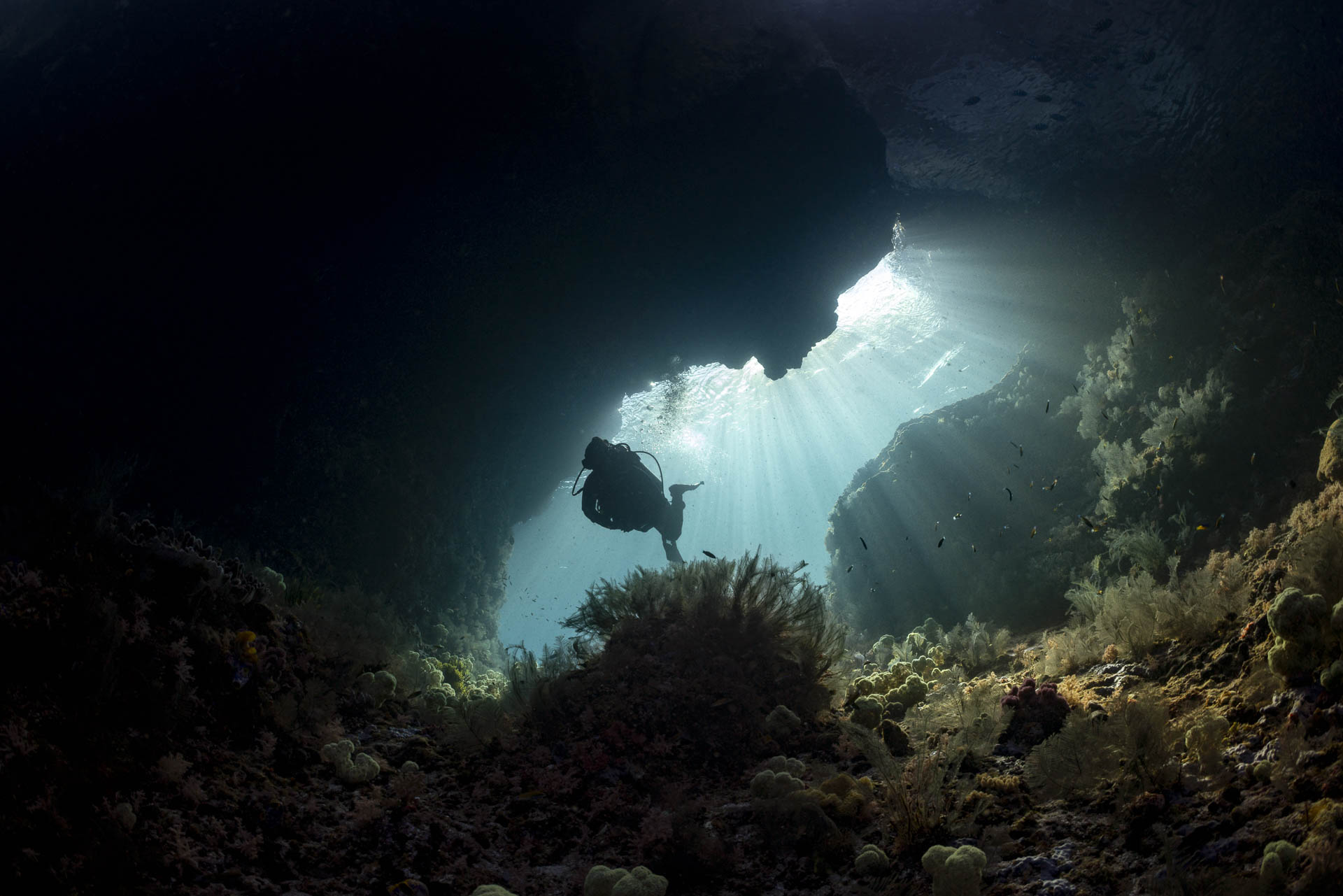
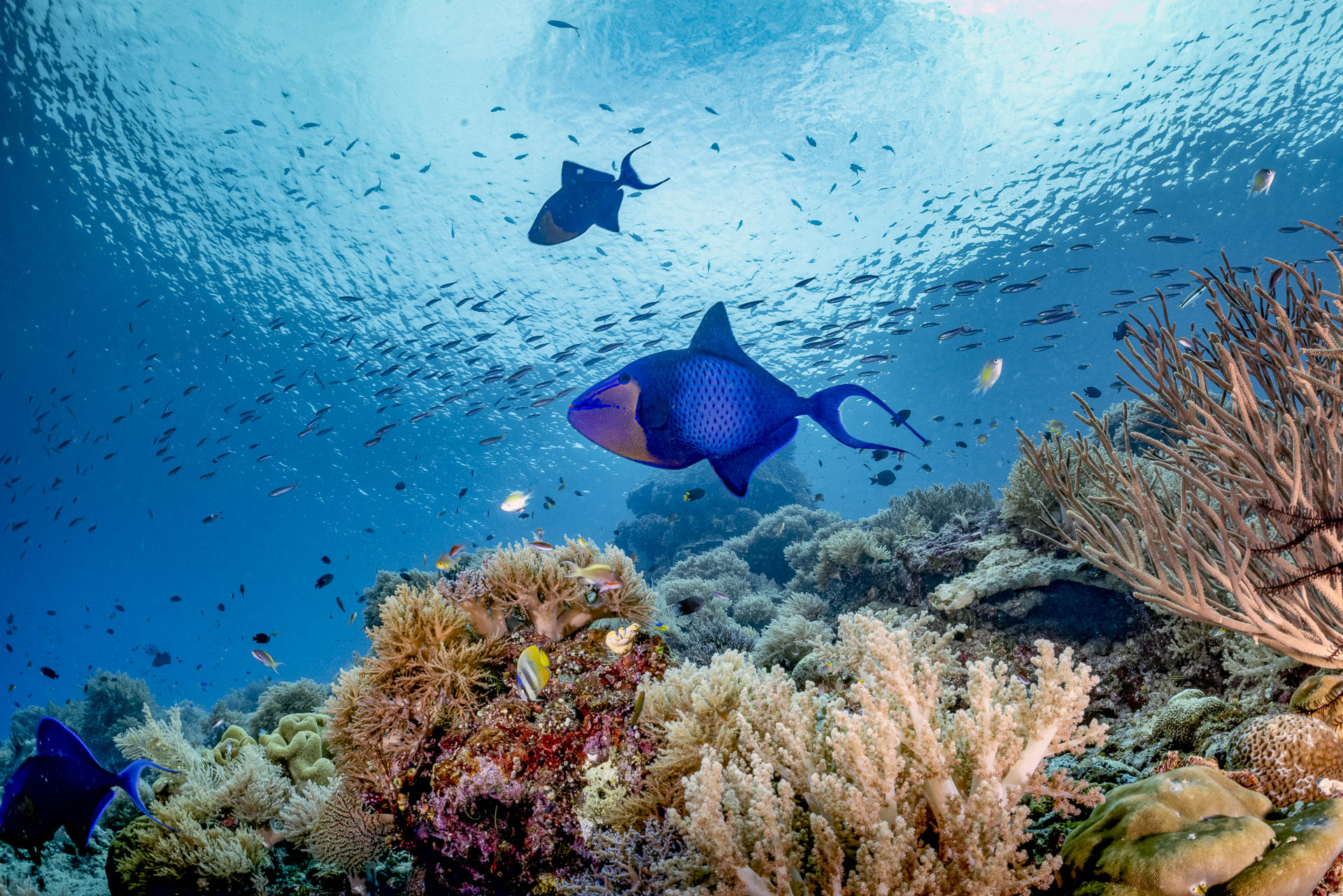
Twenty years ago these waters were a shark-finning camp. Men worked these reefs cutting fins and dumping the bodies, and what the finners left, dynamite and gillnets took. The zebra sharks went early. Slow, docile and asleep on open sand where anyone could reach them, they went until so few remained that the population could no longer rebuild itself.
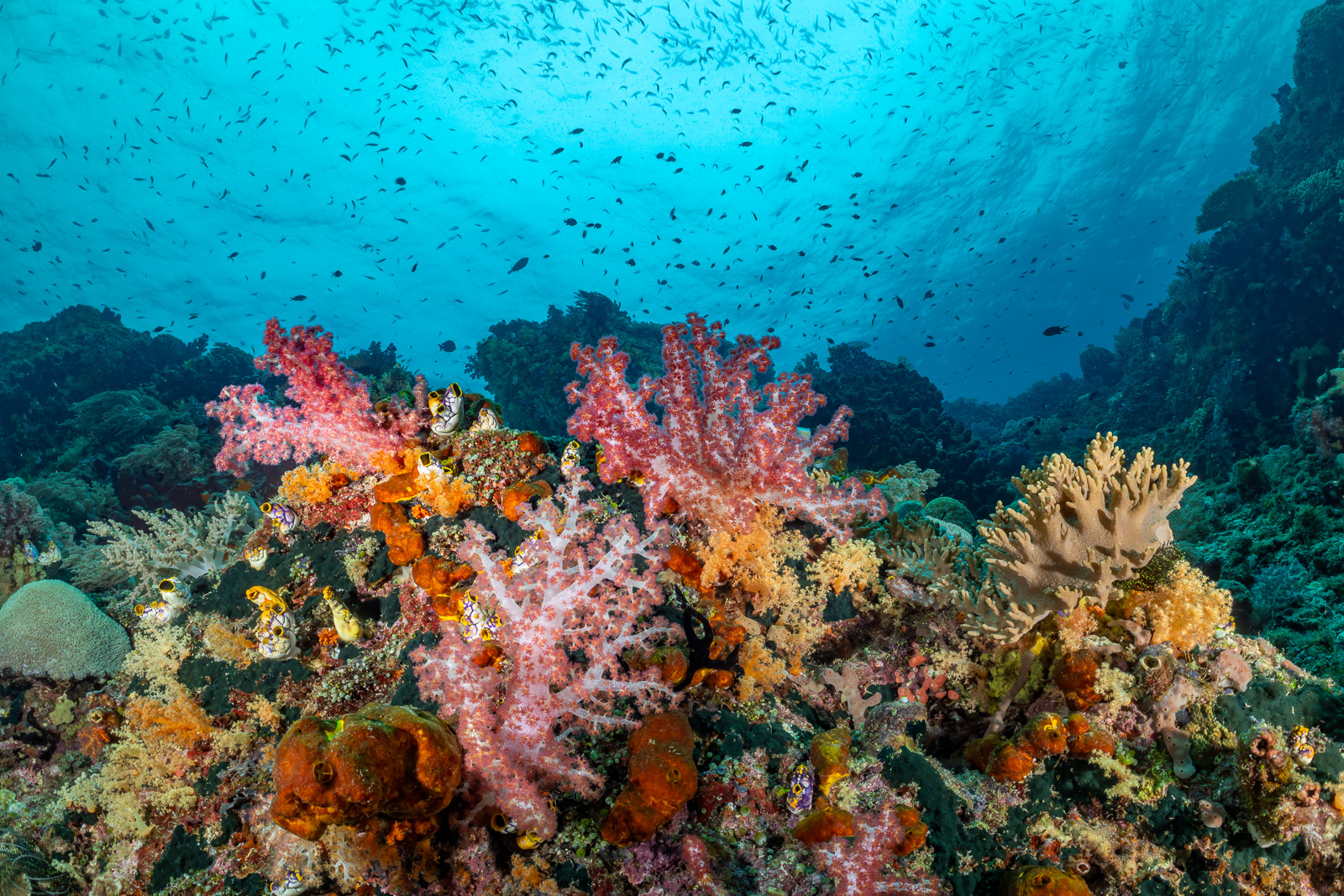
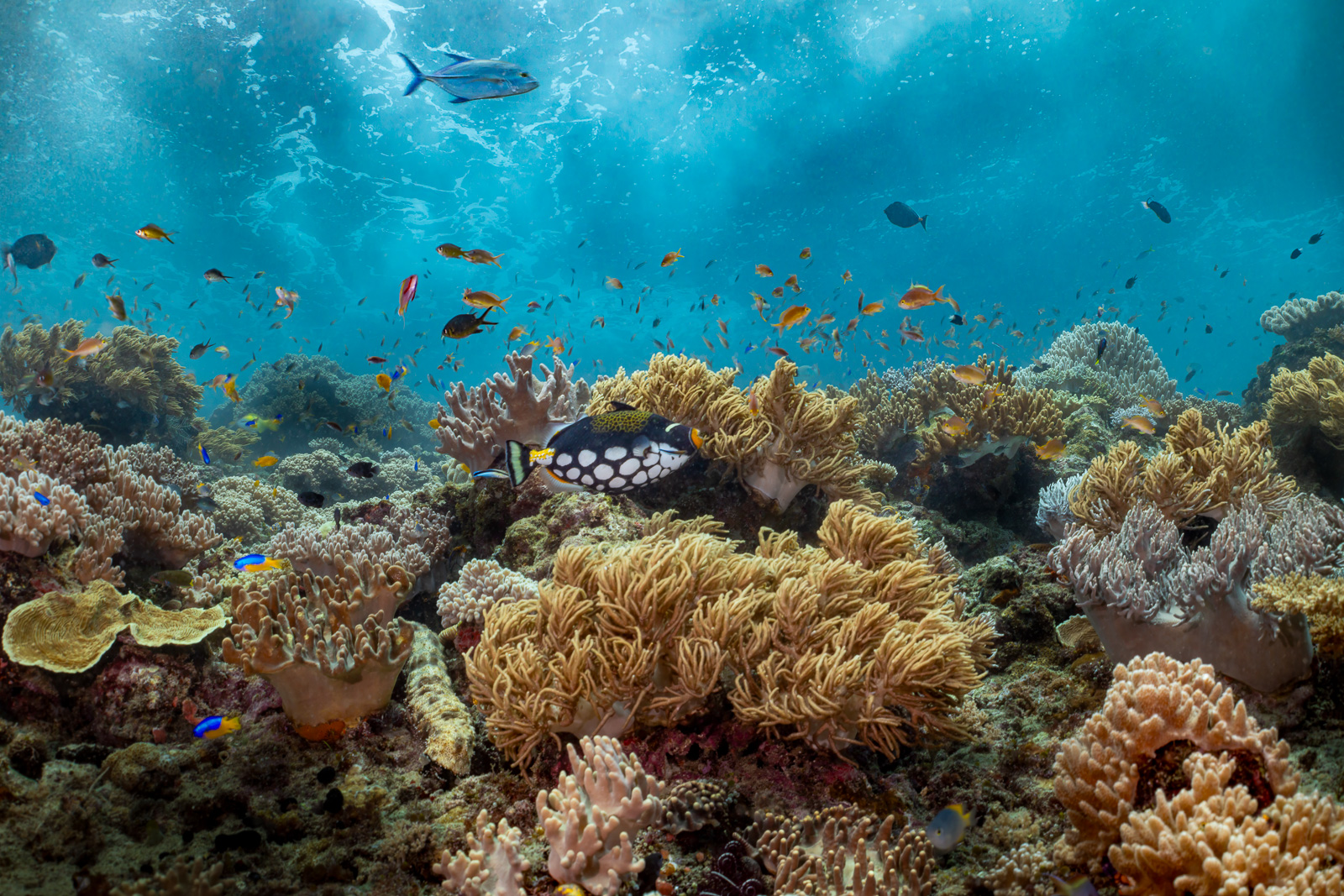
Today rangers who grew up in the surrounding villages patrol the 300,000-acre reserve around the clock. The strategy works: there are twenty-five times more sharks inside the boundary than in the water immediately outside it.
The zebra sharks could not return on their own, so they are being carried back. Aquariums around the world ship eggs to a sea nursery off Batbitim, where the pups are raised until they can feed themselves, tagged, and released over the reef. Seventy-five now swim in Raja Ampat. It will take two hundred to three hundred before the population holds itself together.
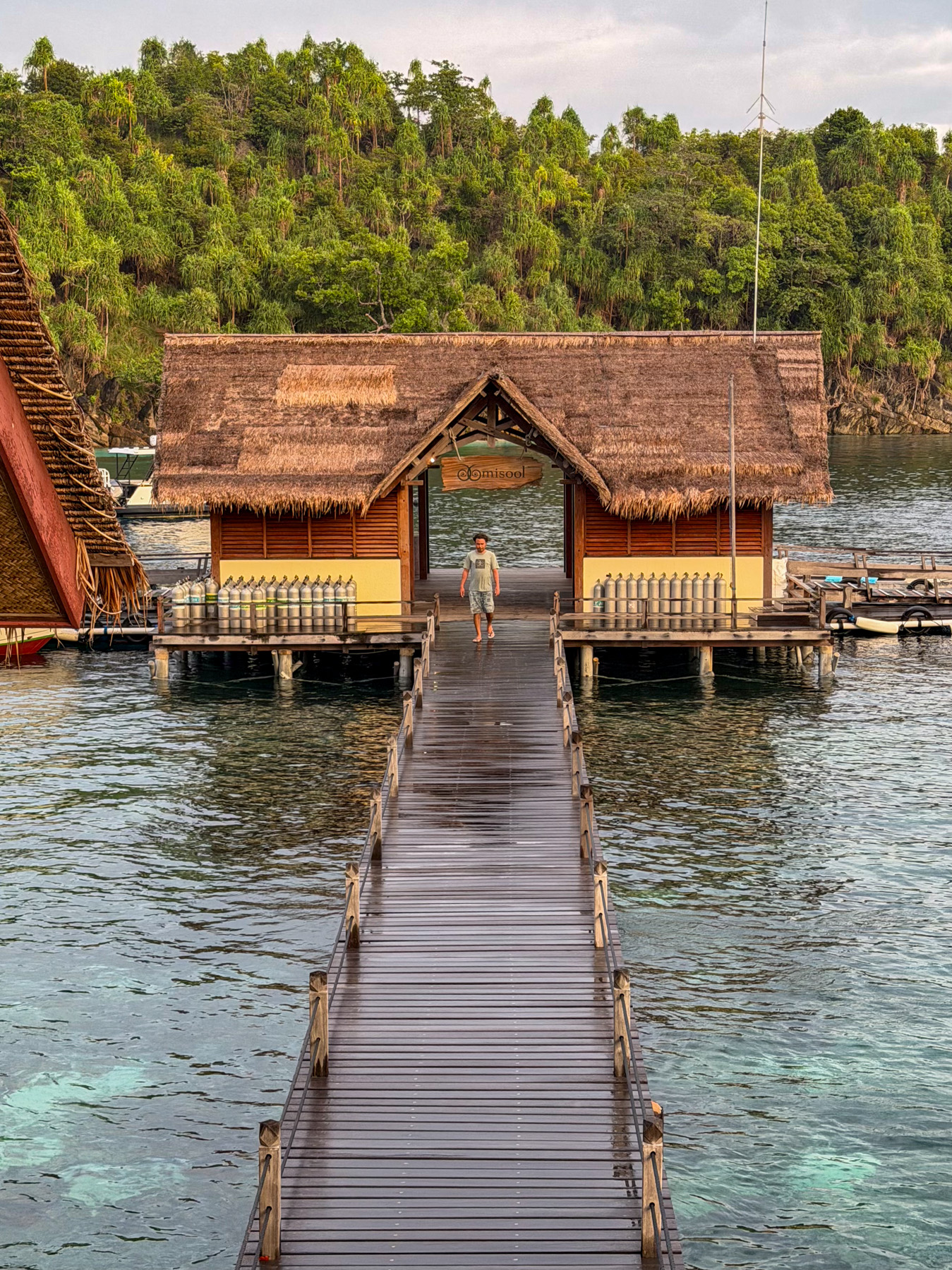
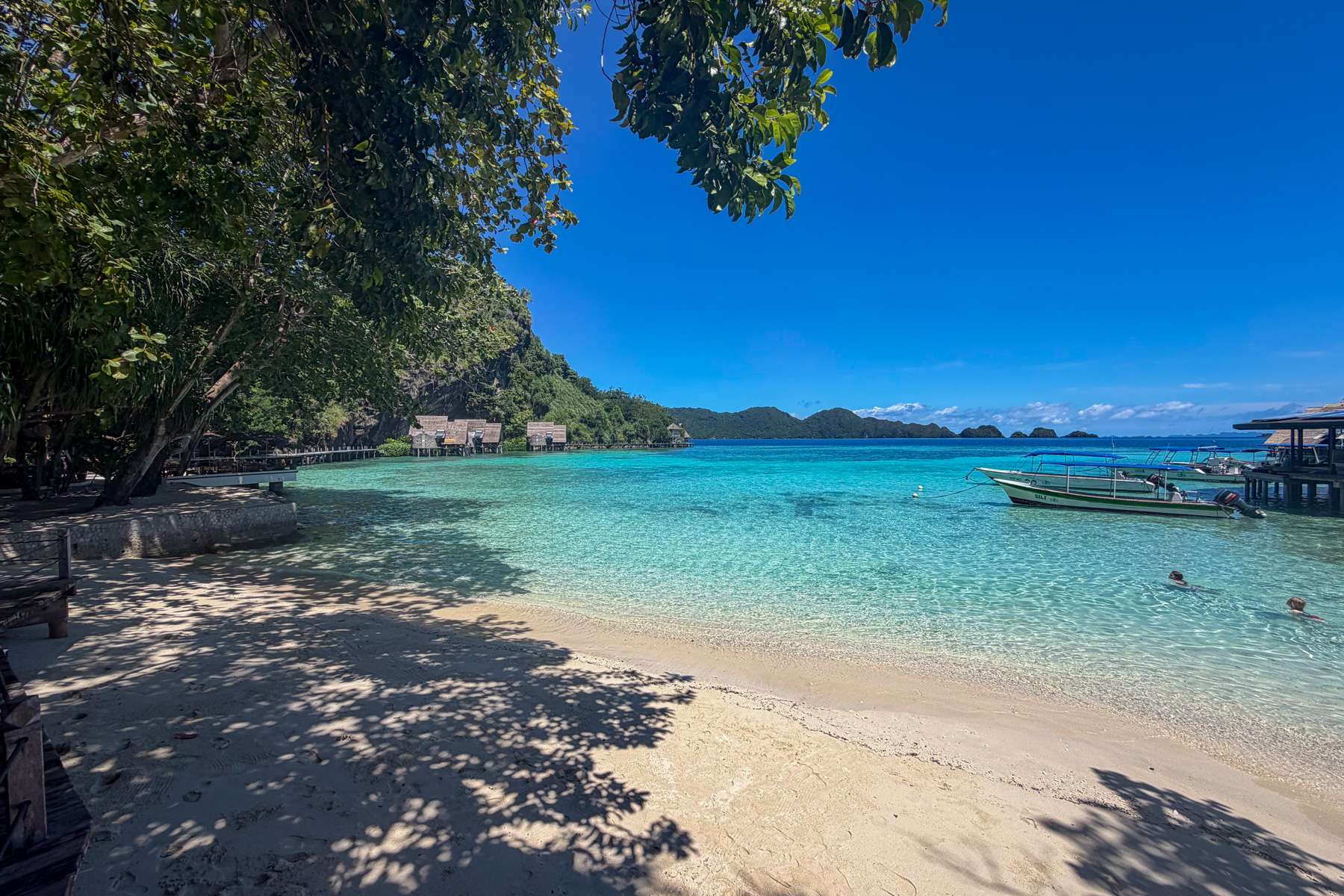
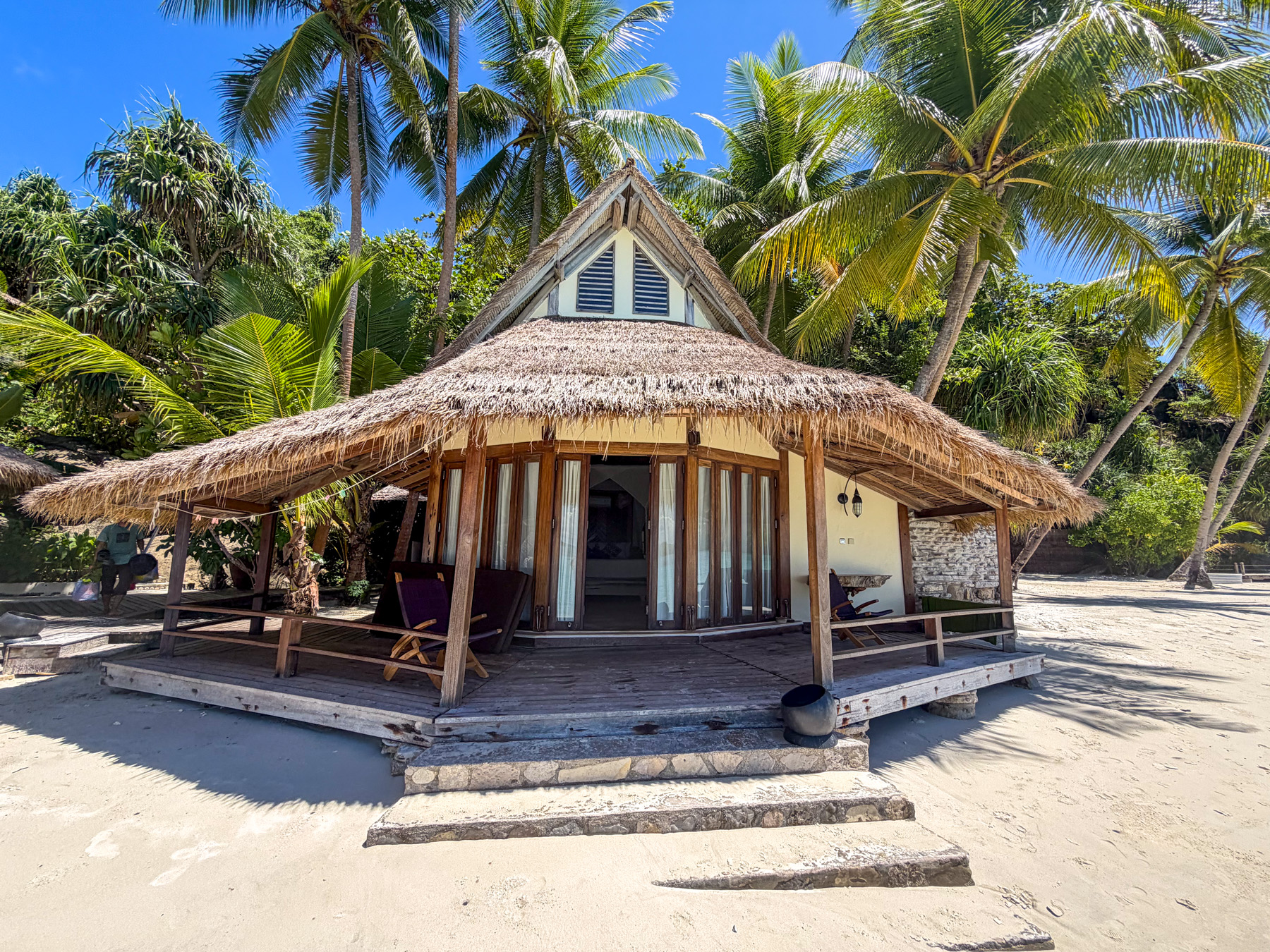
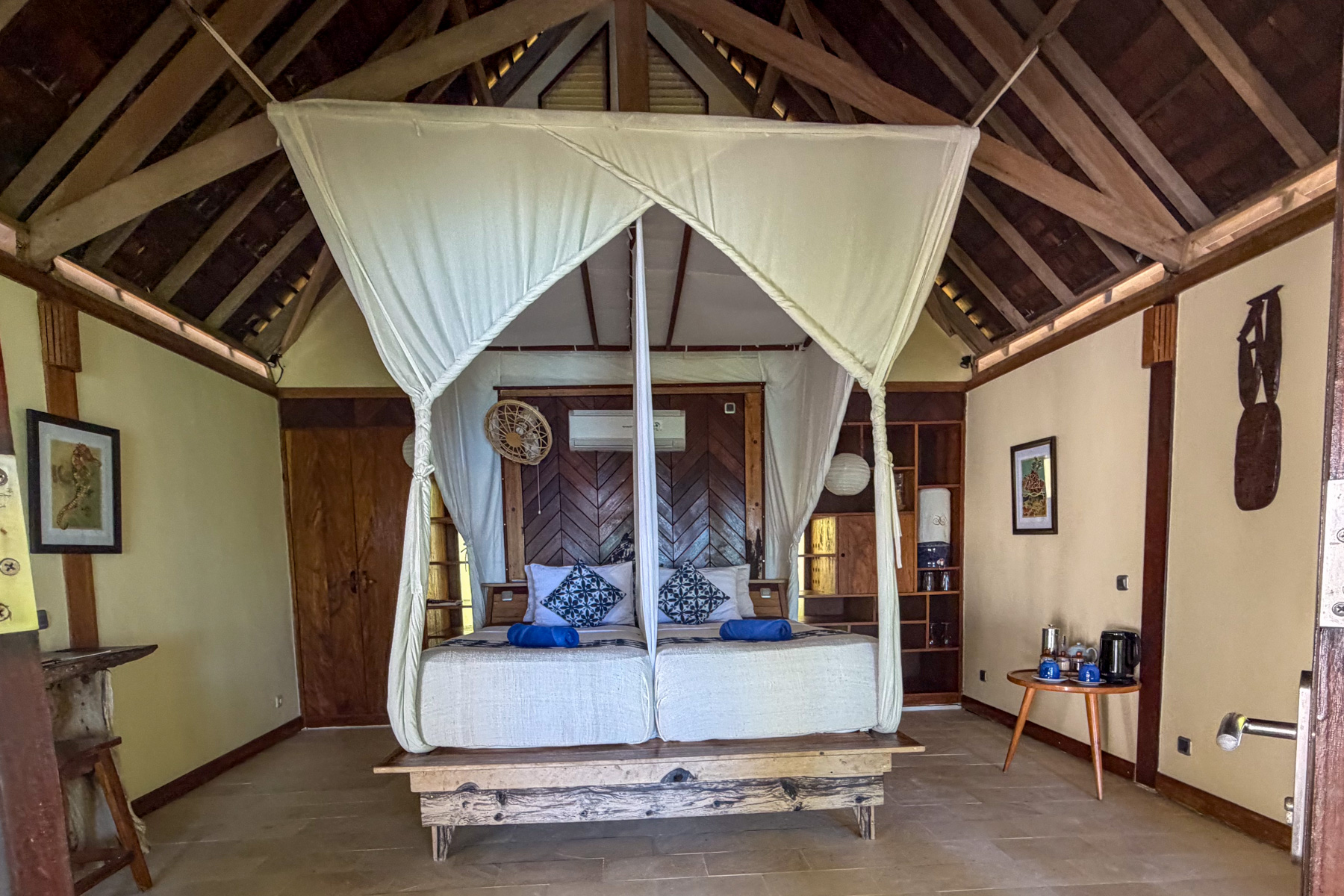
The reserve is funded by the beds. Your week pays the rangers, the patrol boats and the nursery. You can go and watch a species being put back, knowing your presence is the reason it survives.
I have watched a reef go the other way. I worked dive boats on the Great Barrier Reef in 1997 and 1998, and came back in 2001 to show my wife the sites I had loved; the water was warmer, the coral had bleached, and the fish had gone quiet. That is why the rangers are the first thing I look at here, not the last.