
Miles
A recommendation means nothing from someone unwilling to publish a bad review — so every score here ships the same way, flattering or not.
7,000+ dives · 30 yearsthe record · belowWhy everything here carries a number
Dive travel writing is almost entirely promotional. Every destination is world-class. Every reef is pristine. Every operator is the best there is. None of it helps someone deciding where to spend a year's dive budget and the annual leave to go with it, because none of it distinguishes between places.
So I started scoring them. Every destination on this site has a number, arrived at the same way, published whether or not it flatters the place. Cozumel scores 36. Negril, in Jamaica, scores 45. The lowest Operation score here is a , and operators share it; the number stays on the page.
Those numbers are the point. A recommendation is only worth something from somebody willing to publish a bad review, and I've published several.
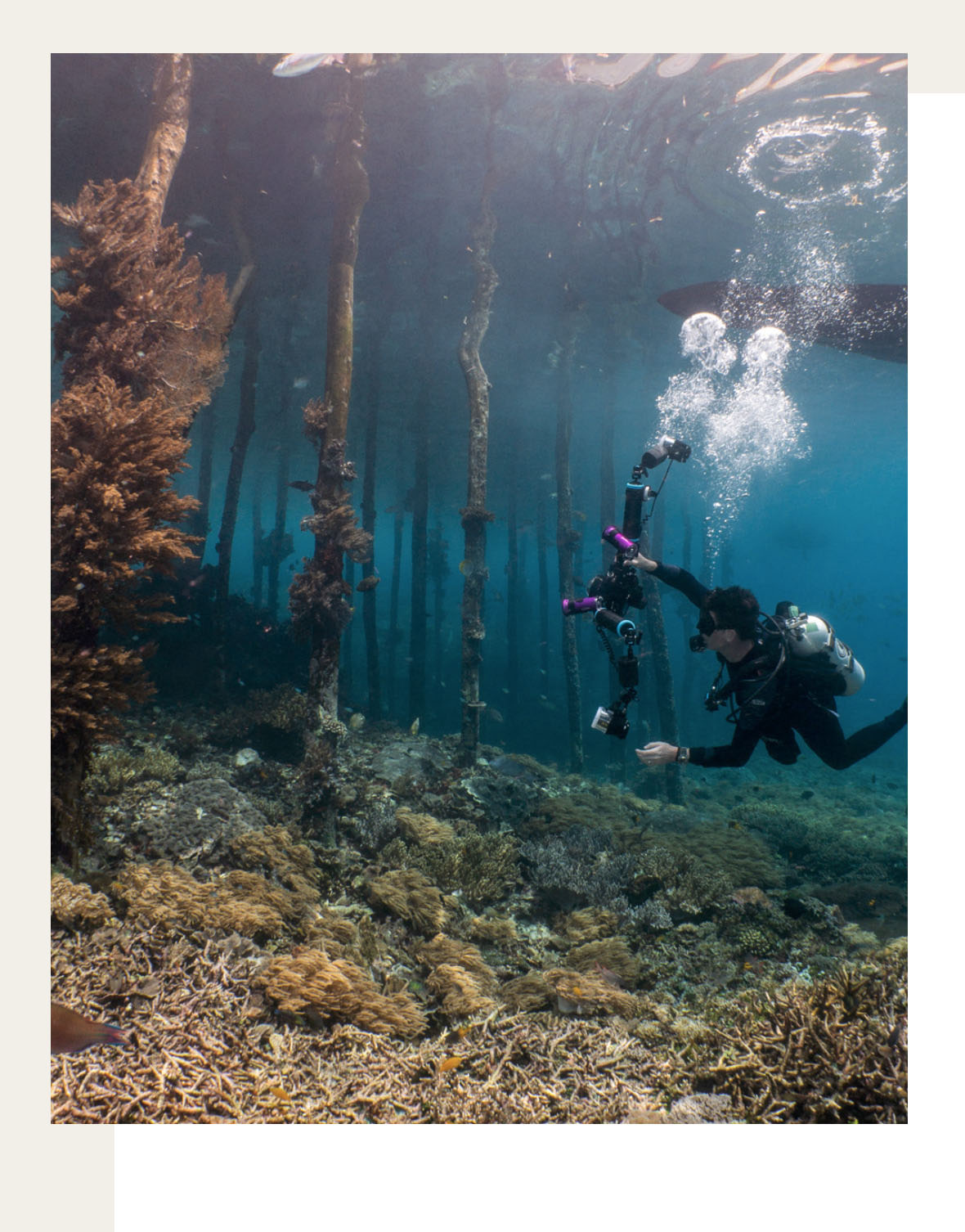
I have been the person running the operation
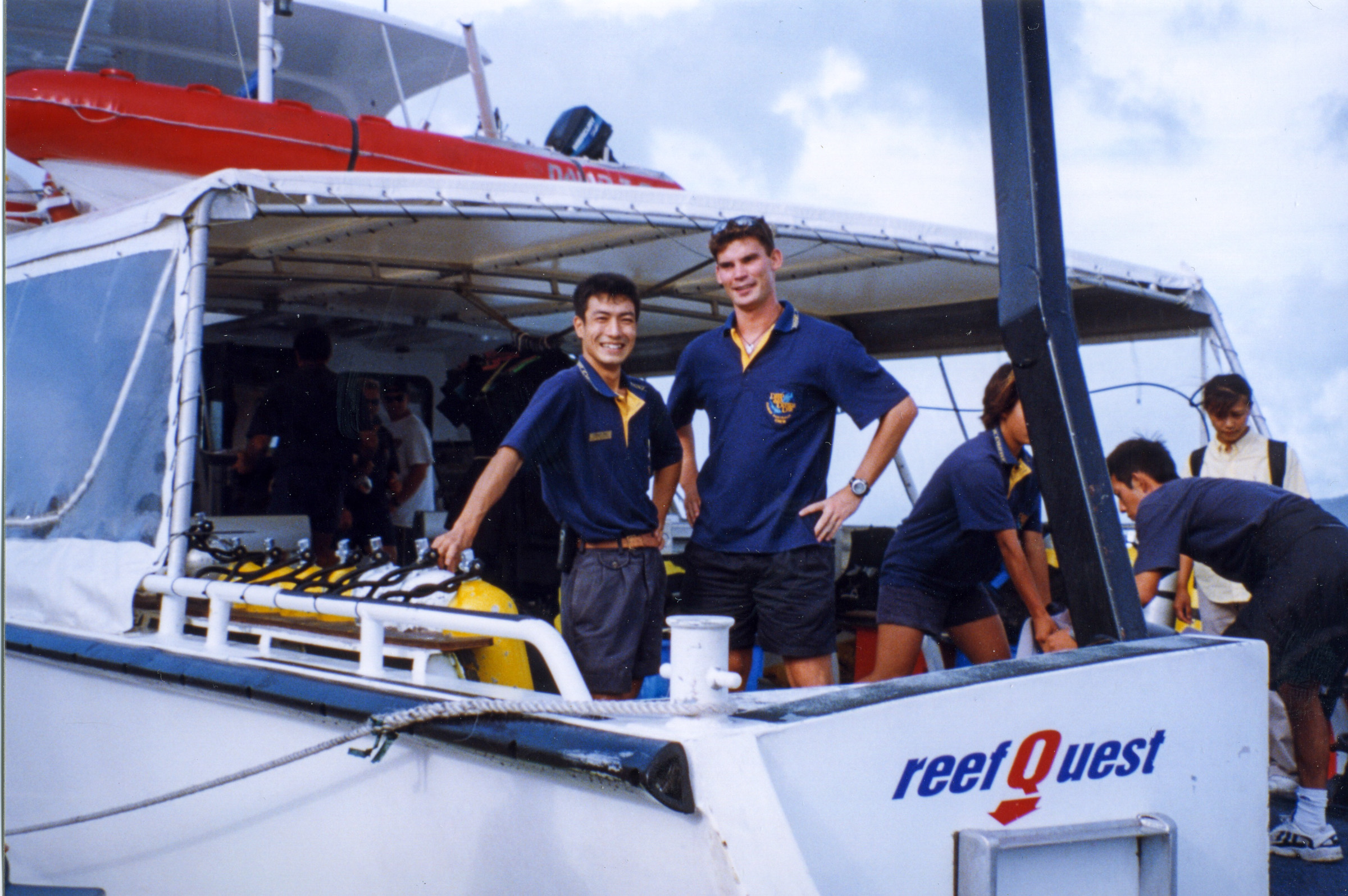
Before any of this, I worked in the industry. Divemaster and instructor in Fiji, Australia, Canada and Grand Cayman between 1997 and 2003: briefing guests, running boats, sorting kit, managing conditions, and being responsible for people in water that didn't always cooperate.
I went on to PADI Master Instructor and IDC Staff Instructor, which meant I wasn't only teaching divers, I was helping train the instructors, working alongside Course Directors on instructor development. If you want to know what good practice looks like on a dive boat, teaching it to the people who'll go and run those boats is a reasonable way to find out.
Trips here are led, not instructed. I'm the photographer and the person who chose the destination, and the diving is supervised by the operator's own active staff.
That's why Operation is one of the six things scored on every trip here. Most reviews treat the boat as background to the reef. Having stood on the other side of the tank rack, and having taught the standards, I know how much of a trip is decided by whether the operation is any good, and I know the difference between a bad day and a badly run one.
It’s also why a 7 gets published when a 7 is what happened.
PADI Master Instructor and IDC Staff Instructor #112461; DAN Instructor #8669. Neither in teaching status, by choice.
Thirty years, one mark per visit
Every place I have dived since I started working in 1997: where I worked, where I keep going back, and the 17 places scored on this site. 10 of those have been dived more than once, which is the only way to say anything honest about whether a place is changing.
First dive: Jamaica, 1988. The chart starts in 1997, the first year I worked in diving.
A beautiful resort that is unsafe does not score well
Operation is how well the diving is actually run, scored on its own for every operator: the boat and its handling, the briefings, the staff in the water, how kit and cameras are treated, how a changed plan is managed, and whether anything felt careless. Safety is inside that number, not beside it. The reef is scored separately, so a spectacular place run badly shows both numbers, and the second one is the one this page exists for.
Scored on the same rubric everywhere; the lowest on the site today is a , shared by operators.
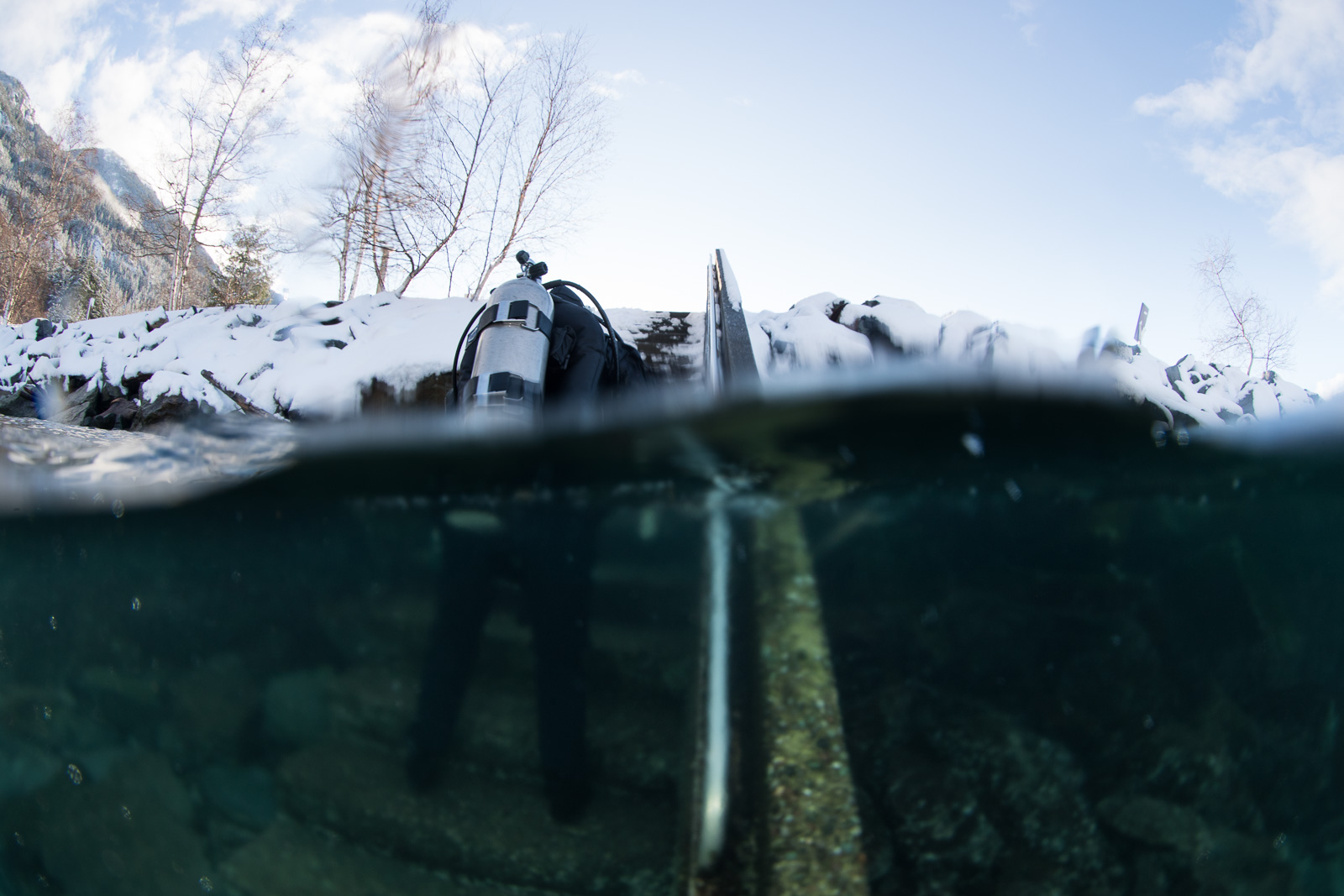
Thirty years, abbreviated


Who has paid me, and when
Most dive-travel writing is funded by the operators it reviews: comped cabins, hosted weeks, affiliate links, tourism-board trips, rarely declared. So here is the whole paper trail.
Nothing on this site was comped for a review. Every scouting trip came out of my own pocket. If a resort ever hosts me to be reviewed, the review will say so at the top and the score will not move for it.
Trips are a different thing. On a boat of ten, two places come free from the resort: one is mine as trip leader, the other is the margin that makes the trip possible. That is how group travel works everywhere, and it is written here so nobody has to wonder.
I take no salary, commission, retainer or referral fee from any resort, liveaboard, lodge or dive operation. Print sales and licensing pay for the travel; if an operator reviewed here later licenses an image, that transaction is declared on that destination’s page.
What the scoring is actually for

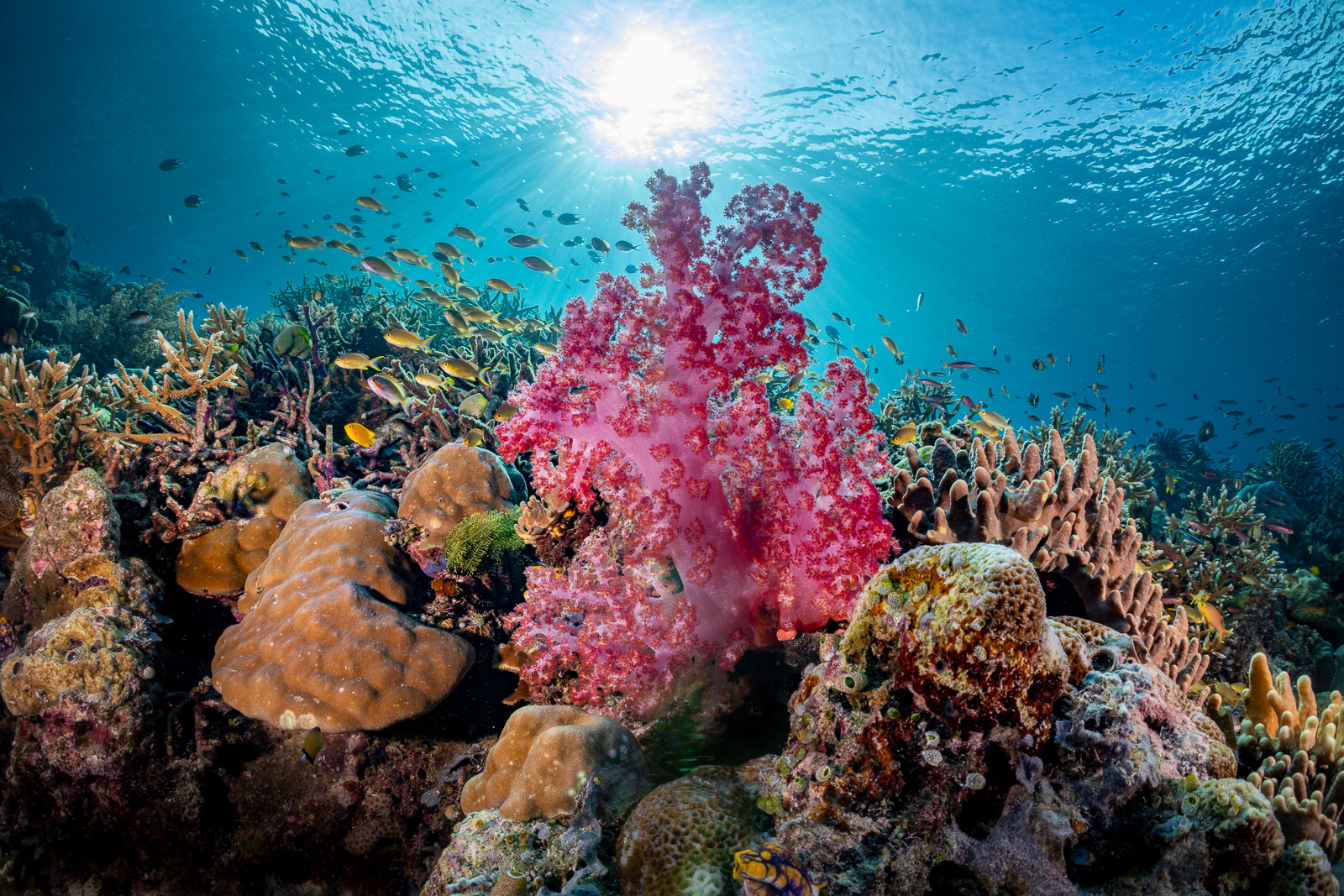
Every frame sold here came off a dive described on this site, on a trip I paid for, in the conditions that turned up. Nothing is licensed in, nothing is bought from an agency, and nothing was shot on a hosted week.
That is why destinations are scored honestly: you can read exactly what the water was doing on the day a picture was made, and then decide whether you want it on your wall.
Miles Below covers the diving, and the underwater prints and licensing are sold here. The land wildlife work and the overlanding live at milesoverland.ca: same photographer, different subject, and a Rivian instead of a boat.
If you're here for a trip or a destination guide, you're in the right place. If you're here for a print or an image licence, that's the other one.